Visiting Bahu Fort: A Guide for Jammu Heritage Seekers
Step behind thick stone walls overlooking the Tawi River to explore centuries of Dogra history.
Plan your exploration of Bahu Fort, the Bawe Wali Mata temple, and the terraced gardens with this in-depth guide.
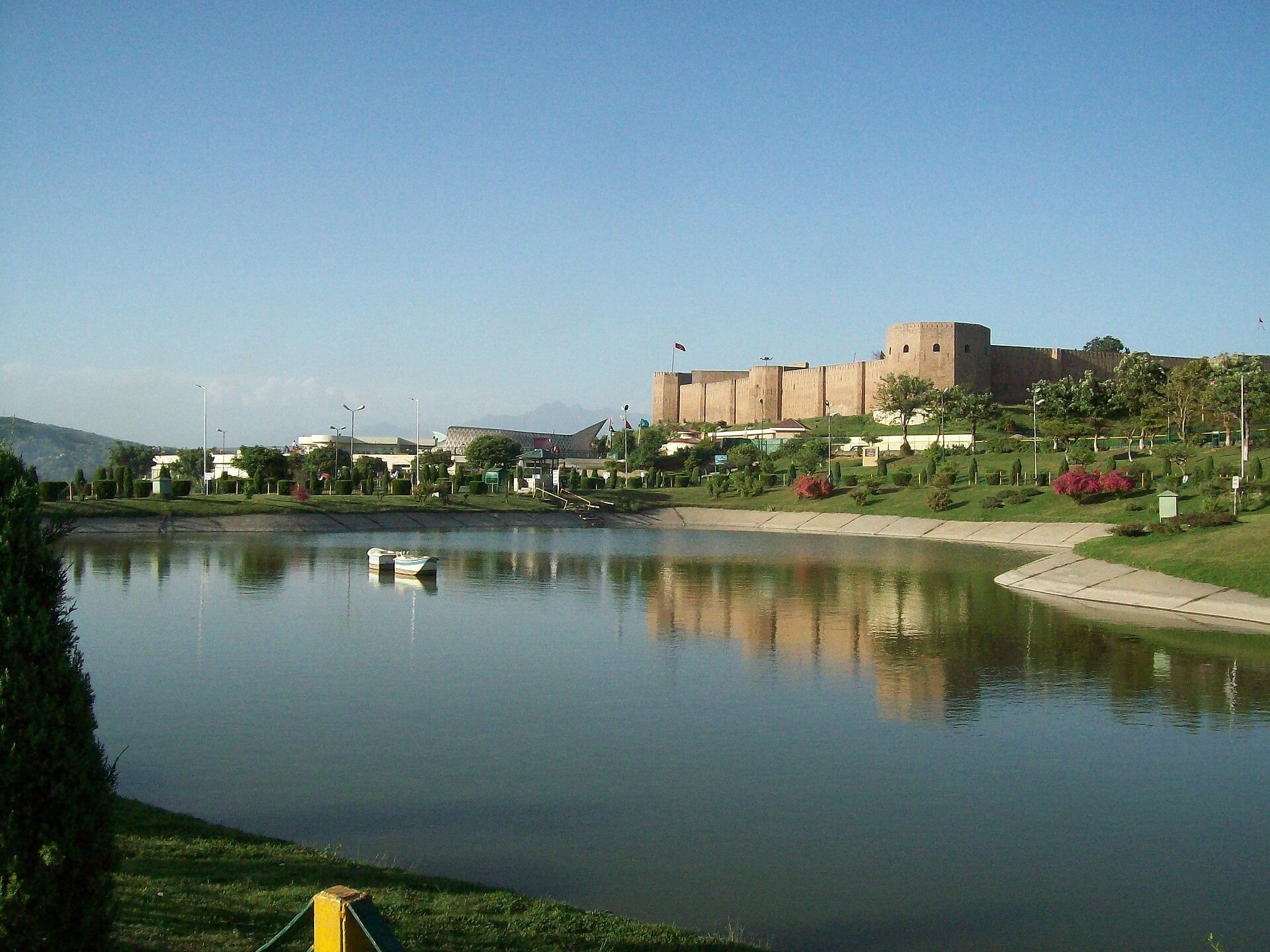
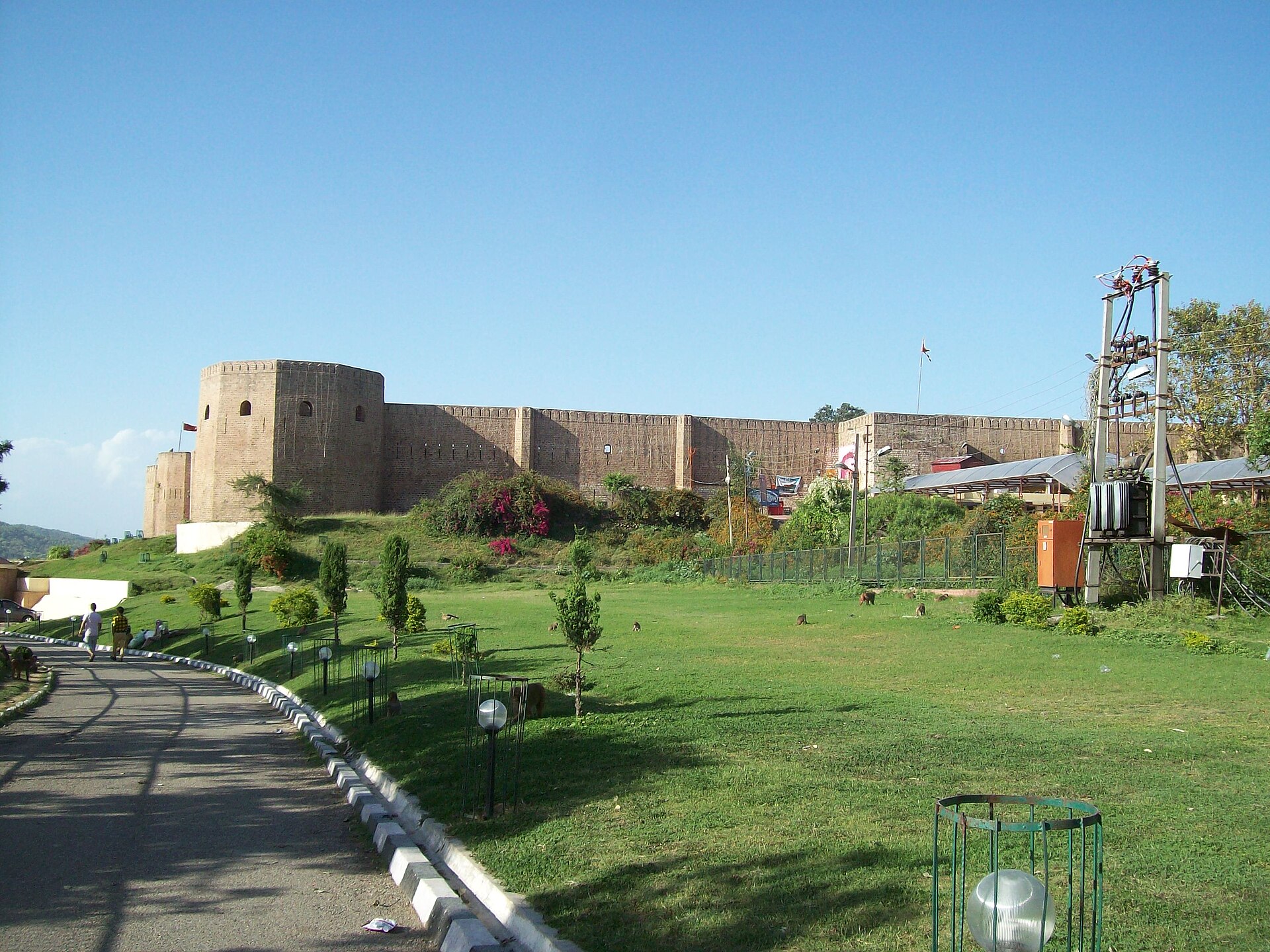
The imposing stone architecture of Bahu Fort.Photo: Ms Sarah Welch · CC0
Standing on the stone ramparts of Bahu Fort at dusk, watching the lights of Jammu stretch out across the Tawi River valley, it is easy to see why Raja Bahucharan chose this rocky bluff eight centuries ago. As the oldest surviving structure in the city, bahu fort jammu offers a tangible link to the region's royal past, long before modern highways carved through the foothills.
Unlike many tourist monuments locked behind glass, this fort remains an active, breathing part of daily life. Soldiers do not patrol here anymore, but pilgrims, families sharing afternoon snacks, and bands of resident monkeys certainly do. Here is what you need to know to experience the site beyond the surface level.
History of Jammu's Oldest Fortification
The original structure dates back to the ninth century, though subsequent Dogra rulers significantly reinforced and expanded the fortifications during the nineteenth century. Built from massive river stones, lime mortar, and thick brickwork, the walls were engineered to withstand artillery attacks from rival hill chieftains.
Walking along the perimeter, you notice arrow slits and guard posts designed for maximum defensive advantage. The fort changed hands multiple times through regional conflicts before settling into its role as a proud symbol of Dogra sovereignty.
Inside the Bawe Wali Mata Temple
Tucked inside the fort complex sits the famous Kali temple, locally known as Bawe Wali Mata. Dedicated to the presiding deity of Jammu, this shrine draws thousands of devotees, especially on Tuesdays and Sundays.
The atmosphere inside is intense, filled with the resonant ringing of brass bells, chants, and the heavy scent of burning camphor. Even if you are visiting purely for historical curiosity, pausing to observe the deep devotion of the pilgrims adds profound context to the site.
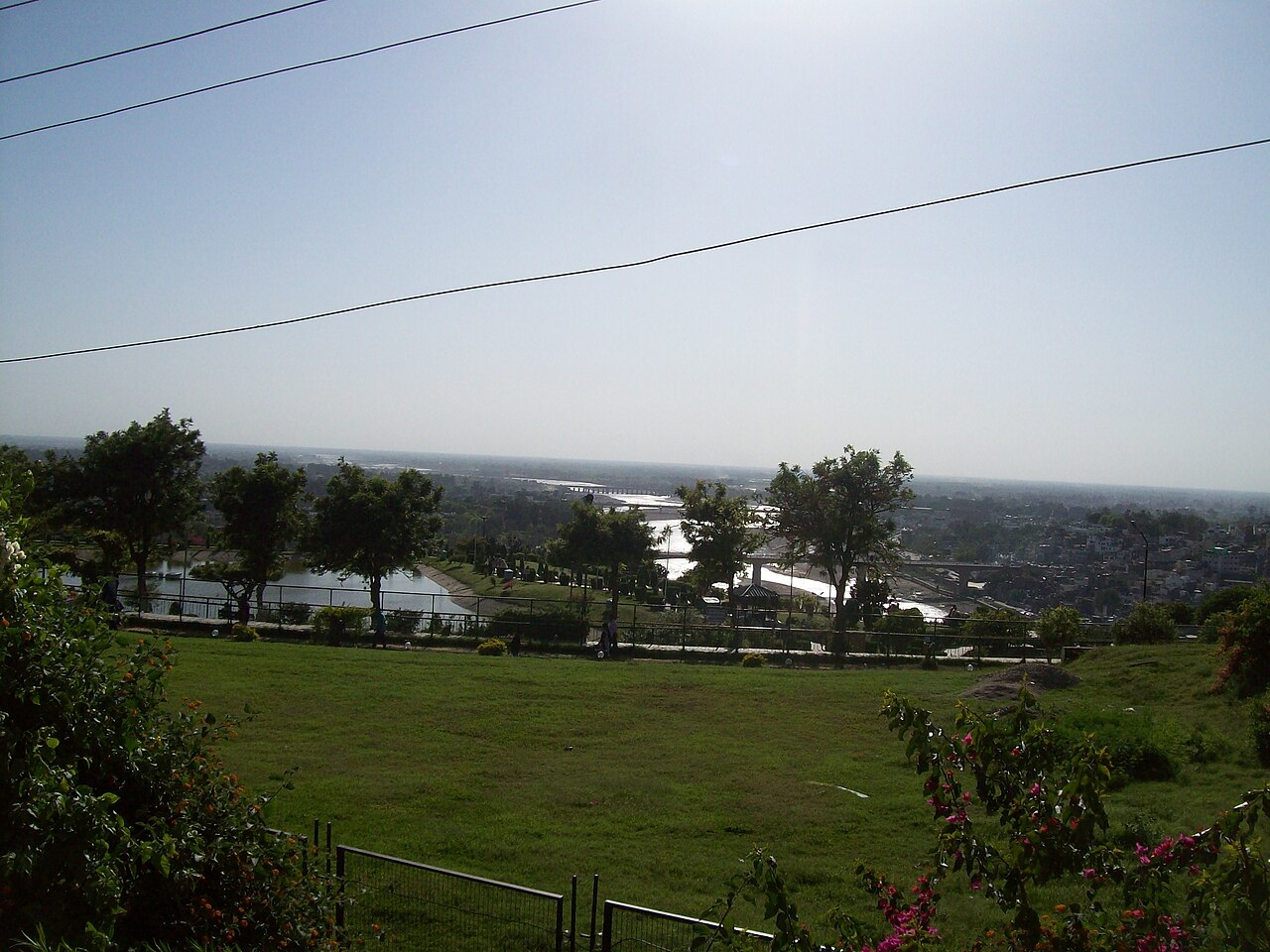
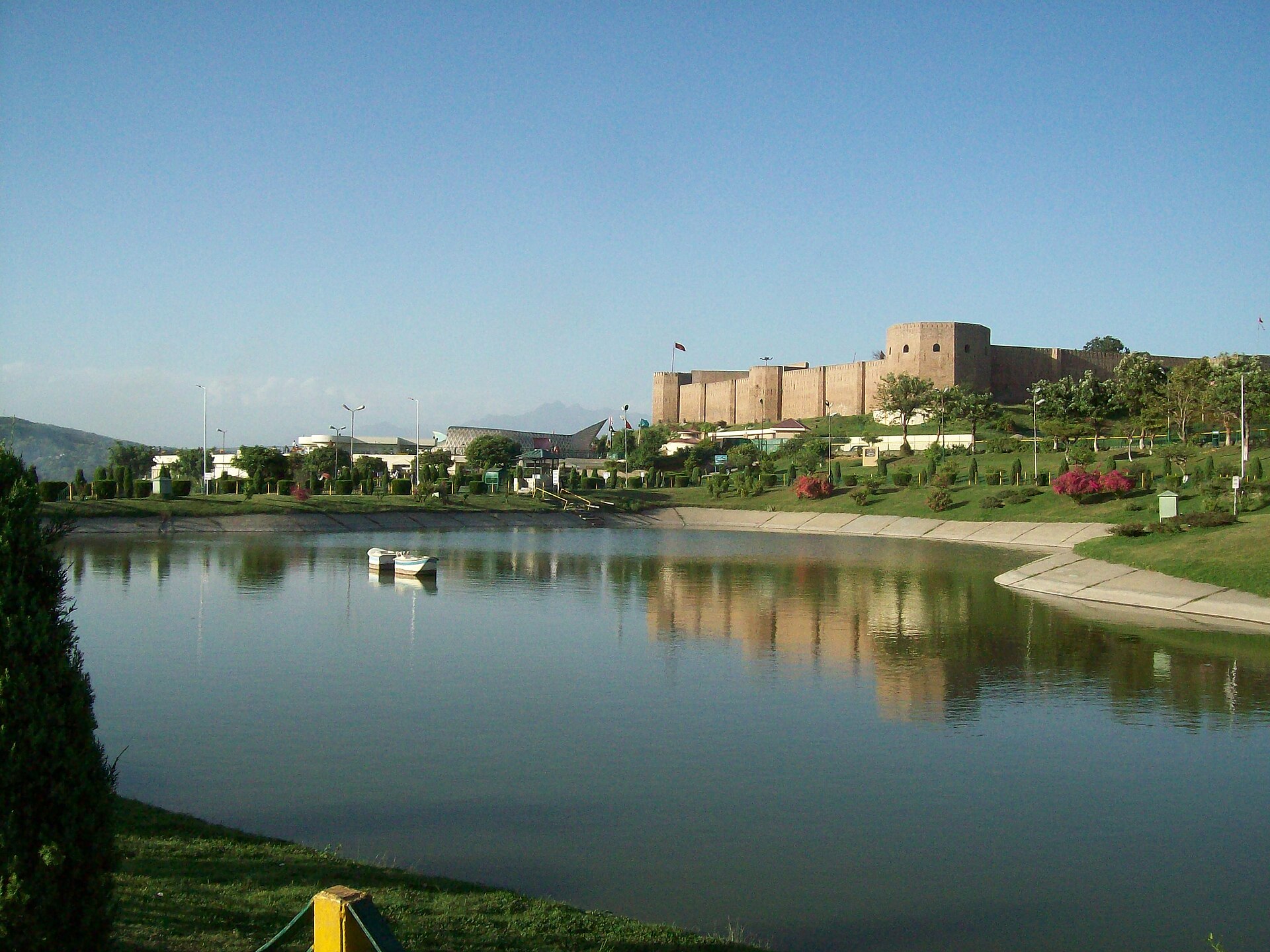
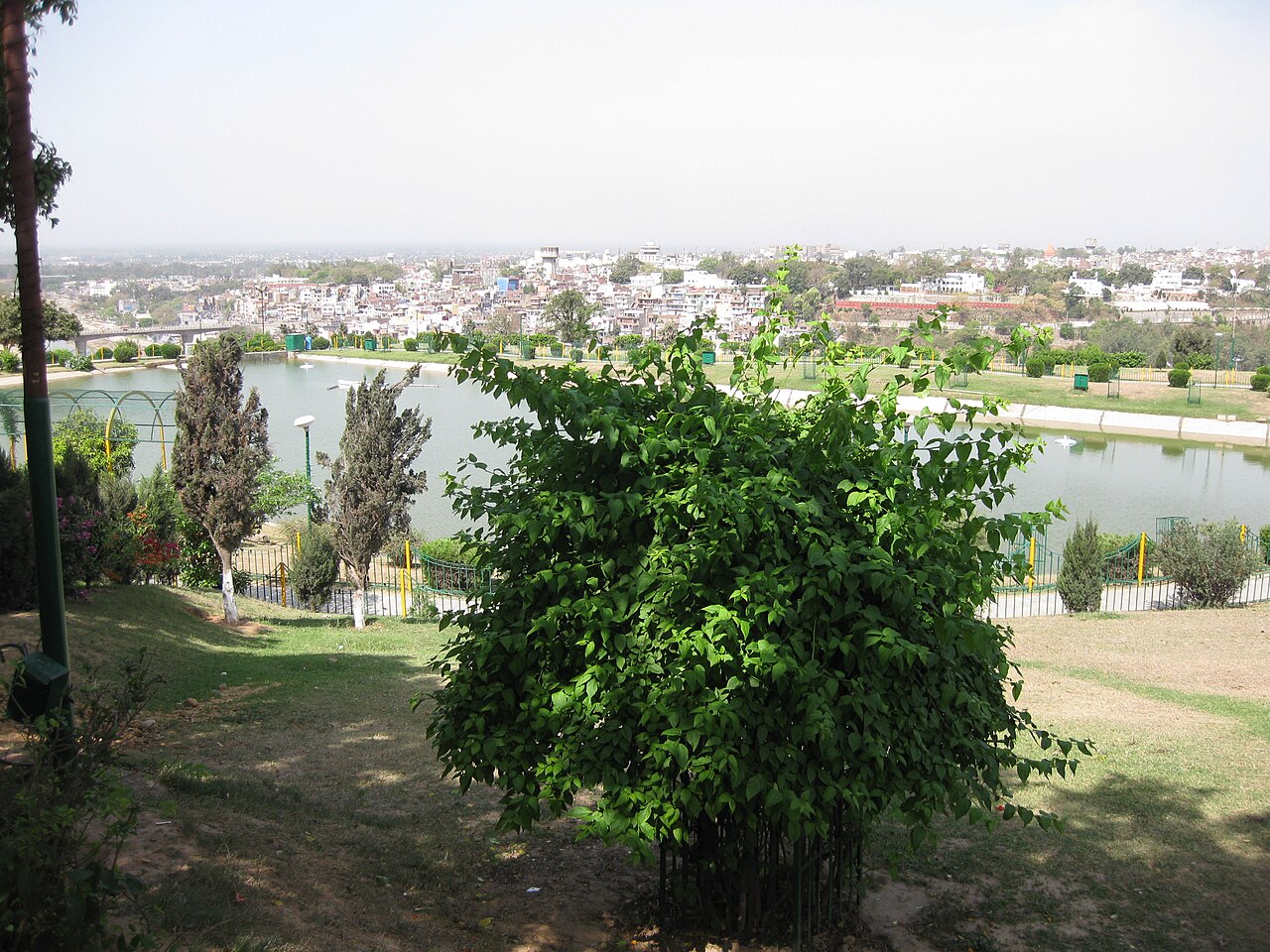
Standing on the stone ramparts at dusk, it is easy to see why Raja Bahucharan chose this rocky bluff.
Exploring the Stone Ramparts
The real architectural thrill lies in climbing up to the top of the defensive towers. The stone staircases are steep and worn smooth by millions of footsteps over the decades, requiring sturdy footwear.
From the top, your reward is an unhindered panoramic view of the Tawi River snaking through the valley below. On clear days, the hazy blue outline of the outer Shivalik hills frames the horizon.

The Bagh-e-Bahu Terraced Gardens and Aquarium
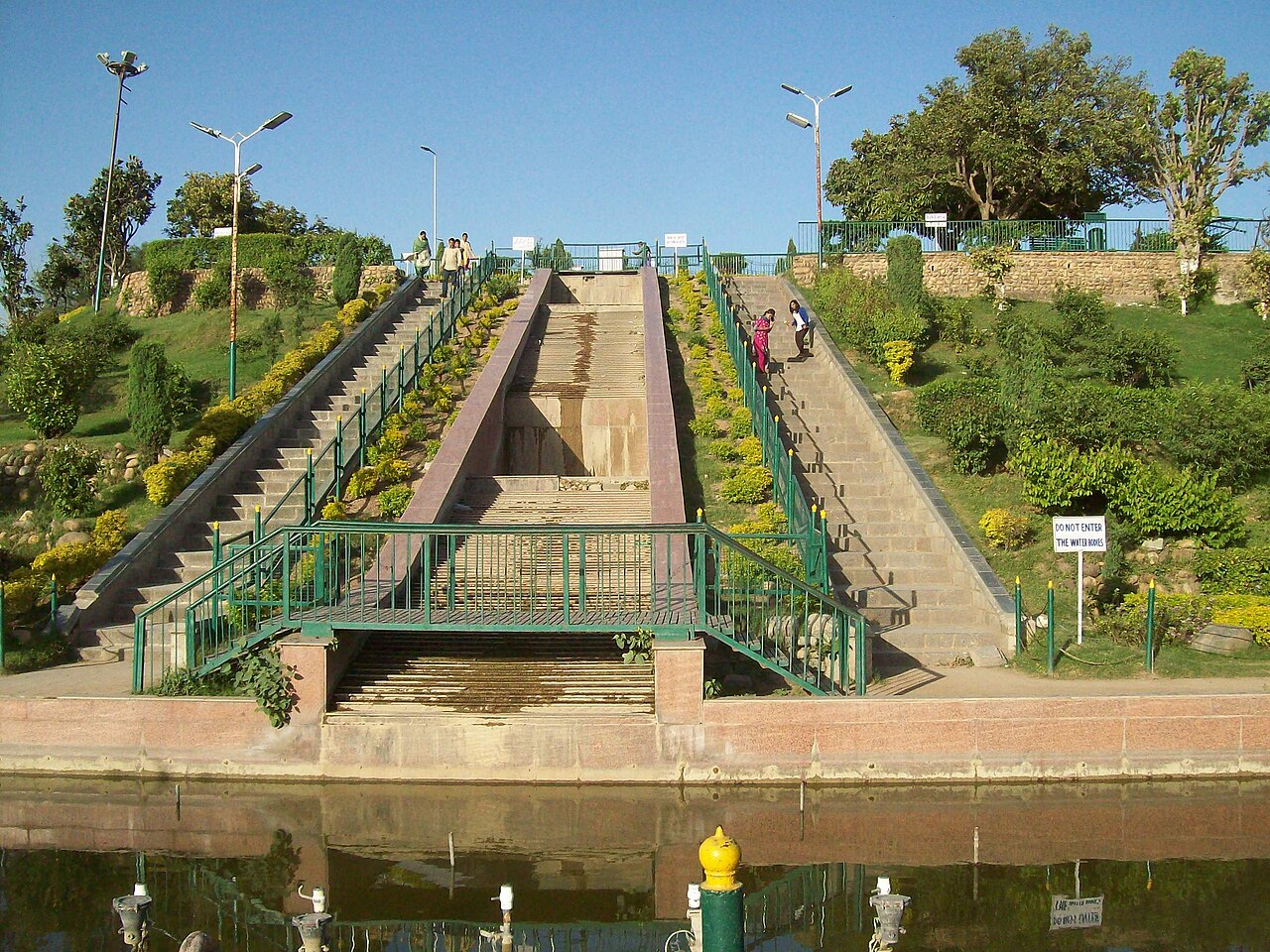
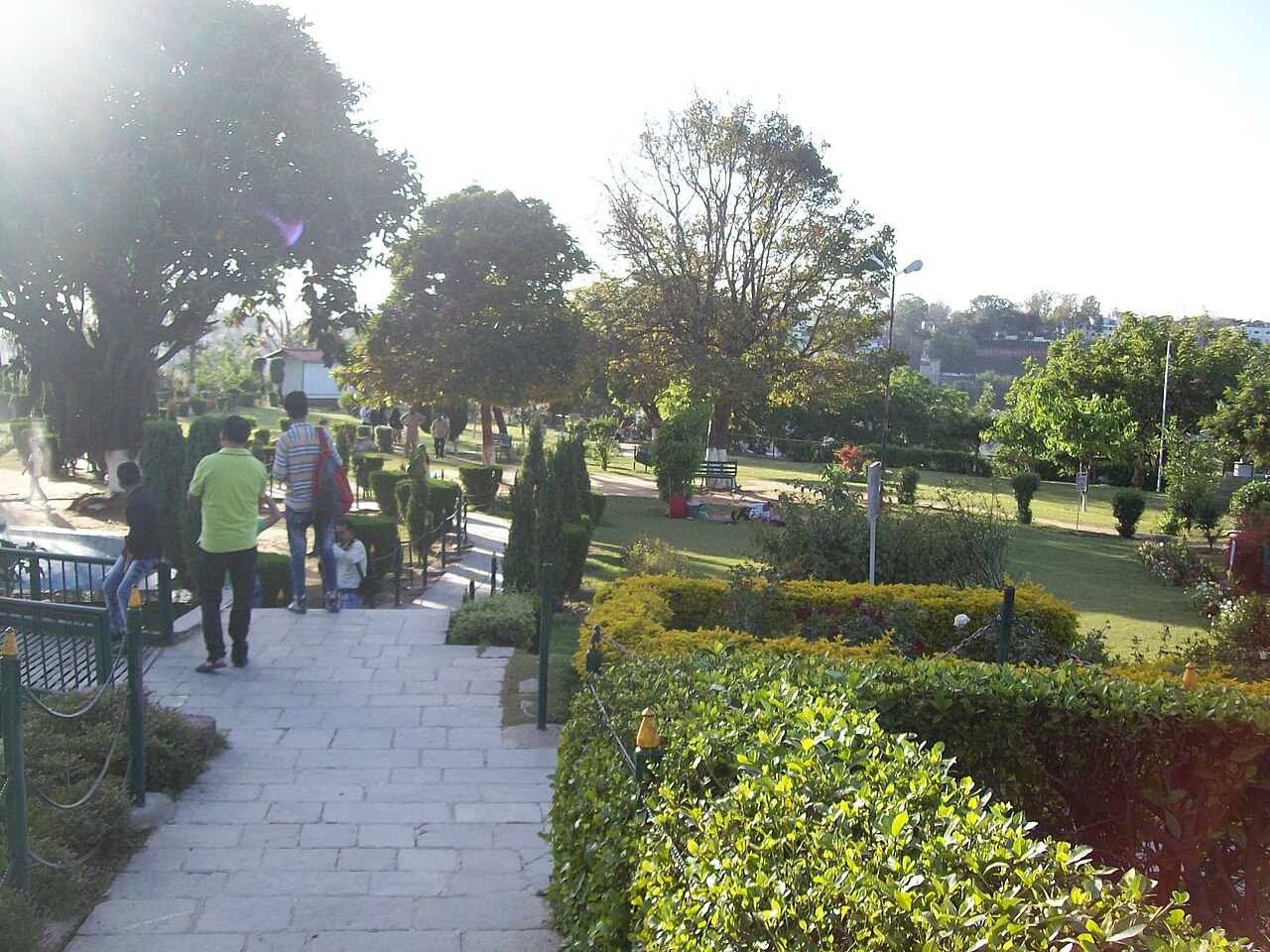
Just outside the fort walls lie the sprawling terraced lawns of Bagh-e-Bahu. Designed to contrast with the austere stone of the fortress, these manicured gardens feature cascading fountains, shaded walkways, and massive lawns.
Tucked beneath the gardens is a subterranean aquarium, billed as one of the largest underground aquarium installations in the region. It houses dozens of freshwater and marine fish species in curved glass tunnels that delight younger travelers.
Best Times to Visit for Photography
Light makes or breaks your photographs here. Midday sun casts harsh shadows against the weathered grey stone of the ramparts, washing out the river valley backdrop.
Aim to arrive by late afternoon, around four o'clock. As the sun begins to drop behind the western hills, the golden hour light illuminates the stonework and gives the river below a reflective, metallic sheen.
Local Tips for a Smooth Experience
Keep a close eye on your belongings because the resident rhesus macaques are bold and quick-fingered. Never carry open food containers or plastic bags in your hands while walking near the outer trees.
Pair your morning at the fort with a quick trip into town to see Raghunath Temple, or plan a longer excursion out toward Mansar Lake and Surinsar Lake for a complete picture of the region.
Before you book
Exploring Bahu Fort gives you a rare window into the medieval military engineering and spiritual devotion that shaped Jammu. Balancing rugged stone architecture with lush terraced lawns, it remains a quintessential stop on any northern heritage trail.
Let our team help you incorporate this historic landmark into a broader, well-paced itinerary that connects city sights with serene mountain escapes.
Plan Your Heritage Tour With Us
Reach out to our experts to design a custom itinerary covering Jammu's finest historical sites.
Contact Our TeamCaption for your own post
Overlooking the Tawi River from the historic stone walls of Bahu Fort.
Written by
Kashmir, Jammu & Ladakh specialists
We plan and run trips across Kashmir, Jammu and Ladakh every week of the year. Everything here comes from routes we drive, stays we inspect and questions our travellers actually ask.
Authored following countless afternoon walks along the ancient ramparts.
Quick answers
Questions we get asked
What are the opening hours of Bahu Fort?
The fort grounds and gardens are generally open from early morning until sunset every day of the week.
Is there an entry fee?
A nominal entry fee applies for accessing the fort gardens and underground aquarium, while the temple itself is free to enter.
How far is Bahu Fort from Jammu city center?
It is located about 5 kilometres from the city center, easily reached in 15 minutes by auto-rickshaw or taxi.
Are guides available on-site?
Local freelance guides operate near the entrance, though booking a curated tour package with us ensures knowledgeable accompaniment.
Can I visit with children?
Yes, children particularly enjoy the underground aquarium and the open gardens, though you should watch them closely around monkeys.
Photography credits
- Photo: Ms Sarah Welch · CC0
- Photo: Tejan gupta · CC BY-SA 4.0
- Photo: Nvvchar · CC BY-SA 3.0
- Photo: Tejan gupta · CC BY-SA 4.0
- Photo: Tejan gupta · CC BY-SA 4.0
- Photo: Tejan gupta · CC BY-SA 4.0
- Photo: Tejan gupta · CC BY-SA 4.0