Accommodation near Hemis Monastery: Practical advice
Finding the right base for your spiritual retreat
Considering staying at Hemis Monastery? We look at the reality of monastery stays versus nearby village options for a comfortable Ladakh trip.
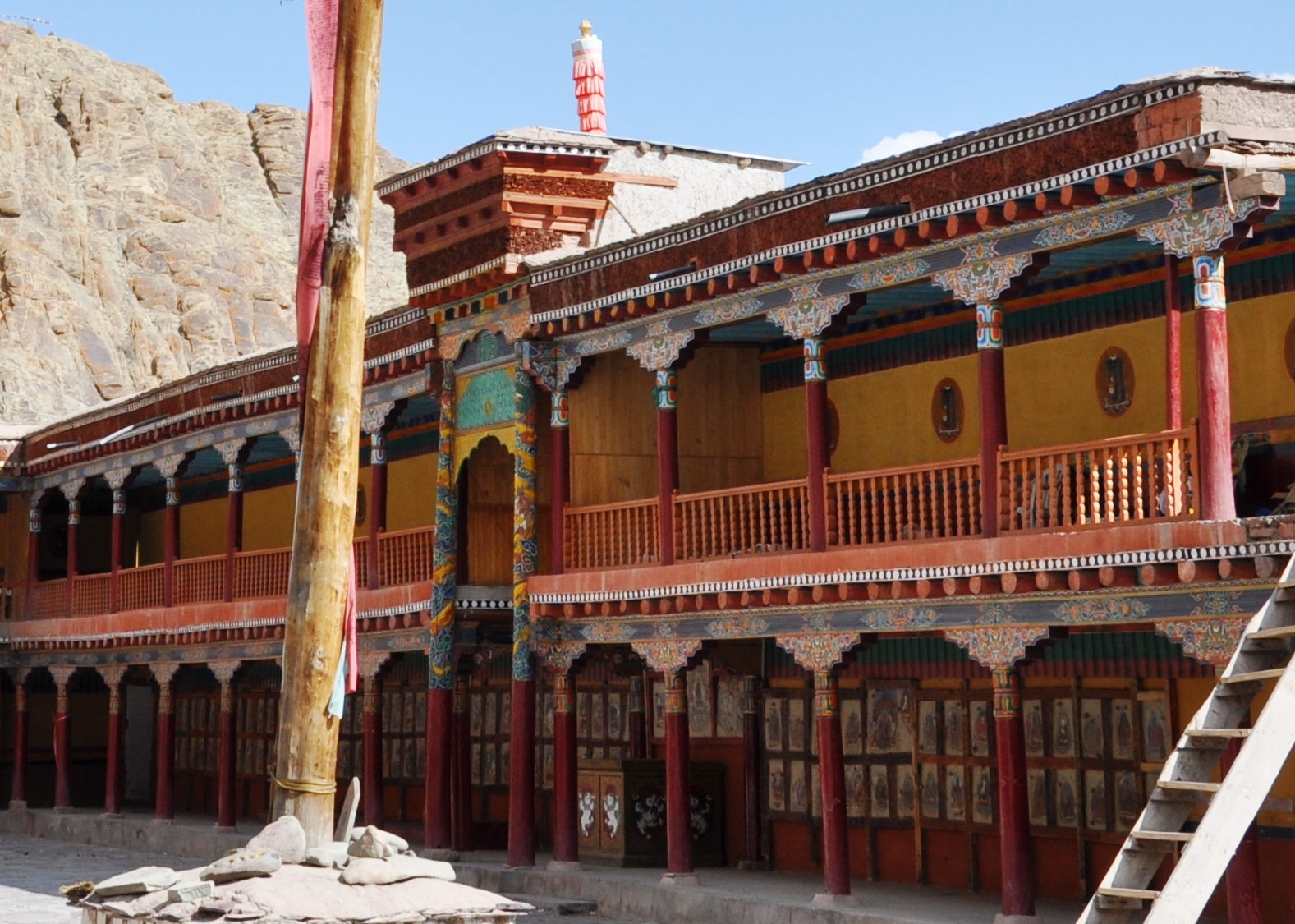
The imposing walls of Hemis Monastery stand as a testament to Himalayan architecture.Photo: Mufaddal Abdul Hussain · CC BY-SA 3.0
I remember waking up at dawn to the sound of long horns vibrating through the thin mountain air, a stark contrast to the quiet of a standard hotel room. If you are planning a trip to Hemis Monastery, you might be wondering if you can replicate that experience.
Finding suitable accommodation near Hemis Monastery requires weighing the desire for an authentic monastic experience against the realities of high-altitude living. While the idea of staying within the temple walls is common, the practicalities are often quite different.
Can you stay inside the monastery?
Strictly speaking, staying inside the active areas of Hemis Monastery is generally not an option for tourists. The monks live in secluded quarters, and the monastery is a functioning religious institution, not a public lodge. However, there are guesthouses attached to or near the monastery complex.
These rooms are extremely basic. Expect thin blankets, shared toilet facilities, and limited hot water. If you choose this path, you are sacrificing the creature comforts of modern hotels for the ability to walk to the prayer halls before the crowds arrive. It is a trade-off that appeals to a specific type of traveller.
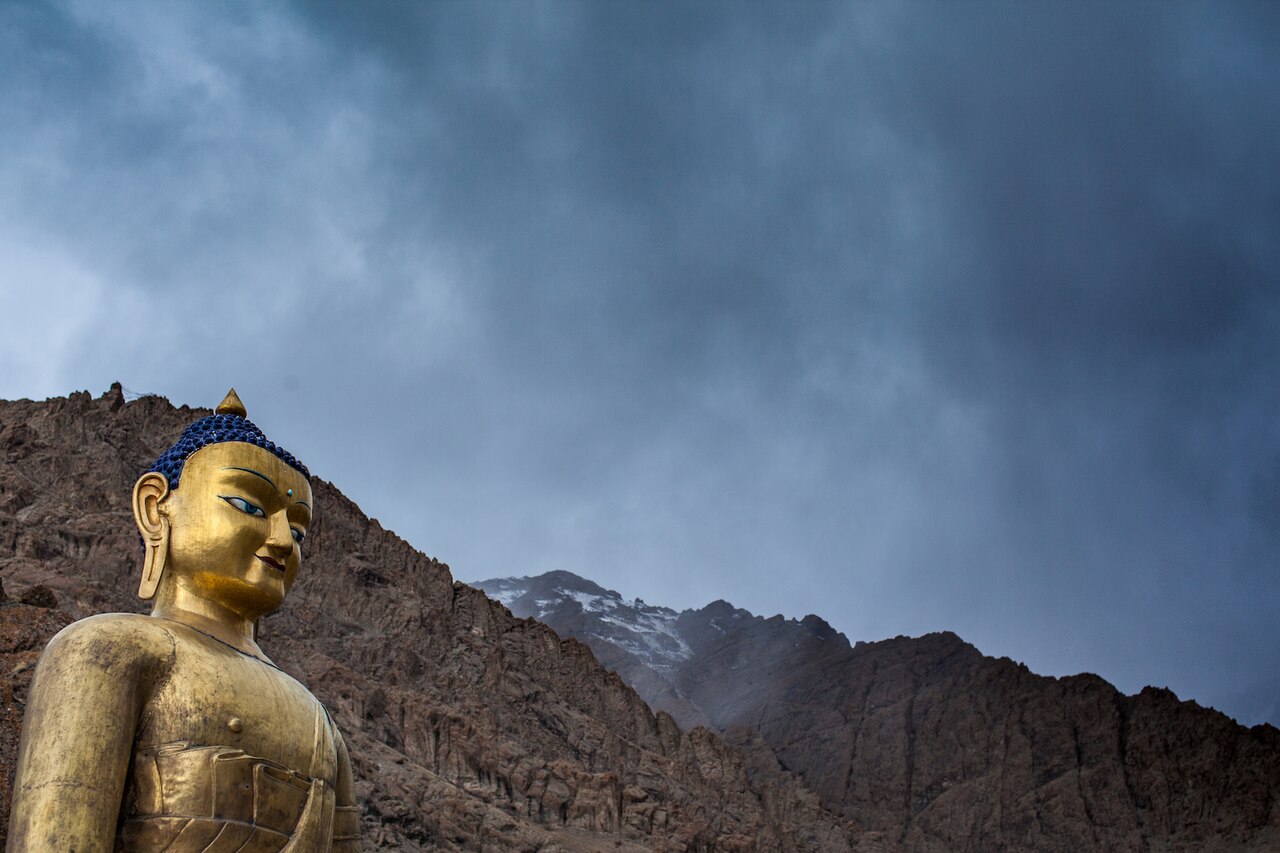
Options in Hemis village
For those who want to be close to the monastery but prefer a bit more space, Hemis village has several homestays. These family-run operations are the heartbeat of local hospitality. You will typically get a clean, simple room in a traditional mud-brick house and home-cooked meals.
Staying here allows you to see the valley after the day-trippers have left for Leh. It is quiet, dark at night, and offers a glimpse into how people live at 3,600 metres. Just keep in mind that internet connectivity is often non-existent, and electricity can be inconsistent.
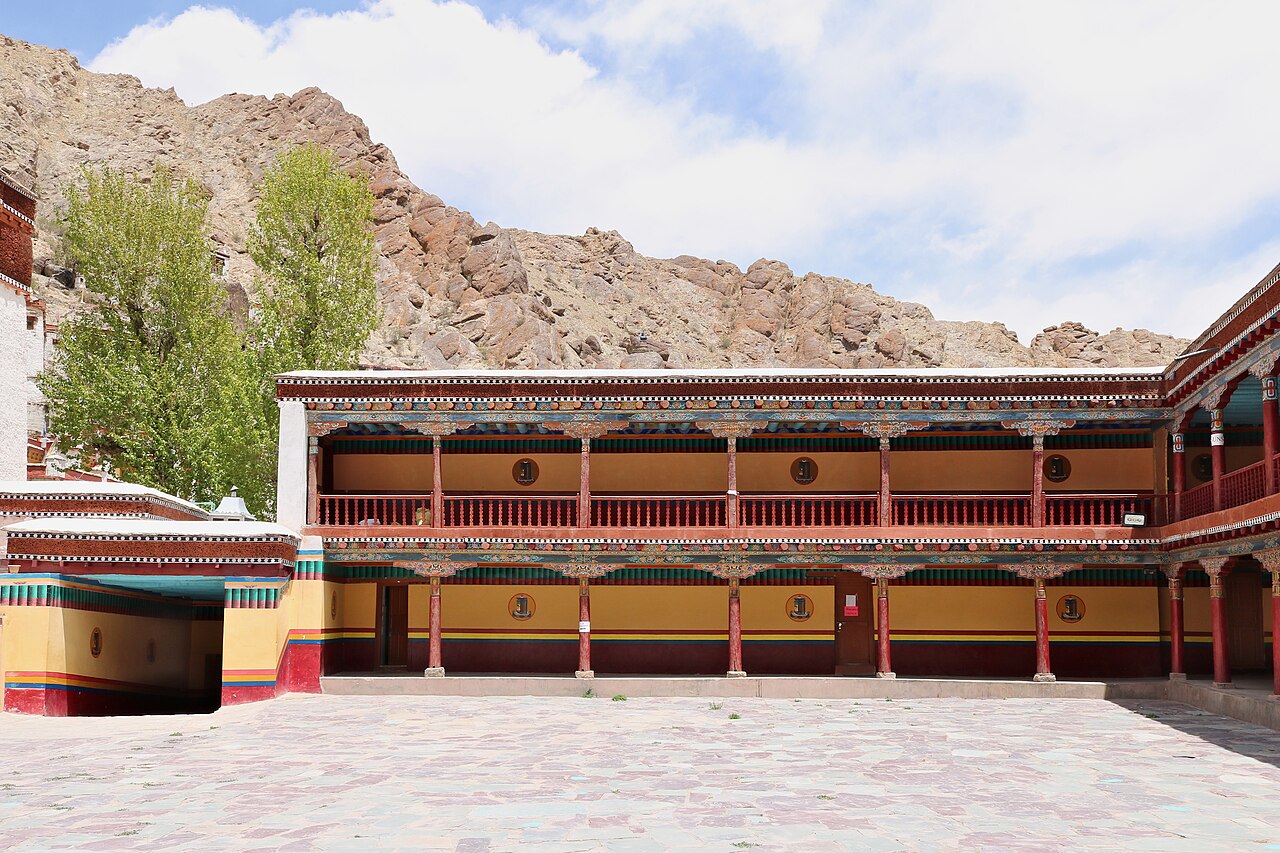
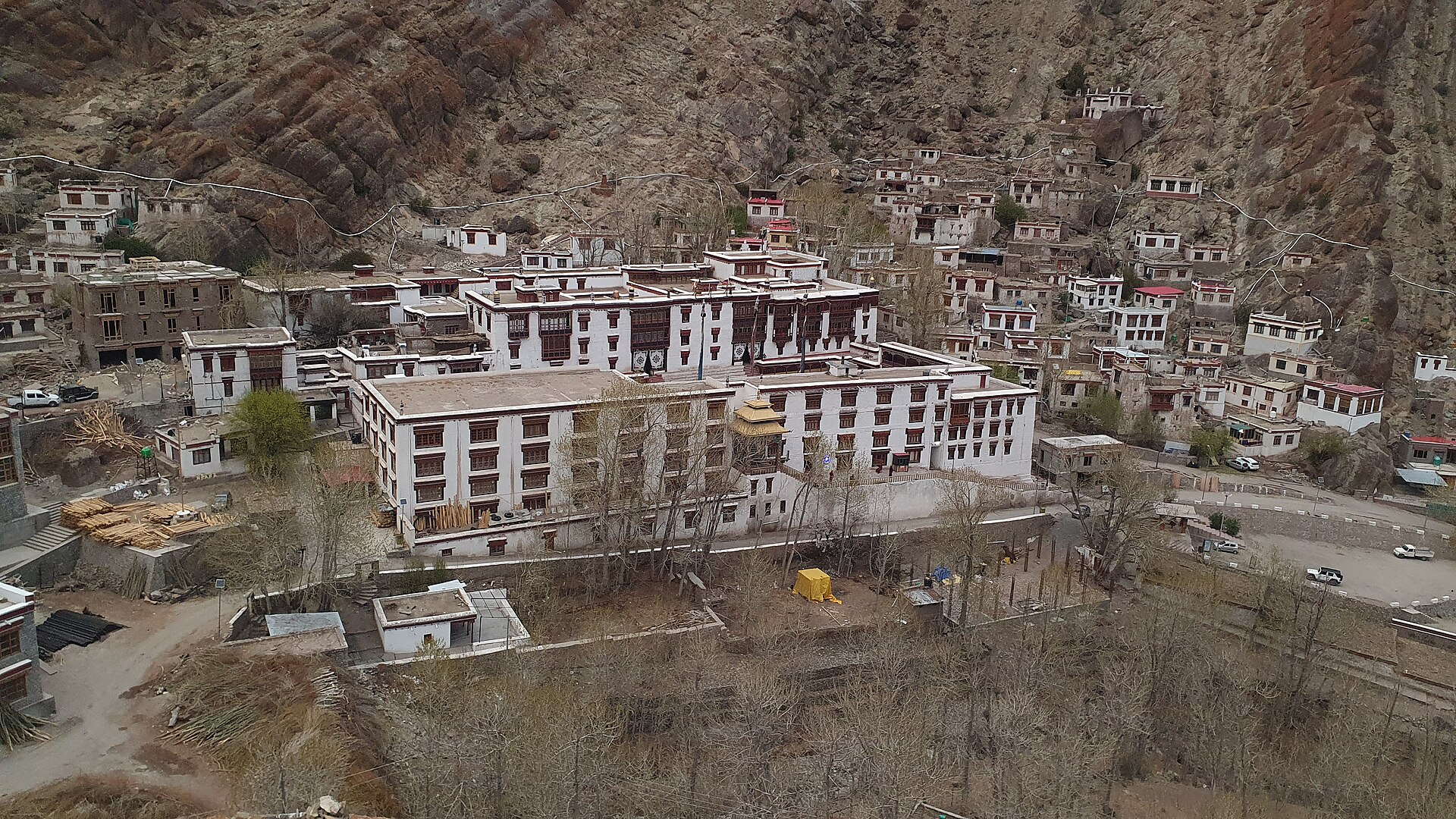
The case for basing yourself in Leh
Most visitors ultimately decide that staying in Leh is the better logistical choice. Leh offers a wide range of accommodation, from luxury resorts to heritage homes with reliable heating and Wi-Fi. Because Hemis is only about 40 kilometres from Leh, it is easily accessible as a day trip.
By staying in Leh, you have access to restaurants, medical support, and a better variety of transport options. If you are prone to altitude sickness, the amenities in Leh are a significant safety net compared to the more isolated villages.
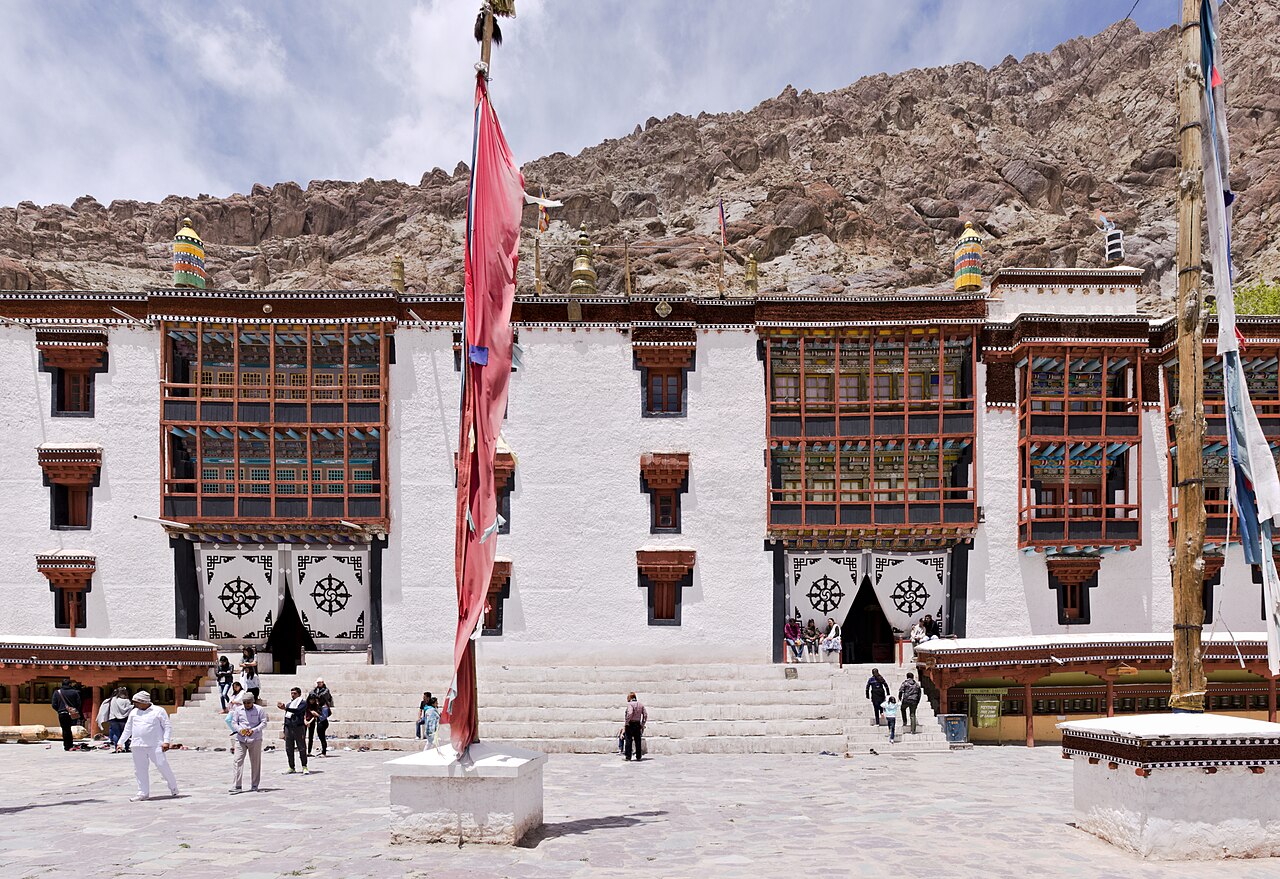
Before you book
Choosing where to stay near Hemis Monastery depends on your tolerance for isolation. If the atmosphere is the priority, find a homestay in the village and prepare for a simpler rhythm of life.
However, if you value comfort and ease, keeping your base in Leh is the smarter move. If you're struggling to decide, get in touch and we can help you find a spot that matches your travel style.
Need advice on where to stay?
From luxury retreats in Leh to authentic village stays, we can help you book the right accommodation for your Ladakh visit.
Get Accommodation HelpWritten by
Kashmir, Jammu & Ladakh specialists
We plan and run trips across Kashmir, Jammu and Ladakh every week of the year. Everything here comes from routes we drive, stays we inspect and questions our travellers actually ask.
Quick answers
Questions we get asked
Are there luxury hotels in Hemis village?
No. The area around Hemis consists mostly of traditional homestays and basic guesthouses. If you require luxury amenities, we recommend staying in Leh and arranging a private transfer for your visit.
Is it noisy staying in a monastery guesthouse?
It depends on the time of year. During the annual Hemis Festival, the area is incredibly busy and loud. Outside of festival times, it is usually very quiet, though early morning prayers can be audible.
Photography credits
- Photo: Mufaddal Abdul Hussain · CC BY-SA 3.0
- Photo: Stanzin1945 · CC BY-SA 4.0
- Photo: Voice of America · Public domain
- Photo: Ingo Mehling · CC BY-SA 3.0
- Photo: Ingo Mehling · CC BY-SA 3.0
- Photo: Ingo Mehling · CC BY-SA 3.0
- Photo: Kmohankar · CC BY-SA 4.0