A Guide to the Hemis Monastery Festival
Learn how to time your Ladakh trip for the Hemis Tsechu festival, a vibrant celebration of masked dance and spiritual tradition.
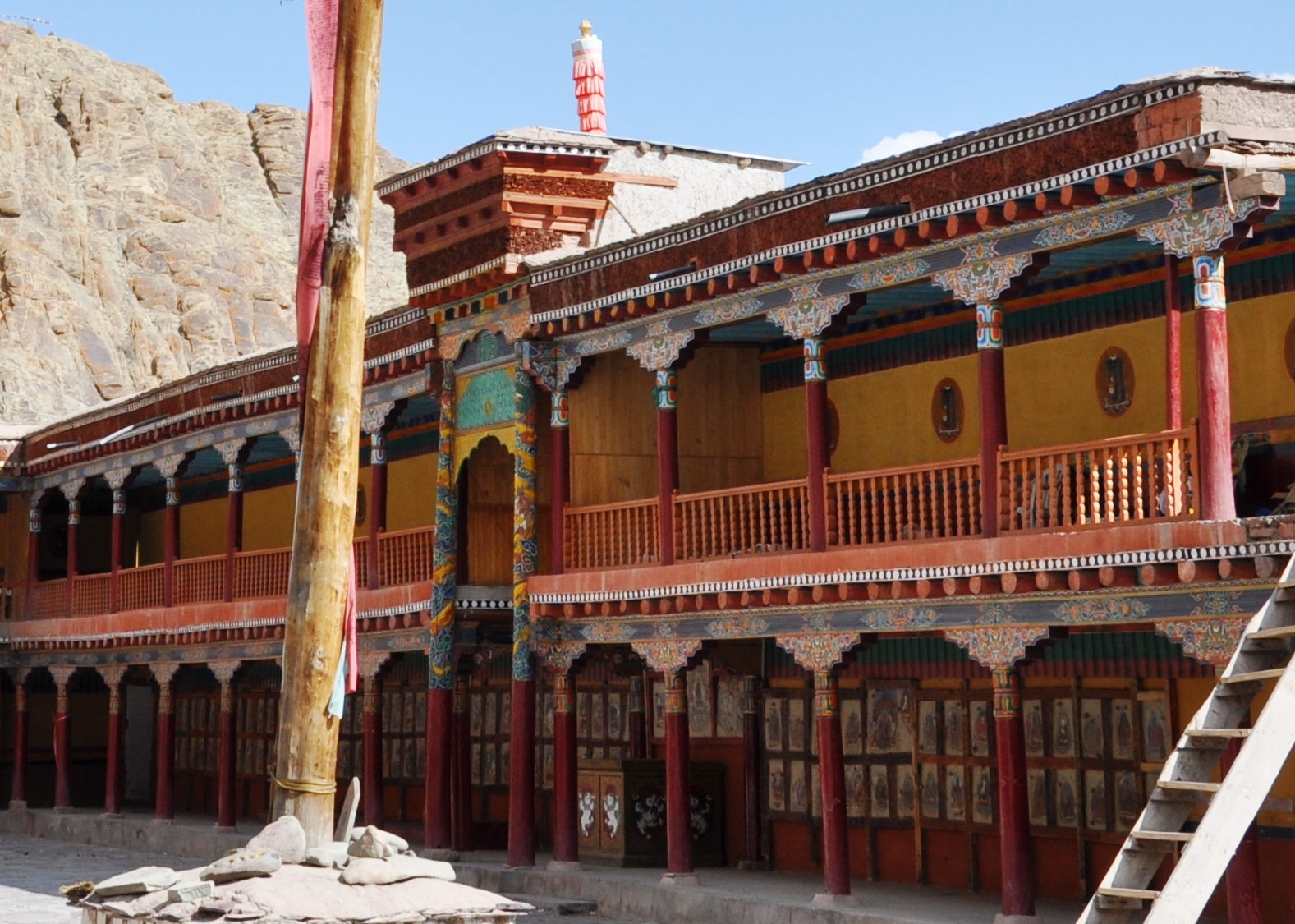
The vibrant masked dances of the Hemis festival capture the essence of Buddhist tradition.Photo: Prof Ranga Sai · CC BY-SA 4.0
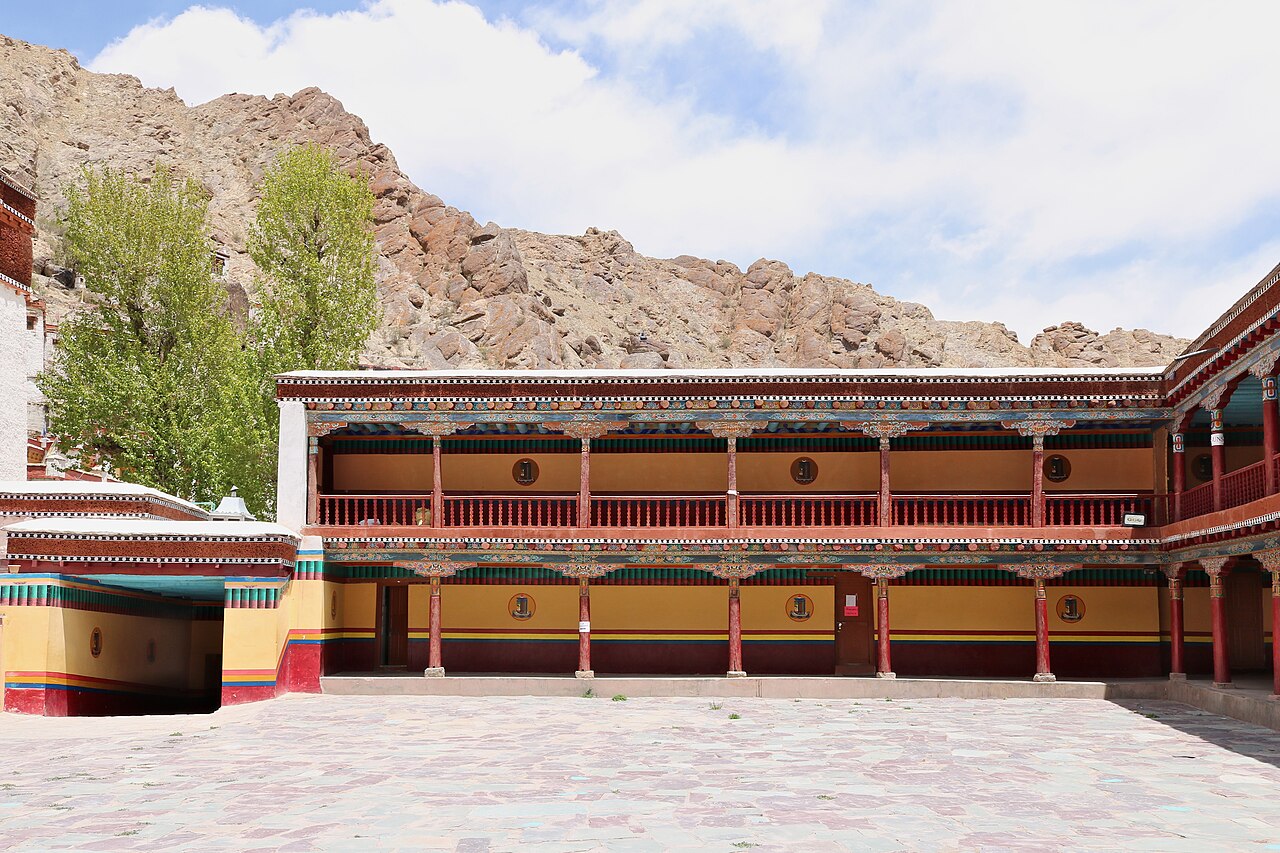
The first time I stepped into the courtyard of Hemis Monastery during the Tsechu, the air felt heavy with the scent of burning juniper and the rhythmic, guttural chanting of monks. Thousands of people packed the galleries, but the sound of the long copper horns silenced everything else, vibrating right through the soles of my boots.
The hemis monastery festival is the highlight of the Ladakhi cultural calendar. Held in the summer, usually June or July, it celebrates the birth of Guru Padmasambhava. It isn't just a spectacle; it is a profound religious event that has been performed in this same courtyard for centuries, keeping the Drukpa lineage alive in the high desert.
The Origins of the Hemis Tsechu
This festival marks the birth anniversary of Padmasambhava, the figure who brought Tantric Buddhism to the Himalayas. Local lore suggests the festival is a way to ensure the protection of the valley and the prosperity of the local community for the coming year.
When we plan trips for our clients, we always emphasize that this is a living tradition. The rituals are precise, and the monks spend weeks in retreat preparing for the performance. It reflects the deep commitment of the Drukpa school to preserve the teachings of the great master.
Witnessing the Sacred Masked Dances
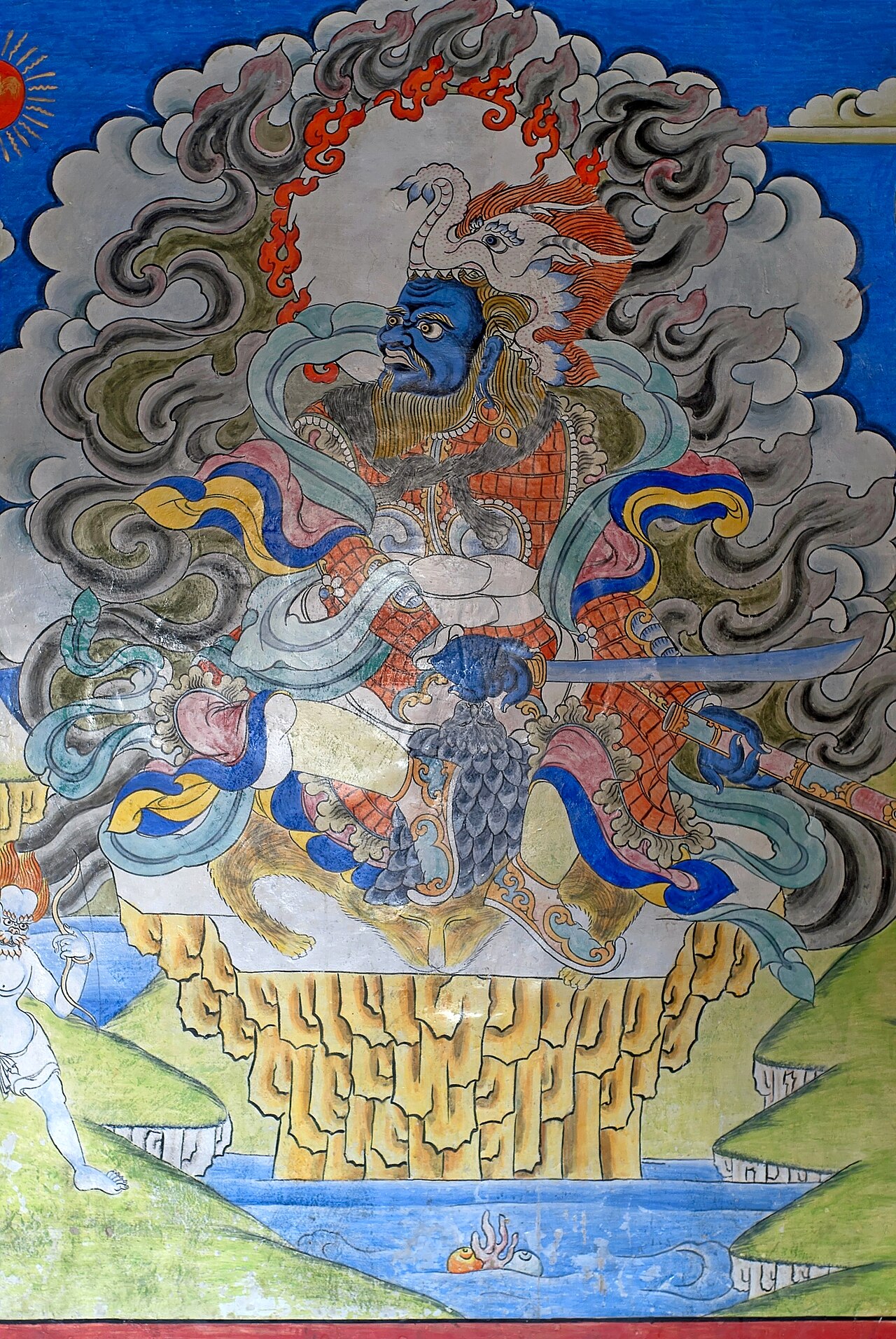
The Chams, or masked dances, are the centerpiece of the festival. Dancers wear elaborate, heavy silk robes and masks representing various deities, demons, and protector spirits. The movements are slow and deliberate, meant to show the triumph of good over ignorance.
You will notice the dancers circling the central pole, their steps perfectly synchronized to the drums and cymbals. It’s an endurance test for the performers, especially given the thin air at this altitude. If you are watching closely, the shifting expressions on the masks, which are carved from wood, are quite incredible as they catch the morning light.
- The Black Hat Dance represents the defeat of the ego.
- Each mask is meticulously painted and stored in the monastery archives.
- The performances last for two days, moving from sunrise until the late afternoon.
Logistics for Visitors
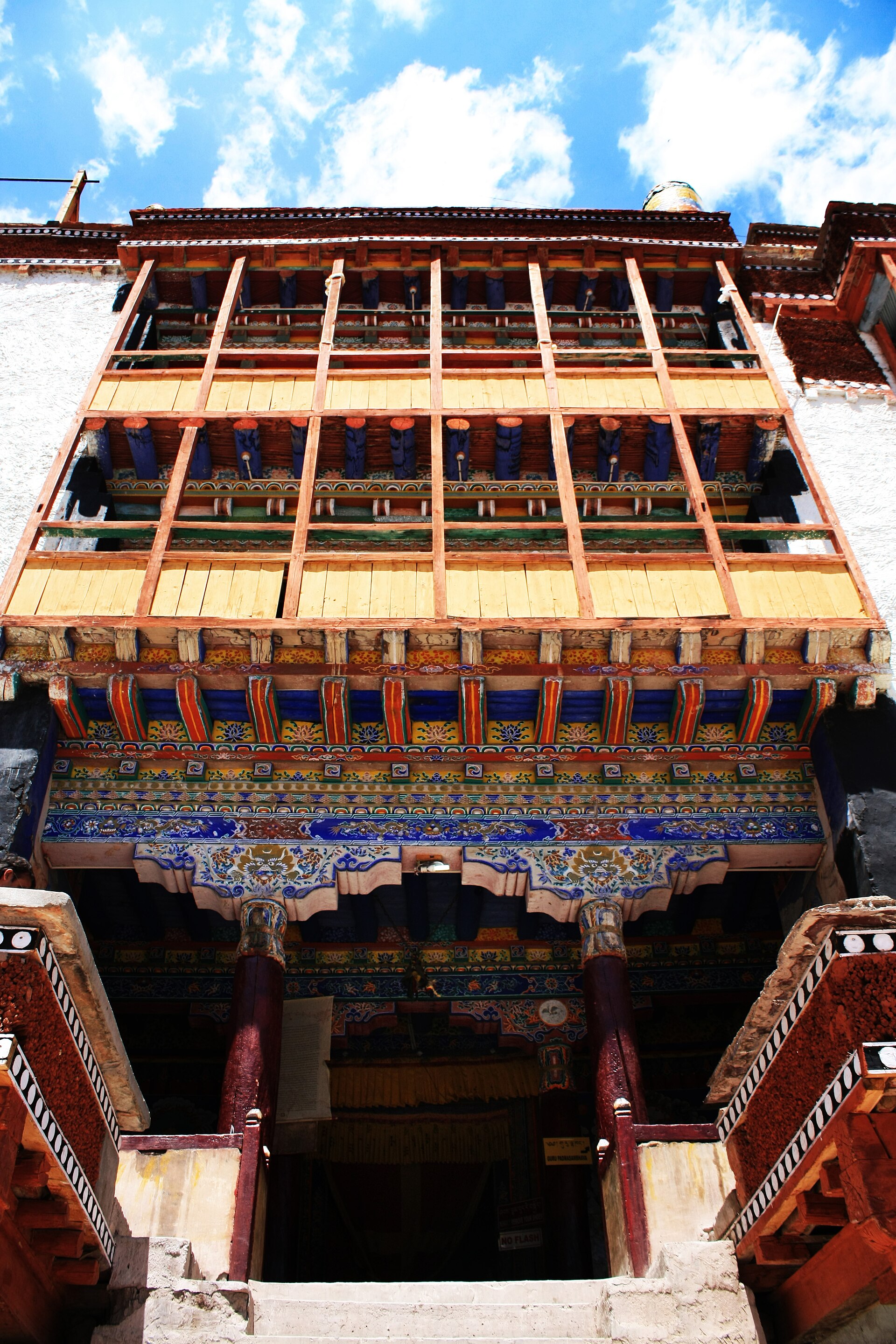
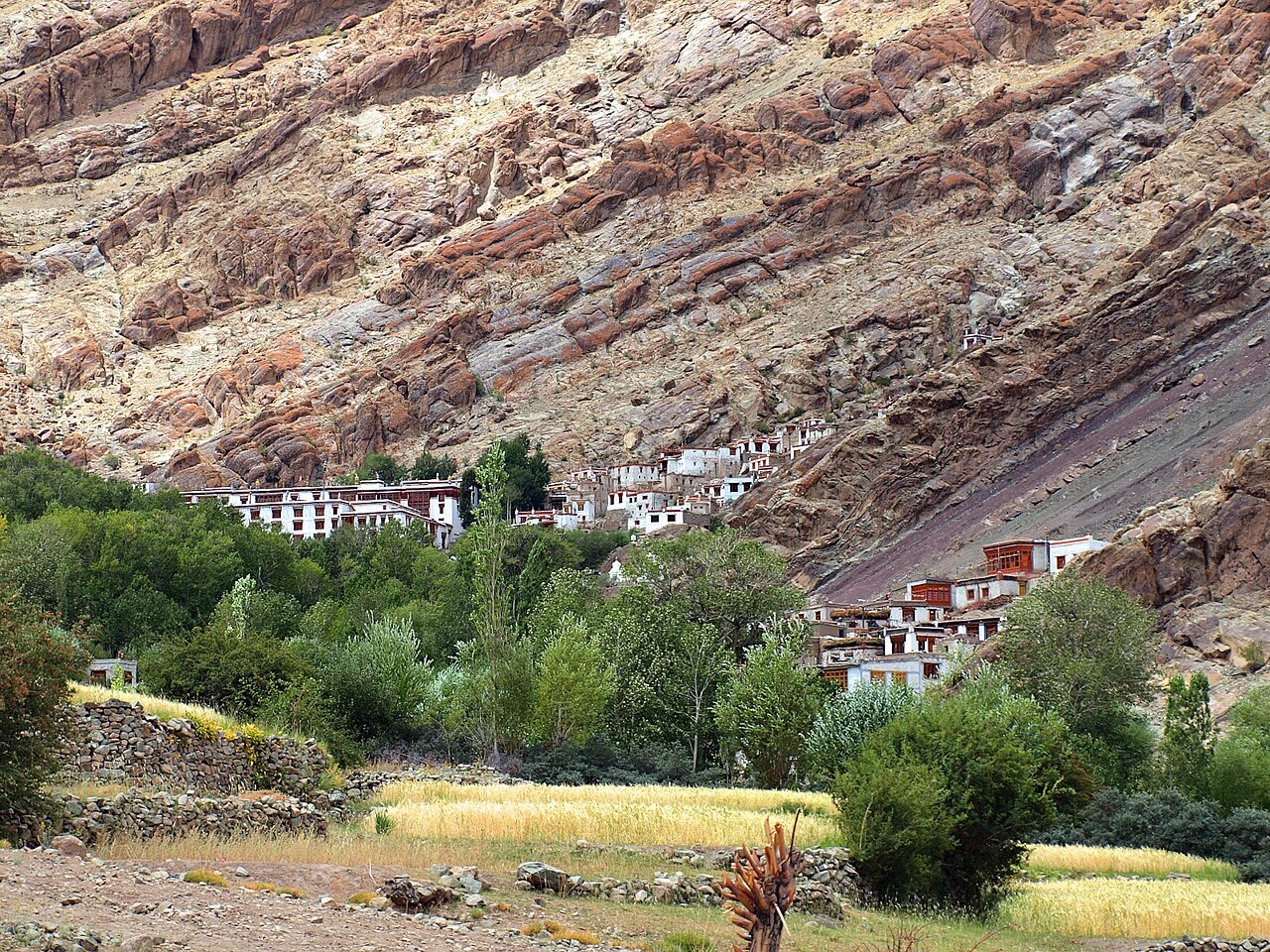
Hemis is roughly 40 kilometers from Leh. During the festival, the road is crowded, and traffic can be a nightmare. We tell guests to leave by 5:30 AM to secure a decent spot in the courtyard. If you arrive late, you will be stuck in the back with a poor view.
Entry is free, but the monastery welcomes donations. There is a small museum inside the complex that is worth visiting once the morning dance session concludes. It houses thangkas and ancient weapons that are rarely seen otherwise. Remember that photography is restricted in certain prayer halls; always look for signs or ask a monk before raising your camera.
Spiritual Significance and Etiquette
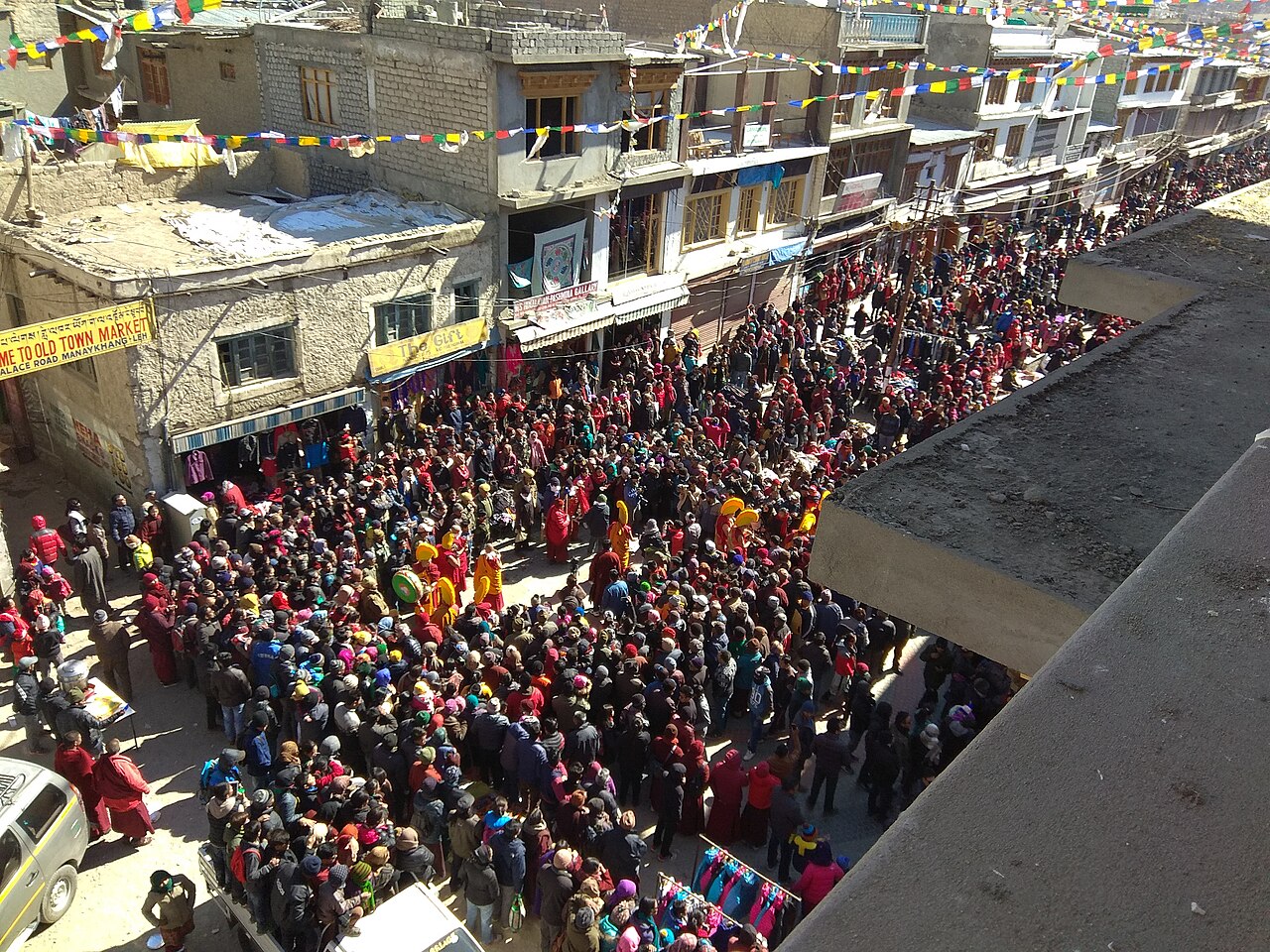
Treat the event as a religious service, not a tourist performance. Many locals come to receive blessings, and it is a place of deep prayer for them. Keep your voice down, move slowly, and never cross in front of monks or high-ranking lamas.
When the crowds are thick, patience is your best asset. You are here to witness a piece of history that remains largely unchanged by the modern world. Watching the lamas perform the final rites is a quiet, powerful moment that contrasts sharply with the earlier, louder dances.
Extending Your Ladakh Cultural Tour
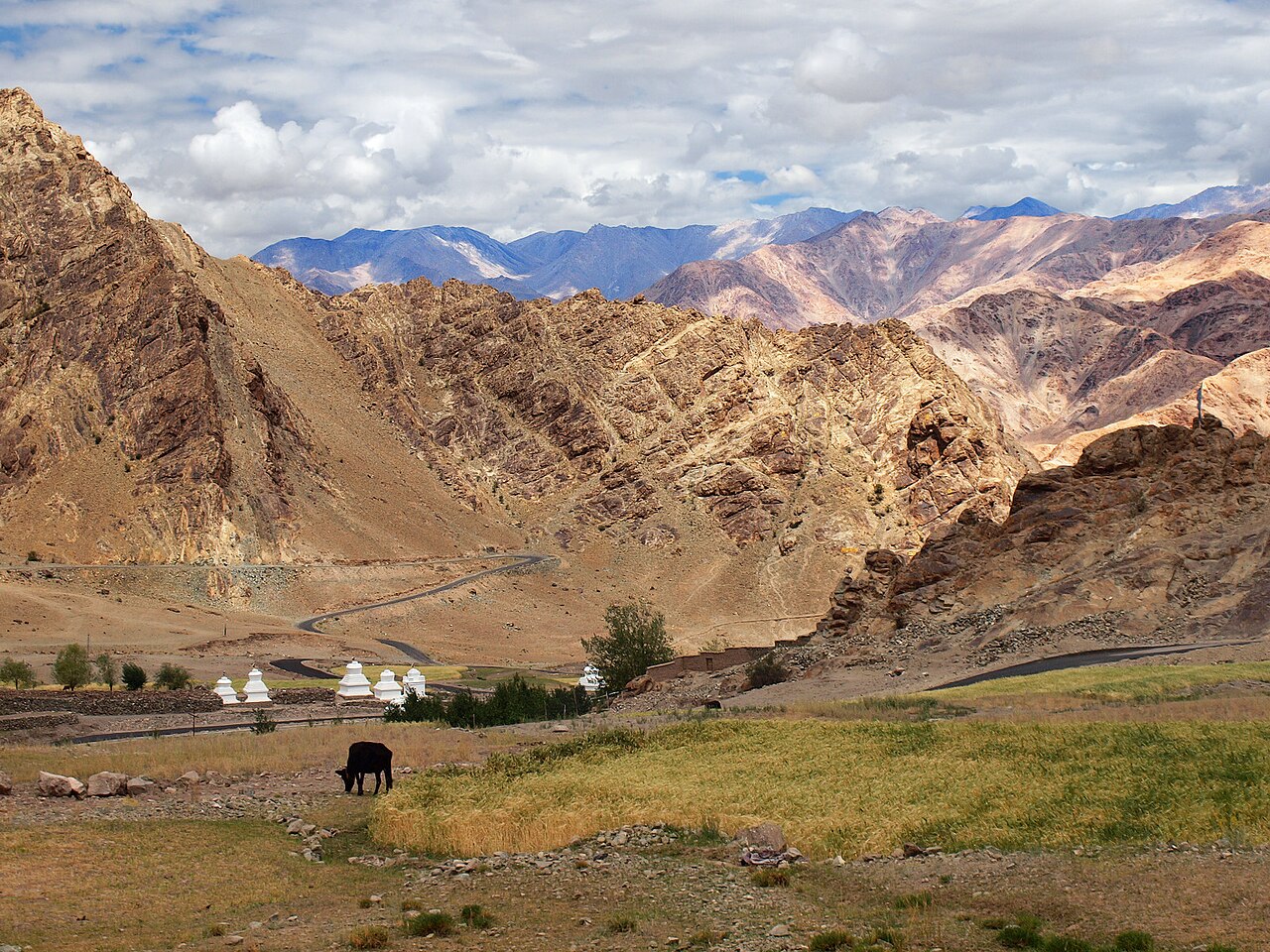
If you are coming all this way, don't just visit Hemis. The Indus Valley is rich with monastic history. A stop at Thiksey Monastery provides a different perspective on architecture and daily monastic life. Leh is a great base to acclimatize before you head higher into the mountains.
Many of our guests eventually head toward Pangong Tso for a complete experience. The transition from the spiritual intensity of Hemis to the sheer stillness of the high-altitude lakes is the perfect way to round off a trip to Ladakh.
Before you book
The Hemis festival is a raw, sensory experience that stays with you long after you’ve descended back into the valley. It demands time and patience, but it offers a rare window into a culture that continues to thrive in the face of the changing world.
If you need help timing your visit or figuring out the best transport, reach out to our team. We know these roads and the rhythm of the festivals well and can help you build an itinerary that puts you in the front row.
Planning Your Ladakh Journey?
We specialize in tailored cultural tours. Let us help you organize your transport and accommodation for the festival season.
Contact Our TeamWritten by
Kashmir, Jammu & Ladakh specialists
We plan and run trips across Kashmir, Jammu and Ladakh every week of the year. Everything here comes from routes we drive, stays we inspect and questions our travellers actually ask.
Quick answers
Questions we get asked
What is the best way to get to Hemis Monastery from Leh?
You can hire a private taxi from Leh. It takes about 1.5 to 2 hours depending on the traffic. During the festival season, we recommend starting early to avoid the peak rush on the mountain roads.
Do I need a permit to visit Hemis?
International tourists need an Inner Line Permit (ILP) to visit most parts of Ladakh, including Hemis. You can apply for this online or through your hotel in Leh.
Are there hotels near Hemis Monastery?
Options near Hemis are quite basic, such as simple guesthouses. Most travelers prefer to stay in Leh and do a day trip to the monastery, especially during the festival.
Can I take photographs during the masked dances?
Yes, photography is generally allowed in the courtyard, but you must be respectful. Avoid using flash or getting too close to the performers during their sacred dance.
Is the festival held on the same dates every year?
No, the dates are based on the Tibetan lunar calendar. You need to check the specific calendar for the year you plan to travel to ensure you align your trip correctly.
Photography credits
- Photo: Prof Ranga Sai · CC BY-SA 4.0
- Photo: Mufaddal Abdul Hussain · CC BY-SA 3.0
- Photo: Ingo Mehling · CC BY-SA 3.0
- Photo: Drashokk · CC BY-SA 4.0
- Photo: Samrat6886 · CC BY-SA 3.0
- Photo: Stegop · CC BY-SA 4.0
- Photo: Stegop · CC BY-SA 4.0