An Overview of Hemis Monastery
Discover the history and significance of Hemis Monastery, the wealthiest and most important gompa in Ladakh, nestled in a hidden mountain gorge.
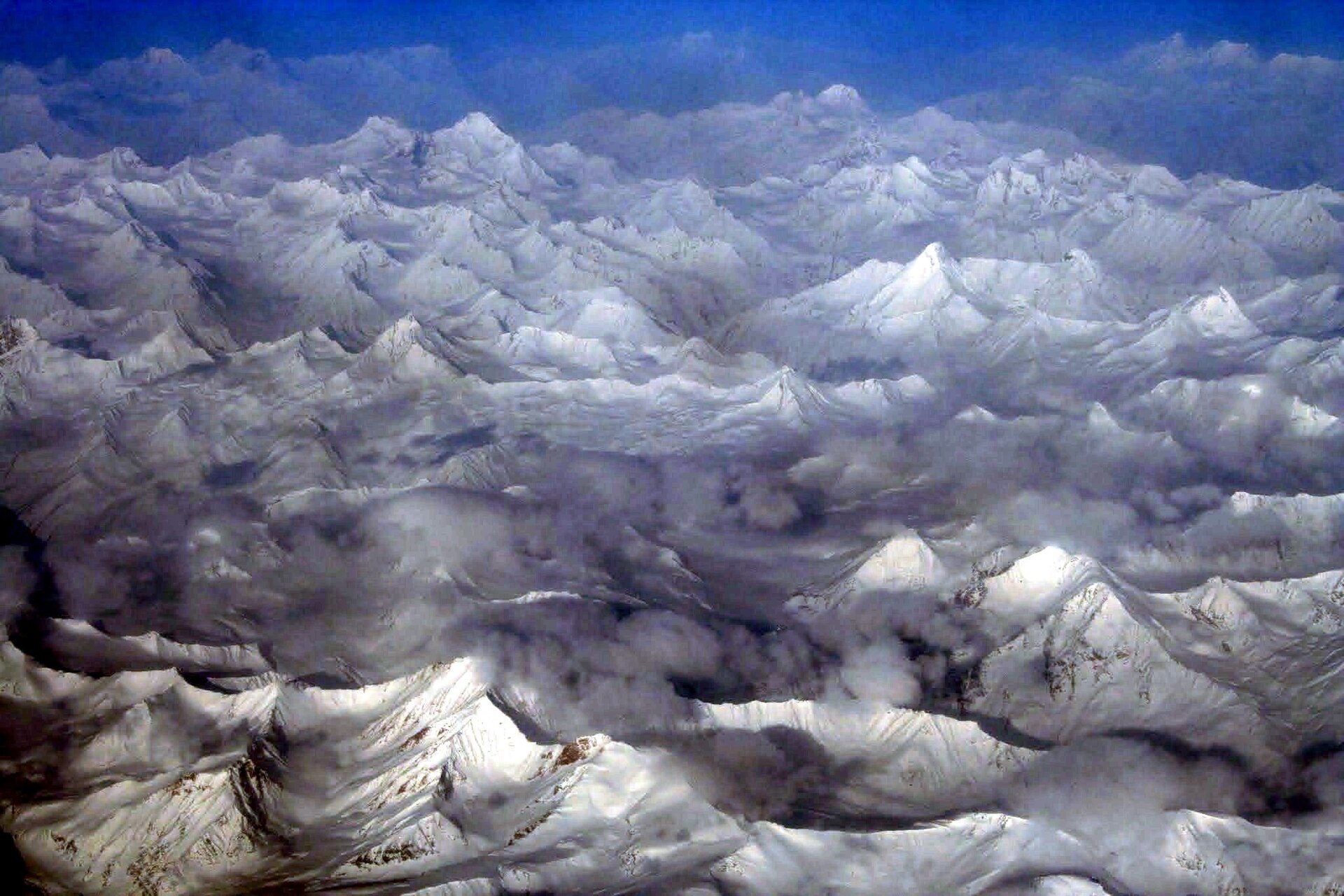
The structure of Hemis is perfectly integrated into the rugged mountain terrain.Photo: Ravi Kumar · CC BY 3.0
The road to Hemis leaves the main highway, winding deep into a rocky gorge until the valley suddenly opens up, revealing a complex of white buildings clinging to the hillside. You don’t see it until you are right upon it, which is likely intentional; it feels shielded from the rest of the world, a fortress for the Drukpa order.
As a hemis monastery overview, it is essential to understand that this is more than just a destination; it is the center of a spiritual network. It holds a unique place in the landscape, both geographically and historically. Whether you are a student of history or simply drawn to the silence of the high desert, Hemis demands your attention.
The Drukpa Order in Ladakh
Hemis is the primary seat of the Drukpa lineage in Ladakh. Founded in the 17th century by the royal patronage of King Sengge Namgyal, it grew quickly to become the most influential gompa in the region. The king granted the monastery tax-free status and immense tracts of land, which allowed it to flourish while others struggled.
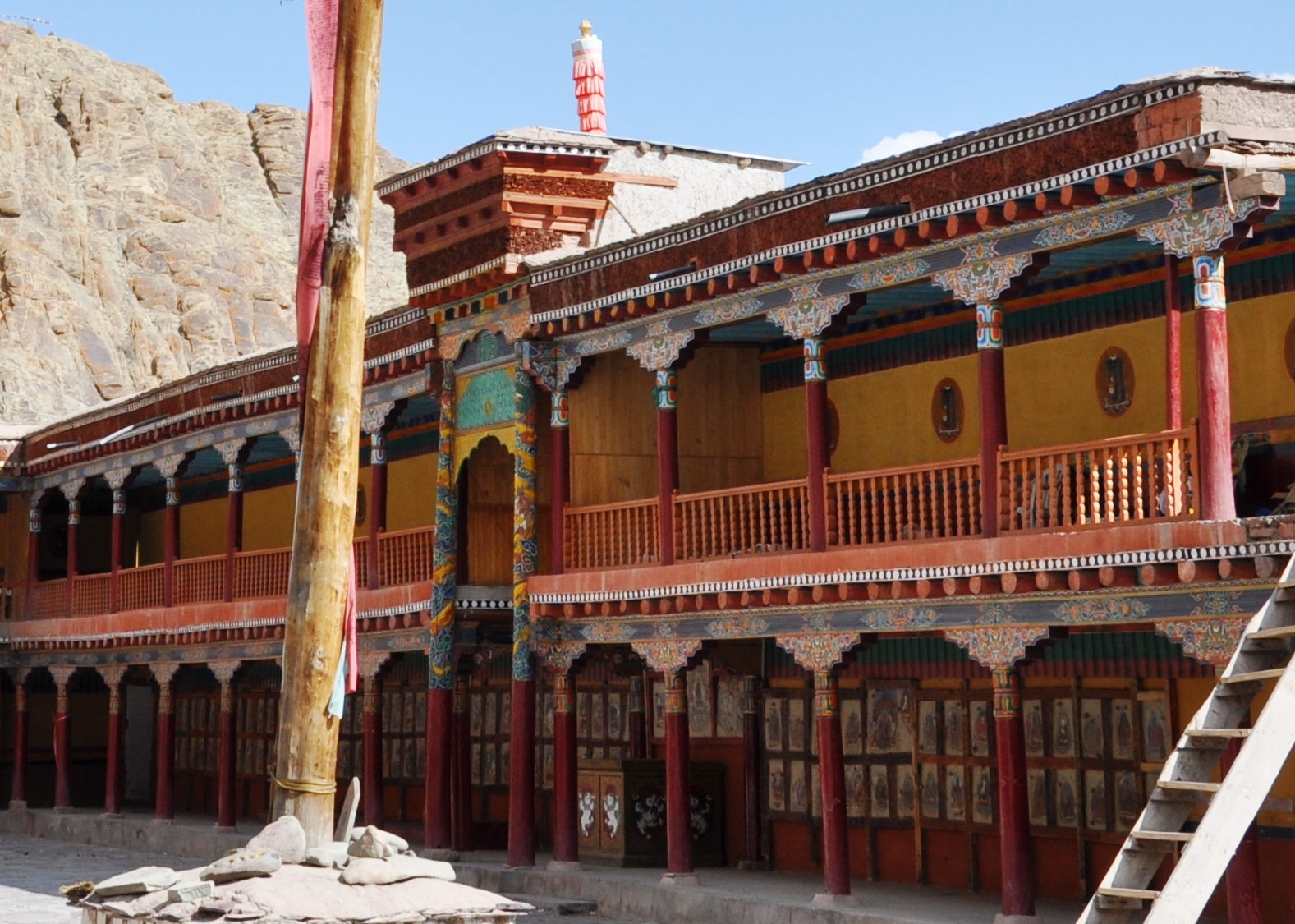
The history here isn't locked in books. You see it in the architecture, the way the halls are laid out to follow the terrain, and the sheer number of precious thangkas that have survived centuries of mountain winters.
Inside the Museum of Treasures
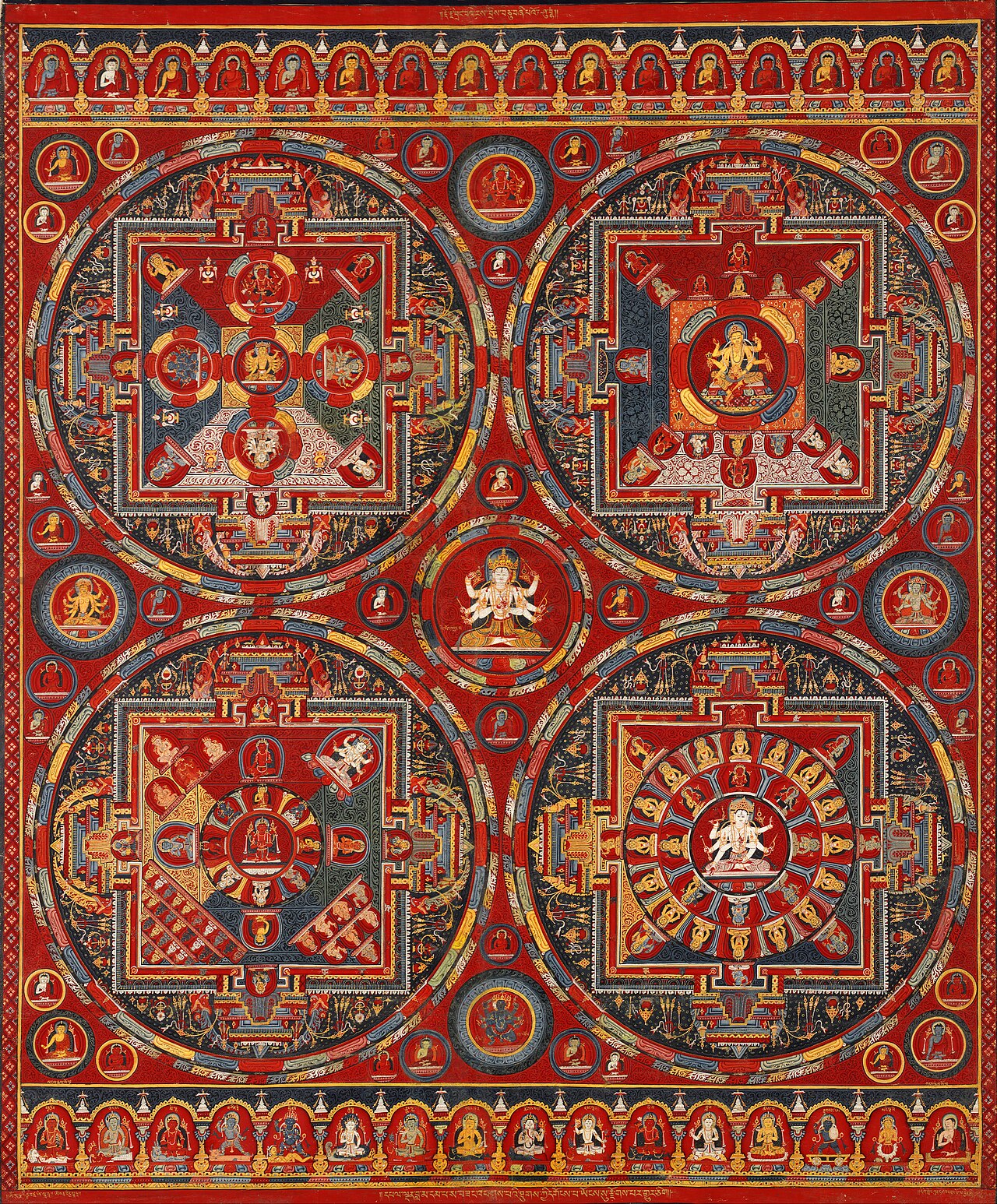
The onsite museum is perhaps the best of its kind in the entire Himalayan region. It holds collections that would be the envy of major international museums: gilded statues, ancient weapons used by local clans, and intricate mandalas.
My favorite piece remains the collection of copper ritual objects. They show the incredible craftsmanship of the metalworkers who lived here hundreds of years ago. It takes about an hour to walk through, but if you look closely at each display, you could easily spend two.
The Towering Padmasambhava Statue
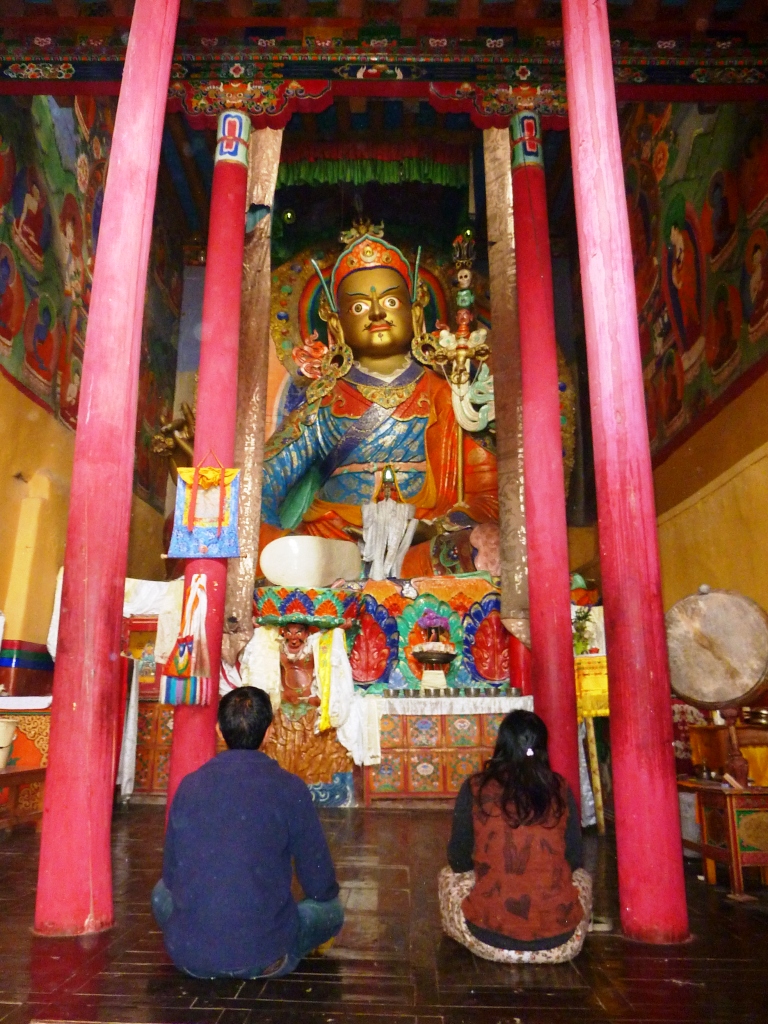
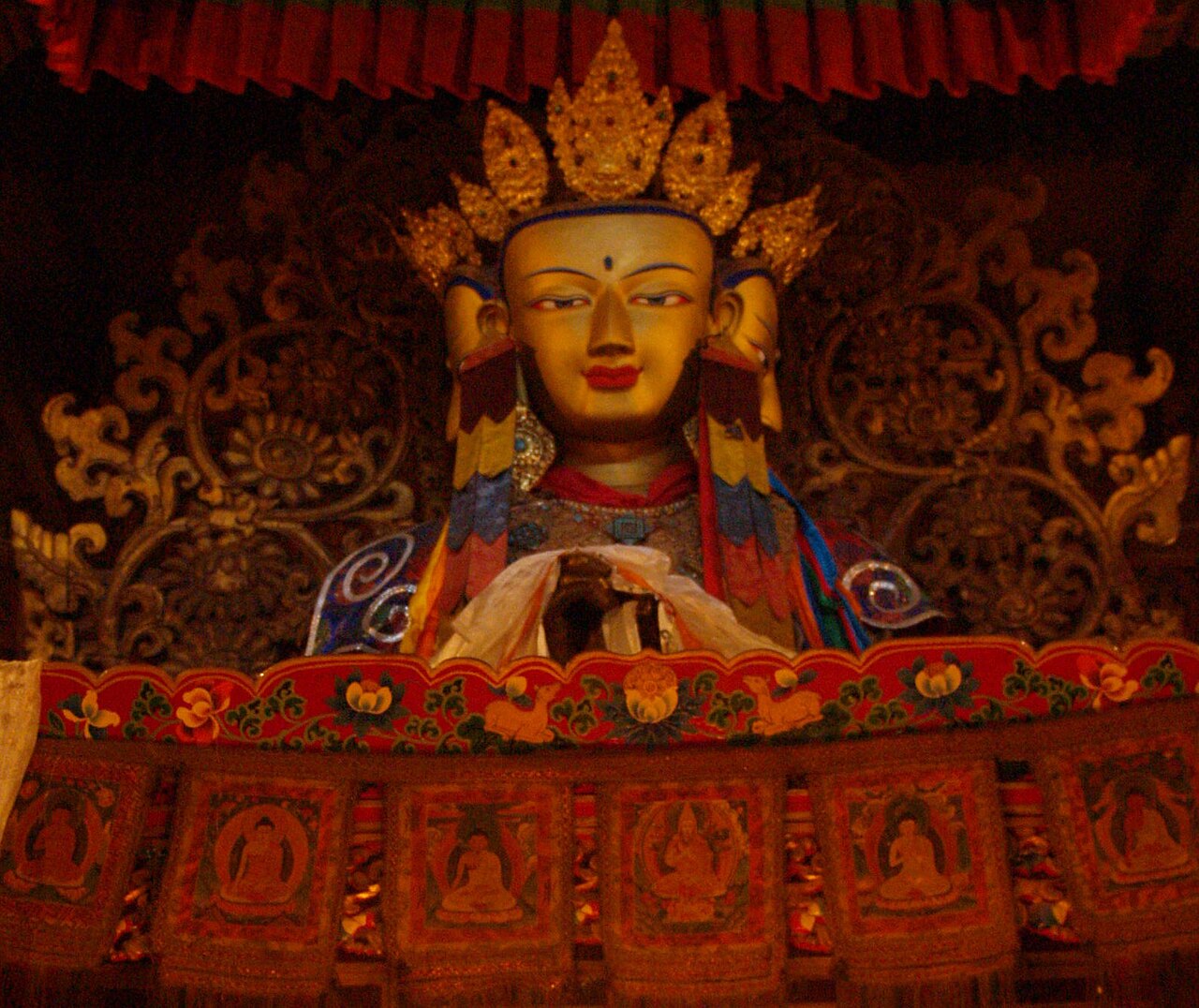
You cannot miss the modern addition to the complex: the towering statue of Guru Padmasambhava. It was inaugurated in the 1980s and stands as a guardian over the valley. It is massive, brightly painted, and visible long before you reach the monastery gates.
While some argue that the new statue clashes with the ancient stone walls of the original monastery, it serves as a powerful symbol of the ongoing vitality of Buddhism in Ladakh. It is a spot where many locals stop to offer khata scarves and light butter lamps.
Why Hemis is the Wealthiest Gompa
Hemis has historically been the richest monastery in the region, partly due to its royal connections but also because of its strategic location. It acted as a stopover on the Silk Road routes that passed through this part of the Indus Valley.
This wealth enabled the monastery to commission elaborate art and sustain a large population of monks. Even today, the impact of this past prosperity is visible in the maintenance of the buildings and the quality of the rituals performed annually.
Landscape and Connection
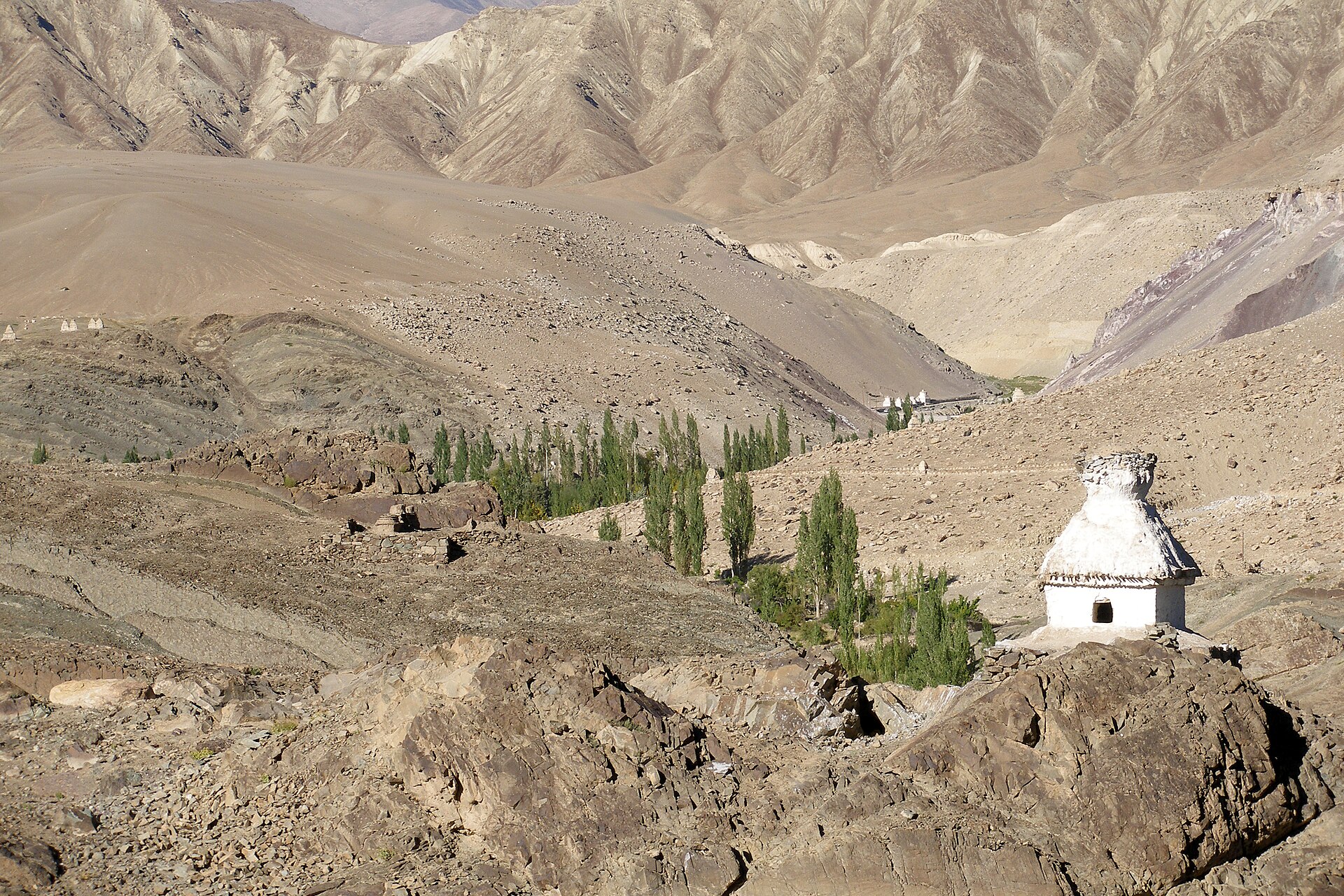
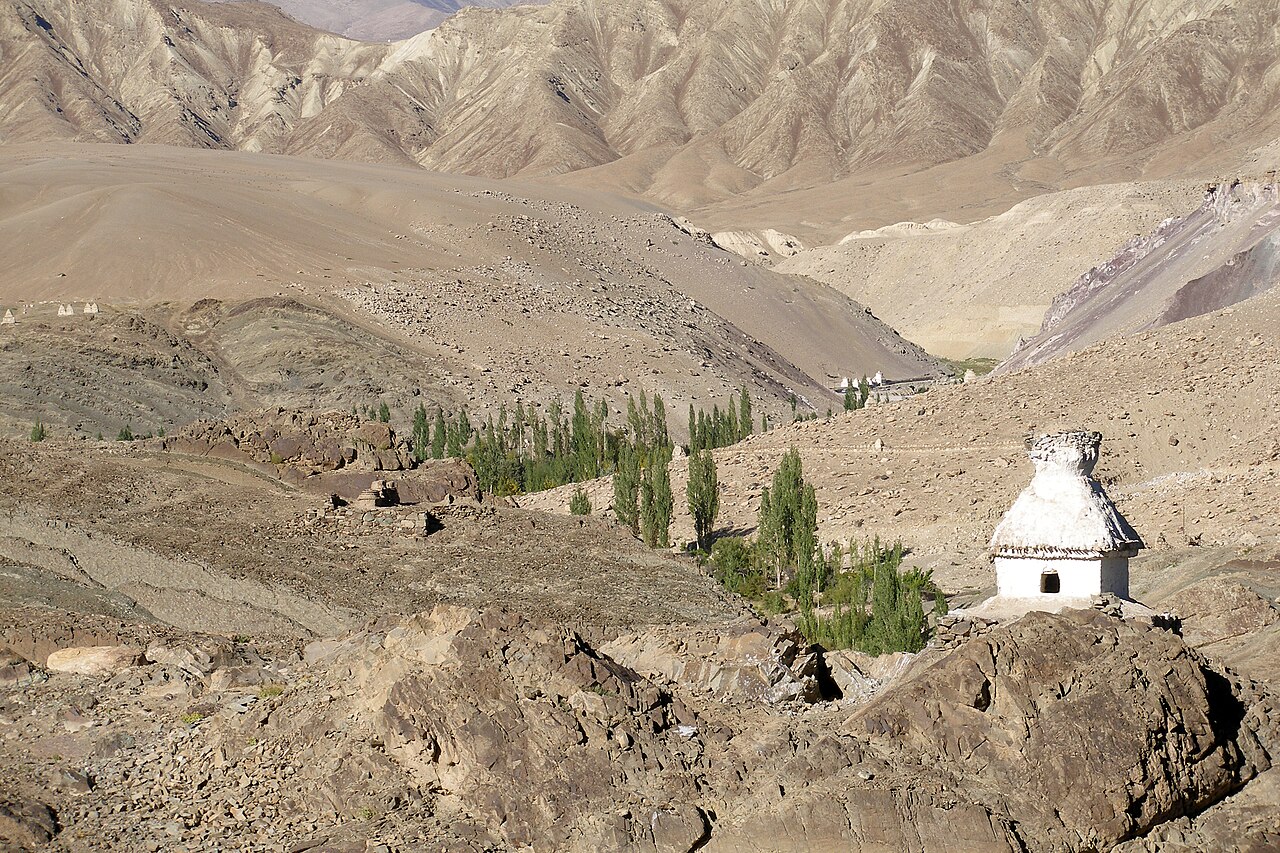
The monastery sits at an elevation where the air is noticeably sharper than in Leh. It is surrounded by barren hills that look like they haven't changed in ten thousand years. The silence here is absolute, broken only by the wind or the distant chime of a bell.
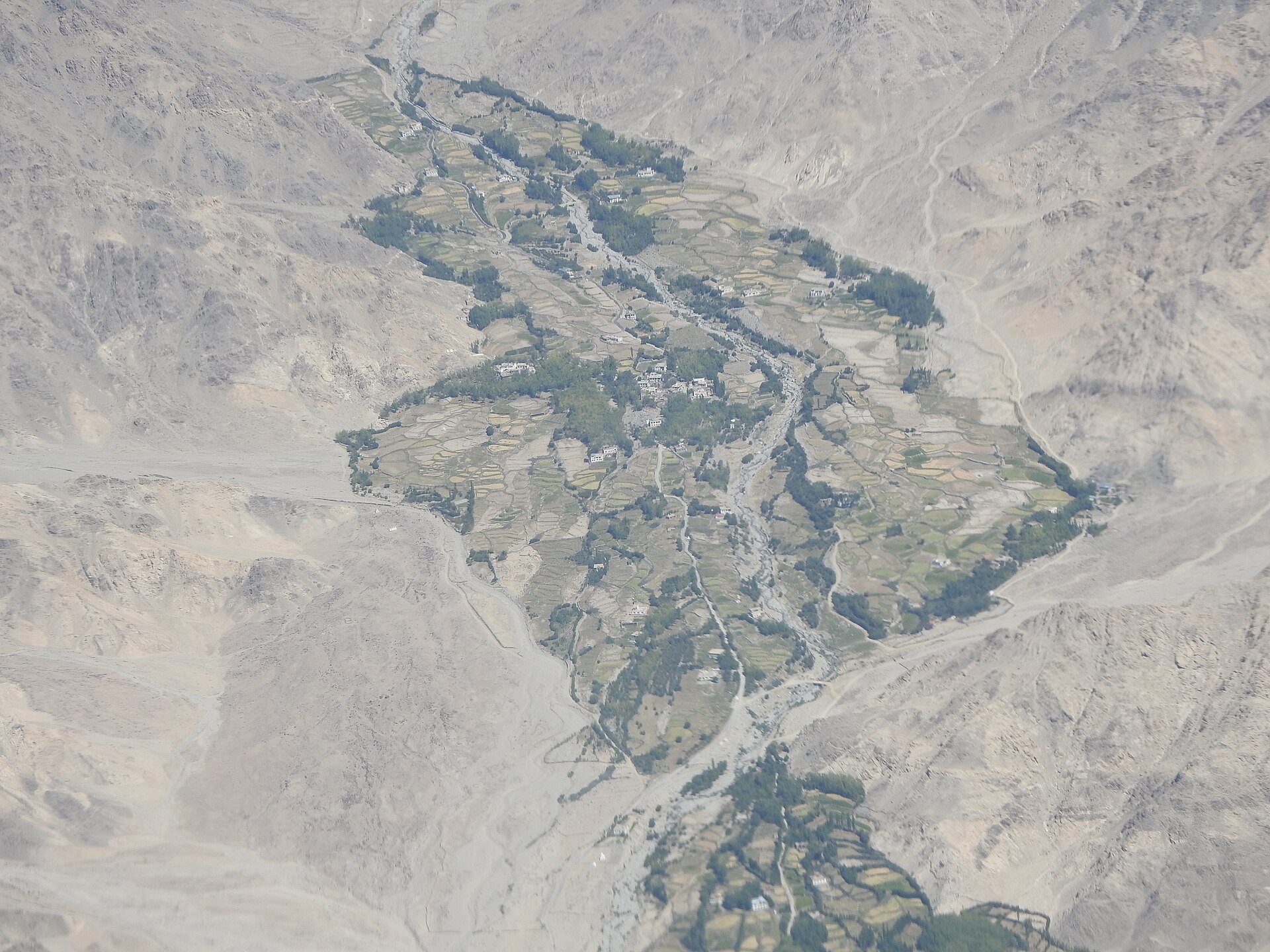
Getting to Hemis involves a drive of about 45 kilometers from Leh. It is a journey that changes as you move further away from the main town, the landscape becoming more rugged and isolated. Whether you want to visit Thiksey or continue to Pangong Tso later, Hemis provides an essential anchor for your trip.
Before you book
Hemis Monastery offers a look into a world that feels disconnected from the rush of modern life. It is a place that requires a little effort to reach, but rewards that effort with a profound sense of history and spiritual continuity.
If you are currently building your travel plans for Ladakh, we are here to help. We can assist with local transport or provide advice on the best routes to link Hemis with the rest of your itinerary.
Need Guidance for Your Ladakh Trip?
Our team knows the Indus Valley like the back of our hand. Let us help you organize your visit to Hemis and beyond.
Get Help TodayWritten by
Kashmir, Jammu & Ladakh specialists
We plan and run trips across Kashmir, Jammu and Ladakh every week of the year. Everything here comes from routes we drive, stays we inspect and questions our travellers actually ask.
Quick answers
Questions we get asked
How far is Hemis Monastery from Leh?
Hemis Monastery is approximately 40 to 45 kilometers from Leh. Depending on road conditions and your transport, expect a drive of about 1.5 to 2 hours.
What is the best time to visit Hemis?
The summer months from June to September offer the best weather. If you want to see the festival, you must align your dates with the Tibetan lunar calendar.
Is the museum at Hemis Monastery worth the entry fee?
Yes, it is widely considered the best monastery museum in Ladakh. It contains historical artifacts, thangkas, and weaponry that are significant to the region's heritage.
Can I visit Hemis as part of a day trip?
Absolutely. Many travelers visit Hemis in the morning and pair it with Thiksey or Shey in the afternoon before heading back to Leh for the evening.
Is there a dress code for the monastery?
While there is no formal dress code, you should dress modestly. Keep your shoulders and knees covered, and remove your hat and shoes before entering the prayer halls.
Photography credits
- Photo: Ravi Kumar · CC BY 3.0
- Photo: John Hill · CC BY-SA 3.0
- Photo: Vyacheslav Argenberg · CC BY 4.0
- Photo: Tibetan, Central Tibet, Tsang (Ngor Monastery), Sakya order Details on Google Art Project · Public domain
- Photo: Mufaddal Abdul Hussain · CC BY-SA 3.0
- Photo: Steve Hicks · CC BY 2.0
- Photo: Vyacheslav Argenberg · CC BY 4.0