Finding the Best Time to Visit Tso Moriri Lake
A month-by-month breakdown of weather, road conditions, and seasonal highlights.
Plan your trip to Ladakh's quiet wetland with our comprehensive guide on when to visit Tso Moriri, covering summer warmth and winter extremes.
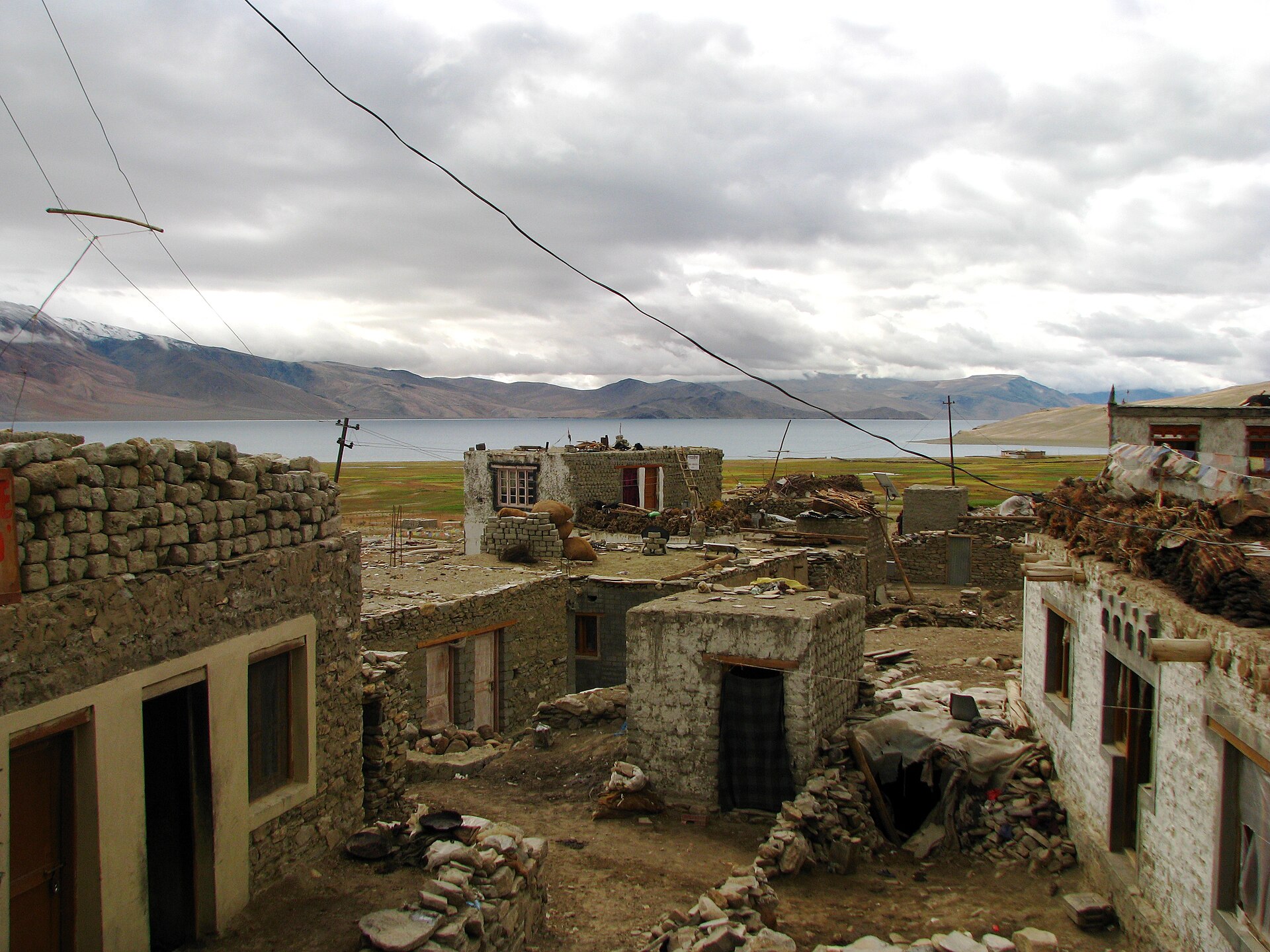
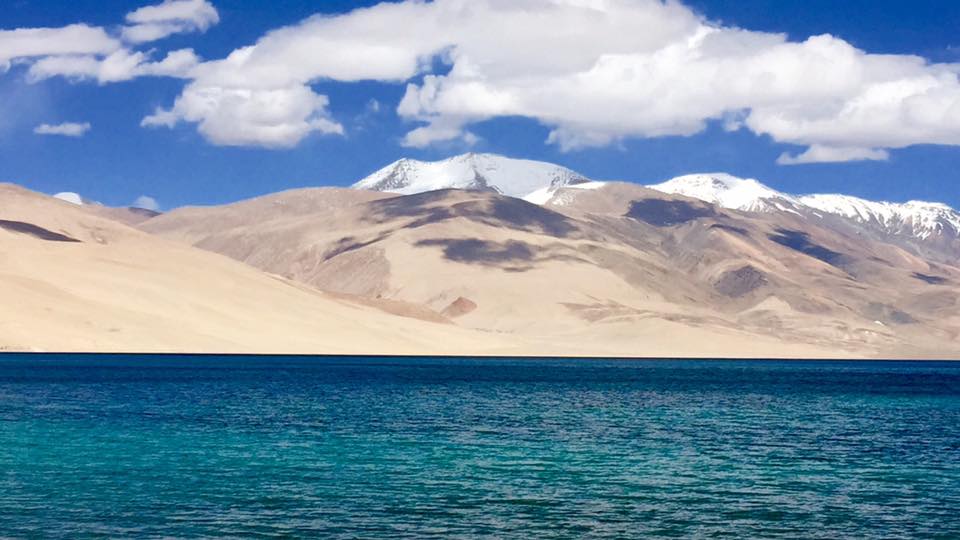
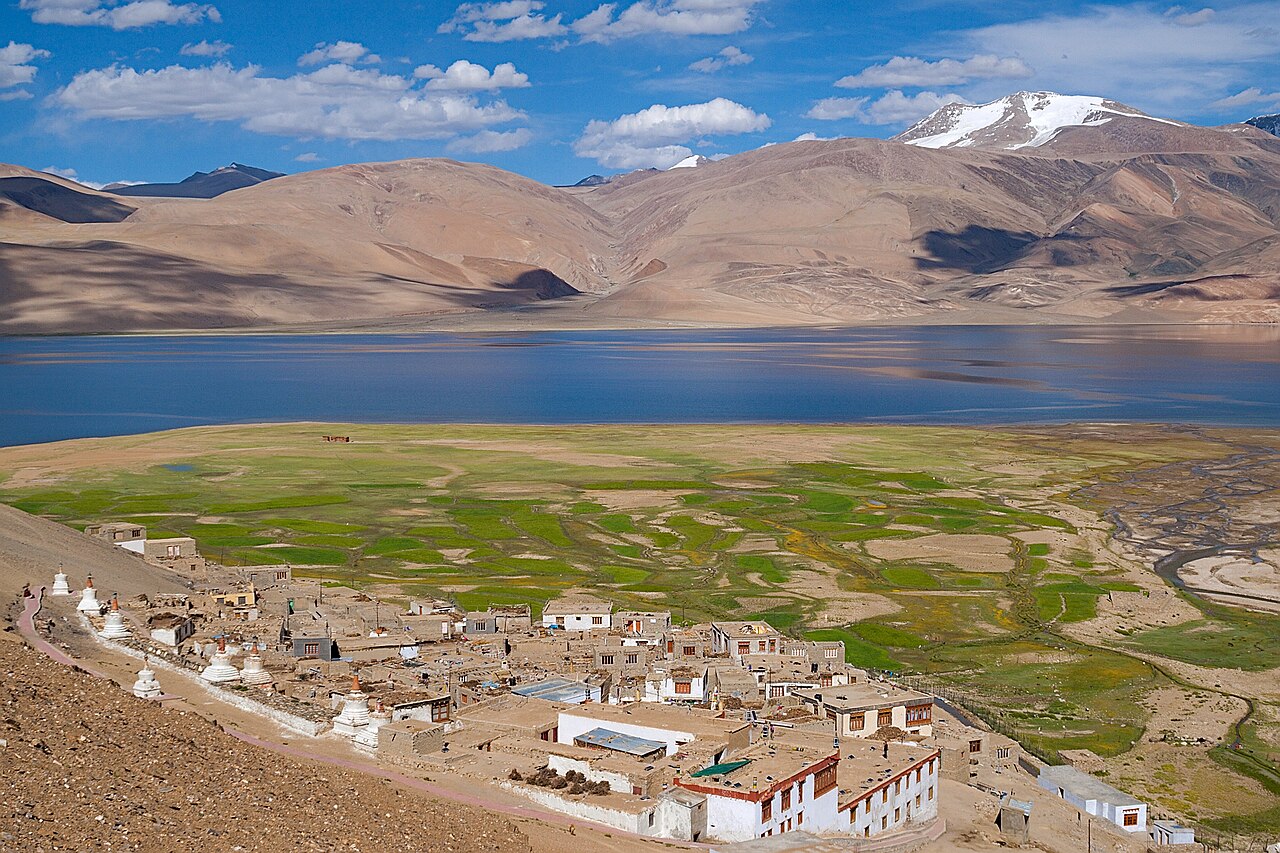
Summer brings clear skies and accessible roads to the wetland.Photo: McKay Savage from London, UK · CC BY 2.0
Ask three seasoned travellers when to visit the Changthang plateau, and you will likely get three different answers depending on how much cold they can tolerate. At 4,500 metres, time is measured not by conventional seasons, but by whether the mountain passes are clear of snow and whether the lake water is liquid or frozen solid.
Choosing the right month shapes your entire experience. Summer brings vibrant blue skies and accessible roads, while the shoulder months offer solitude at the cost of freezing night temperatures. Here is how the year unfolds across this remote wetland so you can plan accordingly.
As you map out your journey from Leh, coordinating with reliable operators ensures you avoid unexpected road closures. We frequently assist travellers in timing their trips with our comprehensive Ladakh itineraries to match optimal weather windows.
The High-Altitude Climate Explained
The climate here is categorized as a cold desert, characterized by intense solar radiation during the day and sub-zero temperatures at night, even in mid-July. The air pressure is roughly half that at sea level, which intensifies both the heat of the sun and the chill of the wind.
Precipitation falls mostly as snow during winter, though sudden hailstorms or summer rain showers can occur. Because the atmosphere is thin, temperatures plummet the moment the sun dips behind the western ridges, catching unprepared visitors off guard.
Understanding Tso Moriri Temperature Swings
Summer daytime temperatures hover comfortably around fifteen to twenty degrees Celsius, dropping to near freezing at night. In winter, thermometers routinely plunge to minus thirty degrees Celsius or lower.
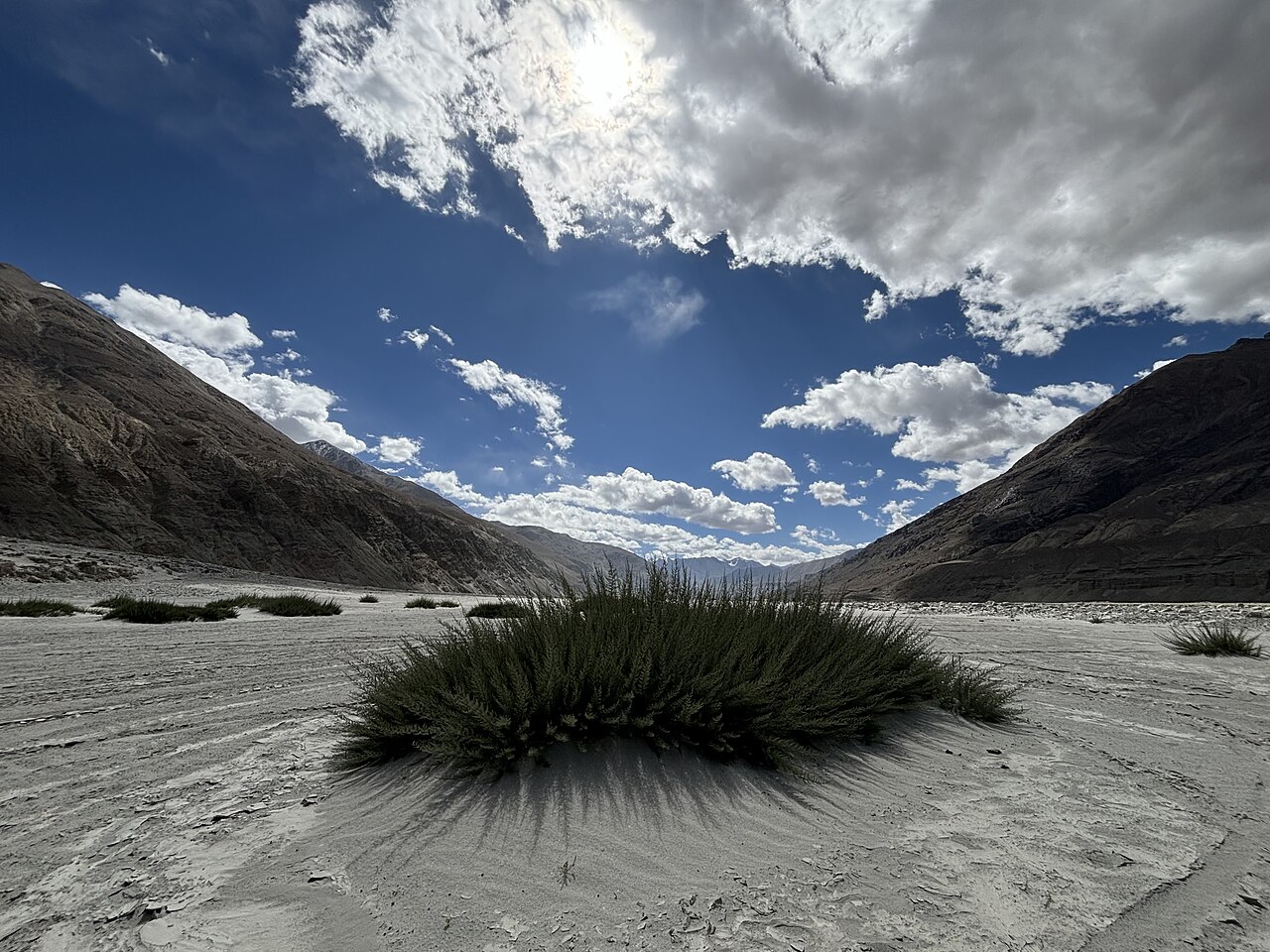
Visiting in Peak Summer: June to August
For most travellers, the peak summer months represent the only practical window for a comfortable visit. Roads from Leh via Chumthang or Upshi are fully cleared of winter snow, and guesthouses in Korzok are open and operational.
Skies are generally clear, offering brilliant blue backdrops for photography, and migratory birds arrive to breed in the surrounding marshes. The trade-off is that this is when most other travellers visit, meaning you will share popular viewpoints with a handful of other vehicles.
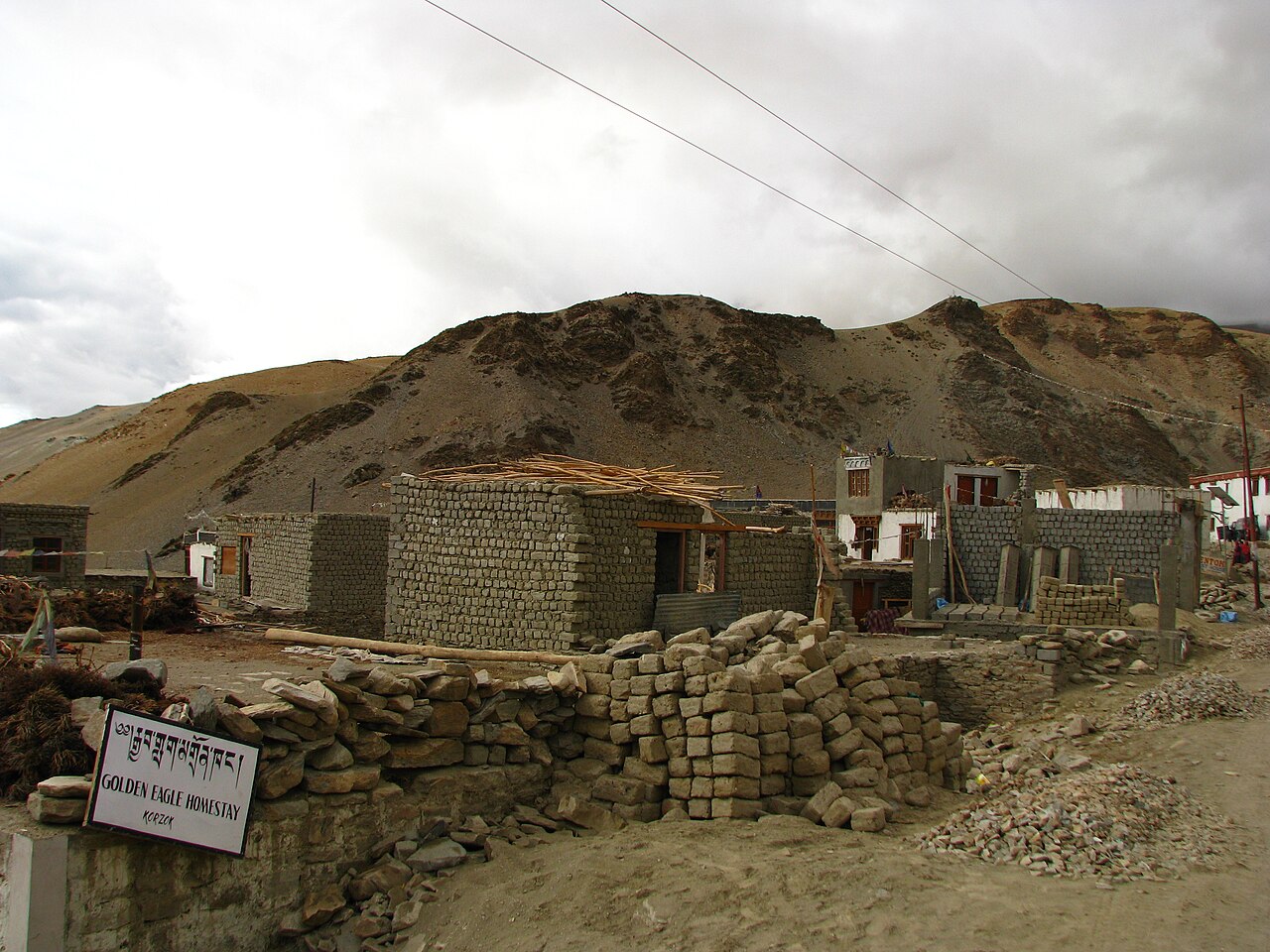
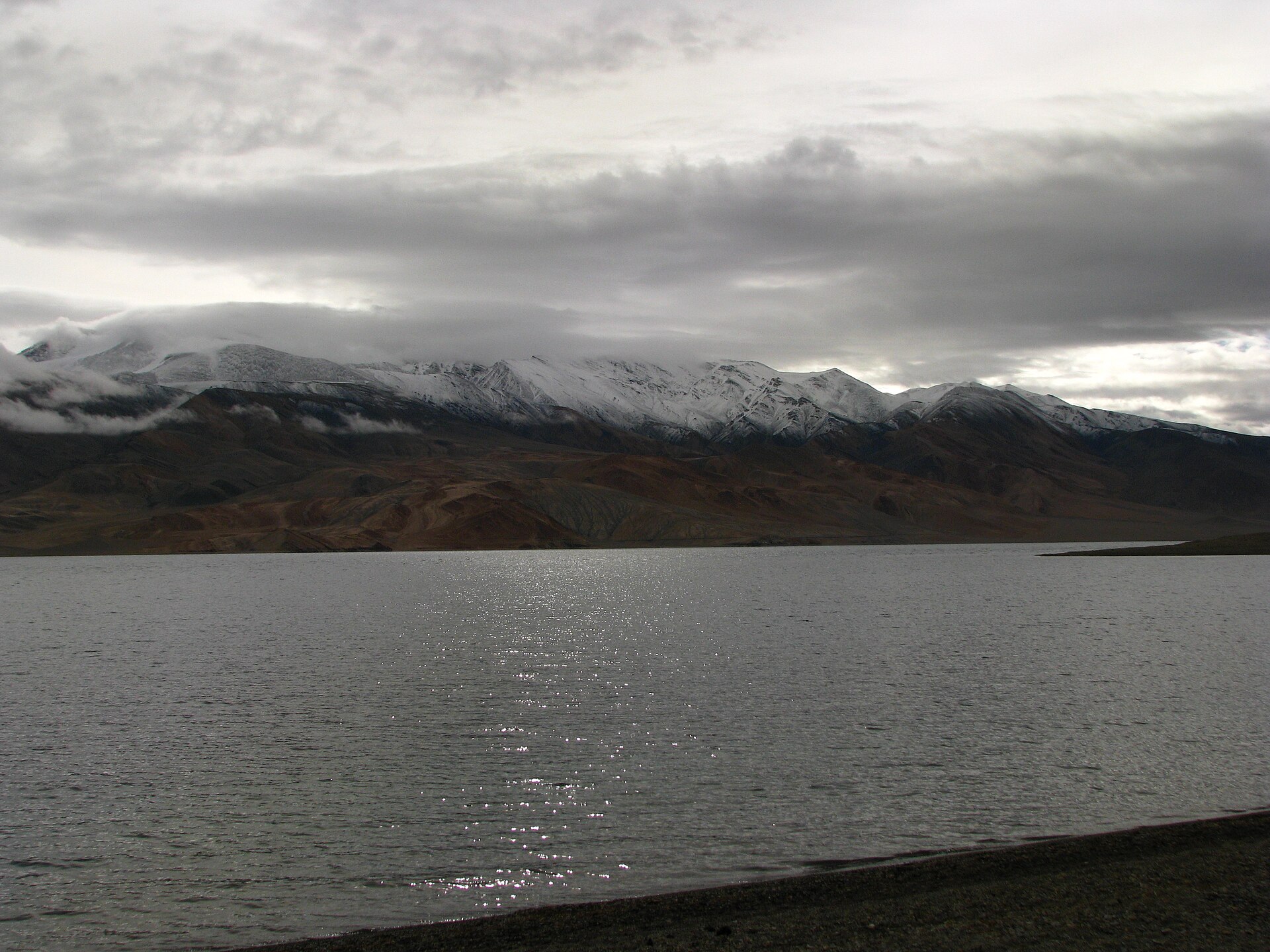
At 4,500 metres, time is measured not by conventional seasons, but by whether the mountain passes are clear of snow.
The Shoulder Season: May and September
If you prefer absolute quiet and do not mind bracing against cold winds, the shoulder months of May and September offer a radically different atmosphere. In May, the lake is often partially frozen, creating surreal floating ice shelves under bright spring sunshine.
September brings autumn colours to the dwarf willows and dry scrub, alongside crisp, perfectly clear air. However, guesthouses begin closing down towards the end of September as local families migrate to lower altitudes for the winter.
Why Winter Access is Limited
Travelling to Tso Moriri between November and April is an expedition reserved for seasoned adventurers and documentary film crews. Heavy snowfall blocks the high passes, making road transit impossible for standard tourist vehicles.
During the deepest winter weeks, the entire surface of the lake freezes into a thick sheet of ice. While locals occasionally walk across the frozen expanse, visiting as a casual tourist during this period is generally discouraged due to extreme cold and lack of open emergency services.
Seasonal Packing Essentials
Packing correctly matters more here than almost anywhere else in the Himalayas. Layering is your best defence against shifting weather: thermal base layers, a fleece mid-layer, and a heavy windproof and waterproof outer shell.
Do not forget heavy-duty sunglasses with UV protection, high-SPF sunscreen, and a sturdy wide-brimmed hat, as the high-altitude sun burns exposed skin in minutes. Pack a reliable thermos for hot water during long drives.
Planning Your Itinerary Around Weather
Weather in the Himalayas is notoriously unpredictable, and sudden landslides or unseasonal snow flurries can delay travel by a day or two. Always build a buffer day into your schedule when heading out to remote regions.
Connecting with local experts before departure helps you stay updated on real-time road conditions. Feel free to contact our team for current updates on pass openings and travel advisories.
Before you book
Timing your trip carefully transforms a difficult journey into an effortless exploration of Ladakh's most dramatic landscapes. Whether you choose the vibrant warmth of July or the crisp solitude of September, preparation is the key to enjoying the Changthang.
If you need guidance on synchronising your travel dates with local conditions, reach out to our team. We are always happy to help you map out a seamless journey through the high passes.
Planning Your Ladakh Journey?
Speak with our local travel specialists to find the perfect travel window for your dates.
Get in TouchCaption for your own post
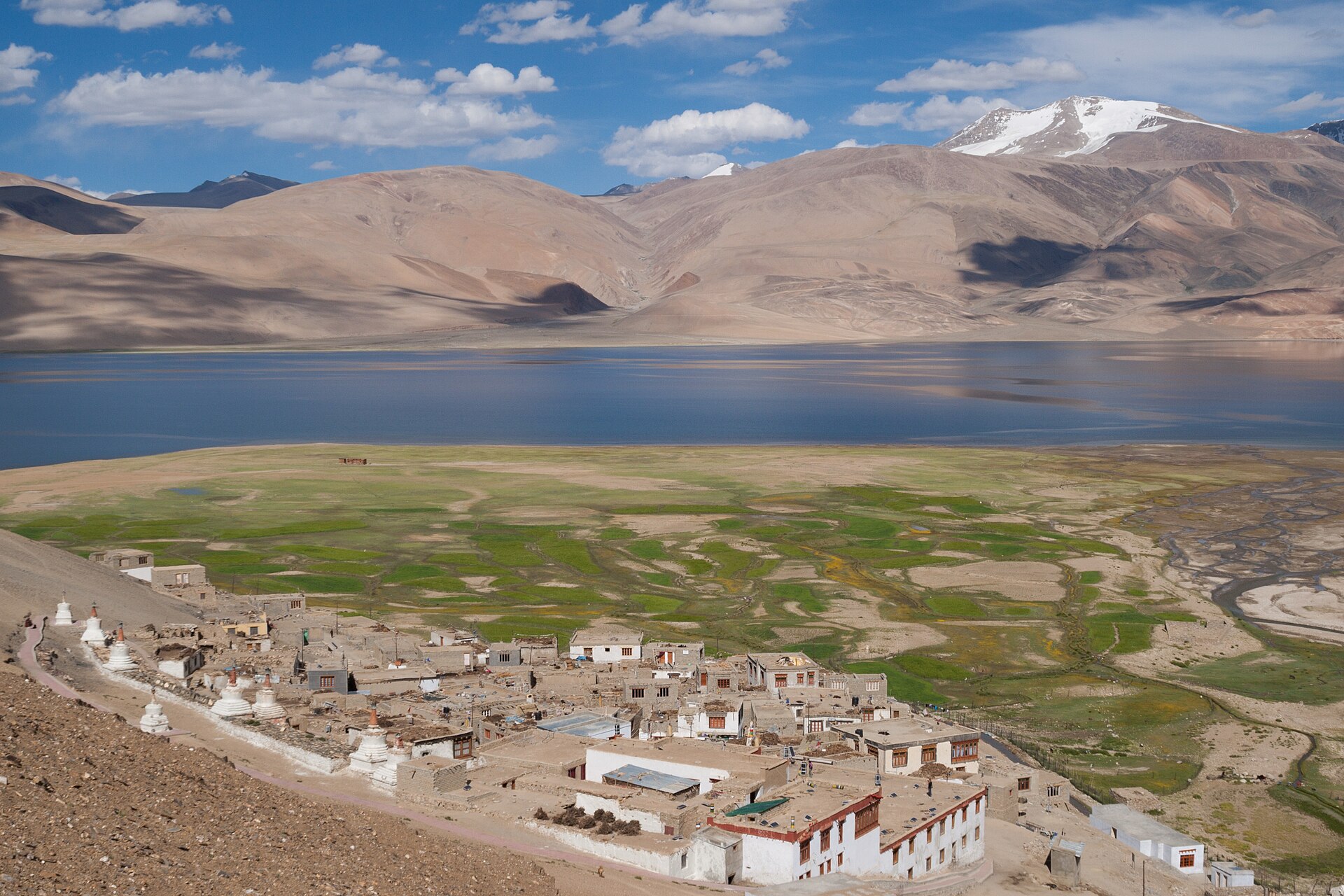
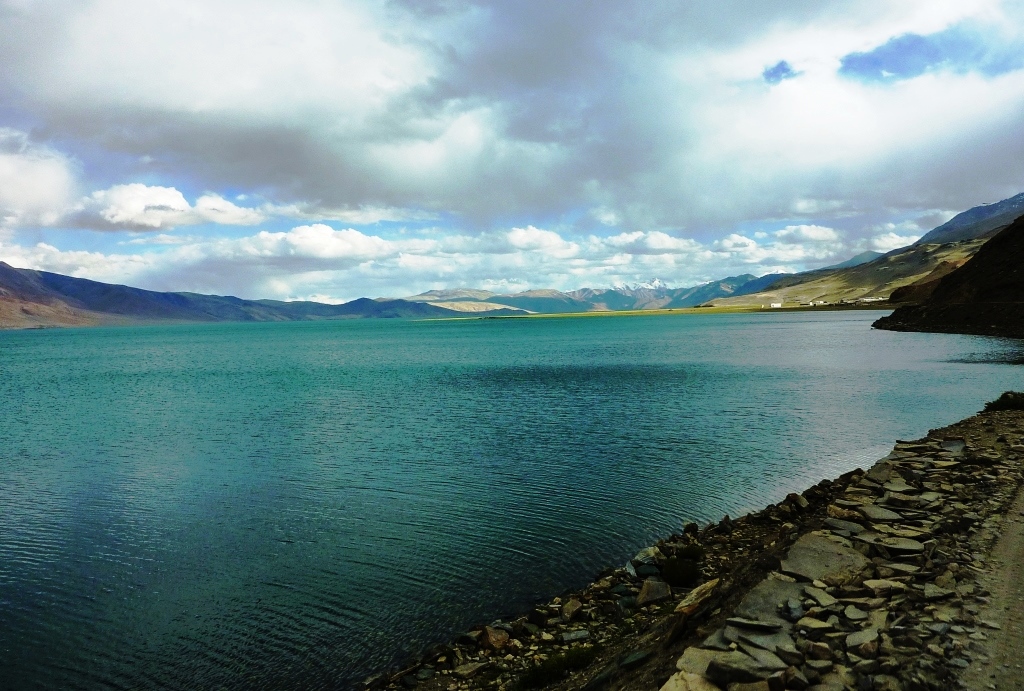
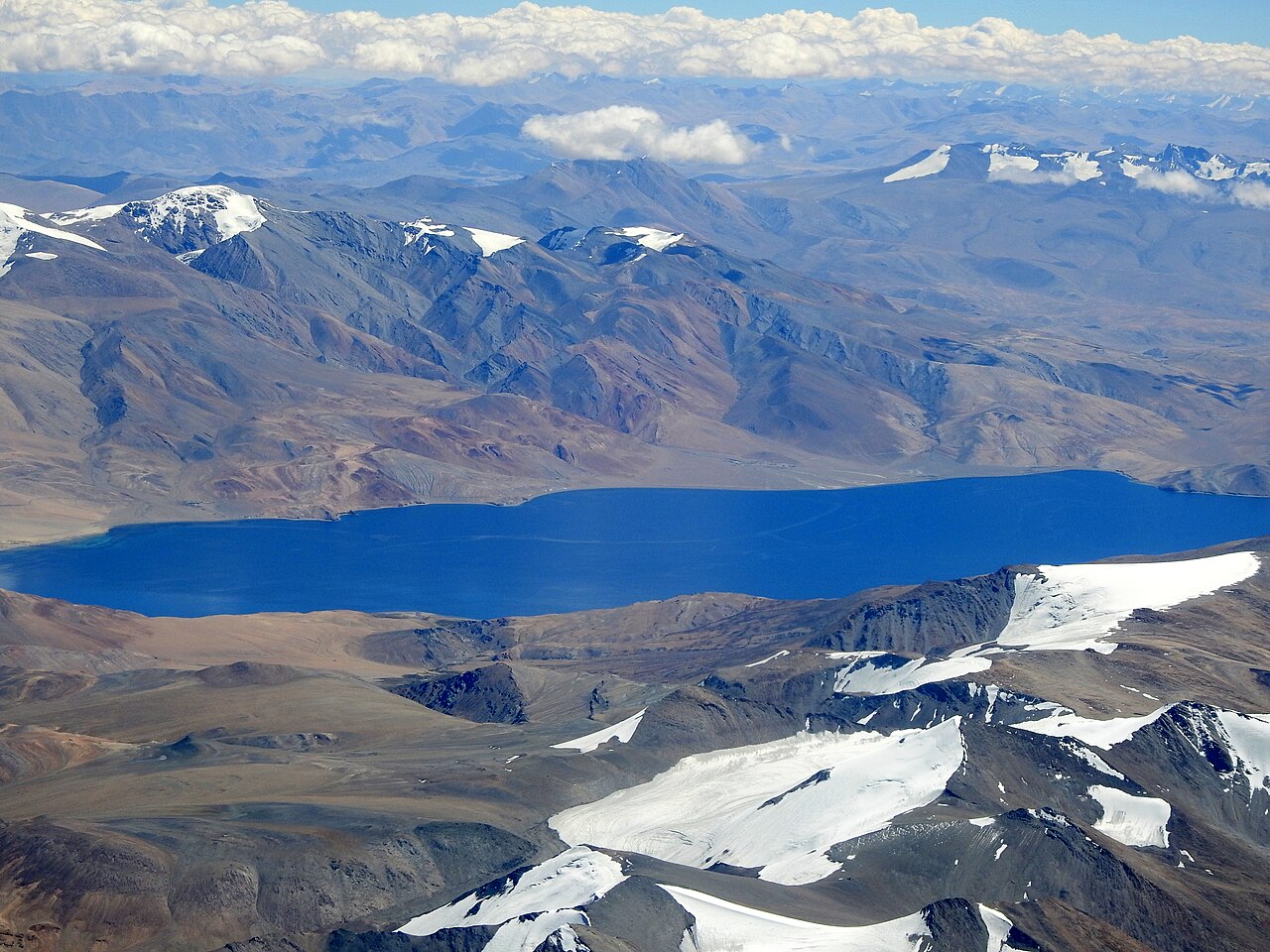
Summer clouds reflecting over Tso Moriri. Timing your trip right makes all the difference in the high Changthang.
Written by
Kashmir, Jammu & Ladakh specialists
We plan and run trips across Kashmir, Jammu and Ladakh every week of the year. Everything here comes from routes we drive, stays we inspect and questions our travellers actually ask.
Compiled from years of tracking seasonal weather patterns and road openings across the Changthang plateau.
Quick answers
Questions we get asked
Can I visit Tso Moriri in April?
April is generally not recommended because mountain passes can still be blocked by snow, and most tourist accommodation in Korzok remains closed.
Is July a good month for birdwatching at the lake?
Yes, July is prime breeding season for migratory birds like the black-necked crane and bar-headed geese, making it ideal for wildlife enthusiasts.
How cold does it get at night in August?
Even in mid-summer, night temperatures near the lake can hover close to freezing, requiring warm blankets and thermal sleepwear.
Are roads to the lake open year-round?
No, winter snowfall frequently blocks high-altitude approaches, restricting reliable tourist access to the summer and early autumn months.
What should I pack for a September trip?
Bring heavy winter jackets, thermal innerwear, windproof gloves, sturdy trekking boots, and high-SPF sunscreen for the intense daytime glare.
Photography credits
- Photo: McKay Savage from London, UK · CC BY 2.0
- Photo: McKay Savage from London, UK · CC BY 2.0
- Photo: HiranmoyPAC · CC BY-SA 4.0
- Photo: McKay Savage from London, UK · CC BY 2.0
- Photo: Karan Dhawan India · CC BY-SA 4.0
- Photo: Original: Rafał Kozubek Derivative work: UnpetitproleX · CC BY-SA 3.0
- Photo: Harvinder Chandigarh · CC BY-SA 4.0