What to Do in Tso Moriri for Travellers Seeking Silence
Discover the high-altitude salt lake, nomadic culture, and rare wildlife.
A practical guide to the best things to do in Tso Moriri, from spotting black-necked cranes to meeting Changpa nomads.
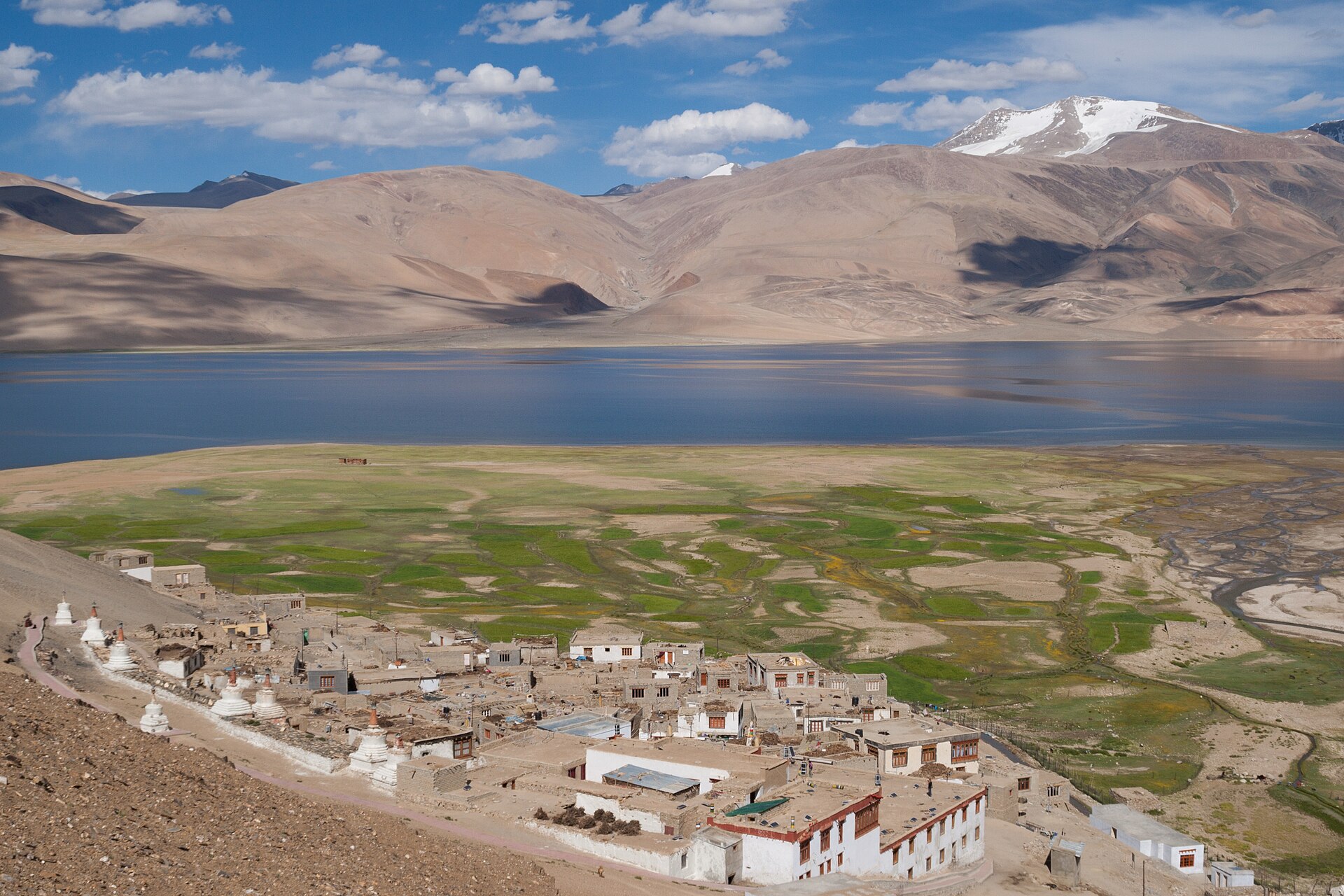
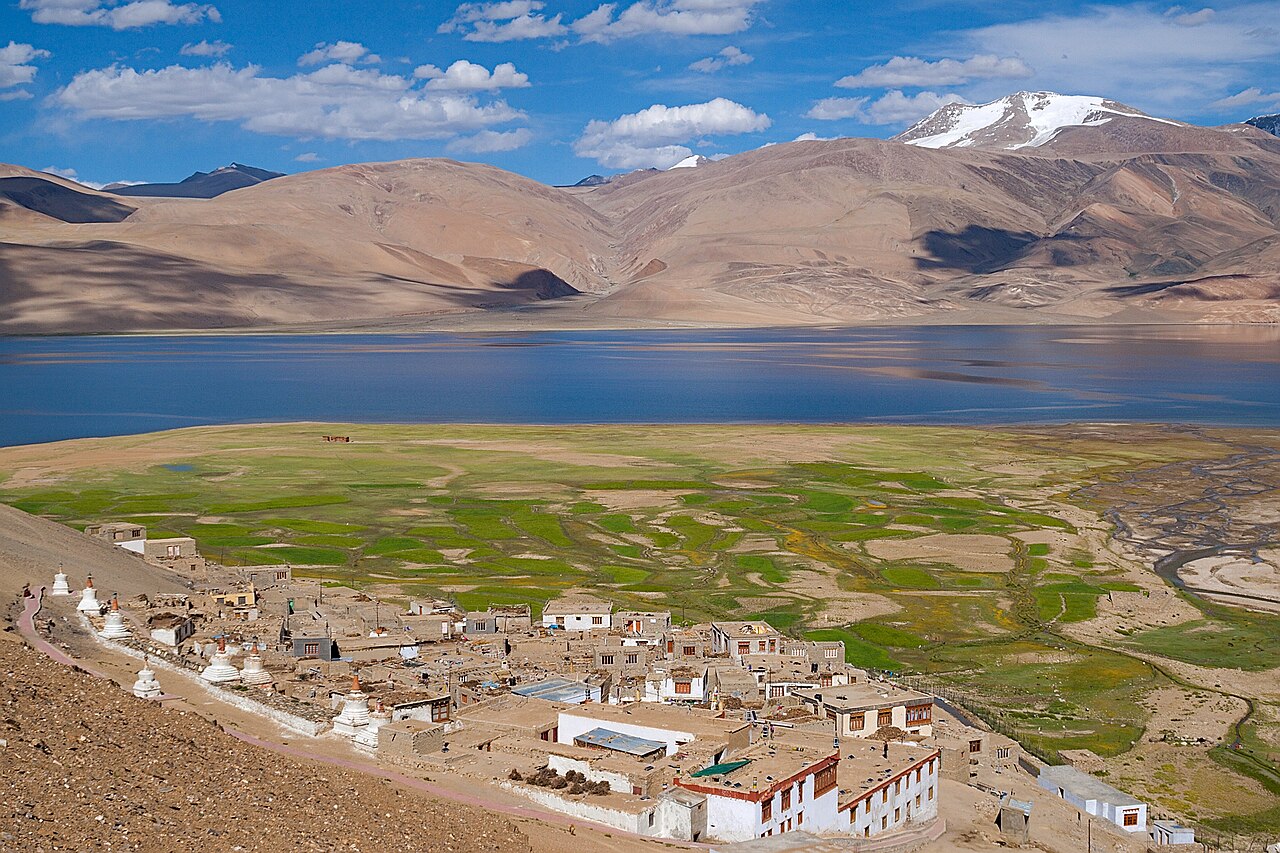
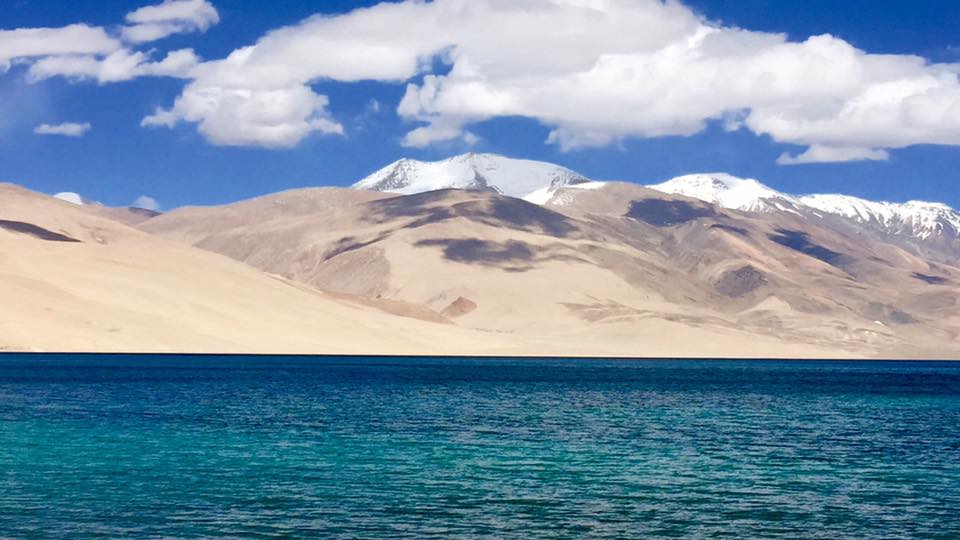
The tranquil waters of Tso Moriri stretch out below Korzok village.Photo: Rafał Kozubek · CC BY-SA 3.0
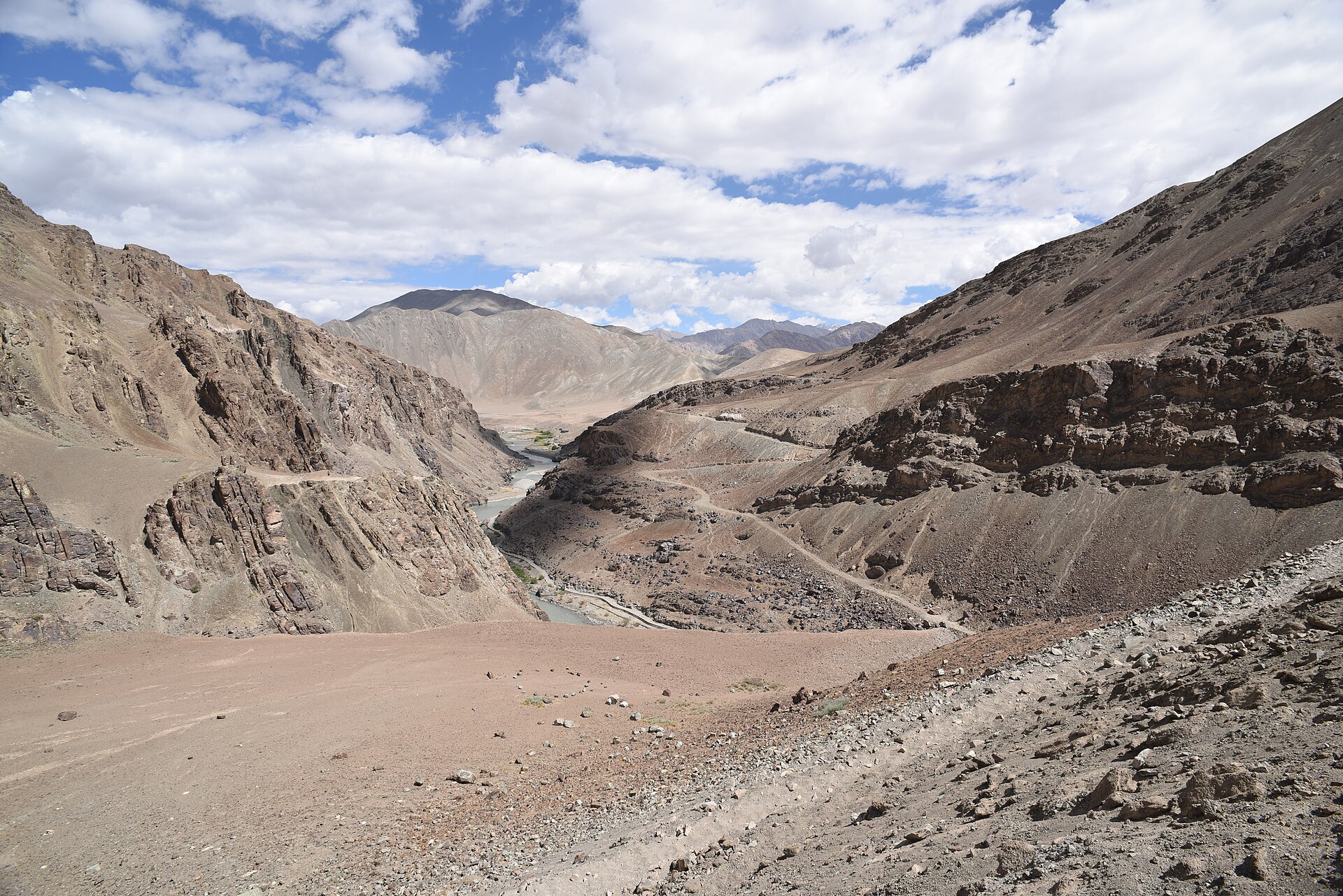
The wind off the water hits you before you even see the lake, tasting sharply of salt and dry earth. At 4,500 metres, Tso Moriri sits in a deep bowl of the Changthang plateau, far quieter and more remote than Pangong Tso. When our vehicles crawl over the final ridge after a bone-shaking drive from Leh, the sheer scale of the turquoise water against barren brown hills stops every conversation.
Most travellers rush through this high-altitude wetland in a single afternoon, ticking it off an itinerary before rushing back. That is a mistake. To truly understand Tso Moriri, you need to slow down, adjust to the altitude, and spend a few days watching the light shift across the water. Here is how to make the most of your time in this remote corner of Ladakh.
Planning a journey to these altitudes requires respect for the terrain and the people who call it home. If you are mapping out your route from Leh, we often recommend pairing this wetland with our other curated Ladakh itineraries for a balanced acclimatisation schedule.
The Vast Landscape of Tso Moriri
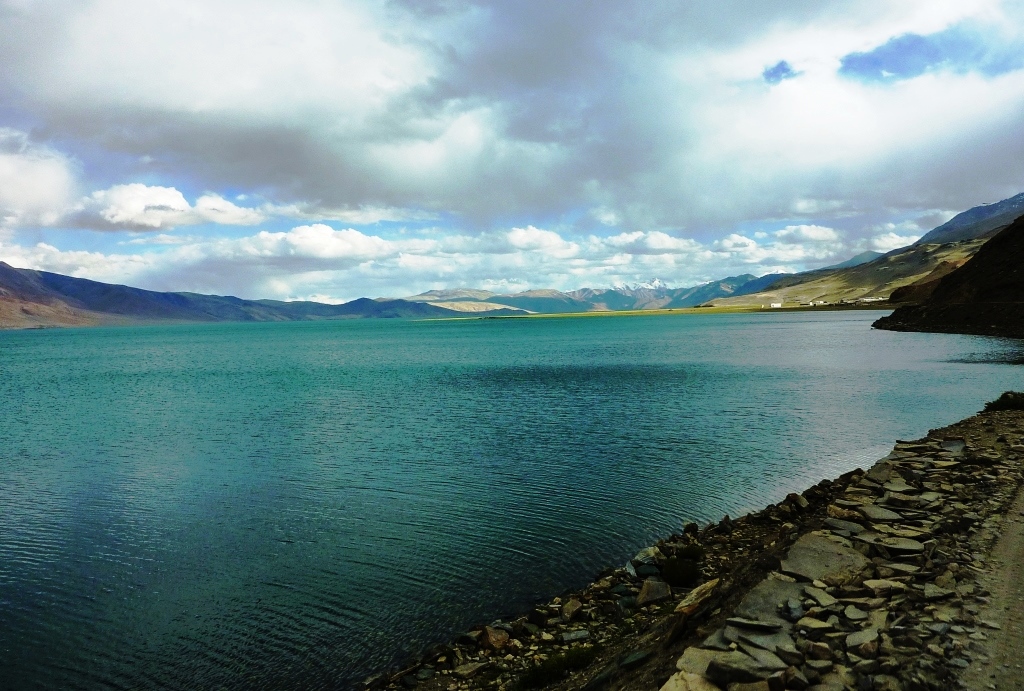
Standing on the shore of Tso Moriri feels less like visiting a lake and more like standing at the edge of an inland sea. The water stretches for nearly nineteen kilometres, shifting from deep indigo in the morning to a brilliant, pale turquoise by noon. Unlike its famous cousin further north, commercial motorboats are banned here to protect the fragile ecology, leaving only the sound of wind and bird calls.
Walking along the pebbled shoreline requires a conscious effort to slow your pace. Every step at 4,500 metres reminds you of the thin air, forcing you to breathe deeply and match the unhurried rhythm of the landscape. Bring a windproof jacket even in peak summer, as the weather changes within minutes from warm sunshine to biting gusts.
Morning Light and Reflections
The best hours to experience the lake are between six and eight in the morning. The surrounding snow-dusted peaks mirror perfectly on the glass-flat surface before the afternoon winds kick up and ruffle the water.
Wildlife and Birdwatching Highlights
For naturalists, the primary appeal of the area is its status as a breeding ground for high-altitude waterbirds. If you walk quietly along the marshy southern and northern inlets, you might spot the endangered black-necked crane tending to its nest.
You will also see bar-headed geese, great crested grebes, and Brahminy ducks bobbing near the reedy shallows. Look up toward the craggy ridges above the lake, and you might catch sight of a Tibetan wild ass, known locally as kiang, or even a nimble ibex picking its way across the scree slopes.
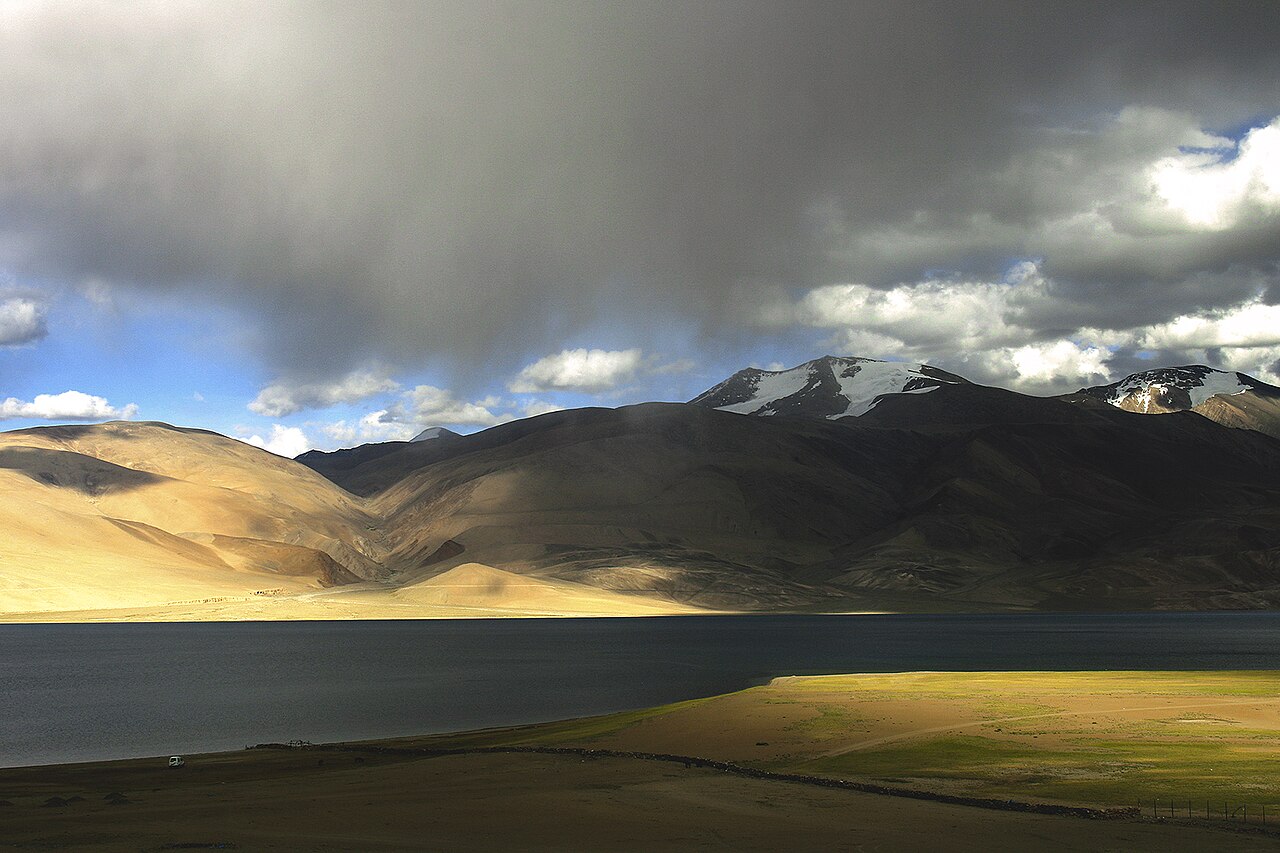
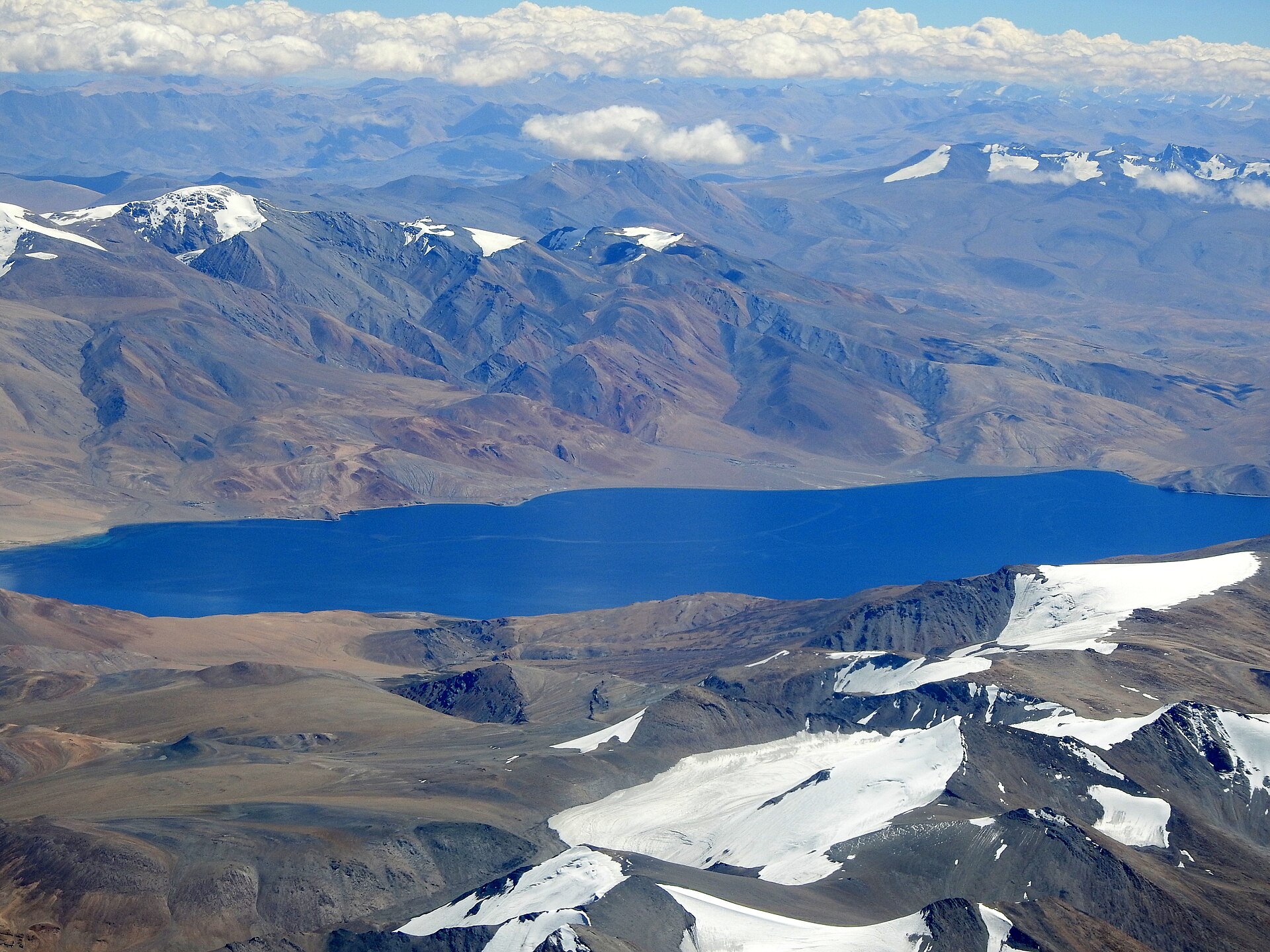
Standing on the shore of Tso Moriri feels less like visiting a lake and more like standing at the edge of an inland sea.
Cultural Encounters in Korzok Village
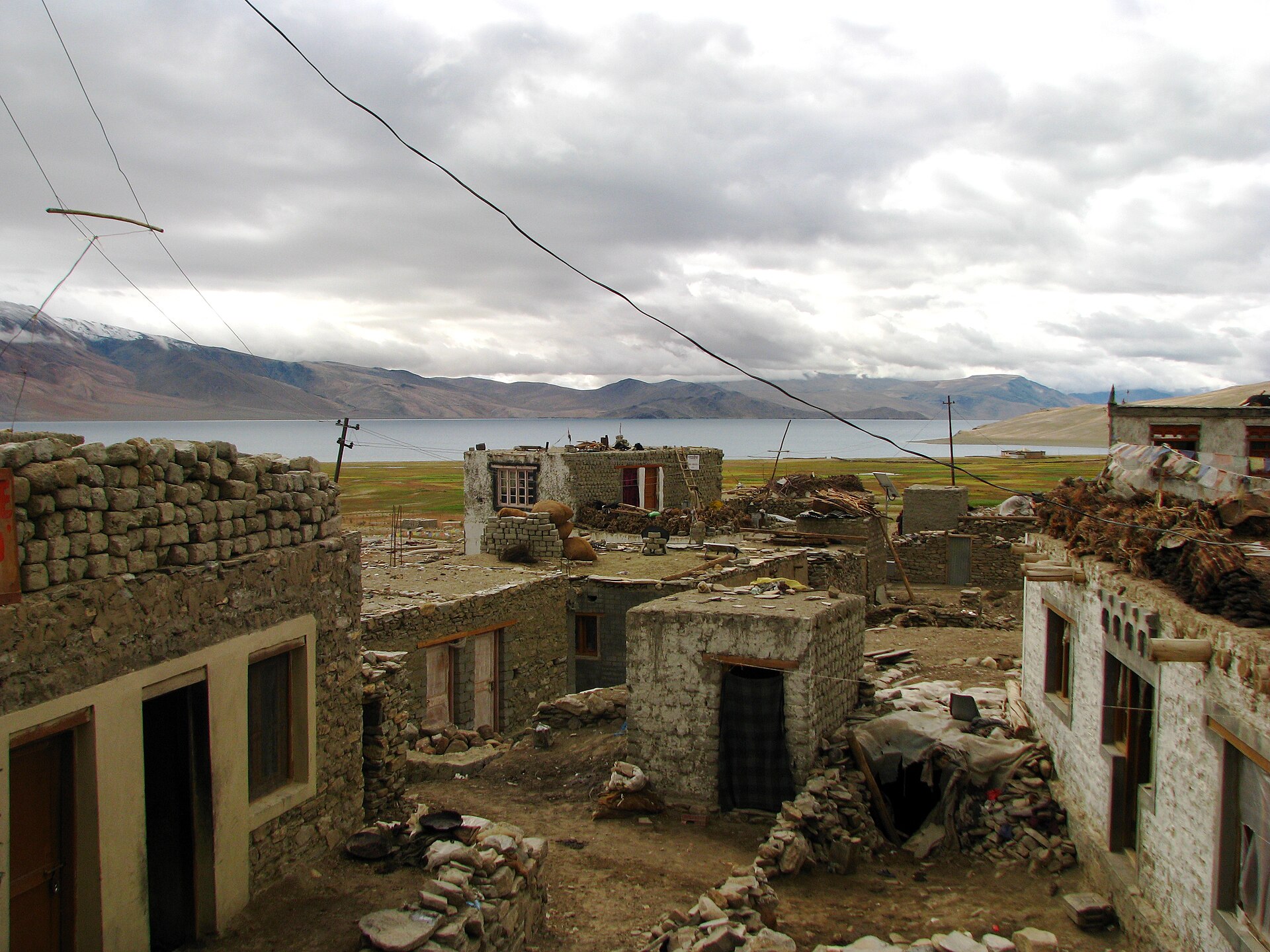
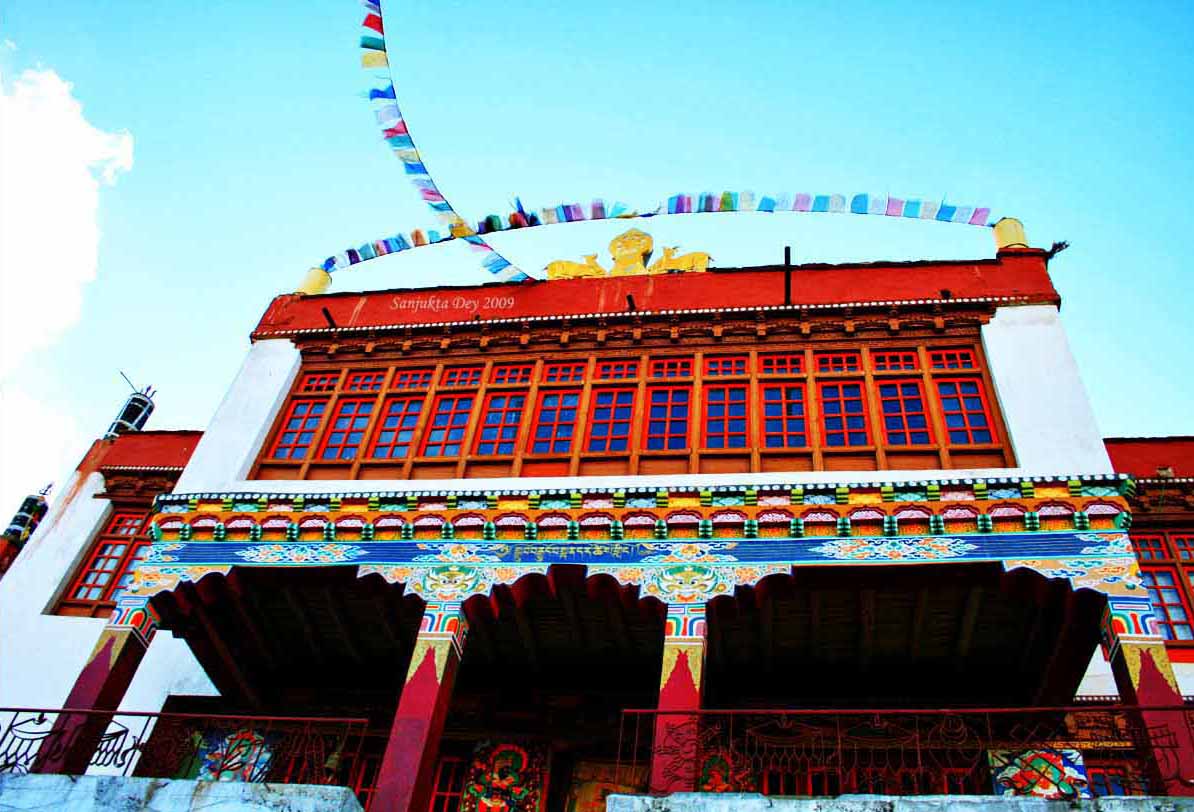
Perched on the western bank above the lake sits Korzok, a tiny settlement of stone houses and a centuries-old monastery. Visiting the monastery is one of the most rewarding cultural experiences in the region, housing ancient thangkas and statues that have weathered decades of harsh winters.
The village has changed very little over generations, though homestays and small guesthouses now offer simple accommodation for travellers. Spending an evening talking to local residents provides a glimpse into a lifestyle dictated entirely by short summers and brutal, snow-bound winters.
Meeting the Changpa Nomads
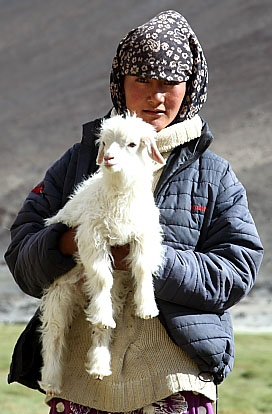
The true custodians of this high plateau are the Changpa, semi-nomadic pastoralists who herd flocks of pashmina goats across the windswept plains. Visiting their black yak-wool tents is an unforgettable experience, though it should always be done with the guidance of a local driver or fixer who can translate and respect local customs.
You will likely be offered a bowl of hot butter tea, heavily salted and rich with yak fat, designed to keep the body warm in sub-zero temperatures. Watching how they weave wool and manage their livestock offers profound insight into human resilience.
Nature Walks and Scenic Photography
While vehicle tours are common, exploring the surrounding hills on foot reveals details you miss from a car window. Low-lying alpine flowers bloom in pockets of moisture near glacial streams, providing a burst of yellow and purple against the grey dust.
Photographers will find endless inspiration here, from the stark textures of eroded clay cliffs to the dramatic play of monsoon clouds rolling over the peaks. Just remember that batteries drain rapidly in the cold air, so always carry spares inside your jacket.
Respecting the Delicate Ecosystem
Tourism in the Changthang region brings vital income to local families, but it also places immense pressure on fragile resources. Water is scarce, waste management is nearly non-existent, and every plastic bottle left behind remains in the soil for centuries.
Carry a reusable water bottle, pack out all your rubbish, and respect wildlife habitats by avoiding loud noises or drone flights near nesting areas. Responsible travel ensures that this remote wetland remains pristine for the next generation of visitors.
Before you book
Visiting Tso Moriri demands effort, patience, and a willingness to endure rough roads and thin air. Yet those who make the journey are rewarded with a landscape untouched by mass tourism, where silence and space dominate.
Whether you are planning a comprehensive tour of Ladakh or simply wish to spend a few quiet days by the water, we are always here to help you design a safe and memorable itinerary. Feel free to reach out to our team in Srinagar or Leh to discuss your travel plans.
Ready to Experience the Silence of the Changthang?
Let our local experts help you craft a custom Ladakh itinerary tailored to your pace and interests.
Contact Our Travel TeamCaption for your own post
Morning light over Tso Moriri. No motorboats, no crowds—just endless turquoise water and the quiet expanse of the Changthang plateau.
Written by
Kashmir, Jammu & Ladakh specialists
We plan and run trips across Kashmir, Jammu and Ladakh every week of the year. Everything here comes from routes we drive, stays we inspect and questions our travellers actually ask.
Written after leading multiple expeditions across the Changthang plateau during the summer field season.
Quick answers
Questions we get asked
Do I need a permit to visit Tso Moriri?
Yes, Indian nationals and international visitors require an Inner Line Permit to visit the Changthang region, which can be arranged easily through registered local operators in Leh.
What is the best time of day for photography at the lake?
Early morning offers the calmest water and mirror-like reflections of the surrounding peaks, while late afternoon provides dramatic golden light across the barren hills.
Are there hotels available at Tso Moriri?
Luxury hotels do not exist here. Instead, visitors stay in basic guesthouses, local homestays, or seasonal tented camps set up near Korzok village.
How far is Tso Moriri from Leh?
The journey from Leh takes roughly six to seven hours by road, depending on road conditions and stops, usually passing through Chumthang or Mahe bridge.
Can I swim in Tso Moriri?
No, swimming is strictly prohibited because the lake is a sacred site for locals, protected wetland habitat, and dangerously cold year-round.
Photography credits
- Photo: Rafał Kozubek · CC BY-SA 3.0
- Photo: Harvinder Chandigarh · CC BY-SA 4.0
- Photo: Original: Rafał Kozubek Derivative work: UnpetitproleX · CC BY-SA 3.0
- Photo: Candle Tree · CC BY-SA 4.0
- Photo: Candle Tree · CC BY 3.0
- Photo: Narender9 · CC BY-SA 3.0
- Photo: Karan Dhawan India · CC BY-SA 4.0