When to Book Your Ladakh Holiday: Timing Your Visit
Deciding the ideal time to visit Ladakh requires balancing mountain access, weather, and crowds. Find out when to book your tour.
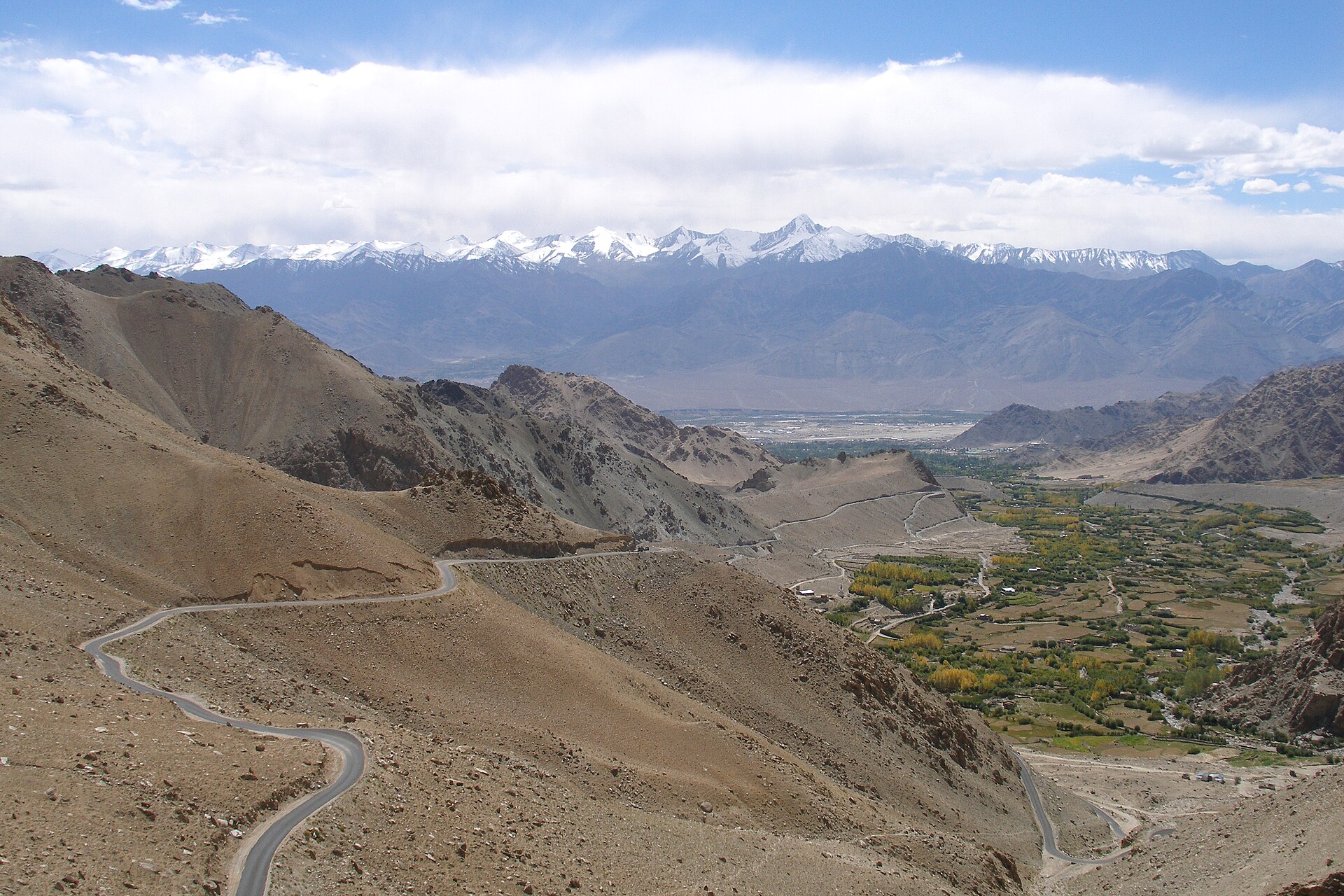
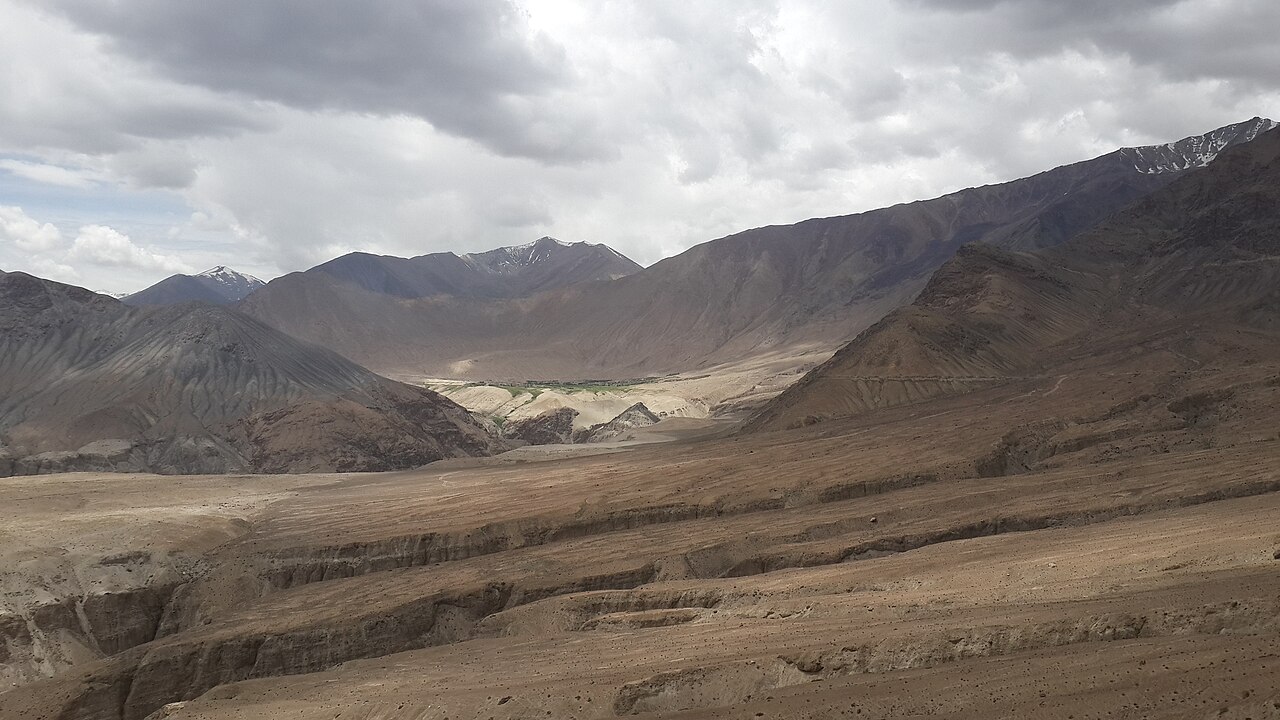
The arid landscape of Leh is most accessible during the peak summer months.Photo: Vyacheslav Argenberg · CC BY 4.0
I remember the silence of a late October morning in Leh, where the only sound was the wind biting against the dry, cracked earth. By then, the summer throngs had retreated, leaving the valleys to those who don't mind a bit of shivering. Determining the ideal time to visit Ladakh depends entirely on whether you want the accessibility of summer or the stark, frozen quiet of the off-season.
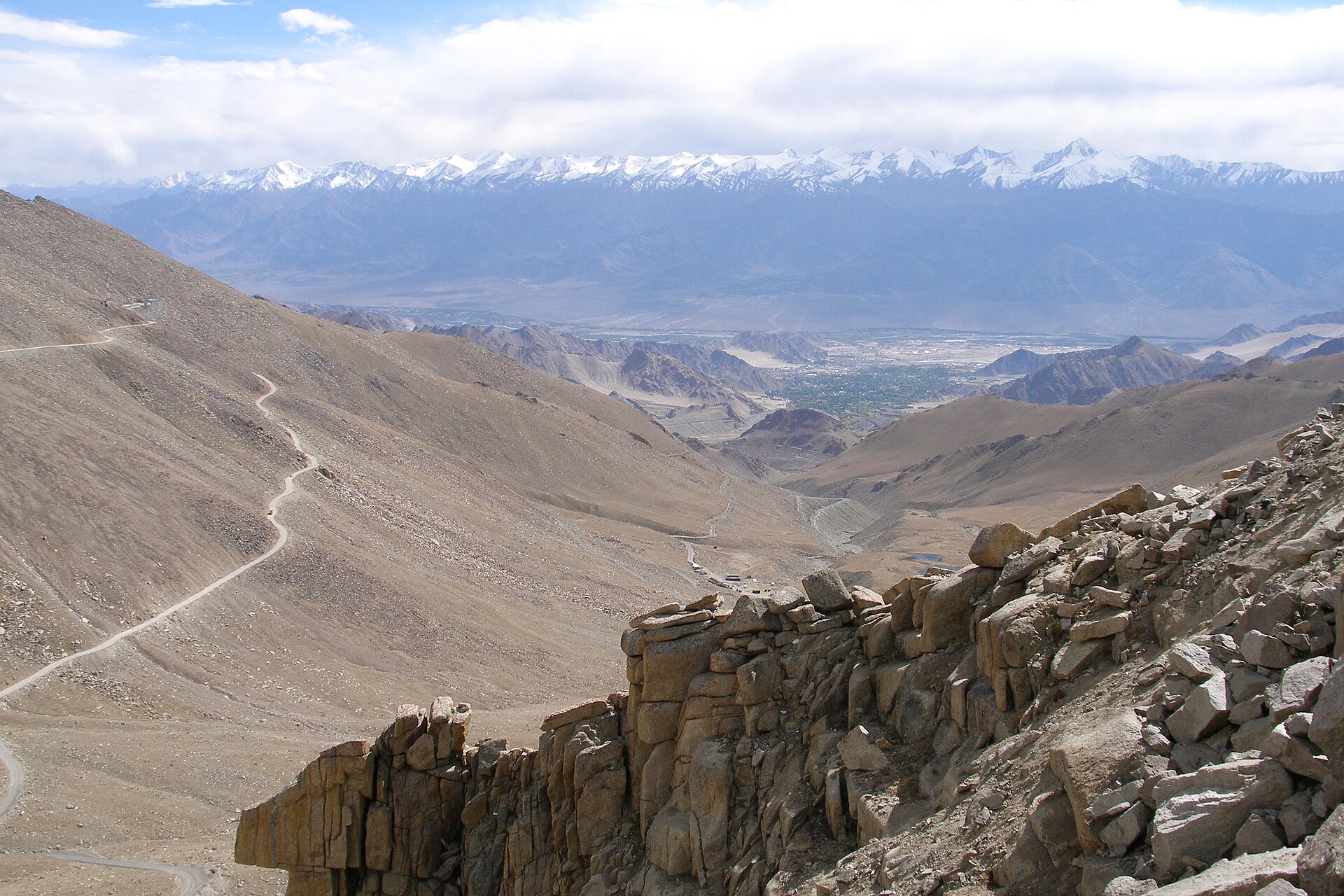
Many travelers arrive with a mental image of lush green valleys, only to find themselves amidst high-altitude brown deserts. Ladakh is a high-altitude landscape where the seasons define what you can reach and how you reach it. Whether you are eyeing the ascent to Khardung La or planning a deeper exploration into the Nubra Valley, timing is the difference between a seamless journey and a frustrated itinerary.
Seasonal Variations in the Ladakh High Desert
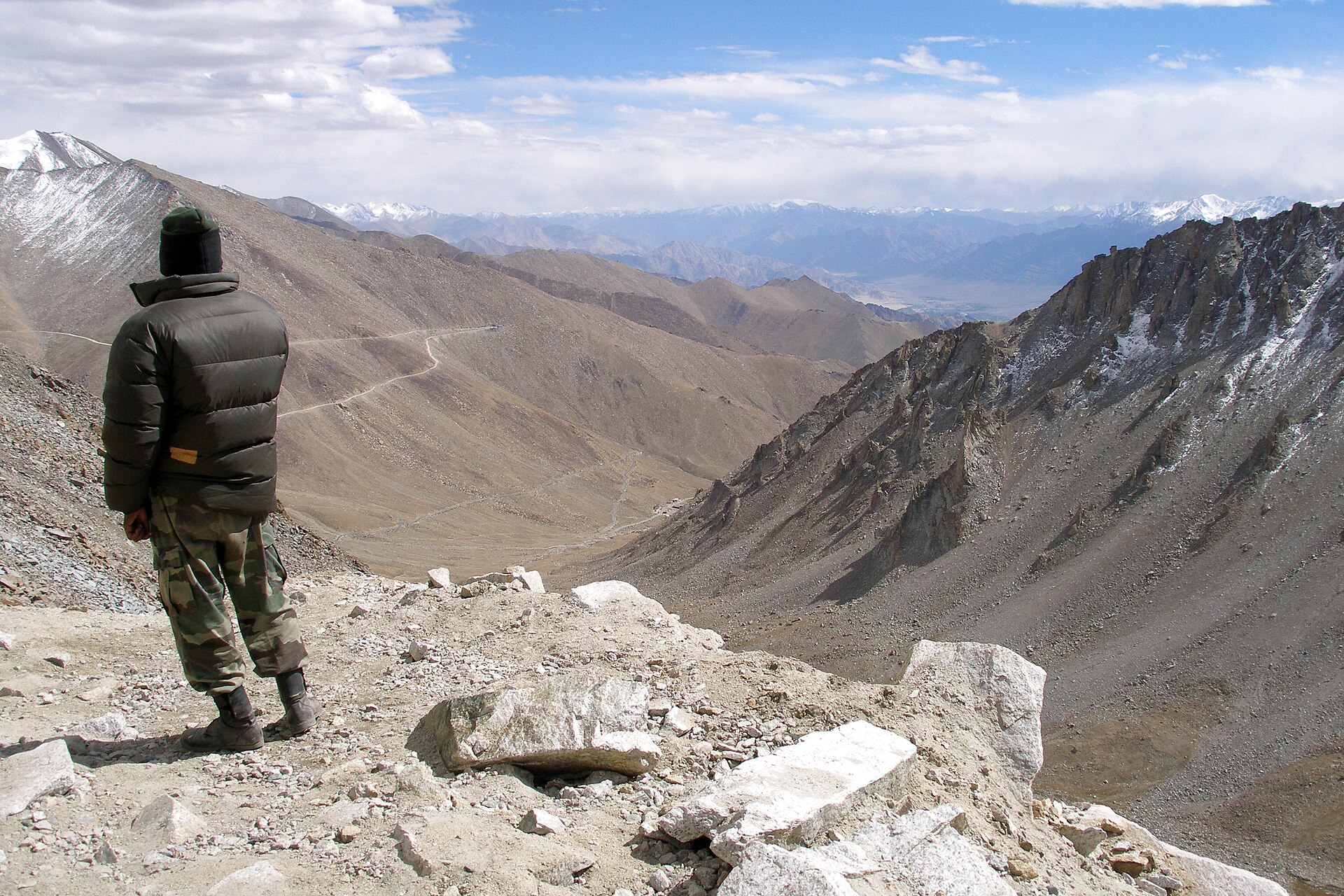
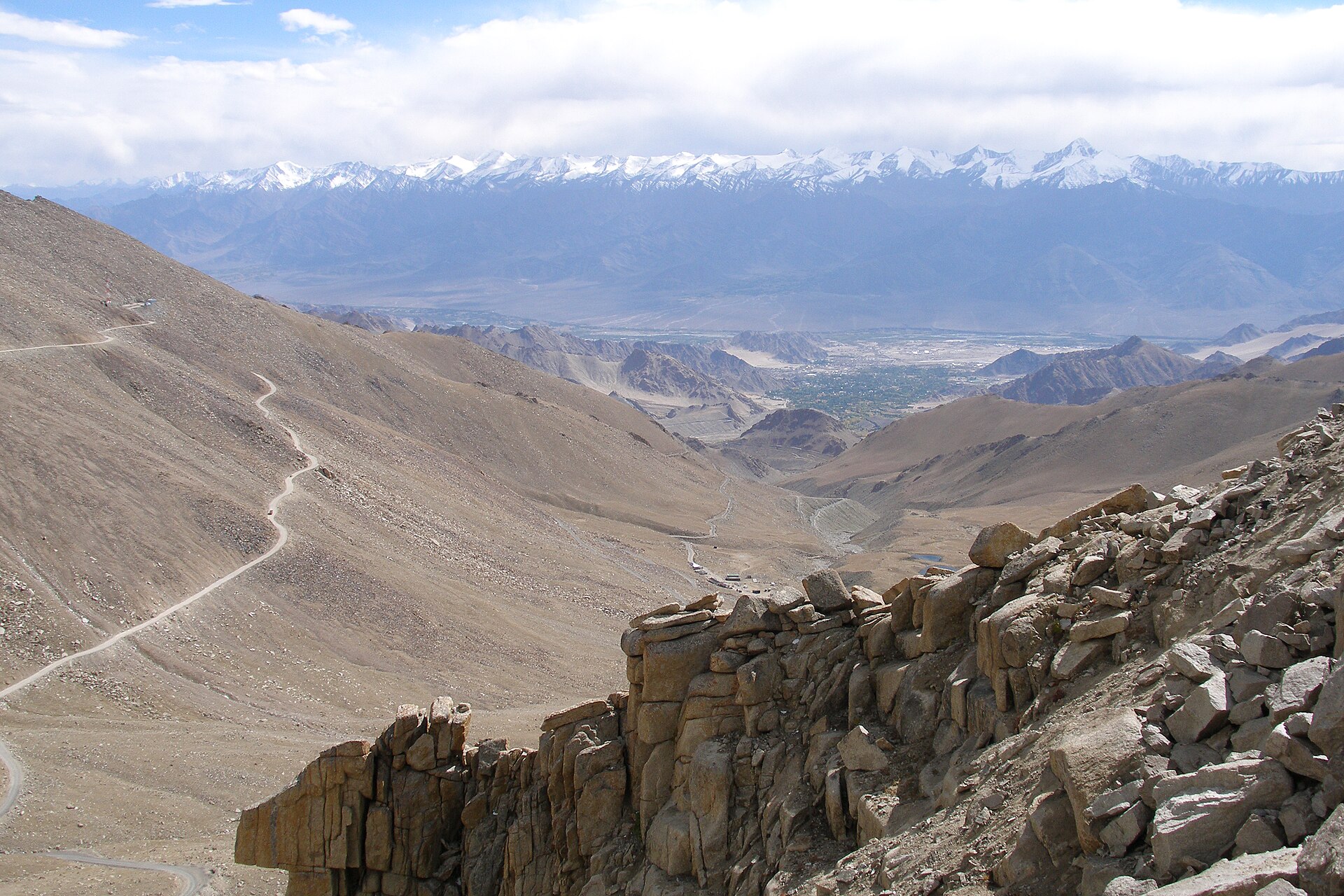
The landscape in Ladakh transitions drastically across the year. From June to early September, the roads are clear, the mountain passes are open, and the Zanskar and Indus rivers are swollen with glacial melt. This is the period when most travelers venture into the region, as the flight connectivity to Leh is consistent and the main passes, like Khardung La, are accessible for vehicles.
As September wanes, the air thins and the temperature drops rapidly. By mid-October, the summer season officially closes. While Ladakh remains reachable, the secondary roads often become trickier to navigate. Winter, running from November through March, brings heavy snowfall that can close high passes entirely. If you want the classic experience, you are looking at the summer window.
The Realities of Peak Summer Travel
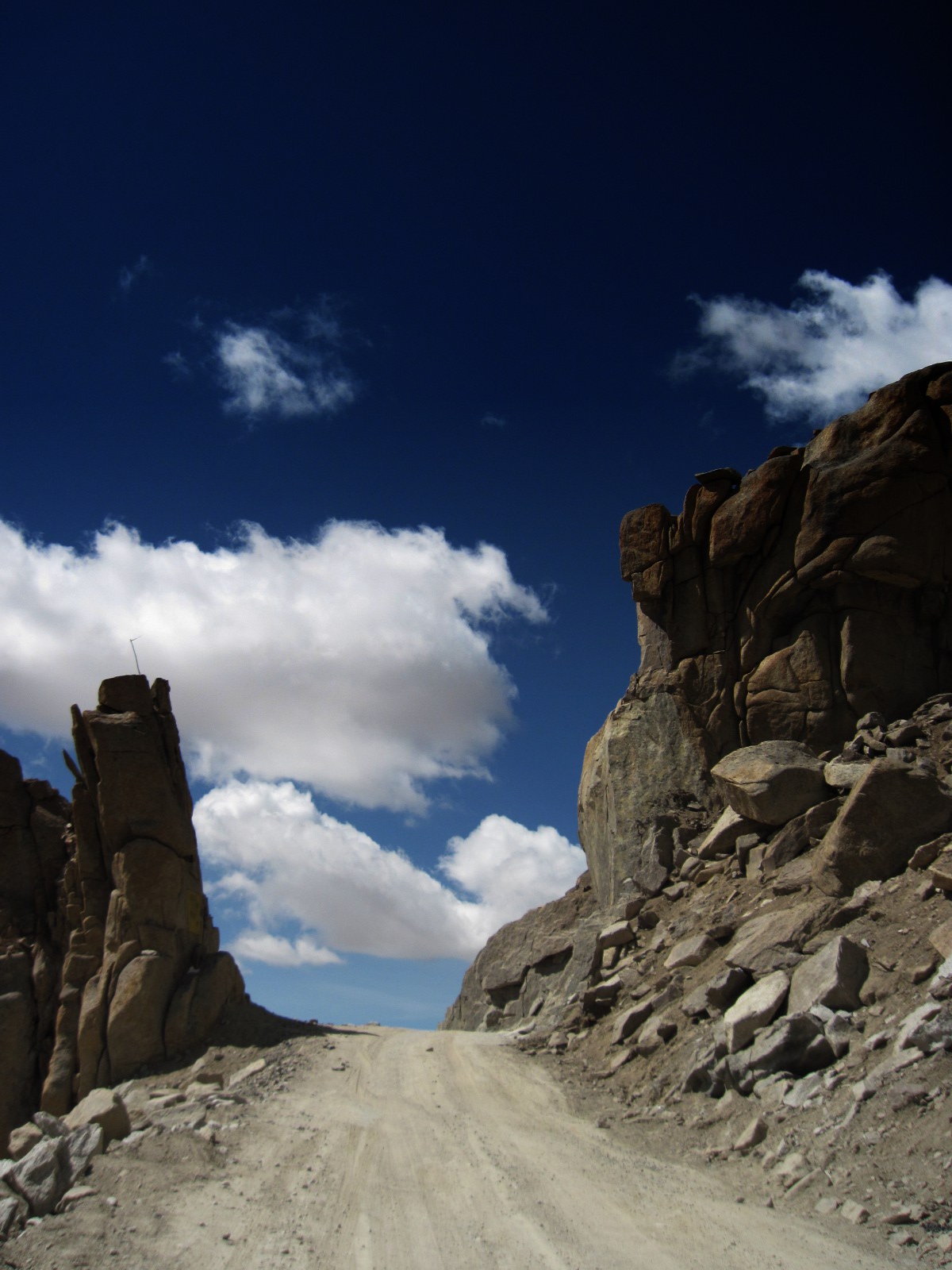
Peak summer—late June through August—is when Ladakh feels busiest. Hotels in Leh reach near-full occupancy, and you will share the climb to Khardung La with dozens of other vehicles. For many, this is the ideal time to visit Ladakh because it offers the safest and most reliable access to remote areas like Turtuk and the far reaches of the Nubra Valley.
You get longer daylight hours during these months. This extra time is crucial if you are prone to altitude sickness, as it allows for a more relaxed pace. We often advise clients to build in an extra day of acclimatization during this season simply because the increased vehicle traffic can make the journey to high-altitude points slower than expected.
- Reliable road conditions to Khardung La.
- Higher probability of clear skies for mountain photography.
- Full range of local transport and taxi services available.
- Significant increase in tourist crowds at major viewpoints.
Finding the Sweet Spot in Shoulder Seasons
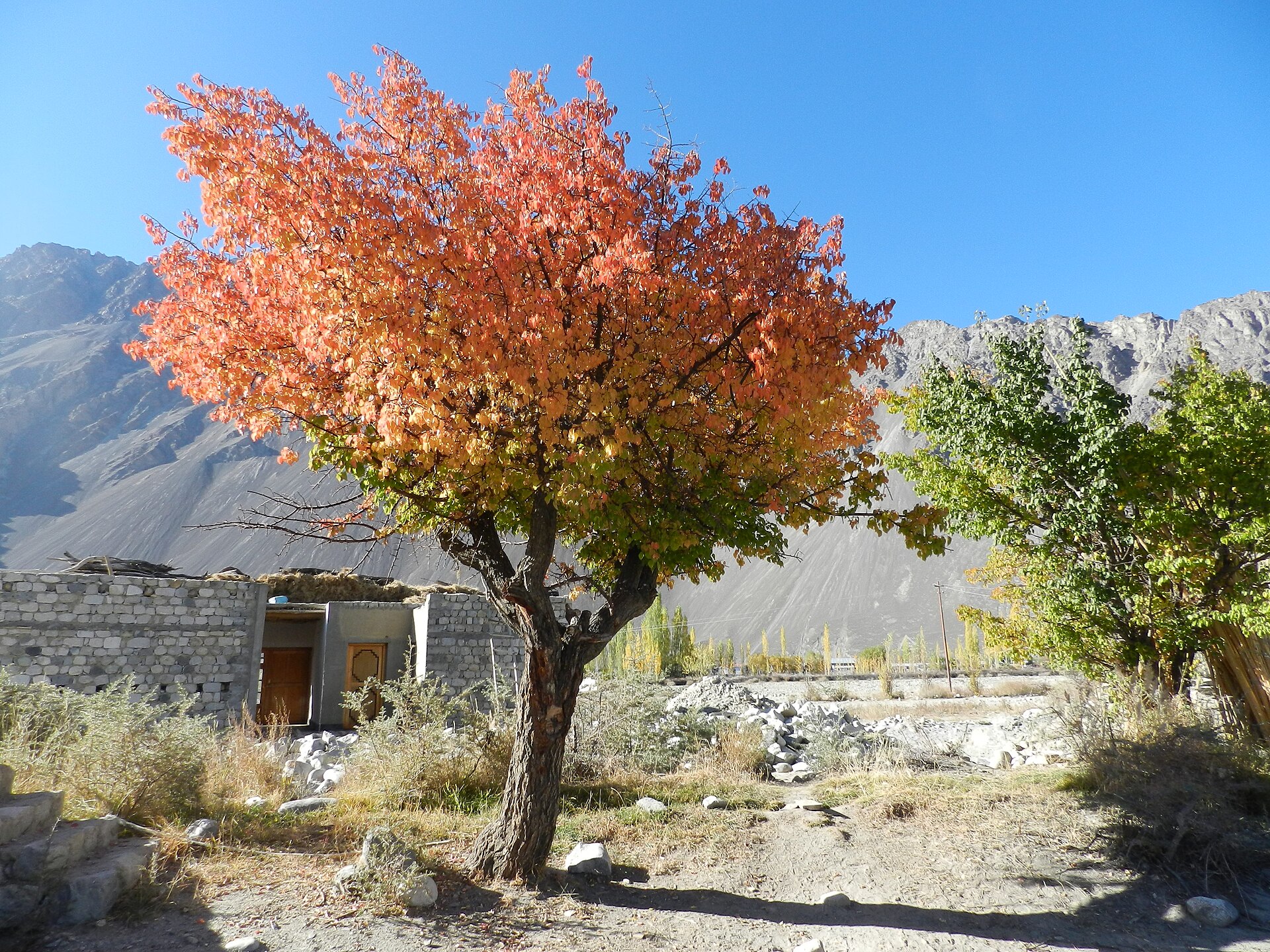
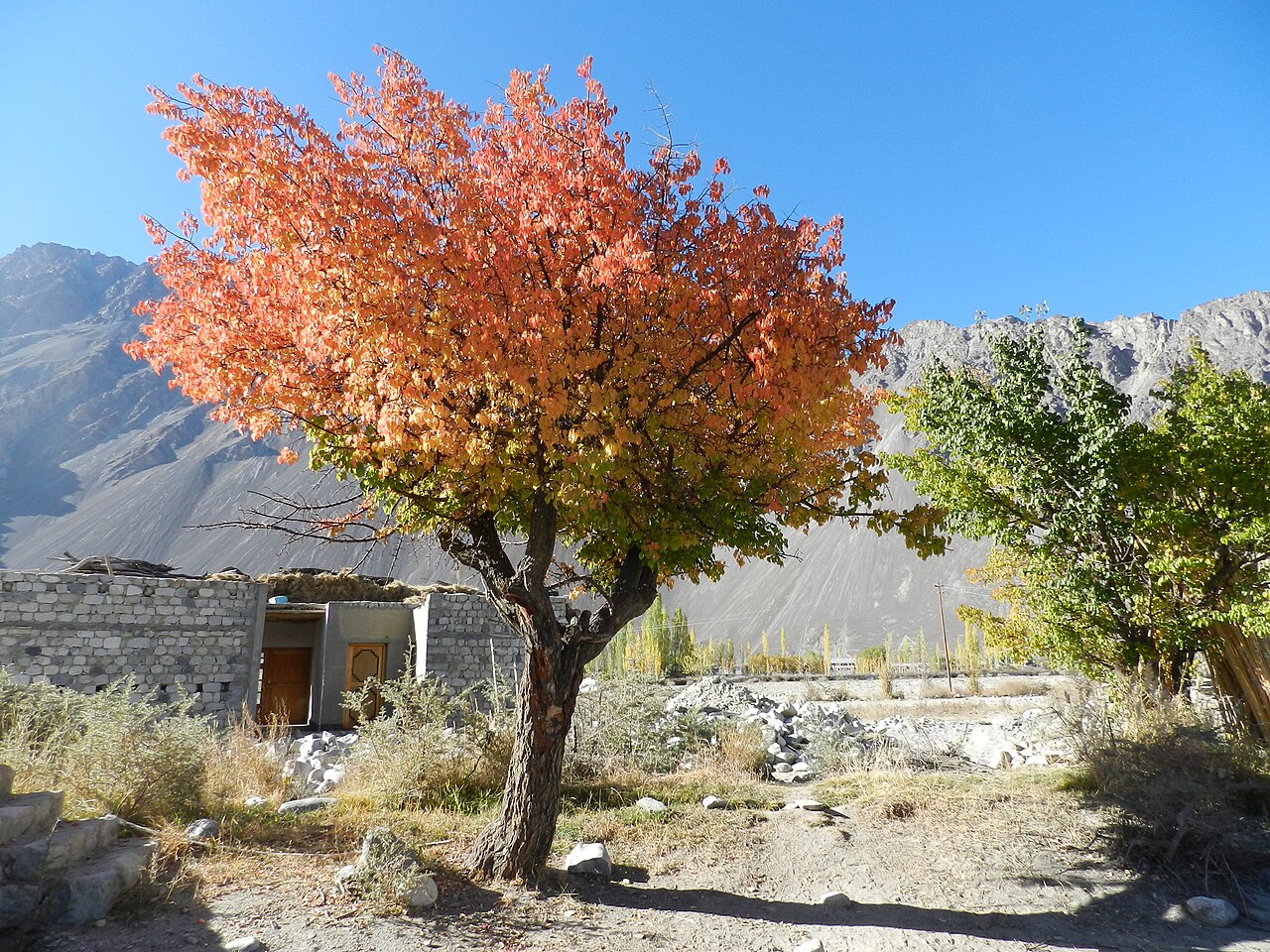
If you are like me and prefer avoiding the peak-season congestion, late May or September are the best options. In late May, the region is just shaking off the winter chill. The blossoms are often still present in the lower valleys, and the roads are usually open. September offers a different mood entirely; the autumn colours in the poplars and willow trees are a sharp, golden contrast against the grey scree slopes.
The trade-off is the weather. You might experience sudden rain or early snowfall in the higher passes during September. However, if you have a flexible itinerary, this is often the most rewarding time to book your Ladakh seasonal packages. Hotels are usually more accommodating, and you won't be fighting for space at every scenic turnout.
Winter Adventure Package Considerations
Winter is not for the faint of heart. Temperatures in Leh plummet well below zero, and many local guesthouses shutter their windows for the season. If you choose to visit during this time, your focus will be on the Chadar Trek or experiencing the cultural quiet of winter monasteries. Access to Khardung La is often restricted or closed due to heavy snow accumulation.
Before committing to a winter trip, ensure your operator has deep experience in the region. We book these tickets for clients who specifically want to experience the frozen landscape and the local festivals, but we always emphasize that the pace of life slows to a crawl. You must be prepared for flight cancellations and road closures to be a part of the reality.
How to Choose the Right Time for Your Group
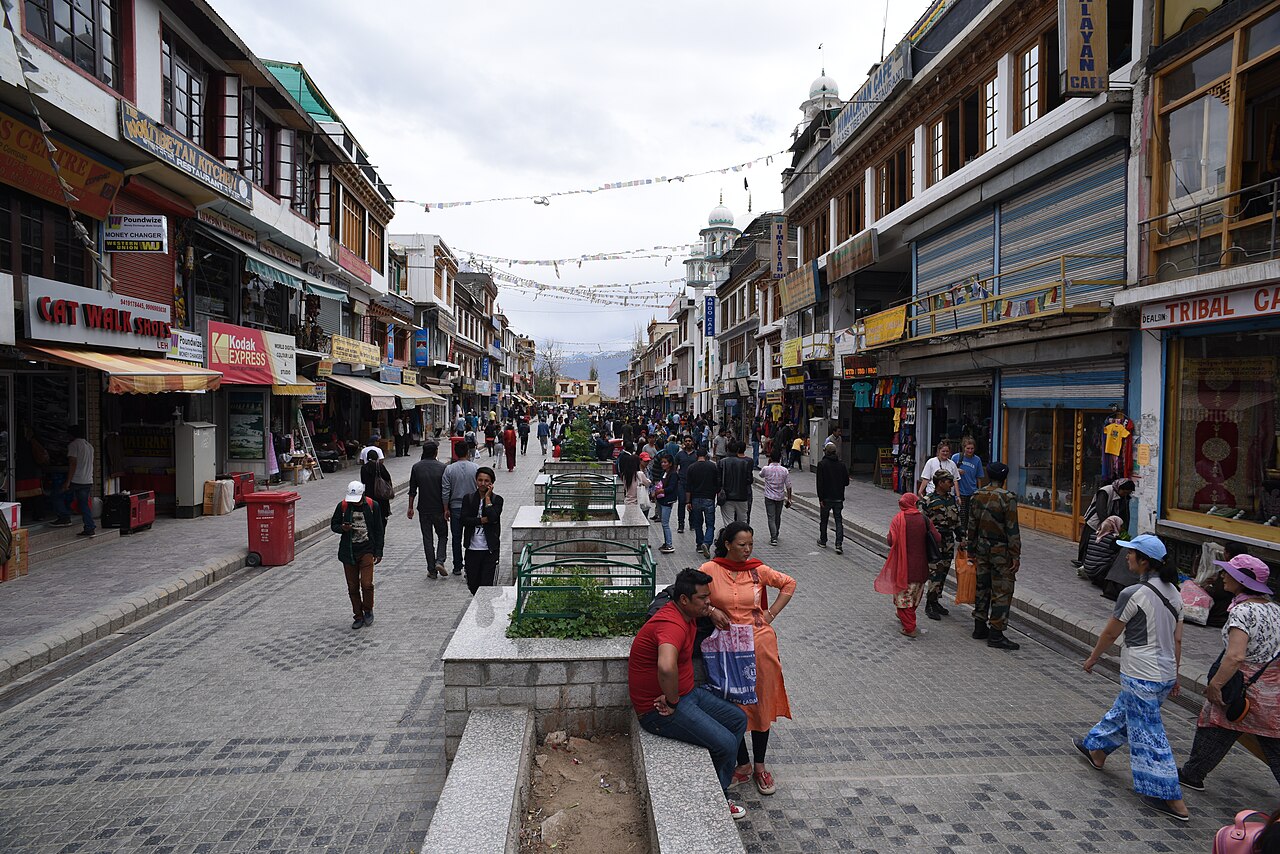
Choosing your dates involves an honest assessment of your physical tolerance for cold and your desire for crowds. For families and first-time visitors, the window between July and August is objectively the most practical. The infrastructure is geared for high tourist volumes, meaning medical support and breakdown assistance are more readily available.
For the seasoned traveler, the shoulder months provide a more authentic sense of the landscape's isolation. Whatever you choose, ensure you allow for two full days of rest in Leh upon arrival. Regardless of the month, altitude remains the primary factor that dictates the success of your tour.
Before you book
The mountains dictate their own schedule, and trying to force a trip during the wrong time of year is a recipe for frustration. If you prioritize easy access to high passes, commit to the summer. If you crave solitude, wait for the shoulder season.
If you are still weighing your options, get in touch. We can help you look at the current season's trends and ensure your planned itinerary is actually feasible for your travel dates.
Need help timing your trip?
We know the nuances of every road and mountain pass. Let us help you plan a realistic itinerary.
Contact UsWritten by
Kashmir, Jammu & Ladakh specialists
We plan and run trips across Kashmir, Jammu and Ladakh every week of the year. Everything here comes from routes we drive, stays we inspect and questions our travellers actually ask.
Quick answers
Questions we get asked
Is Khardung La open all year round?
Khardung La is subject to closure based on snowfall levels. While border authorities try to keep it open, heavy snow between November and March often forces temporary closures. Always check current local advisories before finalizing travel plans in the shoulder or winter seasons.
What is the best month for a first-time visitor?
For a first-time visitor, July or August is recommended. These months offer the most stable weather, guaranteed road access to major sites, and a full range of tourist services, which makes managing altitude and logistics much easier.
Does it rain much in Ladakh?
Ladakh is a high-altitude desert and receives very little annual rainfall. However, in recent years, weather patterns have become slightly more unpredictable, with occasional short-lived, intense showers occurring in the summer months.
Are flights to Leh affected by the season?
Yes, while flights operate year-round, winter flight schedules are more susceptible to cancellations due to low visibility or heavy snow on the runway. Summer months have the highest reliability for air travel to and from Leh.
Should I book my Ladakh tour in advance?
Yes. Due to limited high-quality hotel capacity and specific permit requirements for inner-line areas like Nubra Valley, booking at least three to four months in advance is advised if you plan to visit during the peak summer months.
Photography credits
- Photo: Vyacheslav Argenberg · CC BY 4.0
- Photo: Vyacheslav Argenberg · CC BY 4.0
- Photo: Chris Hunkeler from Carlsbad, California, USA · CC BY-SA 2.0
- Photo: caffeineAM · CC BY 2.0
- Photo: Yuvraj Anand · CC BY-SA 4.0
- Photo: Krishm27 · CC BY-SA 4.0
- Photo: Chris Hunkeler from Carlsbad, California, USA · CC BY-SA 2.0