Understanding Khardung La Altitude and Acclimatisation
Practical advice for visiting one of the world's highest motorable passes.
A practical guide to the realities of Khardung La altitude, featuring essential tips on acclimatisation, symptoms, and safety for your Ladakh journey.
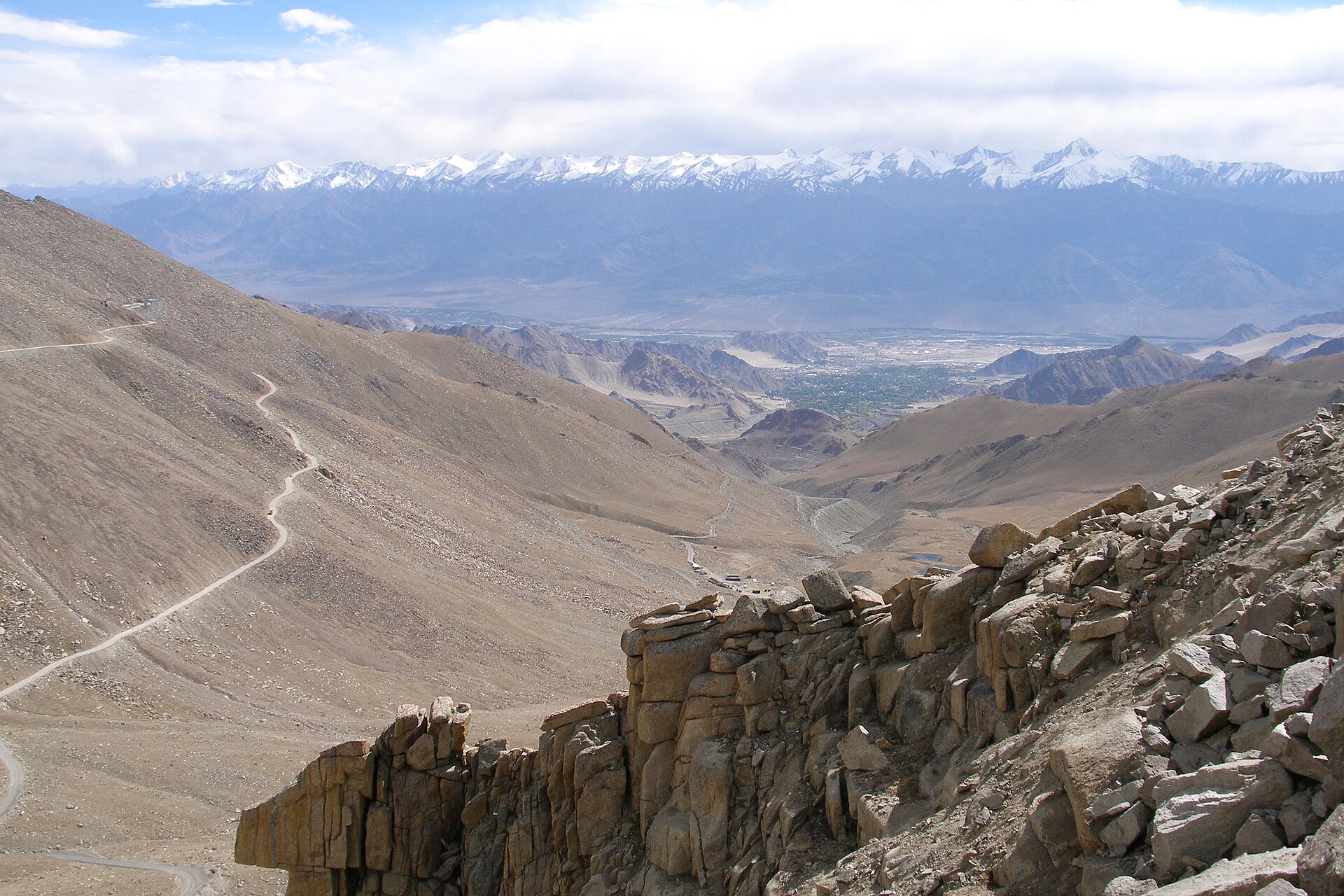
The summit marker at 5,359 metres, where the thin air makes every step feel heavy.Photo: Vyacheslav Argenberg · CC BY 4.0
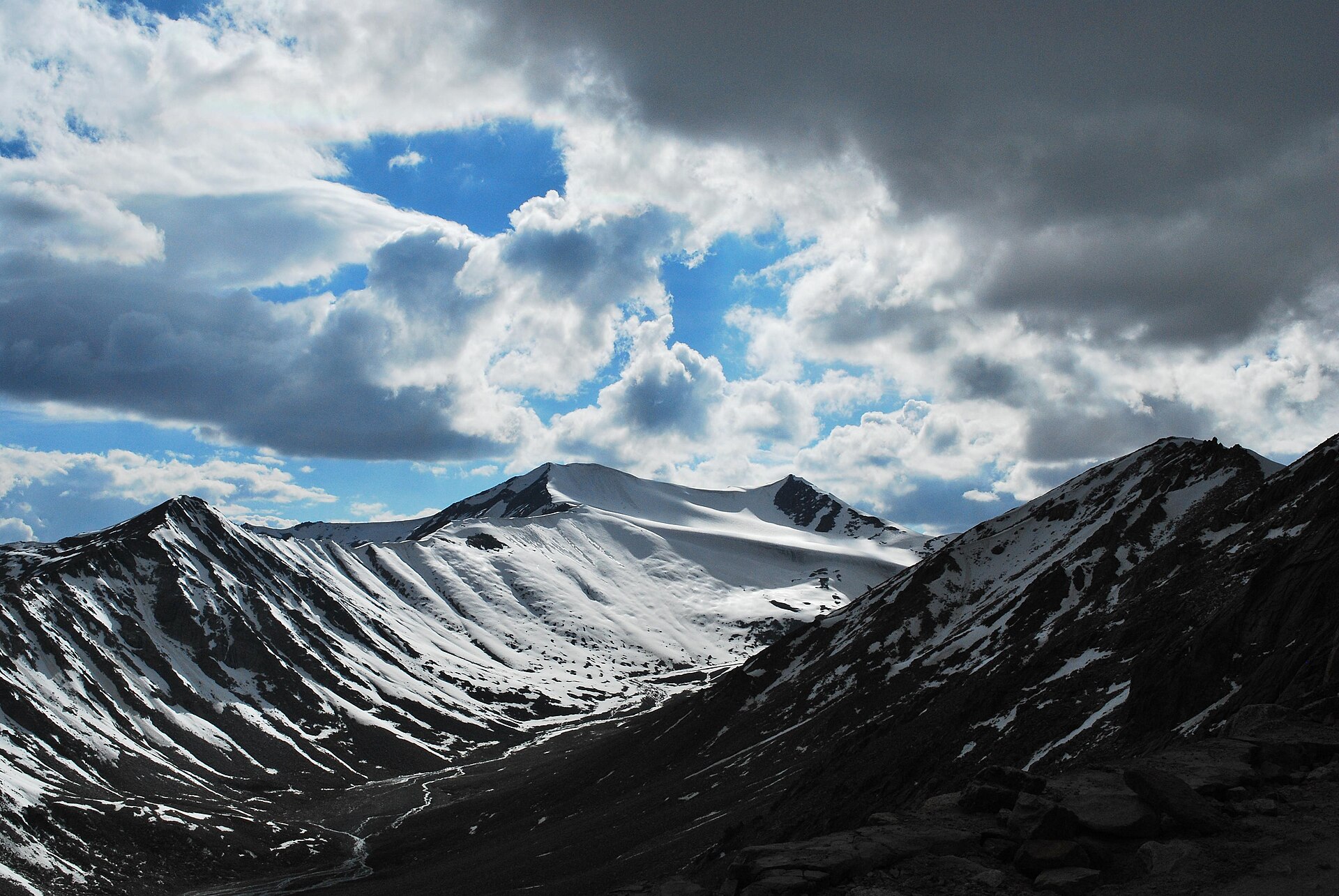
I still remember my first time ascending to the top of Khardung La; the air felt thin, sharp, and strangely silent. Standing at 5,359 metres, the urge to capture a photo is quickly replaced by the reality of oxygen deprivation. It is not just a destination; it is an environment that commands respect.
Many travellers underestimate the khardung la altitude. They rush from the airport in Leh, drive straight to the pass, and find themselves dealing with severe headaches or worse before lunch. Dealing with high altitude in Ladakh requires a shift in pace—one that ignores the clock and prioritises your physiology.
The Reality of 5,359 Metres
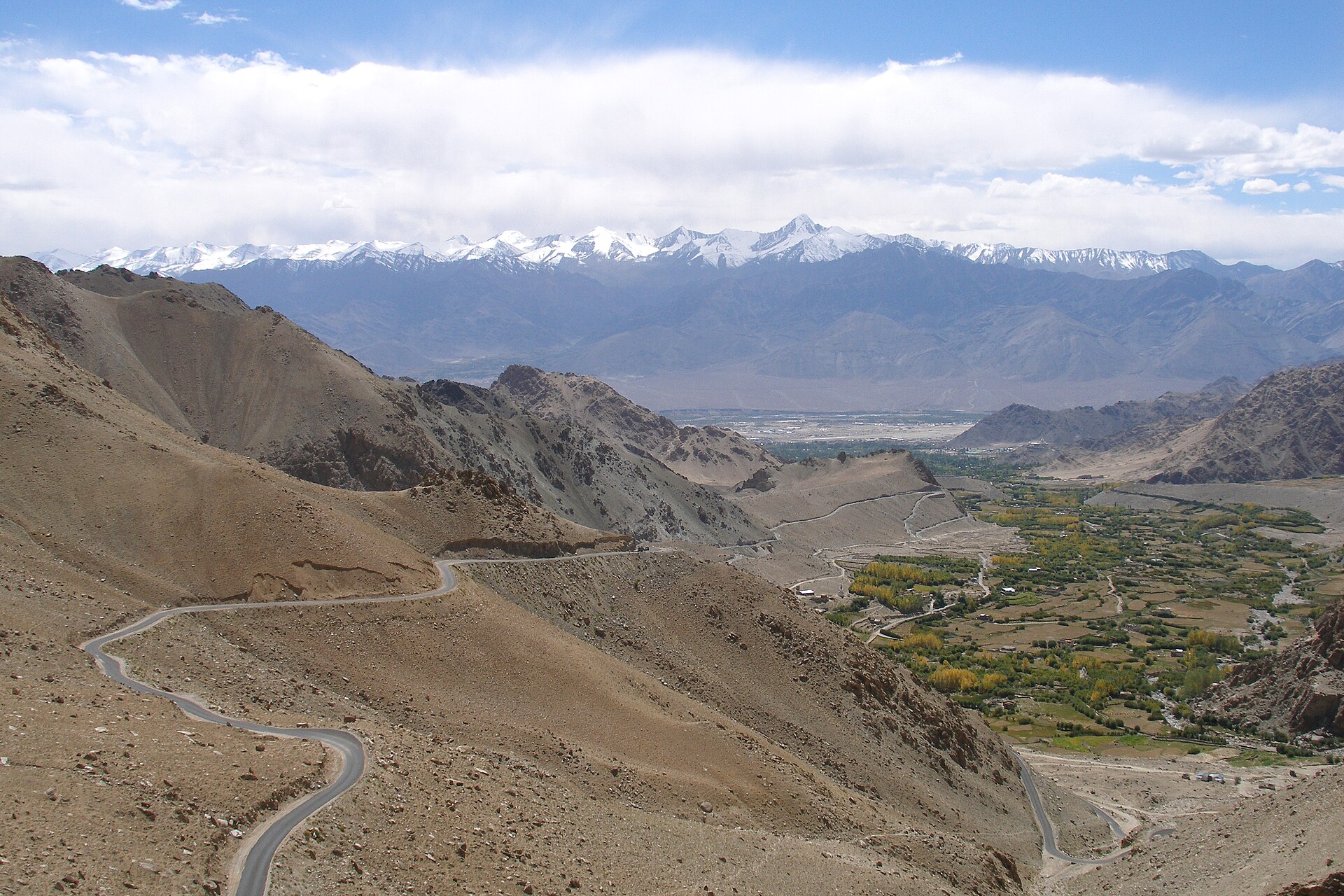
When you stand at the summit, you are breathing air that holds roughly 50 percent of the oxygen found at sea level. This isn't just a number to note; it is a physiological wall. The road from Leh to the top covers a steep vertical gain of nearly 2,000 metres in less than 40 kilometres.
Most drivers do this in under two hours. Your body, however, needs more time to adjust to the pressure drop. Even for fit, young travellers, the altitude can cause immediate discomfort. I have seen visitors turn back within minutes of arrival because they skipped the necessary rest days in Leh.
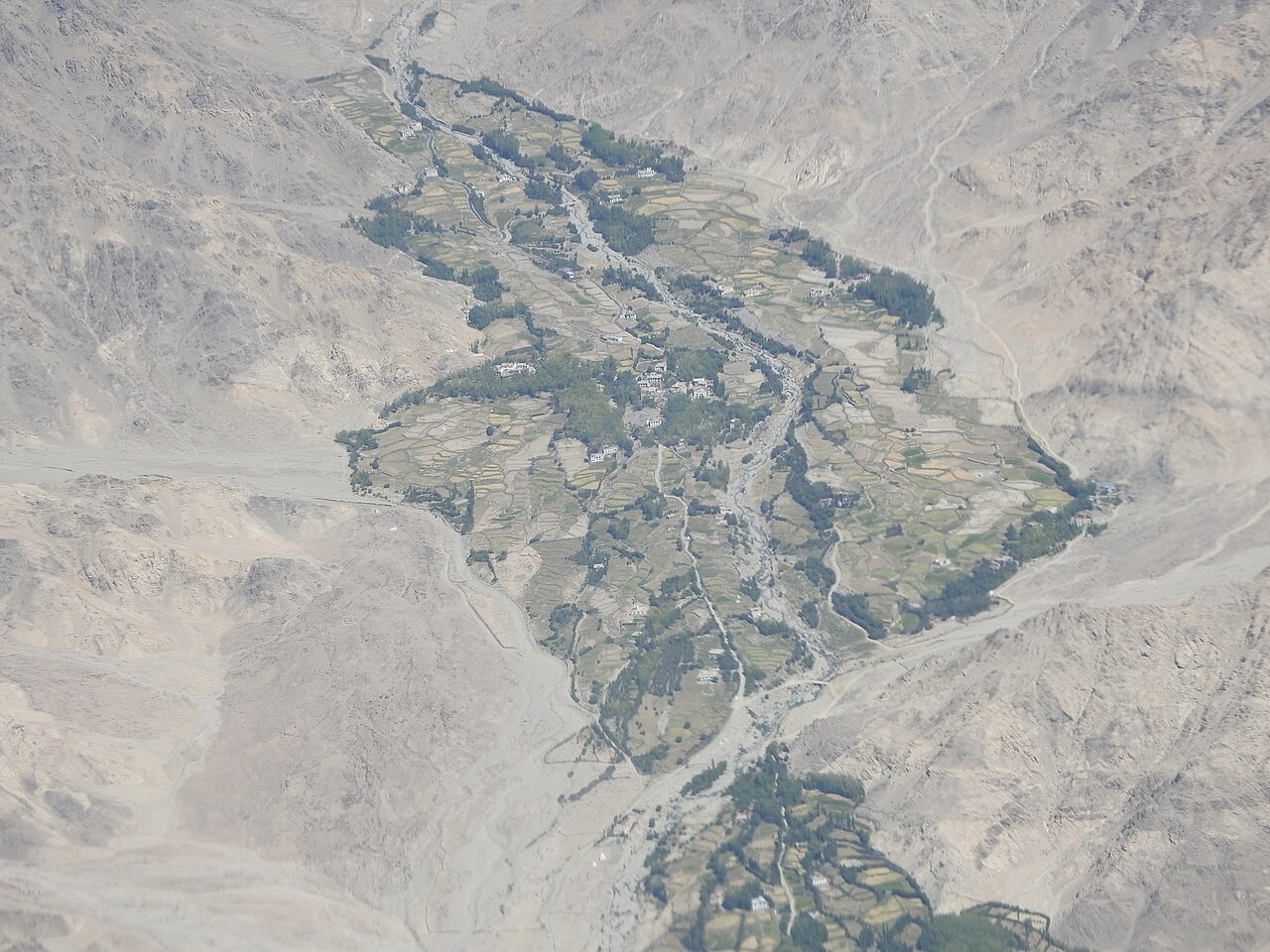
Managing the Impact of High Altitude
Prevention is the only way to enjoy your time at the pass. Hydration is the most overlooked factor, yet it is your greatest ally. You should aim to drink three to four litres of water daily while in Ladakh. I always tell our clients to start this before they even land in Leh.
Medication like Acetazolamide is sometimes suggested, but you should speak with your GP before travelling. It helps, but it is not a substitute for proper rest. Alcohol and heavy meals are the fastest way to invite altitude sickness. If you feel dizzy, cold, or develop a pulsing headache, descend immediately.
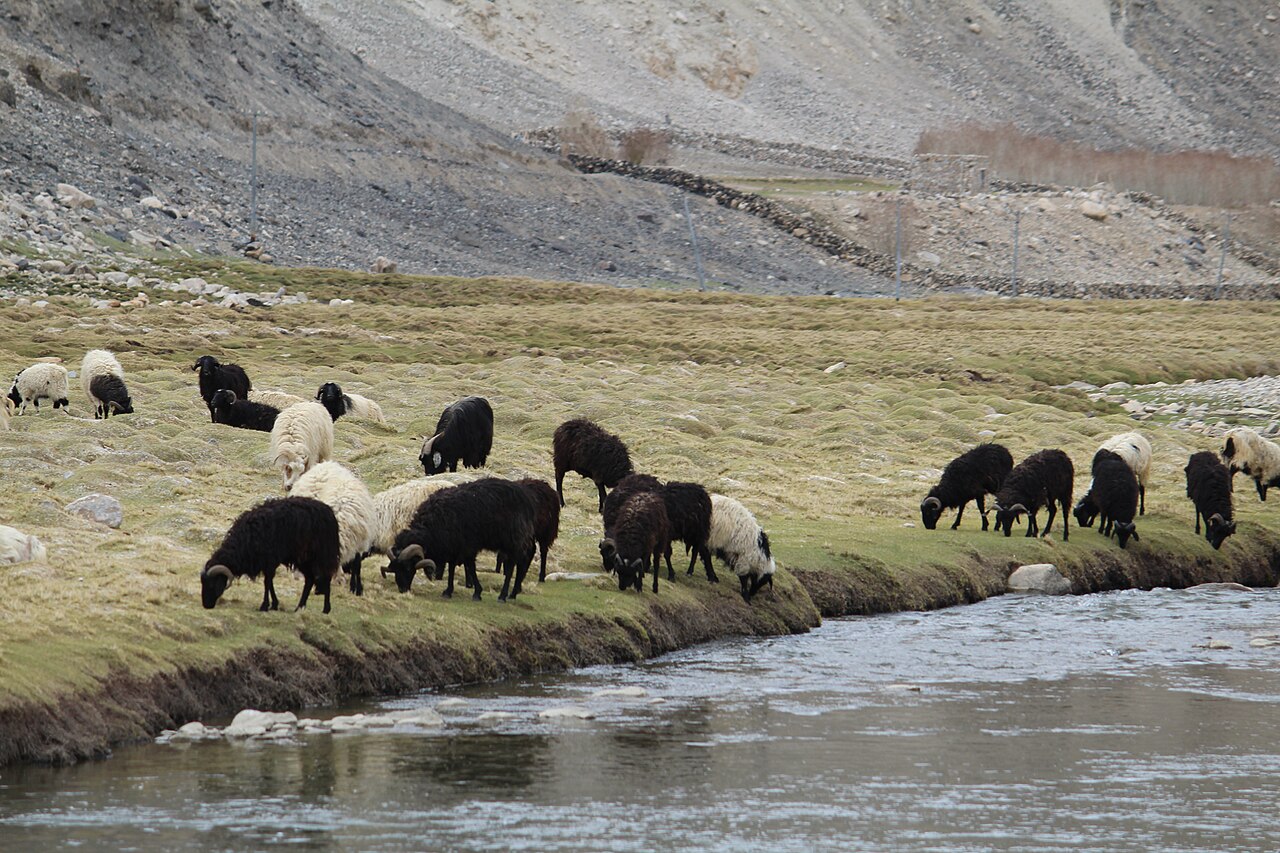
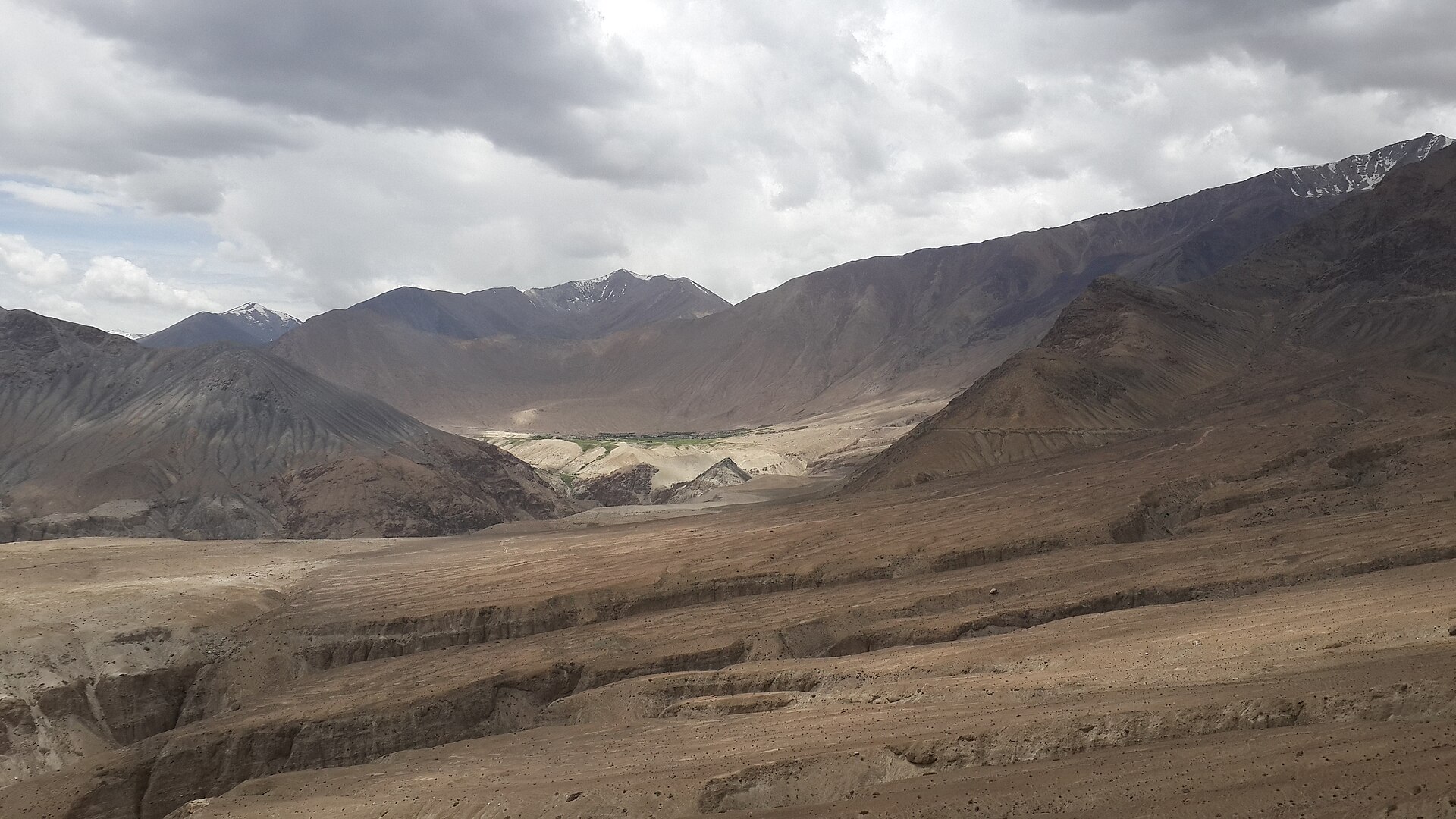
Critical Acclimatisation Timelines
The golden rule in Ladakh is to spend at least 48 hours in Leh before attempting any high-altitude passes. Leh sits at 3,500 metres, which is already significant. Your lungs need to learn how to process the thinner air while you are relatively stationary.
We never book a trip that pushes clients toward the Nubra Valley or the pass on their first day. If you arrive in the morning, spend that afternoon doing nothing more than drinking tea and walking slowly around the local market. Let your heart rate settle. If you can manage a flight of stairs without gasping by your second evening, you are likely ready to move higher.
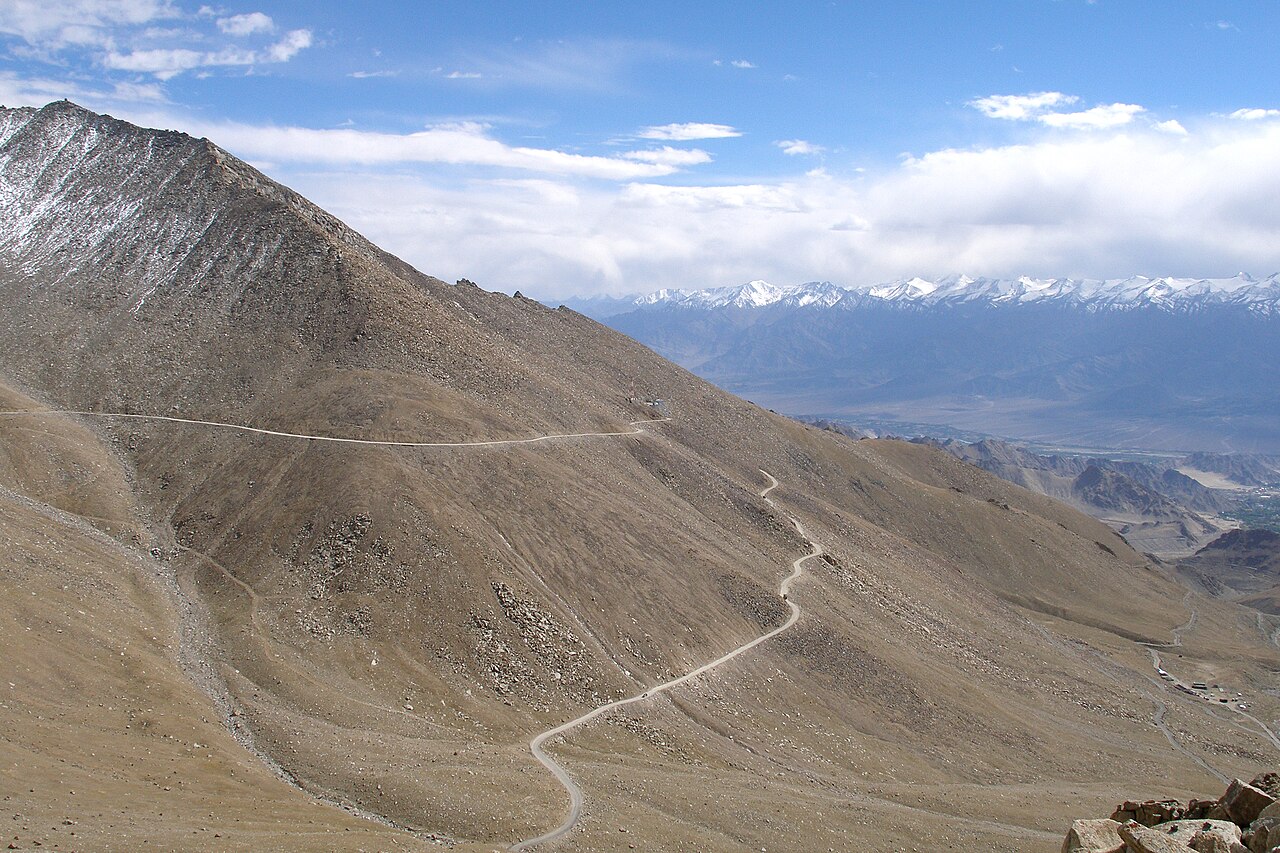
Symptoms to Watch Out For
Acute Mountain Sickness (AMS) doesn't always show up as a dramatic collapse. It usually starts with a dull, persistent headache. You might feel nausea, a loss of appetite, or an inability to sleep despite feeling exhausted. These are warnings from your body.
More serious symptoms include persistent vomiting, lack of coordination—a 'drunk' walk—or significant confusion. If you notice these, do not wait to see if they pass. Descending by even 500 metres can often provide immediate relief. Do not try to 'push through' the pain; it will only lead to a ruined trip or a medical evacuation.
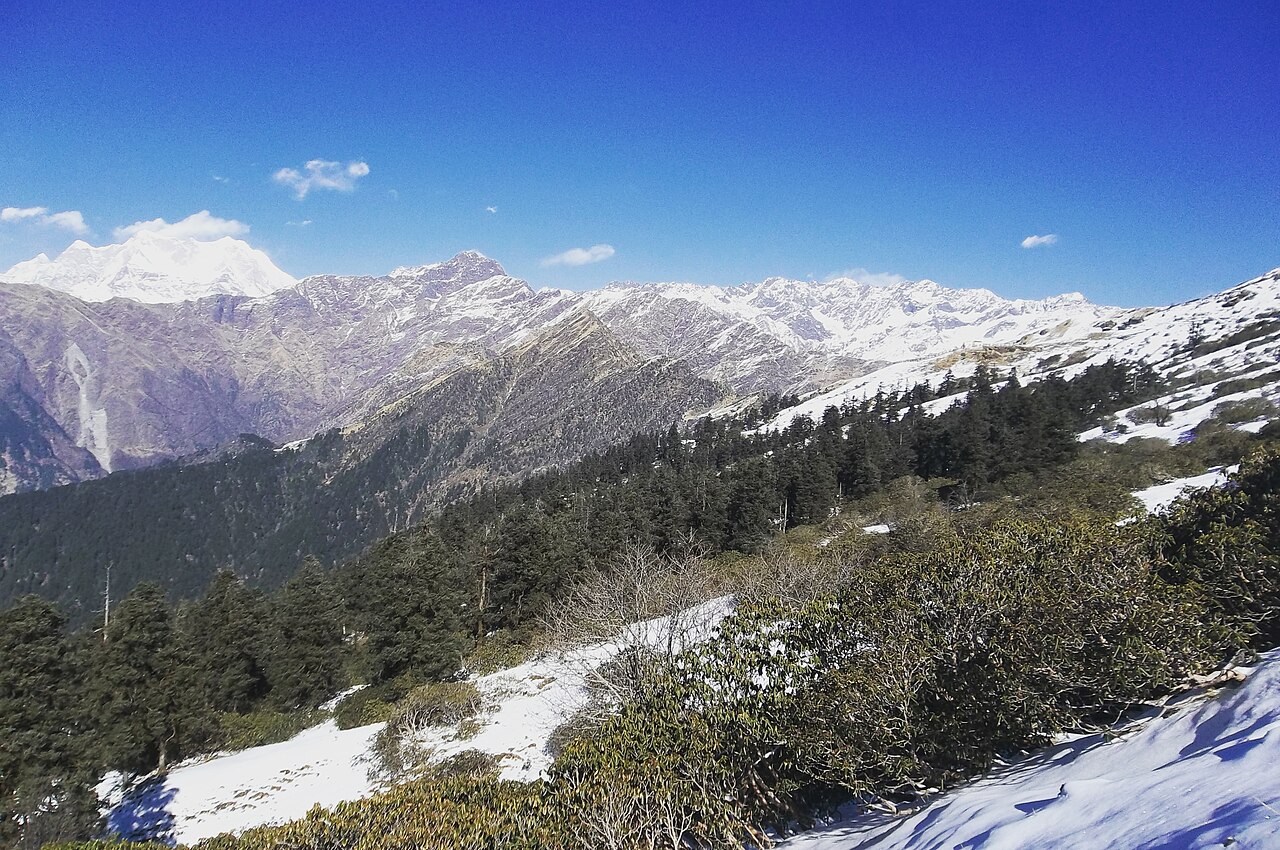
Safety Precautions at the Pass Top
Once you reach the top, the temptation is to jump out of the jeep and spend an hour taking photos. My advice: cap your visit at 15 to 20 minutes. It is a long, winding road to get there, but the pass is not the place for a picnic. The winds can be biting even in July, and the exertion of walking uphill will quickly sap your energy.
Keep your move slow. When you get back into your vehicle, keep the windows closed for a few minutes to stabilise. If you are heading down toward the Nubra Valley, the drop in altitude will begin to make you feel human again within an hour. Treat the pass as a transit point rather than a destination to lounge in.
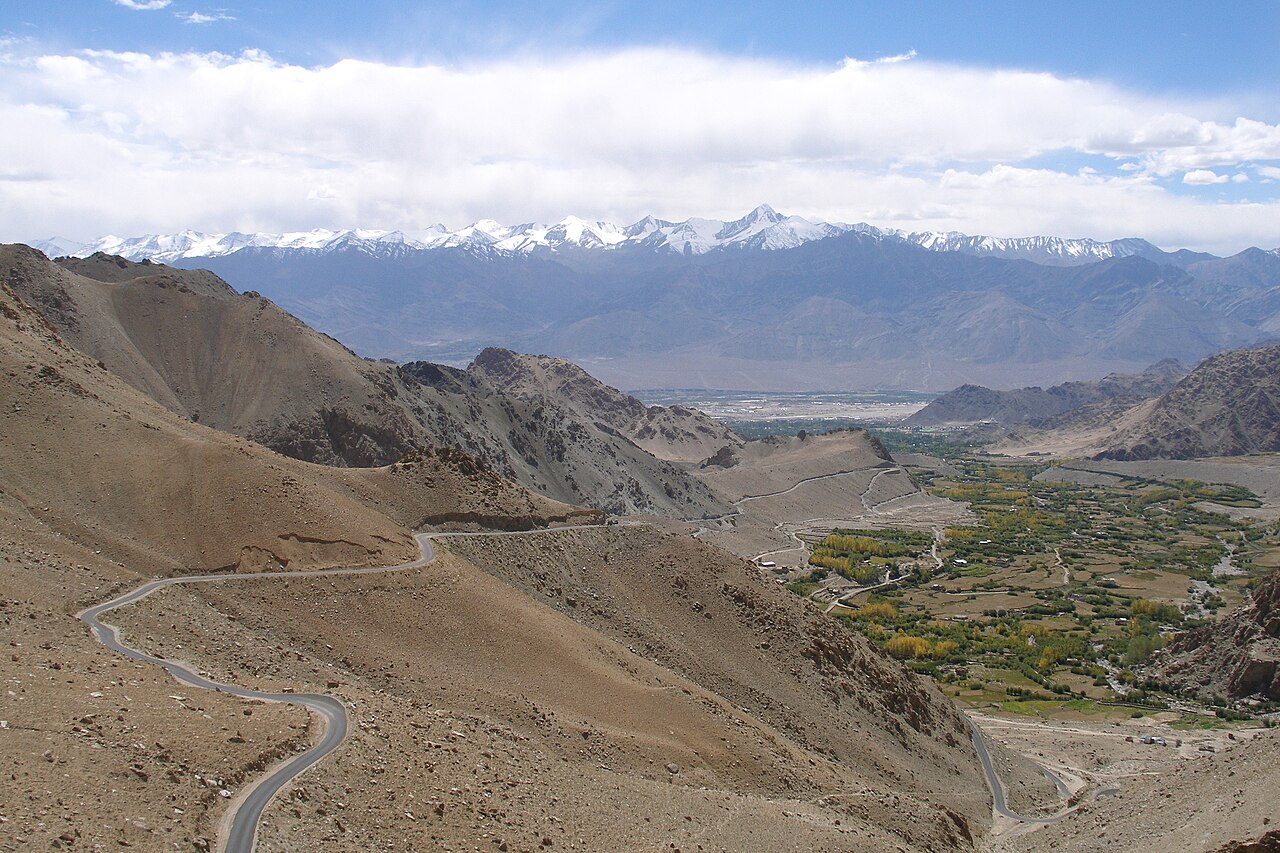
Before you book
Khardung La is an experience that stays with you, but only if you treat it with the caution it demands. By planning for the altitude rather than against it, you ensure that your time in the mountains is defined by the views and the silence, not by a trip to the local clinic.
If you are concerned about your itinerary or how to best structure your arrival, we have helped hundreds of travellers navigate these high-altitude roads. Get in touch with us to talk through your plans.
Need help planning your Ladakh adventure?
We have spent years navigating the roads of Ladakh and can help you build an itinerary that balances excitement with essential safety. Let’s talk about your trip.
Contact UsWritten by
Kashmir, Jammu & Ladakh specialists
We plan and run trips across Kashmir, Jammu and Ladakh every week of the year. Everything here comes from routes we drive, stays we inspect and questions our travellers actually ask.
Quick answers
Questions we get asked
Is Khardung La dangerous for children?
Children can be more susceptible to altitude shifts. It is strongly recommended to check with a paediatrician before travel, follow a very slow acclimatisation schedule, and avoid taking infants to such extreme heights.
Can I drive to Khardung La immediately?
No. Driving straight from the airport to the pass is the leading cause of severe altitude sickness in visitors. Your body requires at least two full days at Leh’s elevation to adapt.
What should I do if I get a headache?
Stop all physical activity and rest. Drink water and try to stay warm. If the headache persists or intensifies, the safest and most effective cure is to descend to a lower altitude immediately.
Do I need oxygen cylinders?
While tour operators often keep them in vehicles for emergencies, relying on them as a lifestyle choice is not recommended. If you need oxygen to function, you should not be at that altitude.
When is the best time to visit?
Summer months from June to September offer the most stable road conditions. However, the air is thin year-round, so the acclimatisation rules remain unchanged regardless of the season.
Photography credits
- Photo: Vyacheslav Argenberg · CC BY 4.0
- Photo: Krishm27 · CC BY-SA 4.0
- Photo: Harvinder Chandigarh · CC BY-SA 4.0
- Photo: Anirudh 2003 · CC BY-SA 4.0
- Photo: Vyacheslav Argenberg · CC BY 4.0
- Photo: Mohammed Shafiyullah · CC BY-SA 4.0
- Photo: Vyacheslav Argenberg · CC BY 4.0