Hidden Places to Visit in Leh Ladakh Beyond the Main Tourist Routes
Step off the beaten highway and discover quiet corners of the high desert.
Looking for offbeat adventures? Explore hidden places to visit in leh ladakh, from forgotten monastic cells to silent high-altitude valleys.
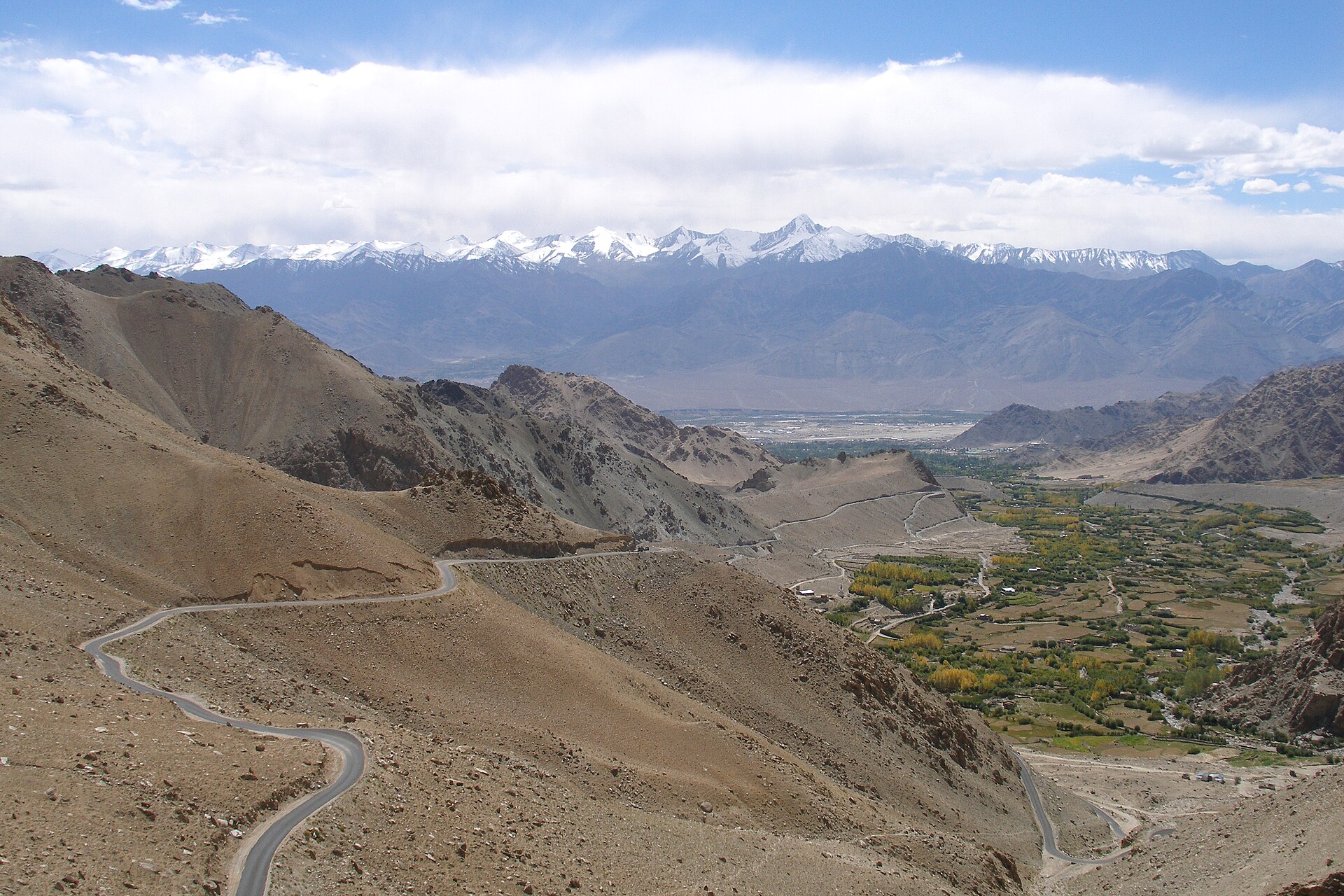
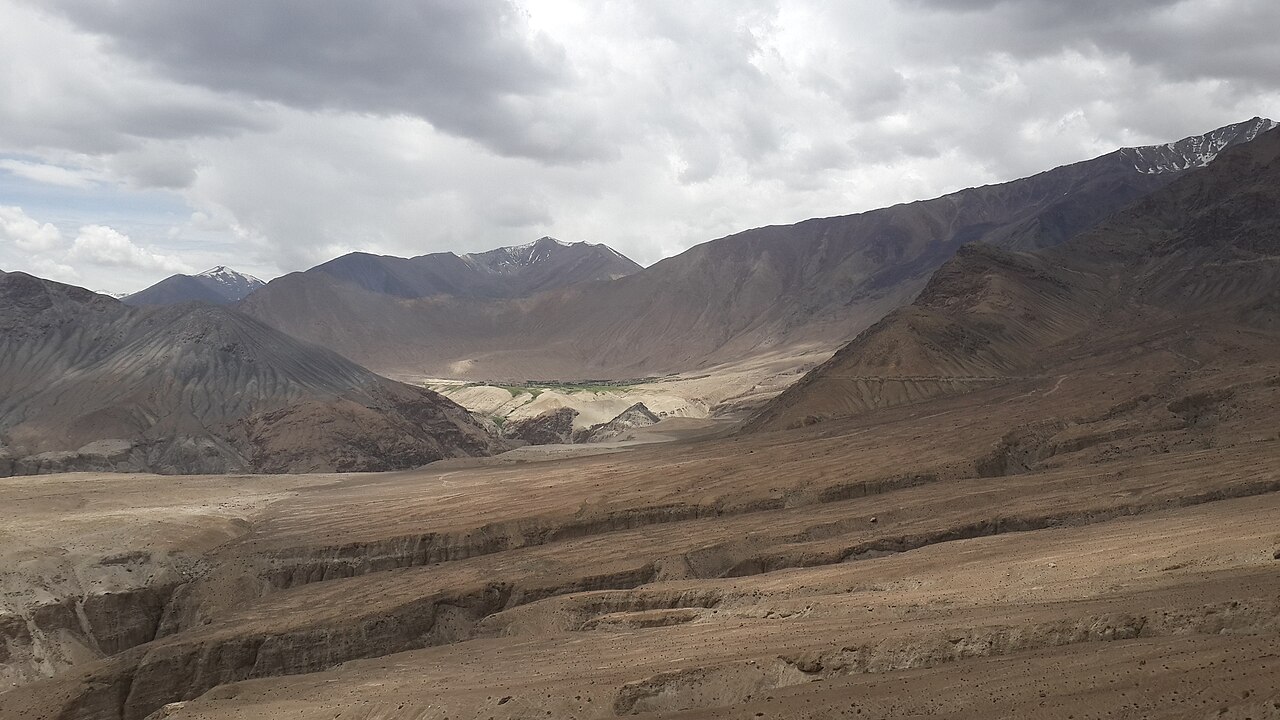
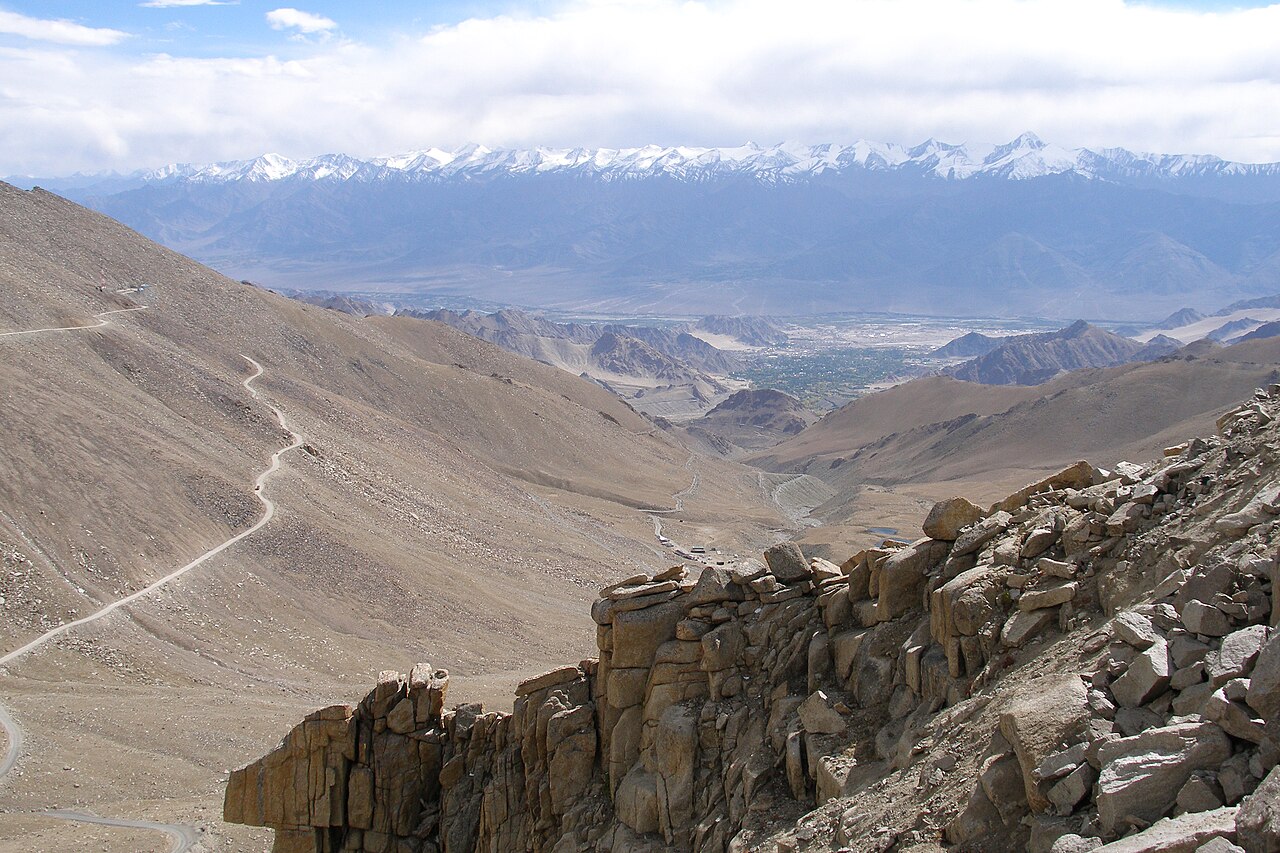
The vast and silent expanse of an offbeat valley in the high desert.Photo: Vyacheslav Argenberg · CC BY 4.0
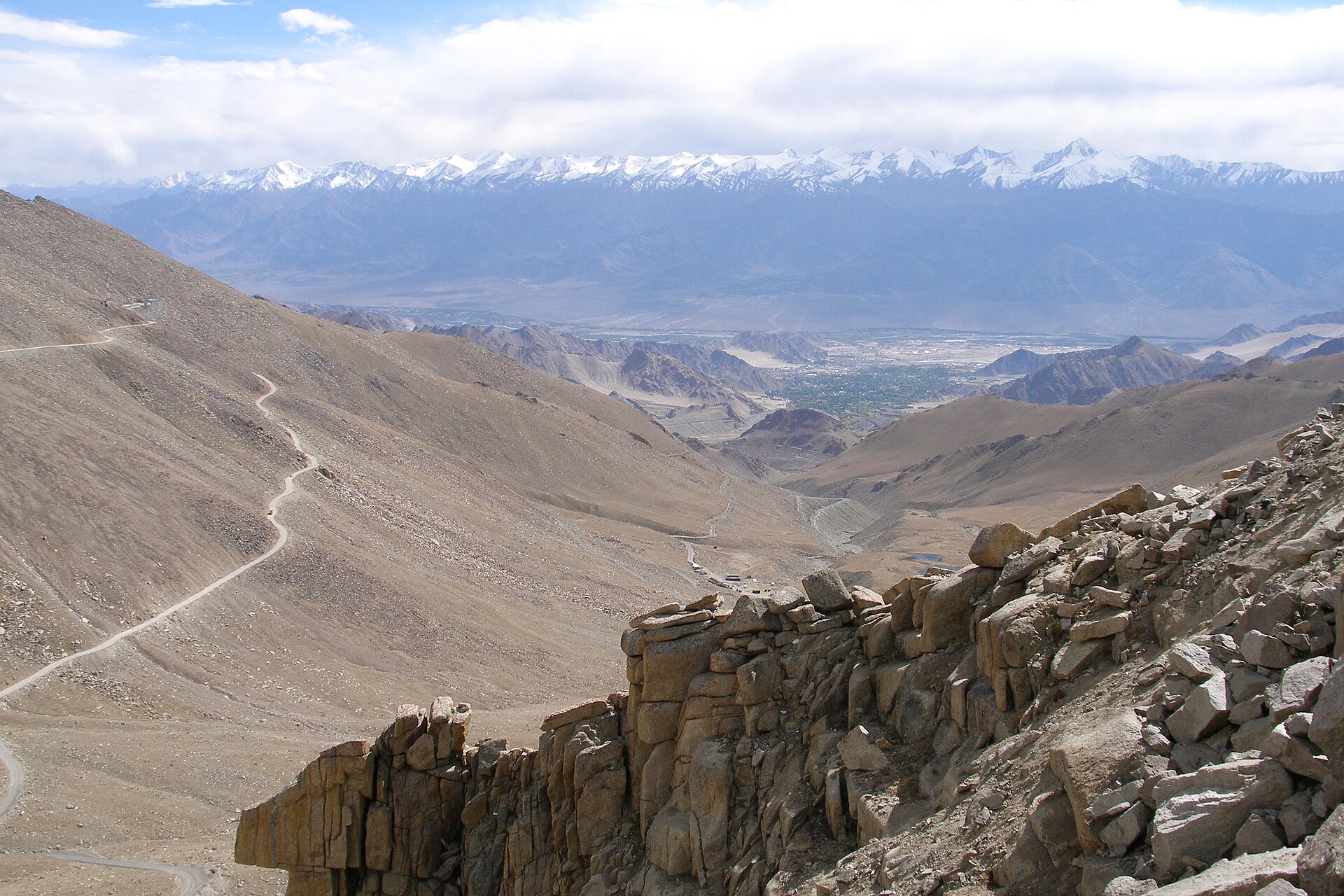
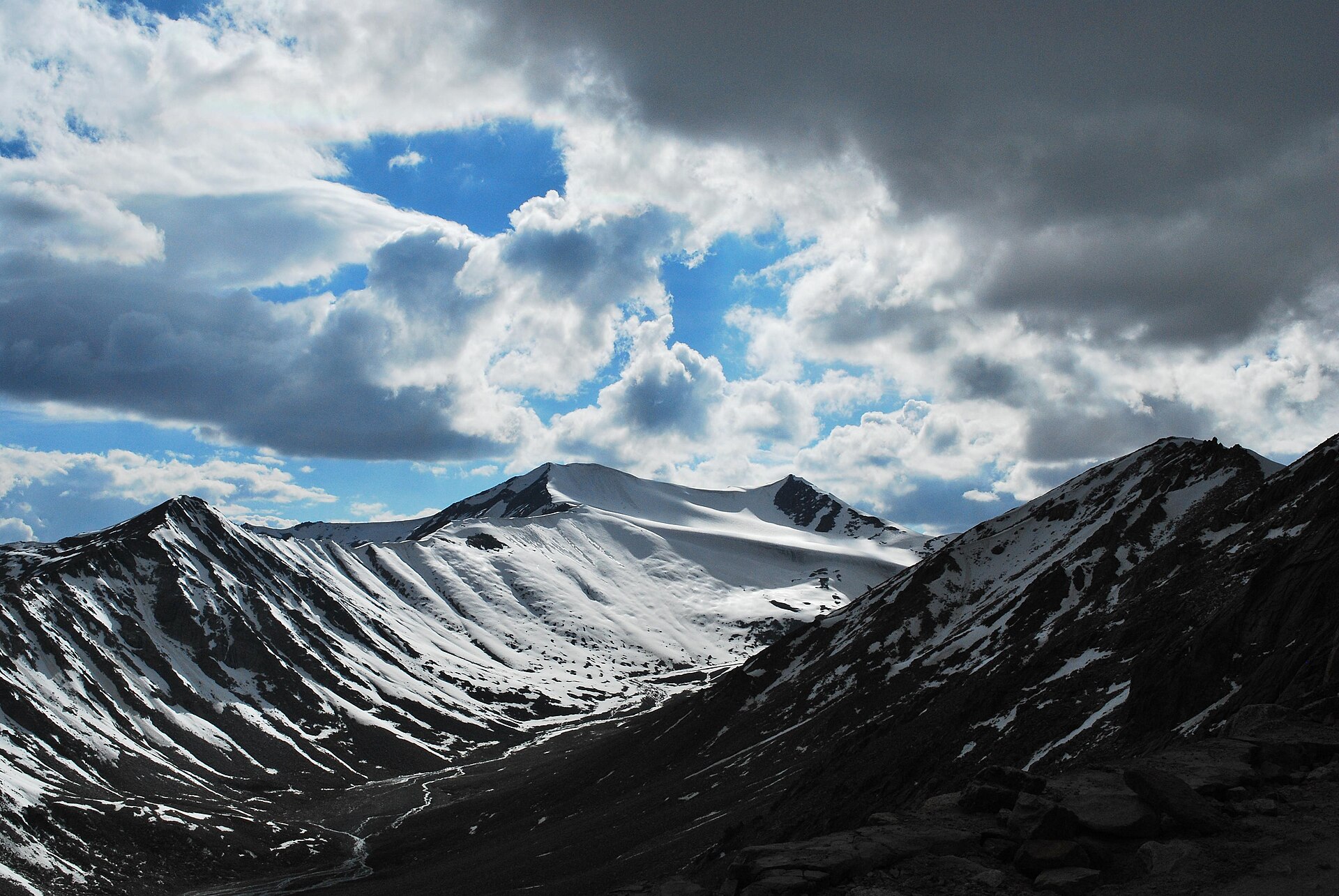
The silence at five thousand metres has a physical weight that stays with you long after your lungs adjust. Most travellers spend their entire Ladakh itinerary ticking off the famous signboards—Pangong Tso, Nubra Valley, and the obligatory selfie at Khardung La. There is nothing wrong with those places, but the real soul of the high desert sits down quiet dirt tracks where tour buses cannot turn their wheels.
When you start looking for hidden places to visit in leh ladakh, you quickly realise that the landscape changes entirely once you turn off the main asphalt. A crumbling meditation cave carved into a sheer cliff face tells you more about local history than any crowded souvenir shop in the Leh main market.
We have spent years driving these back roads, dodging marmots and chatting with village elders over salted butter tea. Here are a few places we send travellers who want to see the Ladakh that exists behind the postcards.
Discovering Quiet Monasteries Near Leh
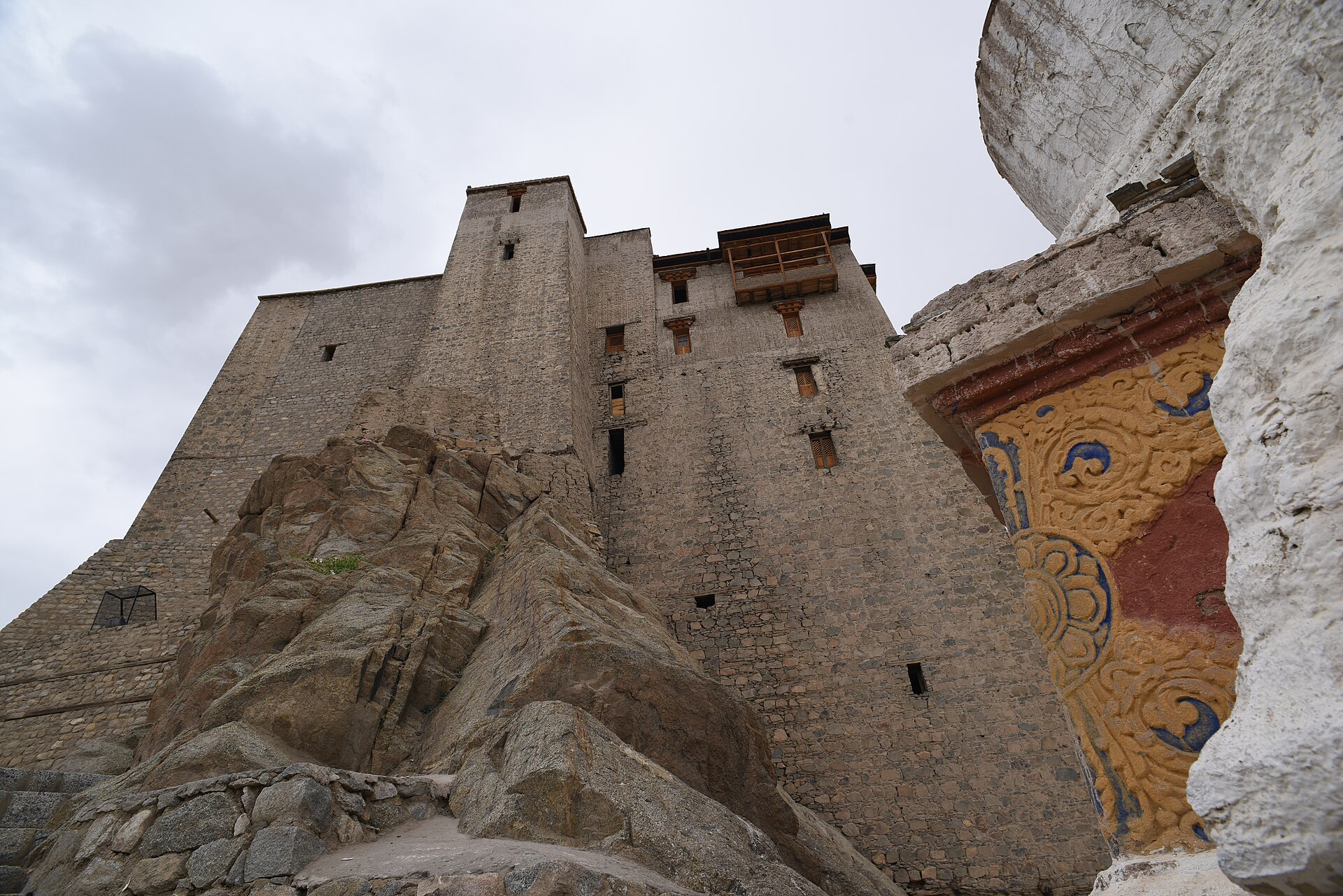
Everyone visits Hemis and Thiksey. They are architectural marvels, but by mid-morning, tour groups flood the courtyards with camera shutters clicking in unison. If you drive just twenty minutes further past Stakna, or head up the side trail toward Chemrey, the atmosphere shifts dramatically.
These smaller monastic outposts often house aging monks who are remarkably generous with their time if you approach them respectfully. You can sit in the dim butter-lamp light of a prayer hall without another soul in sight, listening to the low drone of horns echoing off the mud-brick walls.
Taking time for Ladakh offbeat travel means accepting that facilities will be basic. There are no museum gift shops here, just centuries of quiet devotion clinging to jagged rock faces.
- Chemrey Monastery: Quieter terraces and ancient manuscript collections.
- Stakna Gompa: Perched on a rock cliff shaped like a tiger's nose above the Indus.
- Basgo Ruins: Historic castle and temples that receive a fraction of Leh's visitor volume.
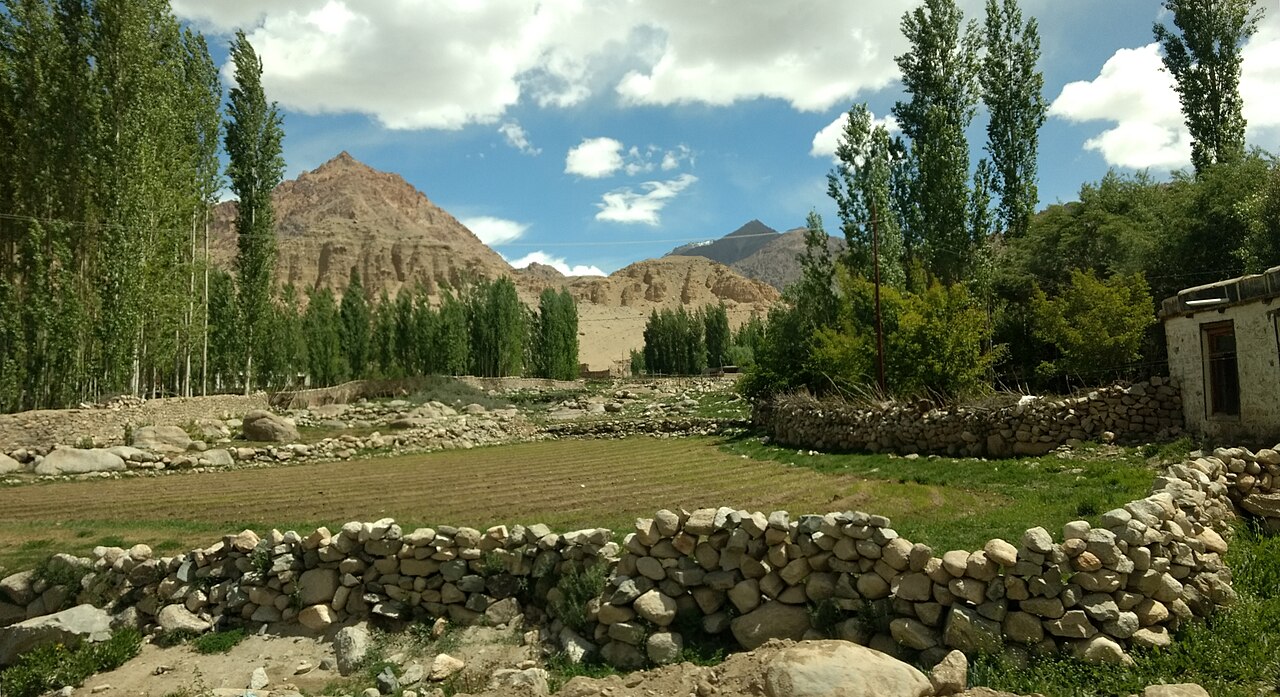
Unspoilt Valleys Beyond the Tourist Radar
While everyone rushes north over Khardung La toward Hunder, lateral valleys branching off the main Shyok and Nubra rivers remain largely untouched. Places like Aryan Valley or the remote hamlets tucked behind Saspol offer a completely different slice of local culture.
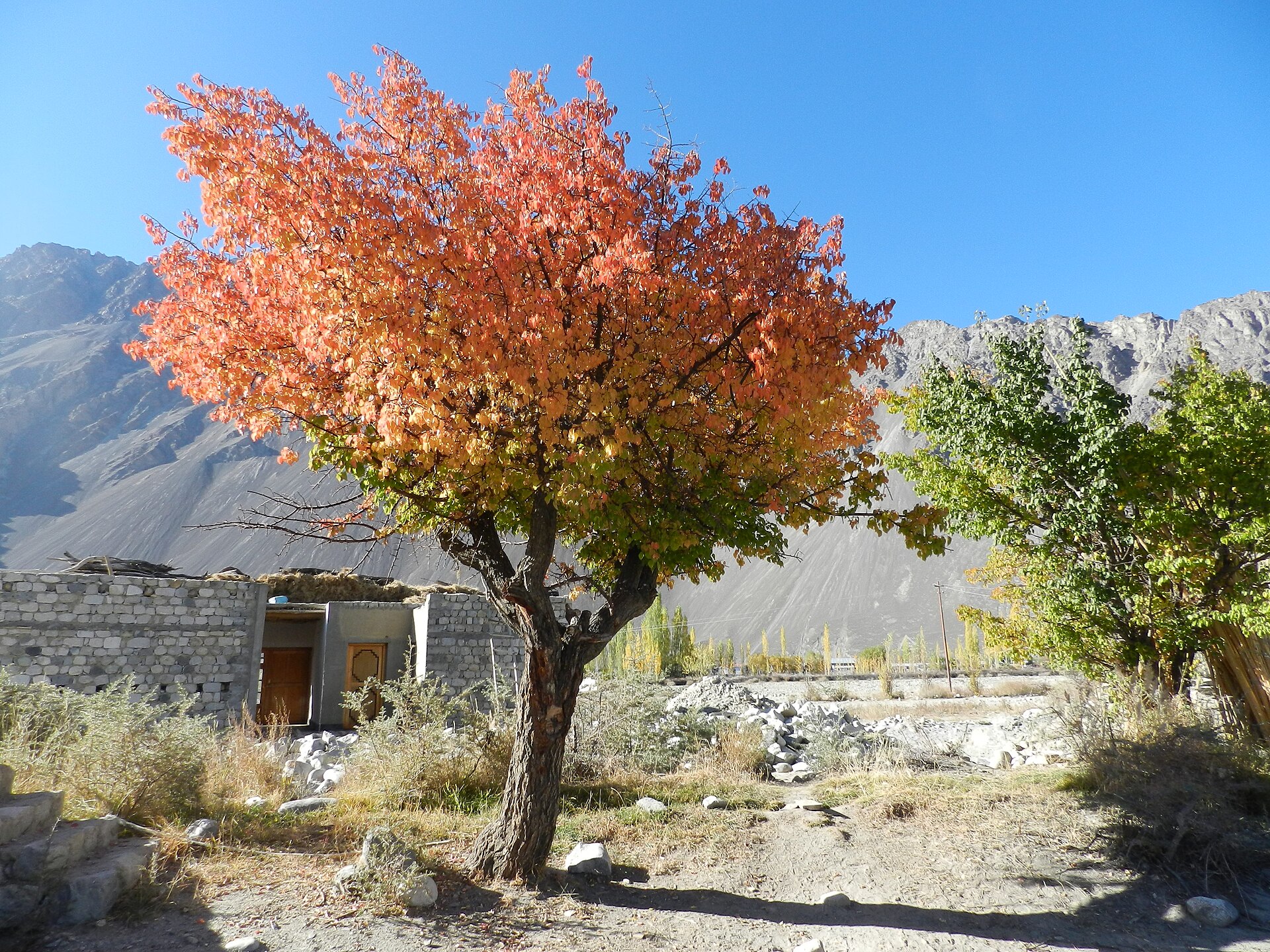
In these hamlets, people speak distinct archaic dialects and maintain ancestral traditions that predate mainstream Tibetan Buddhist influence. Walking through their apricot orchards in late summer feels like stepping into a private archive that time forgot.
Leh exploration is most rewarding when you give yourself permission to get slightly lost on a dirt track that looks like it leads to nowhere in particular.
The Aryan Valley Enclaves
Dha and Hanu villages sit in a warmer microclimate near the Pakistan border, where communities claim unique Indo-Aryan ancestry and decorate their traditional headdresses with fresh flowers.
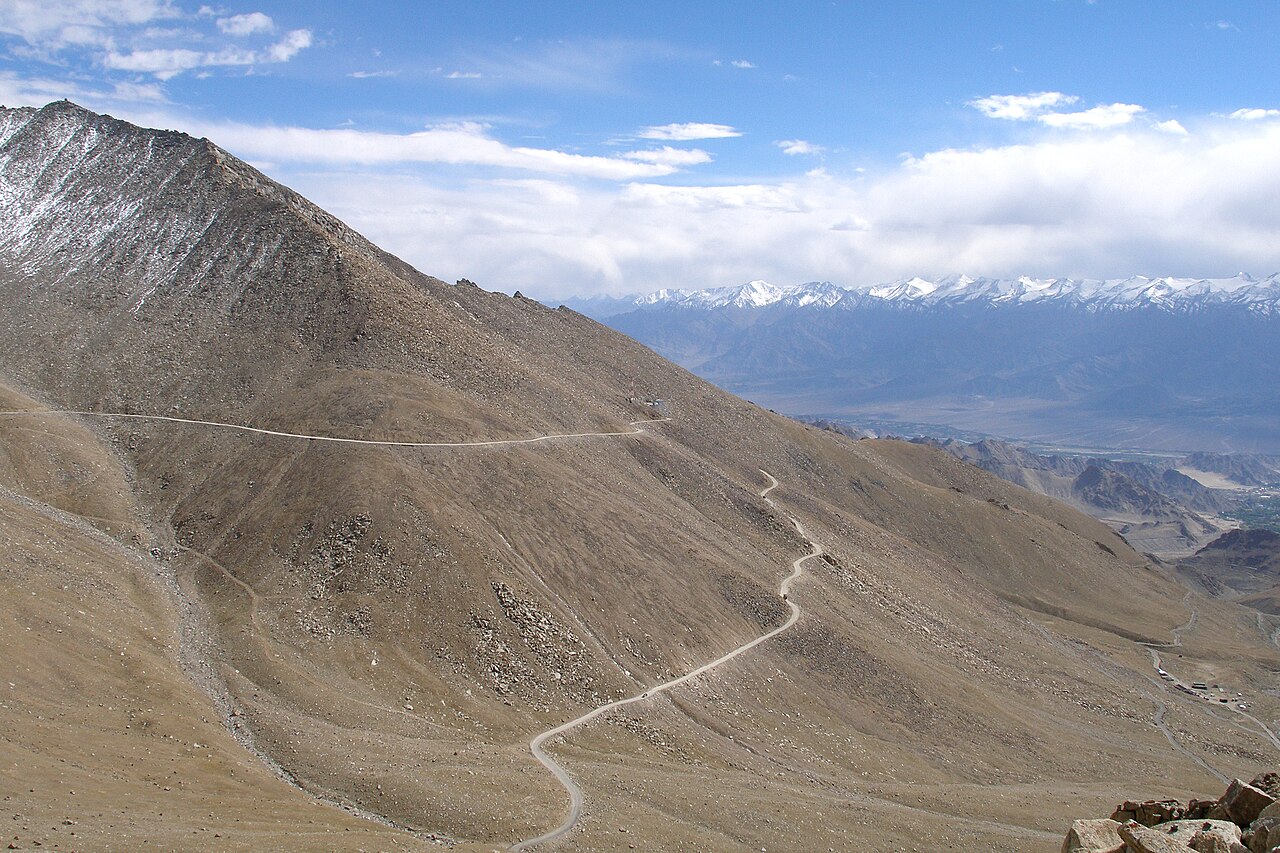
The real soul of the high desert sits down quiet dirt tracks where tour buses cannot turn their wheels.
Village Homestays for Authentic Experiences
Staying in a concrete hotel in Leh town is convenient, but it disconnects you from the rhythm of rural life. Opting for a community-run homestay in remote valleys changes your entire perspective on how people survive in this harsh environment.
Your hosts will typically feed you simple, nourishing meals of tsampa, vegetable stew, and endless cups of salt tea. You will sit around a traditional iron stove while the temperature outside plummets below freezing, listening to stories about harsh winters when snowfall cuts off villages for months.
These home-stays directly support local families, keeping younger generations connected to their ancestral homes instead of migrating entirely to urban centres for work.
High-Altitude Lakes Lesser Known to Travellers
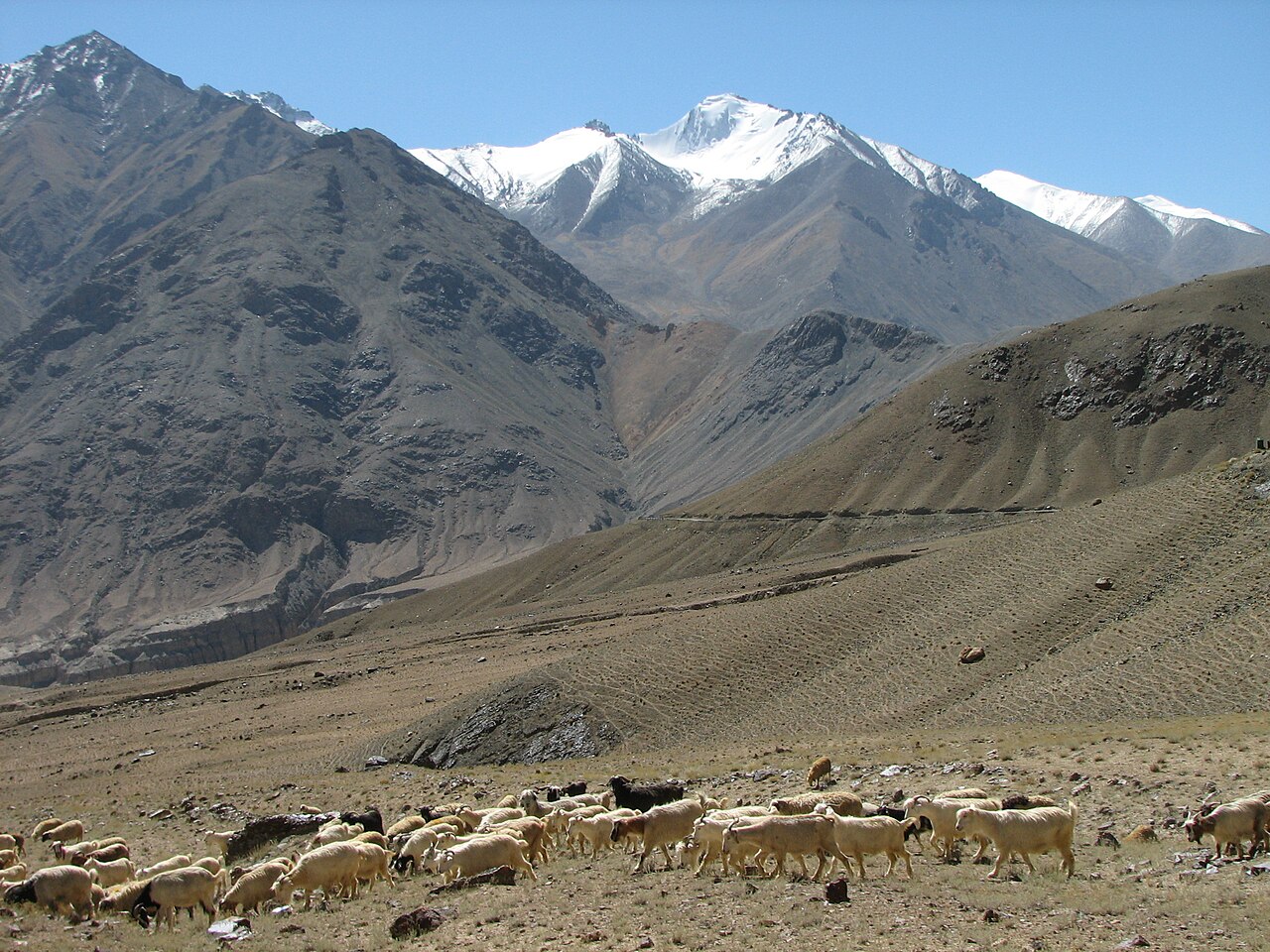
Pangong and Tso Moriri get all the glory, but smaller tarns hidden in remote folds of the Changthang plateau offer staggering solitude. These alpine waters change colour from deep sapphire to milky turquoise depending on the cloud cover and wind.
Visiting these locations requires careful acclimatisation because many sit well above 4,500 metres. You will need your permit paperwork in order and a reliable four-wheel-drive vehicle capable of handling river crossings and sharp shale climbs.
The reward for the bumpy ride is absolute quiet, broken only by the whistling wind and the distant call of bar-headed geese.
How to Explore Responsibly and Sustainably
Fragile desert ecosystems do not forgive carelessness. When venturing into remote corners of Ladakh, carrying out every scrap of plastic you bring in is non-negotiable. Water sources are scarce, and local communities rely entirely on glacial melt streams.
Respect local customs regarding dress and sacred spaces. Always keep your voices down inside prayer rooms, and check with village elders before setting up a tripod near private homes or agricultural plots.
True exploration means leaving the landscape exactly as you found it, ensuring that these hidden valleys remain pristine for the travellers who come after you.
Before you book
Stepping away from the main highway in Ladakh reveals a landscape that feels startlingly personal. When you trade crowded viewpoints for quiet monastic courtyards and remote mountain hamlets, the region stops being just a holiday destination and becomes an unforgettable journey.
Take your time, respect the high desert, and let the back roads of Ladakh show you something entirely unexpected.
Ready to Explore Beyond the Usual Routes?
Let our local specialists craft a custom itinerary that takes you deep into the offbeat valleys and hidden corners of Ladakh.
Design Your Custom TripCaption for your own post
Far from the crowded viewpoints, the back roads of Ladakh reveal silent valleys and ancient stone walls. Offbeat travel at its best.
Written by
Kashmir, Jammu & Ladakh specialists
We plan and run trips across Kashmir, Jammu and Ladakh every week of the year. Everything here comes from routes we drive, stays we inspect and questions our travellers actually ask.
Written after three weeks of exploring dusty side roads past Stakna and beyond.
Quick answers
Questions we get asked
Do I need special permits to visit offbeat valleys in Ladakh?
Yes, inner-line permits are required for border regions like Nubra, Turtuk, and parts of the Changthang plateau. Your tour operator can arrange these in advance.
Is it safe to drive on remote dirt tracks in Ladakh?
Driving on remote tracks requires an experienced local driver familiar with high-altitude mechanics, sudden weather shifts, and tricky unpaved terrain.
What is the best way to experience authentic Ladakhi culture?
Staying in village homestays rather than standard town hotels offers the most genuine window into daily life, traditional food, and local customs.
How do I avoid altitude sickness while visiting remote areas?
Spend your first two days resting flat in Leh, drink plenty of water, avoid alcohol, and ascend to higher remote passes gradually.
Photography credits
- Photo: Vyacheslav Argenberg · CC BY 4.0
- Photo: Chris Hunkeler from Carlsbad, California, USA · CC BY-SA 2.0
- Photo: Abhay Garg · CC BY-SA 4.0
- Photo: Vyacheslav Argenberg · CC BY 4.0
- Photo: Krishm27 · CC BY-SA 4.0
- Photo: Vyacheslav Argenberg · CC BY 4.0
- Photo: Henk Monster · CC BY 3.0