When to Book Your Kashmir Tour to Verinag
A seasonal guide to planning your visit to the Jhelum's source.
Verinag is a quiet contrast to the bustle of Srinagar. I help you navigate the peak tourist season in Kashmir so you find the right window for your trip.
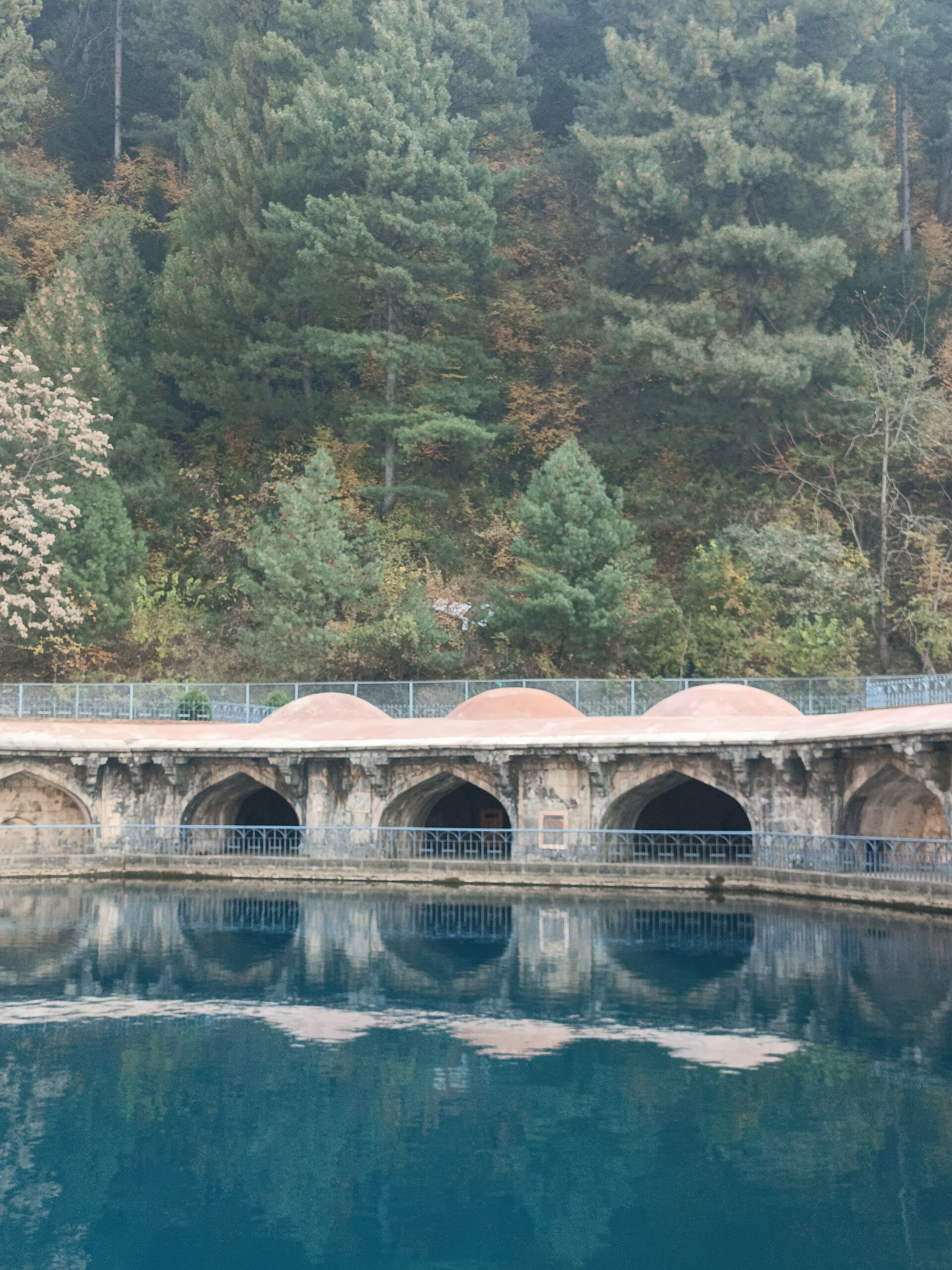
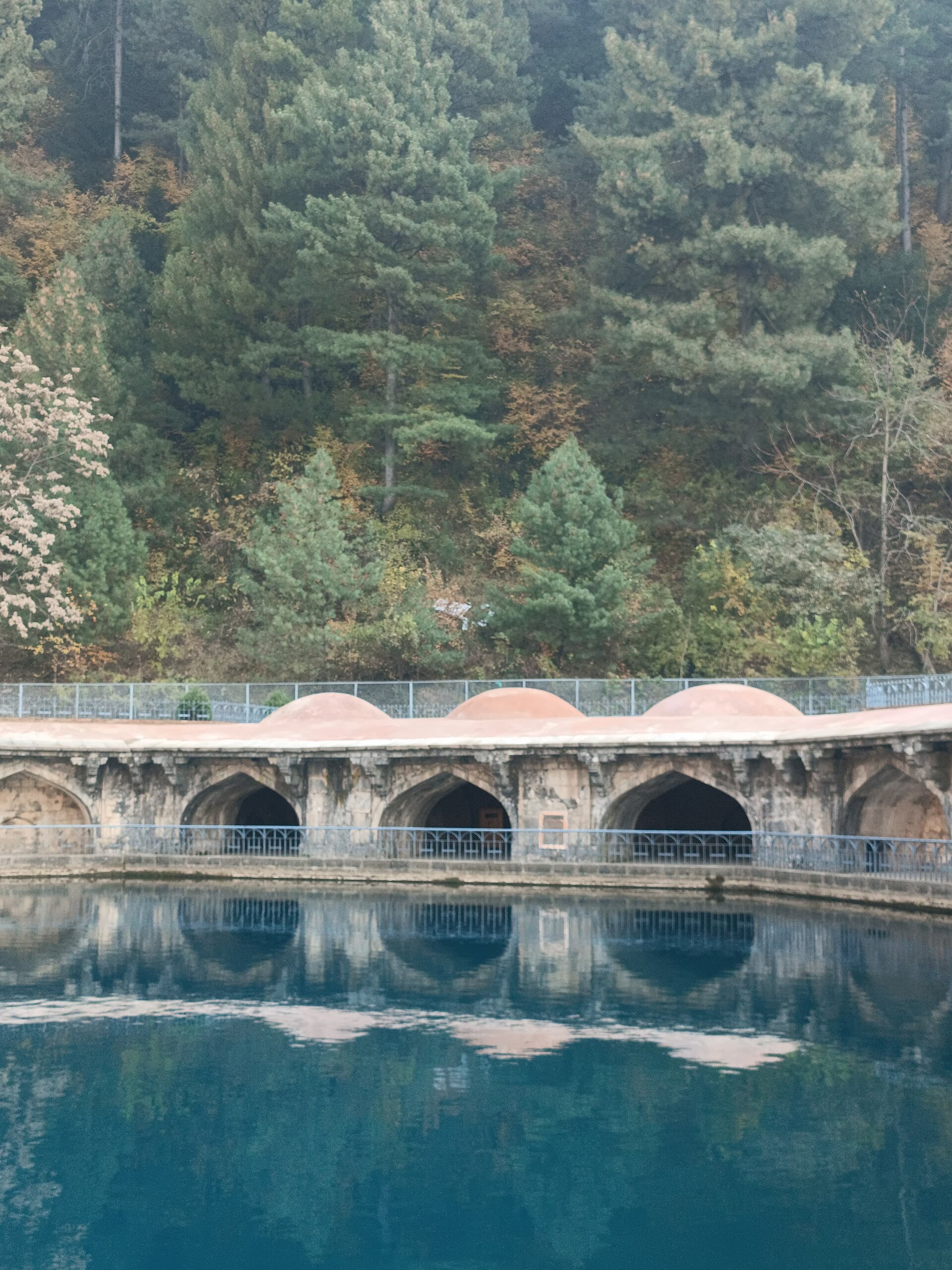
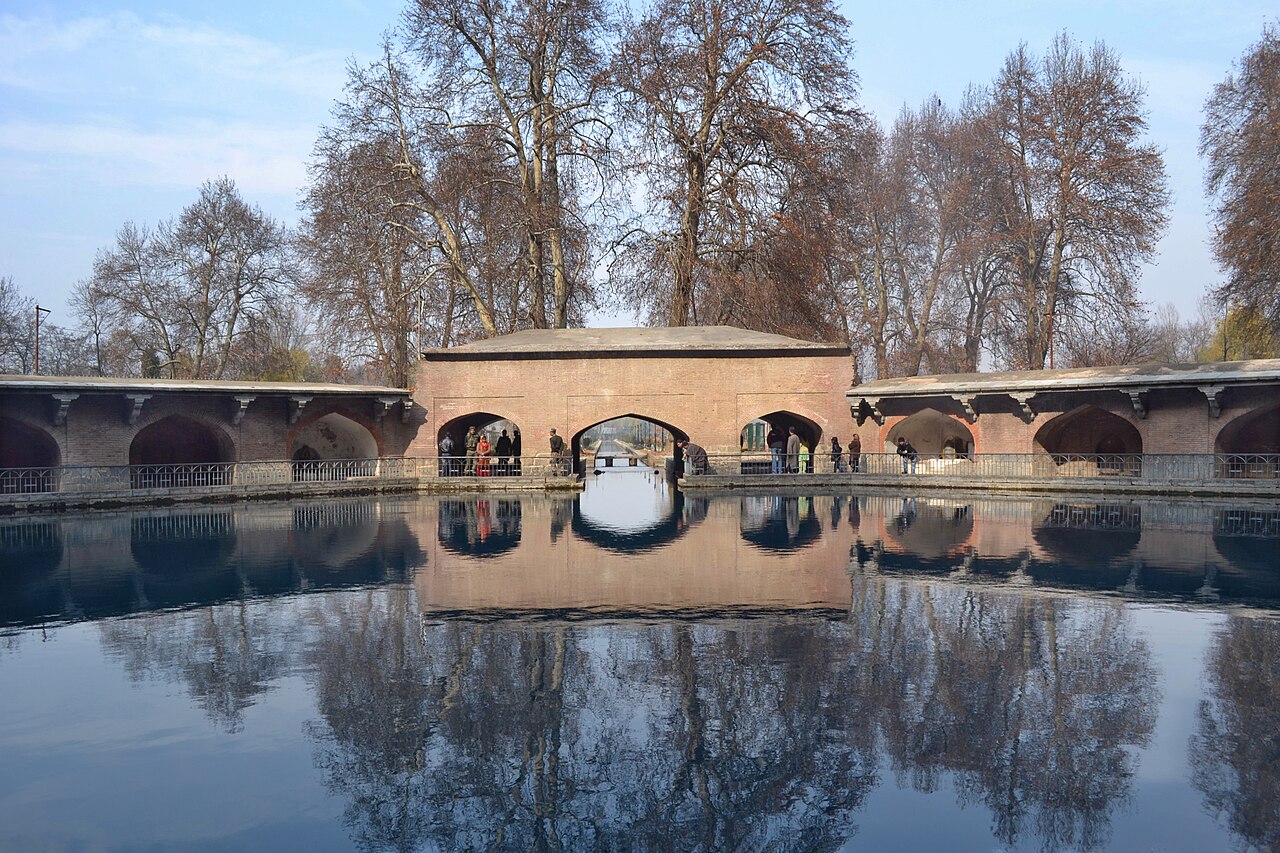
The historic stone pavilion at Verinag reflects the golden hues of autumn.Photo: Akshey25 · CC BY-SA 3.0
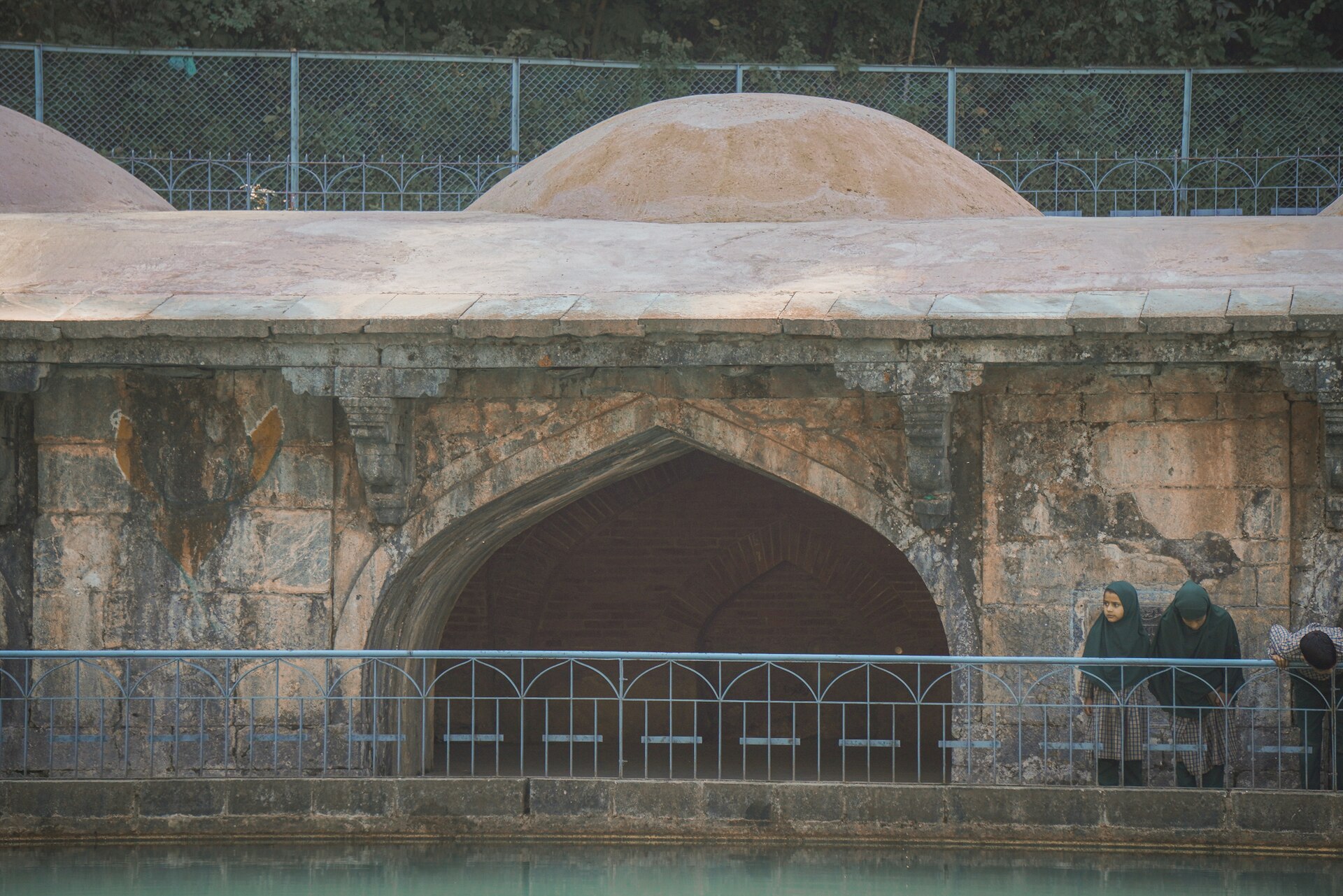
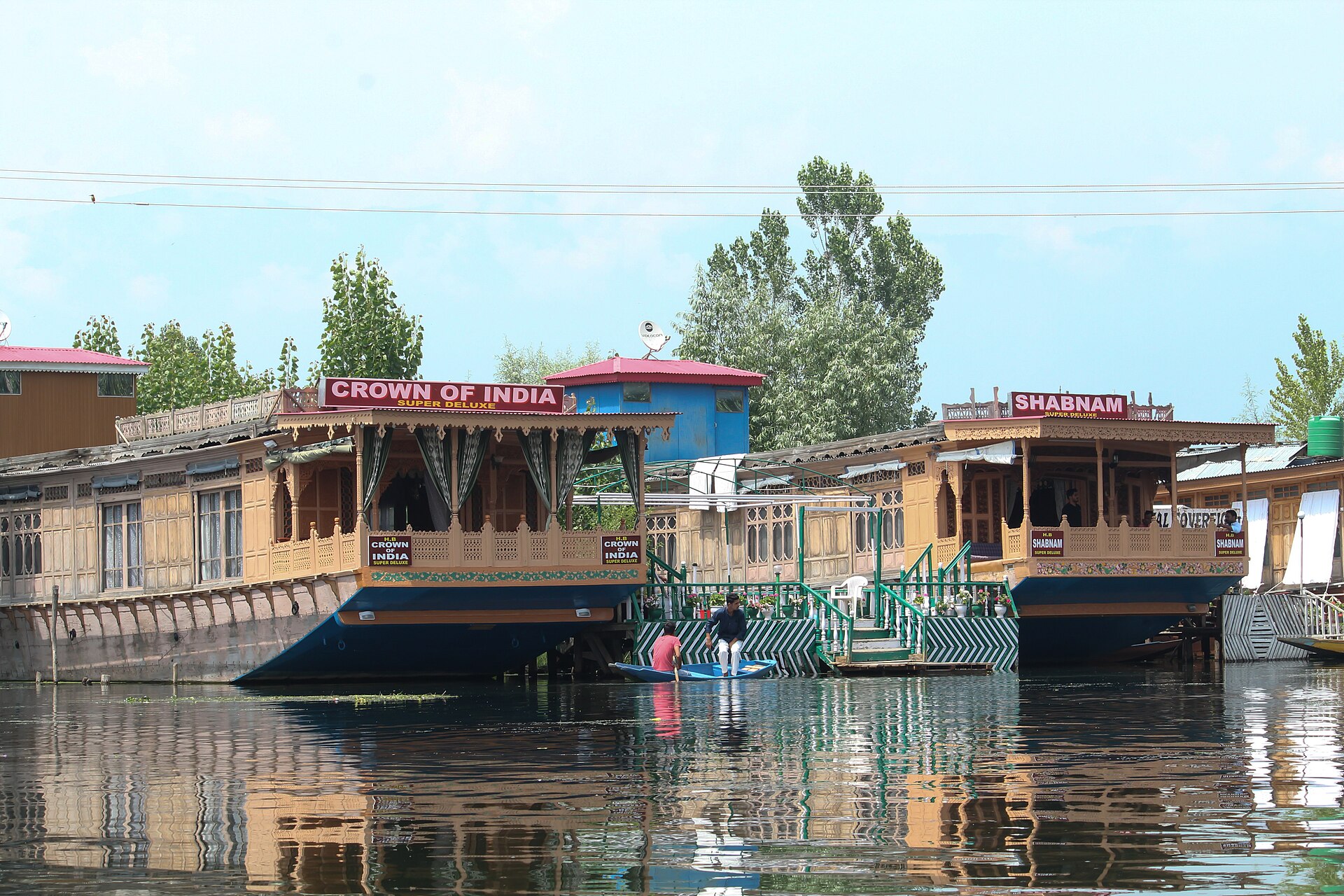
The first time I arrived at the octagonal pool at Verinag, the water was so still it mirrored the surrounding chinar trees with unnerving precision. Unlike the busy houseboats on Dal Lake, the garden here breathes with a different kind of history, one tied directly to the source of the Jhelum River.
Many travellers ask me about the peak tourist season in Kashmir while looking for a quiet detour. You can visit Verinag year-round, but your experience changes drastically depending on when you choose to land in Srinagar.
Whether you want the crisp air of autumn or the vibrant greenery of spring, understanding how the crowds move through the Anantnag district helps ensure your trip feels like a discovery rather than a transit stop.
Understanding Kashmir's Peak Seasons
The surge of visitors generally hits between April and June. During these months, the schools are out and the heat in the plains drives families toward the valley. If you are aiming for this window, expect the gardens at Verinag to be lively with local day-trippers and photographers.
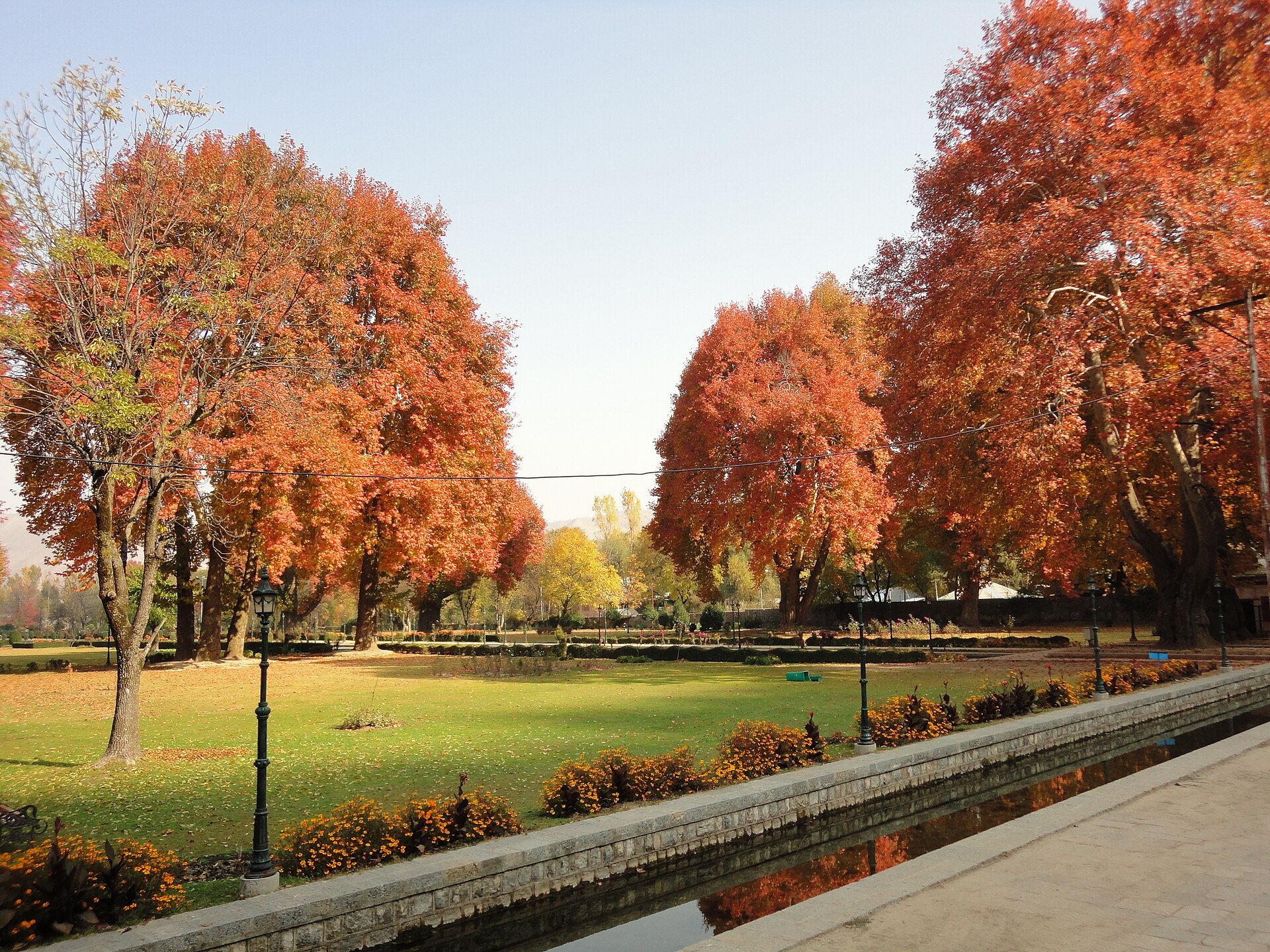
Autumn, from September to November, serves as the second peak. While the air turns sharper, the chinar leaves change to a deep, fiery amber that makes the Mughal garden surroundings glow. I often tell clients that if you dislike crowds, avoid the mid-summer peak and focus on the shoulder months like late September.
During the absolute peak tourist season in Kashmir, you will notice wait times at popular nearby spots like Kokernag can stretch to an hour. Verinag remains more manageable, but you should still plan for early morning departures if you want the site to yourself.
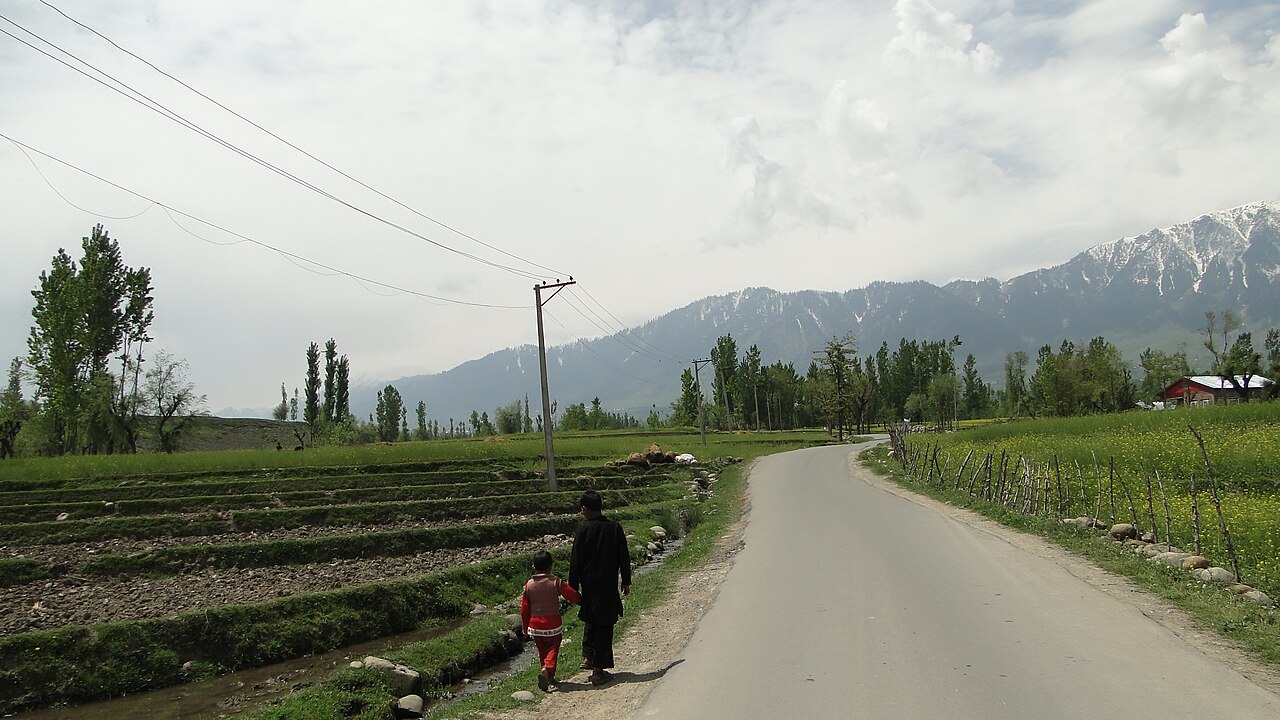
Avoiding the Crowds at Verinag
To experience the Mughal serenity properly, arrive at the gates by 9:00 AM. Most tour groups coming from Srinagar or Pahalgam don't reach this far south until after midday. By the time they finish lunch, you should be moving toward your next stop.
I suggest combining your visit with a trip to the nearby Achabal gardens or the trout streams of Kokernag. If you are staying overnight, base yourself at a homestay near Daksum; it puts you closer to the quieter southern end of the valley.
If you visit on a weekend during the summer, anticipate a busy parking area. Weekdays are significantly quieter, and walking the garden paths feels much more personal on a Tuesday morning in October.
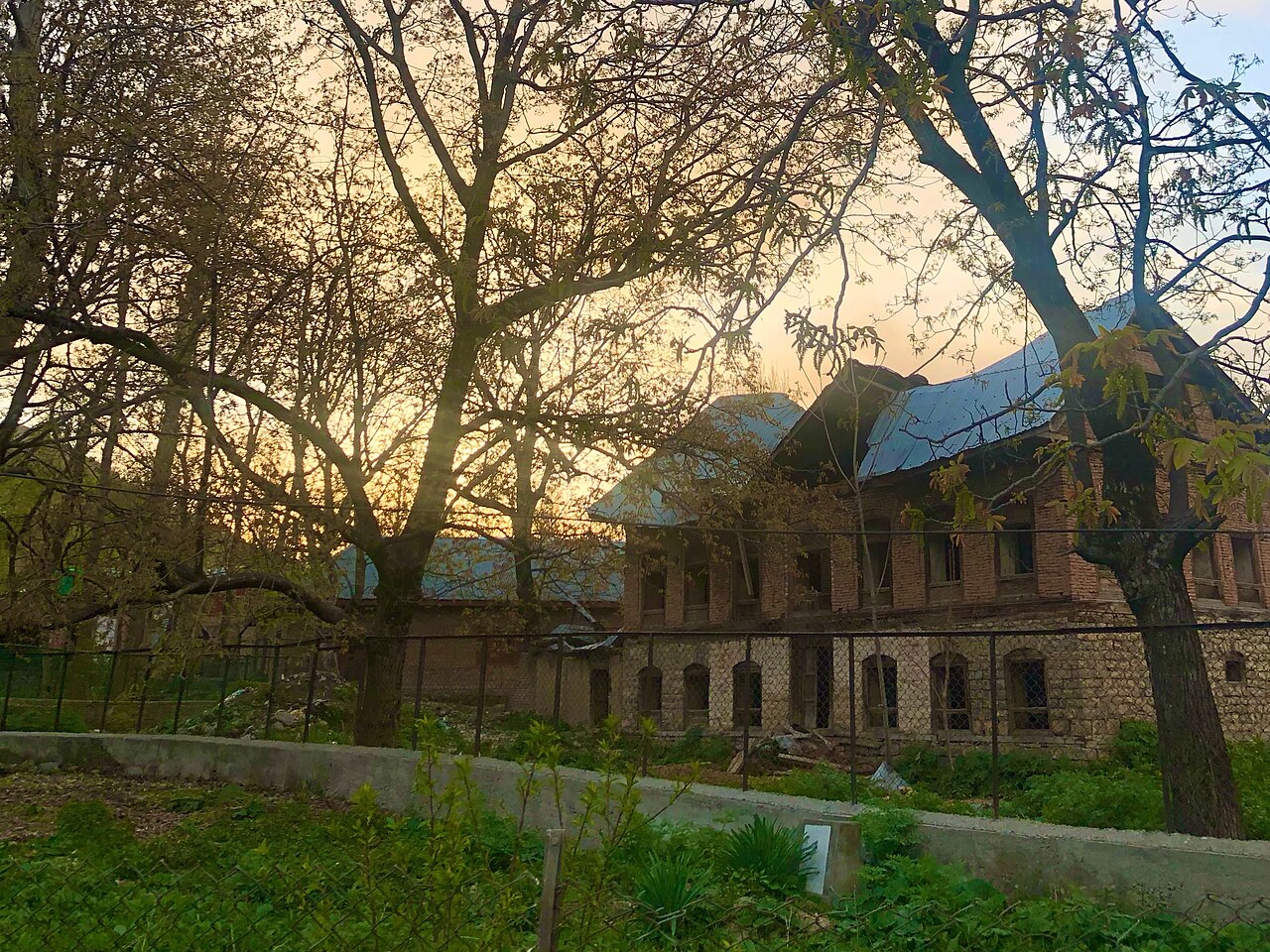
Weather Patterns and Accessibility
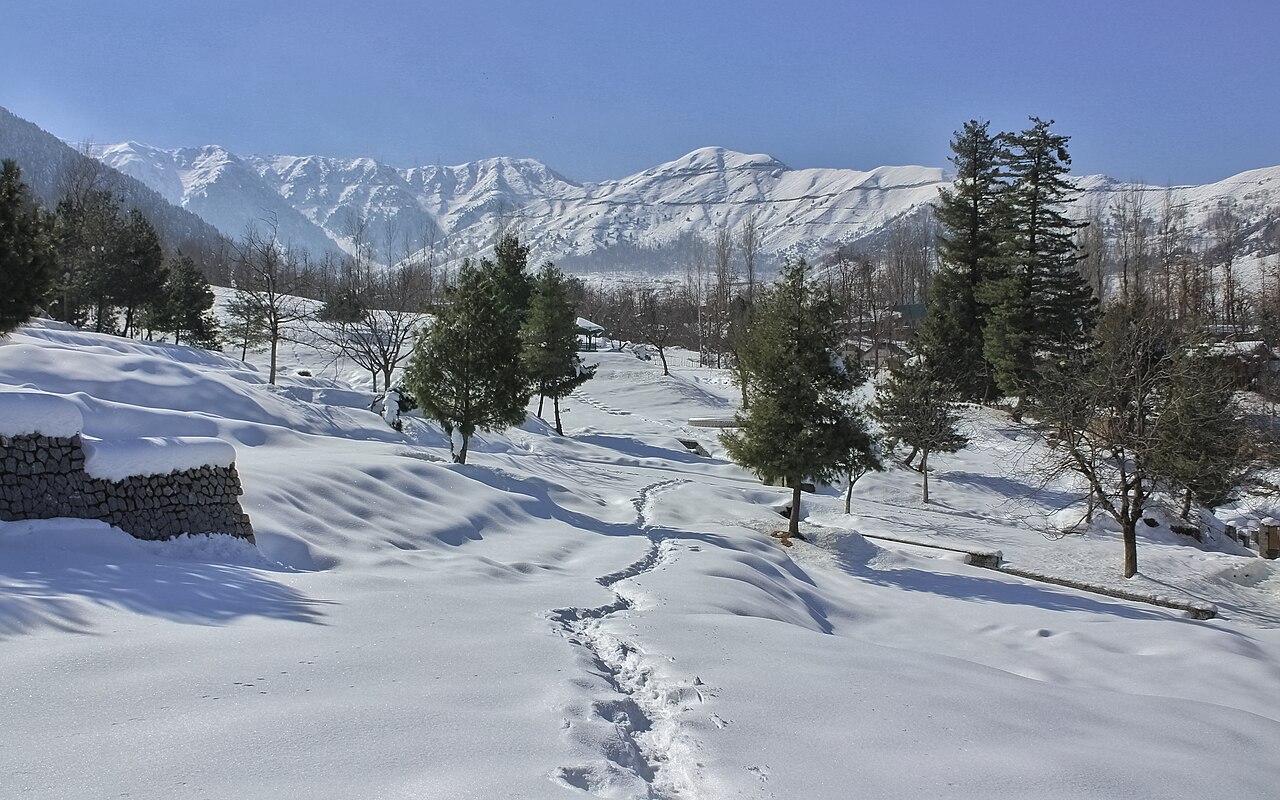
Verinag sits at an elevation that remains accessible throughout the winter, provided the roads from Srinagar are clear of heavy snow. In January and February, the garden takes on a desolate, moody beauty. You won't find the flowers blooming, but the reflection of the snow-dusted mountains in the pool is unmatched.
Spring brings the blossoms, typically from mid-April through May. The temperature hovers between 15°C and 22°C, which is ideal for walking. Just keep in mind that April can be fickle with sudden showers.
By July, the humidity can climb, though it remains far cooler than in New Delhi or Mumbai. Always carry a light layer, as the temperature drops quickly once the sun dips behind the ridge lines in the evening.
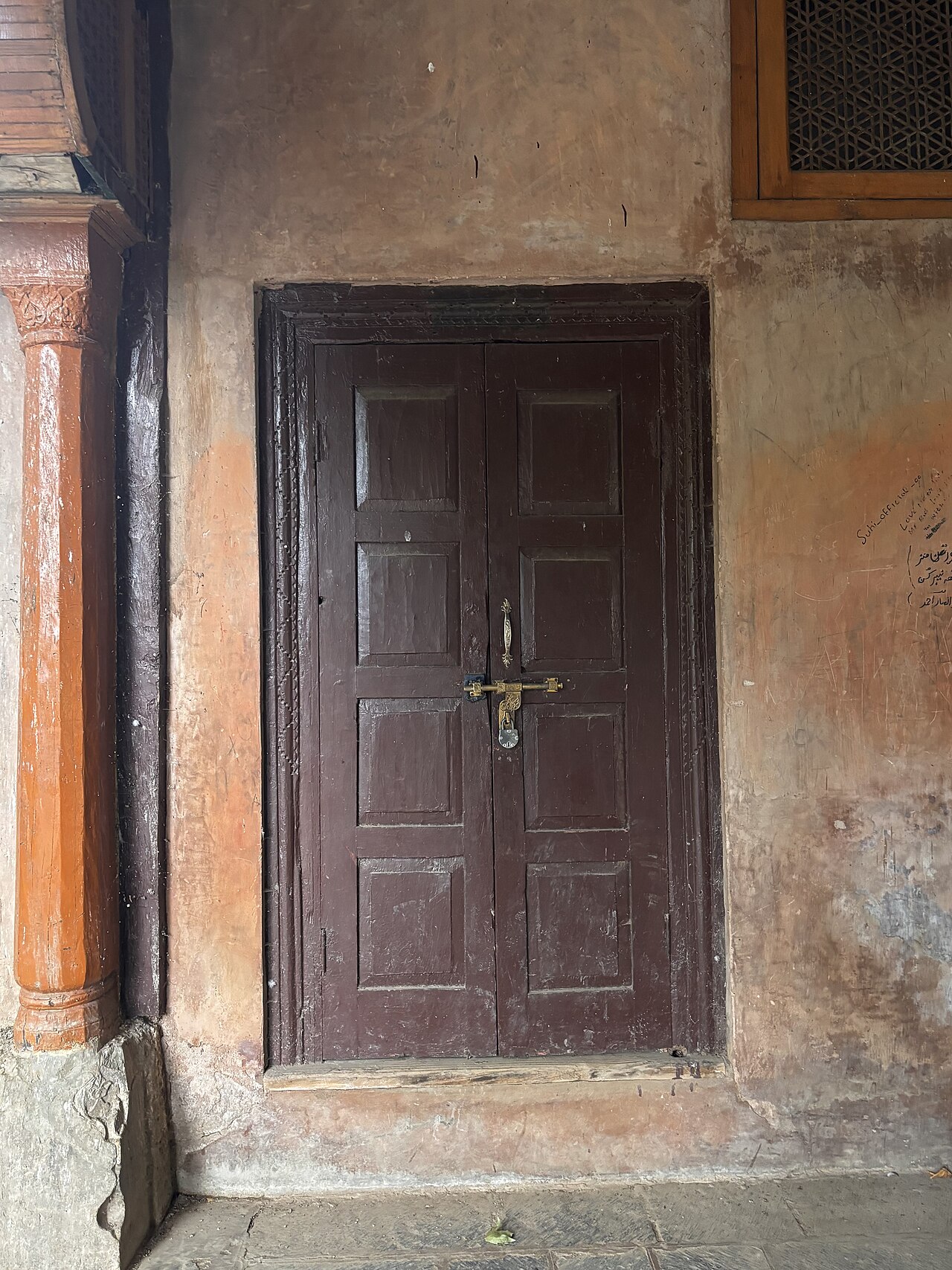
Advantages of Off-Season Travel
Travelling between November and March is what I call the 'contemplative season'. You skip the congestion on the Srinagar-Jammu highway, and your accommodation options in the south become more affordable and easier to secure at the last minute.
The main trade-off is the lack of greenery. The gardens are dormant, and you will need to pack heavy woollens. However, for a landscape photographer or someone seeking solitude, there is nothing like having the historic stone arches of the spring to yourself.
We regularly handle bookings for clients during these months who specifically want to avoid the peak tourist season in Kashmir. It is a slower, quieter pace that lets you talk to the local caretakers and learn about the restoration efforts on the masonry.
Booking Your Package for the Ideal Month
If you are debating dates, I usually recommend early June or October. You hit the perfect middle ground: the weather is pleasant, the services are fully operational, and the peak crush has either not yet started or has begun to taper off.
Make sure your itinerary allows for flexibility. If you book a package, ask for a private car with a local driver who knows the shortcuts between Verinag and the trout streams of the surrounding districts. A good driver will keep an eye on traffic reports so you aren't stuck on the main highway.
Ultimately, the 'best' time depends on what you want to see. Do you want the vibrant flowers of spring or the quiet, moody stillness of late autumn? Let us know your preference, and we can curate the pace of your travel accordingly.
Before you book
Planning your trip to Verinag requires a bit of foresight, especially if you aim to avoid the busiest periods. By choosing your dates carefully and opting for early-morning arrivals, you transform a standard tourist stop into a deep, meditative experience at the Jhelum's origin.
Whether you choose the fiery colours of autumn or the fresh, green arrival of spring, we are here to help manage the logistics. If you need a custom route that connects Verinag with the quieter corners of the valley, feel free to get in touch with our team.
Need help planning your route?
We specialize in South Kashmir itineraries that skip the crowds. Send us a message and we can put together a rough draft for your trip.
Contact our teamWritten by
Kashmir, Jammu & Ladakh specialists
We plan and run trips across Kashmir, Jammu and Ladakh every week of the year. Everything here comes from routes we drive, stays we inspect and questions our travellers actually ask.
Quick answers
Questions we get asked
Is Verinag worth visiting in the winter?
Yes, if you enjoy solitude and photography. The gardens are quiet, and the winter mist over the spring creates a unique atmosphere, though the flowers will not be in bloom.
How many hours should I spend at Verinag?
Most visitors spend about 90 minutes walking the garden, visiting the spring, and taking photos. If you plan to have a picnic or explore the nearby village, allow for three hours.
Can I visit Verinag while staying in Srinagar?
Yes, it makes for a full-day trip. It takes about two and a half hours each way by car. I recommend leaving Srinagar by 7:30 AM to beat the traffic.
Does the road to Verinag close due to snow?
Very rarely. The lower elevation means the main road remains open, though heavy snowfall in the valley might delay travel for a few hours until the snowploughs clear the way.
Are there restaurants at the site?
There are local tea stalls and small snack shops near the entrance. For a proper meal, you are better off heading to the nearby towns or the trout hatcheries in Kokernag.
Photography credits
- Photo: Akshey25 · CC BY-SA 3.0
- Photo: Habba khatoon509 · CC BY-SA 4.0
- Photo: Ankur P from Pune, India · CC BY-SA 2.0
- Photo: UnpetitproleX · CC BY-SA 4.0
- Photo: KahkashaaN · CC BY-SA 4.0
- Photo: UnpetitproleX · CC BY-SA 4.0
- Photo: Shaurya · CC BY-SA 3.0