Things to Do in Verinag: Visiting the Source of the Jhelum
Discover the historic Mughal gardens, the deep blue octagonal spring, and quiet local lanes at the foot of the Pir Panjal.
A practical guide to the best things to do in Verinag, from tracing the River Jhelum at its stone source to walking quiet Mughal arcades.
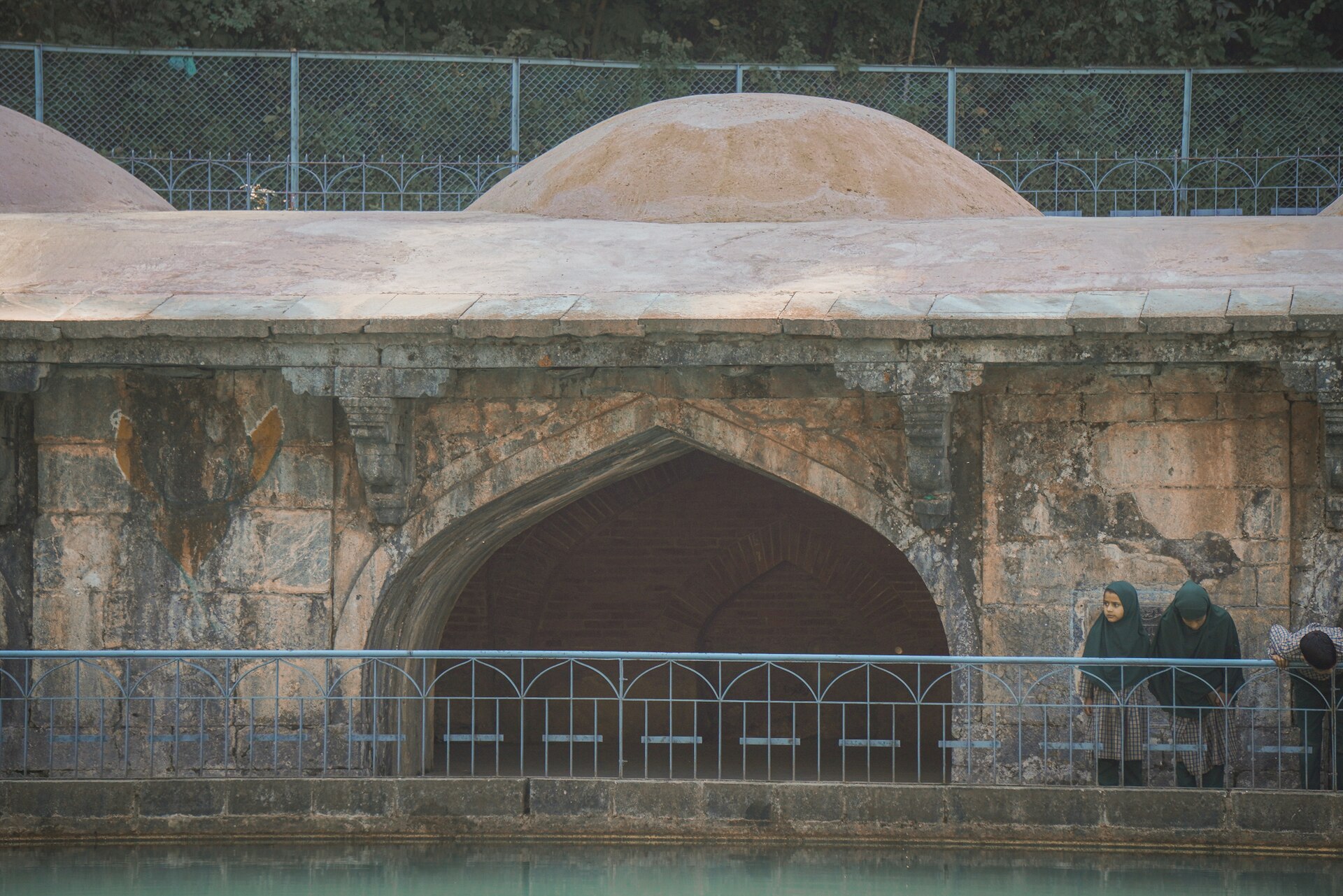
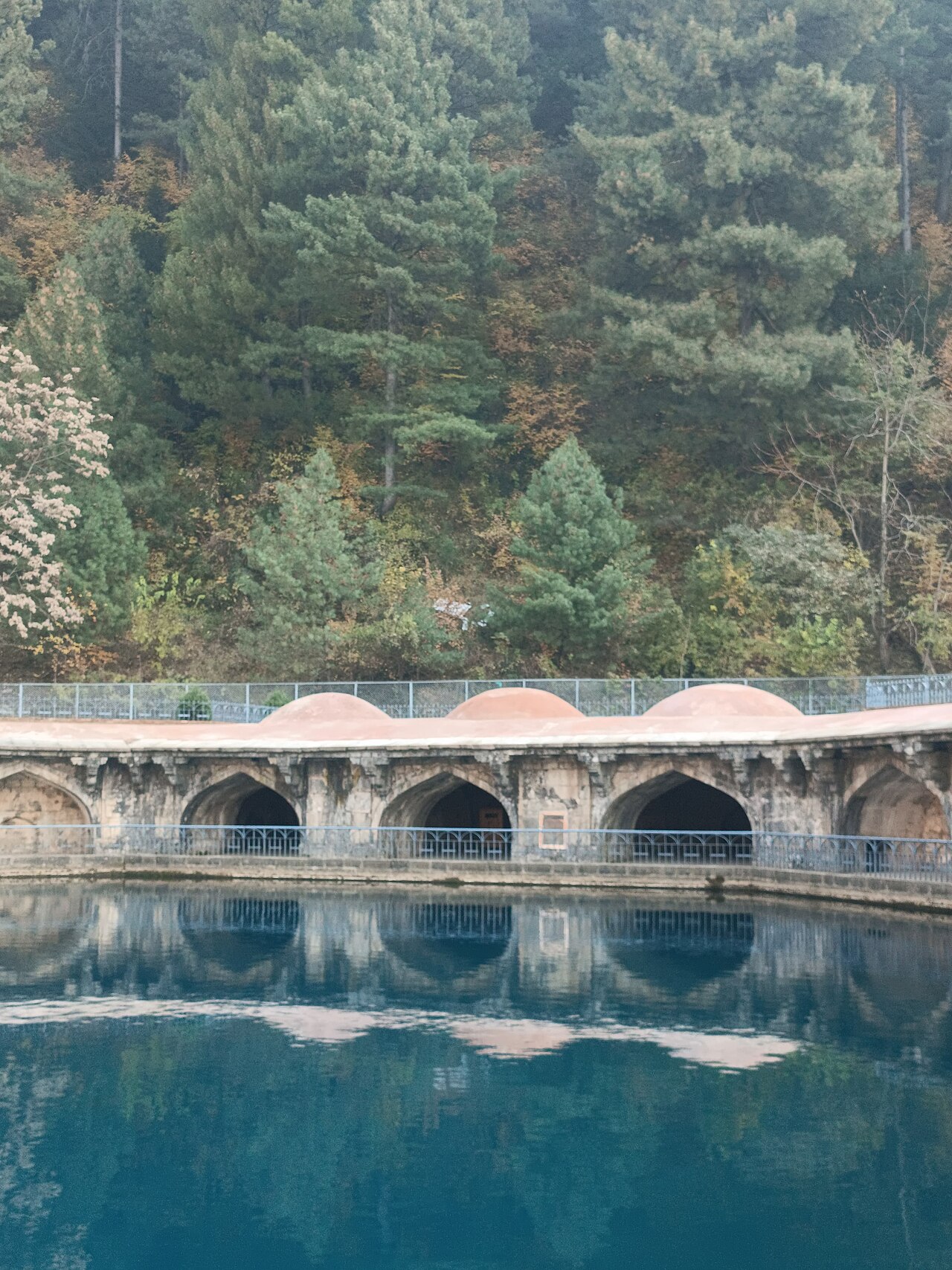
The striking octagonal spring basin at Verinag.Photo: Mahi zahidi · CC BY-SA 4.0
The water in the deep stone basin is the exact shade of crushed turquoise, so clear you can count the silver scales of the fish hanging motionless in the cold currents. When Jahangir ordered the master builders of the empire to carve this basin out of the mountain base in the early seventeenth century, he was capturing the very heartbeat of the valley.
Most travellers rush past Verinag on their way from Jammu, treating the toll gates and highway junctions as mere hurdles before reaching Srinagar. That is a mistake. Spending a quiet morning here reveals a different pace of Kashmiri travel, far from the packed houseboats of Dal Lake.
If you are compiling your itinerary, looking for things to do in verinag means slowing down enough to trace water channels, sit beneath ancient chinar trees, and watch local shepherds bring their flocks past stone walls. Here is how to spend a rewarding half-day or full day at the foot of the Pir Panjal range.
Exploring the Verinag Mughal Garden Terraces
The layout follows the classic charbagh style, though adapted strictly to the slope of the hill. As you walk through the main entrance, water from the mountain spring tumbles through a central stone canal that bisects the lawns. It is a symmetrical design meant to invoke paradise, yet it feels grounded in the damp earth and mountain air.
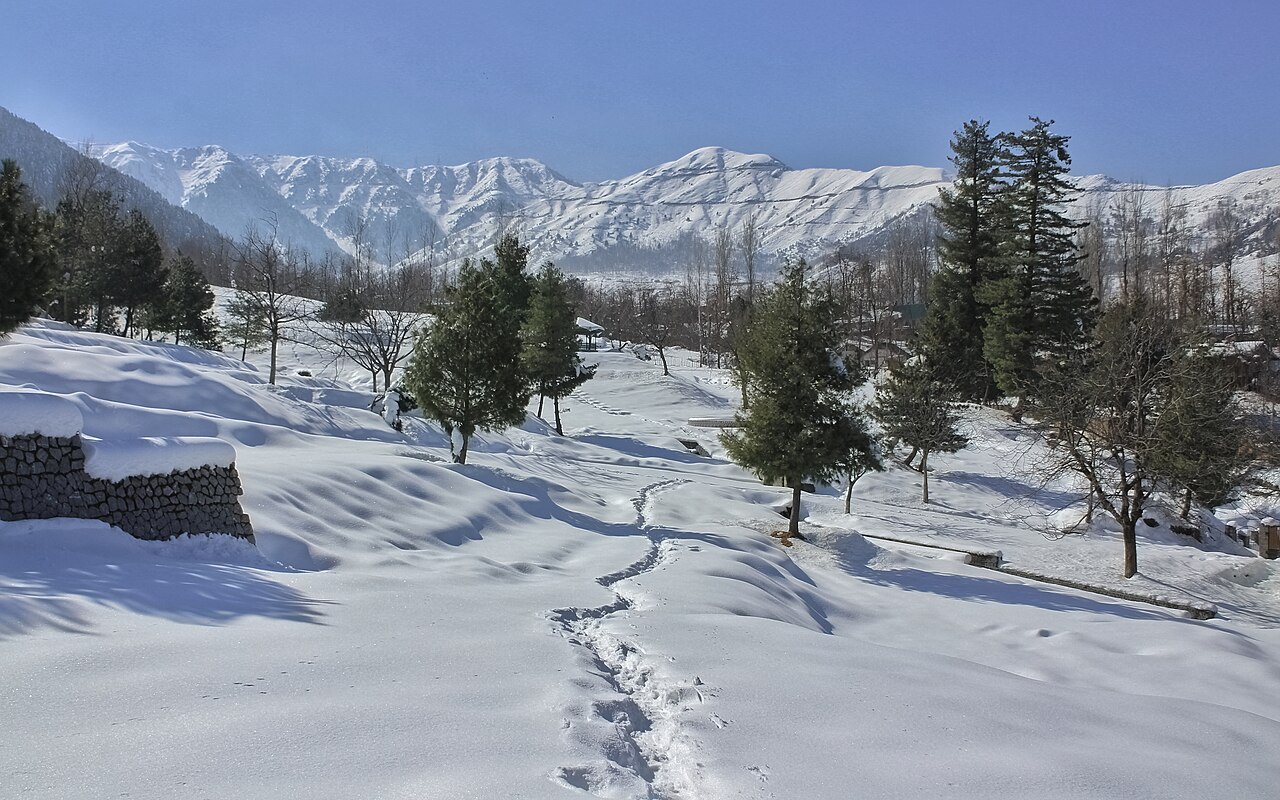
Unlike the sprawling terraces of Nishat or Shalimar on the banks of Dal Lake, this garden feels intimate. You can walk its perimeter in ten minutes, but you will want to linger. The flowerbeds burst with tulips and marigolds in April and May, while autumn brings a heavy carpet of golden leaves from towering old trees.
We always advise clients to arrive around eight in the morning before the day-trippers filter in from the highway. The mist hangs low over the upper slopes, and the sound of rushing water is the only noise you will hear.
- Entry fee is nominal for domestic and international visitors.
- Wear sturdy walking shoes as the stone pathways can be slippery near the water channels.
- Local tea vendors outside the gates serve traditional kahwa in small clay cups.
Photographing the Octagonal Spring
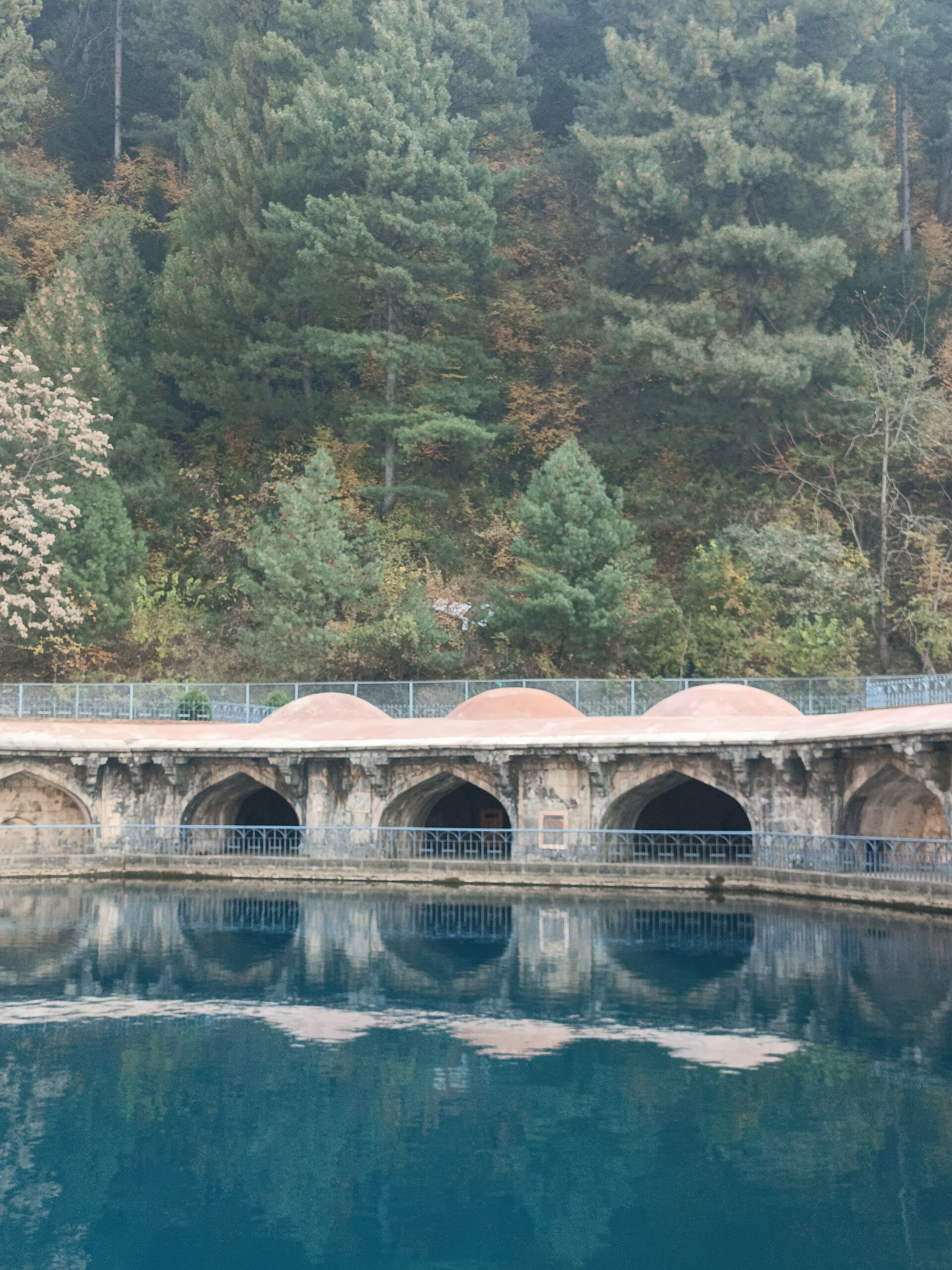
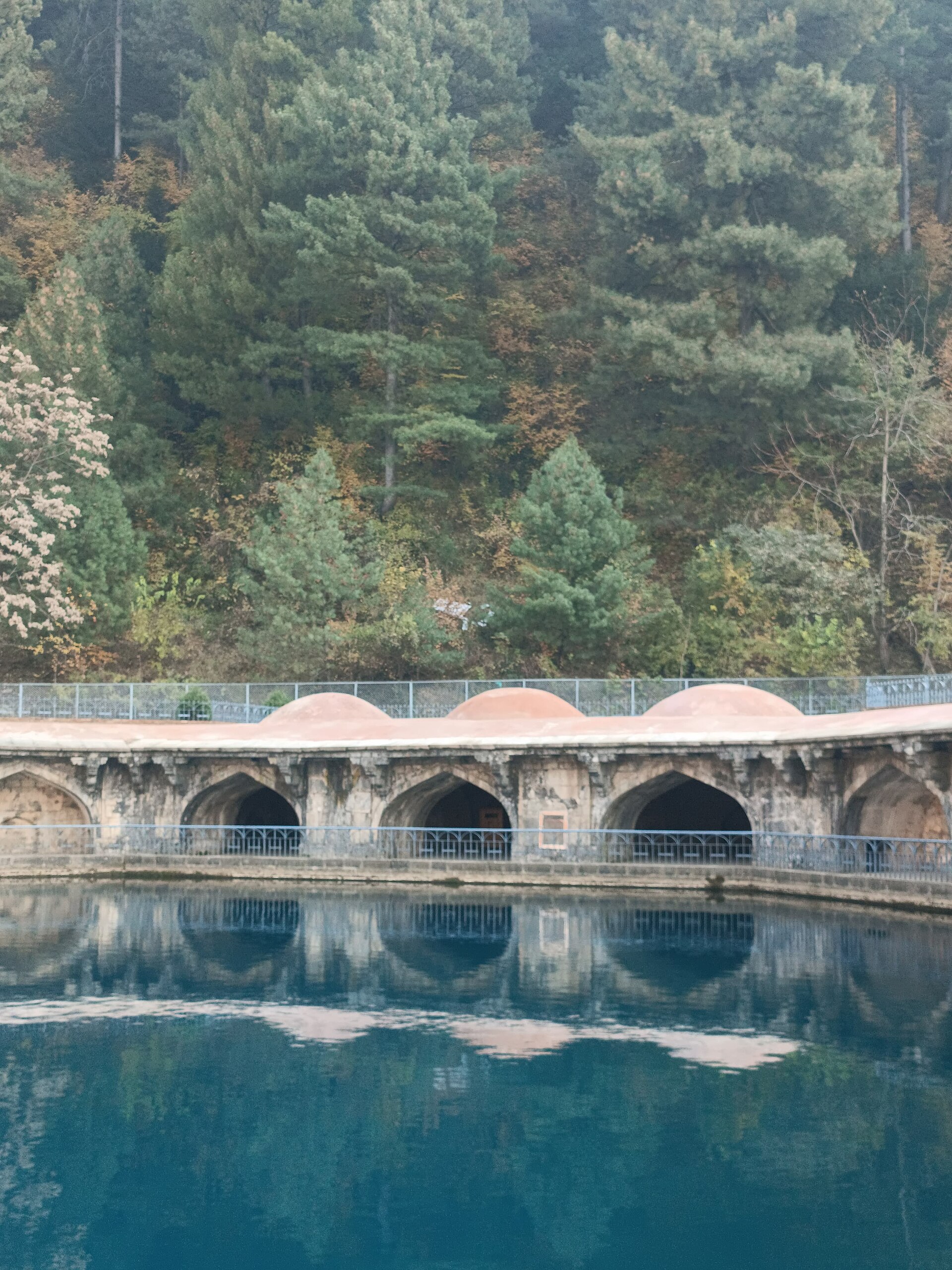
The defining feature of the site is the deep brick-lined arcade built in a strict octagonal shape. Emperor Shah Jahan later added the surrounding arcaded chambers, creating a cloister-like atmosphere around the churning water source. It looks less like a natural spring and more like an ancient sun temple sunken into the earth.
Getting a clean photograph requires patience. Visitors love leaning over the low brick walls to capture the reflection of the arched niches in the glassy surface. The trick is to wait for a moment when the surface settles completely, revealing the dark underwater cavern where the Jhelum officially begins its journey.
Notice the dark limestone cliff pressing directly against the back of the brickwork. The mountain is literally weeping this water out through subterranean limestone fissures, a hydrological marvel that has puzzled geologists and inspired poets for four centuries.
The water in the deep stone basin is the exact shade of crushed turquoise, so clear you can count the silver scales of the fish hanging motionless in the cold currents.
Walking the Historic Arcade and Lower Village
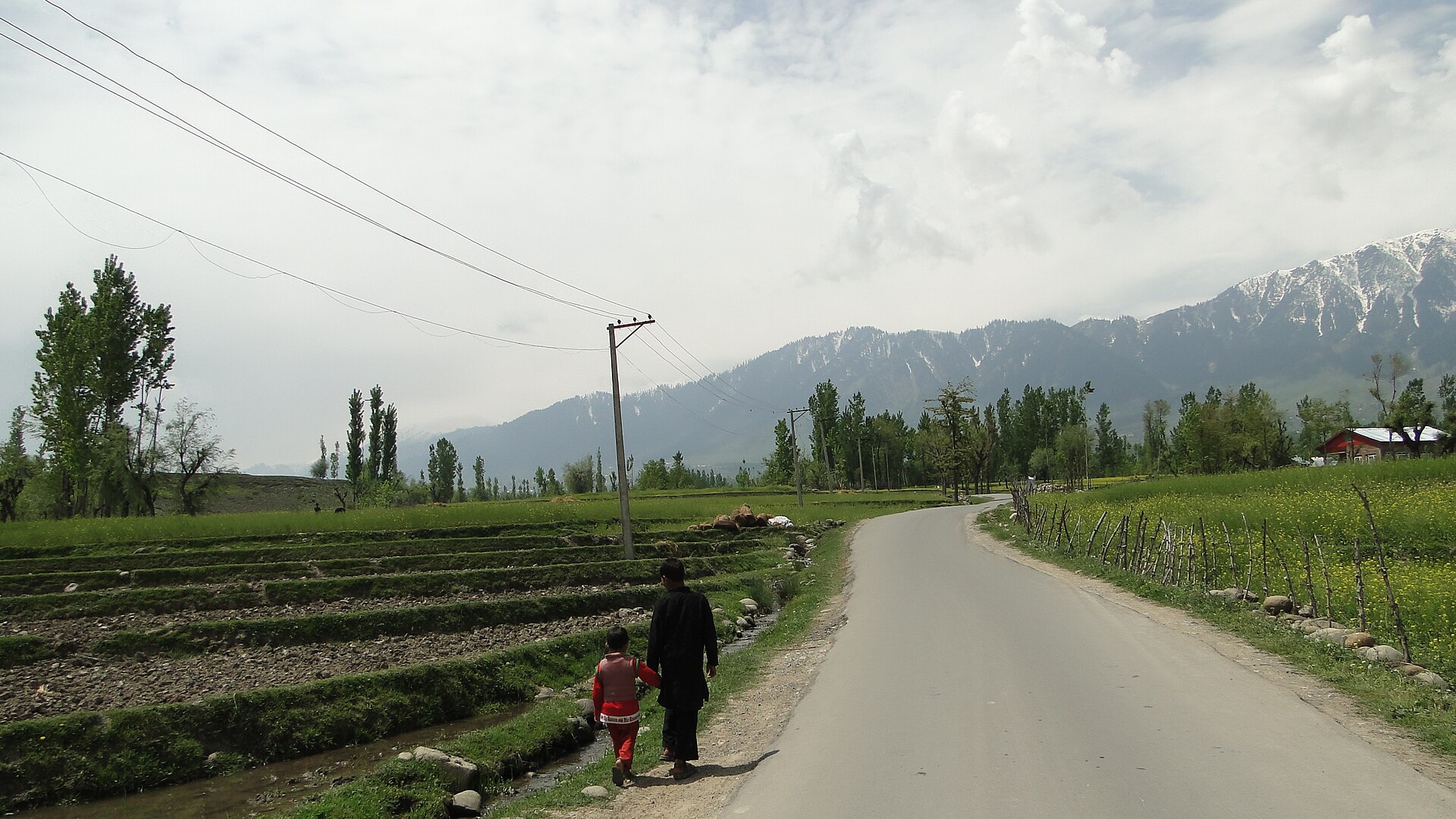
Beyond the manicured lawns of the enclosed garden lies the old Verinag village. A short walk outside the northern gate takes you past mud-plastered Kashmiri homes with sloping tin roofs and wood-carved window frames. Children play cricket in narrow lanes while elderly men sit on wooden porches discussing apple yields.
The village has changed very little over the decades. You will not find high-end souvenir shops or western cafes here, which is precisely its charm. It is an authentic slice of rural Anantnag district life where tourism remains a gentle background hum rather than an industry.
Take an hour to wander down the lanes flanking the outflow stream. You will see how the local community channels the excess water for washing, small-scale irrigation, and powering old wooden grain mills.
Combining Verinag with Kokernag and Achabal
Verinag rarely stands alone as a destination; it forms the southern anchor of the historic Mughal spring circuit in South Kashmir. If you base yourself correctly, you can string three distinct water sanctuaries together in a single loop day trip.
From Verinag, drive north toward Kokernag, famous for its sprawling trout streams and the largest freshwater spring in the valley. The journey takes roughly forty-five minutes along winding rural roads flanked by mustard fields and willow trees.
After Kokernag, continue onward to Achabal to see the terraced cascades and royal pleasure gardens built by Nur Jahan. Each site has a completely different architectural personality, proving that Mughal garden design was far from formulaic.
The Route via Daksum
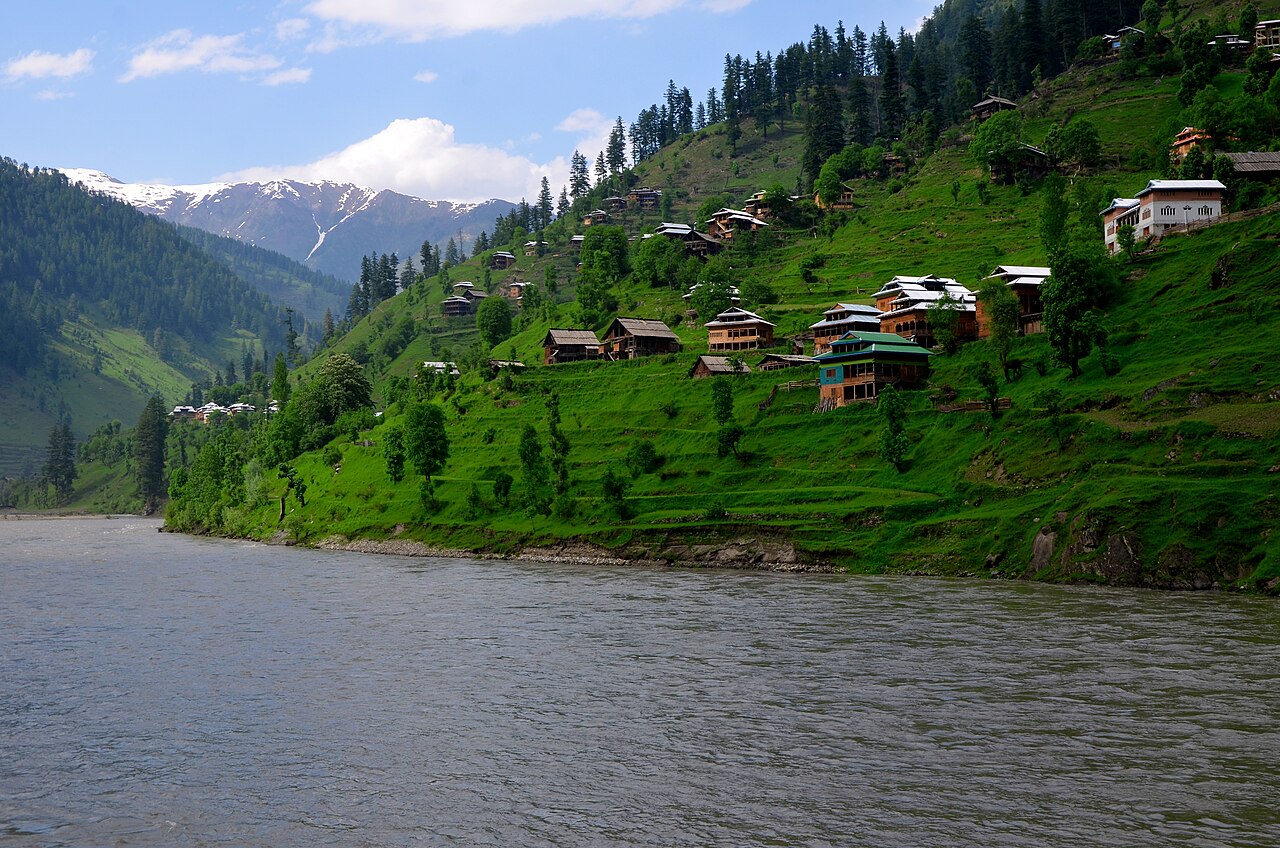
If you have an extra day, swing east from Kokernag toward Daksum. The valley narrows into a dense pine forest where the rushing Bringhi River cuts through deep gorges. It offers a dramatic alpine contrast to the manicured lawns of the lower springs.
Best Times for a Quiet Visit
Timing your visit dictates everything about your experience at Verinag. Summer afternoons bring tour buses and noisy crowds seeking relief from the plains, which shatters the meditative atmosphere of the spring arcade.
Spring brings blooming flower beds and brisk weather, making it our favourite season to send travellers through this route. Autumn offers a riot of amber foliage against the grey stone walls, perfect for landscape photography without the scorching heat.
If you want to experience the site at its absolute best, book your transfer to arrive right as the gates open in the morning, then head into the village for breakfast before moving on to Kokernag.
Before you book
Visiting Verinag reminds you that Kashmir's history is written in stone, water, and ancient trees. While the high alpine passes of Gulmarg and Sonamarg grab the adventure headlines, this quiet corner in the south preserves the quiet elegance of an empire that fell in love with mountain springs.
Take your time walking the arcades and listening to the water pour out of the mountain. It is a place that rewards patience, quiet observation, and an appreciation for centuries-old engineering.
Ready to explore South Kashmir?
Let our local team help you craft a custom itinerary that covers Verinag, Kokernag, and the hidden corners of the Pir Panjal.
Plan Your Trip With UsCaption for your own post
Tracing the turquoise waters of the Jhelum at Verinag spring. A quiet Mughal masterpiece at the foot of the Pir Panjal range.
Written by
Kashmir, Jammu & Ladakh specialists
We plan and run trips across Kashmir, Jammu and Ladakh every week of the year. Everything here comes from routes we drive, stays we inspect and questions our travellers actually ask.
Written by a Skywale editor who has driven the South Kashmir circuit in every season, from spring blooms to autumn gold.
Quick answers
Questions we get asked
How long do I need to spend at Verinag?
Plan for one to two hours to explore the central spring, walk the garden terraces, and take photographs. If you plan to walk through the adjacent village, add another hour.
Is Verinag safe for family travellers?
Yes, Verinag is entirely safe for families and solo travellers. The local community is welcoming, and the site is well-maintained with clear walking paths.
Can I swim in the Verinag spring?
No, swimming or wading in the main octagonal spring is strictly prohibited because it is a protected heritage monument and a sacred water source.
What is the entry fee for the Verinag garden?
The entry fee is minimal, typically around twenty to fifty rupees per person, making it one of the most affordable heritage sites in the Kashmir valley.
How do I reach Verinag from Srinagar?
Verinag is roughly eighty kilometres south of Srinagar. A private taxi ride takes about two to two and a half hours via the National Highway and rural South Kashmir roads.
Photography credits
- Photo: Mahi zahidi · CC BY-SA 4.0
- Photo: Ankur P from Pune, India · CC BY-SA 2.0
- Photo: Habba khatoon509 · CC BY-SA 4.0
- Photo: UnpetitproleX · CC BY-SA 4.0
- Photo: The47man · CC BY-SA 3.0
- Photo: KahkashaaN · CC BY-SA 4.0
- Photo: Hafizusman1997 · CC BY-SA 4.0