What to Expect During the Shiv Khori Trek
A practical guide to the walk, the terrain, and the time you need.
Wondering how long is the Shiv Khori trek? We break down the distance, the physical demands, and the reality of the trail so you know what to expect.
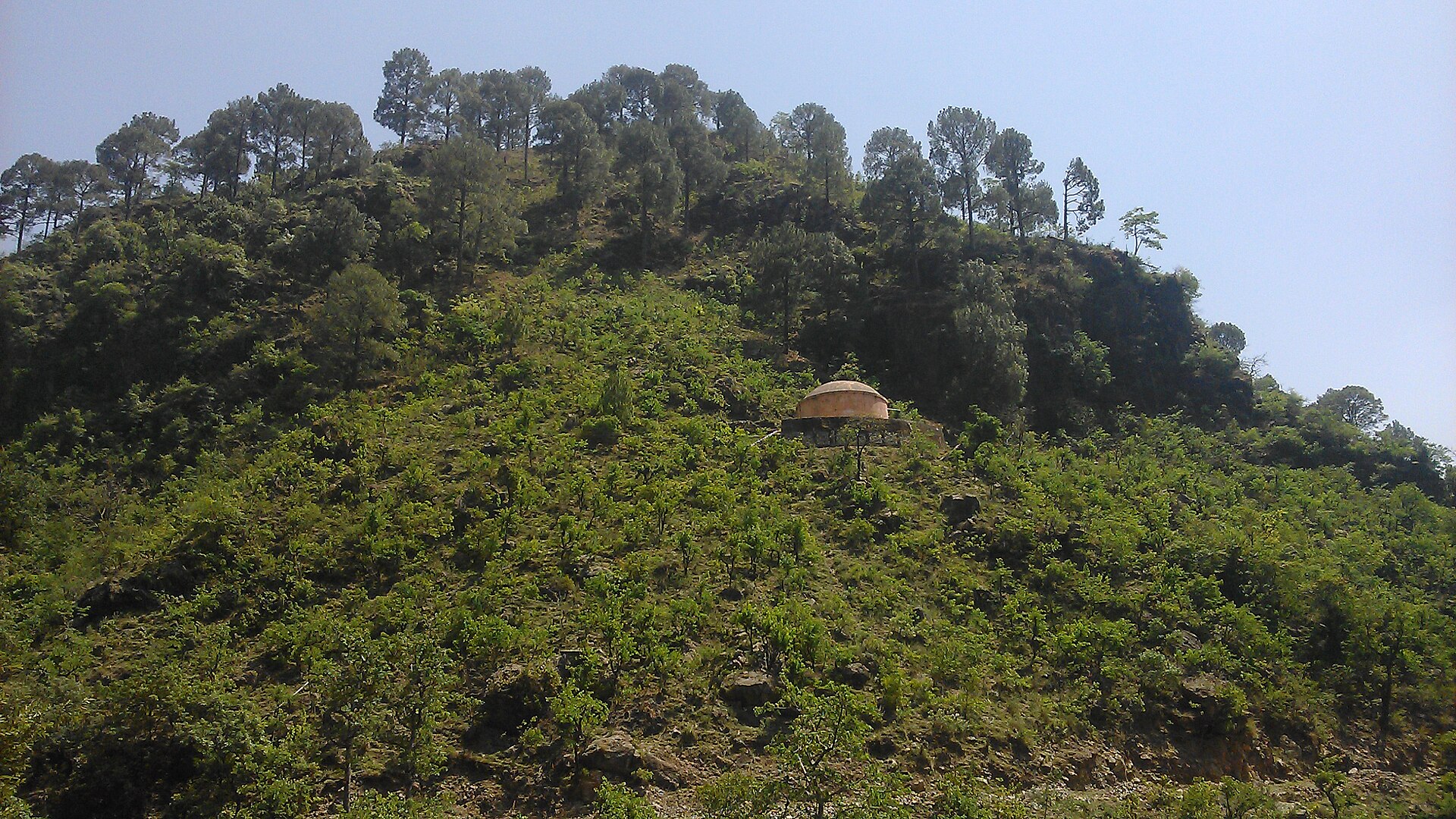
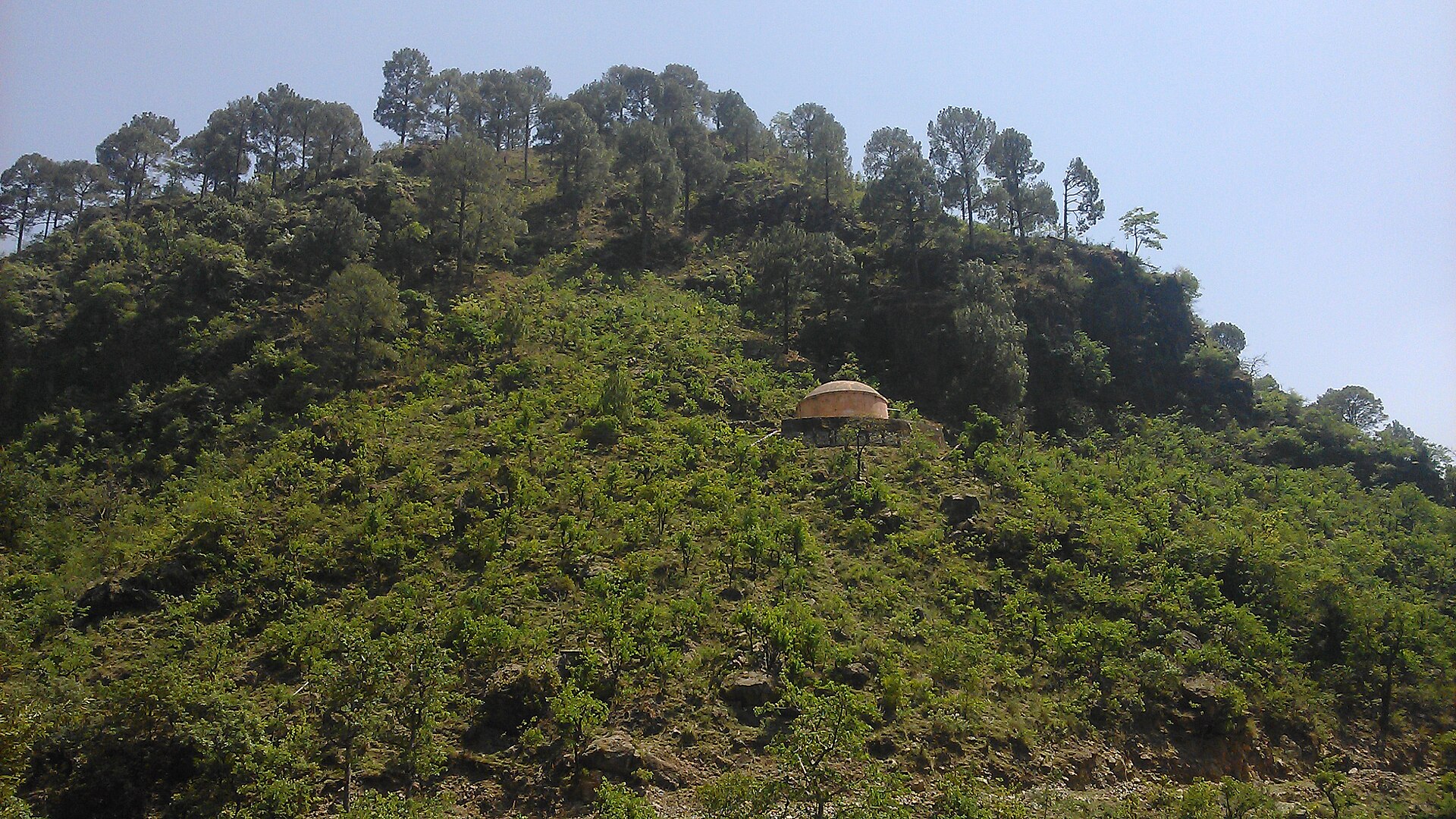
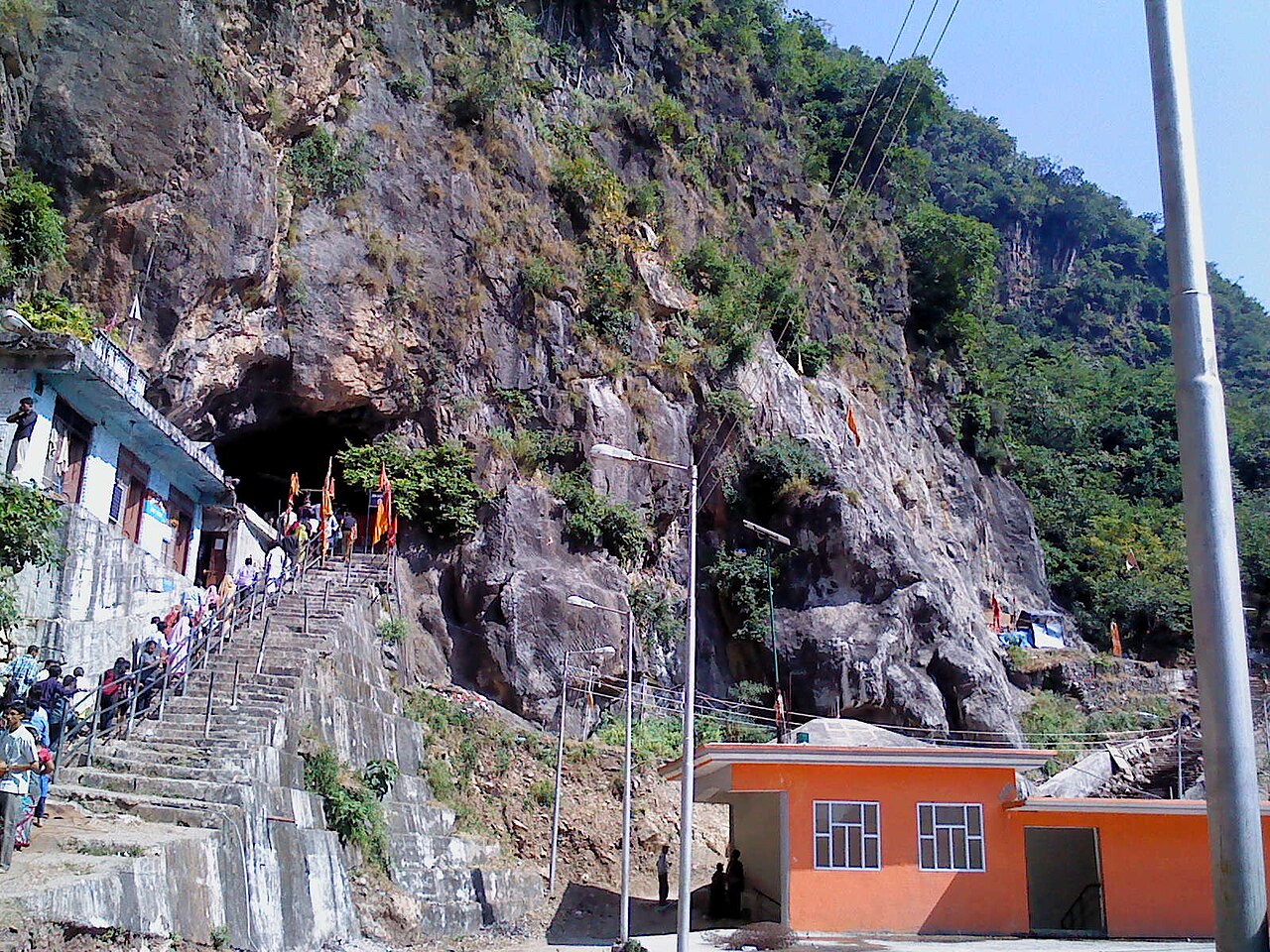
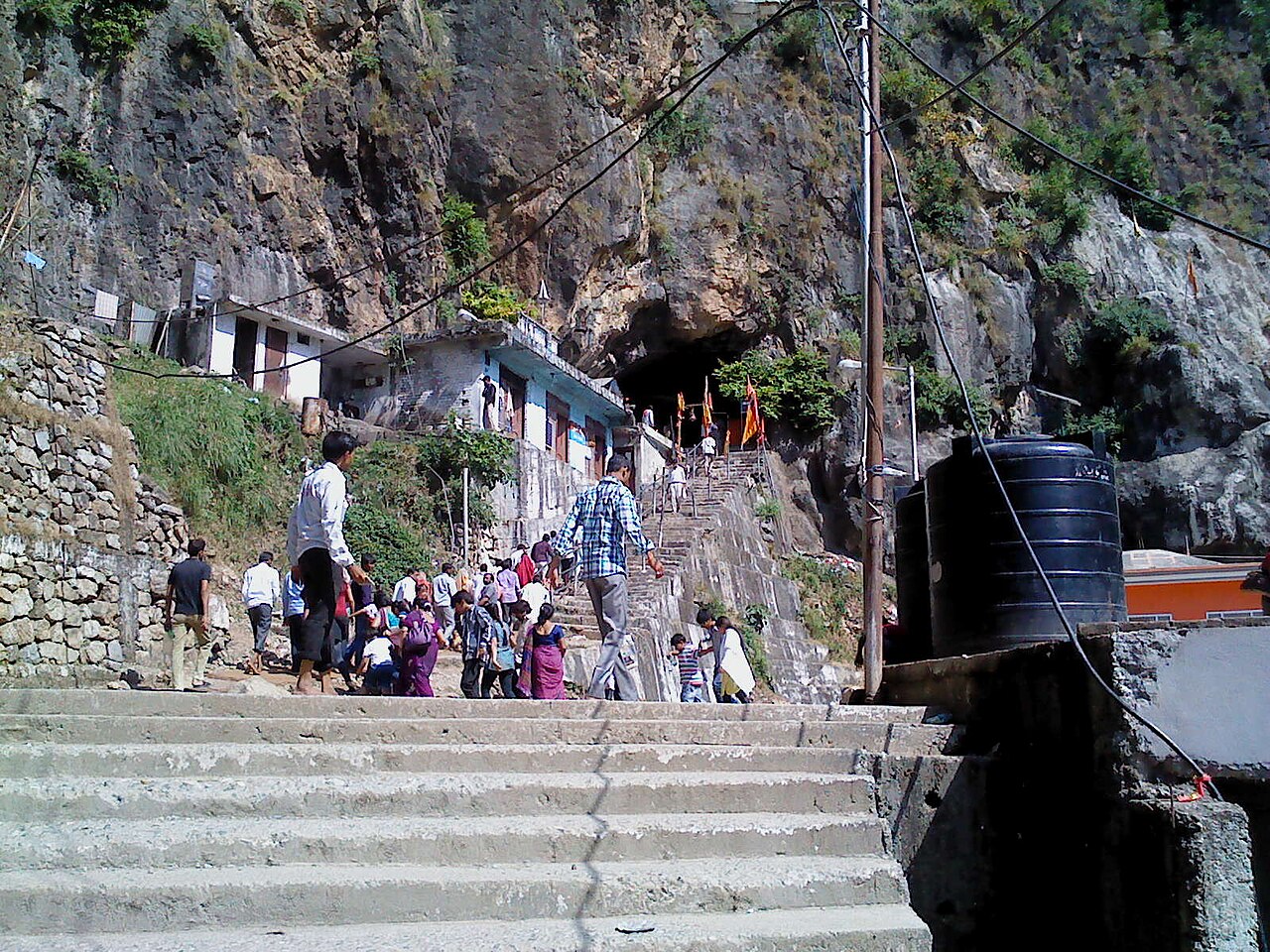
The trekking path is a 3-kilometer ascent through the Reasi hills.Photo: Shail112 · CC BY-SA 4.0
I recall watching a family start the walk with too much luggage, struggling to find their rhythm, and realizing that the Shiv Khori trek is all about managing your own pace from the very first step.
The trek to the cave is not an alpine expedition, but it is not a sidewalk stroll either. It is a roughly 3-kilometer ascent that winds through the rocky, arid terrain of the Reasi hills. For most people, it takes about an hour to reach the entrance if you walk at a steady, moderate speed. But your experience depends entirely on how you approach the elevation.
When people ask how long is the Shiv Khori trek, they are usually trying to figure out if they can handle it. The answer is almost always yes, provided you manage your energy. Here is a breakdown of what you will actually face on the trail.
Starting the Journey at Ransoo
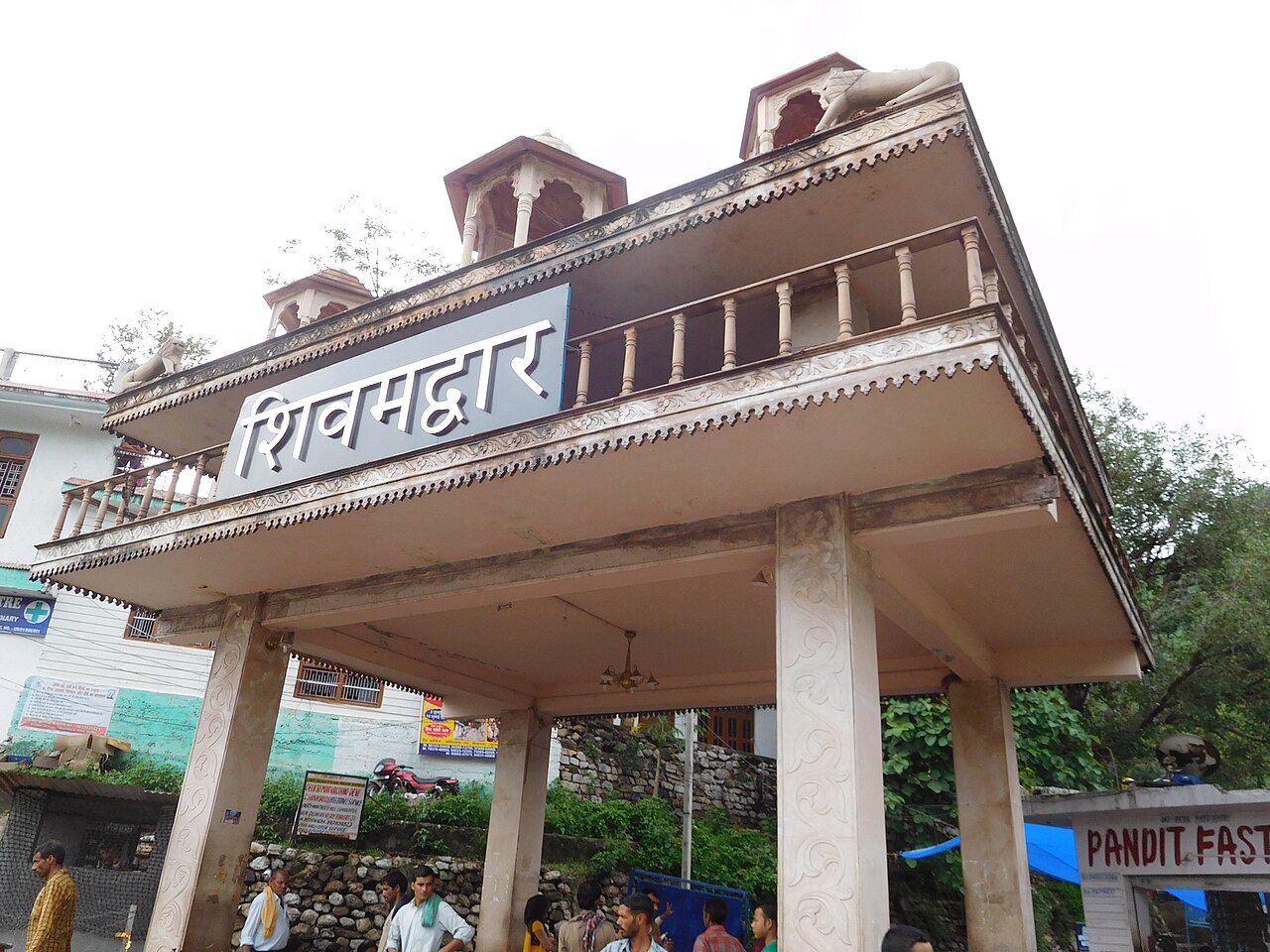
Ransoo is the gateway. You will leave your transport here and hit the main path. The start is deceptive—it’s wide and relatively flat, lined with shops selling flowers, incense, and snacks. This is the moment to check your gear. Do you have your water? Are your shoelaces tight? Do you have a light jacket in your pack?
I always tell our clients to spend ten minutes in Ransoo before they start walking. Use the facilities, grab a bottle of water, and observe the flow of people. The crowd gives you a good sense of the day's pace. If the market is packed, the trail will be too, and your walk will be a series of fits and starts.
Trail Difficulty and Terrain Overview
The path itself is paved with concrete, which sounds helpful, but in reality, it can be hard on the knees. There is a persistent incline that doesn't let up until you are nearly at the cave mouth. The terrain is largely exposed to the elements, so if the sun is out, you have almost no natural cover.
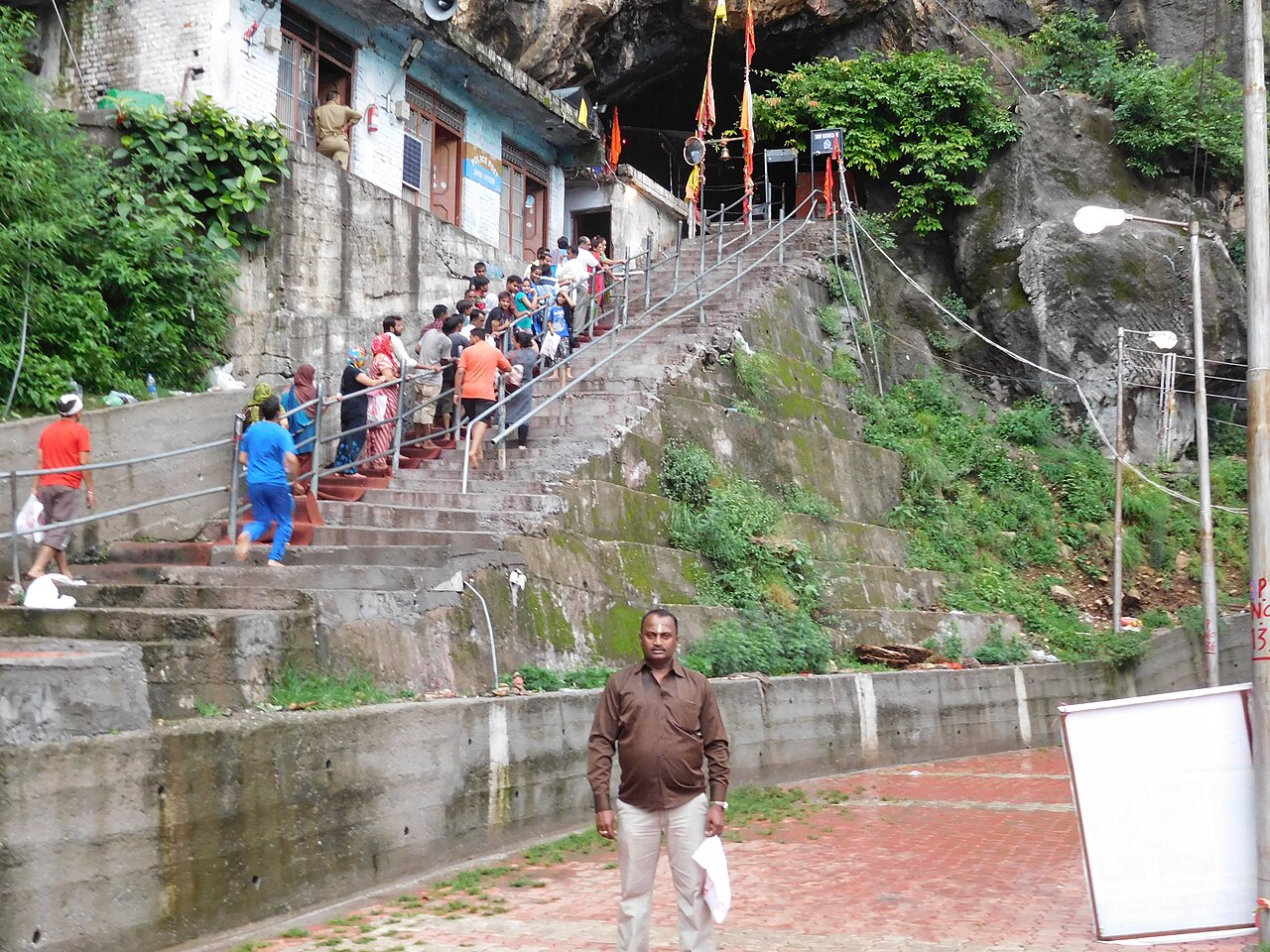
Is the Shiv Khori trek difficult? It is moderate. If you are generally active, you will find it manageable. If you have mobility issues or struggle with stairs, the climb can feel taxing. There are handrails in some sections, which help, and you will find the local pony services available if you need to bypass the walk entirely.
Essential Gear for the Walk
Don’t overpack. You are only on the trail for a couple of hours. A lightweight daypack is plenty. Carry a reusable water bottle, a small towel, and perhaps a light windbreaker if you are visiting in the cooler months.
Most importantly: footwear. Do not wear flip-flops or thin-soled sandals. The concrete path is unforgiving, and the climb requires a shoe that keeps your heel secure. I have seen far too many people suffering from blisters because they underestimated the friction of the climb.
Pacing Your Ascent to the Cave
The biggest mistake people make is treating the trek like a race to the front of the queue. If you sprint the first kilometer, you will be gasping for breath before you reach the steeper switchbacks. Maintain a slow, deliberate pace. If you are breathing hard enough that you can't talk, you are going too fast.
Take regular, short pauses. There is a rhythm to the pilgrimage—stop, drink a small amount of water, look at the valley views, and then continue. It’s better to arrive at the shrine feeling fresh than to arrive exhausted and unable to appreciate the moment.
Rest Stops and Facilities Along the Way
There are plenty of spots to rest. Small concrete platforms and benches are dotted along the path. These aren't just for resting; they are great points to take in the sheer scale of the Reasi hills. You will also find small stalls selling tea and light snacks if your energy flags.
While the facilities are functional, they aren't luxurious. Don't expect clean, modern washrooms at every turn. Use the ones in Ransoo before you begin, and keep your expectations realistic for the ones on the mountain path. It’s a part of the pilgrimage experience.
Before you book
The trek to the cave is an essential part of the Shiv Khori experience. It forces you to slow down, to breathe the mountain air, and to commit yourself to the journey before reaching the final destination. Keep your pack light, your pace steady, and your focus on the road ahead.
If you are concerned about your ability to complete the trek or need advice on the best logistics for your group, please reach out. We can help you arrange the right transport or local guides to ensure your day runs smoothly.
Ready to take the walk?
We can help you plan your journey to the cave shrine. Let us handle the details while you enjoy the scenery.
Get Our AdviceWritten by
Kashmir, Jammu & Ladakh specialists
We plan and run trips across Kashmir, Jammu and Ladakh every week of the year. Everything here comes from routes we drive, stays we inspect and questions our travellers actually ask.
Quick answers
Questions we get asked
How long is the Shiv Khori trek on average?
It is roughly 3 kilometers. Most people complete it in about 60 to 90 minutes, depending on their fitness level and the crowd size.
Is the trek suitable for elderly travellers?
Yes, but with caveats. The incline can be strenuous. Many elderly visitors opt to hire a pony service from Ransoo, which covers the bulk of the climb to the cave entrance.
Do I need special shoes?
You need supportive walking shoes with good grip. Avoid flip-flops, as the path is concrete and can be quite taxing on the feet and joints.
Is the trail dangerous?
No, it is a well-maintained and heavily trafficked pilgrimage path. Safety is generally high, provided you stick to the marked route and don't stray into the ravines.
Are there toilets on the trail?
There are basic facilities along the route, but they are sparse. It is highly recommended to use the facilities in Ransoo village before you begin your trek.
Photography credits
- Photo: Shail112 · CC BY-SA 4.0
- Photo: Oishaniii · CC BY-SA 4.0
- Photo: Itzseoprasoon · CC BY-SA 4.0
- Photo: Devika Robin Singh · CC BY-SA 4.0
- Photo: Wikimedia Commons · Public domain
- Photo: Devika Robin Singh · CC BY-SA 4.0
- Photo: Itzseoprasoon · CC BY-SA 4.0