The Best Time to Visit Shiv Khori for Ideal Weather
Planning your journey to the cave shrine through the changing seasons of Jammu.
When should you travel? We break down the best time to visit Shiv Khori based on local weather patterns and crowd levels to help you pick your dates.
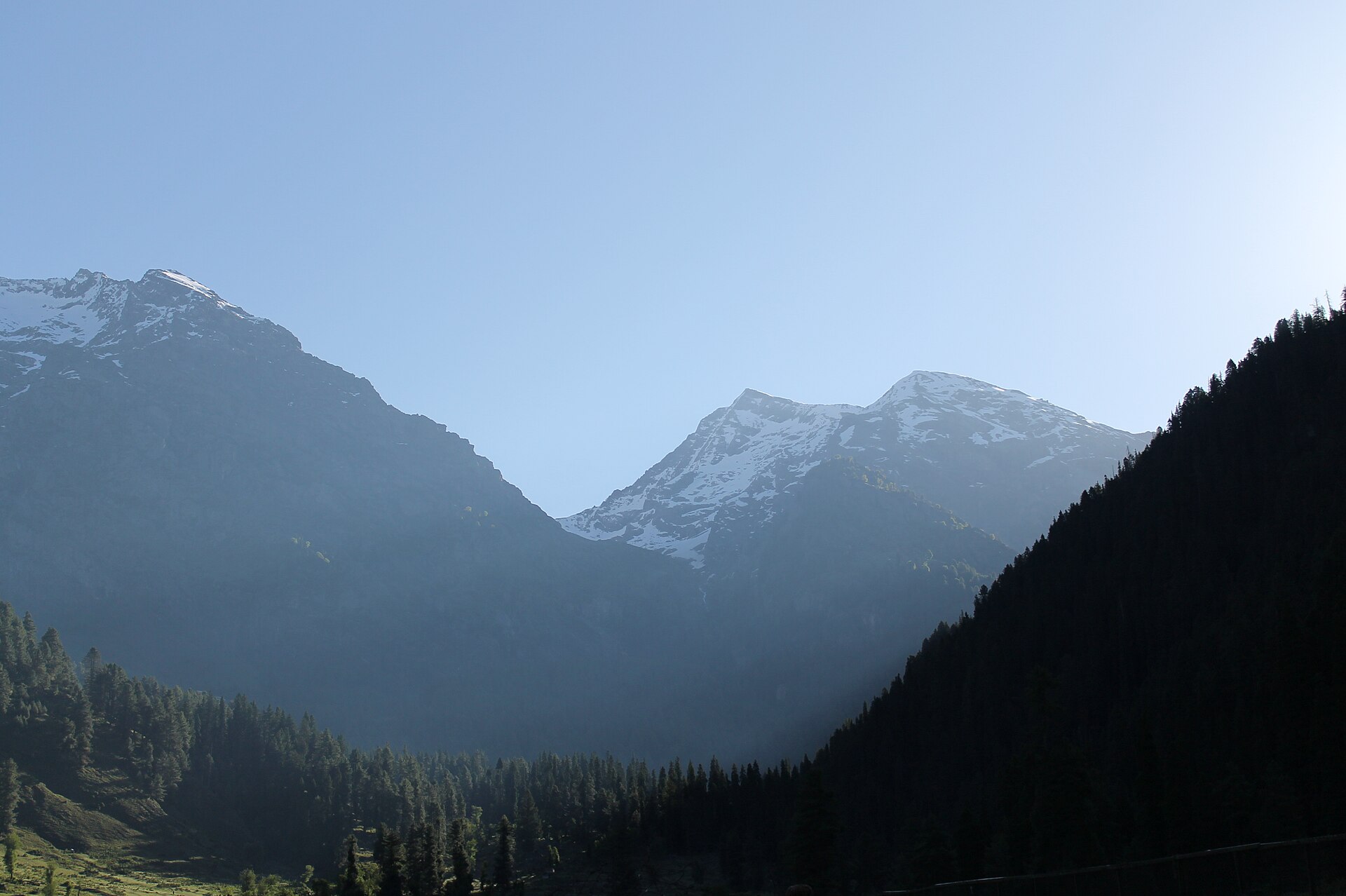
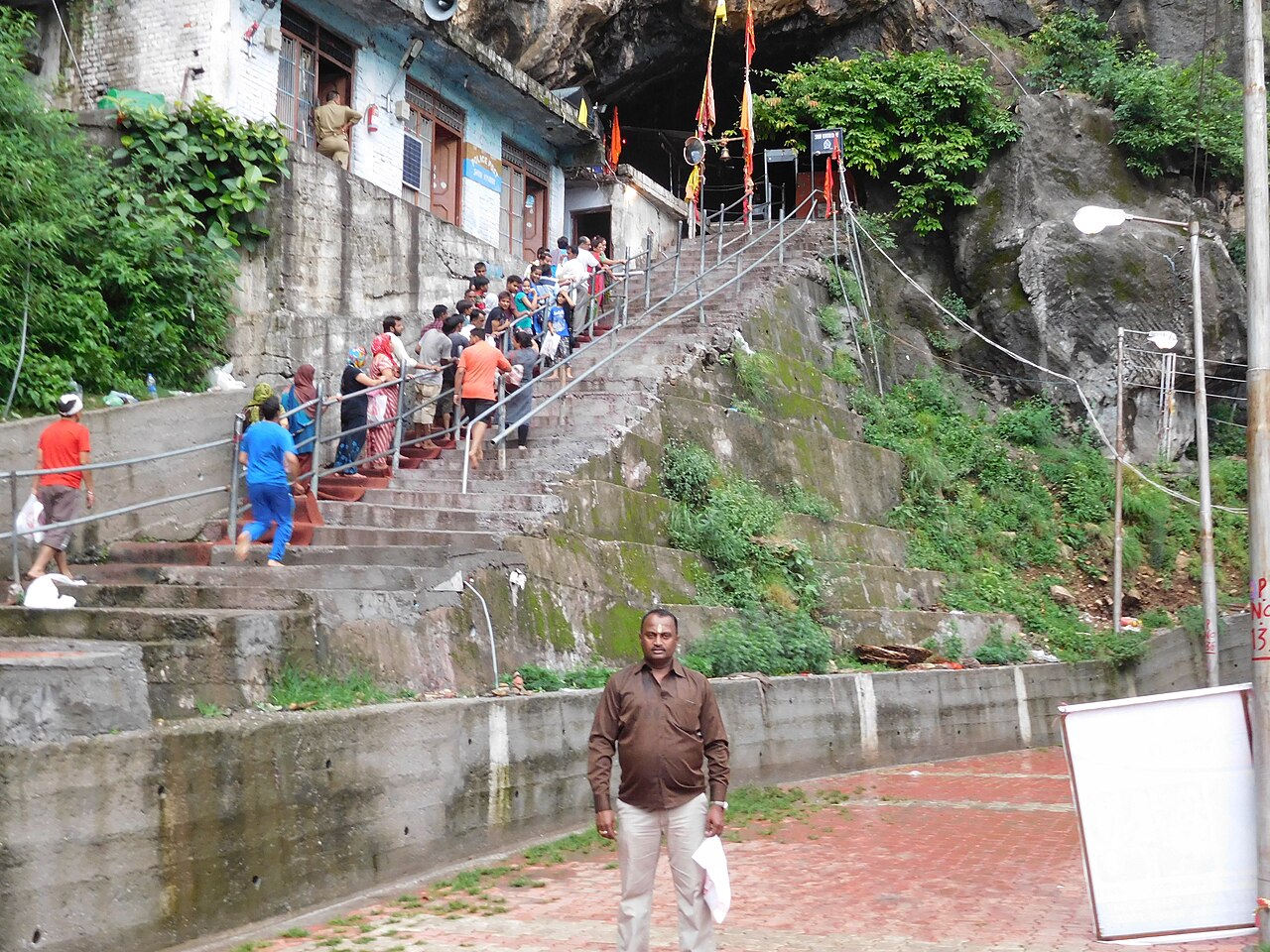
The early light offers the most comfortable trekking conditions.Photo: Sara Kothari · CC BY-SA 4.0
I once made the mistake of arriving in Reasi in mid-June, and within twenty minutes, the dry heat of the foothills had turned my afternoon trek into a genuine test of endurance.
The weather in Jammu is not a monolith. While the cities can be sweltering, the elevation change toward the Reasi district creates a different set of conditions that you need to be ready for. Understanding the rhythm of these seasons is the difference between a brisk, enjoyable walk to the cave and a slog that drains your energy.
When we plan trips for our clients, we look at more than just the temperature. We look at the humidity, the festival calendars, and the likelihood of sudden weather shifts. Here is my breakdown of how the climate changes throughout the year and the best time to visit Shiv Khori for your specific needs.
Understanding the Reasi Climate
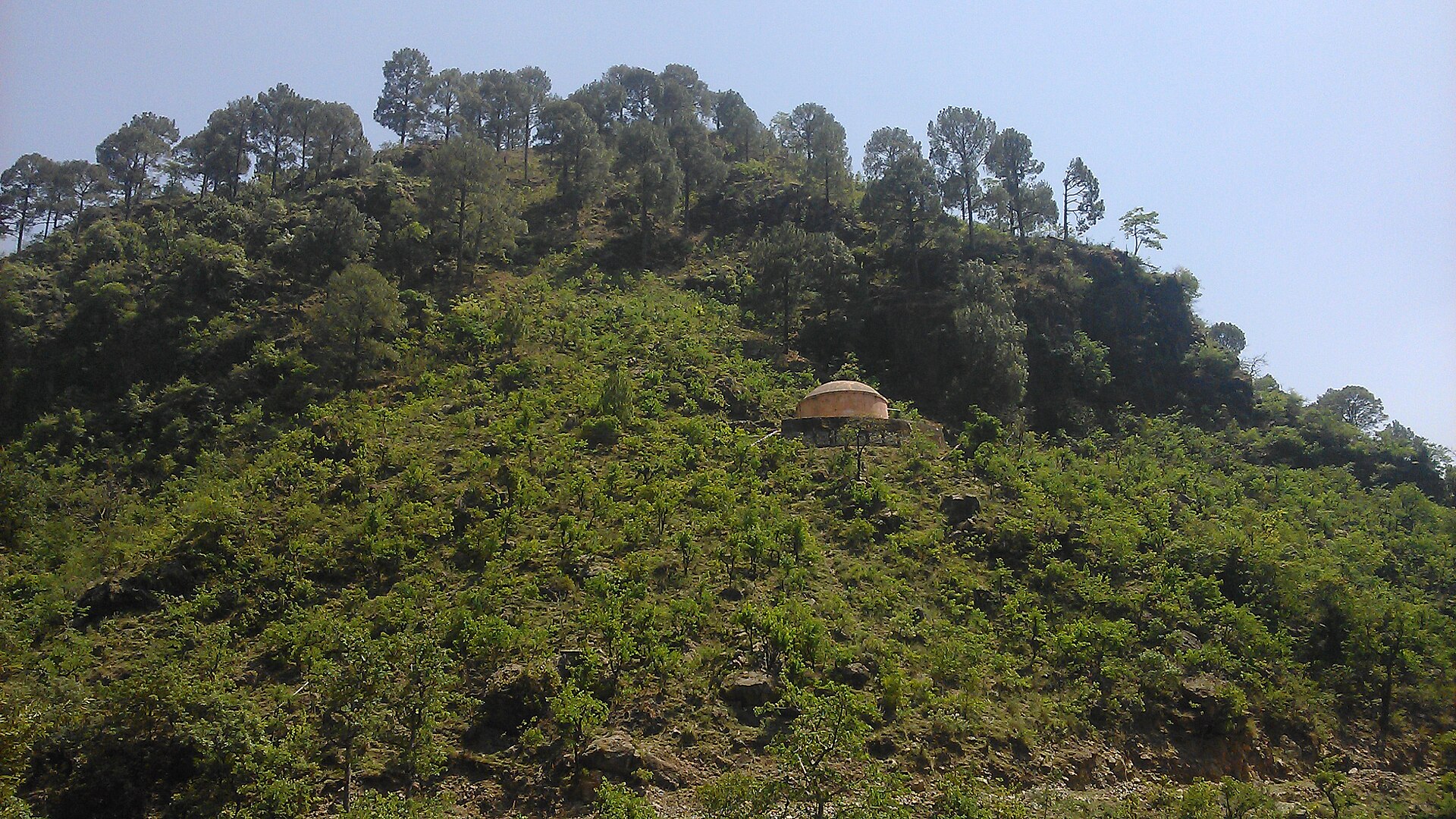
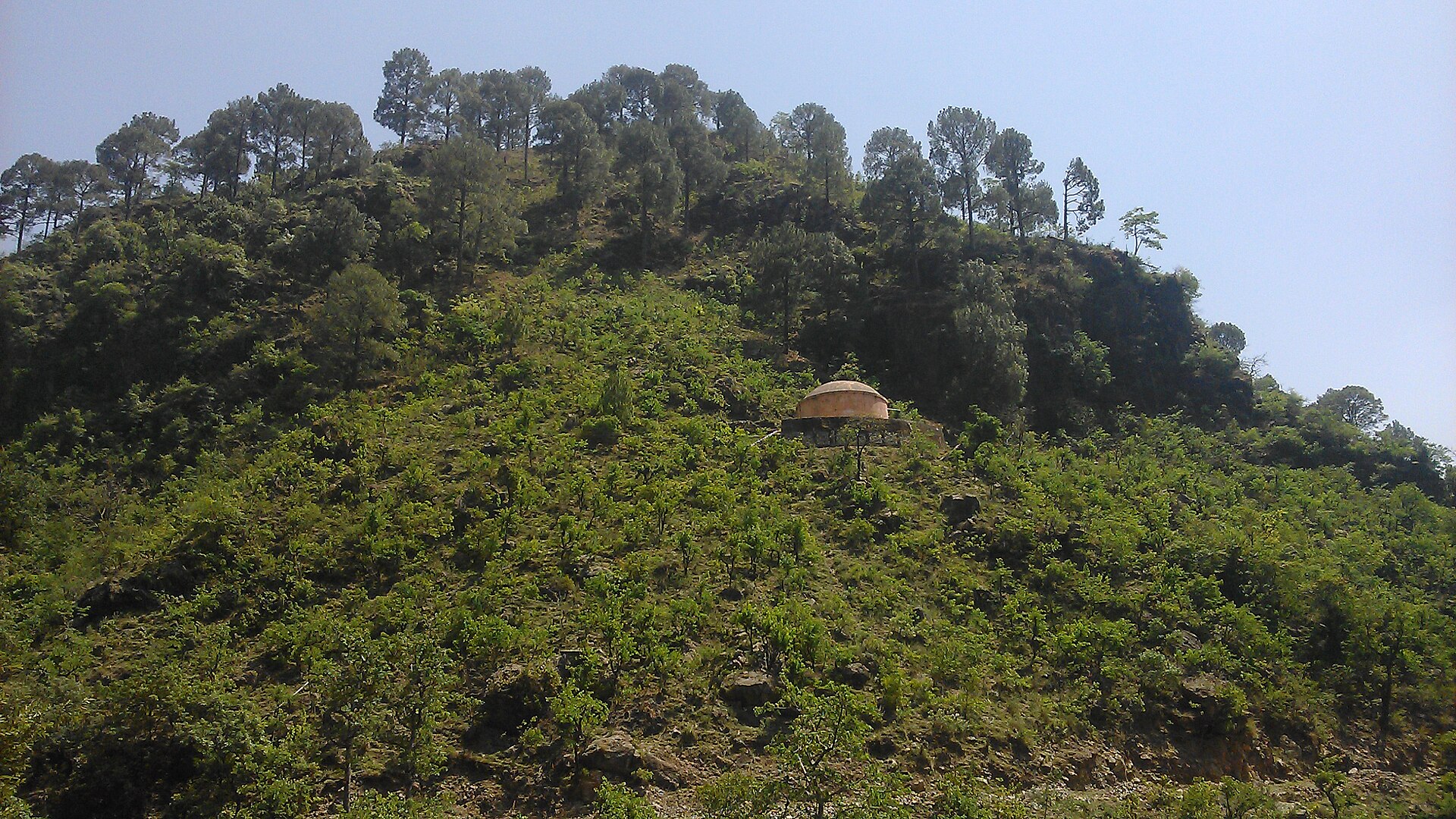
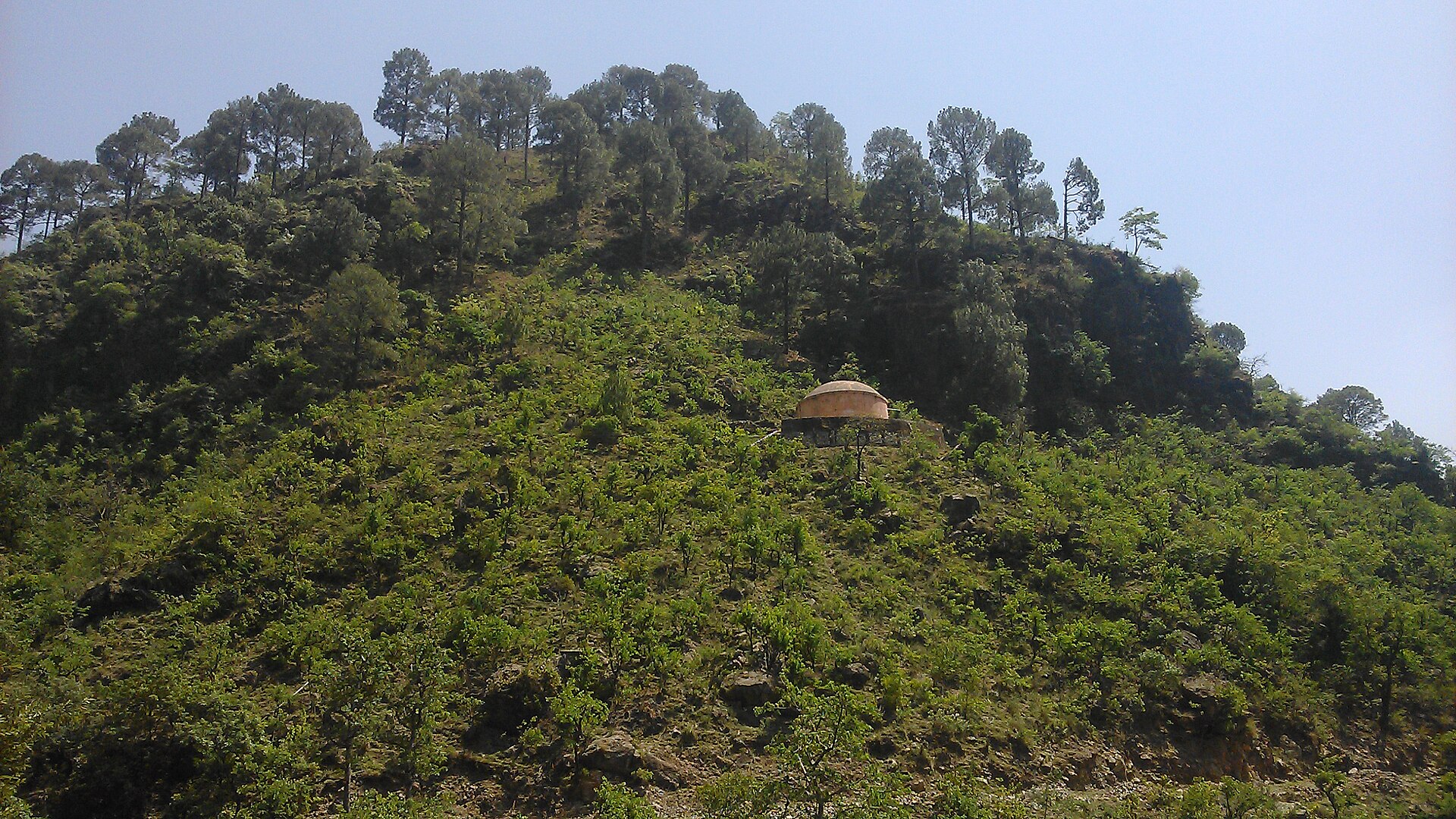
The climate here is best described as subtropical with a mountainous influence. During the summer, the valley traps the heat, and the sun reflecting off the rocky, arid ground can feel intense. If you aren't prepared with water, a hat, and appropriate clothing, you'll feel it before you even reach the halfway point of the trek.
In the winter, the situation reverses. As you climb, the air thins and the temperature drops rapidly, especially once the sun dips behind the hills. It is a dry cold, the kind that bites at your fingers, making the early mornings and evenings quite biting. You need to keep this contrast in mind when packing.
Spring and Autumn: The Ideal Window
If you want the best possible experience, aim for the shoulder seasons. March to May and September to November are the months I personally recommend. The weather is stable, the days are bright, and the temperatures are consistently mild. You can comfortably trek in the morning without worrying about the midday sun or the deep winter freeze.
Autumn, in particular, has a clarity to it. The sky is a sharp, deep blue, and the air is crisp. Walking the path during these months feels almost easy. If you are coming with family or want a more relaxed pace, these are the windows you should prioritize in your calendar.
Managing the Summer Heat
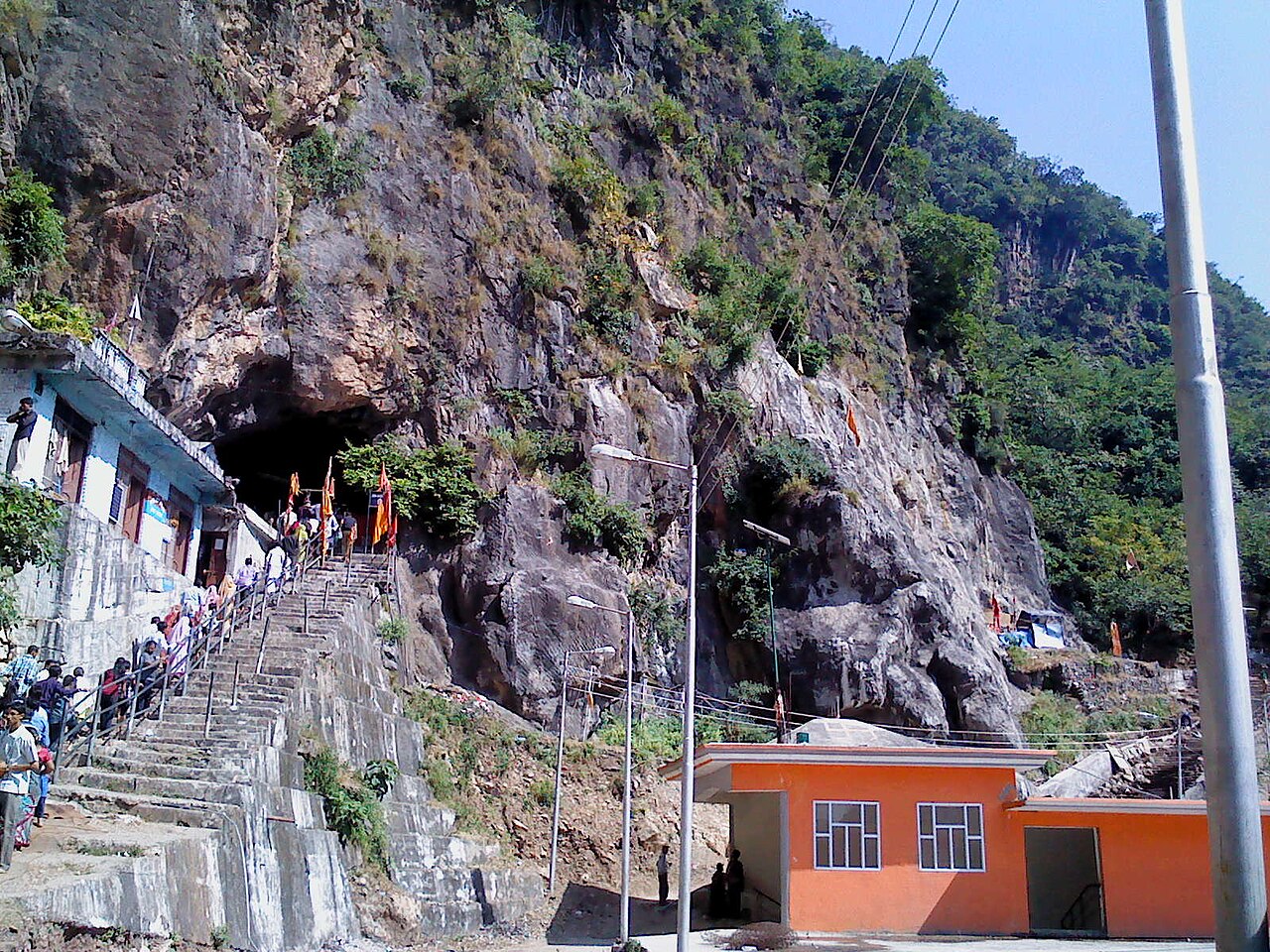
Summer starts in late May and lingers through August. I advise our clients to avoid this window if possible, but if you have no choice, the strategy is simple: start as early as the first light. Being on the trail by 6:00 AM means you can finish your darshan and head back down before the sun becomes truly oppressive.
By 11:00 AM, the heat reflecting off the stones is exhausting. Carry double the water you think you need, and don't hesitate to take long, slow rests in the shade of the small structures built along the path. There is no prize for rushing during the heat of the day.
Navigating the Winter Chill
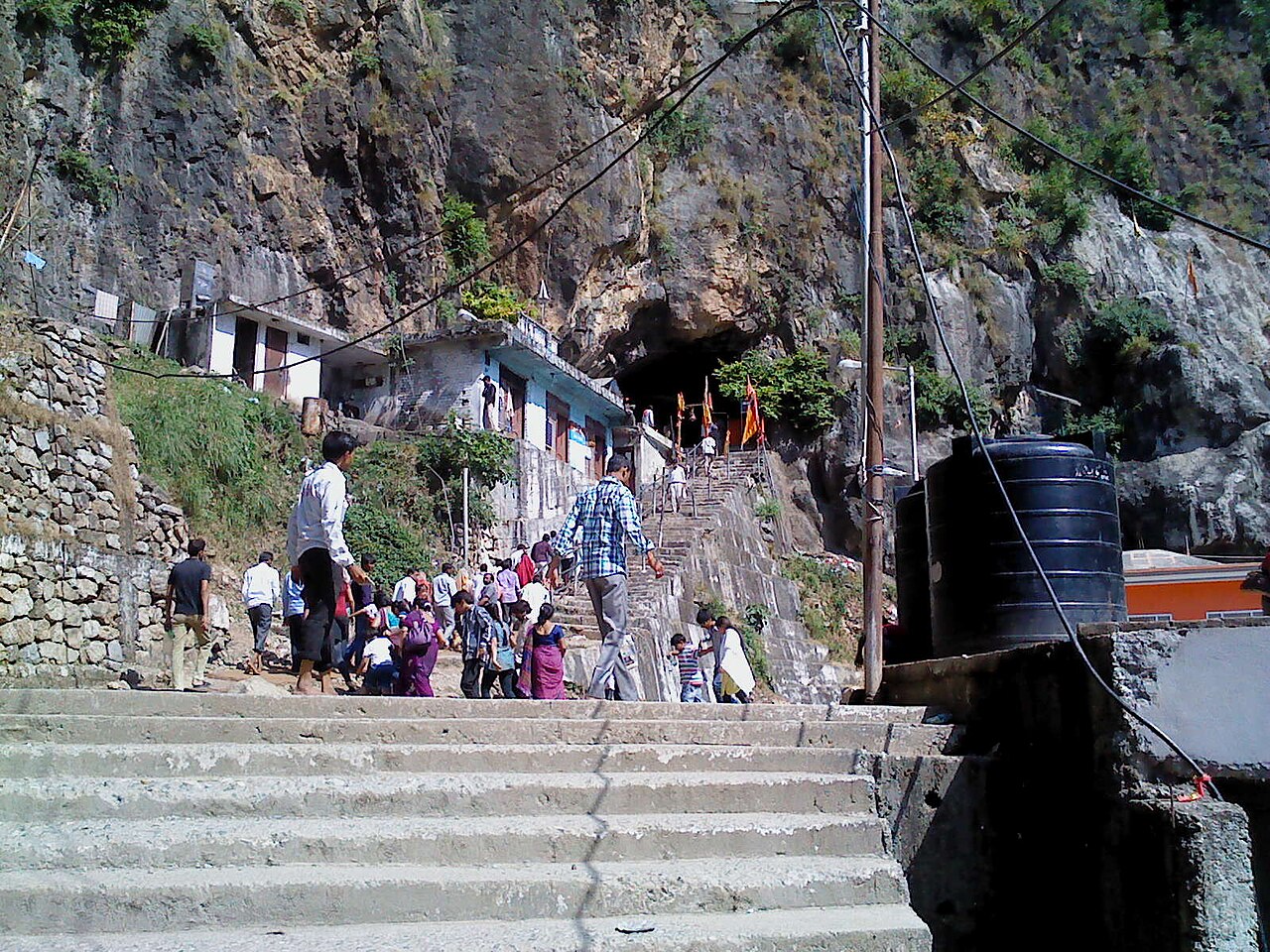
December to February brings the winter. It is quiet, serene, and cold. If you enjoy the silence of the mountains and don't mind a few layers, this can actually be a very rewarding time to visit. You won't face the long, agonizing queues seen during the warmer months.
The trade-off is the morning start. The stone path will be icy or frost-covered, and the walk up can be slippery. Wear shoes with good grip, and make sure your outer layer is windproof. You’ll find the cold adds a sense of solemnity to the pilgrimage, but you must be physically prepared for the dip in temperature.
Festival Seasons: Pros and Cons
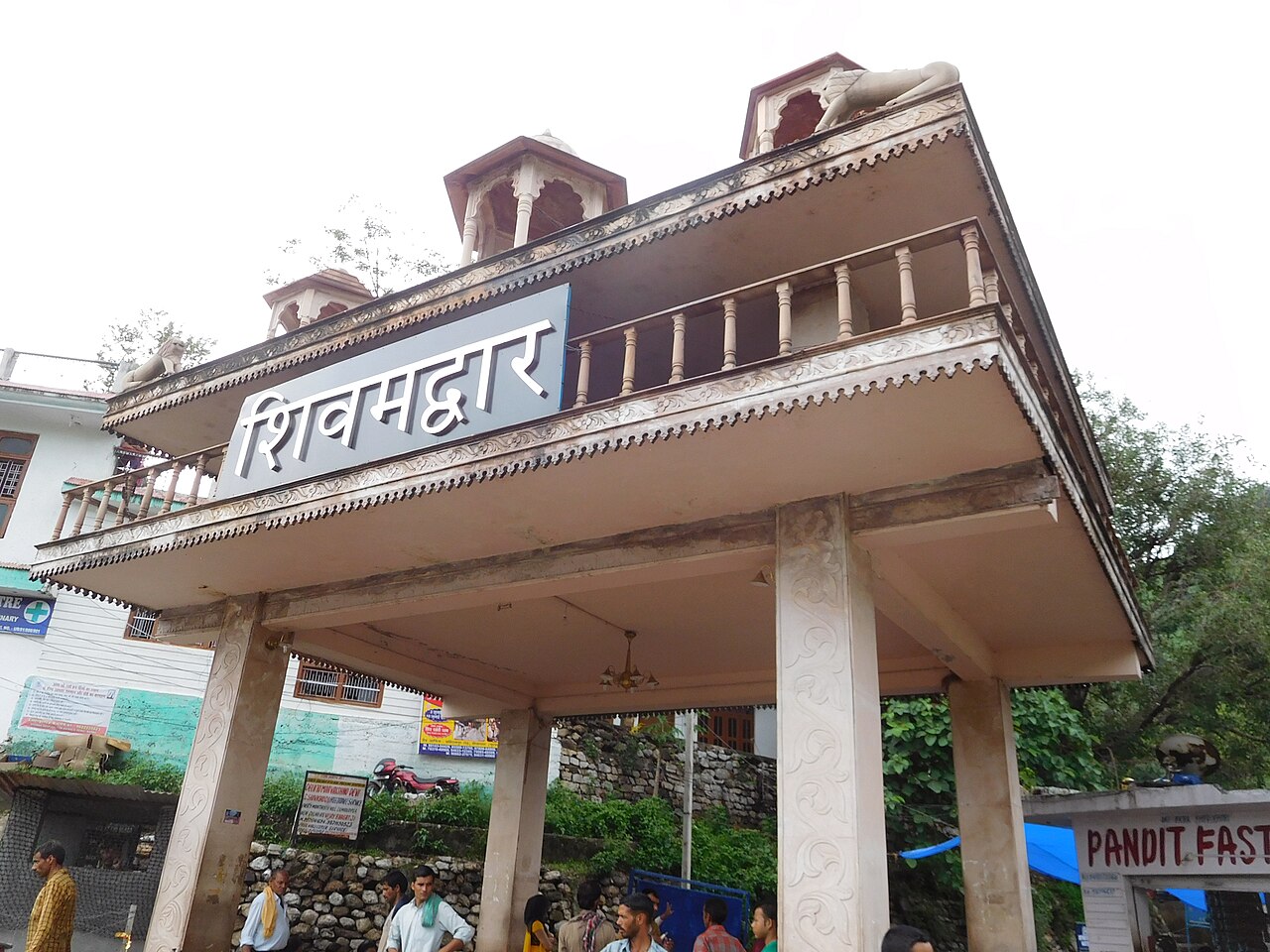
The Maha Shivratri festival, usually falling in February or March, is the pinnacle of the calendar here. Visiting during this time is an experience like no other; the energy is infectious, the decorations are elaborate, and the entire Ransoo base camp feels like one giant family gathering.
However, be warned: the crowds are immense. You will spend hours in queues, and the logistics of finding a car or a place to sit can be challenging. If you are coming for the spiritual intensity of the festival, it is well worth it. If you are coming for a calm, quiet walk, avoid these dates at all costs.
Before you book
Ultimately, the best time to visit Shiv Khori is whenever you can comfortably manage the climb. While spring and autumn offer the most pleasant conditions, each season brings its own atmosphere to the Reasi hills.
If you're not sure which month fits your travel style, or you need advice on current conditions, drop us a line. We help travellers navigate the Jammu season shifts every year and would be happy to help you refine your dates.
Need help timing your trip?
Don't leave your travel dates to chance. Get our expert advice on the best time to book your Jammu getaway.
Talk to an ExpertWritten by
Kashmir, Jammu & Ladakh specialists
We plan and run trips across Kashmir, Jammu and Ladakh every week of the year. Everything here comes from routes we drive, stays we inspect and questions our travellers actually ask.
Quick answers
Questions we get asked
Is Shiv Khori closed during the monsoon?
While the shrine remains open, heavy rainfall can lead to difficult trekking conditions and potential disruptions in local transport. It is generally safer and more enjoyable to visit outside of the peak monsoon months of July and August.
Does it snow in Shiv Khori?
It rarely snows at the level of the cave itself, but it can get extremely cold in the winter months. You should expect frost and biting winds rather than deep snow.
What should I pack for the weather?
Pack layers. Regardless of the season, a light jacket for the mornings and a hat for the sun are essentials. Good trekking shoes are non-negotiable for the stone path.
Which month is the most crowded?
The months surrounding the Maha Shivratri festival are the busiest. If you want to avoid the main rush, aim for April or October.
Can I visit in June?
You can, but it is hot. We advise starting your trek at daybreak and ensuring you have adequate hydration to handle the midday temperature spike.
Photography credits
- Photo: Sara Kothari · CC BY-SA 4.0
- Photo: Shail112 · CC BY-SA 4.0
- Photo: Itzseoprasoon · CC BY-SA 4.0
- Photo: Devika Robin Singh · CC BY-SA 4.0
- Photo: Devika Robin Singh · CC BY-SA 4.0
- Photo: Itzseoprasoon · CC BY-SA 4.0
- Photo: Wikimedia Commons · Public domain