Travel Safety and Practical Tips for Visiting Shiv Khori
Everything you need to know about pilgrimage safety and local conditions before heading to the holy cave.
Wondering if shiv khori safe to visit? Read our practical guide covering local conditions, cave navigation, health precautions, and emergency services.
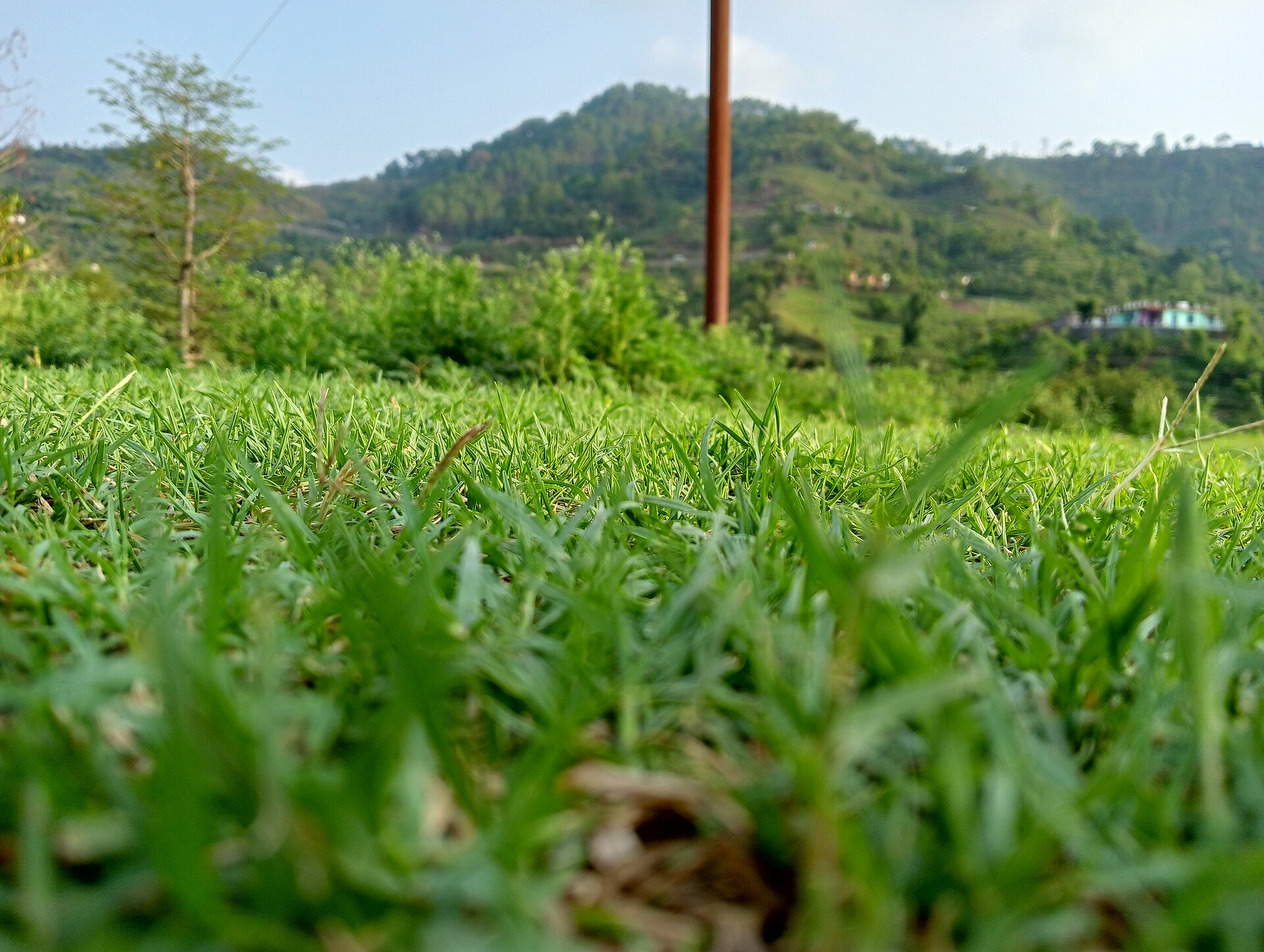
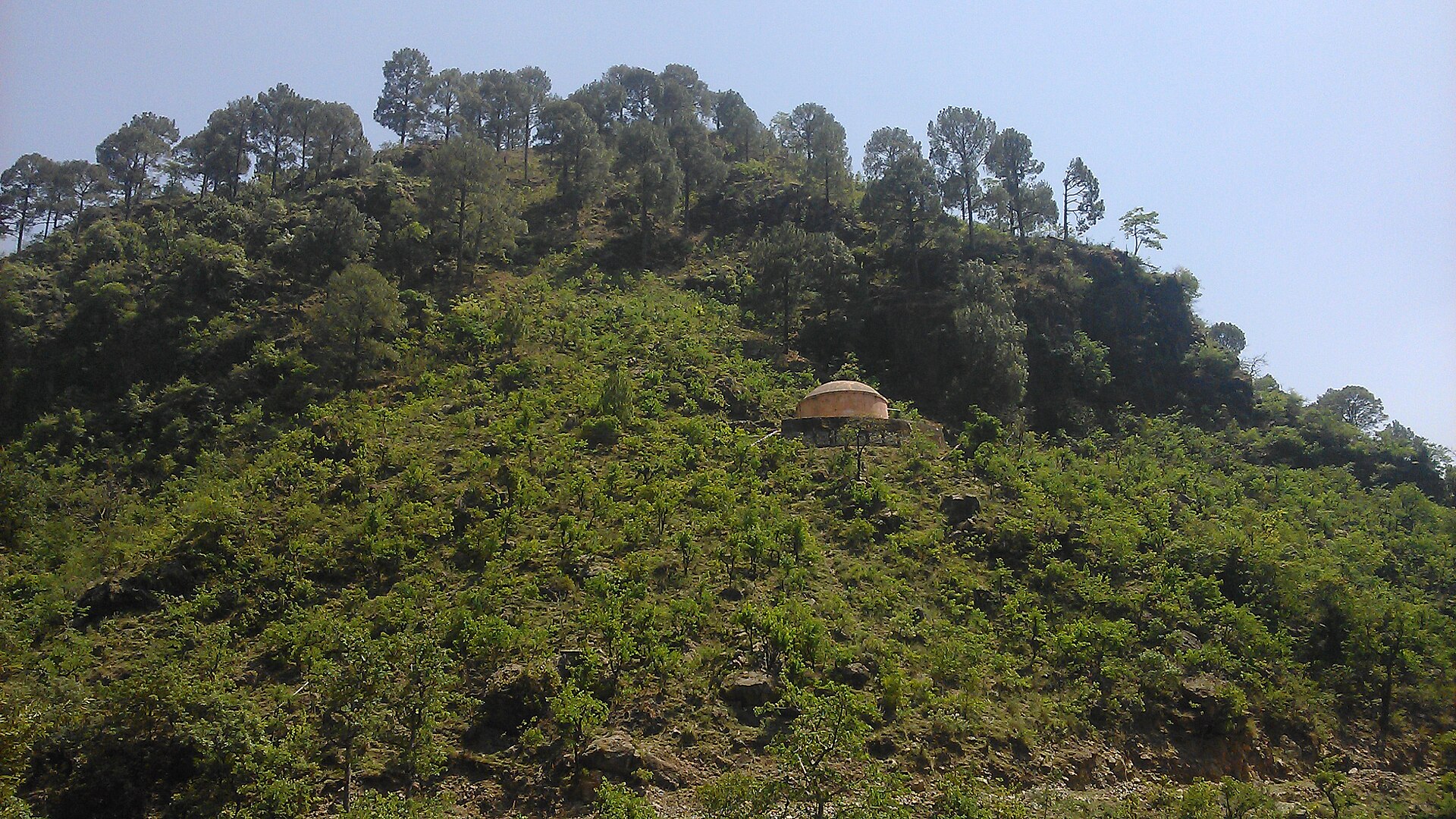
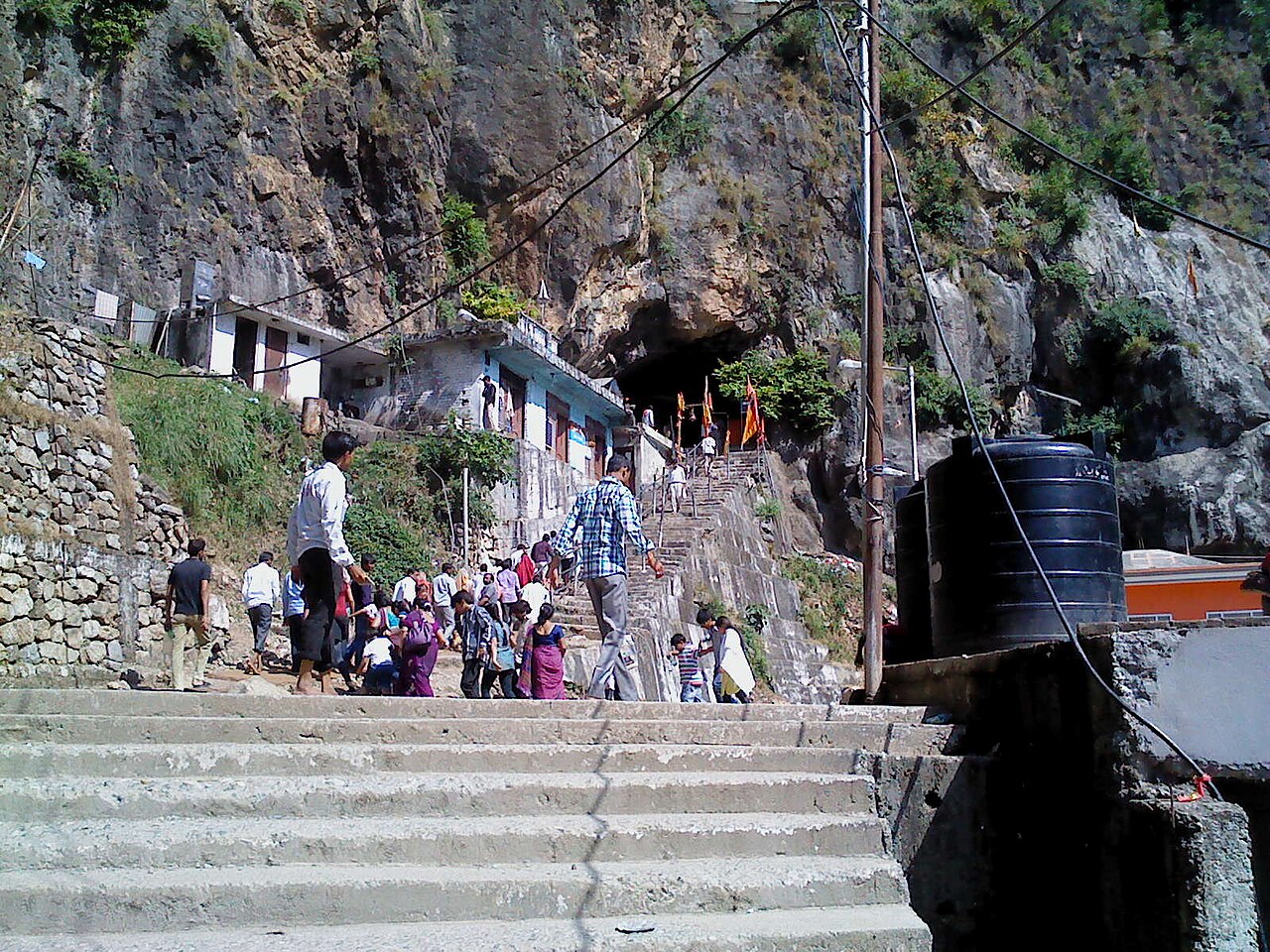
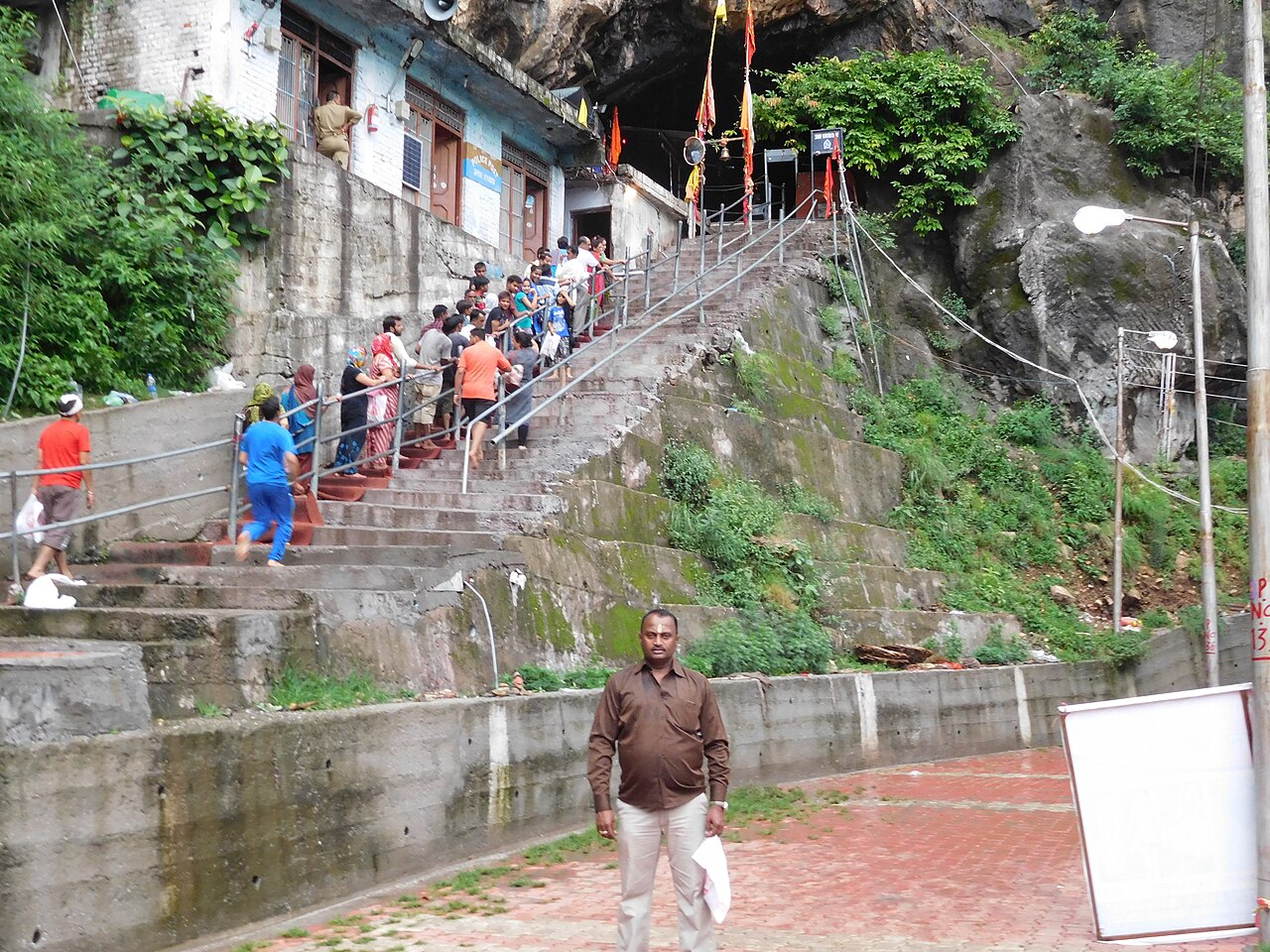
The main approach route welcomes thousands of devotees every day.Photo: 02addicted · CC0
The first time I stepped onto the walking track leading to Shiv Khori, the sheer volume of pilgrims marching towards the Reasi hills struck me. People often ask me if shiv khori safe for families, solo travellers, and elderly pilgrims planning a journey through Jammu.
The short answer is yes, the route and the cave are well-regulated by local authorities, but physical preparedness matters just as much as security. When you plan a trip to see this natural rock formation dedicated to Lord Shiva, knowing what to expect on the ground prevents minor slip-ups from turning into major headaches.
General Safety Standards and Local Cultural Norms
Security along the pilgrimage route from Ransoo village to the cave entrance is taken seriously by the local administration. Police checkpoints are frequent, and bag inspections happen regularly at entry points to keep the pathways orderly.
Respecting local customs goes a long way towards ensuring a smooth journey. Dress modestly, keeping shoulders and knees covered, as this is an active religious site deeply revered by locals in Jammu. Avoid carrying unnecessary valuables, and keep your cash in small denominations for ease of transactions at tea stalls and donation boxes.
- Expect mandatory security checks at the main gate in Ransoo.
- Keep local emergency numbers saved on your phone before starting the trek.
- Wear loose, modest clothing suited for a religious site and physical walking.
Navigating the Narrow Cave Environment
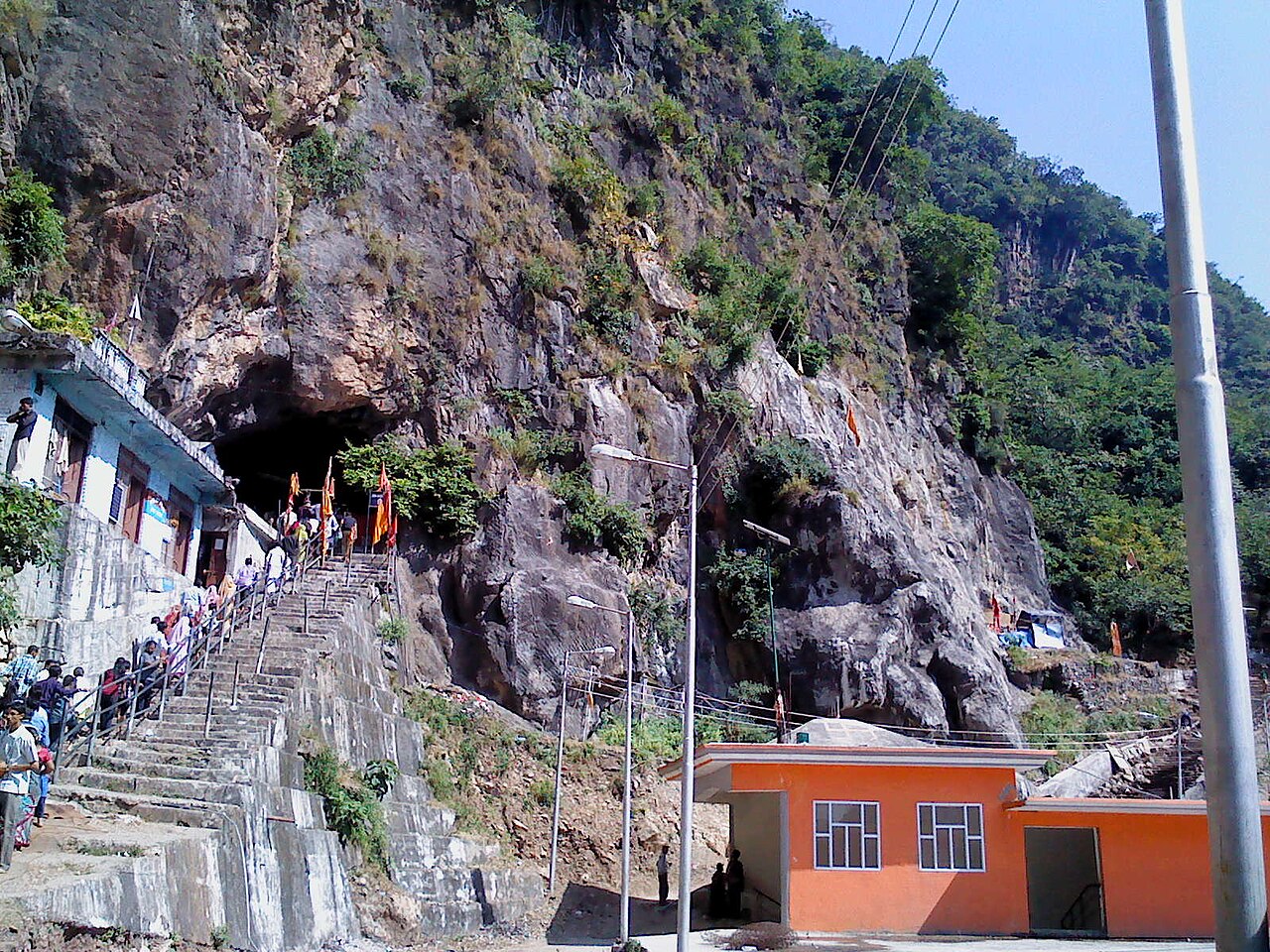
The main attraction is a one-metre-high cave that stretches for nearly a hundred metres, ending in the inner sanctum where the natural Shiva Lingam rests. Walking through this narrow passage requires patience, especially during peak festival seasons like Maha Shivratri.
Lighting inside the cave is adequate, but the floor can be wet and slippery due to water dripping from the ceiling. Wearing footwear with good rubber traction is non-negotiable here. If you suffer from severe claustrophobia, take a moment to evaluate whether squeezing through the tightest section of the cave is right for you.
- Expect wet and slick stone surfaces inside the damp cavern.
- Queues can move slowly inside the narrow sections during peak hours.
- Headlamps or phone flashlights help, though government lighting is installed.
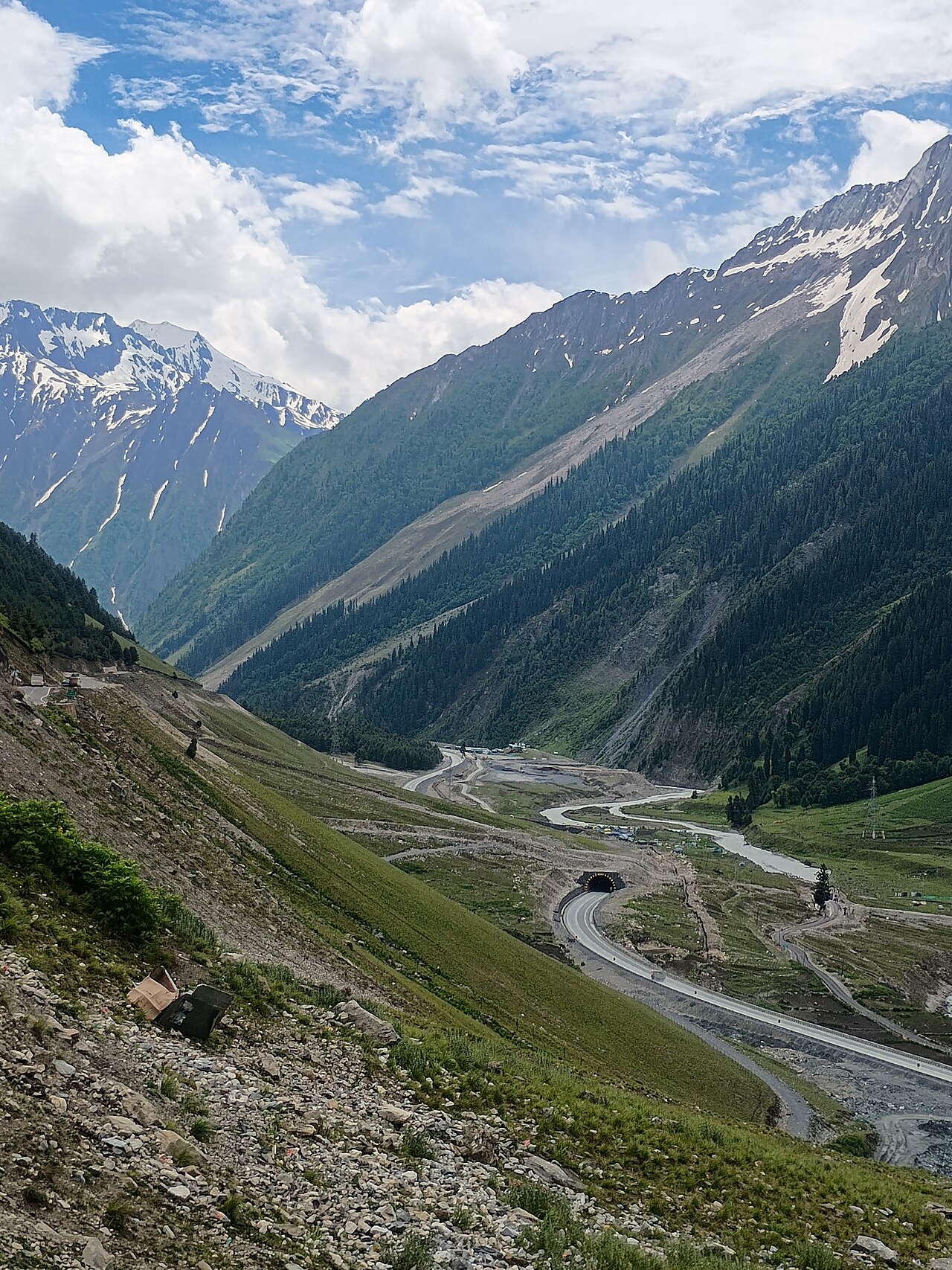
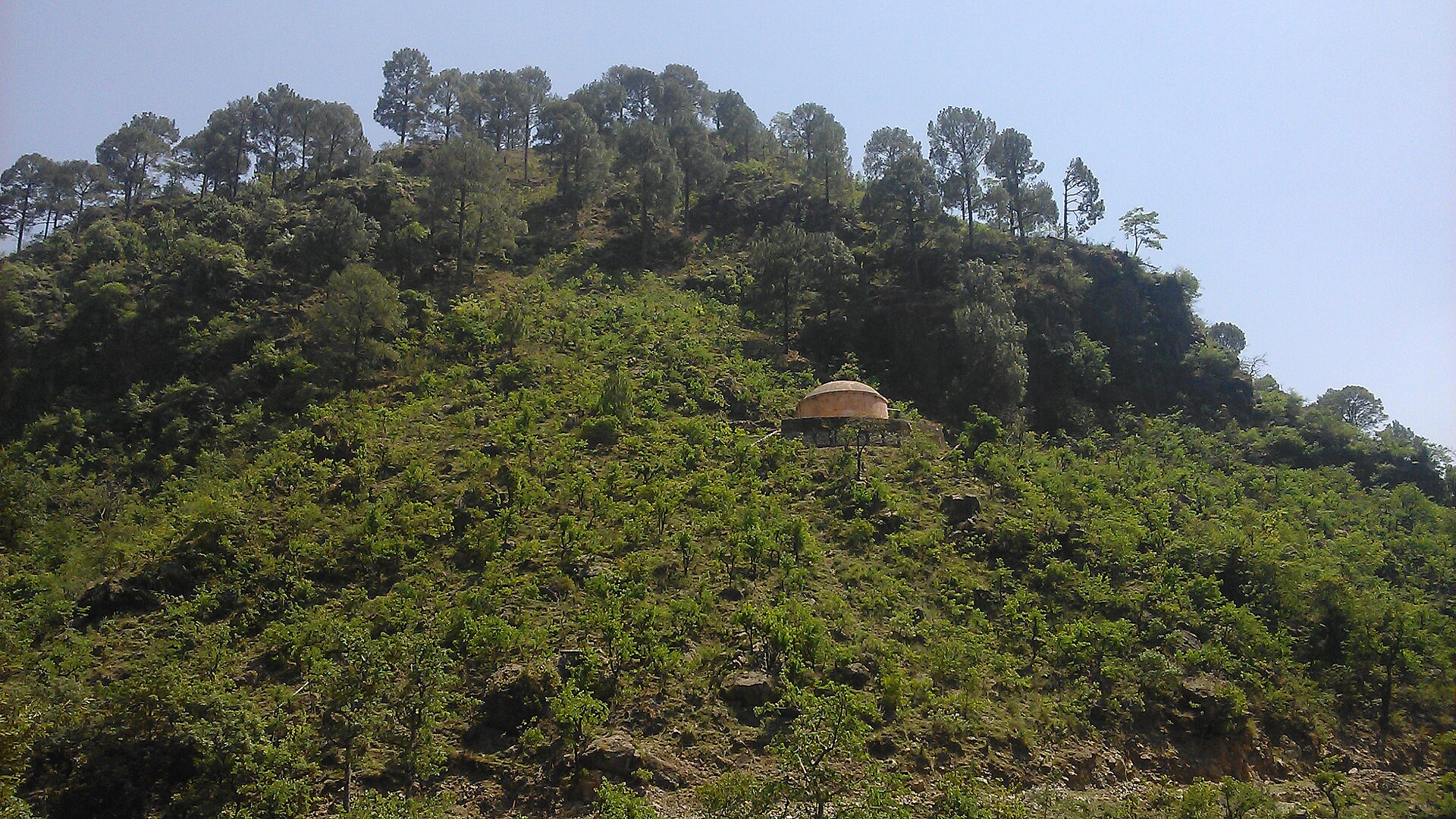
The journey to the cave involves a three-kilometre trek featuring a mix of paved walkways and moderate staircases.
Health Precautions and Physical Demands
The journey to the cave involves a three-kilometre trek from Ransoo village, featuring a mix of paved walkways and moderate staircases. While it is less gruelling than Vaishno Devi, the continuous incline can still catch unfit travellers off guard.
Hydration is crucial, particularly during the hot summer months when temperatures in the Reasi district climb past thirty-five degrees Celsius. Pack oral rehydration salts and light snacks, though numerous stalls along the path sell bottled water, tea, and fresh nimbu pani.
- Take regular breaks at the shaded resting spots along the three-kilometre track.
- Carry basic medicines for headaches, blisters, and stomach upsets.
- Pony and palanquin services are available for elderly or mobility-impaired visitors.
Emergency Services and Medical Assistance
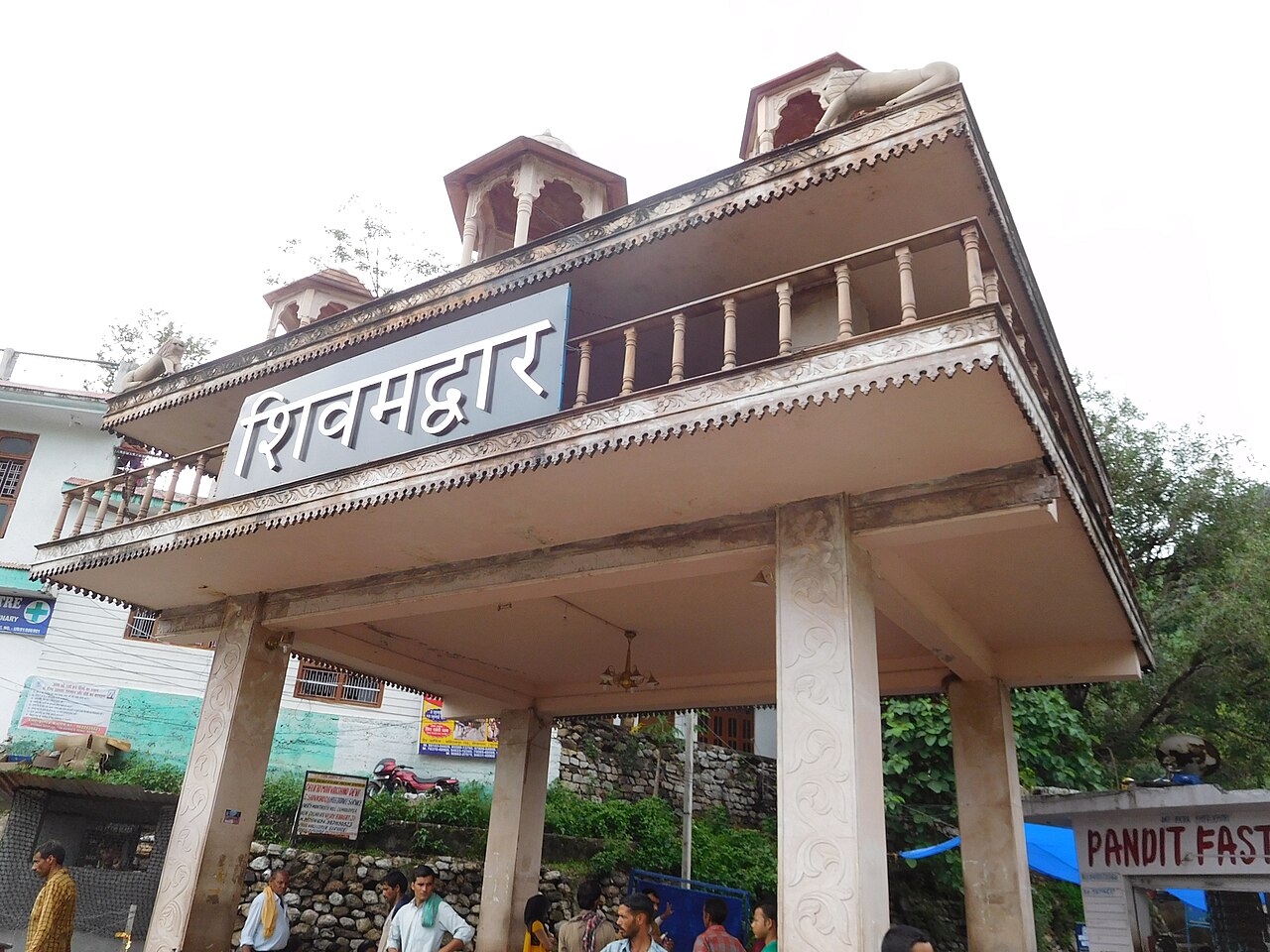
Medical booths operated by local health authorities are stationed near the base camp in Ransoo and along the main walking trail. In case of sudden exhaustion, minor injuries, or altitude-related fatigue, trained personnel are available to provide first aid.
Mobile network coverage along the route is generally functional for major operators like Jio and Airtel, ensuring you can stay connected with your travel party or call for help if needed. However, data speeds can fluctuate inside deep gorges, so do not rely solely on online maps.
- First aid stations operate near the Ransoo base camp and midway points.
- Ambulance services are stationed near the main parking lots for emergencies.
- Local police patrol the entire walking corridor to assist lost travellers.
Reliable Local Transport and Transit Safety
Reaching the base camp from Katra or Jammu requires navigating winding mountain roads that hug the hillside. Hiring a trusted local driver who knows the terrain makes all the difference, especially during monsoon months when occasional landslides can affect road conditions.
For a well-planned itinerary that covers multiple regional shrines safely, many visitors combine their trip with a visit to destinations like the ancient Raghunath Temple or Bahu Fort in Jammu. We regularly arrange verified transport for our guests; you can learn more about our dedicated routes on our Shiv Khori destination page or reach out through our contact page for personalized advice.
- Book cabs through registered operators rather than flagging random vehicles.
- Start your journey early in the morning to avoid driving on mountain roads after dark.
- Check local weather updates before heading out from Katra or Jammu.
Before you book
Visiting the sacred cave shrine is an enriching experience that connects you deeply with the spiritual landscape of Jammu. By respecting local guidelines, staying hydrated, and keeping safety precautions in mind, your journey will remain smooth and memorable.
If you need help planning a seamless pilgrimage that pairs Shiv Khori with other regional landmarks, our team is always ready to assist. Feel free to explore our detailed tour packages or drop us a message to discuss your travel plans.
Plan Your Jammu Pilgrimage With Local Experts
Let us take care of transport, verified guides, and itinerary planning so you can focus entirely on your spiritual journey.
Contact Our Travel TeamCaption for your own post
Step into the sacred hills of Reasi. Here is what you need to know about safety, local transport, and navigating the holy cave at Shiv Khori.
Written by
Kashmir, Jammu & Ladakh specialists
We plan and run trips across Kashmir, Jammu and Ladakh every week of the year. Everything here comes from routes we drive, stays we inspect and questions our travellers actually ask.
Written by a senior editor based in Srinagar who has personally walked the Reasi pilgrimage tracks across multiple seasons.
Quick answers
Questions we get asked
Is Shiv Khori safe for solo female travellers?
Yes, the route sees thousands of families and pilgrims daily with active police presence. Standard common-sense travel precautions apply, and starting your trek during daylight hours is always recommended.
Are there medical facilities available on the trekking route?
Basic first aid and government medical booths are located at the Ransoo base camp and along the walking track to handle exhaustion, minor injuries, and altitude fatigue.
How difficult is the walk inside the cave?
The cave passage is narrow, damp, and roughly a hundred metres long. The floor can be slippery, requiring steady footwear and patience while moving through crowds.
Can elderly people visit Shiv Khori easily?
Yes, ponies, palanquins, and walking sticks are readily available at the base camp in Ransoo to assist elderly or mobility-impaired visitors across the three-kilometre trail.
What is the best time of day to start the trek?
Starting early in the morning around 7:00 AM helps you beat the midday heat, avoid heavy crowds inside the cave, and ensures a relaxed return journey before sunset.
Photography credits
- Photo: 02addicted · CC0
- Photo: Shail112 · CC BY-SA 4.0
- Photo: Devika Robin Singh · CC BY-SA 4.0
- Photo: Rajani Gairshail · CC BY-SA 4.0
- Photo: Itzseoprasoon · CC BY-SA 4.0
- Photo: Itzseoprasoon · CC BY-SA 4.0
- Photo: Devika Robin Singh · CC BY-SA 4.0