How Long Does It Take to Walk From Katra to Vaishno Devi?
Planning your walk to the shrine? Here is exactly how long it takes to walk from Katra to Vaishno Devi, plus tips on pacing and timing your ascent.
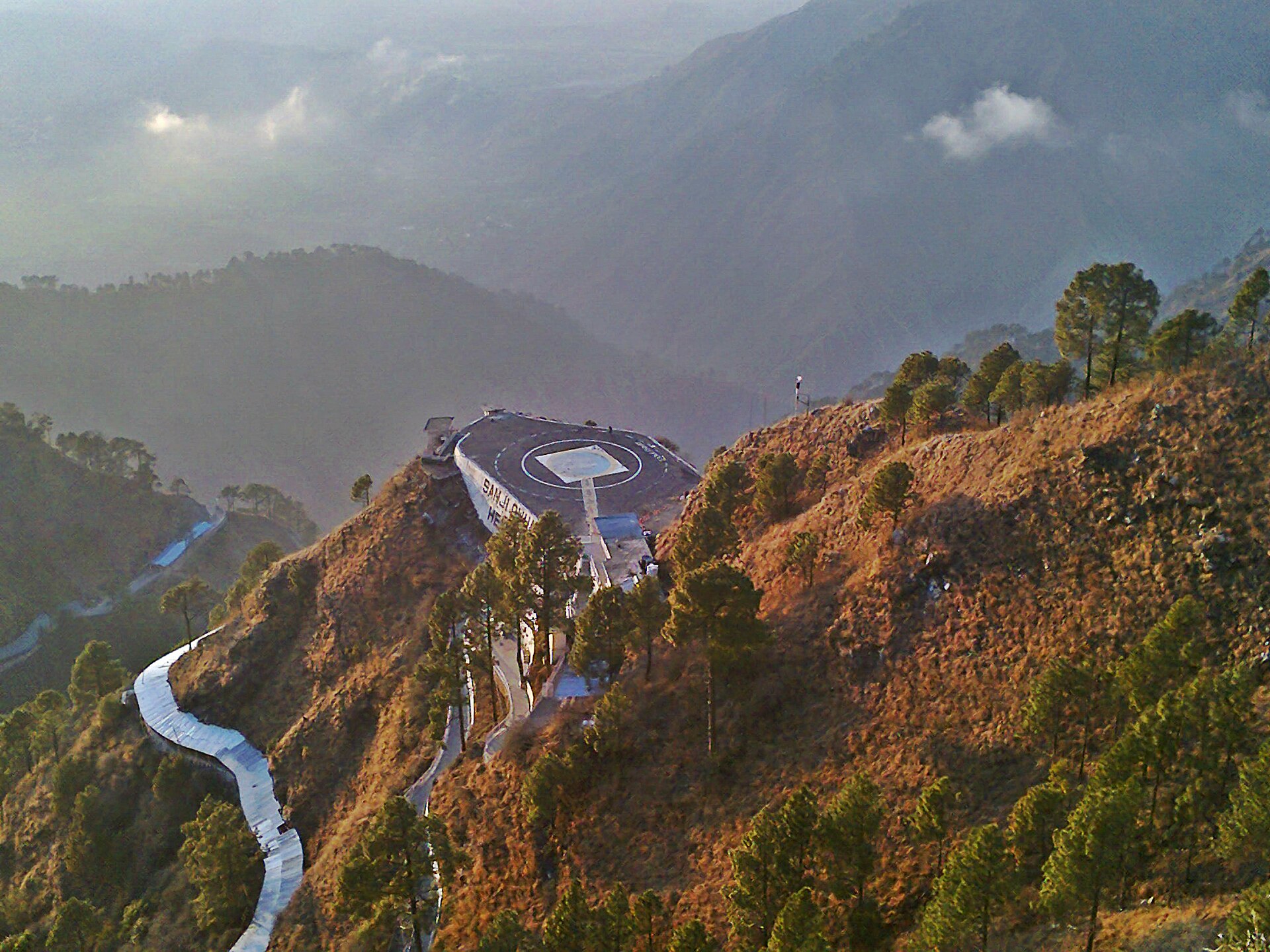
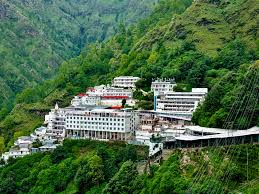
The 13km trail is a constant, steady climb through the mountains.Photo: Piyush Tripathi · CC BY-SA 4.0
Most people underestimate the climb until they are halfway through the second hour, their legs burning from the steady, relentless incline of the Trikuta foothills. Walking from Katra to Vaishno Devi is not like a casual stroll in a park; it is a serious mountain trek that demands respect.
If you are figuring out your schedule, you need to know more than just the distance. You need to understand how the terrain affects your speed. Whether you are a regular hiker or someone just starting out, knowing what to expect during your walk from Katra to Vaishno Devi will help you manage your time and your energy.
The 13-Kilometre Path Explained
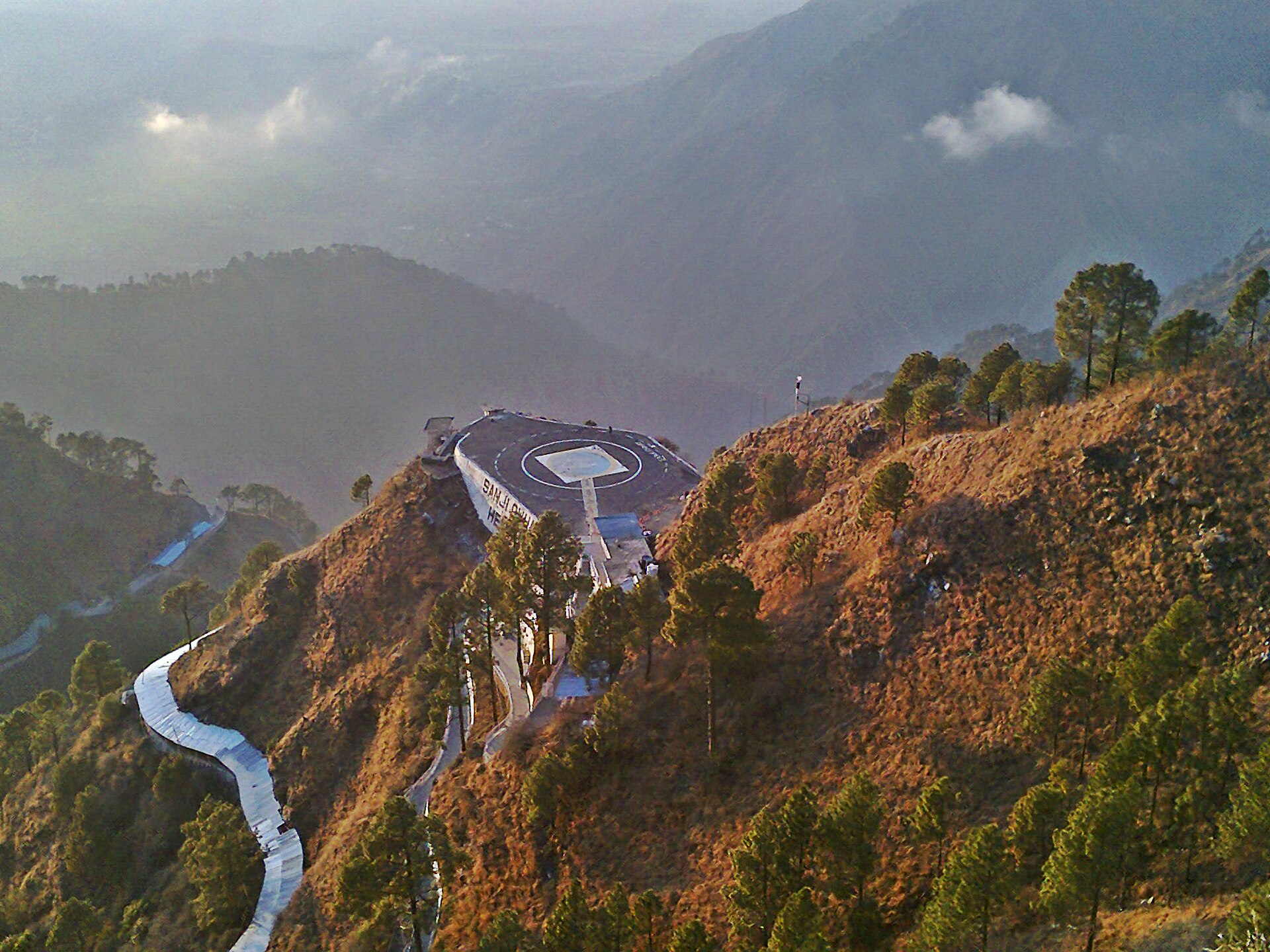
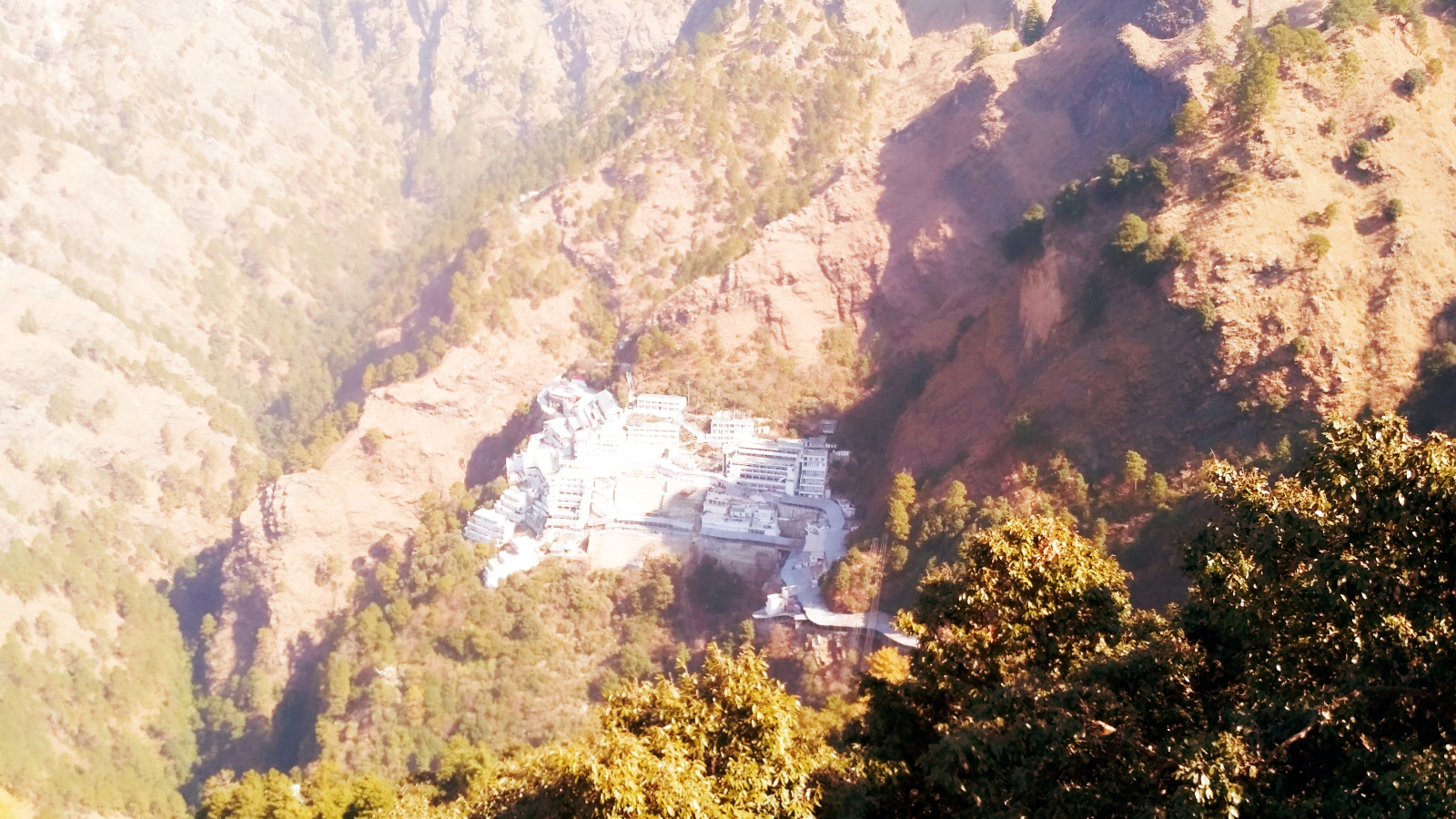
The distance is fixed at 13 kilometres, but in the mountains, distance is a secondary metric to elevation gain. You are climbing up a paved track that winds its way through the mountain range. There are no sudden peaks, just a constant, steady ascent that never really gives your muscles a chance to relax.
Most pilgrims complete the distance in one go. However, the path isn't a straight line; it is a series of switchbacks. Every turn is an opportunity to re-evaluate your pace. For those who want to know the logistics, reading about our <a href="/destinations/jammu/vaishno-devi">detailed yatra experience</a> can provide more context on the trail conditions.
Average Walking Speeds for Pilgrims
If you walk at a steady, moderate pace without stopping, you might reach the Bhawan in about 3.5 to 4 hours. But practically speaking, this is not how it works. You will slow down due to crowds, the need for water, or simply because your breathing becomes shallow in the higher altitude.
Expect a realistic walking time of 6 to 8 hours for a comfortable, sustainable pace. If you are travelling with family, plan for 9 hours. There is no benefit to rushing; the main goal is to reach the shrine feeling composed and ready for your visit.
Why Rest Stops Affect Your Arrival Time
The trail is peppered with kiosks and shops. It is incredibly easy to stop every kilometre for a quick tea or a rest. These five-minute breaks accumulate. By the time you reach the final stretch, you may have spent an extra hour just resting.
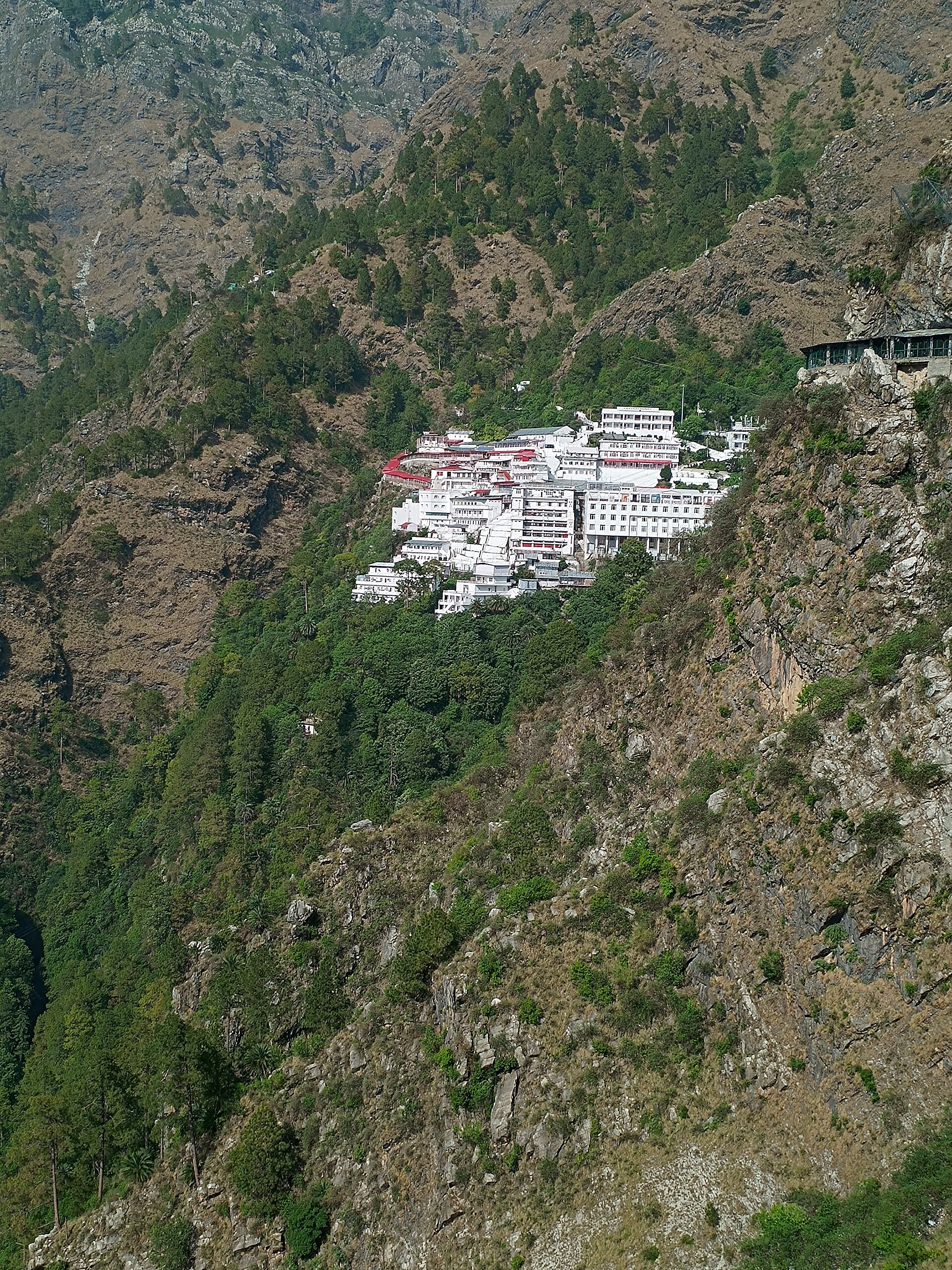
I suggest keeping your stops short and purposeful. Have a longer meal at Ardhkuwari, but try to keep the other breaks to just a few minutes of standing to stretch your back and hydrate. Your goal should be to maintain a rhythm—a constant forward motion rather than 'stop-and-start' bursts.
Night Walk vs Day Walk Considerations
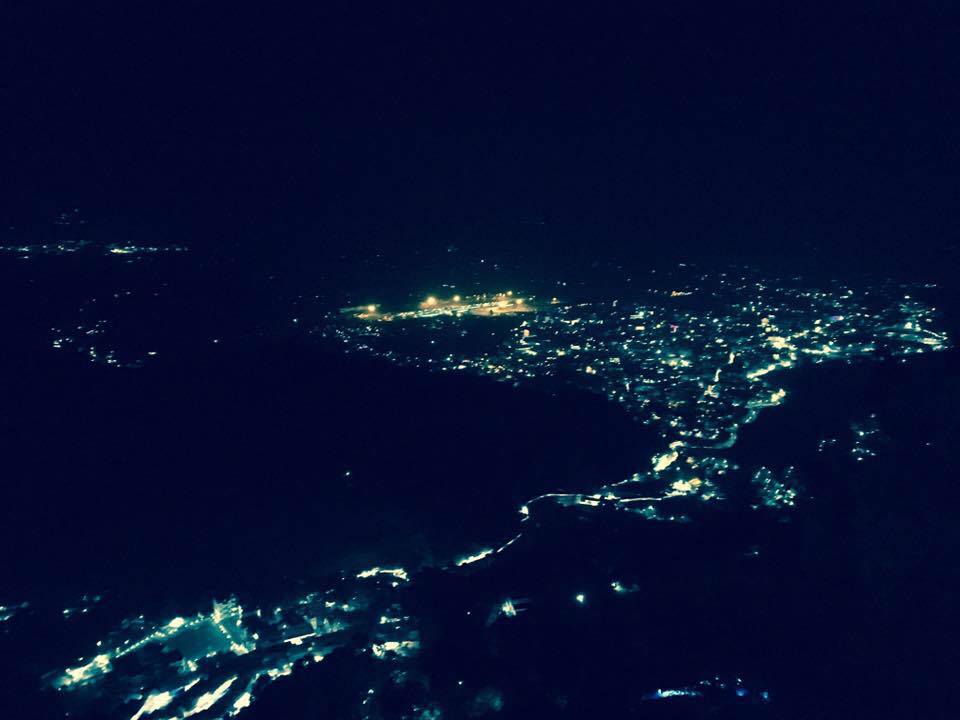
Many people choose to walk at night to avoid the sun and the midday heat. The air is cooler, and there is something profound about the lights of the shrine visible in the distance. However, walking at night means you lose the scenic view of the surrounding valleys.
If you decide to walk at night, ensure you have a comfortable pair of shoes as the concrete stays hard. If you walk during the day, bring a hat and plenty of sunscreen. The sun on the mountain slopes can be intense, even in the colder months.
How to Track Your Progress Effectively
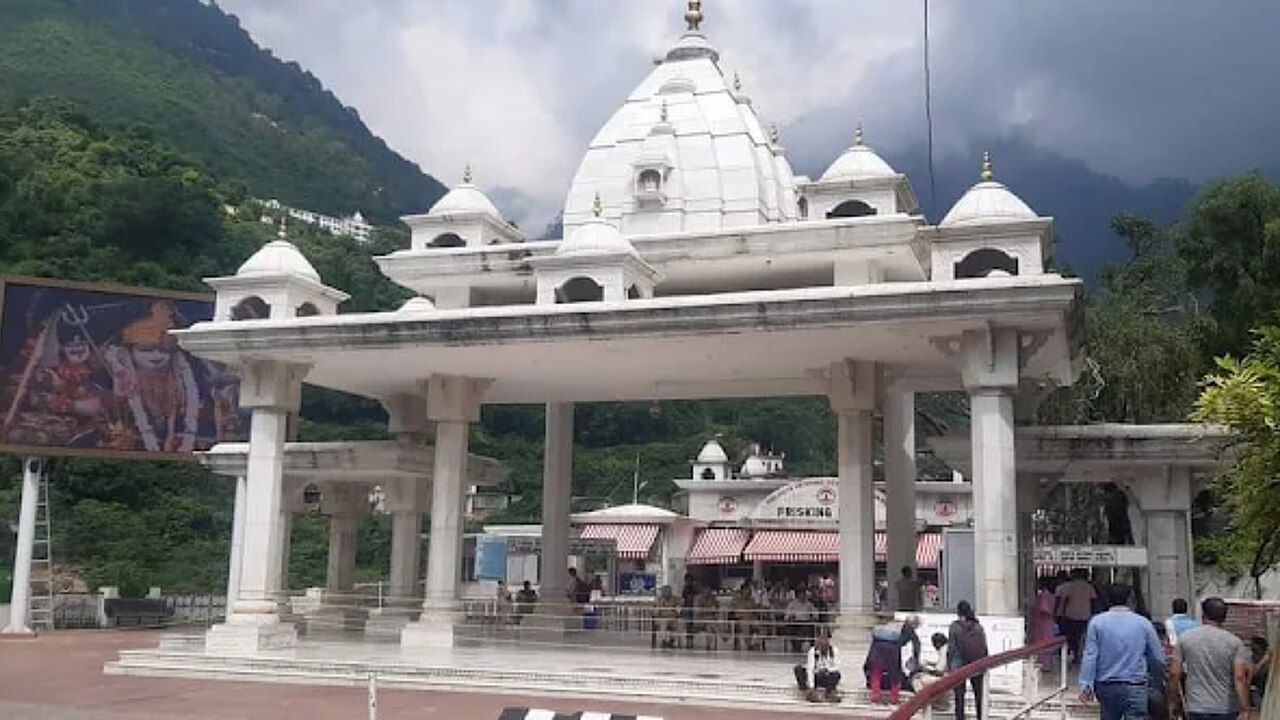
Don't obsess over your phone's GPS or step counter. Instead, use the physical signs installed by the Shrine Board. They clearly indicate how far you have travelled and how much is left to the Bhawan.
Use these markers to set small goals. 'I will walk to the next kilometre sign before I stop for water.' This is much more effective than thinking about the entire 13km route at once. For more practical advice on preparing for your walk, feel free to visit our <a href="/contact">contact page</a> for custom tips.
Before you book
Walking from Katra to Vaishno Devi is a slow, steady commitment that reveals itself one step at a time. By managing your pace and keeping your stops focused, you can make the experience one of quiet contemplation rather than physical exhaustion.
If you are ready to start planning your visit and want to know more about the local logistics, don't hesitate to reach out. We are happy to help you coordinate your trip. Drop us a note on our <a href="/contact">contact page</a>.
Planning your walk?
If you need advice on how to structure your timing or travel to Katra, we can help you prepare for your pilgrimage.
Ask Us AnythingWritten by
Kashmir, Jammu & Ladakh specialists
We plan and run trips across Kashmir, Jammu and Ladakh every week of the year. Everything here comes from routes we drive, stays we inspect and questions our travellers actually ask.
Quick answers
Questions we get asked
Can I complete the walk in less than 3 hours?
Only if you are a very experienced trekker or a local used to the terrain. For most pilgrims, this is unrealistic and physically taxing.
Is it better to walk up or take a pony?
Walking is a personal choice. Ponies are available for those who find the trek physically challenging, but walking allows you to stop at your own pace.
Does the path get slippery?
The path is paved, so it is generally fine. However, it can get slippery during heavy rain. Wear shoes with good grip.
Are there washrooms along the path?
Yes, there are clean and well-maintained public washrooms at regular intervals, managed by the Shrine Board.
Do I need to carry a lot of water?
You don't need to carry massive amounts. Water kiosks and shops are plentiful along the way.
Photography credits
- Photo: Piyush Tripathi · CC BY-SA 4.0
- Photo: Periogaurav · CC BY-SA 4.0
- Photo: nayanamonish · CC BY-SA 4.0
- Photo: Maximafunction · CC0
- Photo: Junereads · CC BY-SA 4.0
- Photo: Lpp3535 · CC BY-SA 4.0
- Photo: An Artist Pri · CC BY-SA 4.0