How Long is the Vaishno Devi Trek?
Planning your pilgrimage? We break down the actual walking time, terrain, and pacing needed for the 13km route from Katra to the Bhawan.
The path to the shrine is illuminated all night, making for a unique atmosphere.Photo: Thenerdatul · CC BY 4.0
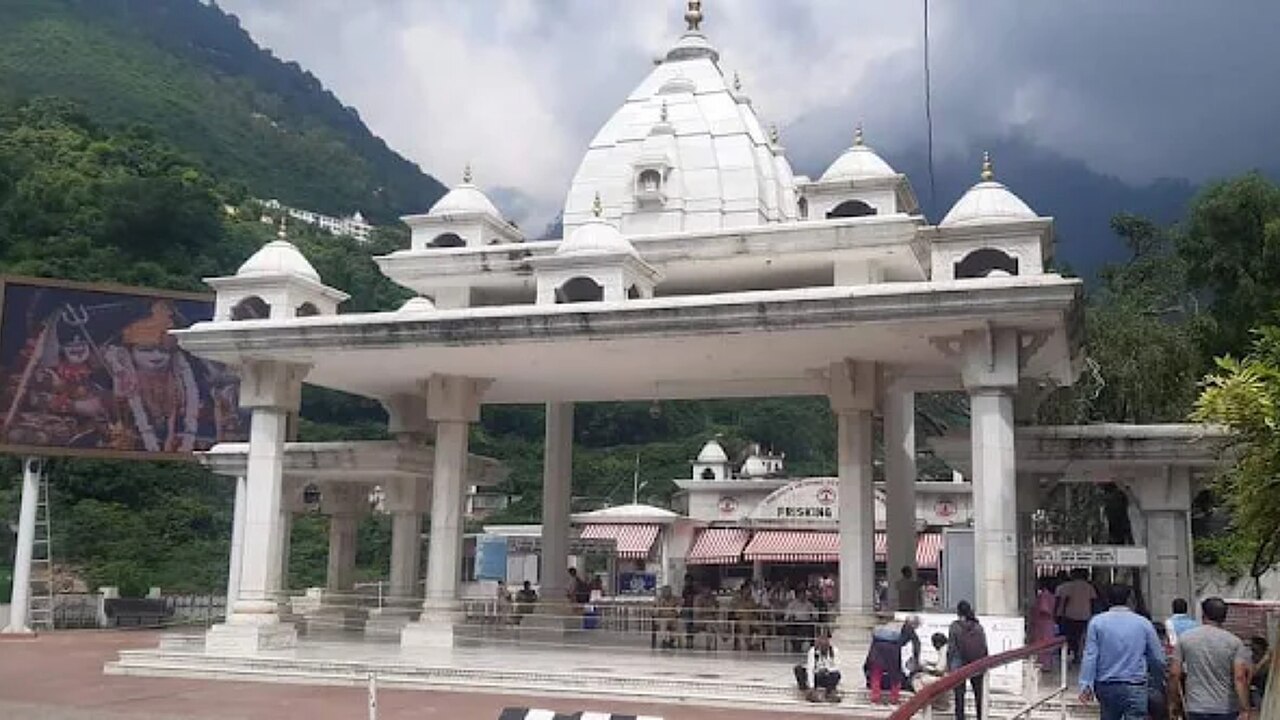
The first time I stood at the Banganga check post in Katra, the sheer wall of the Trikuta hills looked daunting, especially at 3 AM when the air was crisp and thin. You look up and see a ribbon of light snaking into the darkness—that is the path you are about to walk.
Most pilgrims ask me how long is the Vaishno Devi trek before they even book their train to Katra. It is not just about the distance; it is about the elevation and the thousands of people moving at their own pace. If you are preparing for this journey, you need a realistic view of what those 13 kilometres actually entail.
The Terrain of the Trikuta Hills
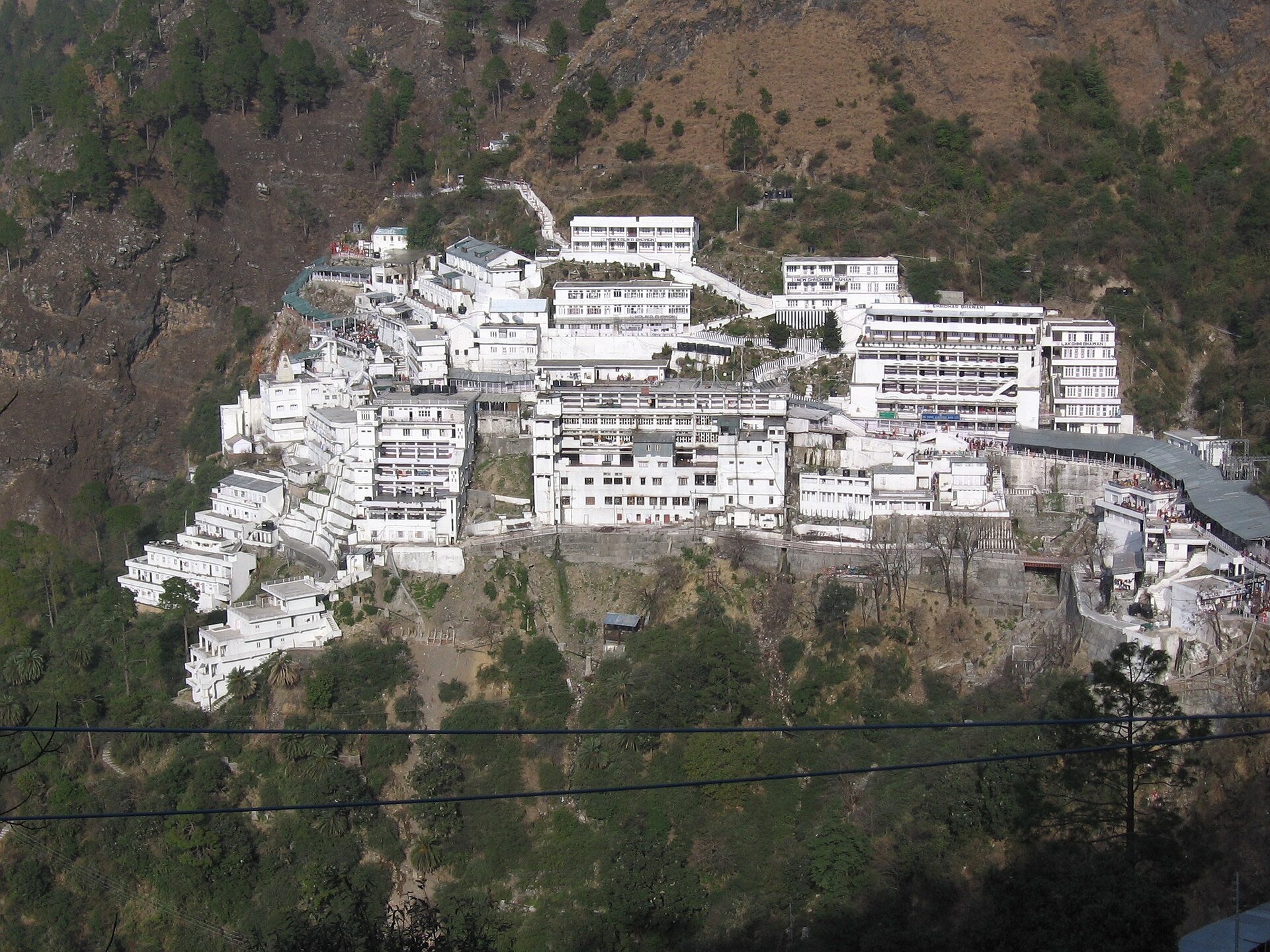
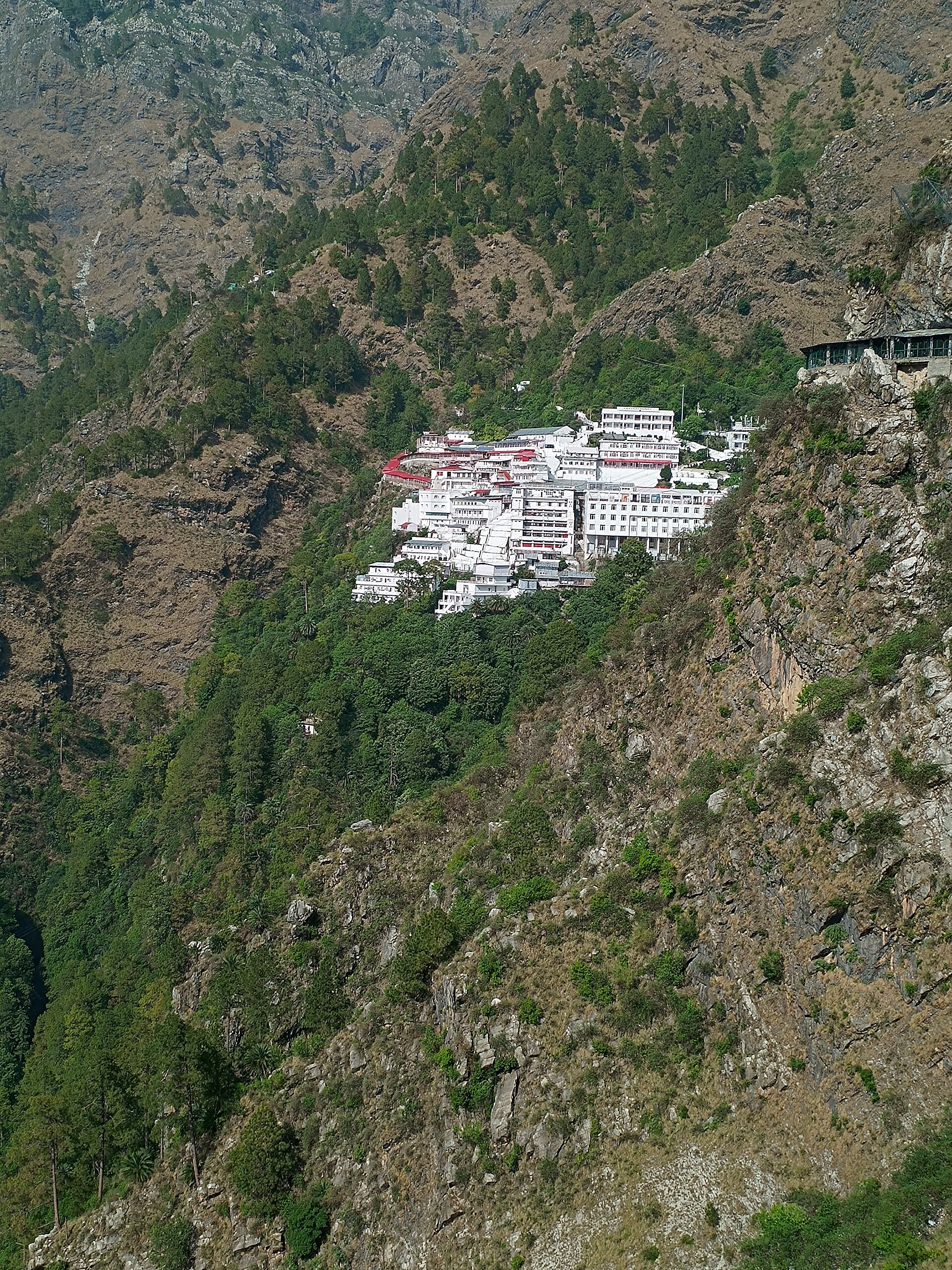
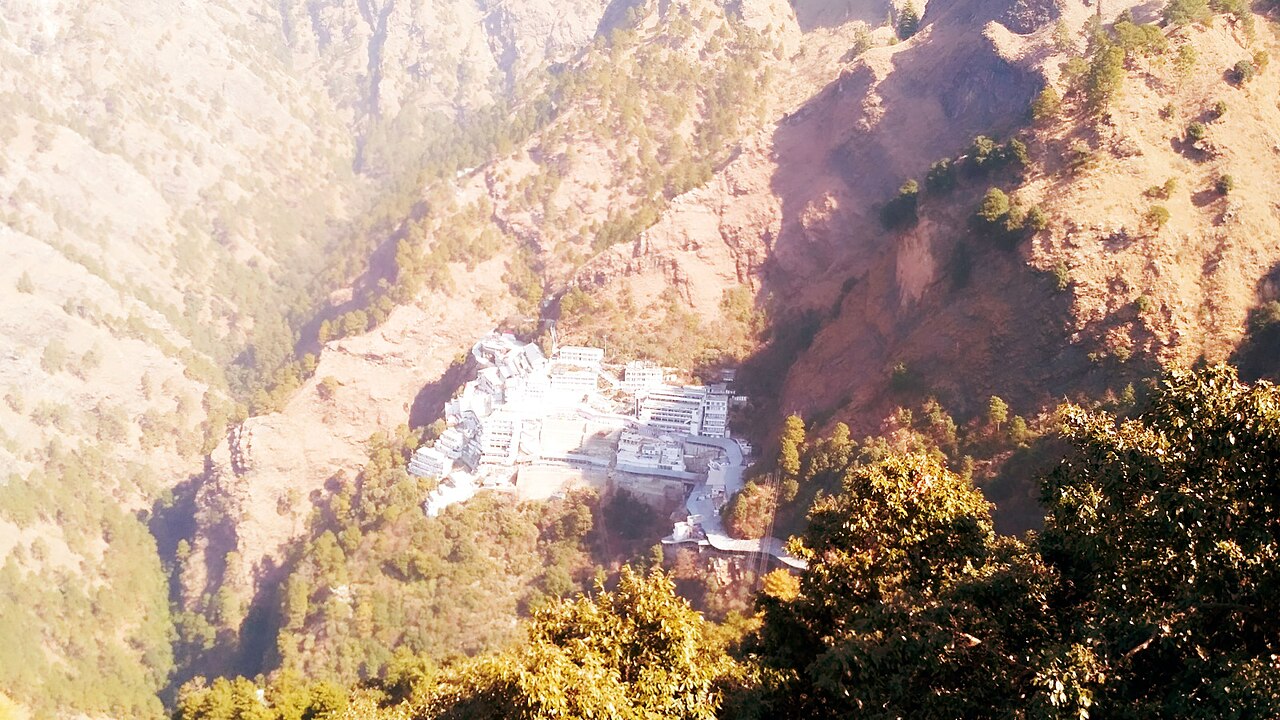
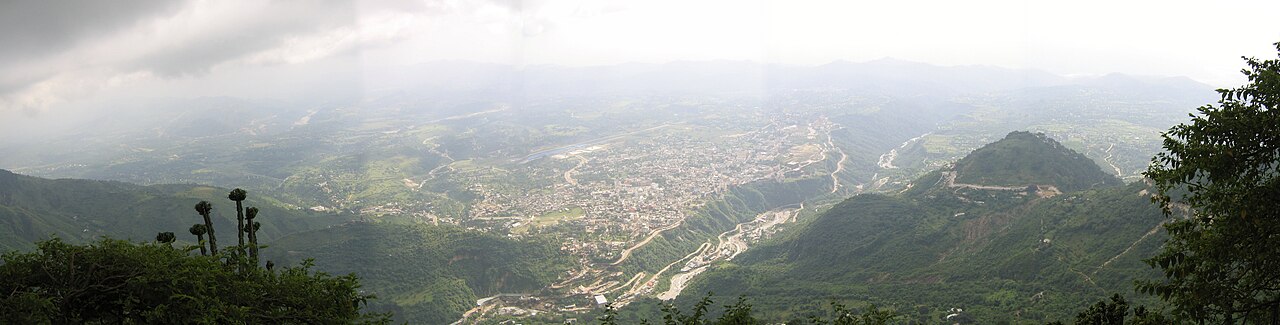
The path is a paved, all-weather track, which sounds easier than it is. It starts with a gentle incline from Katra to Banganga, but quickly turns into a steady, switchback climb. You are ascending from roughly 800 metres to over 1,700 metres by the time you reach the main Bhawan.
Because the path is concrete, your feet take a beating. There is very little flat ground. Every turn reveals more stairs or a steep ramp. If you have any history of knee or ankle pain, bring support sleeves. The incline is consistent, meaning there are very few 'breaks' where you can walk on level ground to let your calves recover.
Typical Timeframes for Different Fitness Levels
If you are a regular hiker in decent shape, you might cover the 13km distance in about 4 to 5 hours. However, the pilgrimage is rarely a race. Most families and groups, taking into account stops for water, snacks, and the occasional rest, will take between 6 to 8 hours to reach the Bhawan.
Elderly pilgrims or those carrying young children often take 10 to 12 hours. It is vital not to push yourself beyond your natural rhythm. The trail is crowded, and stopping for a chai at a small shop along the way is part of the rhythm of the yatra. Never compare your timing to the local porters or the devotees running up the steps; they have done this route hundreds of times.
Managing Your Pace on the 13km Route
The biggest mistake I see is people starting too fast. The excitement of the first hour leads many to power up the initial slopes, only to hit a wall by the time they reach the mid-point. I always advise starting slow, almost uncomfortably so. You want to save your energy for the final stretch to Bhawan.
Keep your eyes on your breathing rather than the destination. The path is well-marked with distance signs, but looking at them too often can be demoralising if you are feeling fatigued. Focus on your immediate surroundings—the smell of mountain air, the sound of pilgrims chanting, and the changing views of the valley as the sun rises.
Key Stops Along the Way: Ardhkuwari
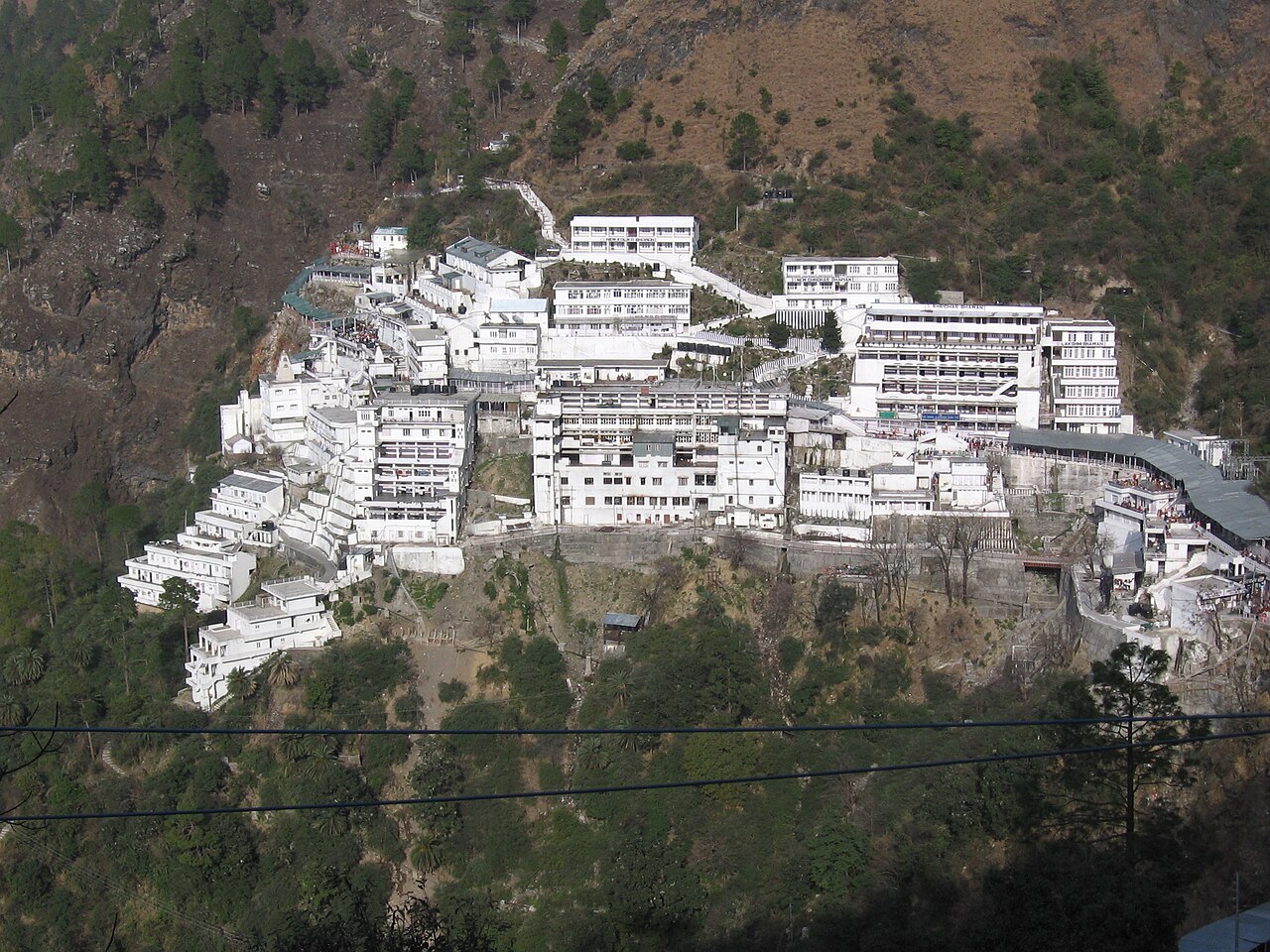
Ardhkuwari is the essential halfway point. It sits roughly 6km from Katra and serves as a major pit stop for most people. The cave here, Garbh-Joon, is a significant site, though the waiting time to enter can sometimes stretch into several hours depending on the season.
If the queue for the cave is long, many pilgrims choose to rest, have a meal at the community kitchens, and continue walking. Knowing when to skip the cave queue is a matter of personal priorities. If you are already feeling exhausted, prioritize reaching the main shrine over waiting in a long, narrow tunnel.
Physical Preparation Tips for the Climb
Start walking at least a month before your trip. You don't need a gym, just an hour of brisk walking on inclined surfaces. If you live in a city, find a park with some stairs or a steep ramp. The more you prepare your quads and calves, the less likely you are to suffer from severe muscle soreness the next day.
Footwear is the only other gear that truly matters. Wear broken-in trainers with good grip. The path can be slippery if it has rained, and thin soles will make every pebble feel like a boulder. Check our guides on <a href="/destinations/jammu/vaishno-devi">Vaishno Devi travel</a> for more logistics on what to pack.
Before you book
The walk to the Bhawan is as much about the physical effort as it is about the shared experience of the journey. Once you see the lights of the shrine flickering against the dark mountain, the fatigue often dissipates. It is a slow, steady, and communal effort that has been repeated by millions over centuries.
If you are planning your visit and want more specific advice on timing your trip around peak crowds, we are here to help. Drop us a note at our <a href="/contact">contact page</a> if you need a hand organising your itinerary.
Ready to plan your pilgrimage?
We help travellers navigate the logistics of the Trikuta hills. Reach out to us for local advice or to arrange your transport from Jammu.
Contact UsWritten by
Kashmir, Jammu & Ladakh specialists
We plan and run trips across Kashmir, Jammu and Ladakh every week of the year. Everything here comes from routes we drive, stays we inspect and questions our travellers actually ask.
Quick answers
Questions we get asked
Is there a shorter way to reach the Bhawan?
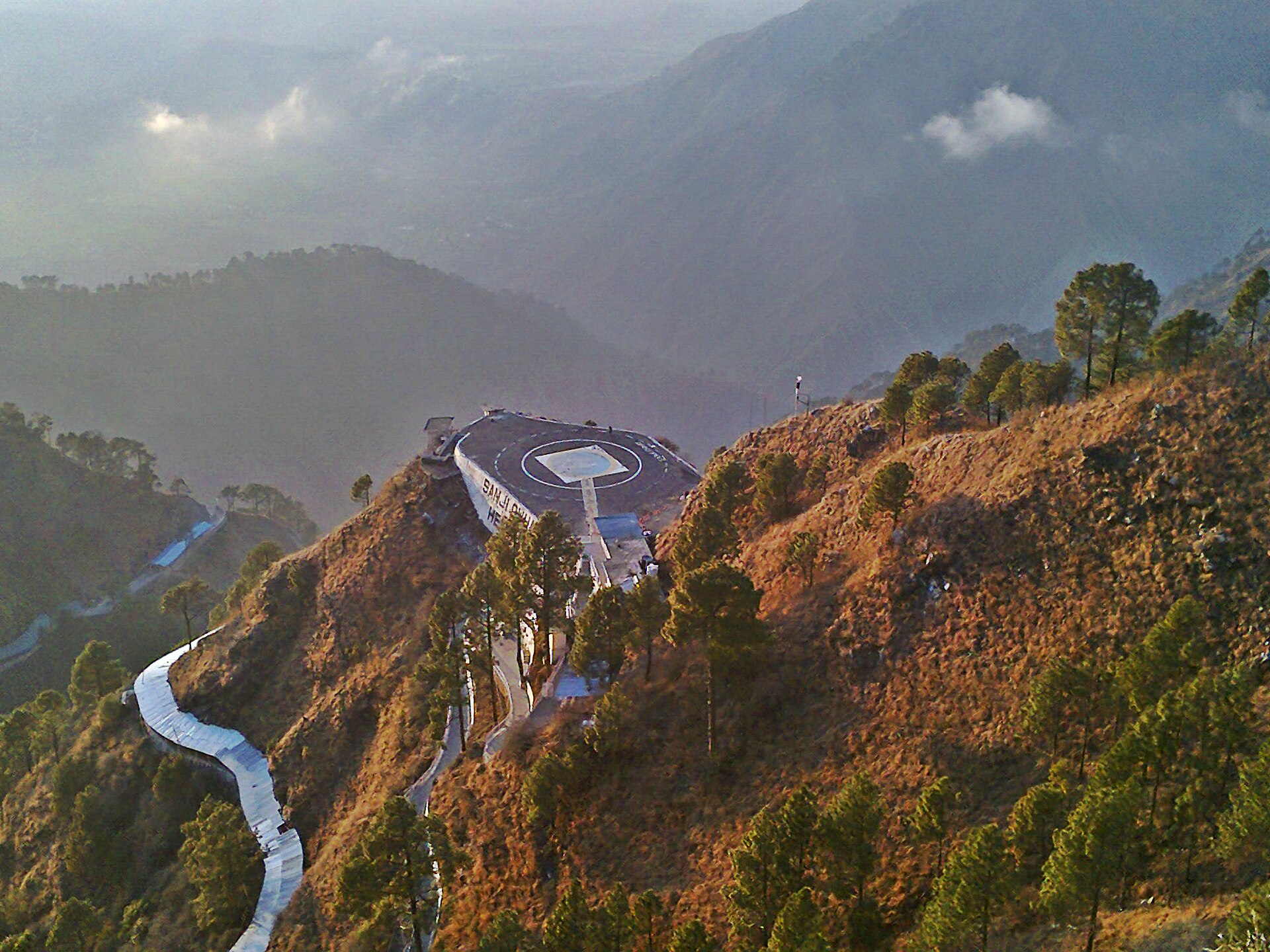
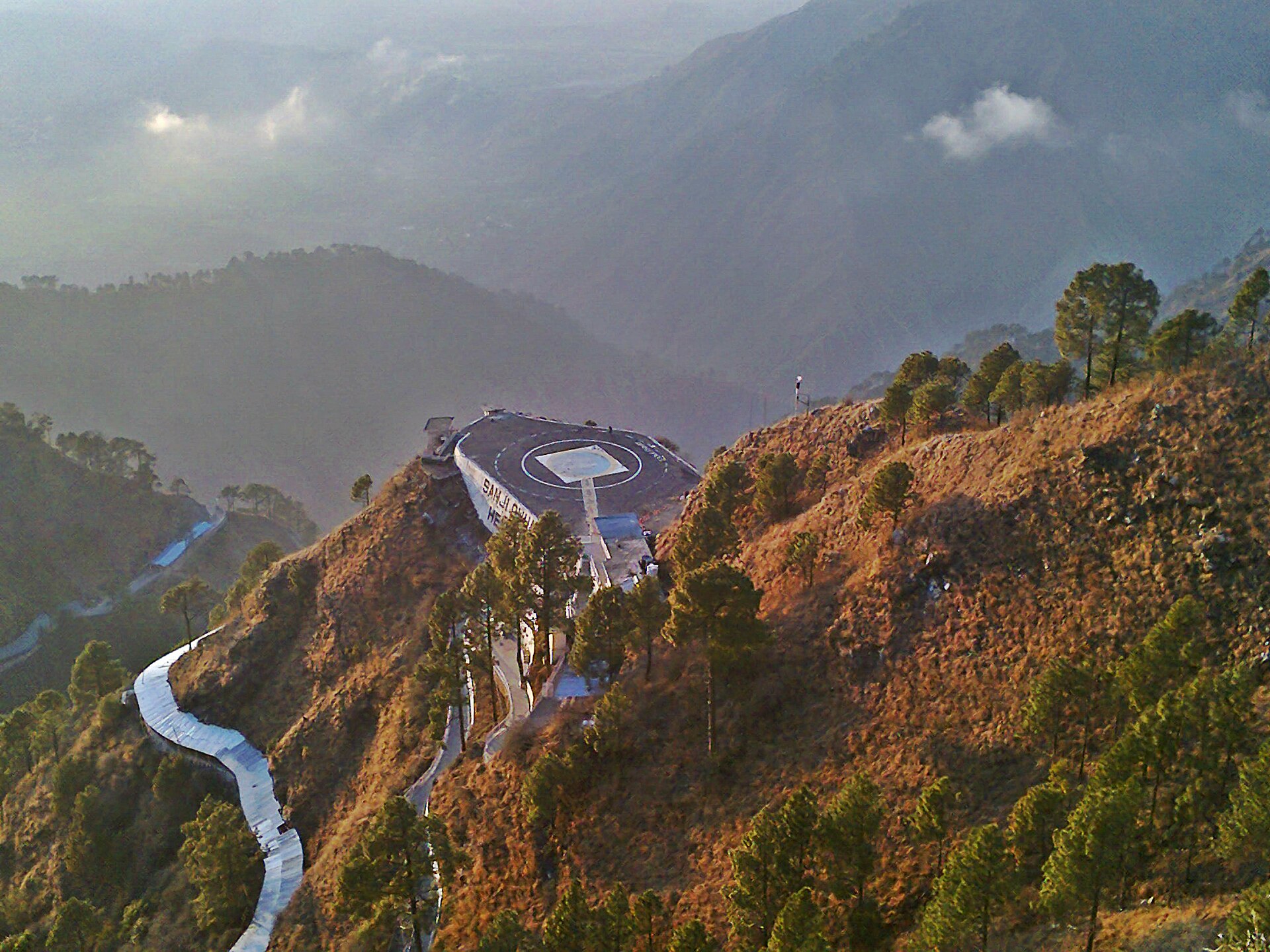
You can take a helicopter from Katra to Sanjichhat, which cuts the walk down to a much shorter, flatter 2.5km distance to the main shrine.
Are there places to eat along the 13km route?
Yes, the Shrine Board operates plenty of clean, affordable shops and food stalls serving hot meals, tea, and packaged snacks throughout the entire trek.
Do I need a permit for the trek?
You need an RFID card, which you can collect for free at the Yatra Registration Counters in Katra. It is mandatory for every pilgrim.
What is the best time of day to start?
Starting between 2 AM and 4 AM is ideal to reach the Bhawan by sunrise and avoid the midday heat, even in the cooler months.
Can I hire a pony or a palki?
Yes, ponies, palanquins, and battery-operated cars are available. You can book these at the designated counters in Katra.
Photography credits
- Photo: Thenerdatul · CC BY 4.0
- Photo: Piyush Tripathi · CC BY-SA 4.0
- Photo: Periogaurav · CC BY-SA 4.0
- Photo: Abhishek Chandra · Public domain
- Photo: Maximafunction · CC0
- Photo: Lpp3535 · CC BY-SA 4.0
- Photo: Vinayaraj · CC BY-SA 3.0