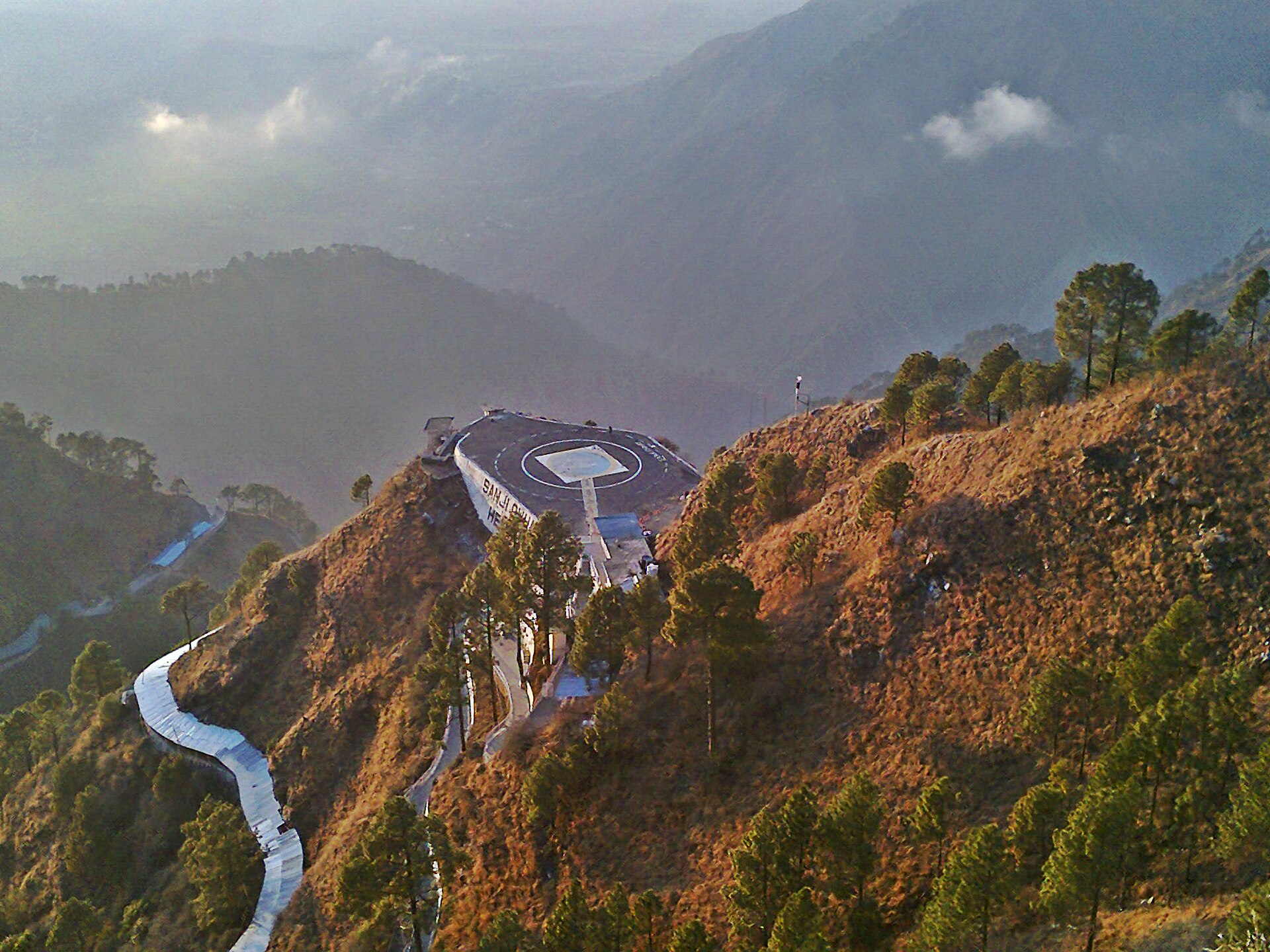
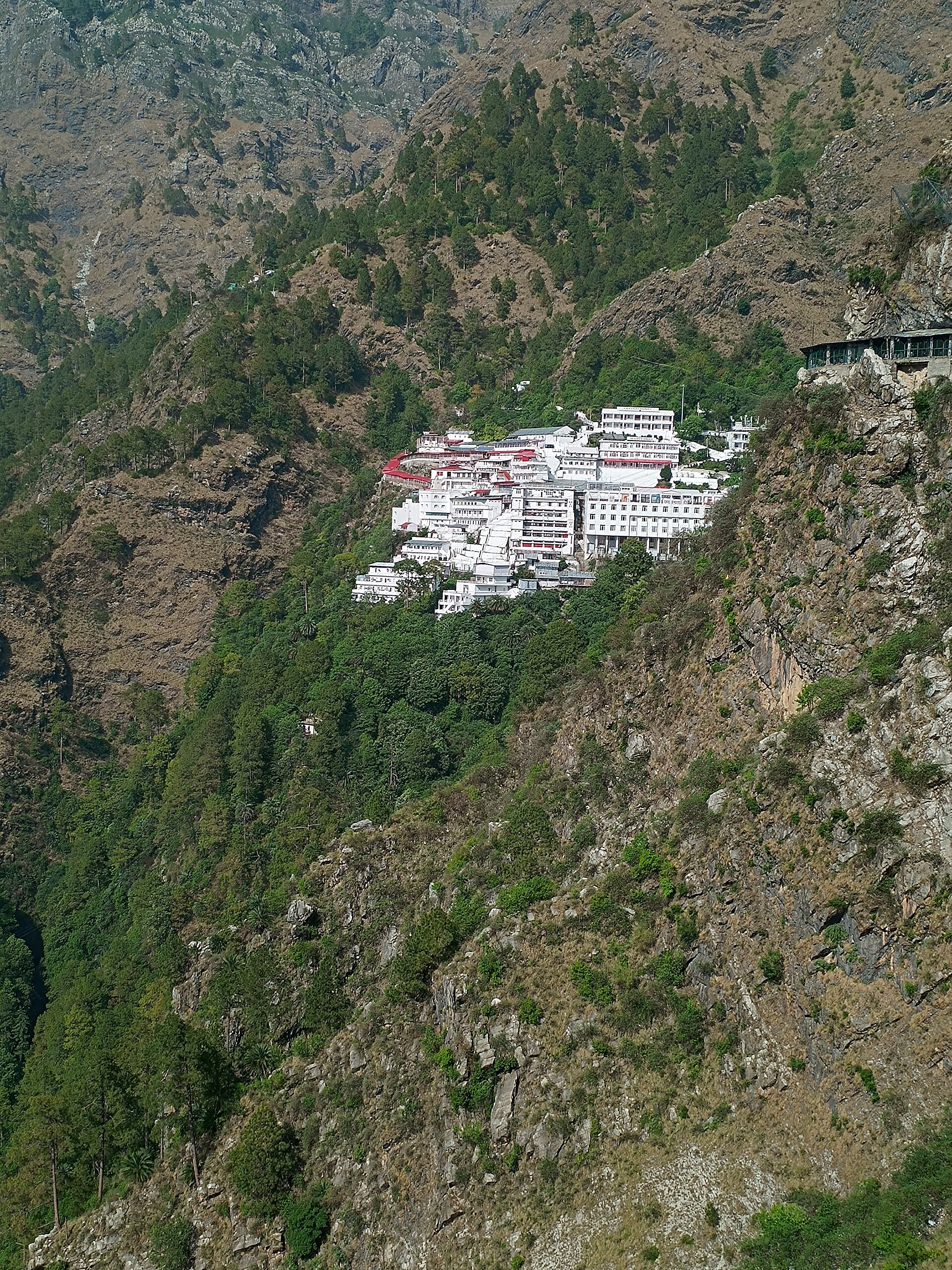
Is the Vaishno Devi Yatra Safe?
Planning your pilgrimage but worried about security? We break down the safety measures, communication tips, and emergency protocols for your journey.
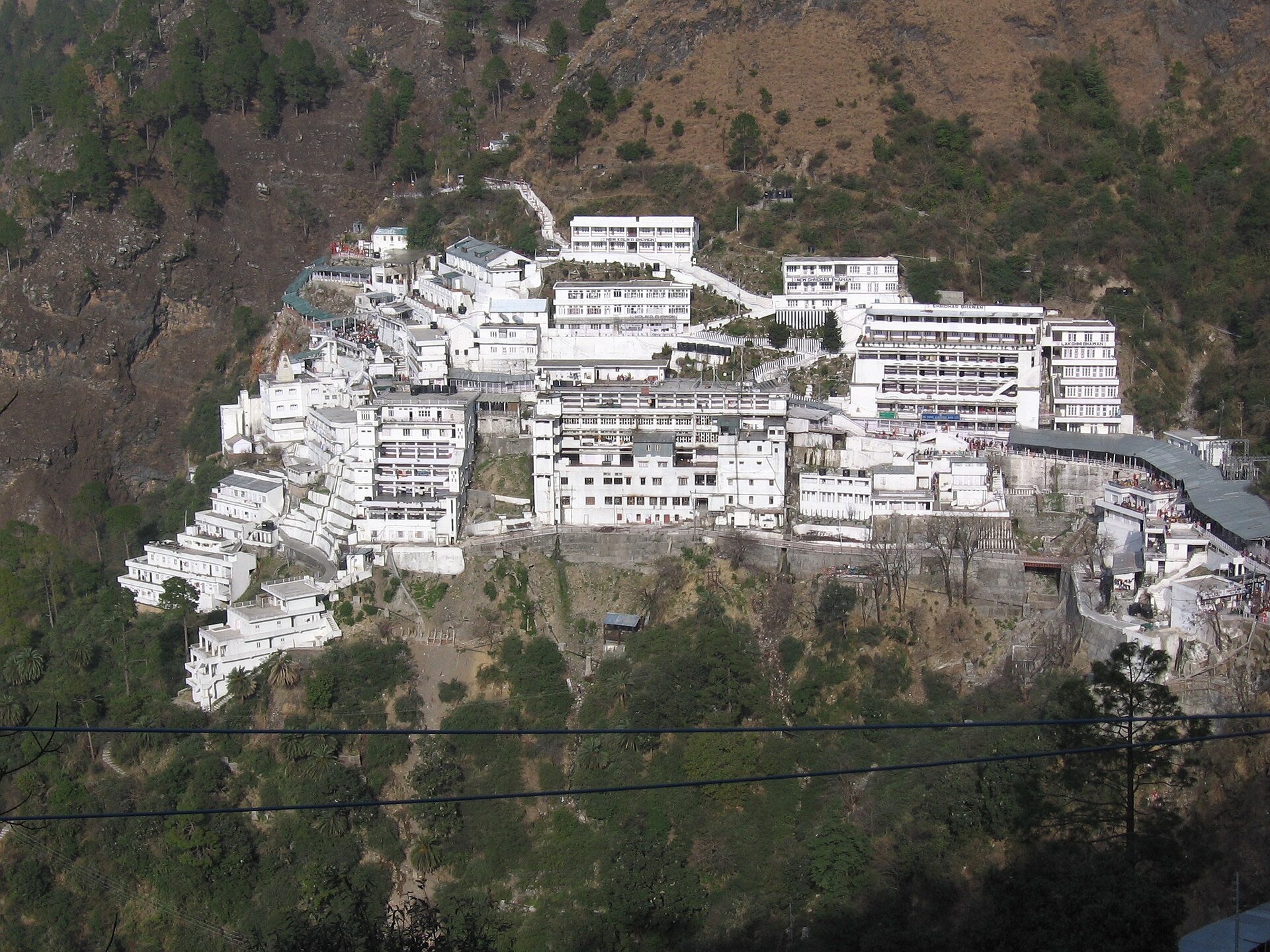
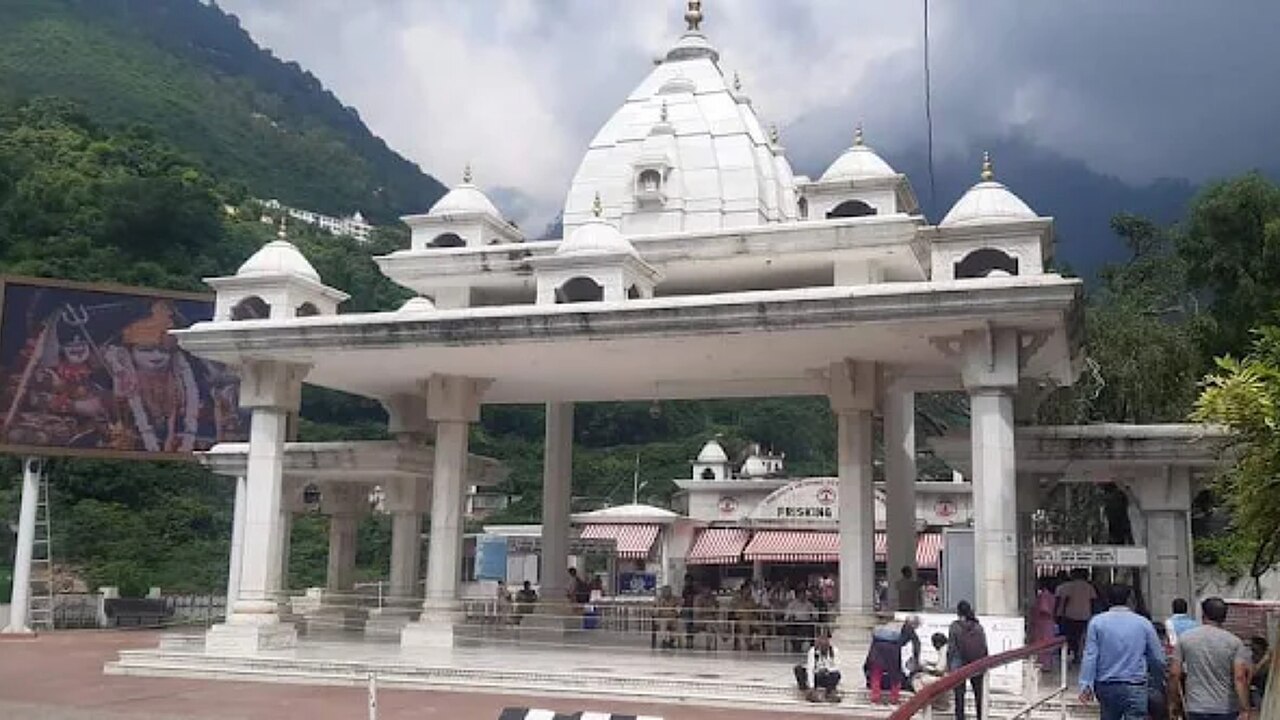
Security checkpoints at the start ensure a safe environment for all.Photo: Abhishek Chandra · Public domain
When you arrive in Katra, the first thing you notice isn't the shrines or the crowds; it is the quiet, organised presence of security personnel at every turn. For many, this is the first thing that brings peace of mind.
If you are asking yourself, 'is the Vaishno Devi yatra safe?', the answer is that the entire route is heavily managed by the Shri Mata Vaishno Devi Shrine Board and local authorities. It is one of the most protected pilgrimage routes in India. Still, safety is a broad term—covering everything from physical health on the trail to digital connectivity.
Standard Security Measures at the Shrine
Security is not just visible; it is systemic. From the moment you enter Katra, you will see checkpoints where your belongings are scanned and your RFID cards are verified. This ensures that everyone on the path is accounted for.
The entire 13km trail is monitored by CCTV and patrolled by security forces 24 hours a day. There are no 'dark' or 'forgotten' stretches. Whether you are walking at midnight or midday, you are never truly isolated, as there is always a flow of pilgrims and shrine staff around you.
Tips for a Safe Yatra Experience
Physical safety is often more about personal choices than external threats. The biggest risk is the mountain itself—steep slopes and fatigue. Do not overestimate your fitness level. If you feel dizzy or your heart rate is too high, sit down immediately. There are medical booths at regular intervals along the route.
Stick to the marked path at all times. Do not try to take shortcuts or venture off the concrete tracks to get a 'better photo.' These areas are steep and can be unstable, especially after a spell of rain. Finally, keep your valuables in a secure, cross-body bag rather than leaving them in pockets where they can slip out.
Staying Connected During Your Mountain Walk
Network connectivity is generally reliable along the main track, though it can become patchy in certain deep valleys or within the thick concrete buildings. Most major Indian mobile networks have coverage.
Do not rely solely on your phone for navigation or coordination. Before you start, agree on a 'meeting point' with your group in case you get separated. If you are travelling solo, share your rough itinerary with your hotel reception in Katra. For more tips on <a href="/destinations/jammu/vaishno-devi">planning your visit safely</a>, our site has additional resource links.
What to Do in Case of Emergencies
If you experience a medical emergency, do not hesitate to approach any Shrine Board employee. They have a well-oiled system for handling everything from minor sprains to more serious issues. Oxygen cylinders and stretchers are available at key stations.
The most critical safety measure is knowing your own limits. If you need a stretcher or a pony, take it. There is no shame in acknowledging you cannot make the final climb on foot. It is far better to reach the shrine feeling well than to push through physical distress.
Using Official Resources for Updates
Only use the official website of the Shri Mata Vaishno Devi Shrine Board for updates regarding weather, path conditions, or registration changes. Social media can sometimes spread outdated information that creates unnecessary panic.
If you feel unsure, ask the hotel staff in Katra. They are the most plugged-in people on the ground and can tell you if there are any specific local advisories for the day. For further travel help or transport queries, feel free to reach out to our team at our <a href="/contact">contact page</a>.
Before you book
The Vaishno Devi pilgrimage is a well-managed, secure route. By focusing on your own physical pacing and staying aware of the environment, you can enjoy the experience without lingering concerns.
We understand that planning a trip to a new mountain region can feel daunting. If you need further assistance with your travel plans or just want to clarify a few details, please get in touch with us at our <a href="/contact">contact page</a>. We are here to help.
Need help planning your trip?
If you are concerned about logistics or security, we can help you arrange your journey from arrival to departure.
Get in TouchWritten by
Kashmir, Jammu & Ladakh specialists
We plan and run trips across Kashmir, Jammu and Ladakh every week of the year. Everything here comes from routes we drive, stays we inspect and questions our travellers actually ask.
Quick answers
Questions we get asked
Is the route safe for solo female travellers?
Yes, it is very common and safe. The route is crowded, well-lit, and constantly monitored, making it one of the more secure places for solo pilgrims.
Do I need to worry about the cold?
If visiting in winter, ensure you have thermal layers. The temperature at the Bhawan can drop significantly compared to the base in Katra.
Are there guards at the Bhawan area?
Yes, there is a dedicated security presence at the main shrine to manage queues and maintain order.
Can I leave my bags anywhere?
There are secure luggage deposit counters available at the Katra bus stand and at the main entry points to the trail.
Is it safe to drink the water on the trail?
The Shrine Board provides filtered water dispensers throughout the route. It is safer to use these or carry bottled water.
Photography credits
- Photo: Abhishek Chandra · Public domain
- Photo: Ramb70 · CC BY 3.0
- Photo: Maximafunction · CC0
- Photo: Lpp3535 · CC BY-SA 4.0
- Photo: Junereads · CC BY-SA 4.0
- Photo: Periogaurav · CC BY-SA 4.0
- Photo: Narayan00 · CC BY-SA 4.0