Best Time to Visit Vaishno Devi for a Quieter Yatra
How to time your pilgrimage to avoid the massive crowds and experience the Trikuta hills in peace.
Discover the best time to visit vaishno devi with fewer crowds, covering off-season windows, mid-week timing, and weather patterns.
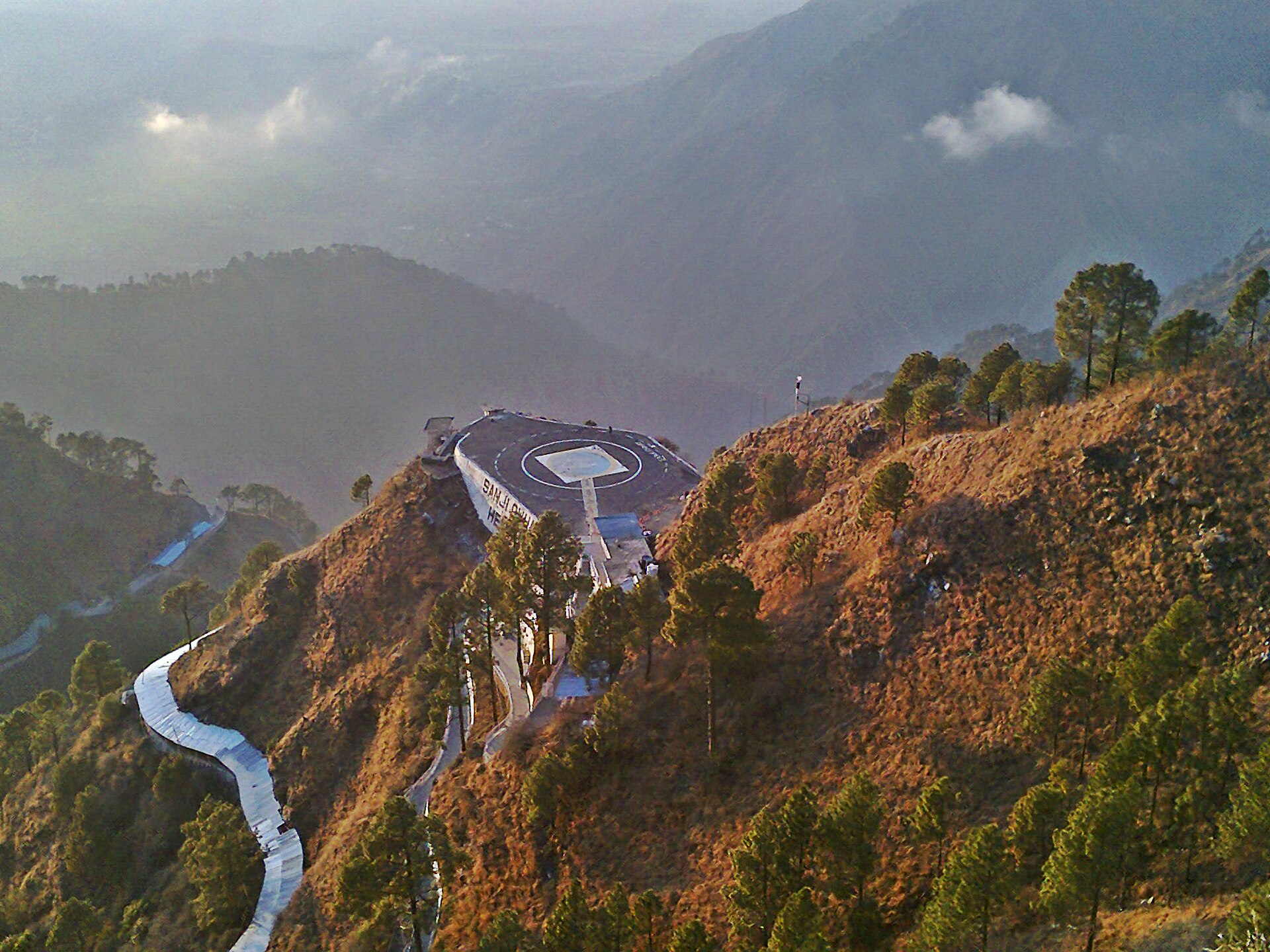
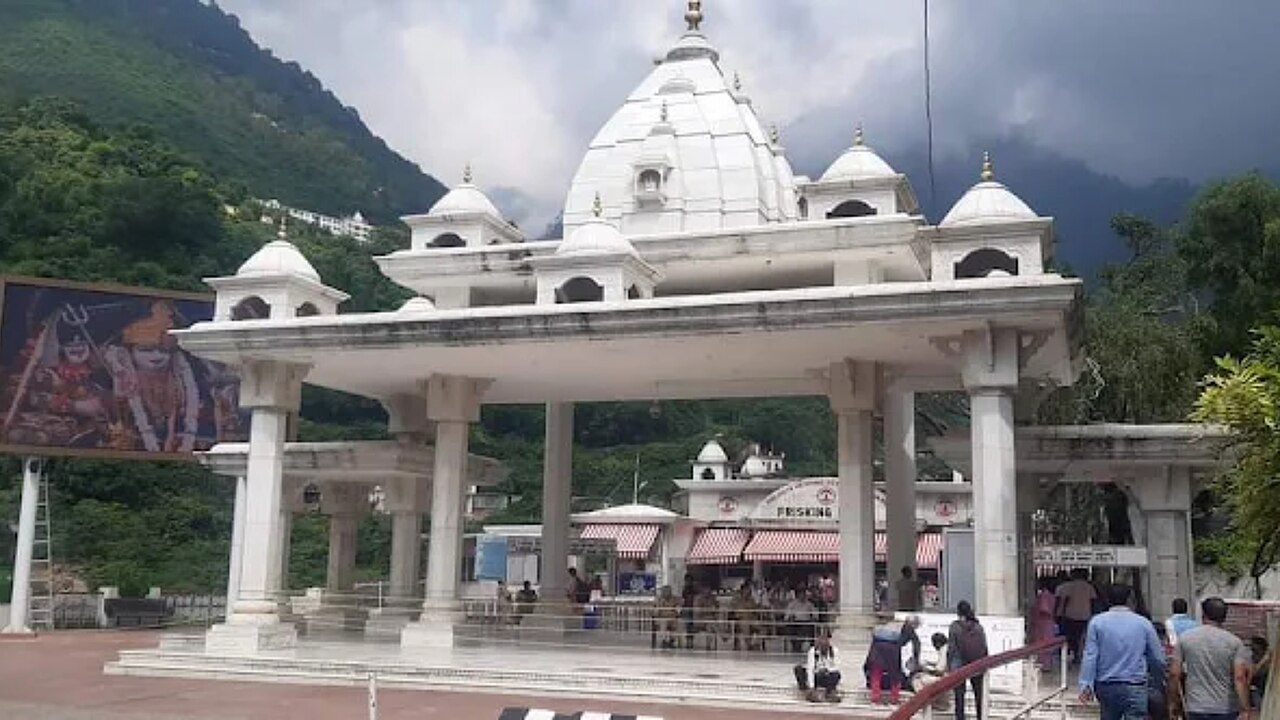
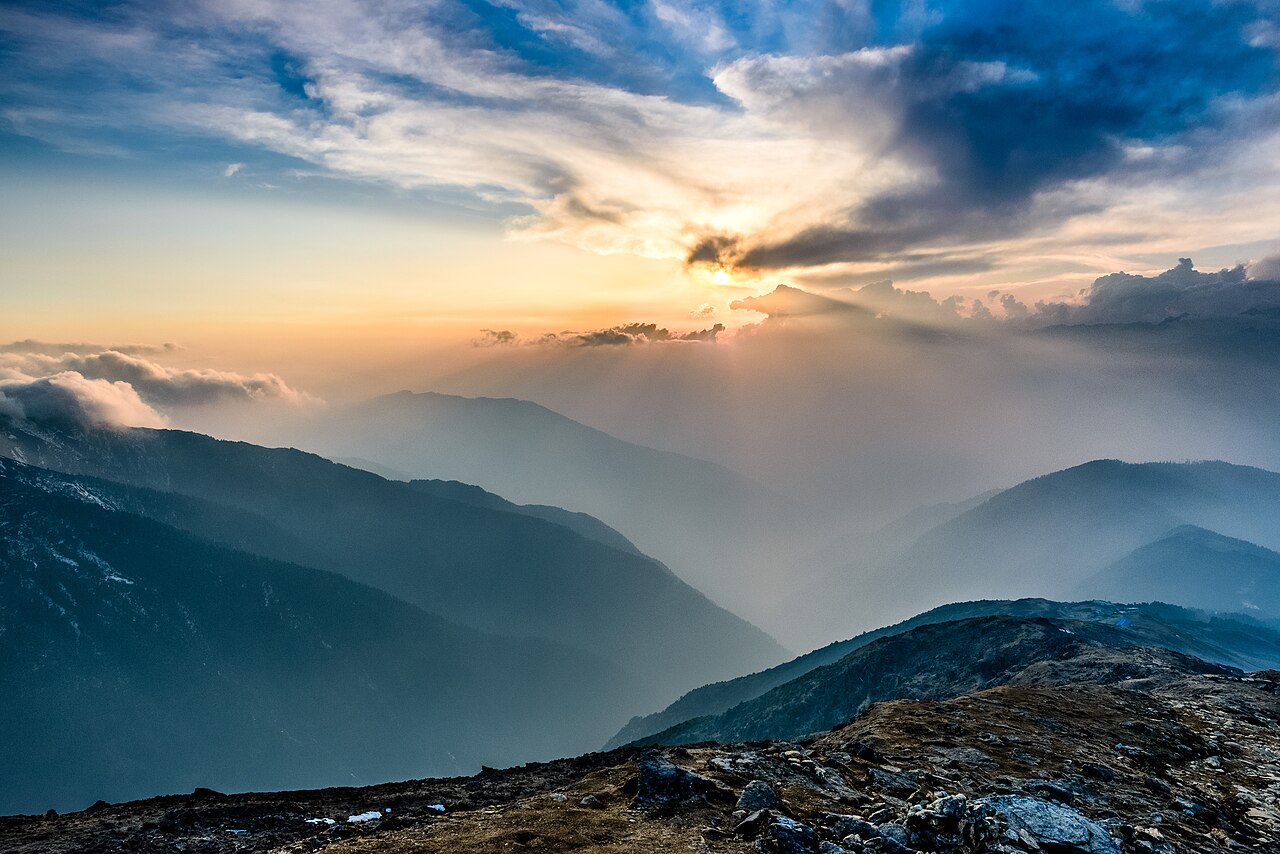
Early morning mist over the Trikuta hills offers a peaceful backdrop for your pilgrimage.Photo: Piyush Tripathi · CC BY-SA 4.0
Standing shoulder-to-shoulder in a serpentine queue of ten thousand devotees is not everyone's idea of a spiritual retreat. During peak festival weeks, the twelve-kilometre track up to the Vaishno Devi shrine throbs with an unceasing wave of humanity, chants echoing off the cliffs from dawn until midnight.
If you yearn for a quieter yatra where you can hear your own footsteps on the tarmac and actually spend a few unhurried moments in front of the holy cave, timing is everything. You cannot control the millions of annual visitors, but you can choose your dates with tactical precision.
Finding the best time to visit vaishno devi requires understanding the rhythm of school holidays, religious festivals, and weather patterns across the Trikuta hills. Here is how we advise clients who want serenity over spectacle.
Understanding Peak Season vs Off-Season Windows
The pilgrimage calendar is heavily dictated by Indian school holidays and major Hindu festivals. Summer vacations (May through June), Diwali week, New Year's Eve, and the nine days of Navratra (in spring and autumn) see absolute peak crowds, often crossing fifty thousand visitors per day.
Conversely, the quietest windows fall during the shoulder months of February to March (after winter chill eases but before summer break begins) and July to August (during the monsoon rains).
While monsoon months bring afternoon downpours and mist-shrouded tracks, the footfall drops dramatically, allowing for quick queue clearances and peaceful darshans without the usual hours-long wait.
Why Mid-Week Travel Makes a Massive Difference
Even during moderately busy months, the weekly calendar follows a fierce predictable cycle. Weekend warriors from Delhi, Punjab, and Haryana flood Katra on Friday evening and Saturday morning, creating intense bottlenecks on the track.
If you plan your yatra to start on a Tuesday or Wednesday, you bypass the weekend surge entirely. Hotel tariffs in Katra drop significantly, ropeway queues shrink to minutes, and the radio frequency identification (RFID) counter moves at double speed.
We always schedule our clients' hotel arrivals for Sunday evening so they can hit the track early Monday morning, enjoying two of the quietest days of the week on the mountain.
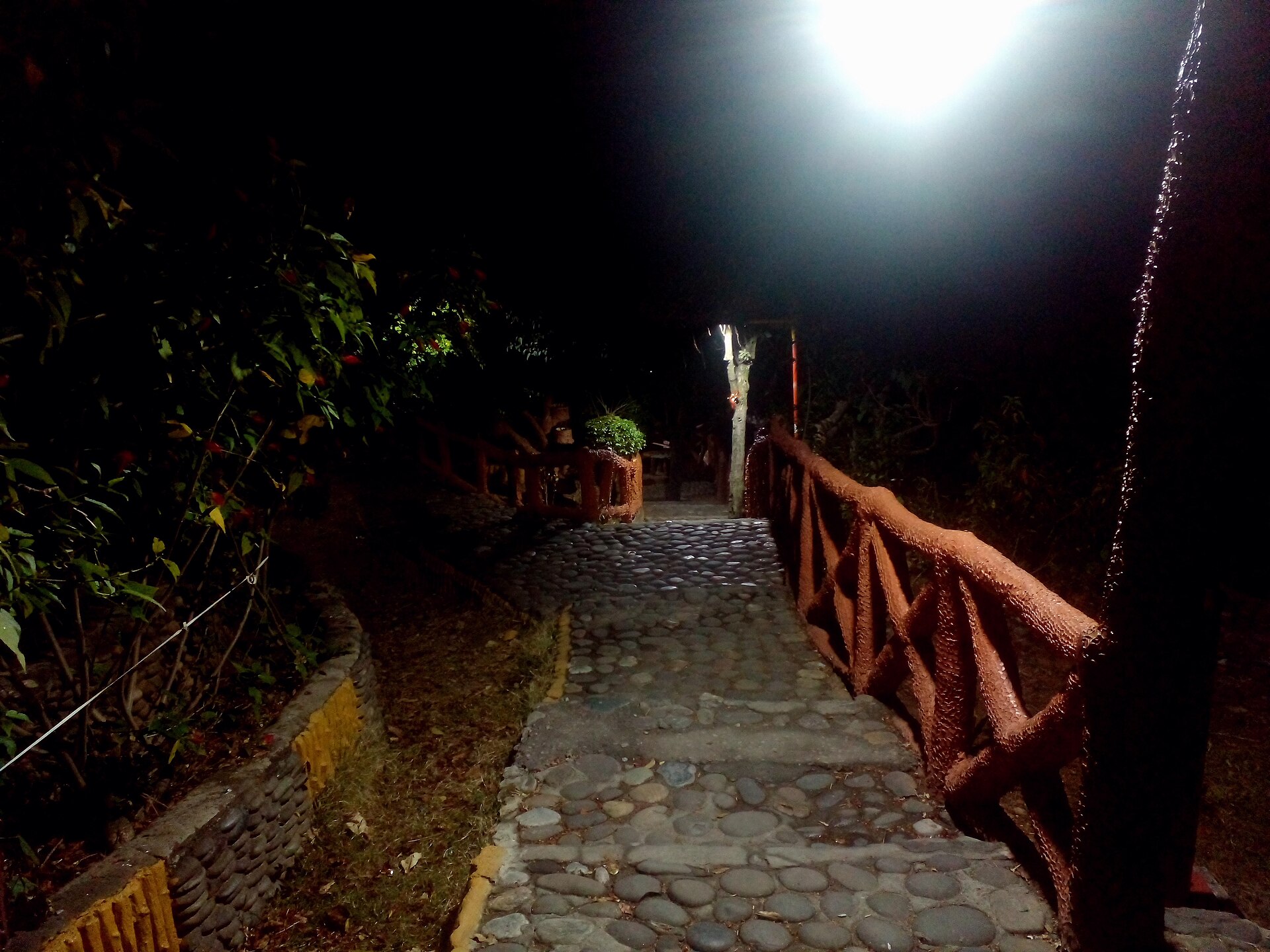
Choosing your dates with tactical precision transforms a stressful crowded queue into a peaceful spiritual retreat.
Seasonal Weather Impacts on Your Walk
Weather dictates both crowd size and physical comfort on the mountain trail. Winter months (December to January bring biting cold, and while snow occasionally blankets Sanjichhat, clear sunny winter days offer crisp walking weather with moderate crowds.
Summer afternoons (May and June) see temperatures soaring past 35 degrees Celsius in Katra, pushing most wise pilgrims to start their trek strictly after sunset or before dawn.
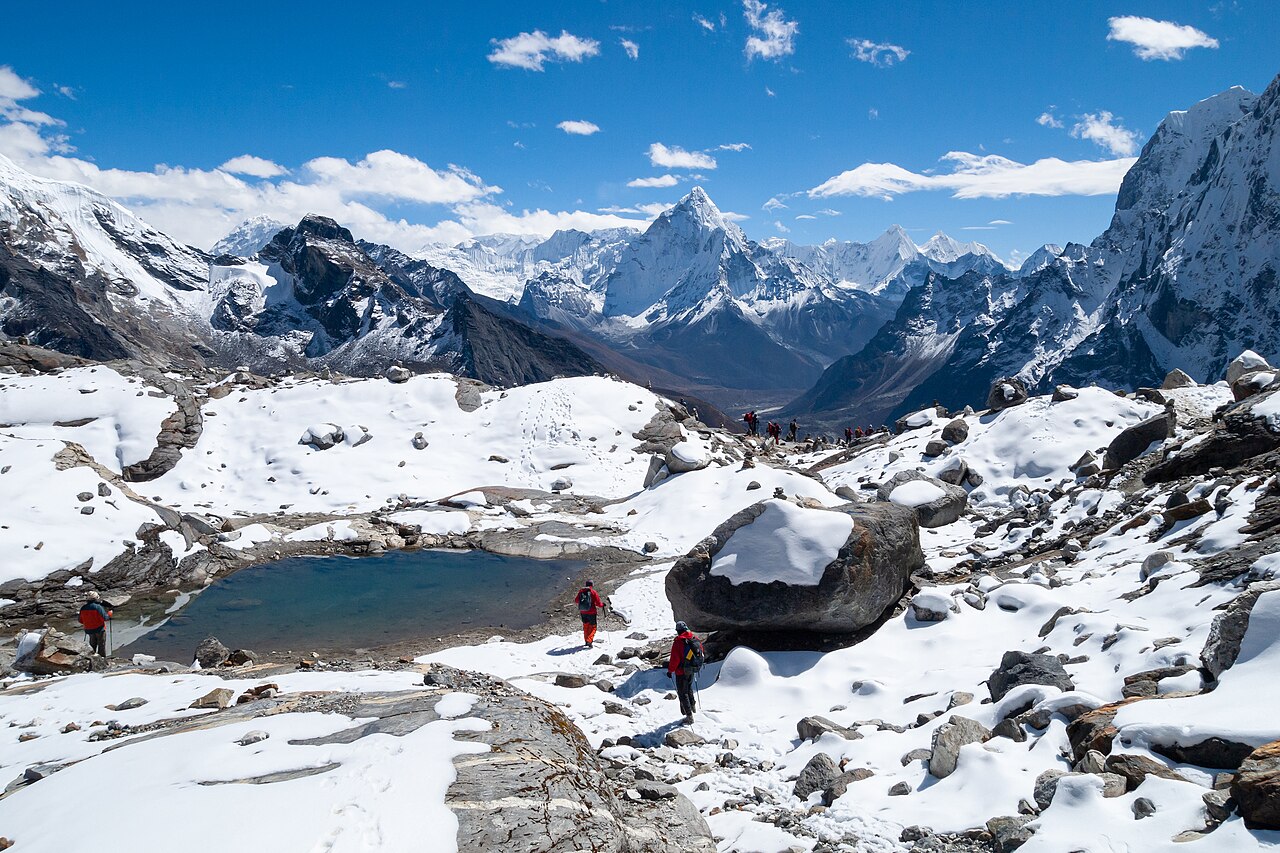
The monsoon season (July to September) brings slick pathways and occasional slippery patches along the old track, but the Trikuta range turns a vibrant, emerald green that few summer visitors ever get to witness.
Planning Your Yatra Around Local Festivals
If your goal is absolute quiet, steer entirely clear of Shardiya Navratra (September/October) and Chaitra Navratra (March/April). These periods see special state-sponsored celebrations, musical performances, and record-breaking pilgrim registrations.
Instead, look at unremarkable middle weeks in February or November. These quiet windows offer crisp alpine air, empty dormitories, zero waiting times at the main cave entrance, and an intimate atmosphere that lets you connect deeply with the surroundings.
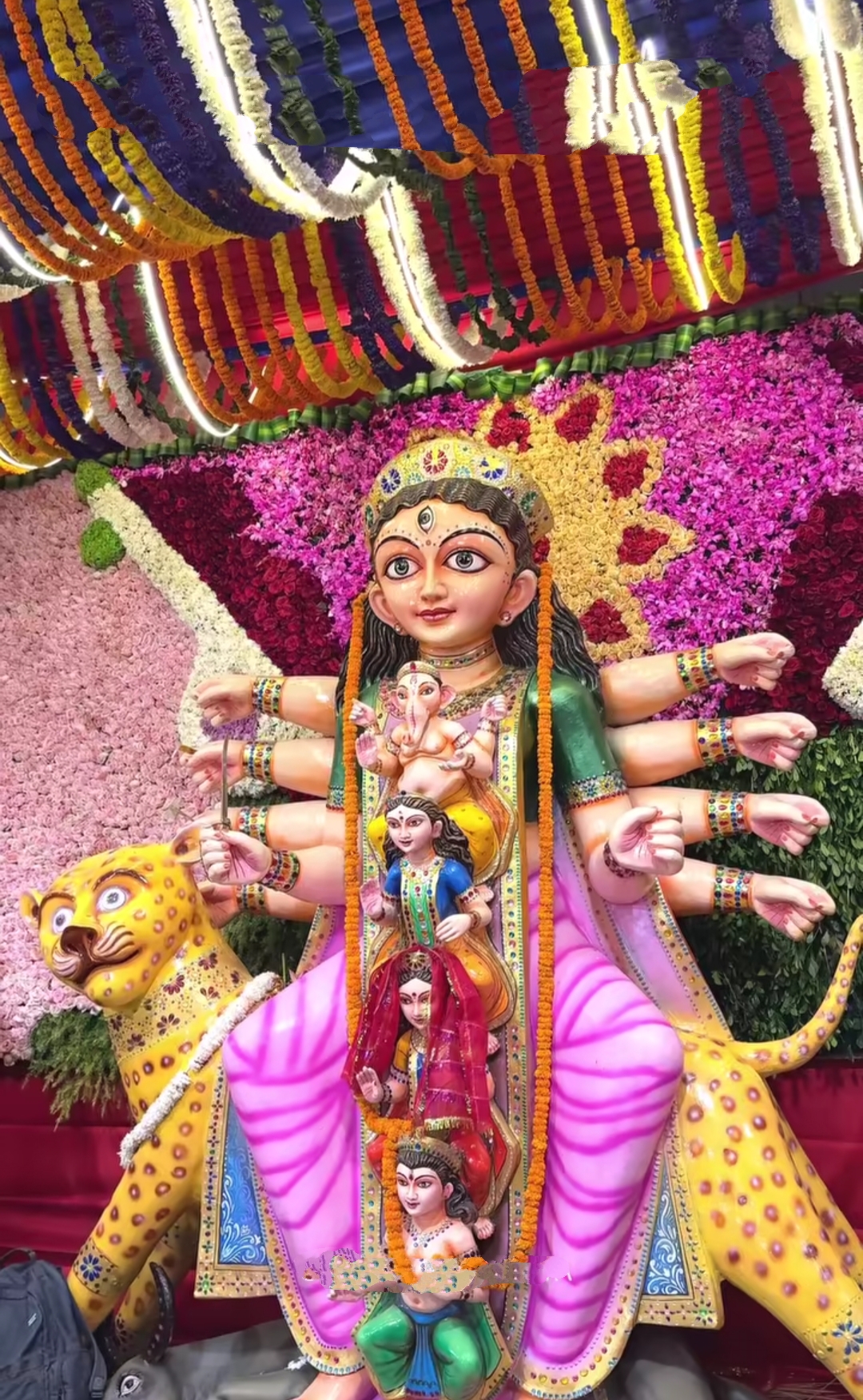
When to Avoid for the Most Peaceful Experience
To secure the most peaceful experience possible, avoid any travel dates falling on school board exam breaks, major national long weekends, or the opening days of summer vacations.
Travelling during these prohibited windows means wrestling with parking shortages, surging taxi rates from Jammu, and long frustrating waits inside the holding areas before the cave entry.
Patience is a virtue on any pilgrimage, but choosing the right Tuesday in the shoulder season eliminates half the friction before you even tie your shoelaces.
Before you book
A pilgrimage to Vaishno Devi is a deeply personal journey, and experiencing it without the deafening roar of massive crowds allows for genuine reflection and peace. By aligning your dates with mid-week windows and shoulder months, you swap stressful queues for quiet mountain mornings.
If you need help picking the ideal week for your travel dates, explore our Vaishno Devi tour packages or reach out to our team. We monitor local crowd trends daily and will gladly design a calm, unhurried itinerary for your family.
Plan a Quiet and Peaceful Yatra
Let our local experts advise you on the best dates to visit Katra, ensuring a serene pilgrimage experience.
Speak With Our ExpertsCaption for your own post
Finding quiet moments on the Trikuta hills. Timing your yatra makes all the difference.
Written by
Kashmir, Jammu & Ladakh specialists
We plan and run trips across Kashmir, Jammu and Ladakh every week of the year. Everything here comes from routes we drive, stays we inspect and questions our travellers actually ask.
Written by Amit Raina, travel planner at Skywale Packages, who tracks seasonal crowd patterns across Jammu shrines year-round.
Quick answers
Questions we get asked
Which months are the least crowded for visiting Vaishno Devi?
February, March, July, and August generally see the lowest footfall, offering a much quieter pilgrimage experience away from peak holiday rushes.
Is it better to visit Vaishno Devi on weekdays?
Yes, visiting between Tuesday and Thursday helps you avoid the heavy weekend crowds that arrive from Delhi and Punjab on Friday evenings.
What is the weather like during the off-season months?
February offers crisp, cold winter conditions with clear skies, while July and August bring monsoon rains, mist, and lush green mountain scenery.
Are Navratra festivals good for a peaceful yatra?
No, Navratra periods are the busiest times of the year, drawing hundreds of thousands of devotees and resulting in long queues and packed tracks.
How does the RFID card system handle peak vs quiet seasons?
During quieter mid-week windows, obtaining your mandatory RFID yatra access card at Katra takes just a few minutes compared to lengthy lines during peak holidays.
Photography credits
- Photo: Piyush Tripathi · CC BY-SA 4.0
- Photo: Baap8969 · CC0
- Photo: Lpp3535 · CC BY-SA 4.0
- Photo: Maximafunction · CC0
- Photo: Vyacheslav Argenberg · CC BY 4.0
- Photo: Ramb70 · CC BY 3.0
- Photo: Sergey Pesterev · CC BY-SA 4.0