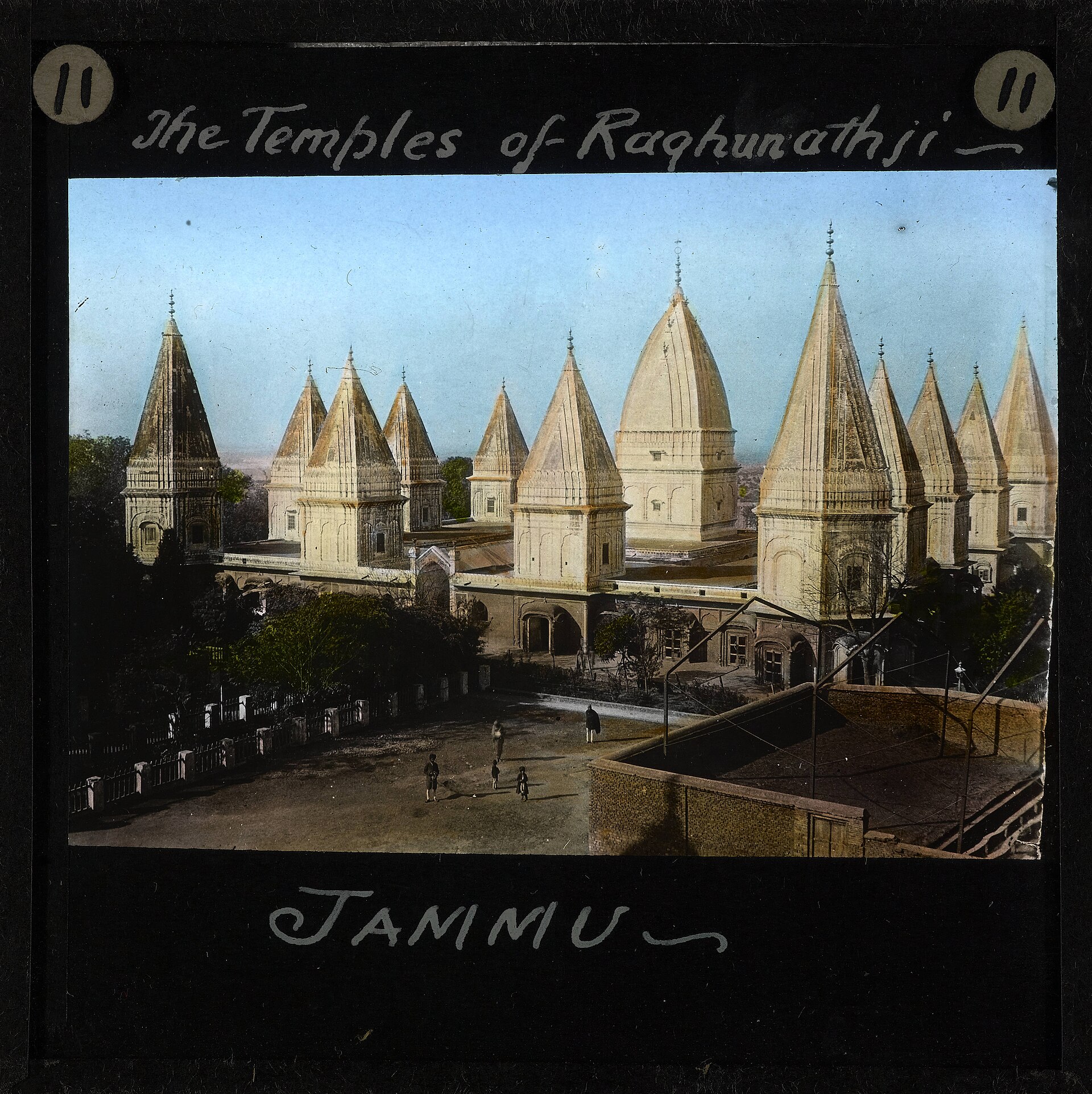
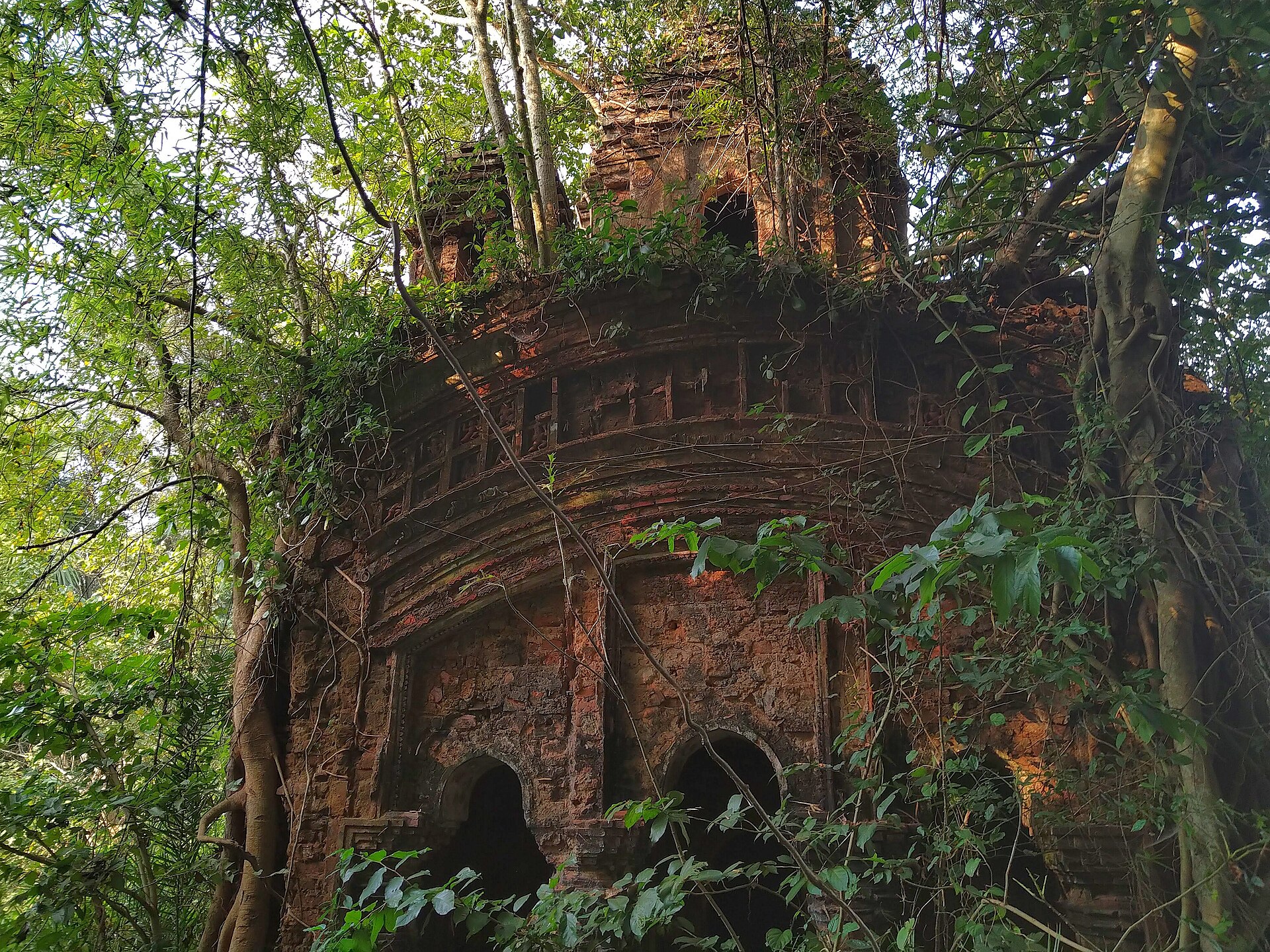
Visiting Raghunath Temple: Best Tour Options
Planning your trip to the heart of Jammu's spiritual center.
Discover the most efficient ways to visit Raghunath Temple, including transport tips, tour combinations, and why local expertise matters for your Jammu itinerary.
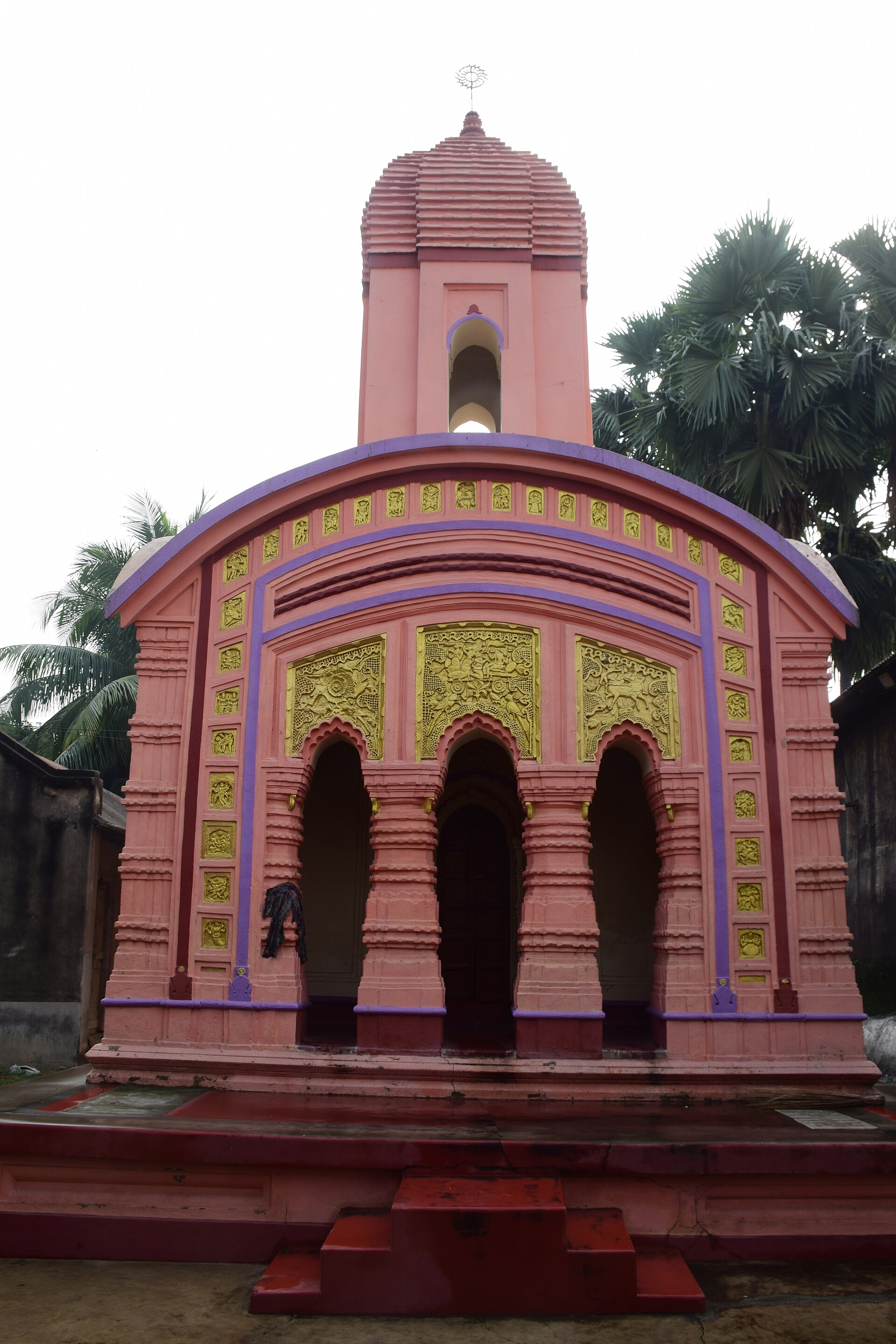
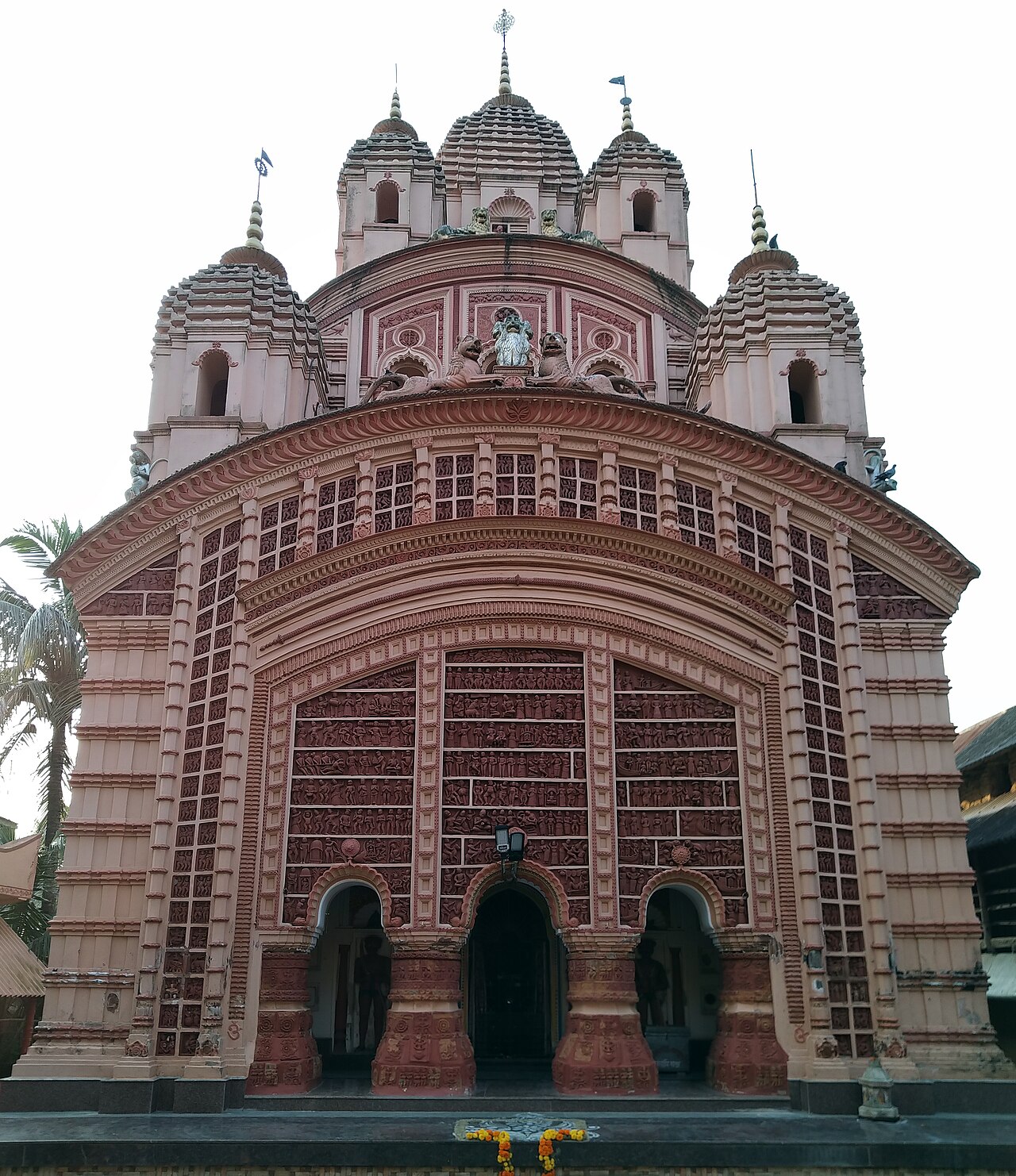
The golden spires of the Raghunath Temple stand out against the Jammu skyline.Photo: Amitabha Gupta · CC BY 4.0
The scent of sandalwood and ringing bells greet you long before you reach the actual entrance of the Raghunath Temple. Situated in the middle of a bustling, chaotic, and utterly vibrant marketplace, this complex is not just a landmark; it is the heartbeat of old Jammu city. Finding your way here requires a bit of local navigation, especially if you are arriving from out of town.
Whether you are planning a spiritual journey or a cultural heritage walk, understanding the Raghunath temple location is crucial for your planning. This guide details how to make the most of your visit, ensuring you see the shrines without getting overwhelmed by the surrounding city traffic.
The Heart of Raghunath Bazaar
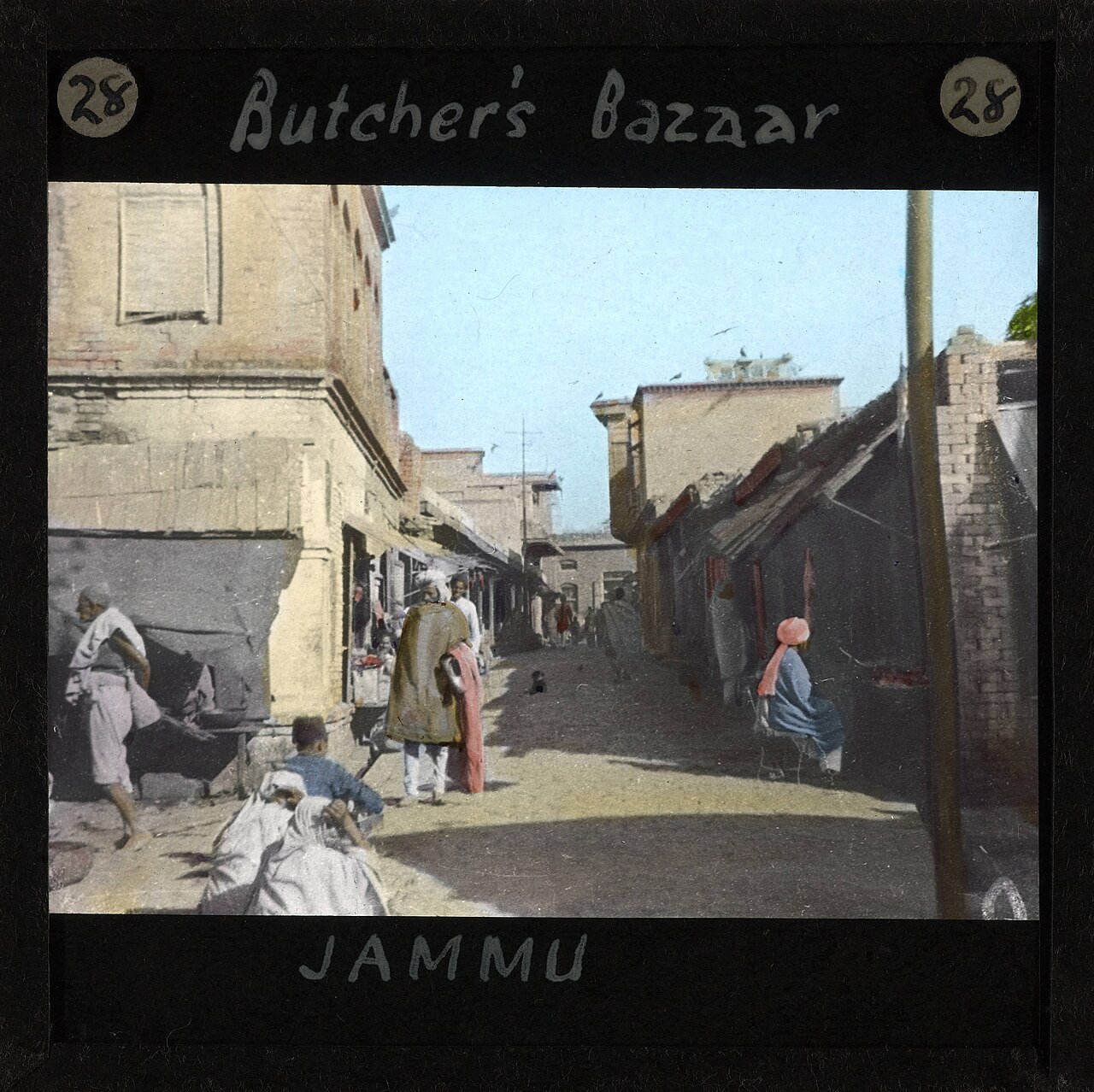
The temple sits right in the middle of Raghunath Bazaar. If you have ever been to a major Indian market, you know the scene: narrow lanes, motorbikes weaving through crowds, and shopkeepers calling out to passersby. The contrast between the frenetic market street and the quiet, gold-leafed interior of the temple is jarring in the best way possible.
Because of its location, parking is essentially non-existent. Most visitors arrive via auto-rickshaw or walking from nearby hotel hubs. The street itself is worth an hour of your time, filled with dry fruit shops selling local walnuts and almonds, as well as traditional Dogra craftsmanship.
Easy Access for Guided Tours
When we arrange tours, we rarely have clients go in completely blind. The entrance security protocols are strict; you will need to deposit mobile phones and leather items at the designated counters. This process can be daunting if you don't speak the local language or aren't familiar with the layout.
A guided tour streamlines this. Your local guide knows exactly which counter is open and how to navigate the security queue, saving you roughly 30 to 45 minutes on a busy morning. They also provide the historical context that isn't written on any plaque.
Combining the Temple with City Sightseeing
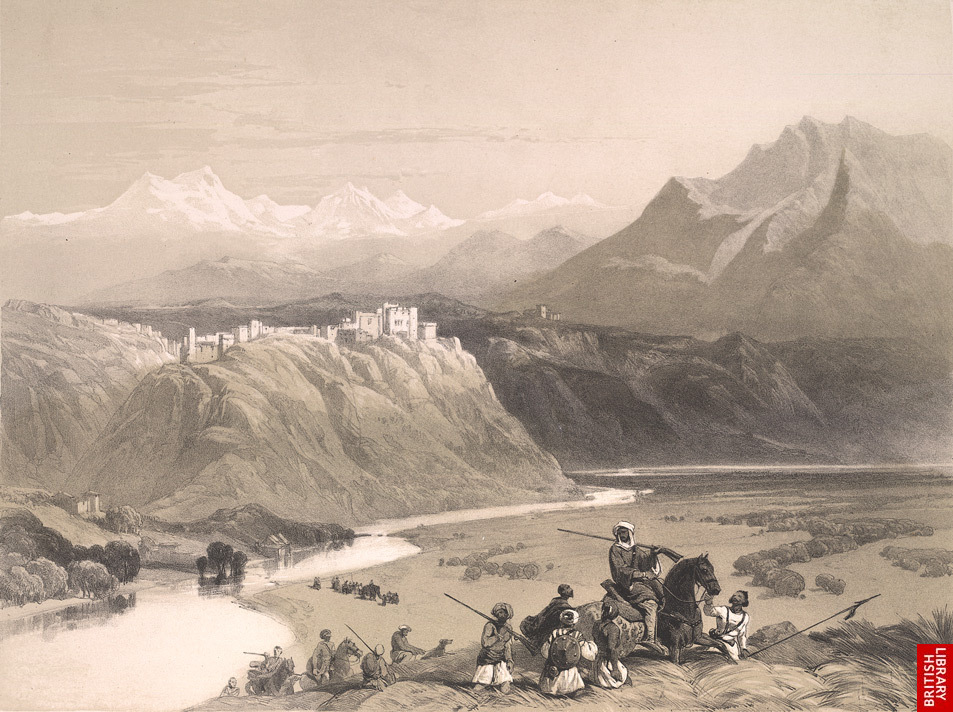
You should not visit the Raghunath Temple in a vacuum. It is ideally placed for a half-day circuit. We often suggest starting here at 9:00 AM before the mid-day heat sets in, then moving toward Bahu Fort. The drive between the two is roughly 20 minutes, depending on the state of the Tawi bridge traffic.
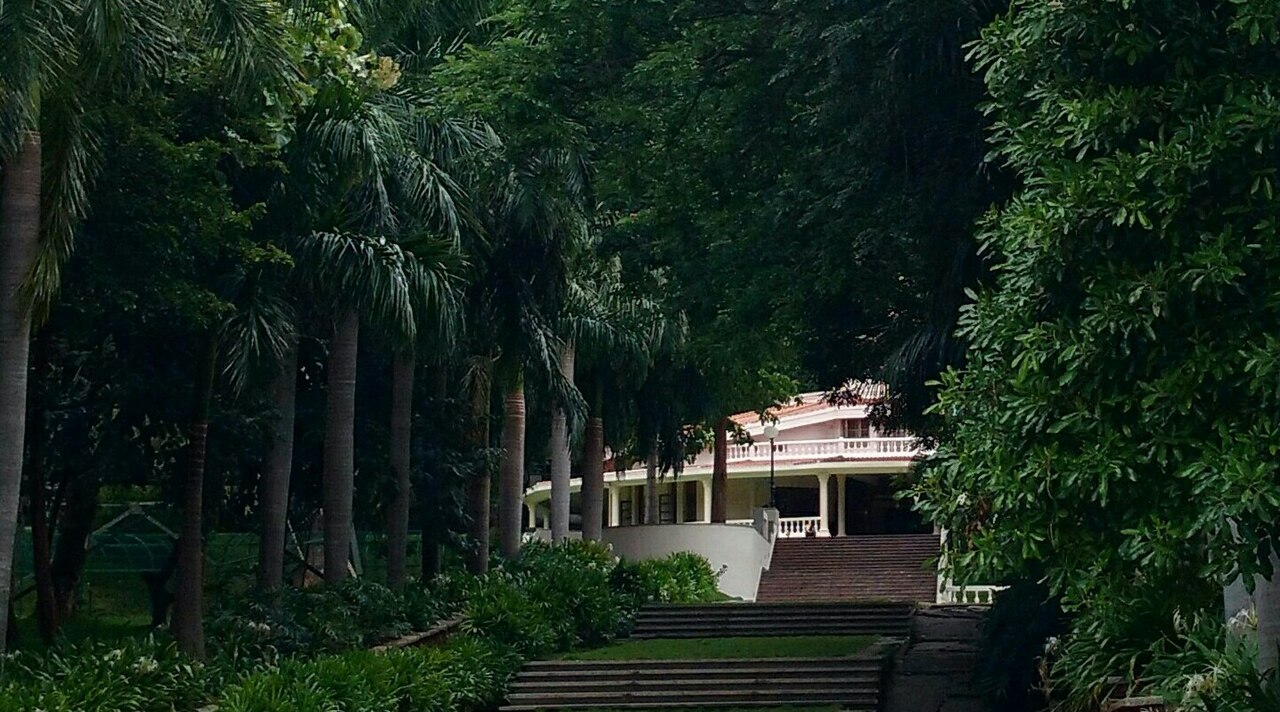
If you have more time, include a stop at the nearby museums or, if you prefer nature, a late afternoon excursion to Surinsar Lake or Mansar Lake. These two spots are about an hour outside the city and offer a much-needed quiet finish to a day of urban exploration.
Why Choose a Local Tour Operator
Managing logistics in Jammu is a lesson in patience. Roads can be unpredictable, and the sheer density of the old city can make a taxi driver unfamiliar with the narrow backstreets turn a ten-minute journey into a forty-minute ordeal.
Our team has been navigating these streets for years. We know which lanes are blocked for construction and where you can actually get a decent cup of tea while waiting for the temple to open for darshan. It is about removing the friction so you can focus on the experience.
Customizing Your Jammu Experience
Every traveler is different. Some want the deep, historical immersion, while others just want to catch the main highlights before heading to Kashmir or Ladakh. We don't believe in one-size-fits-all itineraries.
If you want to spend more time at the Raghunath temple location, we adjust your schedule. If you want to spend less time in the market and more time in nature at the serene Surinsar Lake, that is what we build. It is your time; we just make sure you don't waste it on logistics.
Before you book
The Raghunath Temple remains a vital part of Jammu’s identity. Getting there is part of the experience, offering a glimpse into the daily rhythm of the city. While it might look like a simple destination on a map, the reality on the ground requires a bit of planning.
If you are ready to explore the city without the stress of navigating, feel free to reach out to our team at Skywale Packages. We are happy to help you design a day that flows smoothly.
Need help planning your Jammu visit?
We handle the logistics so you don't have to. Contact us today to build your custom itinerary.
Contact UsWritten by
Kashmir, Jammu & Ladakh specialists
We plan and run trips across Kashmir, Jammu and Ladakh every week of the year. Everything here comes from routes we drive, stays we inspect and questions our travellers actually ask.
Quick answers
Questions we get asked
Is there a dress code for the temple?
Yes, modest clothing is required. Ensure your shoulders and knees are covered. Many visitors opt for a shawl or scarf, which is easily picked up in the market beforehand.
Can I reach the temple by car?
You can reach the vicinity by car, but parking is extremely limited. We always recommend arriving by auto-rickshaw or being dropped off at the market perimeter to avoid traffic stress.
How long does a typical visit take?
Expect to spend about 60 to 90 minutes. This includes time to walk through the bazaar, go through security, and offer your prayers inside the main shrine.
Is photography allowed inside?
No, photography is strictly prohibited inside the temple premises. You will need to deposit your camera along with your mobile phone at the security counter.
What is the best time of day to visit?
Early morning or late afternoon are ideal. You avoid the peak sun and the worst of the market's mid-day congestion, allowing for a much more peaceful experience.
Photography credits
- Photo: Amitabha Gupta · CC BY 4.0
- Photo: Amitabha Gupta · CC BY 4.0
- Photo: Ms Sarah Welch · CC BY-SA 4.0
- Photo: James Duffield Harding / After Charles Hardinge, 2nd Viscount Hardinge · Public domain
- Photo: Raghunath Mva · CC BY-SA 4.0
- Photo: Unknown author Unknown author · Public domain
- Photo: Amitabha Gupta · CC BY 4.0