Understanding Temple Rites: Why Hindu Temples Close in the Afternoon
A guide to the daily rhythm of Raghunath Temple and the significance of rest periods
Ever arrived at a temple gate just to find the doors locked? Here is why hindu temples close in afternoon and how to time your visit to Jammu's Raghunath Temple.
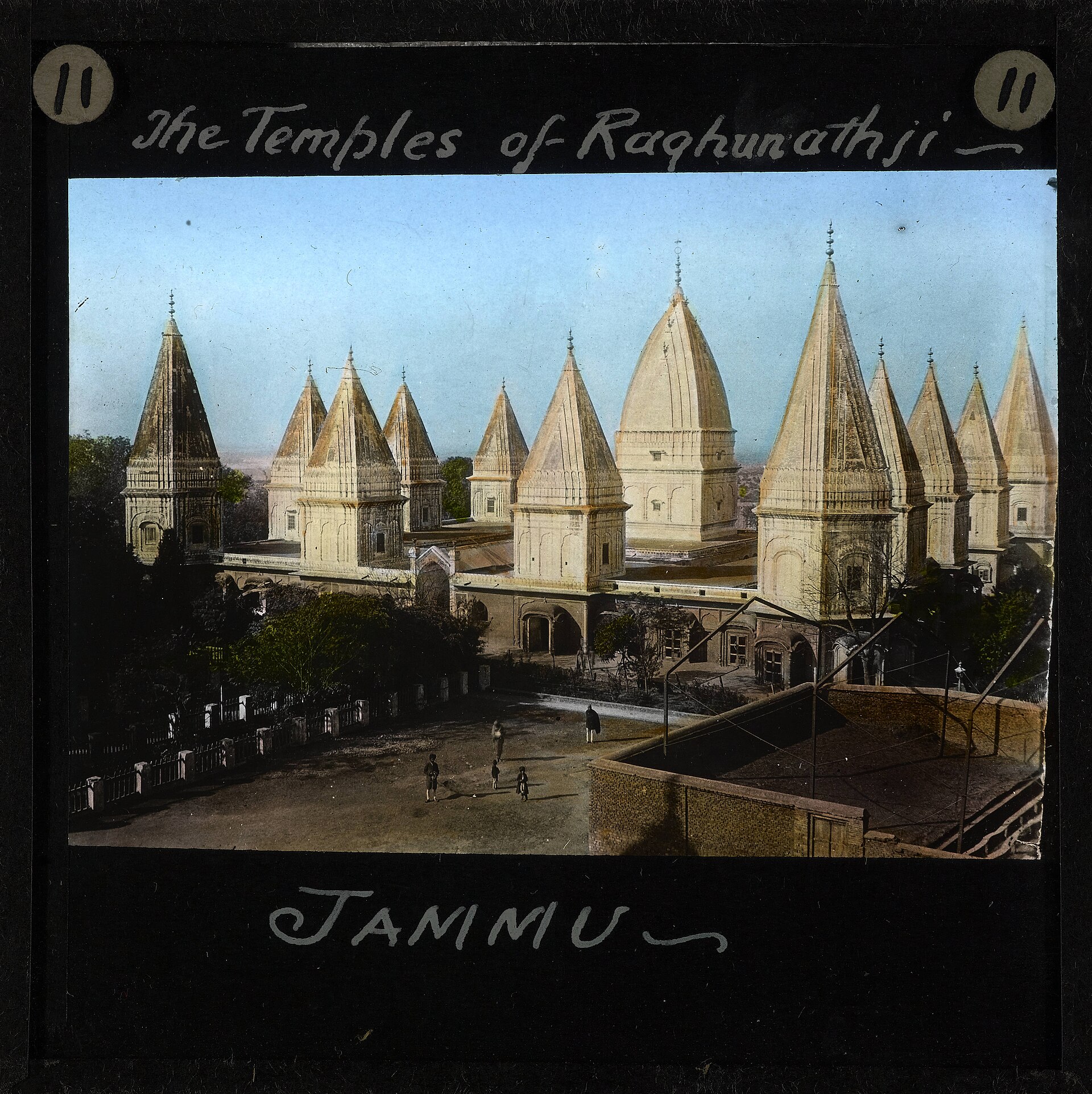
The golden spires of the Raghunath Temple complex rise prominently above the surrounding market.Photo: Unknown author Unknown author · Public domain
I remember the first time I stood outside the heavy wooden gates of a major temple in Jammu at 1:30 PM, wondering why the bustling activity had suddenly ceased. There is a common frustration for travellers when they find sanctuary doors locked during the middle of the day. Yet, understanding why Hindu temples close in afternoon requires a shift in perspective, moving away from the idea of a 'tourist site' and toward the reality of a living deity.
In traditions like those at the Raghunath Temple, the deity is treated as a royal guest. This is not just a building; it is a residence. Just as a household has hours for meals and rest, so too does the sanctum. The afternoon closure is a deliberate, necessary period of ritual transition that defines the rhythm of daily life in Jammu.
The Concept of Bhog and Rest
The core reason for the afternoon break relates to the concept of Bhog—the offering of food to the deity. Once the main midday prayers are conducted, the deity is offered a meal. This is a private, sacred time. After the offering, the sanctum is closed to allow the deity to 'rest' or 'repose'.
This is not a symbolic gesture. For practitioners, the deity is truly present. Much like we would not want guests hovering in our bedroom while we are eating or sleeping, the temple doors are shut to preserve the sanctity of the deity’s personal time. This is a fundamental aspect of temple etiquette that requires patience from us as visitors.
Daily Ritual Schedule at Raghunath Temple
At the Raghunath Temple, the day is split into specific windows of activity. Morning prayers (Mangala Aarti) begin very early, often before sunrise. The temple remains open for a steady stream of devotees throughout the forenoon, with the main afternoon closure usually occurring between roughly 1:00 PM and 4:00 PM.
When you are planning a visit, checking these local timings is essential. The schedule can shift slightly during winter months when the sun sets earlier, so do not assume the times you read online will hold perfectly. Always confirm the current daily schedule with a local contact or your hotel desk before heading into the city center.
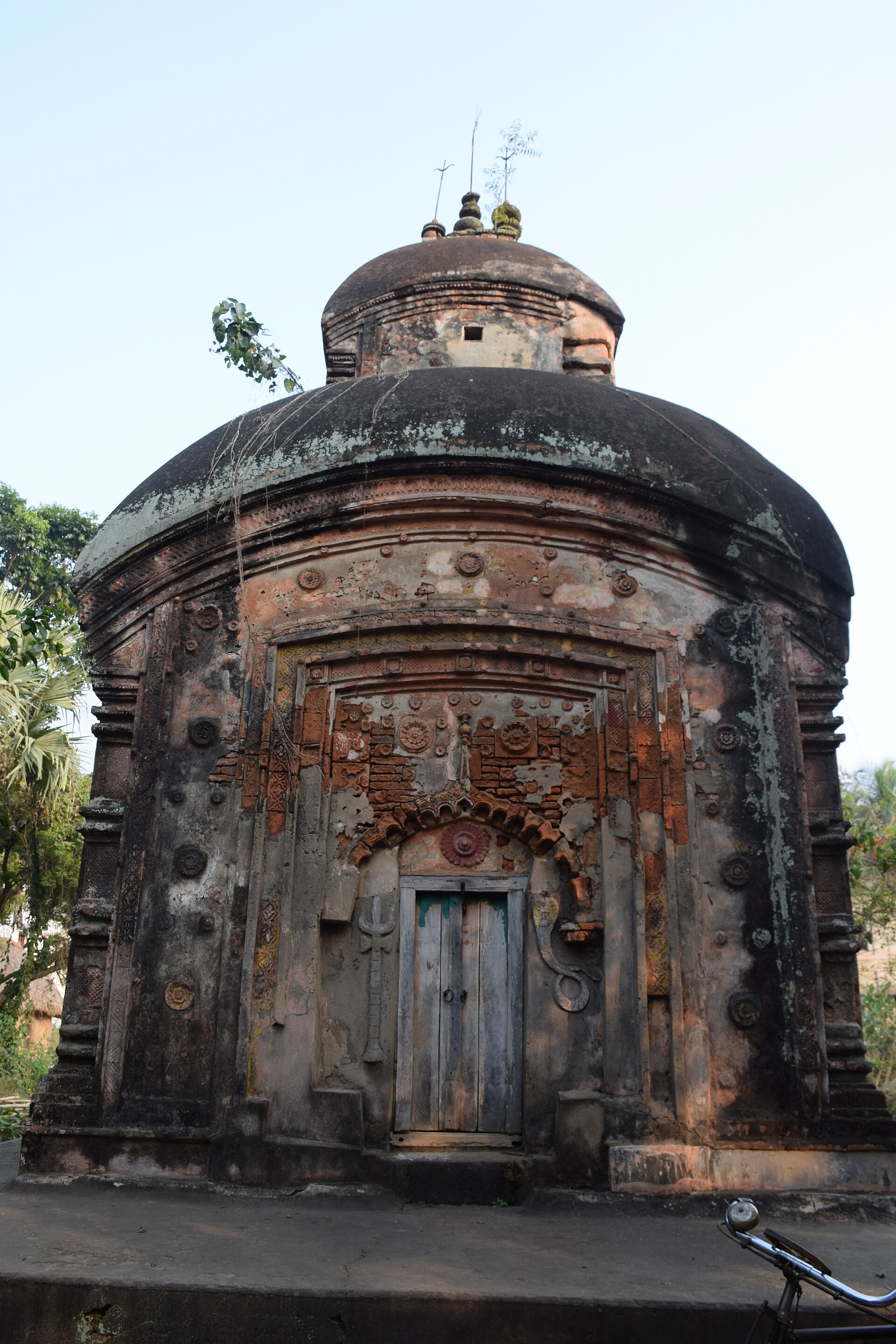
The Importance of Darshan Timings
Darshan—the act of beholding the deity—is the highlight of the visit. When you arrive during a closure, you aren't just missing a building; you are missing the visual connection. The afternoon gap serves as a reset for the priests as well, who prepare for the evening evening aarti, which is a spectacle of lights, sound, and intense devotion.
If you find yourself arriving during the closed period, don't feel discouraged. The exterior architecture of the Raghunath complex, with its gold-plated spires, is worth observing in the daylight. Use the time to explore nearby markets or grab a cup of tea, and return when the bells signal that the doors have reopened.
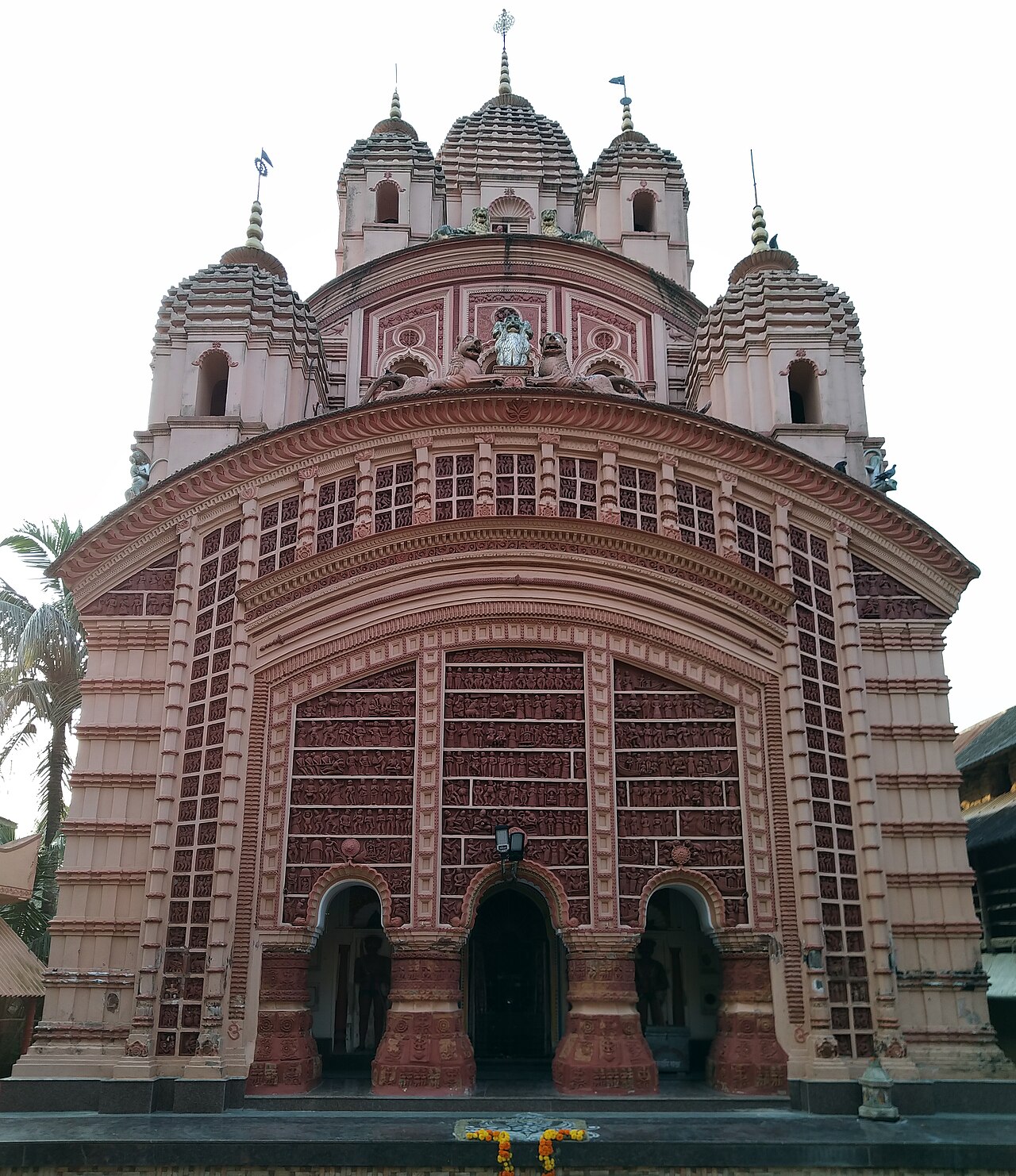
Respecting Temple Traditions
Respecting the closure is part of being a mindful traveller. Do not attempt to peer through the gaps or linger excessively at the closed thresholds. Instead, move to the side, observe the quiet devotion of those who are waiting, and enjoy the atmosphere. Silence is often as much a part of the ritual as the ringing of the temple bells.
Remember that photography is generally restricted inside the main inner sanctum. Always look for signage or ask a priest before taking out your camera, even when the temple is technically 'open' to the public. If you are ever unsure, it is better to leave the camera in your bag.
Planning Your Visit Around Closing Times
To avoid the midday heat and the potential for a closed gate, plan to arrive either early in the morning or late in the afternoon. The morning allows you to see the temple while it is freshly cleaned and filled with the scent of incense. Late afternoon arrivals often catch the transition into the evening ceremonies.
If your schedule is tight, consider pairing your visit with other nearby sites like Bahu Fort to make the most of your day. By being flexible and understanding the daily rhythm, you can ensure that your time at the Raghunath Temple is both meaningful and well-spent.
Before you book
The afternoon closure at Raghunath Temple is more than just a schedule; it is an invitation to slow down and align your pace with the customs of the region. By respecting these moments of rest, you gain a deeper understanding of the spiritual life that sustains this historic place.
Whether you are planning to spend your time exploring Jammu or heading toward Mansar Lake, remember that the most rewarding experiences happen when you stop rushing. If you have questions about current timings or want help building a respectful itinerary, reach out to us at our contact page.
Need help planning your Jammu visit?
We know these streets by heart. Let us help you organize your temple visits and excursions to nearby spots.
Contact Our TeamWritten by
Kashmir, Jammu & Ladakh specialists
We plan and run trips across Kashmir, Jammu and Ladakh every week of the year. Everything here comes from routes we drive, stays we inspect and questions our travellers actually ask.
Quick answers
Questions we get asked
Can I visit the temple courtyard while the sanctum is closed?
While the inner sanctum doors close for the deity's rest, you can often remain within the temple complex courtyard. Use this time to observe the architecture or wait quietly for the next opening.
Is the Raghunath Temple closed on specific days?
The temple generally remains open daily. However, special festivals may cause shifts in the standard ritual schedule. Always check with local sources or your travel operator before heading out.
What is the best time to avoid the afternoon closure?
Aim to arrive before 12:00 PM to finish your visit before the afternoon rest begins, or arrive after 4:00 PM to catch the evening energy as the temple reopens.
Does the temperature in Jammu affect temple timings?
Yes, in the peak summer heat, the afternoon closure might feel longer as the city slows down. Conversely, winter schedules might be tighter to account for shorter daylight hours.
Is there an entry fee to visit the Raghunath Temple?
Generally, there is no entry fee for the temple itself. However, you will need to deposit your electronic items, such as phones and cameras, at the designated security counters outside.
Photography credits
- Photo: Unknown author Unknown author · Public domain
- Photo: Amitabha Gupta · CC BY 4.0
- Photo: Ms Sarah Welch · CC0
- Photo: Amitabha Gupta · CC BY 4.0
- Photo: Amitabha Gupta · CC BY 4.0
- Photo: Amitabha Gupta · CC BY 4.0
- Photo: Amitabha Gupta · CC BY 4.0