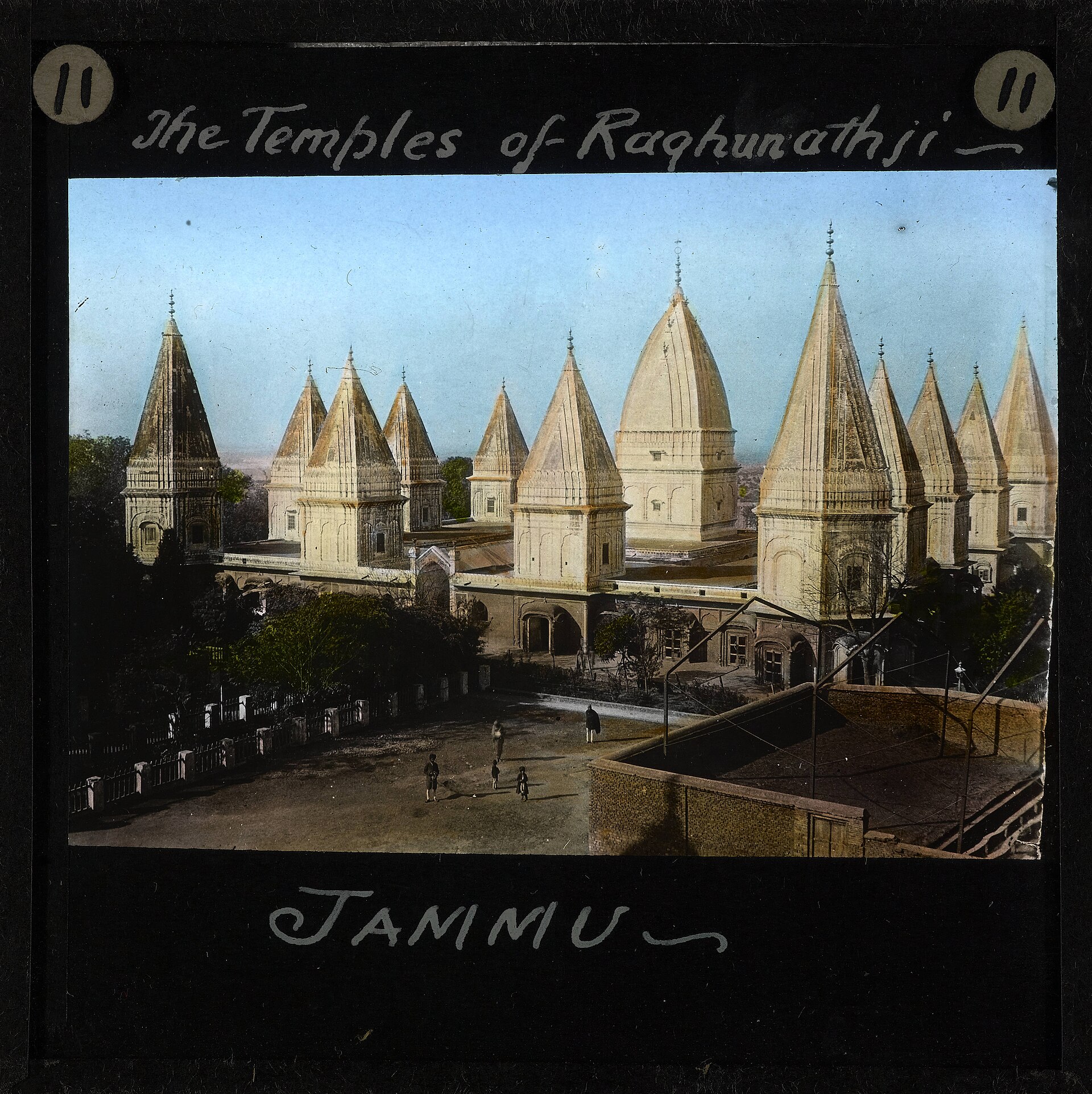
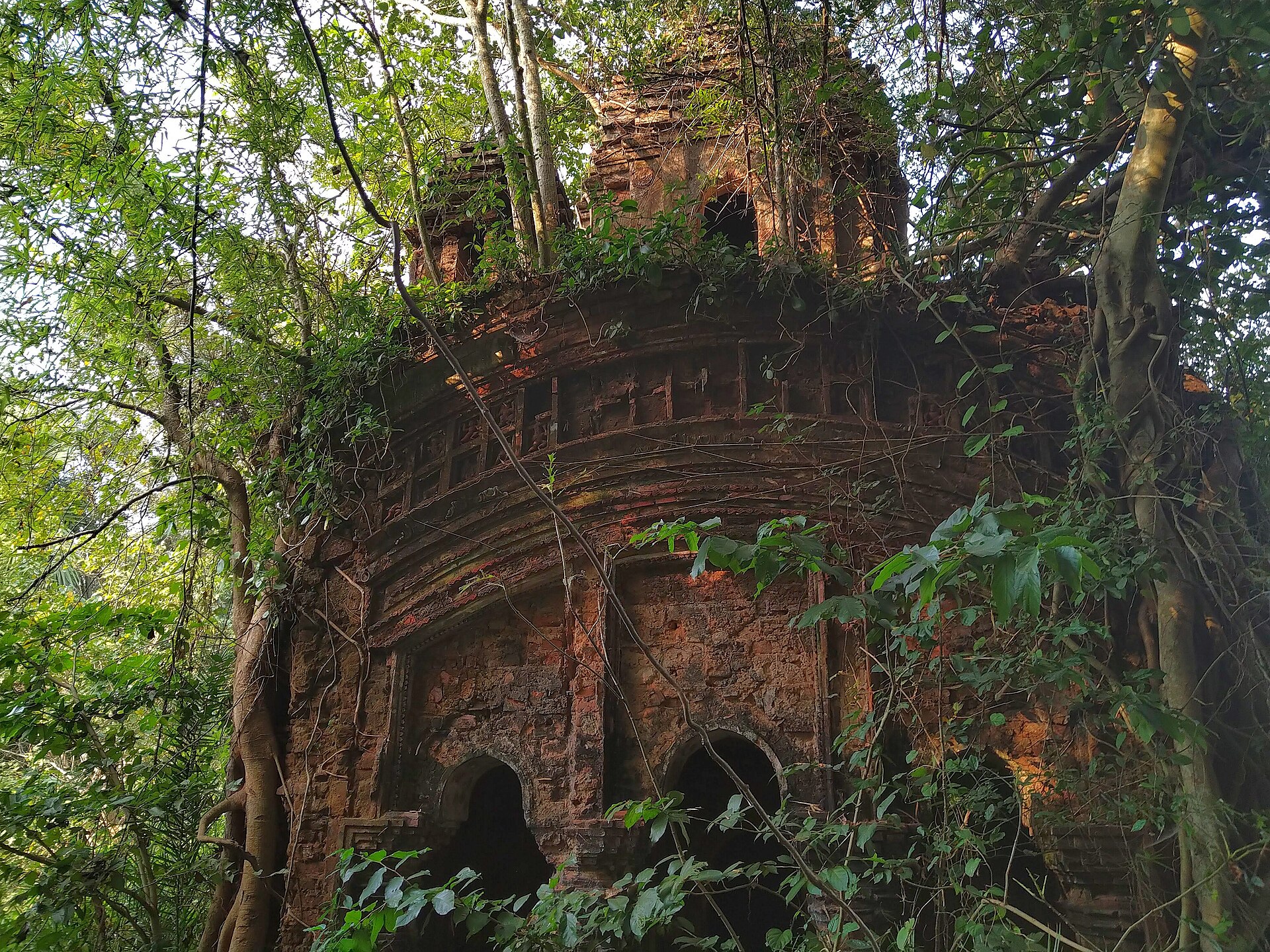
The History of Raghunath Temple: A 19th-Century Icon
Discover the origins, architecture, and enduring legacy of Jammu's most prominent sanctuary.
When was Raghunath Temple built? Explore the 19th-century history, royal patronage, and distinct architectural style of Jammu's landmark shrine.
The grand entrance gateway welcomes visitors into the historic temple complex.Photo: Ms Sarah Welch · CC BY-SA 4.0
Shoes off, cold stone beneath your feet, and the sharp scent of ghee lamps burning in the morning chill. Standing in the heart of Jammu's old bazaar, the Raghunath Temple complex feels entirely removed from the chaotic motorcycle traffic buzzing just outside its heavy outer gates. It is a place built not just for worship, but to anchor an entire city's identity during a volatile century of dynastic shifts.
If you ask locals about the origins of this sprawling sanctuary, they will point you back to the foundation laid by the Dogra rulers. Understanding when was raghunath temple built requires looking at the mid-19th century when Jammu was finding its footing as the winter capital of a sprawling princely state. The complex grew outward over decades, reflecting both deep religious devotion and strategic political consolidation.
Walking through the various shrines today, you notice how the gold-plated roofs catch the afternoon light while thousands of saligrams line the inner sanctums. This guide takes you through the historical timeline, architectural influences, and the ongoing efforts to preserve a monument that has witnessed the rise and fall of kingdoms.
Foundation by Maharaja Gulab Singh in the 1850s
The story of the complex begins with Maharaja Gulab Singh, the founder of the Jammu and Kashmir princely state. When was raghunath temple built? Construction officially started around 1835 under his rule and was later completed by his son, Maharaja Ranbir Singh, in 1860. The father-son duo envisioned a religious center that could rival the great temple towns of the Indian plains, consolidating Hindu faith under Dogra patronage.
Gulab Singh chose a site right in the middle of the old city, making it accessible to both common citizens and royal courtiers. The initial phase focused on the main shrine dedicated to Lord Rama, revered as the patron deity of the Dogra rulers. Building a temple of this scale required importing skilled artisans from the plains who brought masonry techniques suited to the local sandstone and lime mortar.
By the time Maharaja Ranbir Singh inaugurated the completed complex, it had grown into a massive seven-acre enclave. It was not just a single building, but a cluster of shrines dedicated to various Hindu deities, each reflecting the eclectic and inclusive religious practices of the royal household at the time.
- Construction initiated by Maharaja Gulab Singh in 1835
- Completed under the reign of Maharaja Ranbir Singh in 1860
- Designed to serve as the spiritual heart of the Dogra kingdom
Architectural Evolution of the Complex
The architecture of Raghunath Temple stands out in Jammu because it blends North Indian Sikh-era influences with classic Hindu temple design. The most striking visual elements are the gold-plated spires that crown the major shrines, gleaming across the skyline of the old city. These domes were coated in gold sheet during the later years of the 19th century, a testament to the wealth and artistic ambition of the Dogra court.
Inside the sanctum, the walls are adorned with intricate gold leaf paintings depicting scenes from the Ramayana, Mahabharata, and the Bhagavad Gita. These murals have survived decades of climate shifts, though they require careful conservation today. The arches and pillared corridors show a distinct Islamic architectural influence, common in the hill states of that era, creating a harmonious syncretic style.
Unlike the stone-heavy temples of South India or the timber architecture of the Kashmir Valley, Raghunath makes extensive use of brick core finished with fine lime plaster. This allowed artisans to carve delicate relief work around the niches and doorways, giving the heavy masonry a surprising lightness and visual rhythm.
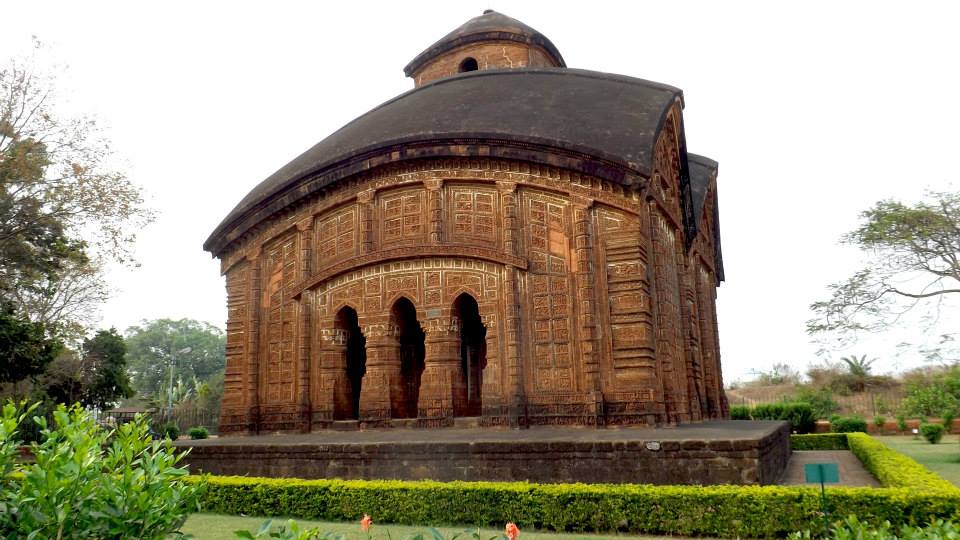
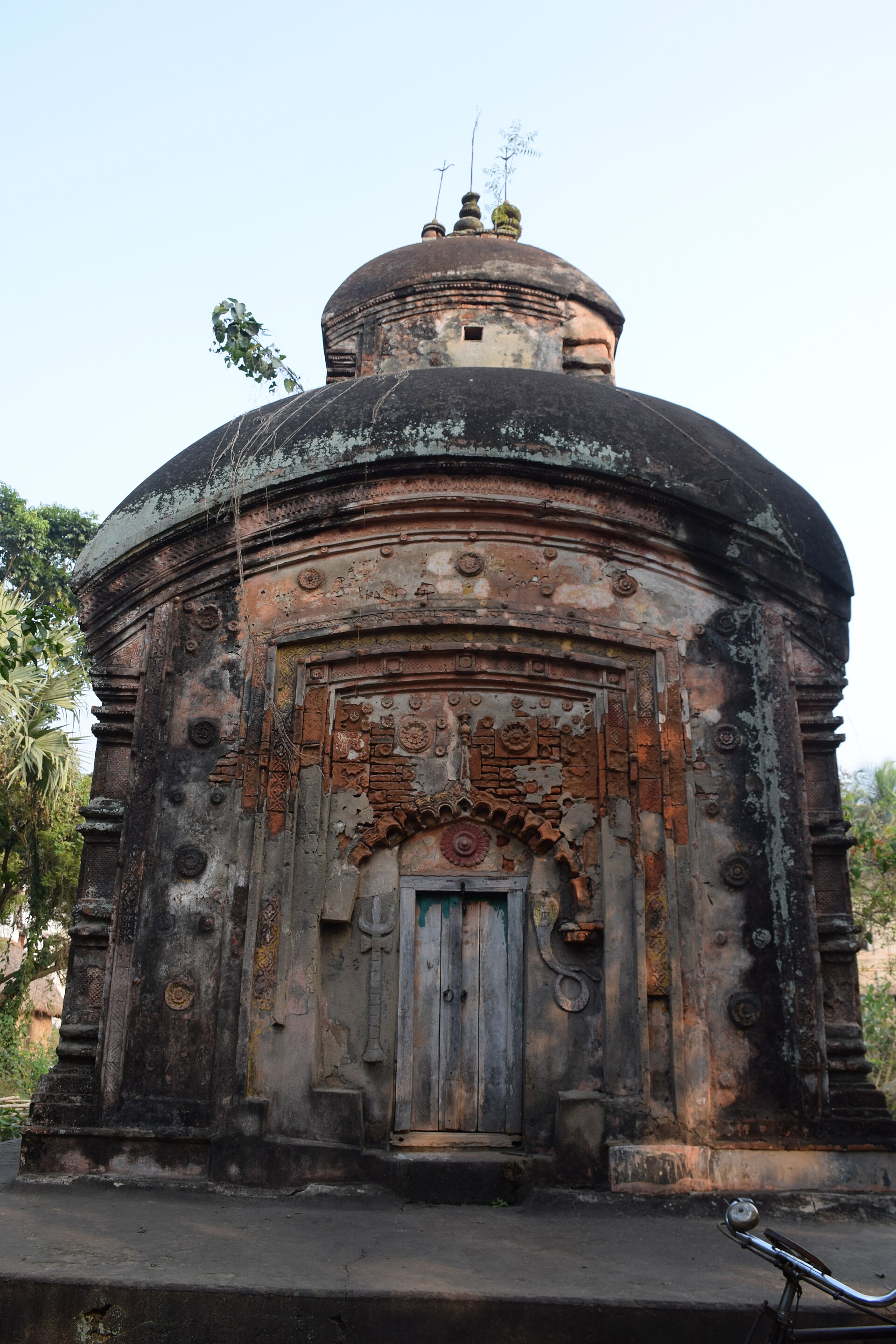
The Raghunath Temple complex feels entirely removed from the chaotic motorcycle traffic buzzing just outside its heavy outer gates.
Preserving the Heritage of Jammu
Maintaining a 19th-century religious complex in the middle of a bustling commercial district presents constant logistical challenges. Pollution from nearby traffic, seasonal heavy rains, and the sheer volume of daily visitors take a toll on the delicate lime plaster and exterior gold plating. Over the decades, various state and central bodies have stepped in to execute targeted restoration projects.
When you walk past the arched gateways today, you might spot conservation architects assessing moisture levels in the brickwork or cleaning centuries-old wall paintings with specialized solvent mixtures. The goal is always stabilization rather than replacement, ensuring the original materials retain their historical integrity. Local authorities also work closely with the temple trust to manage crowd flow without damaging the historic flagstones.
For travelers interested in regional heritage, visiting the temple offers a tangible link to a preservation movement that values living traditions over static museum displays. The complex remains an active place of worship where daily rituals continue uninterrupted by the restoration work happening around the edges.
The Temple Through the Centuries
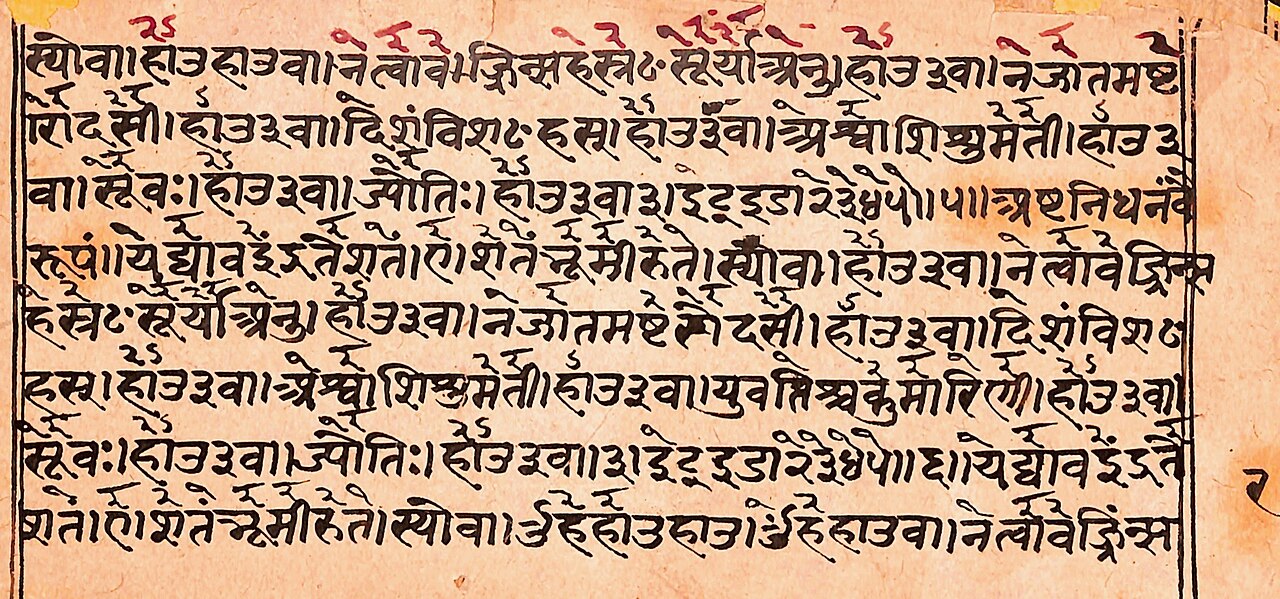
Few historical sites in Jammu have witnessed as much social and political transformation as this one. Established during the consolidation of the princely state, the temple later served as a major center for Sanskrit learning under Maharaja Ranbir Singh, who established a grand library here housing rare manuscripts in Sanskrit, Persian, and Arabic.
Through the turbulence of the partition era, the wars of the 20th century, and the rapid modernization of Jammu city, the temple grounds remained a sanctuary of calm. Older residents in the old city still share stories of how the temple bells provided a steady cadence through periods of political uncertainty, reinforcing its role as a social anchor for the community.
Even as the city expanded outward toward new residential colonies and highway bypasses, the pull of Raghunath Temple never diminished. It remains the mandatory first stop for traditional pilgrims heading onward to the mountains, continuing a centuries-old travel custom.
Cultural Legacy Today
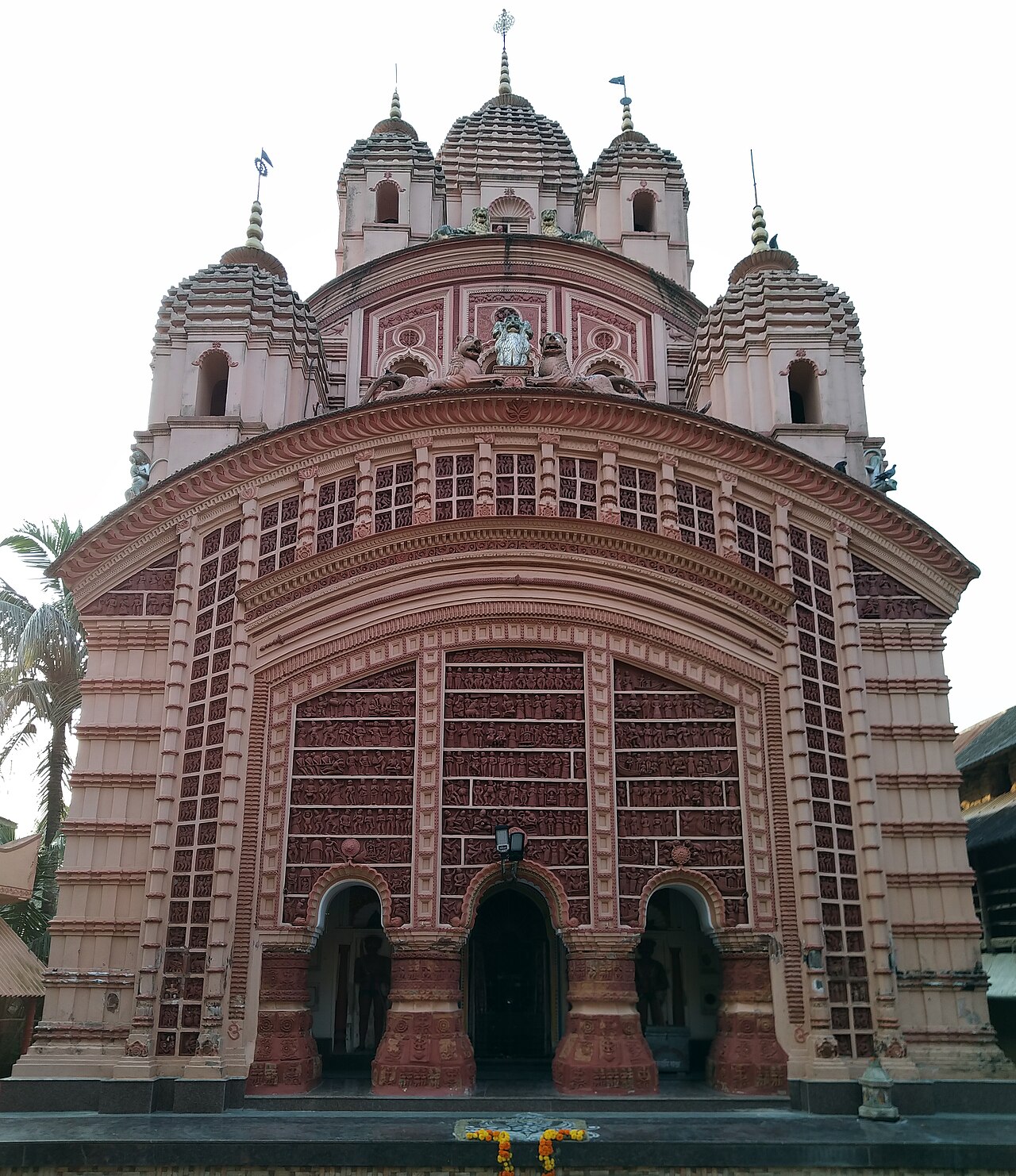
Today, the legacy of the temple extends far beyond its religious function. It is a living archive of Dogra culture, language, and artistic patronage. The surrounding market, known locally as Raghunath Bazaar, grew organically around the temple walls and remains the best place in the city to buy traditional handicrafts, dry fruits, and Dogra woolen shawls.
When planning your itinerary, combining a morning at the temple with a trip to other nearby heritage sites like Bahu Fort provides a complete picture of Jammu's royal past. If you have extra time, you can even take day excursions to tranquil water bodies such as Mansar Lake and Surinsar Lake to see the natural landscapes that inspired the region's rulers.
Whether you come for the history, the architecture, or the spiritual atmosphere, spending a couple of hours walking the stone corridors offers an unfiltered look at Jammu's past. For deeper insights into planning your visit, you can check our detailed guide on the /destinations/jammu/raghunath-temple route.
Before you book
The history of Raghunath Temple is inseparable from the story of Jammu itself. From its founding days as a royal sanctuary to its current status as a bustling cultural landmark, it preserves the artistic and spiritual ambitions of the Dogra dynasty in stone, gold, and mortar.
If you want to explore this historic landmark and other regional highlights without rushing, we are always here to help craft a custom itinerary. Reach out to our local team through our /contact page to start planning your journey.
Plan Your Jammu Heritage Tour
Let our local experts help you discover the rich history and architecture of Jammu with a tailored travel itinerary.
Contact Our TeamCaption for your own post
Morning light on the gold-plated spires of Raghunath Temple in Jammu's old city.
Written by
Kashmir, Jammu & Ladakh specialists
We plan and run trips across Kashmir, Jammu and Ladakh every week of the year. Everything here comes from routes we drive, stays we inspect and questions our travellers actually ask.
Written by an editor who has walked the stone floors of Raghunath Temple in every season.
Quick answers
Questions we get asked
When was Raghunath Temple built?
Construction of Raghunath Temple began in 1835 under Maharaja Gulab Singh and was completed in 1860 during the reign of his son, Maharaja Ranbir Singh.
Who is the main deity worshipped in the temple?
The primary shrine is dedicated to Lord Rama, who is revered as the patron deity of the Dogra dynasty of Jammu and Kashmir.
Are cameras and mobile phones allowed inside the complex?
Photography is strictly prohibited inside the main temple courtyards and near the inner sanctums for security and religious reasons. You must deposit phones at the cloakroom.
What is the best time of day to visit the temple?
Early morning between 6:00 AM and 8:00 AM offers the quietest atmosphere, while the evening aarti provides a vibrant devotional experience.
Is there an entry fee to visit Raghunath Temple?
No, entry to the temple complex is completely free for all visitors, though donations are accepted at designated boxes.
Photography credits
- Photo: Ms Sarah Welch · CC BY-SA 4.0
- Photo: Amitabha Gupta · CC BY 4.0
- Photo: Ms Sarah Welch · CC BY-SA 4.0
- Photo: SuparnaRoyChowdhury · CC BY-SA 4.0
- Photo: Ms Sarah Welch · CC BY-SA 4.0
- Photo: Amitabha Gupta · CC BY 4.0
- Photo: Molin12 · CC BY-SA 4.0