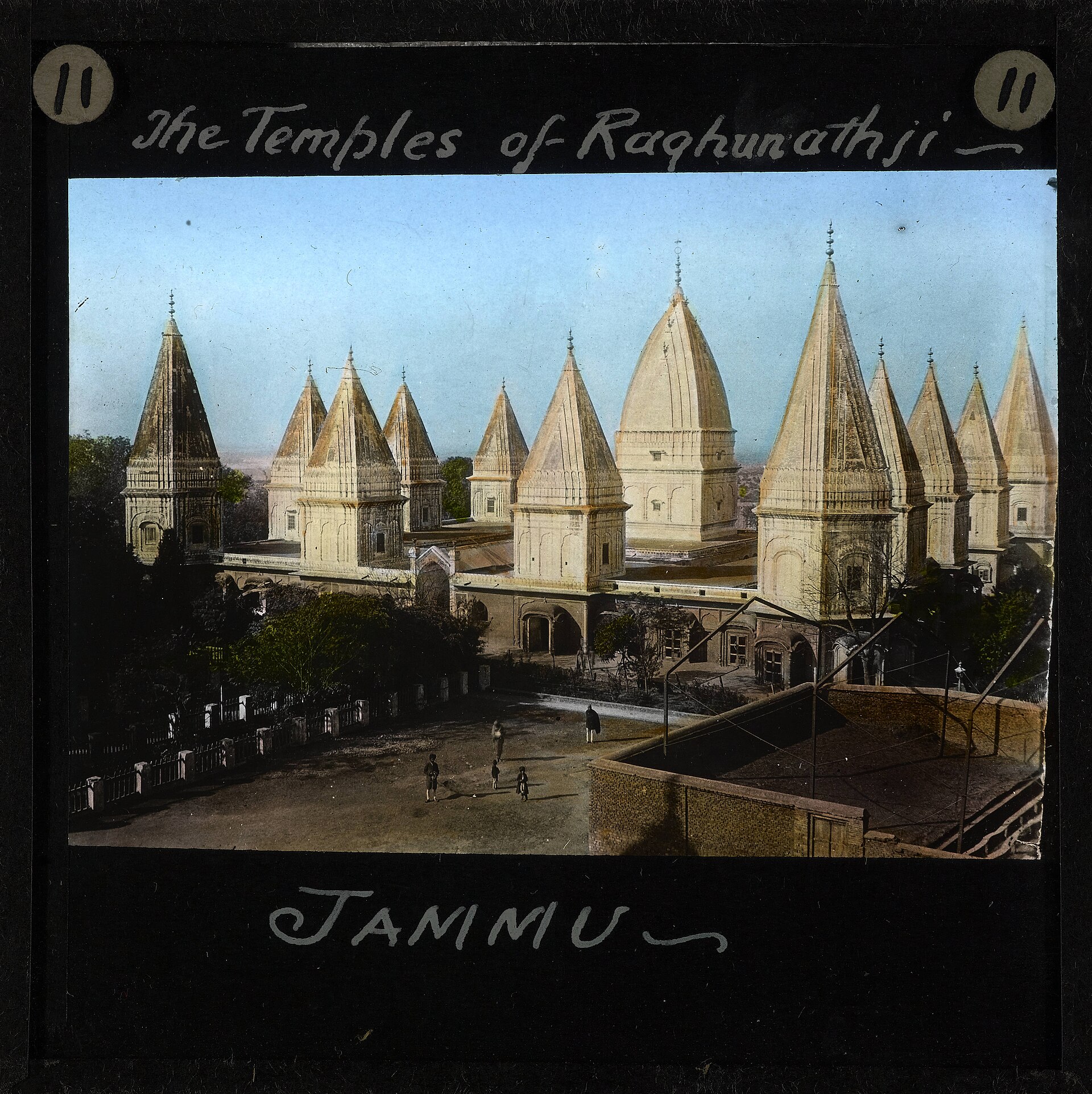
Exploring the Raghunath Temple: A Heritage Guide
Discovering the history and architectural wonders of Jammu’s most sacred site
Take a walk through the Raghunath Temple Jammu. From its gold-leafed interiors to its historic manuscript library, this is your guide to a major heritage site.
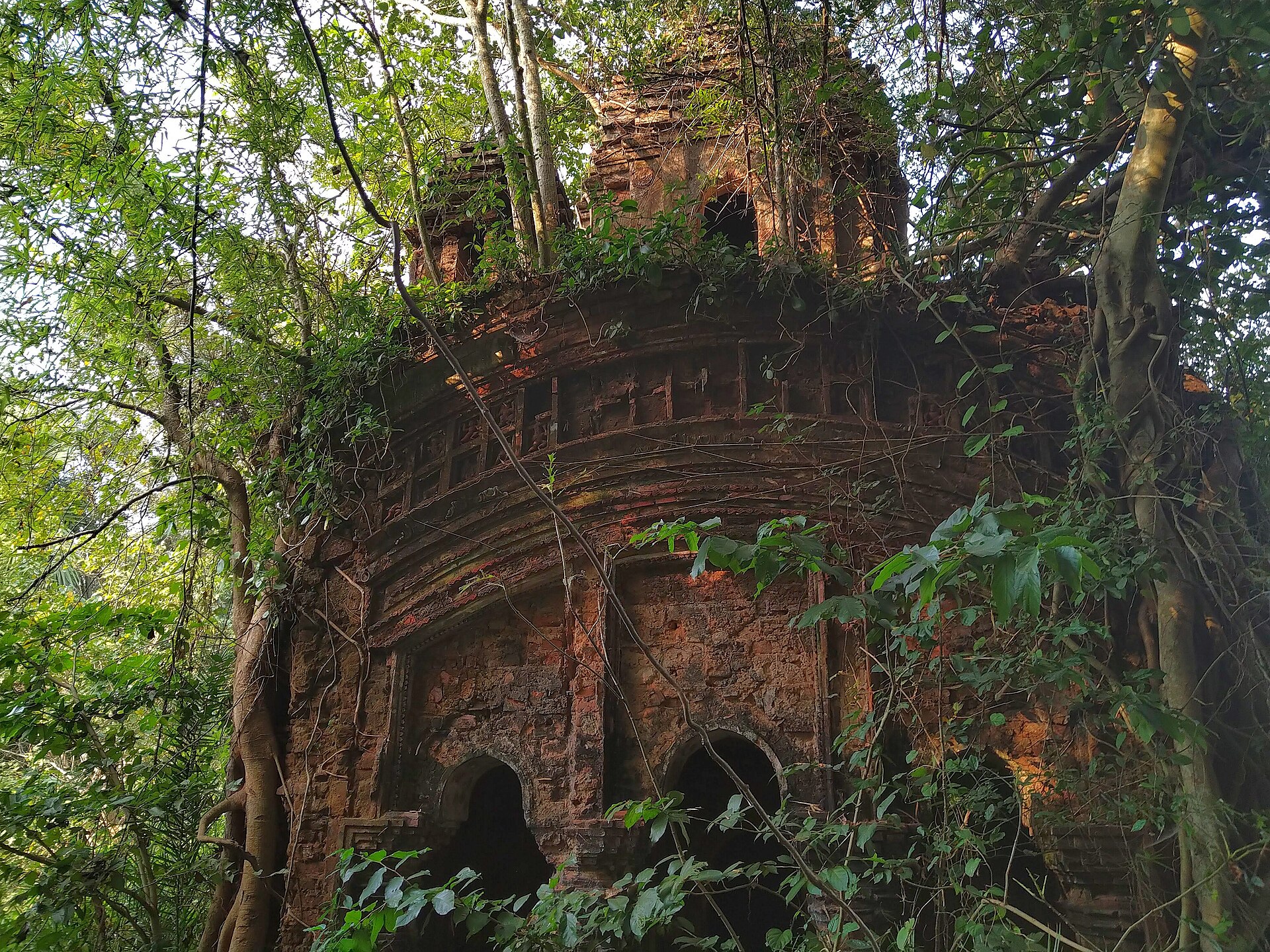
The gold-plated shikharas define the skyline of the Raghunath Temple complex.Photo: Amitabha Gupta · CC BY 4.0
The first thing that hits you when you step into the Raghunath Temple complex is the sheer density of the gold. It isn't just one shrine; it is a sprawling assembly of seven, each capped with a golden spire that catches the Jammu sun in a way that feels almost overwhelming.
This is not a site you 'check off' a list. It is a place that demands a slow, deliberate walk. Commissioned in the 19th century by Maharaja Gulab Singh, the Raghunath Temple is arguably the heart of Jammu's religious identity. If you are interested in the history of Jammu, this is where you start.
Origins of the Seven Shrines
The temple complex was started by Maharaja Gulab Singh in 1835 and completed by his son, Maharaja Ranbir Singh. There are seven distinct shrines within the complex, each dedicated to different deities of the Hindu pantheon. The primary focus is Lord Rama, the 'Raghunath', from whom the temple takes its name.
The scale of the project at the time of its construction was a statement of power and devotion. It served as a spiritual anchor for the Dogra dynasty and provided a site for the public to engage with the divine in a setting that was grand enough to reflect the glory of the kingdom.
The Gold-Leafed Interiors
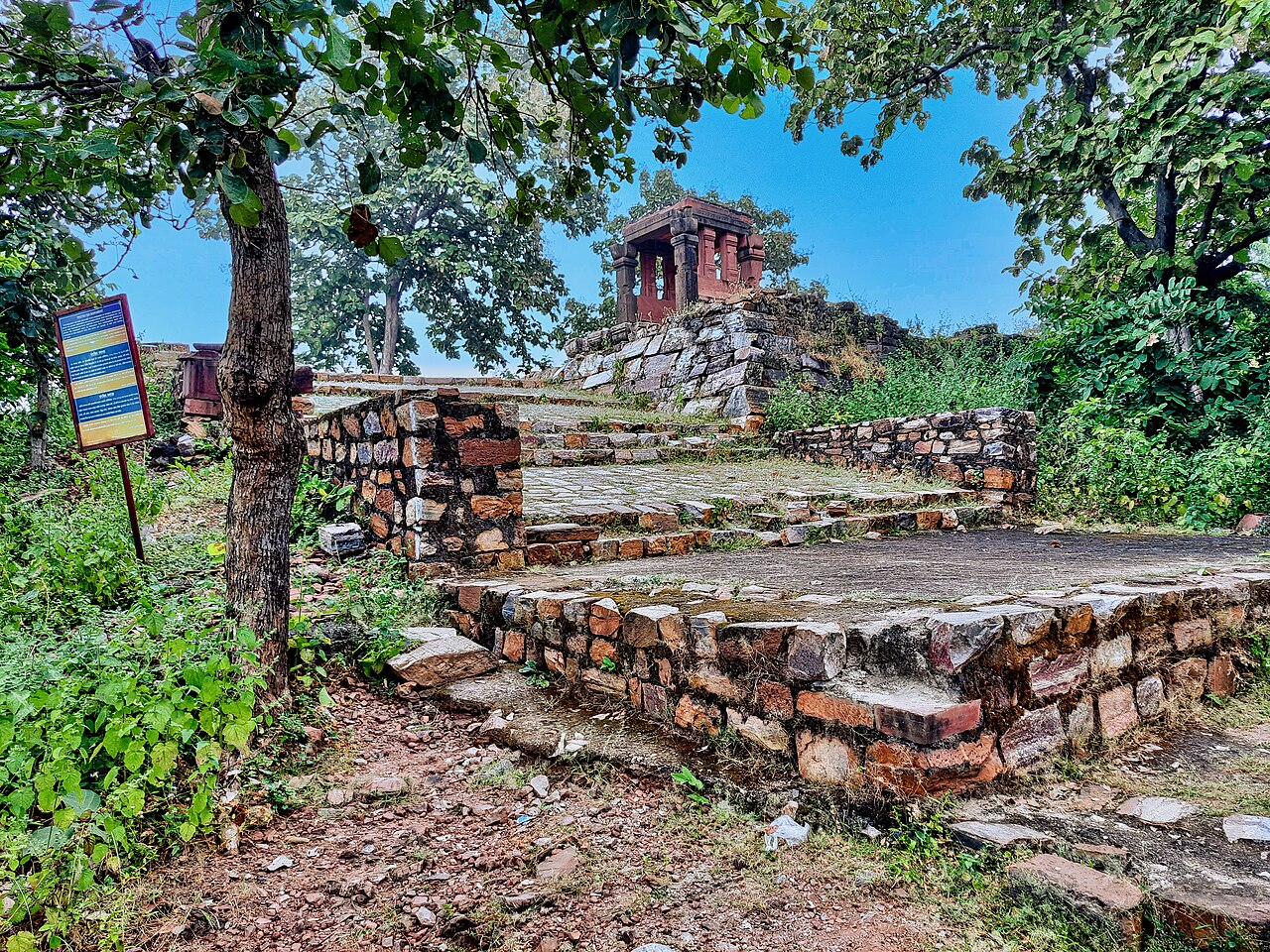
The interior of the main shrine is covered in gold leaf. Even after nearly two centuries, the light reflecting off the walls creates a warm, ethereal glow that is unlike anything else in the region. The walls are adorned with intricate paintings that depict scenes from the Ramayana, providing a visual narrative for those who walk through.
I always tell visitors to pause for a moment before entering the sanctum to adjust their eyes to the shift from the bright, dusty exterior to the dim, golden interior. It is a sensory transition that has remained unchanged for generations.
Exploring the Saligram Galleries
One of the most unique features of the Raghunath Temple is its collection of Saligrams. These are sacred stones found in the Gandaki River, considered to be physical manifestations of the divine. There are thousands of them housed in the galleries surrounding the shrines.
Walking past these galleries, you are surrounded by a massive collection that is rarely found in such concentration elsewhere. It is a quiet, meditative experience. The sheer count of the icons highlights the dedication put into this site by the royal family.
The Manuscript Library Collection
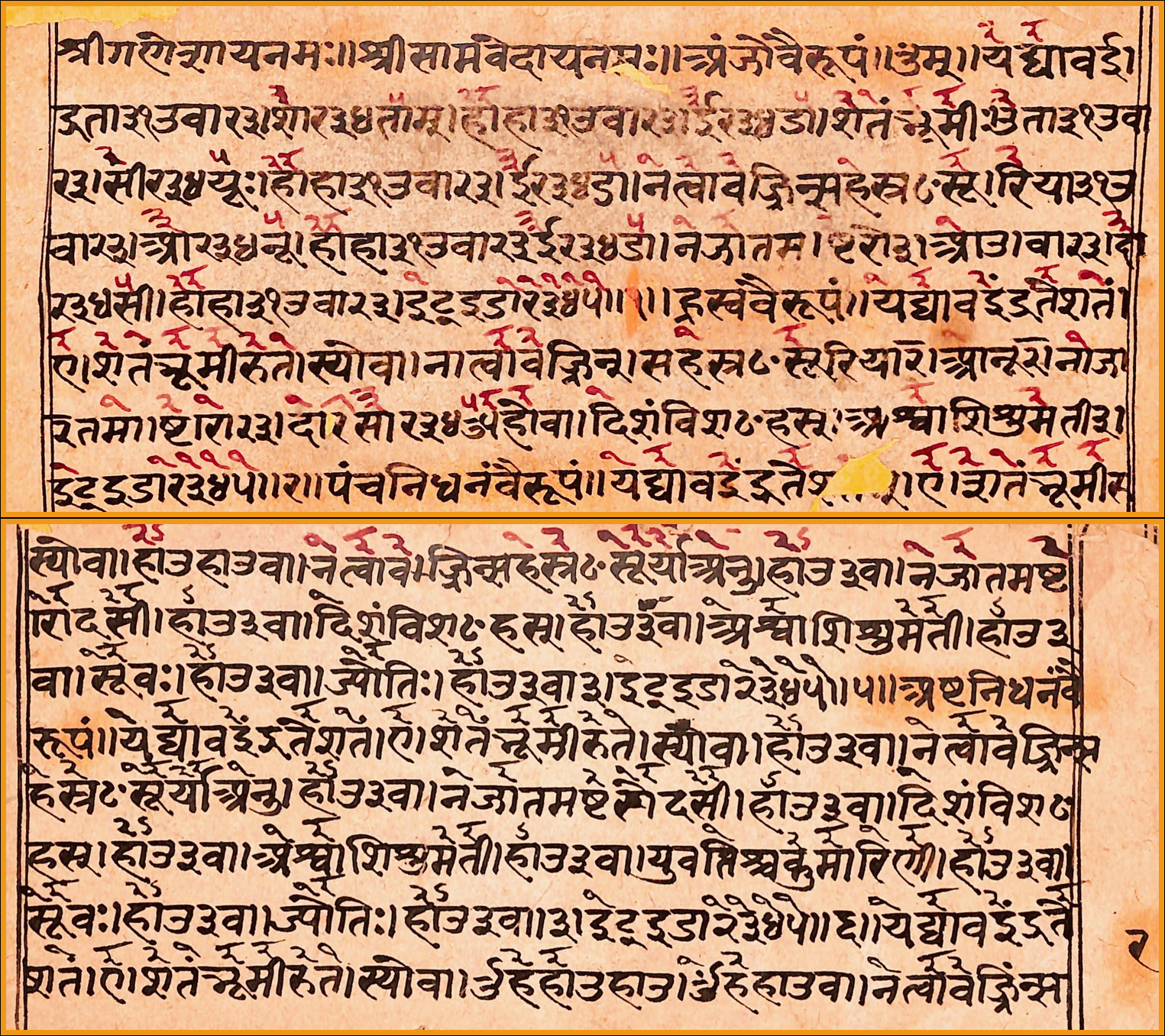
Beyond the visual splendour, the Raghunath Temple holds a secret that scholars have cherished for years: its library. The collection includes a vast array of rare Sanskrit manuscripts and ancient texts. While the library is not an 'open stack' for tourists, its presence adds a layer of intellectual depth to the site.
These manuscripts were once part of the royal collection and represent a significant part of the cultural history of Jammu. They remind us that the temple was always intended to be a hub for learning and preservation, not just a place for ritual.
Significance of the Ranbireshwar Temple nearby
If you have time, do not miss the Ranbireshwar Temple located nearby. Also built by the Dogra rulers, it is dedicated to Lord Shiva and houses one of the largest Shiva Lingams in the country. The contrast between the golden warmth of Raghunath and the stark, massive presence of the Lingam at Ranbireshwar is a perfect way to spend a half-day in the city.
Combining these two visits gives you a much better perspective on how the Dogra dynasty shaped the religious architecture of the city. Both are essential for anyone trying to understand the heritage of the Jammu region.
Before you book
Exploring the Raghunath Temple is a dive into the heart of Jammu's past. The architecture, the golden shrines, and the quiet weight of history here offer a perspective you won't find anywhere else in the city.
If you are planning to visit and want to combine this with a trip to Bahu Fort or the serene landscapes of Mansar Lake, we are here to help. Reach out to our team if you need a guided tour or help with your itinerary.
Ready to discover Jammu's heritage?
We specialize in cultural tours across Jammu and Kashmir. Let us help you plan a trip that goes beyond the surface.
Explore Our ToursWritten by
Kashmir, Jammu & Ladakh specialists
We plan and run trips across Kashmir, Jammu and Ladakh every week of the year. Everything here comes from routes we drive, stays we inspect and questions our travellers actually ask.
Quick answers
Questions we get asked
Is photography allowed inside the Raghunath Temple?
Photography is generally prohibited inside the inner sanctum to maintain the sanctity of the temple and protect the interiors.
What is the best way to dress for a visit?
Dress modestly, keeping shoulders and knees covered. It is a sign of respect, and you may be denied entry if dressed in beachwear or overly casual attire.
Can I visit the manuscript library?
The manuscript collection is primarily for research and preservation; it is not typically accessible to casual tourists, but its historical presence is a key part of the site's significance.
How much time should I spend at the Raghunath Temple?
Plan for at least 1 to 2 hours to walk through the complex, observe the seven shrines, and take in the architecture without feeling rushed.
Are there guides available at the temple?
You can find local guides who offer historical context, but it is best to arrange one through a reputable operator to ensure you get accurate, well-researched information.
Photography credits
- Photo: Amitabha Gupta · CC BY 4.0
- Photo: Amitabha Gupta · CC BY 4.0
- Photo: Ms Sarah Welch · CC0
- Photo: Amitabha Gupta · CC BY 4.0
- Photo: Amitabha Gupta · CC BY 4.0
- Photo: Amitabha Gupta · CC BY 4.0
- Photo: Amitabha Gupta · CC BY 4.0