Visiting Doodhpathri in Winter: A Snowy Escape
Trade the crowded ski slopes for the deep, untouched silence of the valley of milk when the snow falls.
Discover what happens when the summer crowds leave and doodhpathri in winter transforms into a silent, snow-choked wilderness of pine and river.
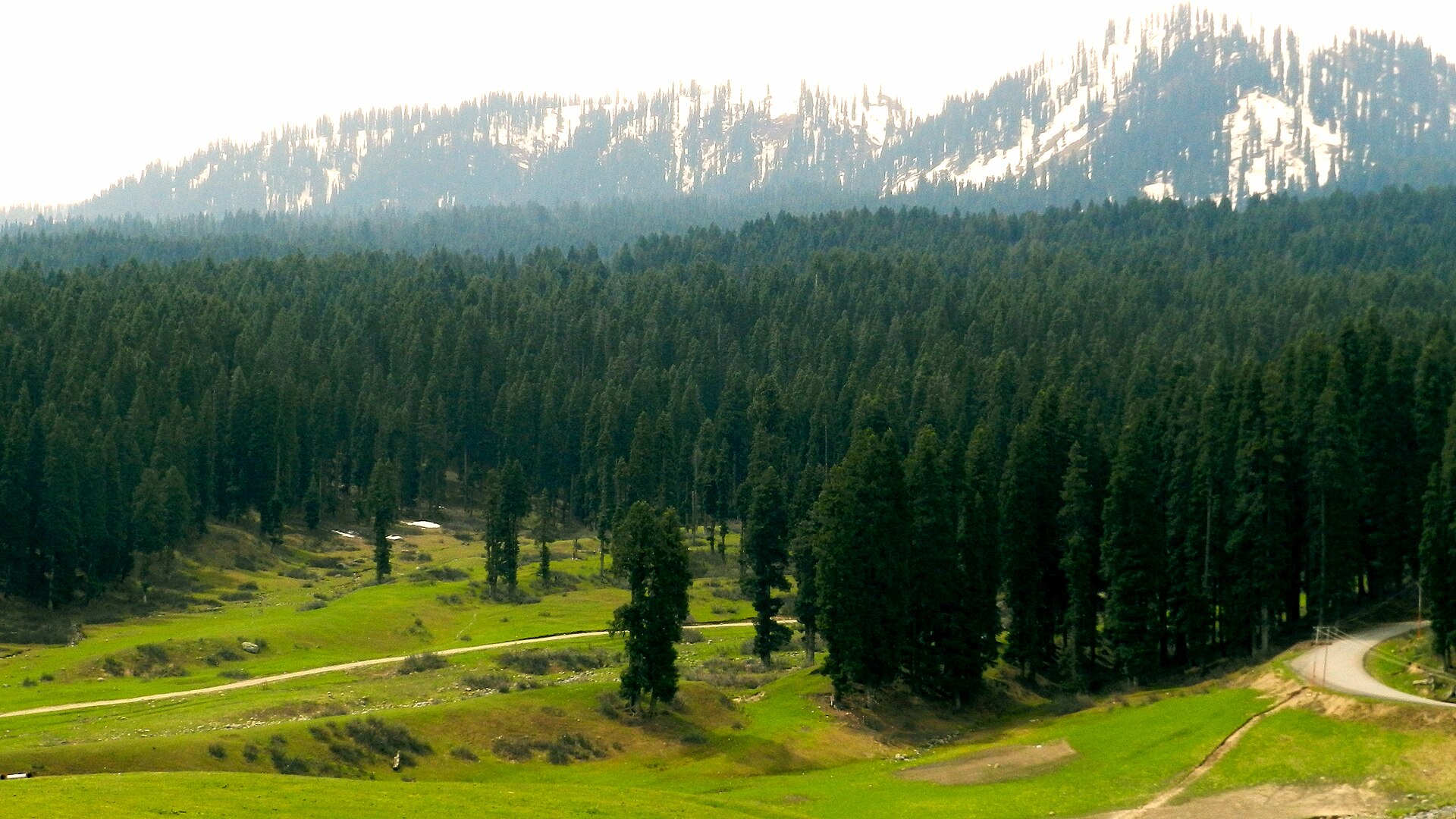
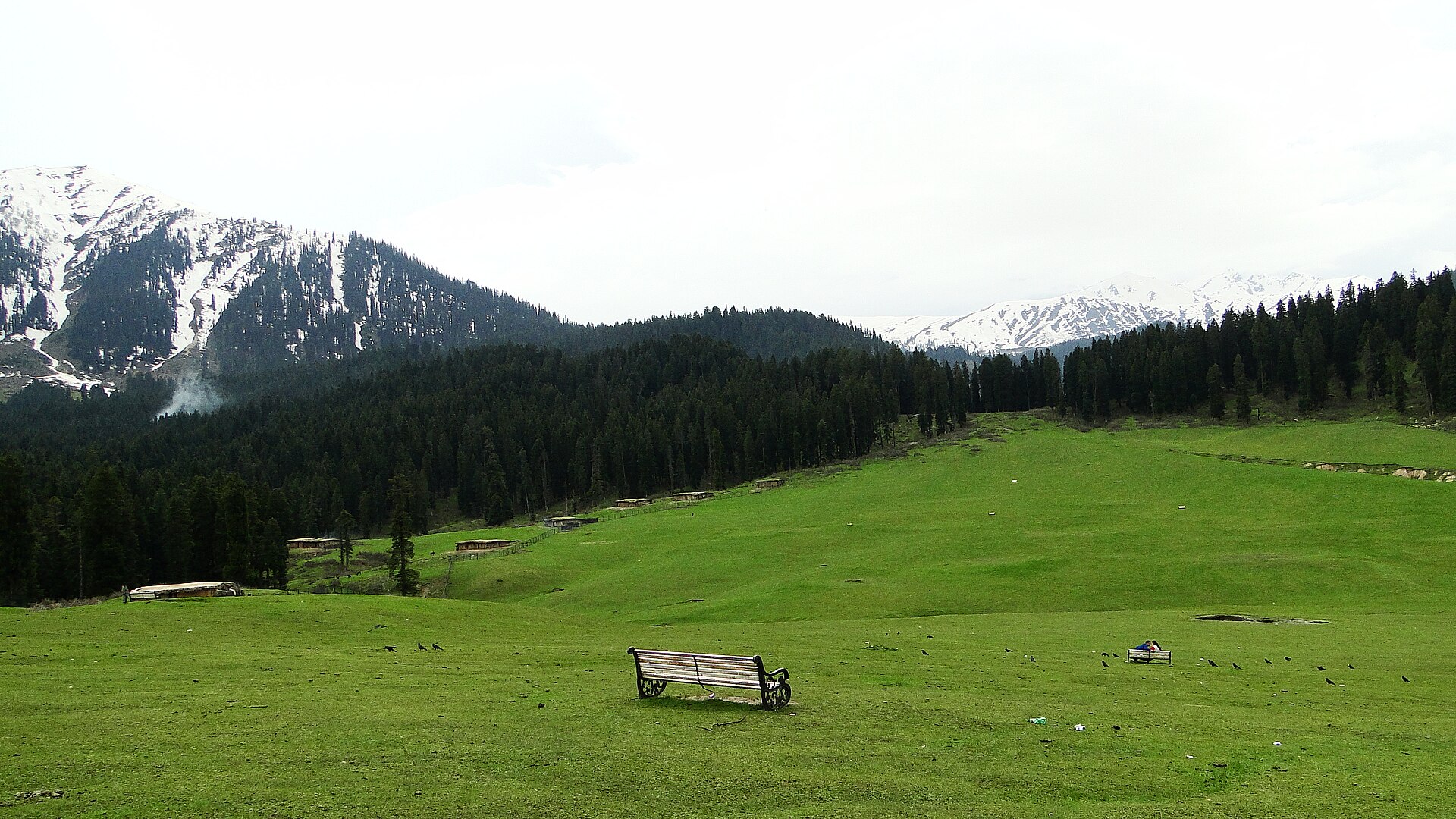
The deep winter snow transforms the open meadows into an untouched white expanse.Photo: Ankur P from Pune, India · CC BY-SA 2.0
The tea in my thermos was lukewarm by the time we reached the final ridge, and my fingers had long since stopped listening to instructions.
The tea in my thermos wasukewarm by the time we reached the final ridge, and my fingers had long since stopped listening to instructions. Out here, roughly forty-two kilometres southwest of Srinagar in the Budgam district, doodhpathri in winter does not ask for your admiration; it demands your respect. The broad bowl of pastures that looks like a golf course in July becomes a vast, white blanket stretching unbroken into the pine line.
Most travelers heading to Kashmir in January make a beeline for Gulmarg or Sonamarg. That leaves places like this remarkably quiet. You might see a local shepherd checking on a stray pony, or a lone tea stall owner sweeping snow off his corrugated tin roof, but otherwise, the valley belongs entirely to the weather. If you prefer your winter trips served with a heavy side of solitude, read on.
We have run vehicles up this valley through every sort of January squall. It is not an easy drive, and the weather turns without warning. But if you pack right and watch the skies, you will find a landscape that feels entirely removed from the rest of the world.
The Changing Landscape of the Valley in Snow
When the first heavy snows arrive in late December, the character of the Shaliganga river changes completely. The water slows under thick crusts of ice, turning a deep, glassy green where it manages to break free of the banks. The pine trees groan under heavy white epaulettes, dropping clumps of powder onto the crust below whenever a sudden gust of wind sweeps down from the Pir Panjal range.
Walking across the meadows requires a conscious effort. The snow easily drifts up to knee-height in the dips and hollows, hiding uneven terrain and small drainage ditches beneath. Every step takes twice as long as it would in summer, which forces you to slow down and actually look at the bark of the trees, the sharp blue shadows on the drifts, and the complete absence of human noise.
- River banks freeze solid, creating natural ice bridges.
- Meadow grass is entirely buried under one to three feet of powder.
- Pine forests block most of the harsh valley winds.
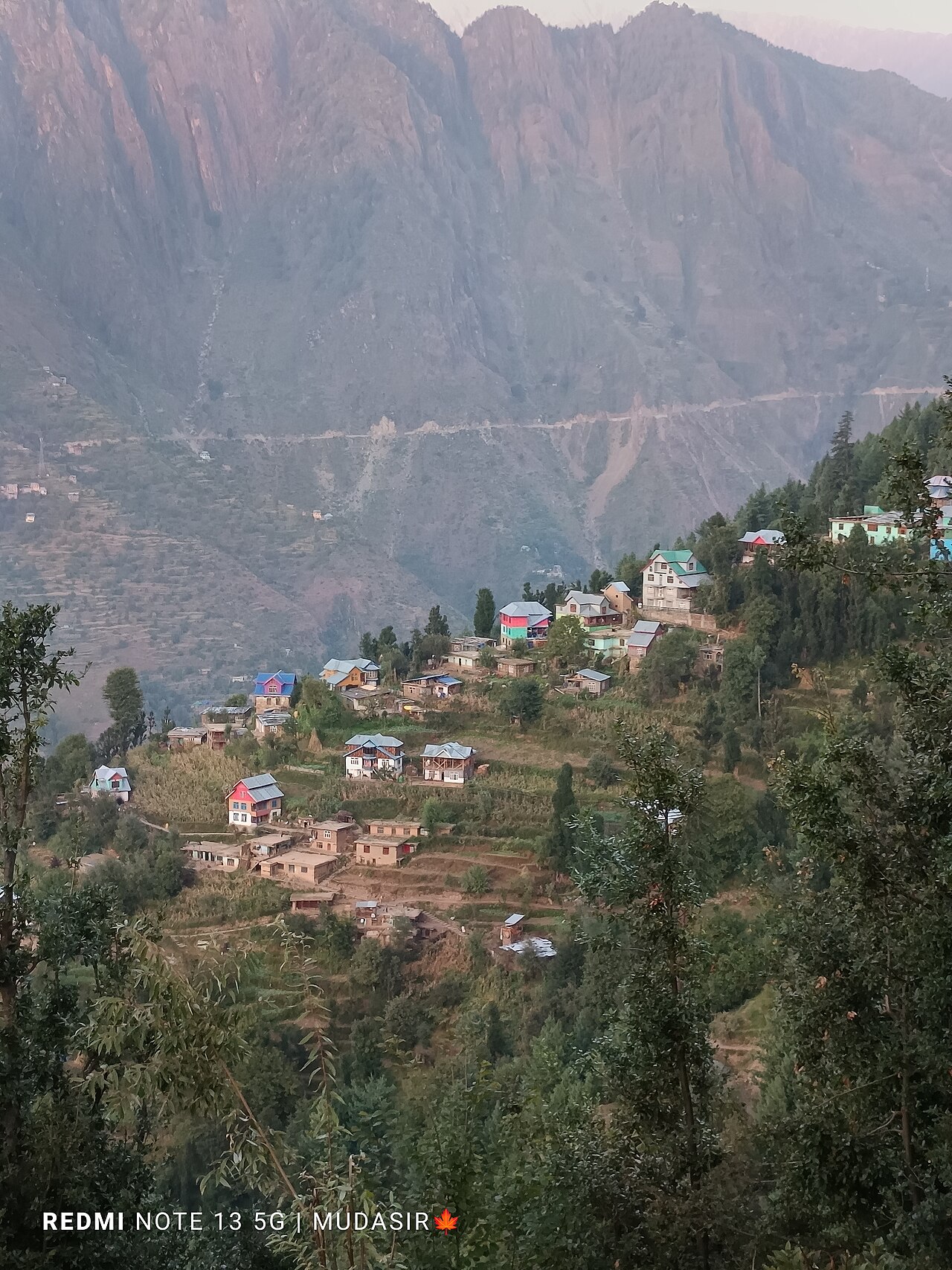
Navigating the Road Access and Weather Realities
Getting here when the mercury drops is the main hurdle. The tarmac from Srinagar runs smoothly past Budgam and Khansahib, but the final ascent climbing toward the basin often gets choked with compacted snow and black ice. Local authorities do clear the route for emergency access and occasional tourists, but heavy snowfall can strand vehicles for hours.
We always advise clients to hire a local four-wheel-drive taxi out of Srinagar or Khansahib rather than attempting the drive in a standard hatchback. Drivers who know these specific inclines understand how to read the slush, where to put tyre chains, and when to turn back before a blizzard settles in for the evening.
Road Status and Timing
Always check the morning road advisory before setting out from Srinagar. If fresh snow fell overnight, the snow-clearing crews may not open the upper stretches until midday. Leaving too early can leave you waiting at a checkpoint for hours in sub-zero temperatures.
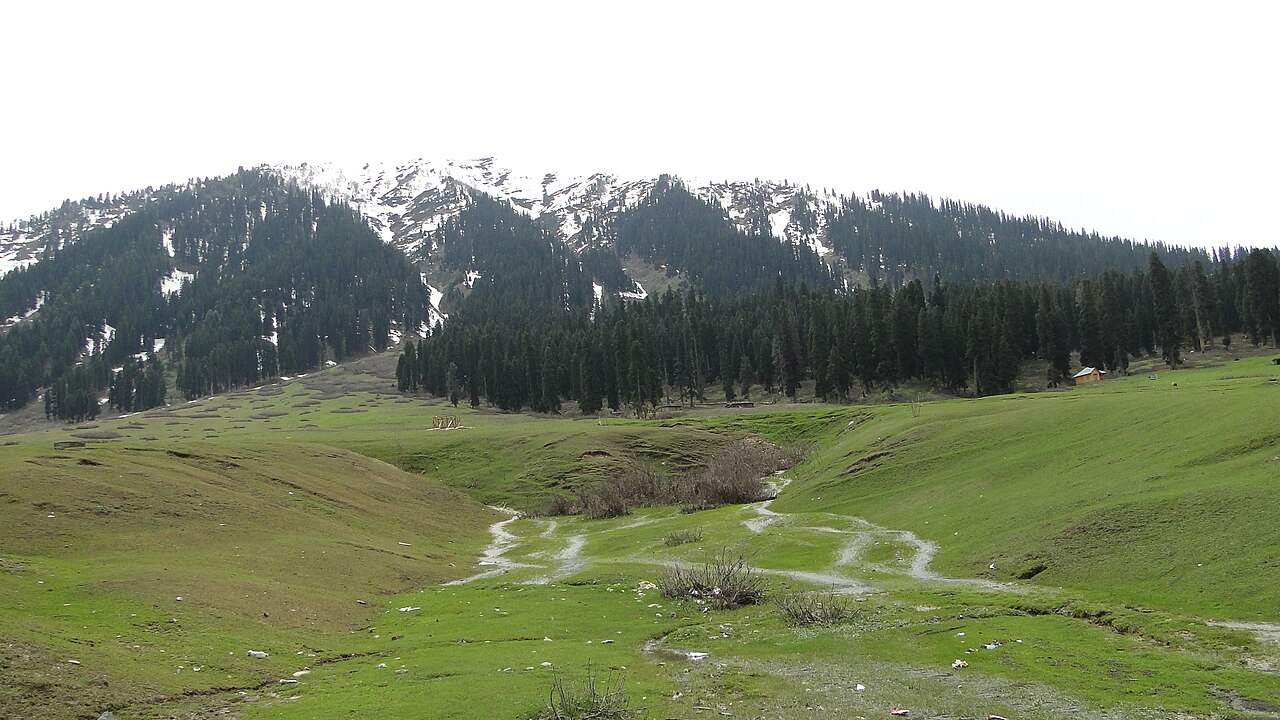
The broad bowl of pastures that looks like a golf course in July becomes a vast, white blanket stretching unbroken into the pine line.
Layering Up: Essential Winter Clothing and Gear
The biggest mistake visitors make is dressing for a standard city winter. Standing still in an alpine meadow while a mountain wind blows will test the limits of your gear very quickly. You need a proper three-layer system that starts with moisture-wicking thermal underwear, followed by a heavy fleece or wool mid-layer, and topped with a windproof, waterproof shell.
Footwear is equally critical. Standard trainers or fashion boots will soak through within ten minutes of stepping off the plowed track. Invest in waterproof snow boots with deep treads, and pair them with thick merino wool socks. Do not forget UV-blocking sunglasses; the glare off miles of pristine snow can cause severe snow blindness within an hour.
- Merino wool base layers and thick socks.
- Gore-Tex or equivalent waterproof outer shell.
- High-index UV protection sunglasses or glacier glasses.
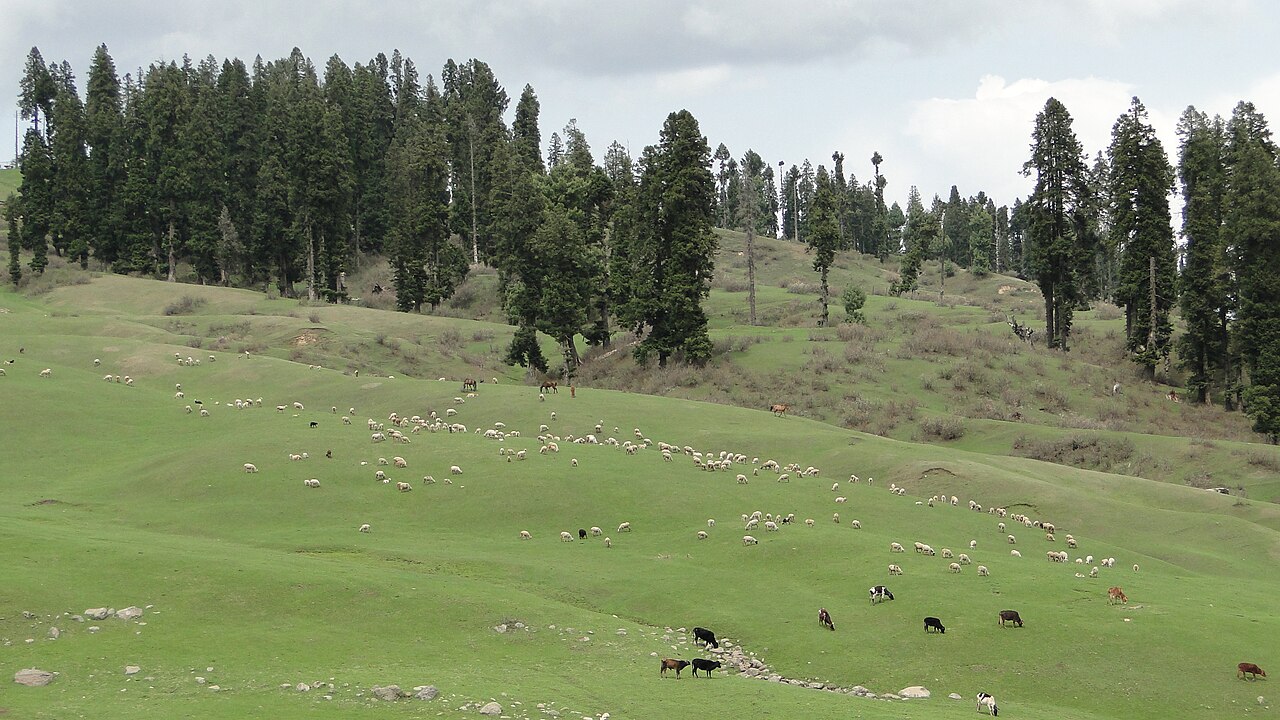
Safety Protocols for Sub-Zero Terrain
The beauty of this season brings real operational hazards. Mobile network coverage drops off drastically once you pass the main market area in Khansahib, making it nearly impossible to call for help if you wander too far off the beaten track. Always stick to the main plateau areas and avoid walking near steep, unstable snow cornices that can break loose.
Hypothermia sets in quietly when you are distracted by photography or the sheer quiet of the surroundings. Keep an eye on everyone in your group for slurred speech or uncontrolled shivering. We carry high-calorie energy bars and hot flasks of kahwa on every winter outing for this exact reason.
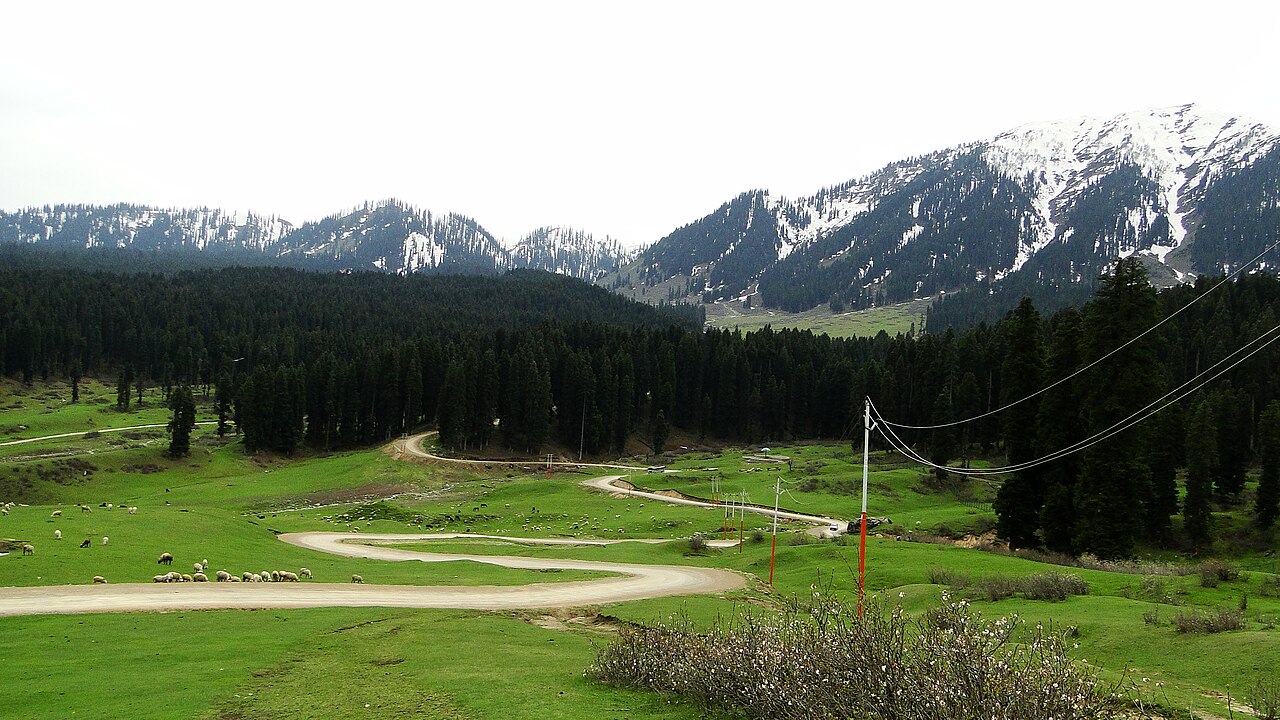
Why This Season Suits Landscape Photography
Photographers love this place in January and February for one simple reason: negative space. Without summer tents, grazing horses, and scattered tourist groups, the composition simplifies down to minimalist strokes of white, dark green, and grey sky.
The low winter sun creates long, dramatic shadows across the meadows by three in the afternoon, casting a warm golden light against the cold blue snow. If you manage to catch a morning right after a fresh blizzard, the mist rising off the Shaliganga provides an ethereal backdrop that you simply will not find during peak tourist months.
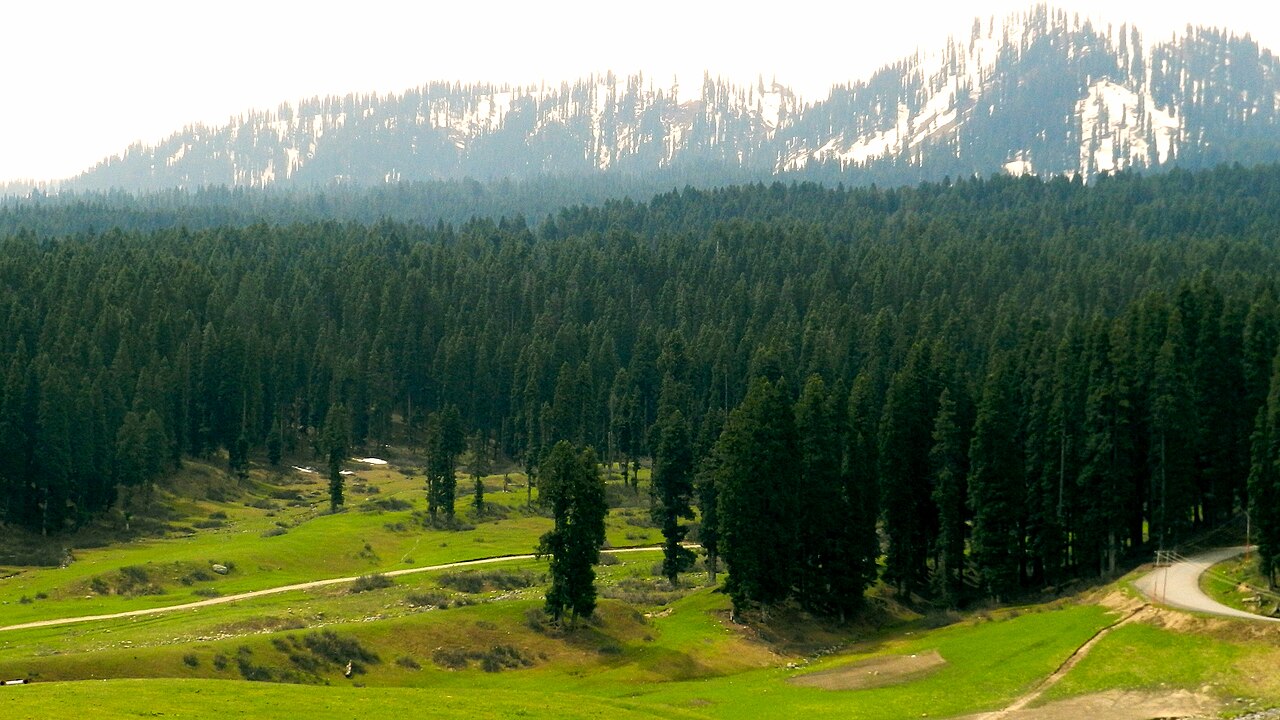
Before you book
Visiting this quiet corner of Budgam when the weather turns harsh is not about ticking off sightseeing boxes. It is about experiencing the raw, unfiltered pulse of the mountains when the rest of the world has retreated indoors.
If you want to plan a winter excursion to see the valley wrapped in snow, drop us a line. We can sort out dependable transport from Srinagar and ensure you are properly prepped for the cold.
Plan Your Winter Kashmir Journey
Speak with our local specialists based right here in Srinagar to design a safe, memorable winter itinerary.
Get in TouchCaption for your own post
Miles of untouched snow and frozen pines. Doodhpathri in winter is not for the faint-hearted, but the quiet is worth every freezing minute.
Written by
Kashmir, Jammu & Ladakh specialists
We plan and run trips across Kashmir, Jammu and Ladakh every week of the year. Everything here comes from routes we drive, stays we inspect and questions our travellers actually ask.
Written after leading a January reconnaissance drive up through Khansahib.
Quick answers
Questions we get asked
Is the road open to Doodhpathri in January?
The road is frequently closed or restricted immediately after heavy snowfalls. While authorities work to clear it, you should always check local weather advisories in Srinagar before departure and hire a vehicle equipped with tyre chains.
What is the average winter temperature there?
Temperatures routinely drop well below freezing, often hovering between minus five and minus twelve degrees Celsius during peak winter months, particularly when the sun goes down behind the surrounding peaks.
Are there hotels open in the valley during winter?
There are no operating hotels or permanent stays directly in the meadow during winter. Most visitors do a day trip starting from Srinagar or nearby towns, returning before dusk as temperatures plummet.
Can I rent snow boots and gear locally?
Basic gumboots can sometimes be rented near the parking areas, but quality thermal wear, waterproof jackets, and proper snow boots must be purchased or rented in Srinagar before you begin your journey.
Is it safe to visit with children in winter?
It is possible if you keep trips short and stay close to the main vehicle parking zones. However, the extreme cold and lack of indoor shelter mean toddlers and young children can struggle with the conditions.
Photography credits
- Photo: Ankur P from Pune, India · CC BY-SA 2.0
- Photo: Ankur P from Pune, India · CC BY-SA 2.0
- Photo: Mudasir Tariq · CC BY 4.0
- Photo: Ankur P from Pune, India · CC BY-SA 2.0
- Photo: Ankur P from Pune, India · CC BY-SA 2.0
- Photo: Ankur P from Pune, India · CC BY-SA 2.0
- Photo: R-yn · CC BY-SA 4.0