The Meadow Experience: Nature in Doodhpathri
An intimate visual and sensory journey through the vast alpine grass bowl that locals call the Valley of Milk.
Experience the open alpine meadows, the frothing Shaliganga river, and find quiet solitude away from the usual tourist traps in Kashmir.
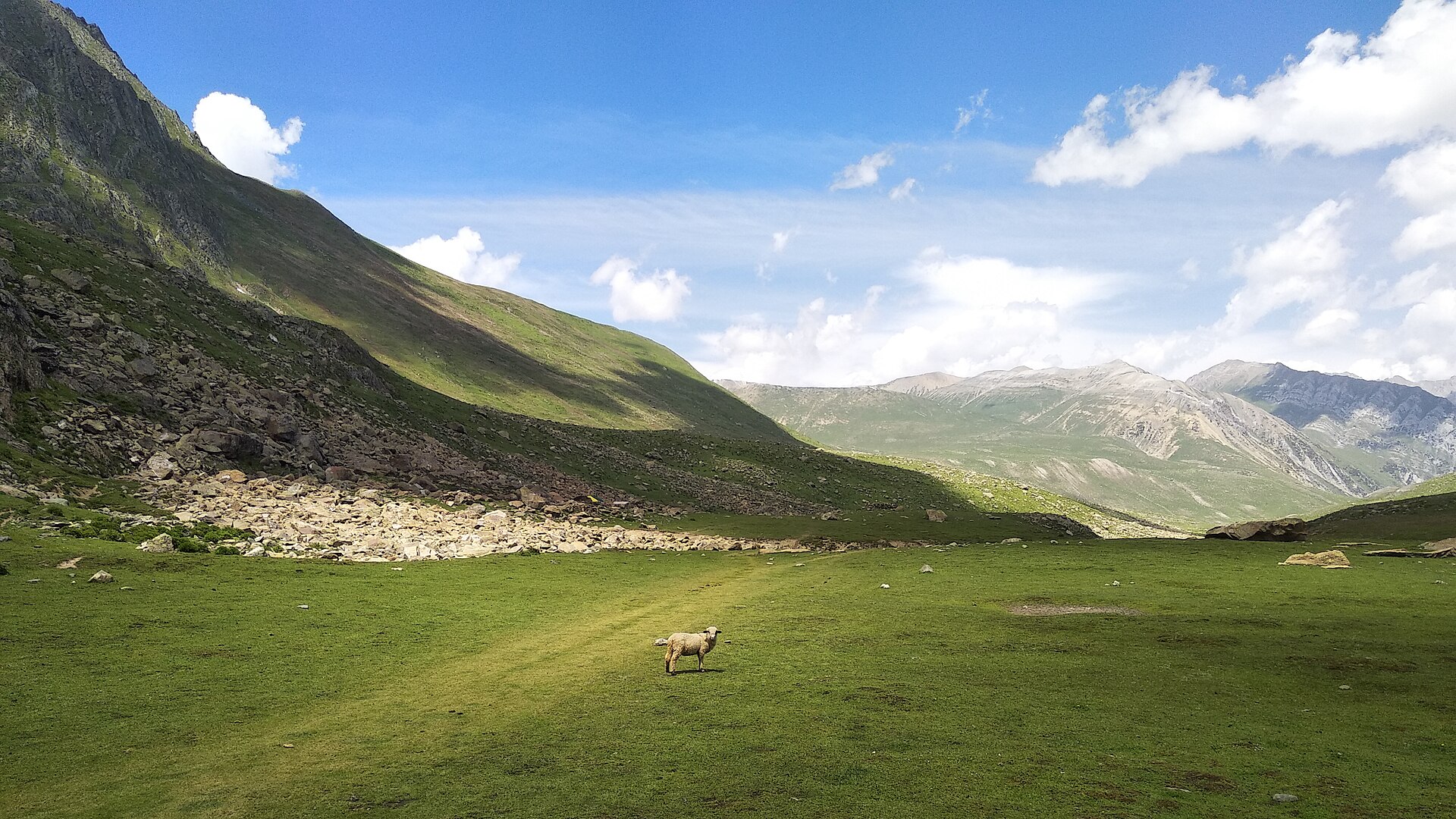
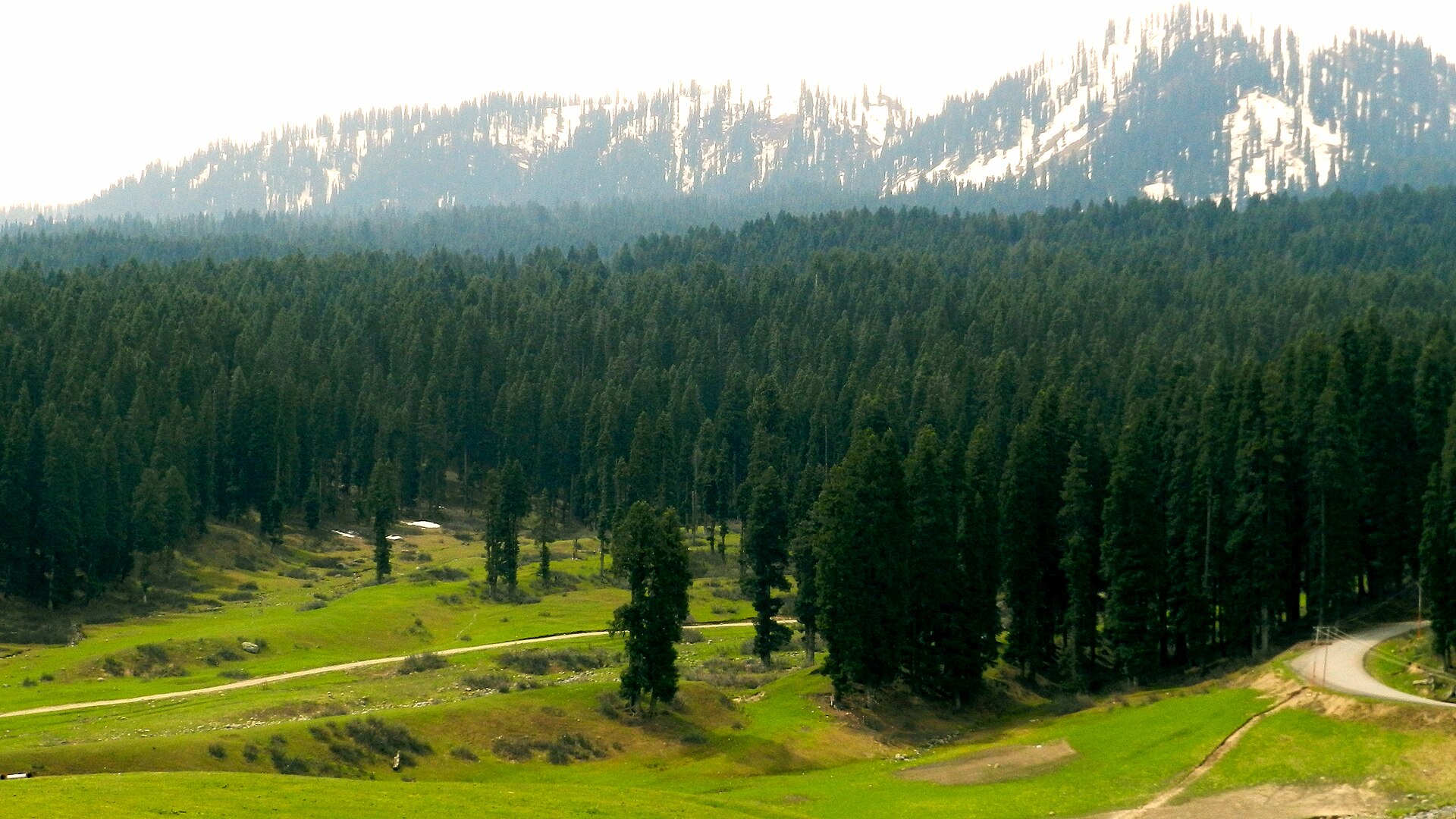
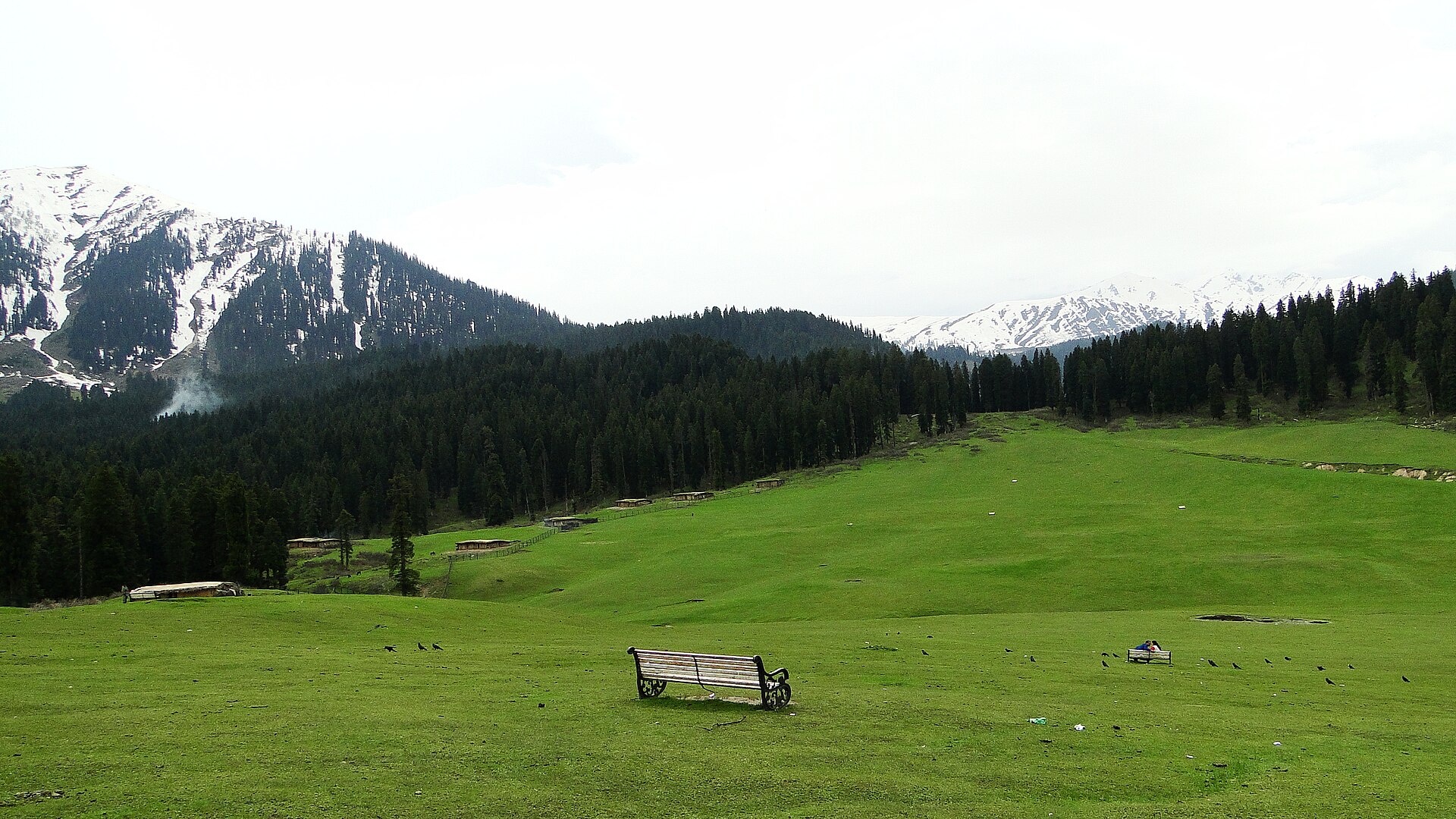
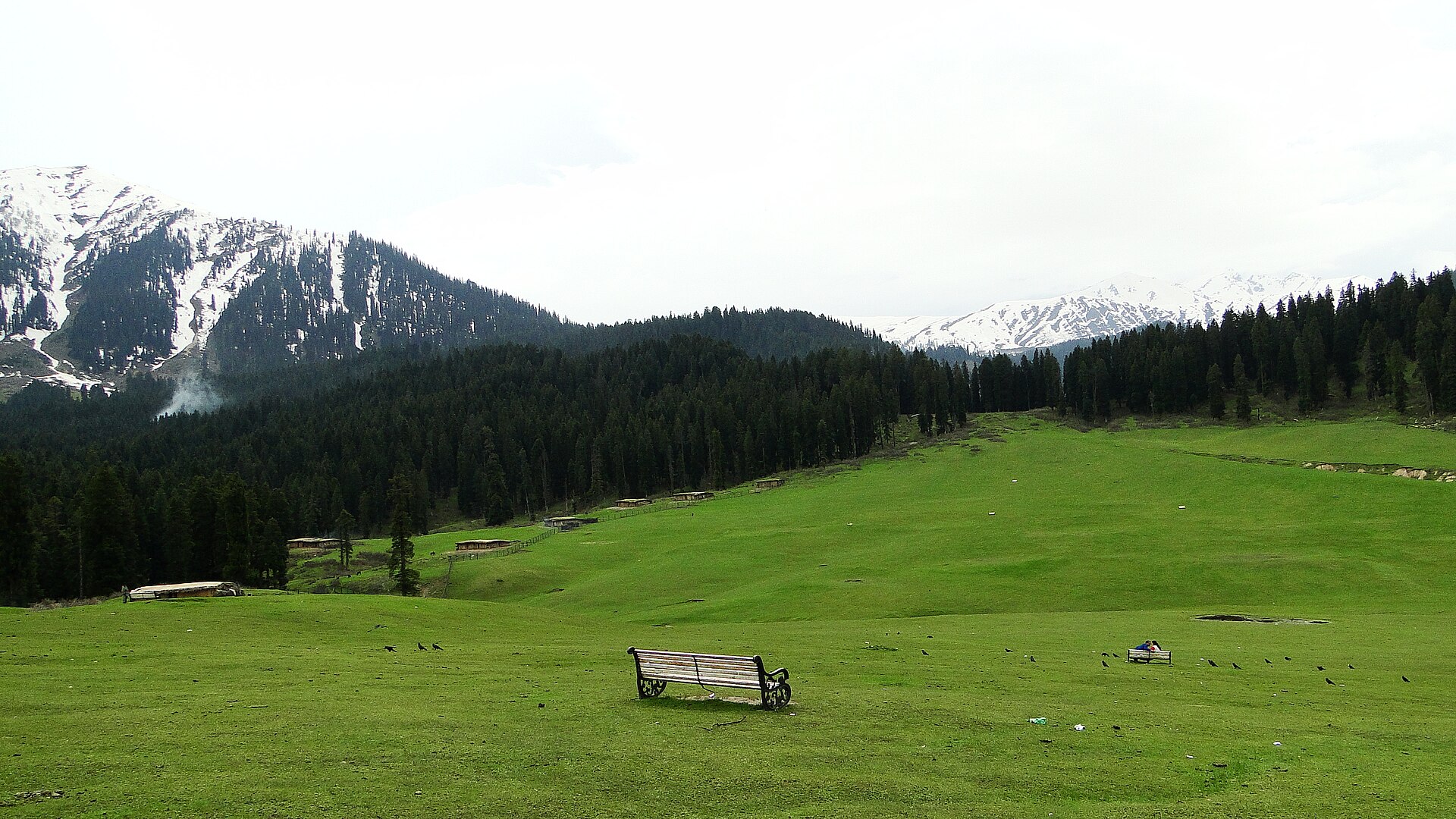
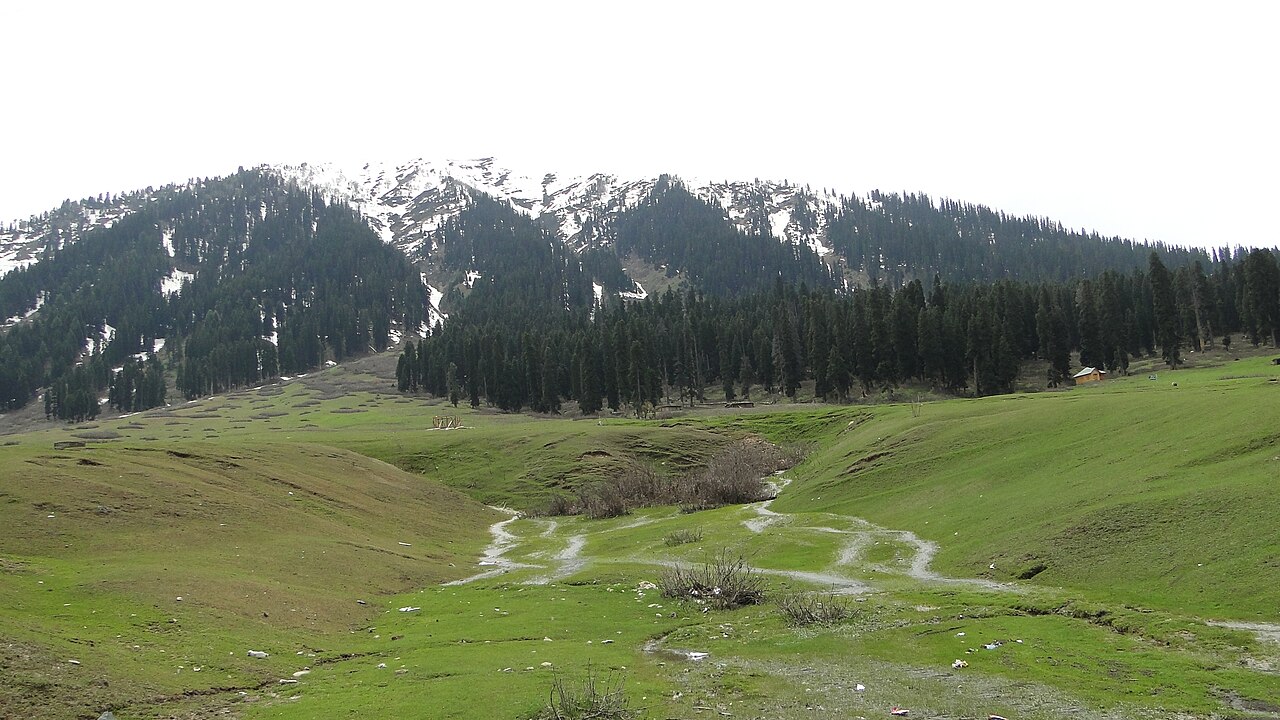
Rolling green turf stretches out toward distant timberlines in peak summer.Photo: Rohit Sharma · CC BY-SA 4.0
The horse manure smell and the plastic wrapper chatter fade entirely once you walk past the first ridge of pine. Most visitors park their cars near the main entry stall, take a quick fifteen-minute pony ride, and leave. That leaves hundreds of acres of rolling green upland completely empty for anyone willing to pull on walking boots and keep moving.
We spend dozens of days here every summer, watching the grass turn from a sharp, electric emerald in June to a dry, golden yellow by late September. The scale of these uplands takes newcomers by surprise. You feel small here, ringed by wall after wall of dark timber and distant, snow-speckled granite.
This photo essay looks closely at what makes the ecosystem here tick: the glacial water cutting through the turf, the micro-flora hugging the soil, and the way light plays across the grass as the afternoon cloud build-ups begin.
Defining the Valley of Milk
Local folklore insists the name originates from the frothing, milky appearance of the streams churned up by mineral deposits and fast-moving glacial melt. Standing above the main basin, you look down on a bowl carved out by ancient tectonic movement and scoured clean by retreating ice ages.
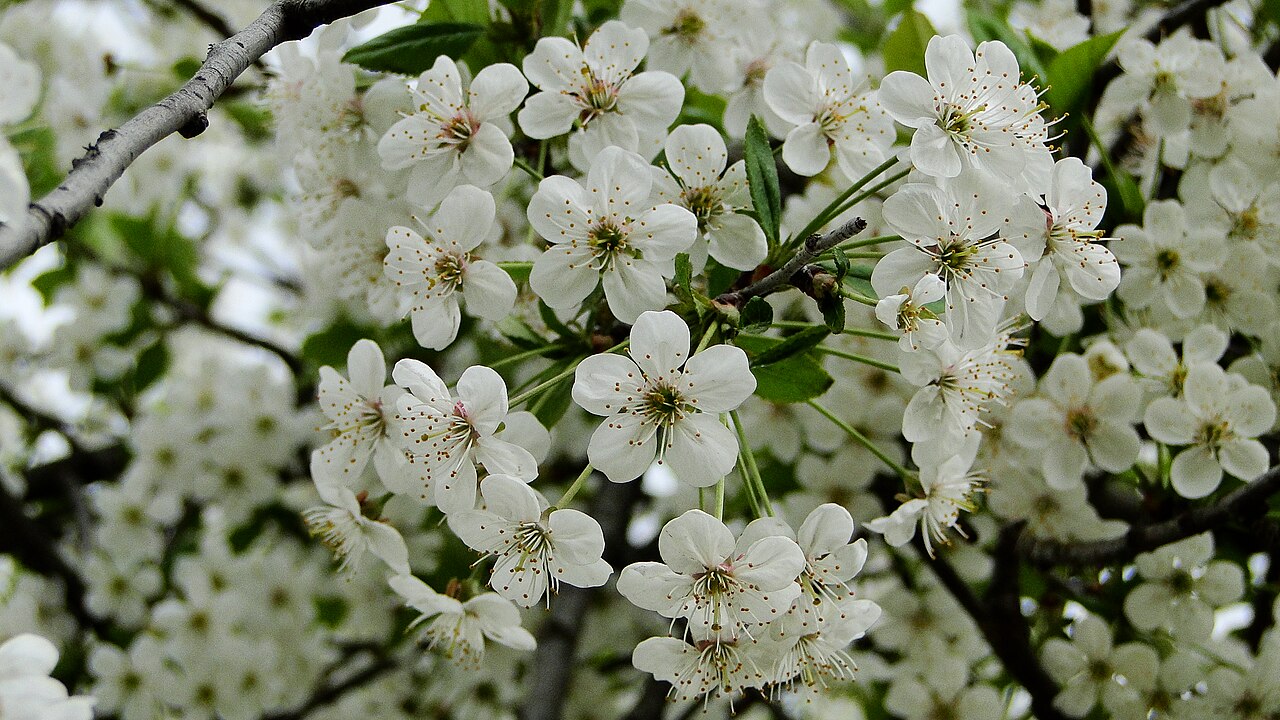
Unlike other valleys in the region that narrow down into steep gorges, this landscape opens outward. The ground rolls gently underfoot, cushioned by thick, spongy alpine turf that holds rainwater like a natural sponge. Wild clover and purple thistle push up through the soil in July, creating patches of vibrant color against the endless green.
- Spongy alpine turf sustained by heavy summer rainfall.
- Wide, open bowl topography rather than a tight canyon.
- Rich mineral composition in local glacial streams.
The Allure of Open Alpine Expanses
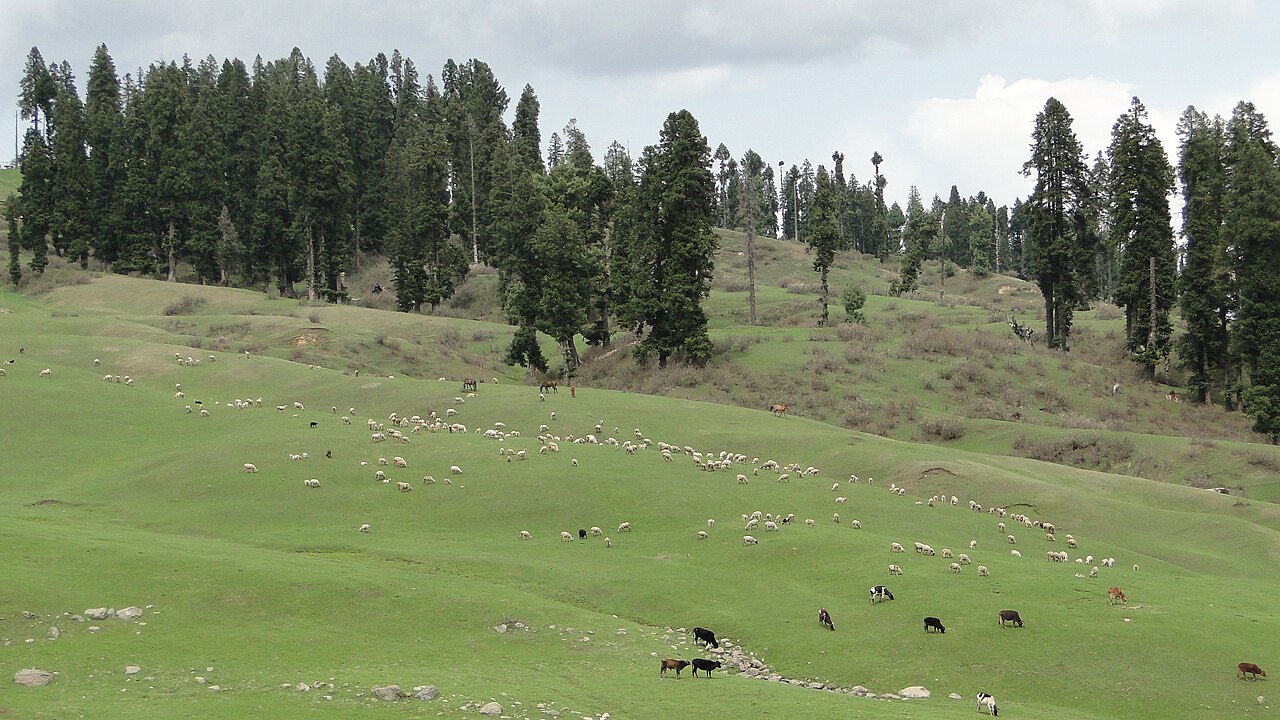
There is a psychological shift that happens when you step out onto the broad pastures. The horizon opens up in every direction, relieving the visual claustrophobia of city alleyways. Cattle and horses graze undisturbed across the slopes, their bells chiming softly in the thin mountain air.
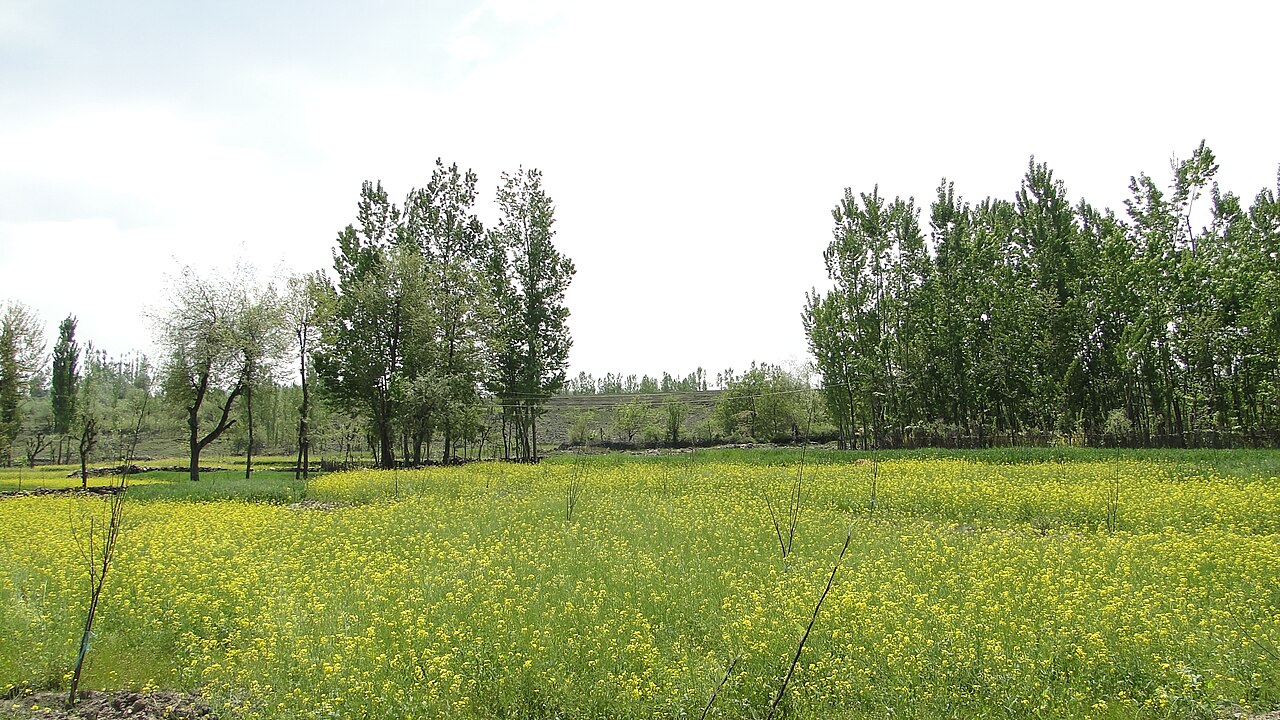
Photographers find a rare kind of freedom here. You do not have to fight for clean framing angles or crop out power lines. The compositions present themselves naturally: a single twisted pine standing sentinel against a steep slope, or cloud shadows racing across the valley floor at forty miles an hour.
Most visitors park their cars near the main entry stall, take a quick fifteen-minute pony ride, and leave.
Following the Shaliganga Frothing Stream
The Shaliganga river is the lifeblood of this geography. It cuts a determined, rocky channel right through the center of the valley, cold enough to numb your hands in five seconds flat. The sound of water crashing over smooth granite boulders provides a constant, white-noise soundtrack to your walk.
If you follow the stream upstream away from the picnic clusters, the banks get steeper and the water clears into a transparent rush over white pebbles. This is where trout occasionally dart through the current, though fishing requires proper permissions from local fisheries departments.
Riverbank Ecosystems
The damp microclimate along the banks supports ferns, mosses, and delicate yellow buttercups that refuse to grow out in the dry, sun-baked center of the meadow.
Finding Solitude Away from the Parking Clusters
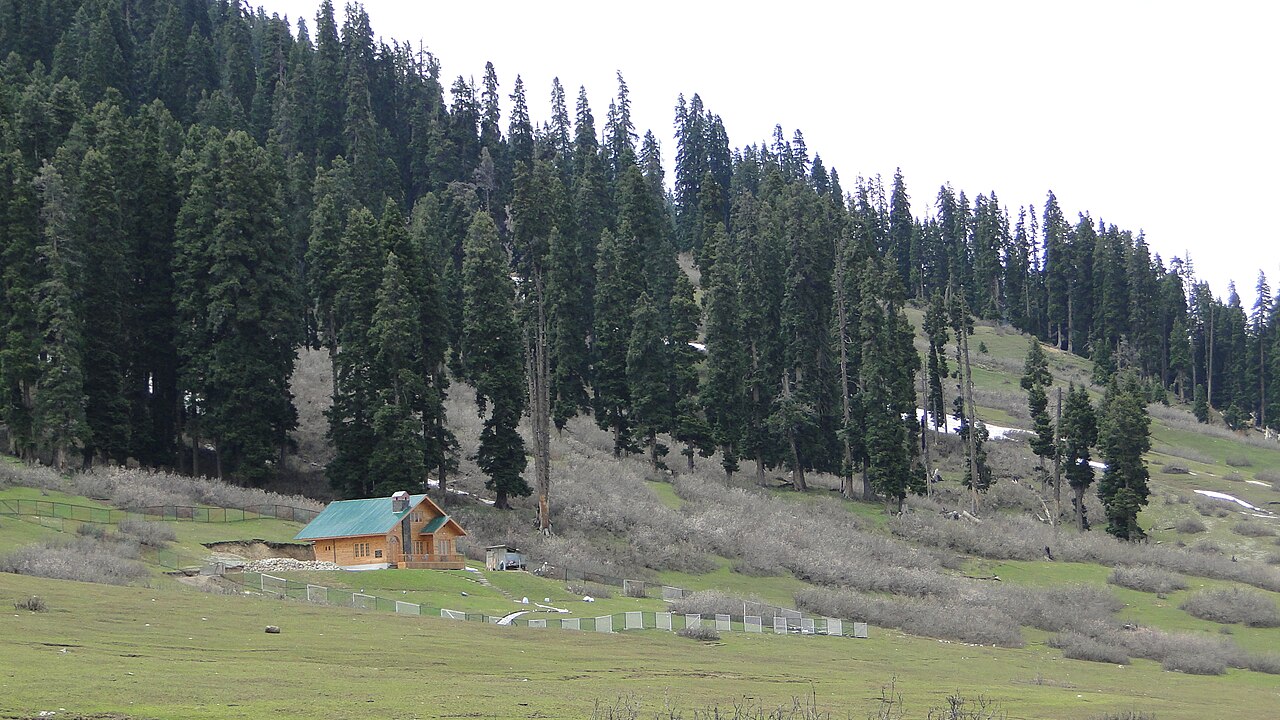
If you want quiet, you have to earn it with your feet. Ninety percent of visitors stay within a five-minute walk of the main parking area and food stalls. Walk twenty minutes uphill toward Tangnar or past the forest guard huts, and the human footprint vanishes.
We often bring clients here for packed lunches on the grass, sitting completely alone for hours while red-billed choughs wheel overhead in the thermal currents. The silence is profound, broken only by distant wind through the canopy.
Planning Your Nature-Focused Day Trip
A successful day out here requires an early start from Srinagar. Leaving by 7:30 AM lets you beat the tourist buses and catch the crisp morning light hitting the upper ridges before the afternoon clouds roll in.
Combine your nature walk with a brief stop at nearby Yusmarg if you want to contrast two very different styles of alpine meadow landscapes in a single holiday.
Before you book
The true value of these high-altitude pastures lies in their resistance to over-commercialization. By stepping away from the immediate tourist hubs, you discover an intact, breathing mountain ecosystem.
If you want help organizing a quiet, nature-forward day out in Budgam, let us know. We design custom routes for travelers who prefer a slow pace and wide open spaces.
Experience Unspoiled Kashmir Nature
Talk with our local team to add a customized nature day trip to your upcoming travel itinerary.
Plan Your TripCaption for your own post
Endless green turf and cold glacial water. This is what you find when you walk past the tourist stalls in Doodhpathri.
Written by
Kashmir, Jammu & Ladakh specialists
We plan and run trips across Kashmir, Jammu and Ladakh every week of the year. Everything here comes from routes we drive, stays we inspect and questions our travellers actually ask.
Photographed and written during a bright August trek along the Shaliganga.
Quick answers
Questions we get asked
What is the best time of day to photograph the meadows?
Early morning between 8:00 AM and 10:00 AM offers crisp side-lighting and mist over the river, while late afternoon provides warm golden tones across the grass.
Can I camp overnight in the meadows?
Official overnight camping regulations change periodically based on environmental protection rules. Most travelers visit on a day excursion from Srinagar or Yusmarg.
Are there walking trails marked for hikers?
There are no formal trail markers or signage boards like you would find in European national parks, so a local guide or offline GPS map is recommended.
How cold does it get in summer evenings?
Even in July and August, temperatures drop sharply as soon as the sun dips behind the ridge, requiring a light fleece or windbreaker jacket.
Is swimming allowed in the Shaliganga river?
Swimming is extremely dangerous due to glacial water temperatures, hidden undercurrents, and sharp river stones.
Photography credits
- Photo: Rohit Sharma · CC BY-SA 4.0
- Photo: Ankur P from Pune, India · CC BY-SA 2.0
- Photo: Ankur P from Pune, India · CC BY-SA 2.0
- Photo: Ankur P from Pune, India · CC BY-SA 2.0
- Photo: Ankur P from Pune, India · CC BY-SA 2.0
- Photo: Ankur P from Pune, India · CC BY-SA 2.0
- Photo: Ankur P from Pune, India · CC BY-SA 2.0