Is Kashmir in India or Pakistan? A Geographical Guide
Navigating the region's borders for your travel planning
Clarifying the complex geography of the Kashmir region for travellers. Learn which areas are part of the Indian Union Territory and how to plan your visit.
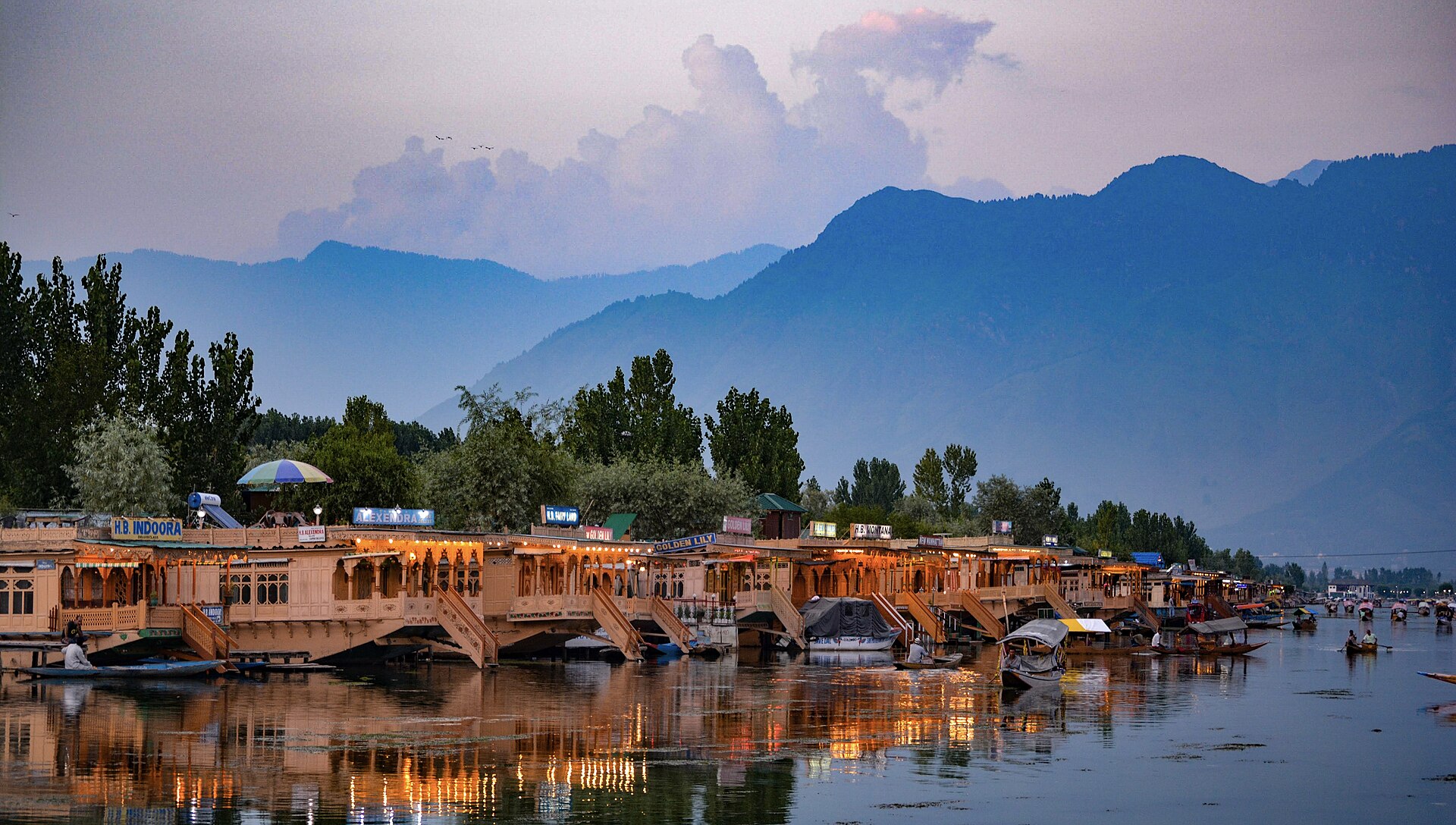
The quiet end to a day on the water in Srinagar.Photo: Iqbal ahmed · CC BY-SA 4.0
The first time you pull out a map of South Asia, the borders might look like a series of jagged lines cutting through the world's highest mountains. Travellers often ask, is Kashmir in India or Pakistan? The reality is that the region is partitioned, and understanding this is essential for anyone planning a visit.
The Indian-administered portion comprises the Union Territory of Jammu and Kashmir and the Union Territory of Ladakh. When you book a trip with us, you are visiting this specific, governed territory. We operate tours that focus exclusively on these areas, ensuring you stay within the accessible and welcoming tourist zones.
The Geography of the Kashmir Region
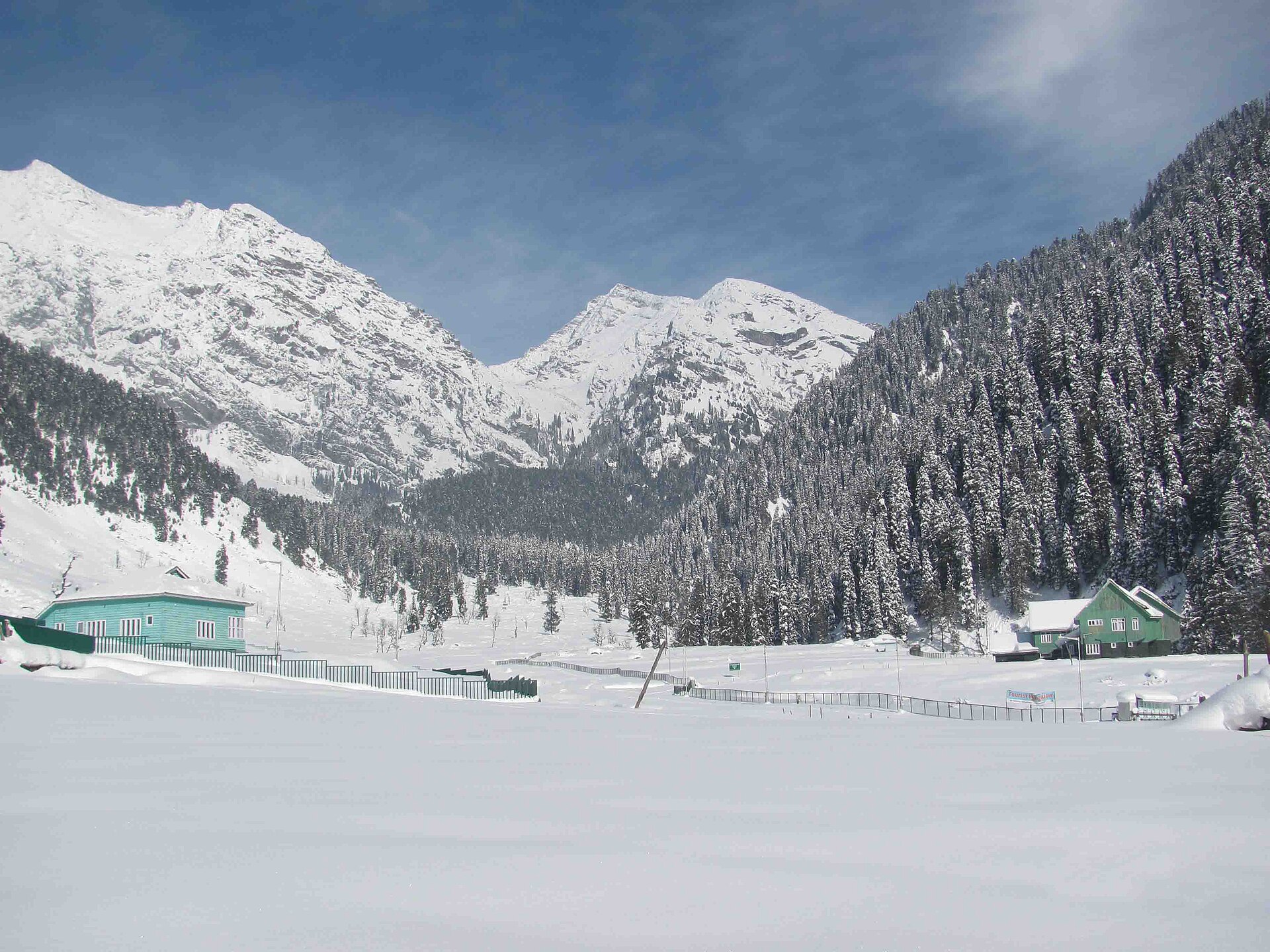
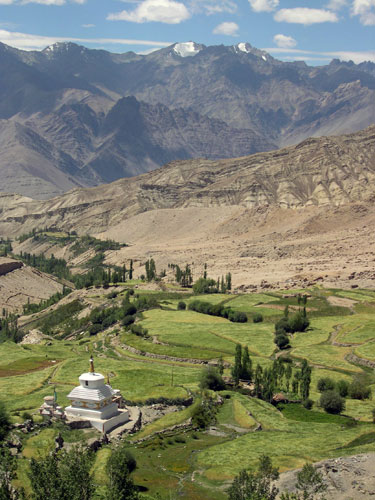
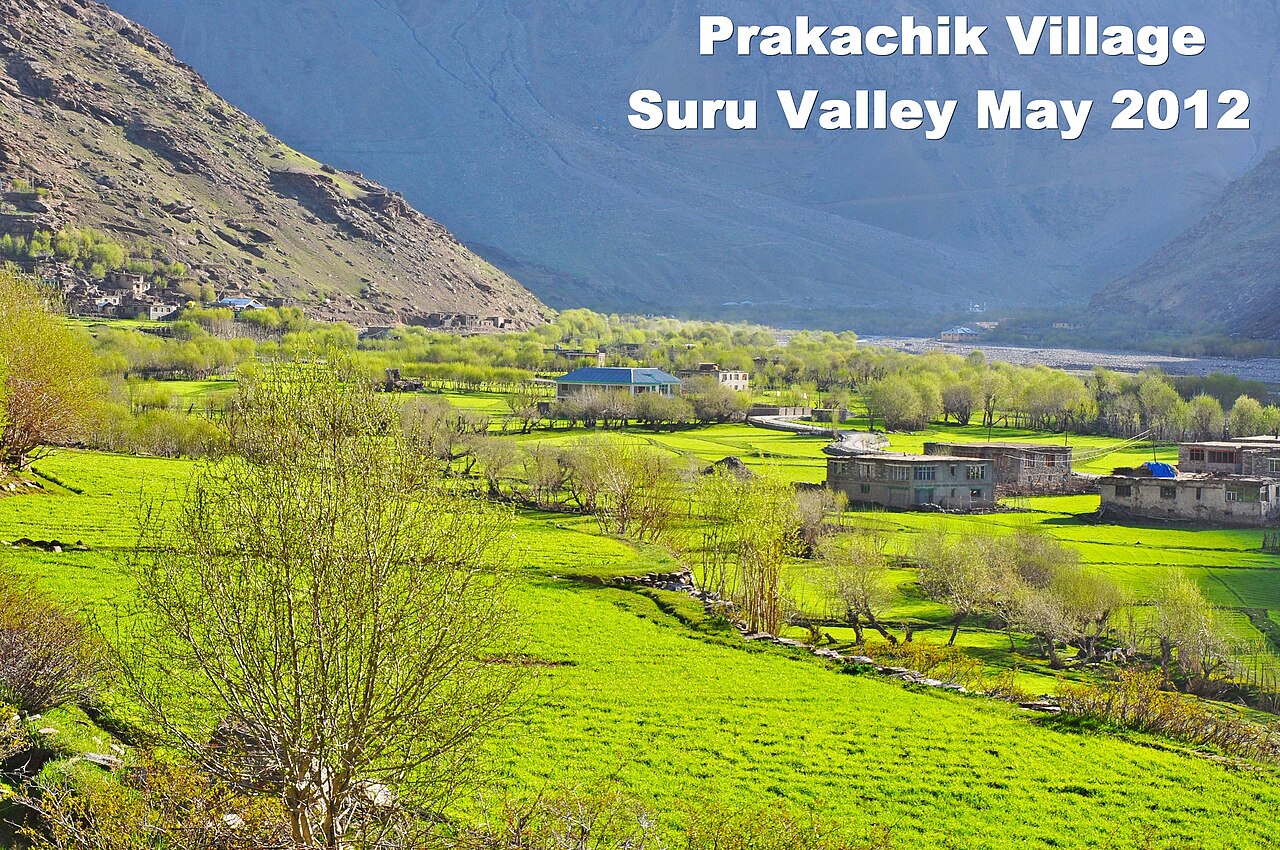
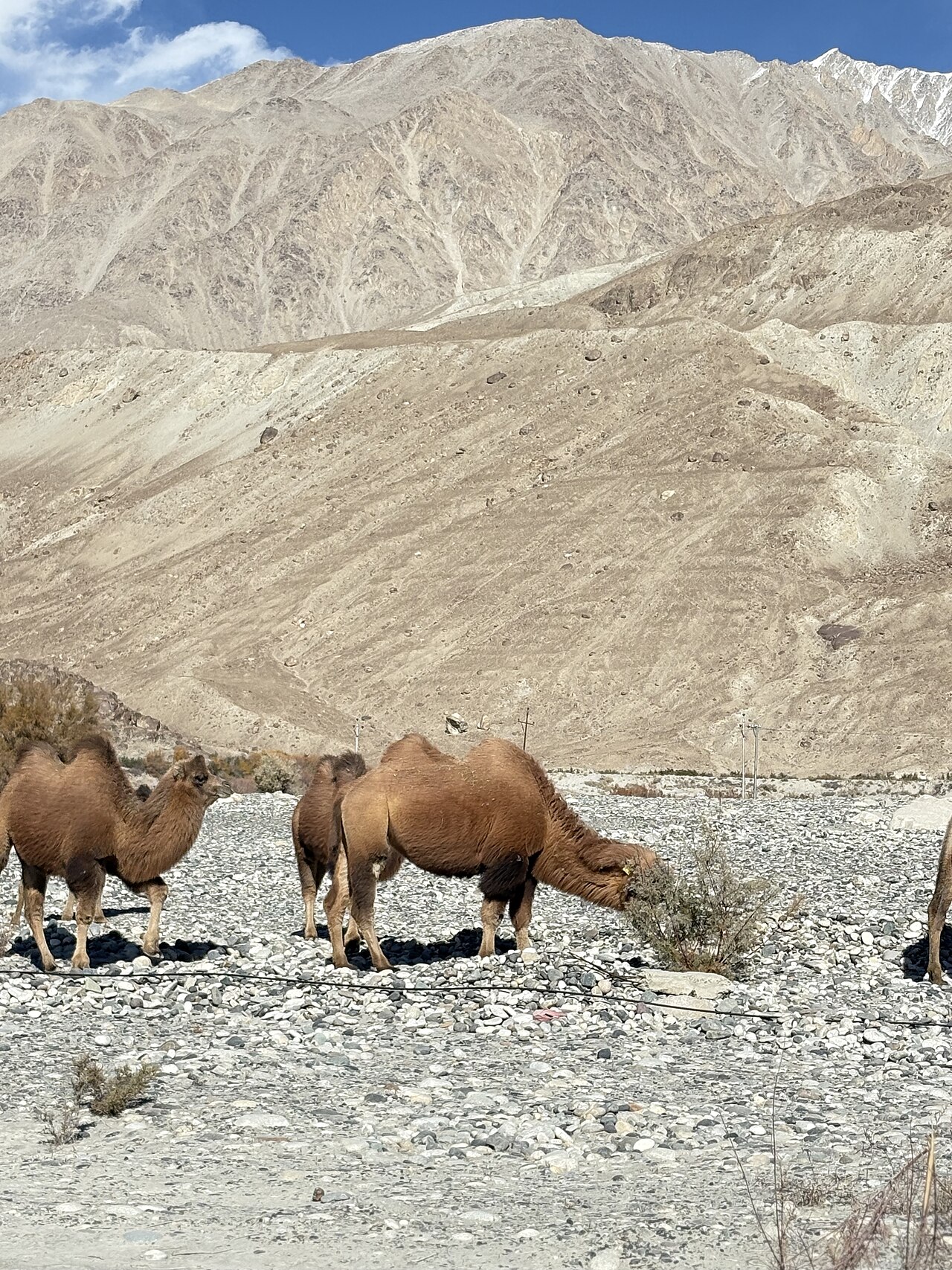
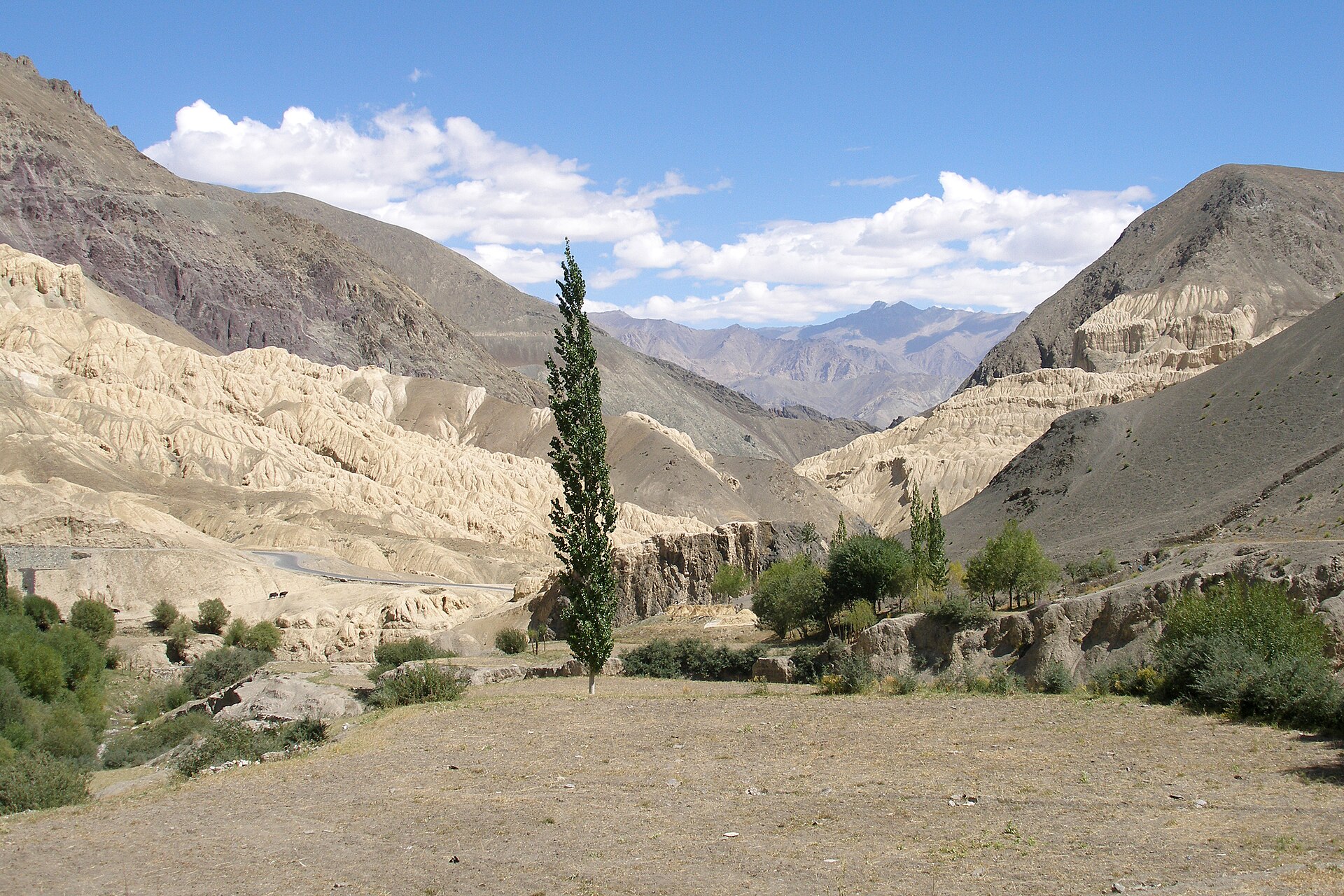
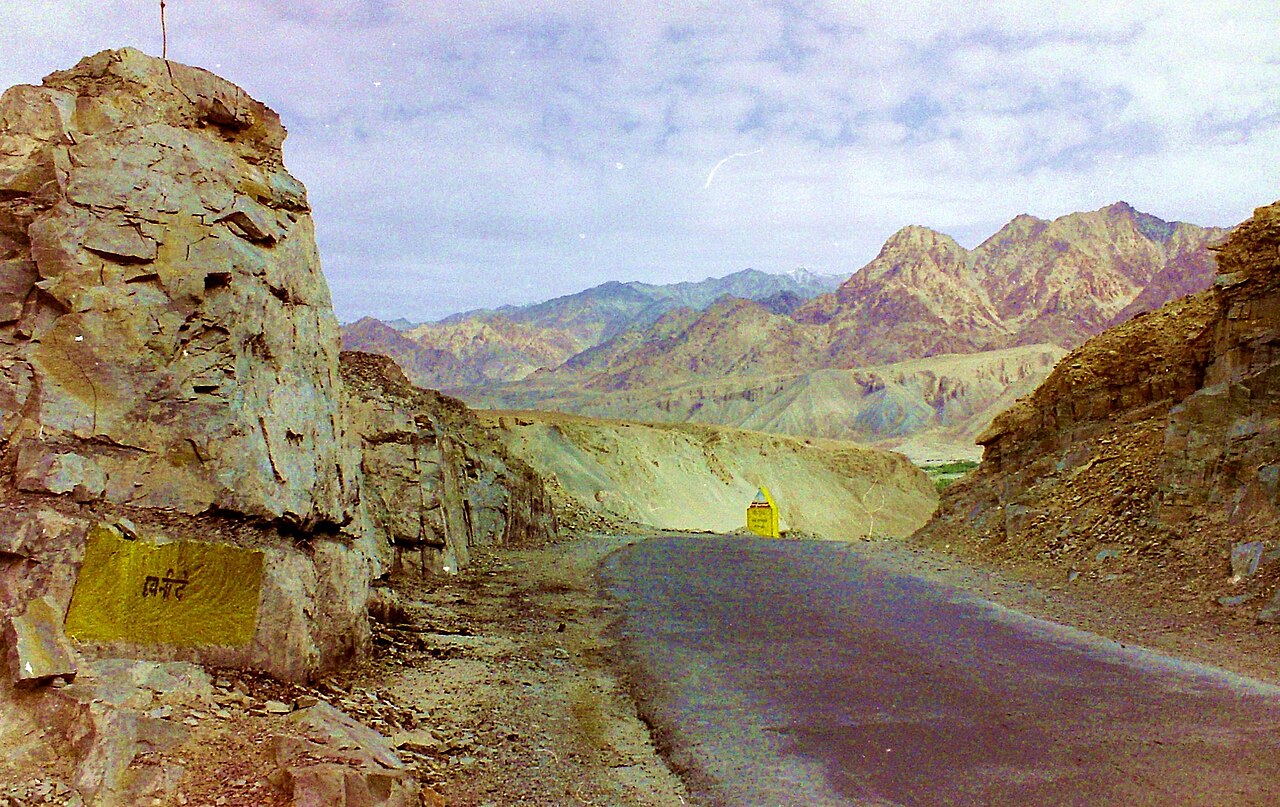
The region is defined by the Himalayas and the Karakoram range. The Kashmir Valley sits at roughly 1,700 metres, flanked by snow-capped peaks that dictate the weather and the pace of life. To the east, the landscape shifts into the high-altitude desert of Ladakh, a stark, lunar-like environment.
When you travel from Jammu into Kashmir, you climb through the Banihal Tunnel. The transition is sudden; the dry, rocky terrain of the foothills gives way to the lush, green bowl of the valley. Geography here determines everything from road closures in winter to the seasonal migration of nomadic shepherds.
Tourism in the Indian Union Territory of J&K
We focus our efforts on the Indian Union Territory of J&K. This is the area where the tourism infrastructure—hotels, houseboats, and transport networks—is built to handle international and domestic visitors. Whether you are wandering through Srinagar or heading into the mountains of Gulmarg, you are within this specific jurisdiction.
The administration ensures that main tourist routes are secured and managed. This makes it straightforward for travellers to cross from the plains of Jammu into the Valley or take the high-altitude pass from Srinagar to Leh. You will find that standard travel documentation like an Indian visa or inner-line permits for specific areas of Ladakh is all you need.
Why Kashmir is a Popular Indian Destination
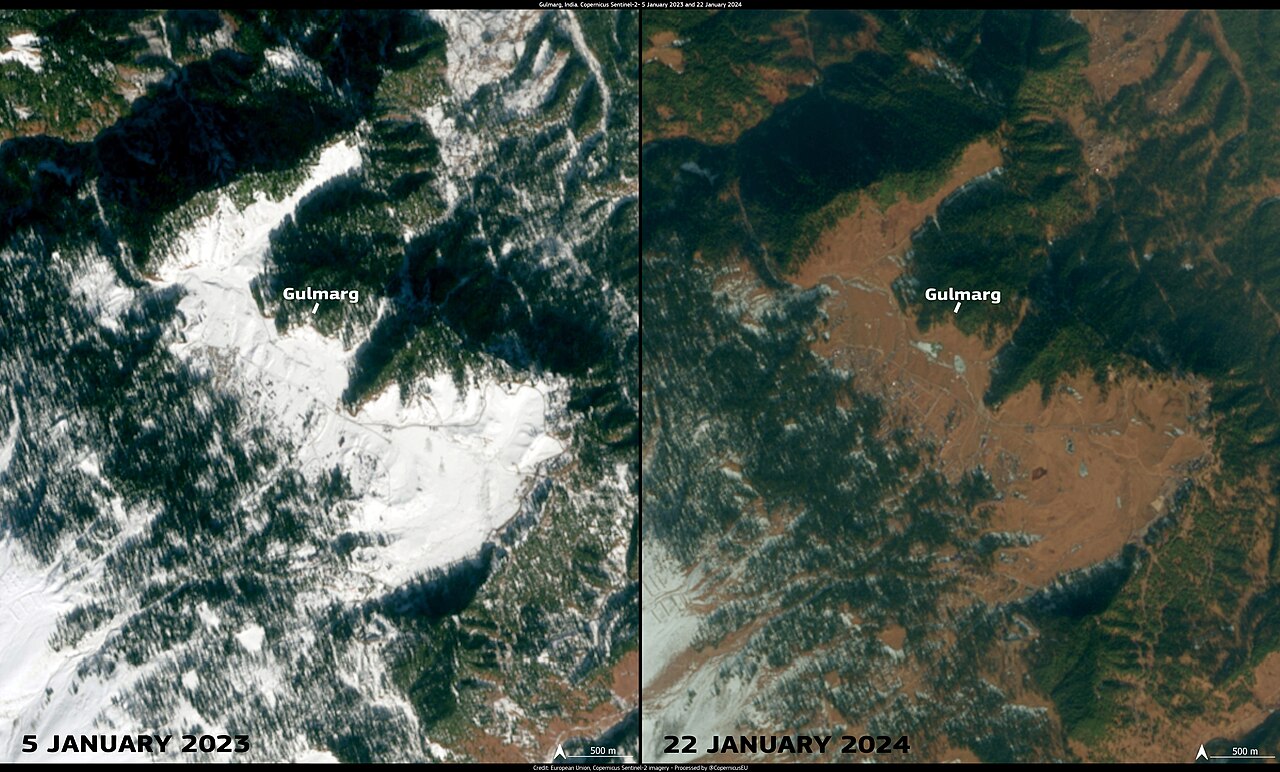
People return to Kashmir not just for the views, but for the specific way the seasons dictate the culture. In winter, the slopes of Gulmarg turn into one of the country's few premier skiing destinations. In spring, the almond blossoms in the orchards around Srinagar draw people from across the globe.
It is the accessibility of these high-mountain environments that keeps people coming back. You can land in Srinagar in the morning and be sitting in a shikara on Dal Lake by lunch. This ease of access, combined with the distinct Kashmiri hospitality, creates an experience that feels miles away from the humidity of the Indian plains.
Planning Your Visit to the Indian Side
If you are asking, is Kashmir in India, you are likely in the early stages of your planning. We always advise checking the latest travel advisories for the specific valleys you intend to visit. Most of the main tourist circuit, including Pahalgam, Sonamarg, and the city of Srinagar, operates on a standard seasonal schedule.
We help our clients by arranging reliable transport across these districts. Because the geography is mountainous, road travel takes longer than your GPS might suggest. A five-hour drive often becomes an eight-hour journey due to mountain passes and local traffic. Planning for these extra hours is the hallmark of a seasoned traveller in this region.
Before you book
The region remains a complex but accessible part of the Himalayas. By focusing your trip on the Indian Union Territory of J&K and Ladakh, you ensure a trip supported by local infrastructure and established tourism standards.
If you have questions about specific routes or need help mapping out your arrival in Srinagar or Leh, we are here to help. Reach out to our team to discuss your itinerary ideas and find out how we can make the logistics feel effortless.
Ready to Plan Your Trip?
We have spent years navigating these mountains and are happy to share our knowledge to help you build your perfect route.
Contact UsWritten by
Kashmir, Jammu & Ladakh specialists
We plan and run trips across Kashmir, Jammu and Ladakh every week of the year. Everything here comes from routes we drive, stays we inspect and questions our travellers actually ask.
Quick answers
Questions we get asked
Is Kashmir in India?
Yes, the areas that tourists visit, including the Kashmir Valley, Jammu city, and the Ladakh region, are under Indian administration as the Union Territories of Jammu & Kashmir and Ladakh.
Can I travel to Kashmir safely?
Most of the primary tourist corridors such as Srinagar, Gulmarg, and Leh are safe for visitors. We monitor the situation daily and only operate tours in areas that are welcoming and secure for travellers.
Do I need special permits?
For most of the Kashmir Valley, no special permits are required for Indian or foreign nationals. However, if you are planning to visit specific parts of Ladakh or border areas, an Inner Line Permit may be necessary.
What is the best way to travel between regions?
Flying is the fastest option. Direct flights operate daily to Srinagar and Leh. Road travel between regions is possible but involves long, winding mountain journeys that should be planned with extra time.
Are there package tours available?
Yes, booking a managed package is often the most reliable way to navigate the region, as it includes local drivers who understand the terrain and have experience with changing road conditions.
Photography credits
- Photo: Iqbal ahmed · CC BY-SA 4.0
- Photo: Vyacheslav Argenberg · CC BY 4.0
- Photo: Narender9 · CC BY-SA 4.0
- Photo: DiluteOxygen · CC BY-SA 4.0
- Photo: European Union, Copernicus Sentinel-2 imagery · Attribution
- Photo: Pierre André Leclercq · CC BY-SA 4.0
- Photo: Miansari66 · CC0