The Geography and Power of Aharbal Waterfall
A close look at the Veshaw river, the gorge, and the reasons behind its famous moniker.
Discover the unique geography behind the aharbal waterfall description, exploring the Veshaw river flow and its famous nickname.
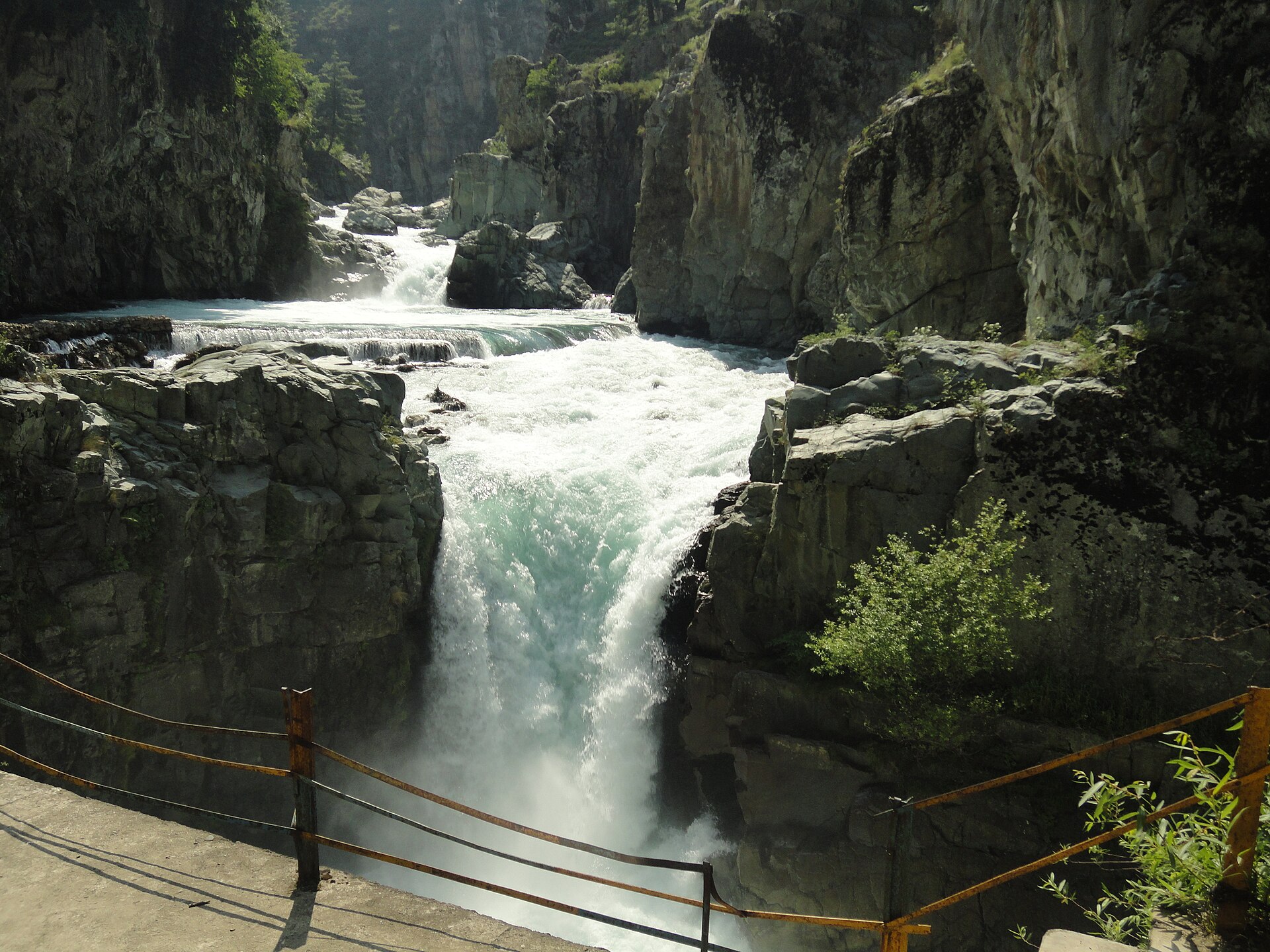
The concentrated force of the Veshaw river plunging into the rocky canyon below.Photo: Akshey25 · CC BY-SA 3.0
You hear the sound long before you catch your first glimpse of the white water tearing through the dark rock. It is a deep, concussive rumble that vibrates through the soles of your shoes as you walk down the paved path from the parking area.
Travellers often ask us why this particular cascade holds such a prominent reputation in local folklore and travel writing. To understand the appeal, you have to look past the marketing nicknames and examine the raw geography of the Veshaw river as it cuts through the Pir Panjal mountains.
Geography of the Aharbal Falls
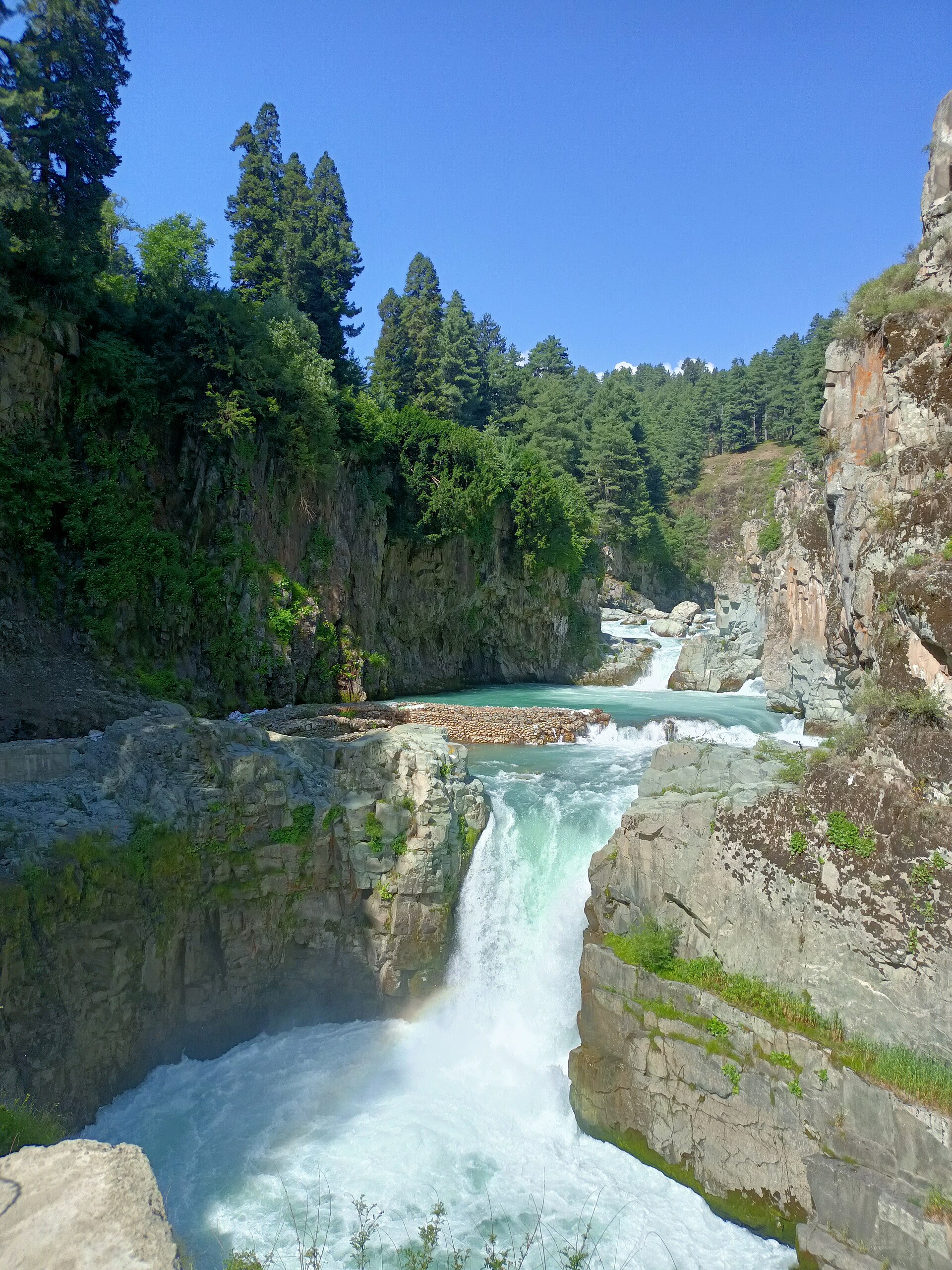
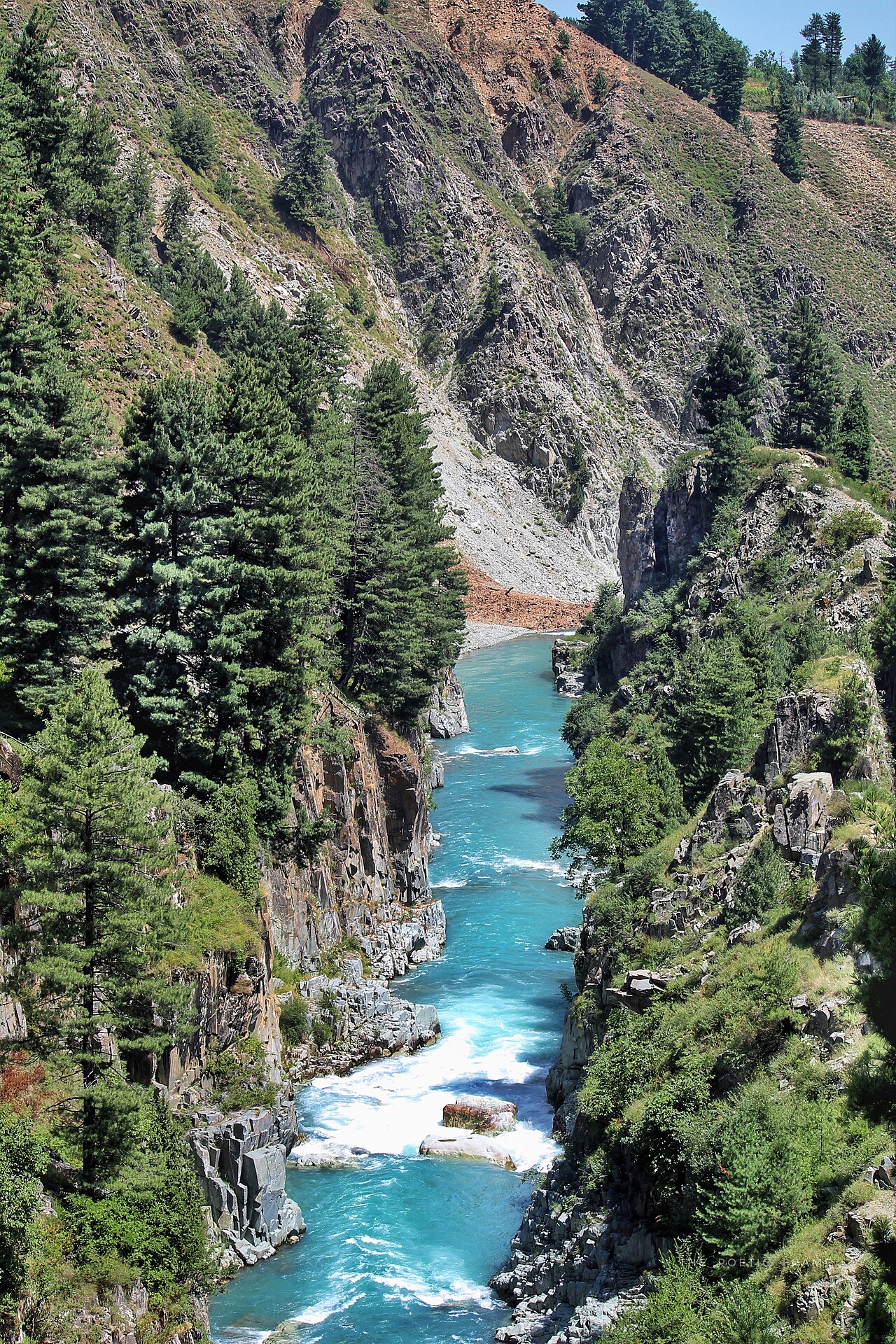
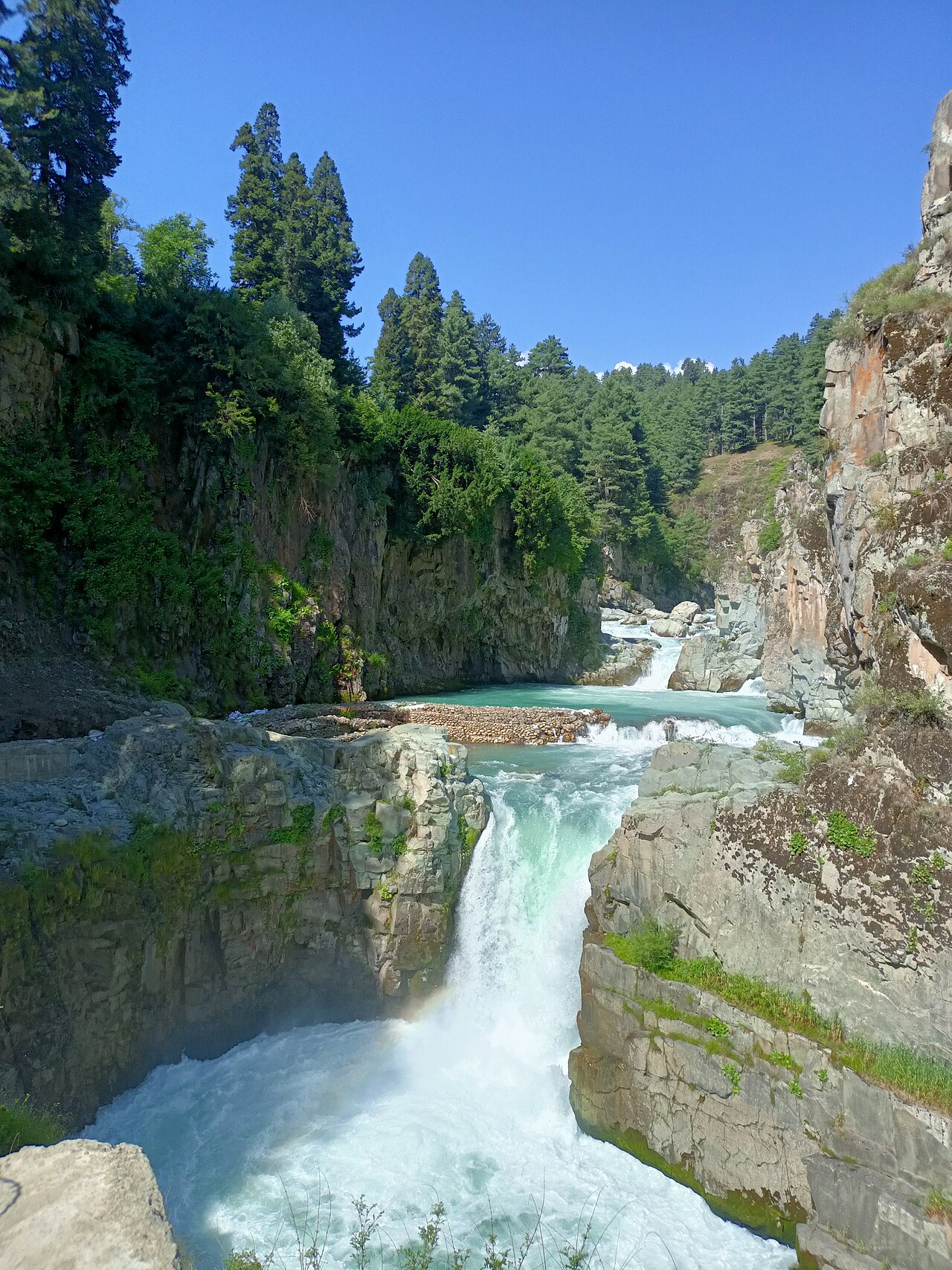
The waterfall is formed as the Veshaw river—a major tributary of the Jhelum—drops precipitously over a massive cliff of basaltic rock. The drop is roughly twenty-five metres high, but the sheer volume of water compressed into a narrow gorge creates an optical and acoustic illusion of immense scale.
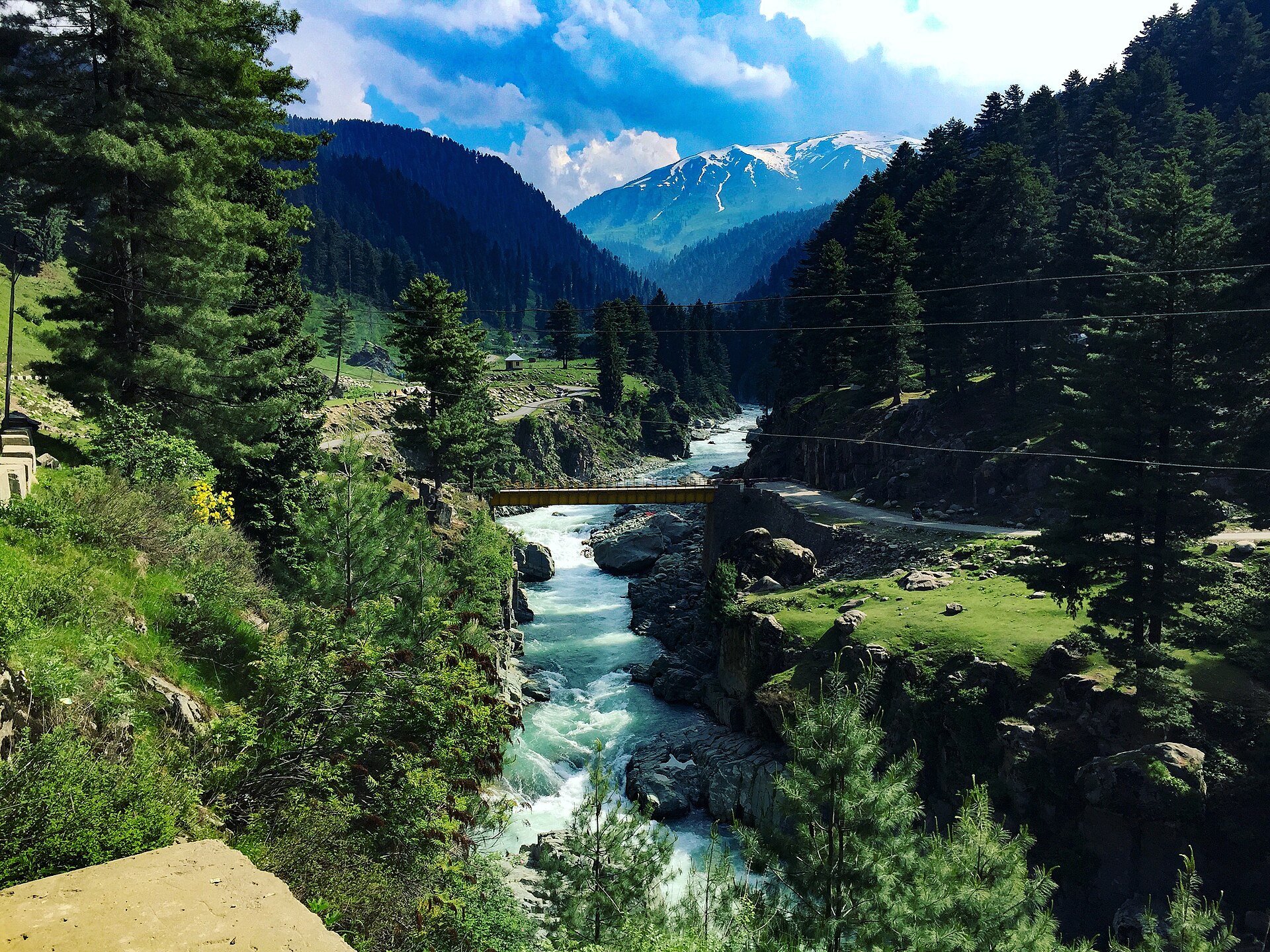
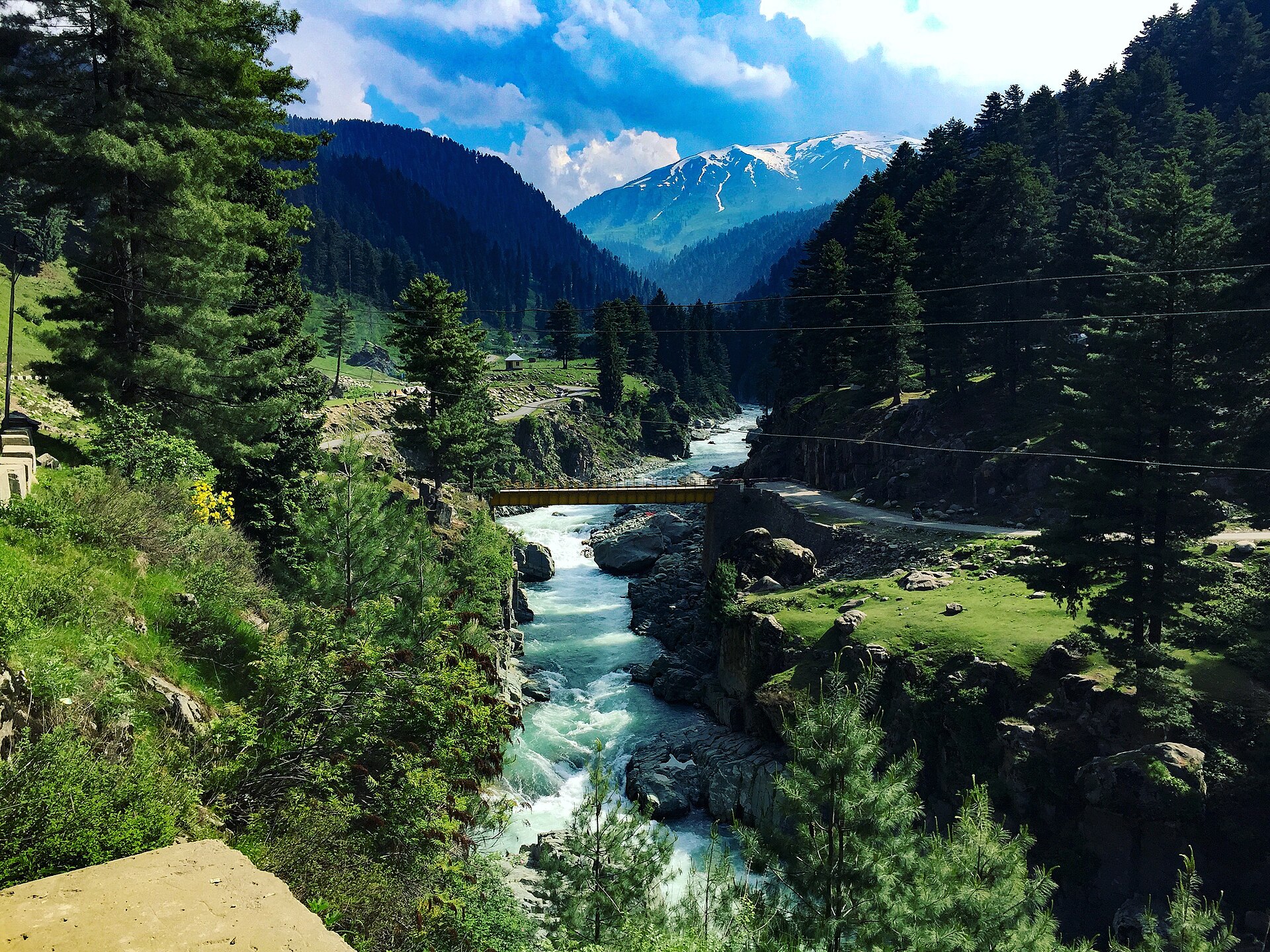
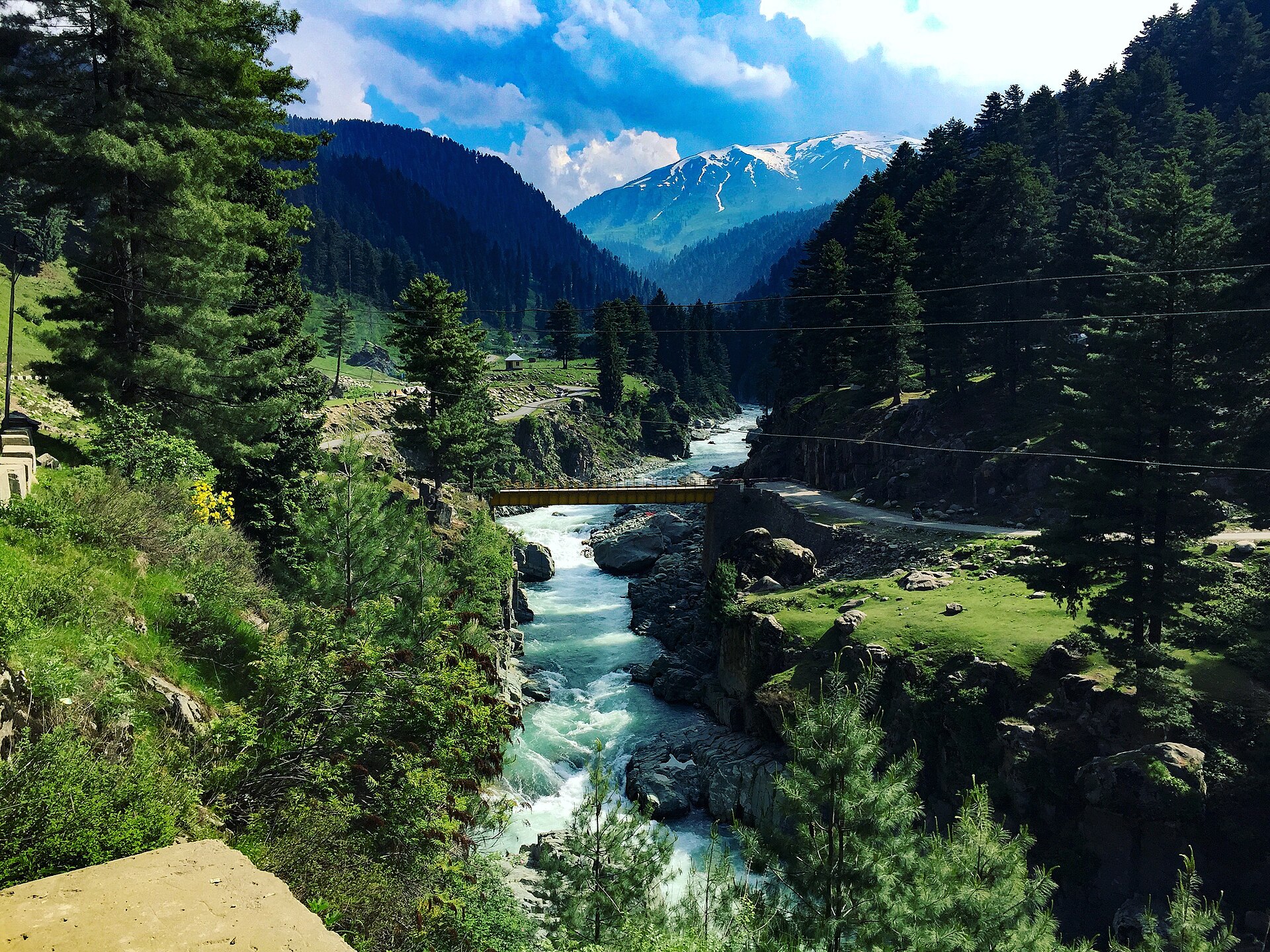
When writing any accurate aharbal waterfall description, geographers note how the river has carved a deep, vertical canyon over thousands of years. The surrounding terrain is a rugged mix of dense coniferous forest, sloping meadows, and towering mountain walls that trap the sound and mist.
Comparing the Veshaw River Flow
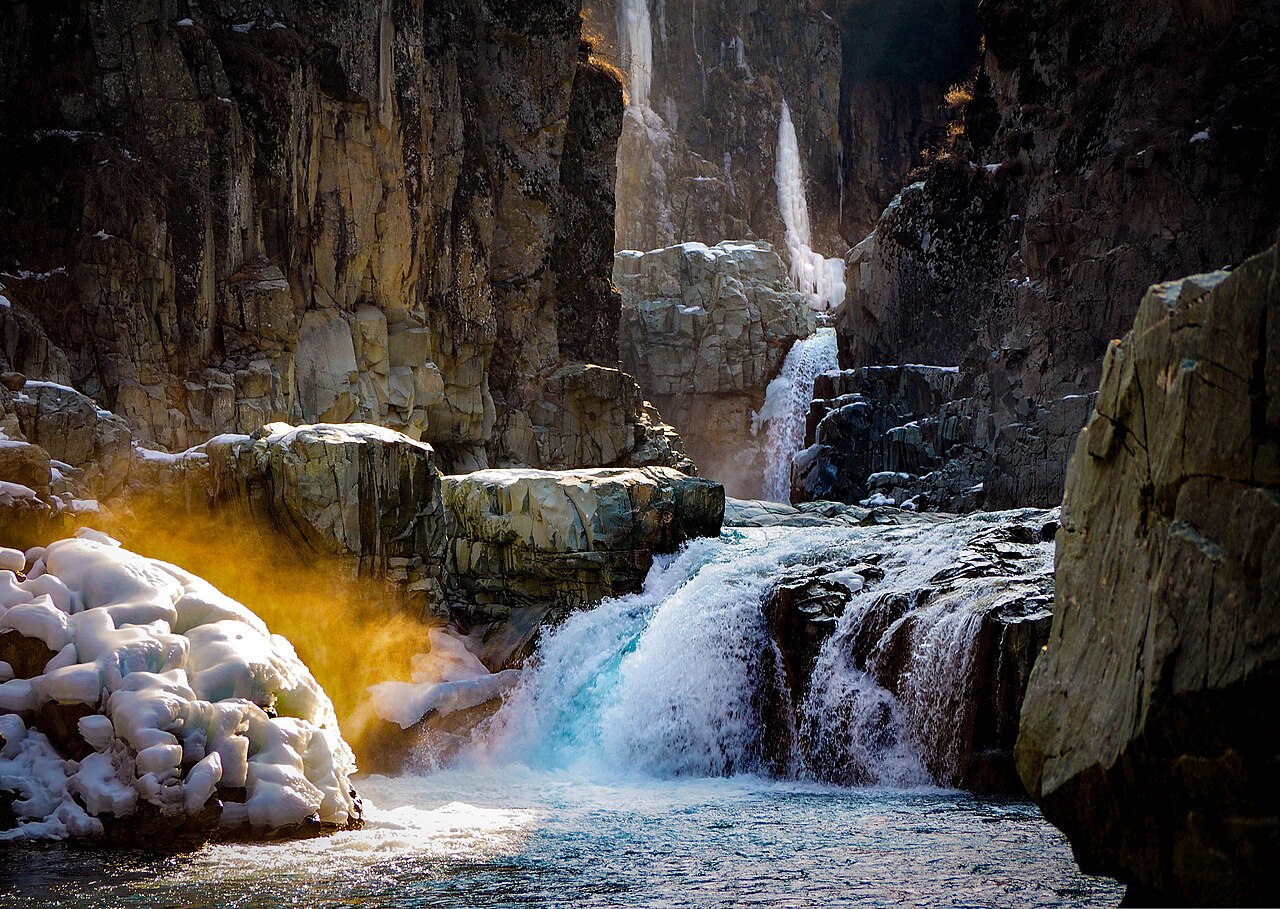
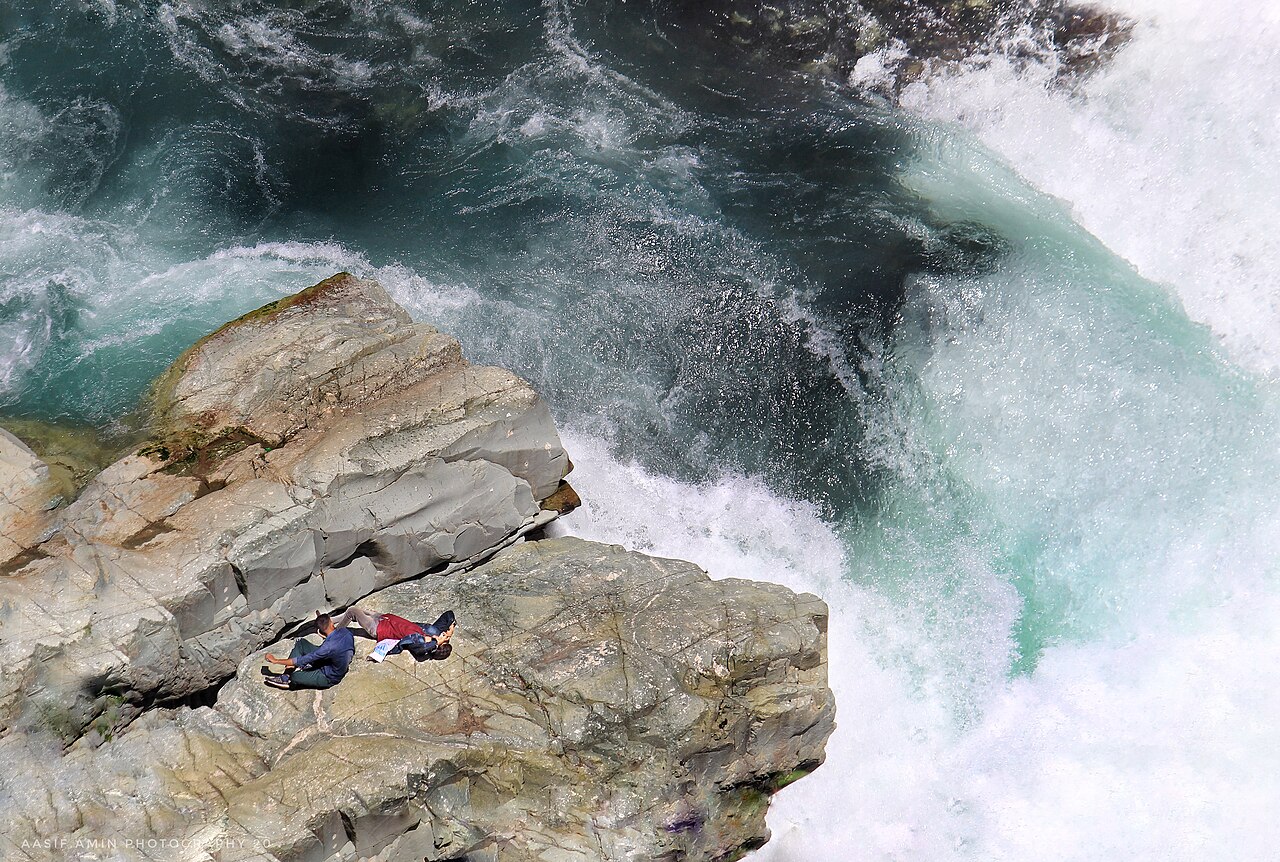
Water volume fluctuates dramatically depending on the season. In spring, melting snowpack from the high Pir Panjal peaks swells the Veshaw river into a raging, muddy torrent that churns furiously against the boulders.
By late autumn, the water clears up into a striking turquoise blue, though the flow remains strong enough to create a constant cloud of fine spray. This seasonal shift offers entirely different visual experiences depending on whether you visit in May or October.
Features That Define the Experience
Standing on the viewing platform, the most striking feature is the force of the wind generated by the falling water. The air temperature drops noticeably the closer you get to the safety railing.
The surrounding area remains remarkably undeveloped compared to more commercialized hill stations. You will not find sprawling amusement parks or loud commercial arcades here, just the raw power of nature, local tea sellers, and the scent of pine needles in the damp air.
The Safety Barriers and Viewpoints
Authorities have installed iron railings along the main viewing ledges to prevent slips on the wet, mossy rock surfaces. Visitors must stay behind these barriers as the currents below the drop are lethal.
Why It Is Referred to as the Niagara of Kashmir
Tourism literature frequently slaps hyperbole onto scenic spots, but the comparison between Aharbal and North America's famous cataract stems from its horseshoe-like rock formation and immense water volume relative to other regional streams.
While it lacks the sheer breadth of Niagara, the visual impression of immense water volume plunging over a broad ledge into a deep gorge evokes a similar sense of raw power. It is this concentrated fury that earned it the enduring moniker among early British colonial travellers.
Before you book
Labels and comparisons do little justice to the physical experience of standing beside the Veshaw river as it hurls itself over the cliff edge. It is a place of raw geological energy that demands respect and commands attention.
If you want to witness this natural wonder firsthand without logistical friction, get in touch with our team. We can easily weave Aharbal into your wider exploration of Kashmir.
Explore the Wonders of Kashmir
Let our local experts guide you to Kashmir's most impressive natural landscapes with comfort and ease.
Get in TouchWritten by
Kashmir, Jammu & Ladakh specialists
We plan and run trips across Kashmir, Jammu and Ladakh every week of the year. Everything here comes from routes we drive, stays we inspect and questions our travellers actually ask.
Quick answers
Questions we get asked
How high is the drop at Aharbal Waterfall?
The drop is approximately 25 metres (82 feet), plunging into a deep, narrow gorge carved by the Veshaw river.
Which river feeds Aharbal Waterfall?
The waterfall is fed by the Veshaw river, which originates from the Kousarnag glacier high in the Pir Panjal mountains.
Why is it called the Niagara of Kashmir?
It earned the nickname due to its massive water volume, powerful roar, and broad horseshoe-like rock formation resembling a miniature version of Niagara Falls.
Does the water flow change across seasons?
Yes, spring snowmelt creates a heavy, muddy torrent, while autumn brings a clearer blue stream with a steady, powerful flow.
Photography credits
- Photo: Akshey25 · CC BY-SA 3.0
- Photo: Dar.burhan · CC BY-SA 4.0
- Photo: ThePoeticFrame · CC BY-SA 4.0
- Photo: Tawheed Manzoor · CC BY 3.0
- Photo: TheAutumnal · CC BY-SA 4.0
- Photo: ThePoeticFrame · CC BY-SA 4.0
- Photo: Shahid Mushtaq Itoo · CC BY-SA 4.0