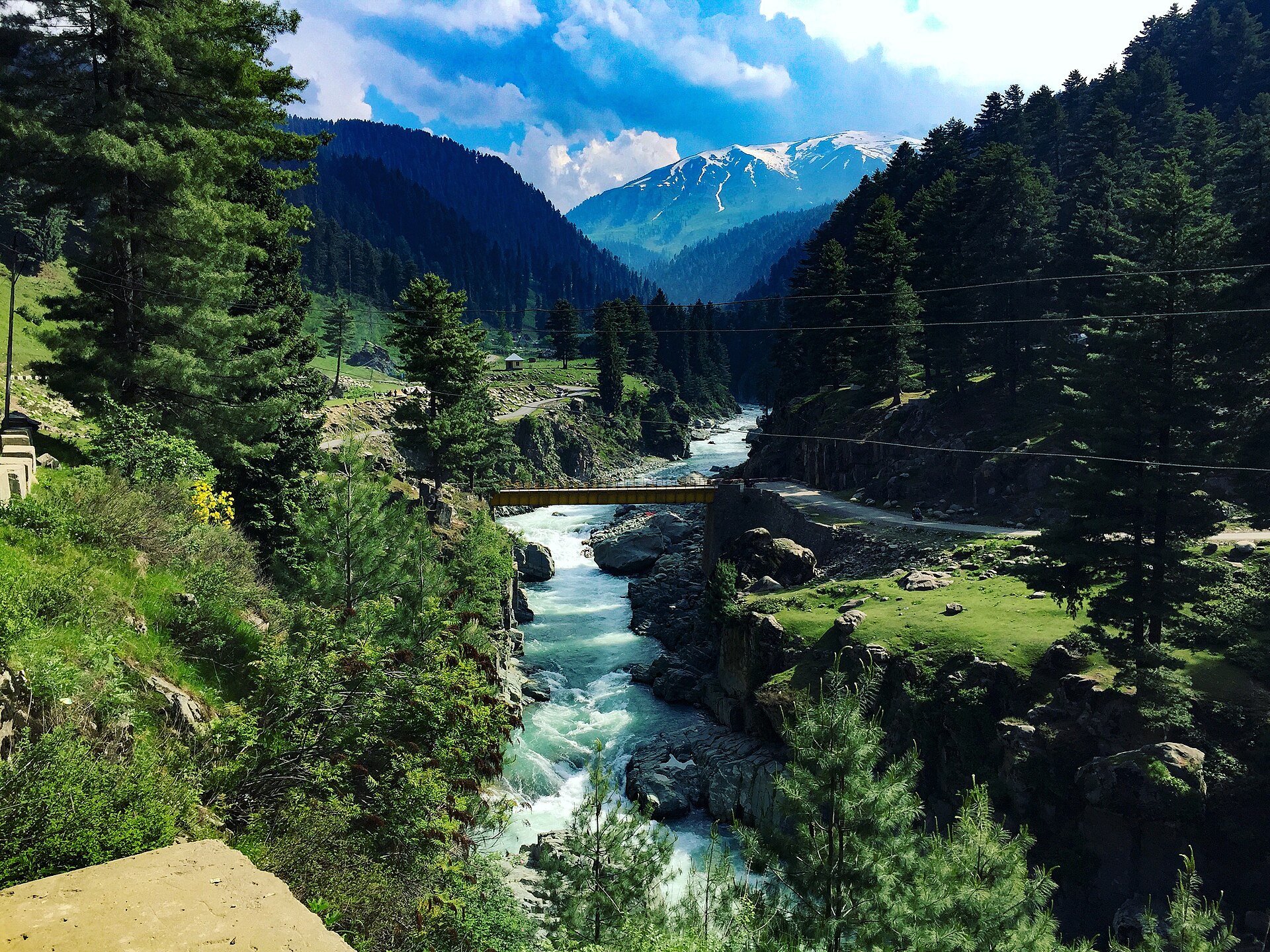
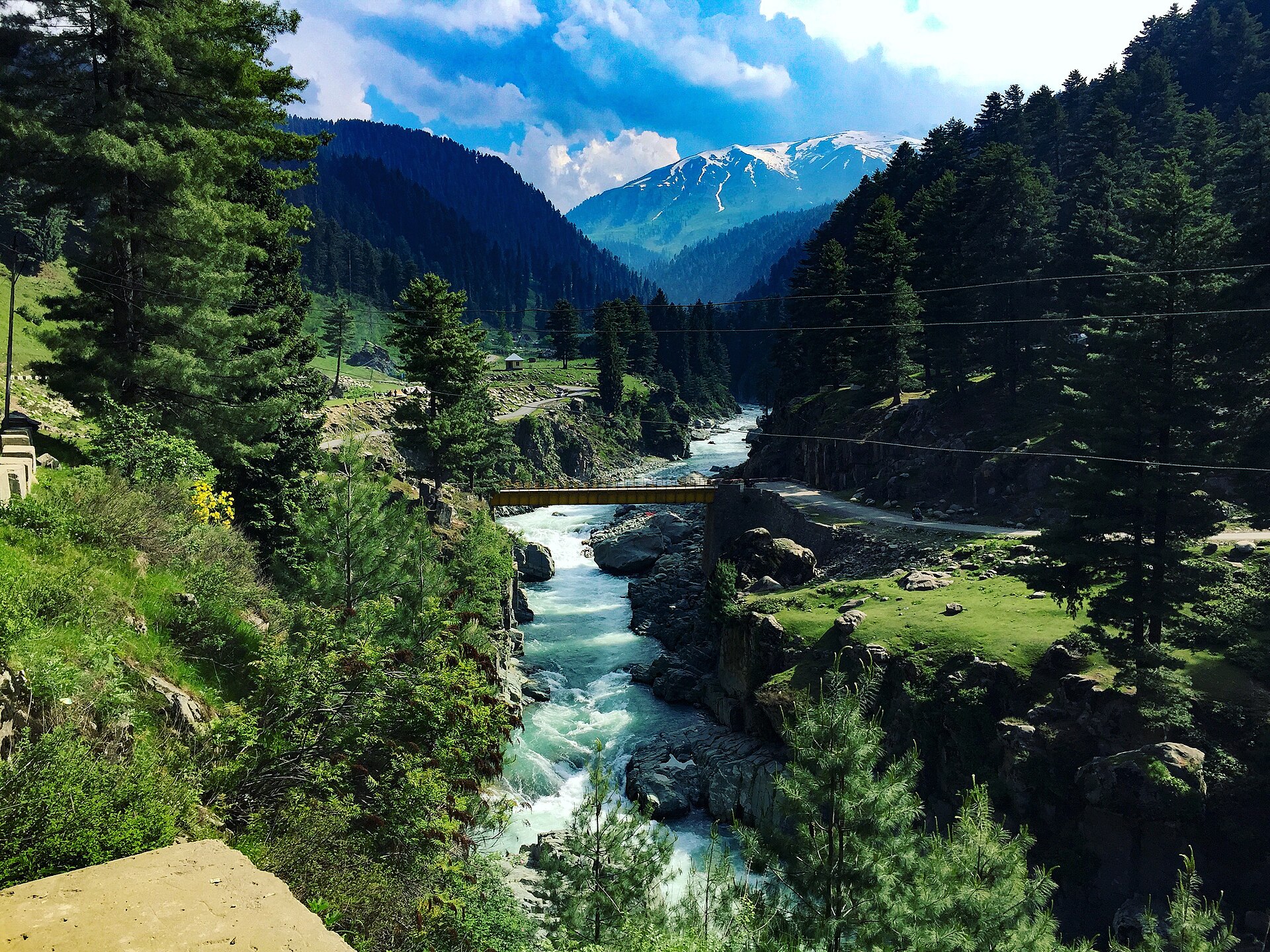
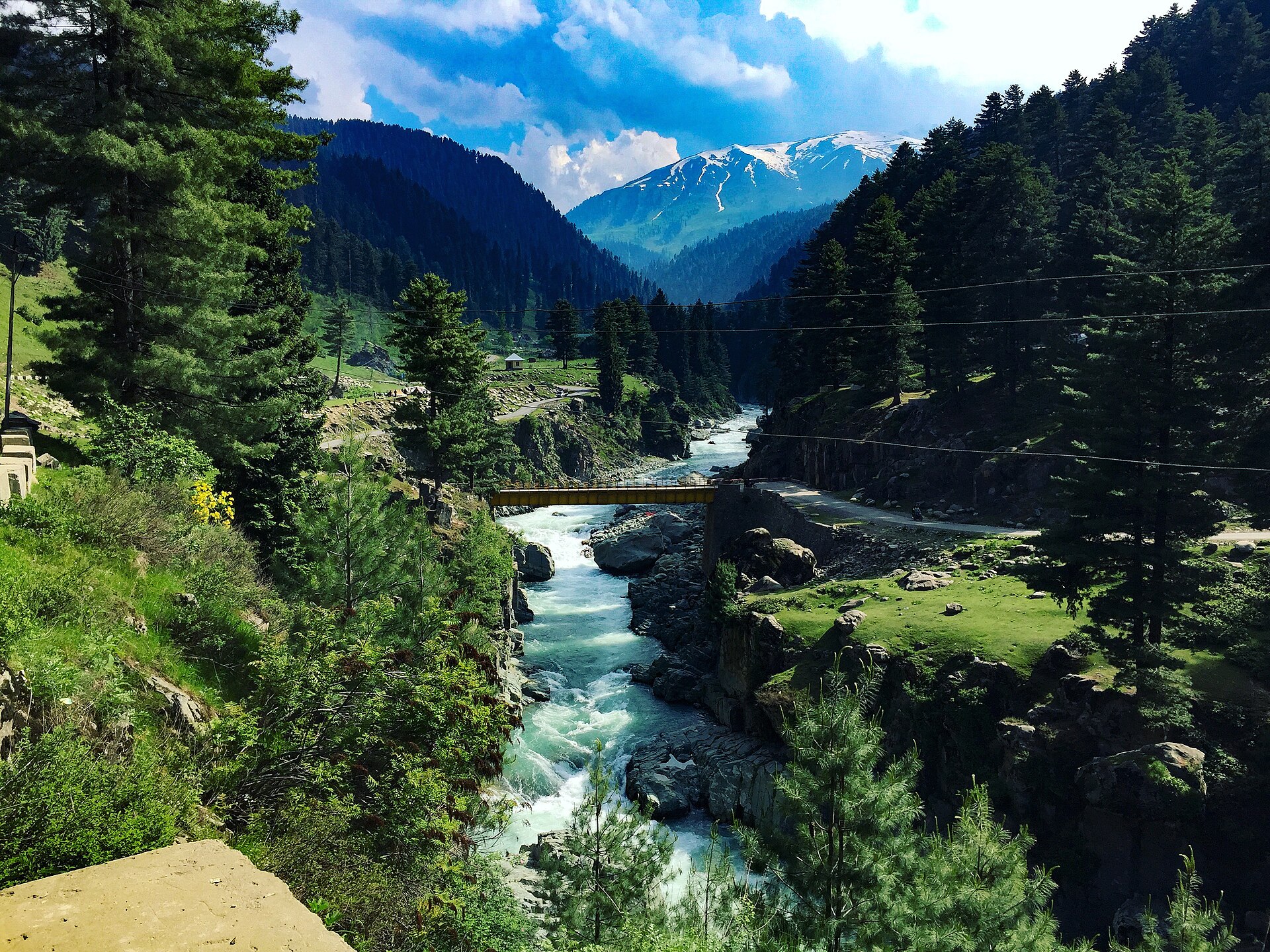
Experience Aharbal: The Niagara of Kashmir
An immersive guide to the Veshaw river, basalt gorges, and offbeat trails.
Dive into the ultimate aharbal waterfall experience with our guide to the Veshaw river, forest walks, viewing platforms, and local Kulgam culture.
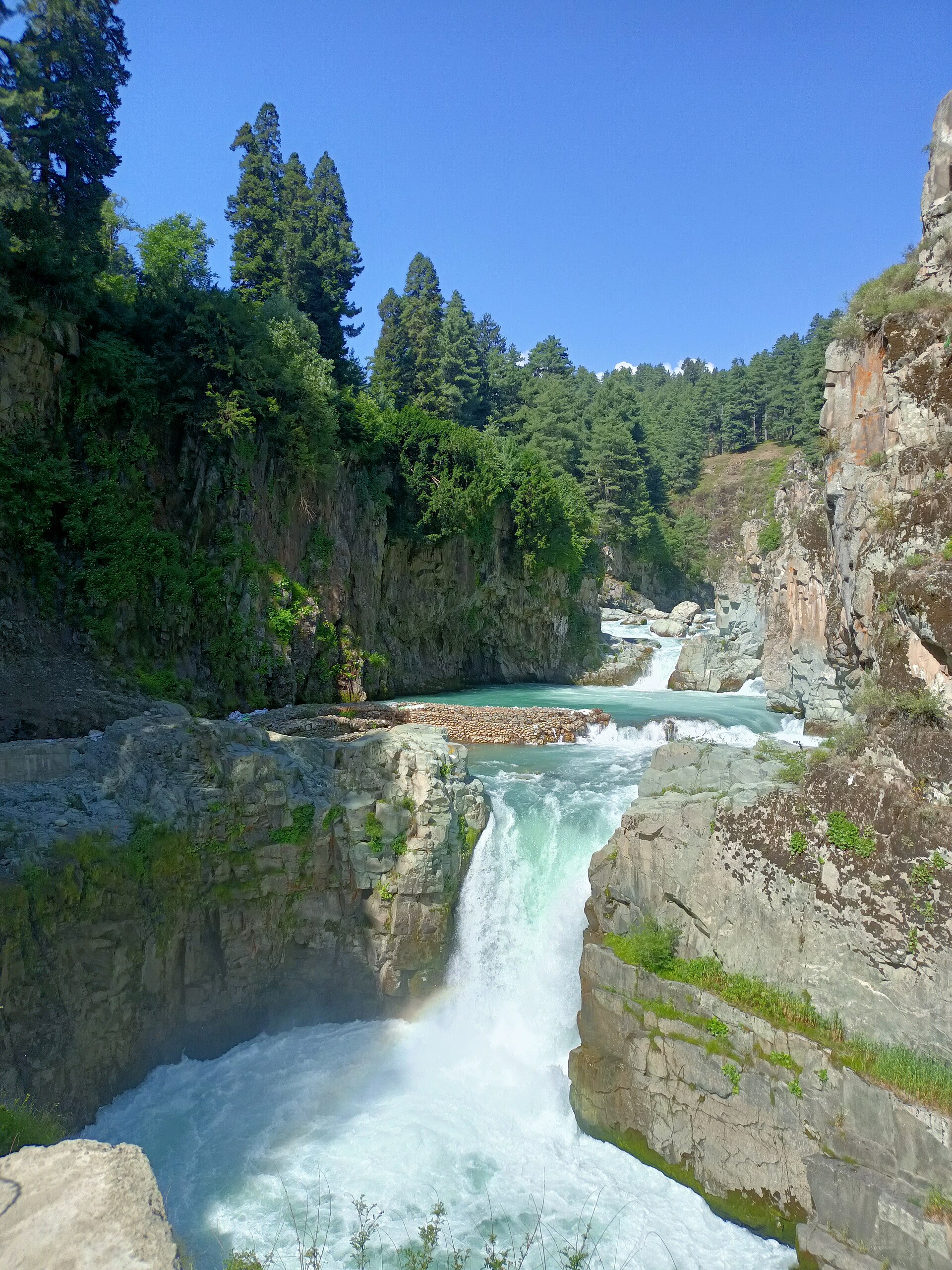
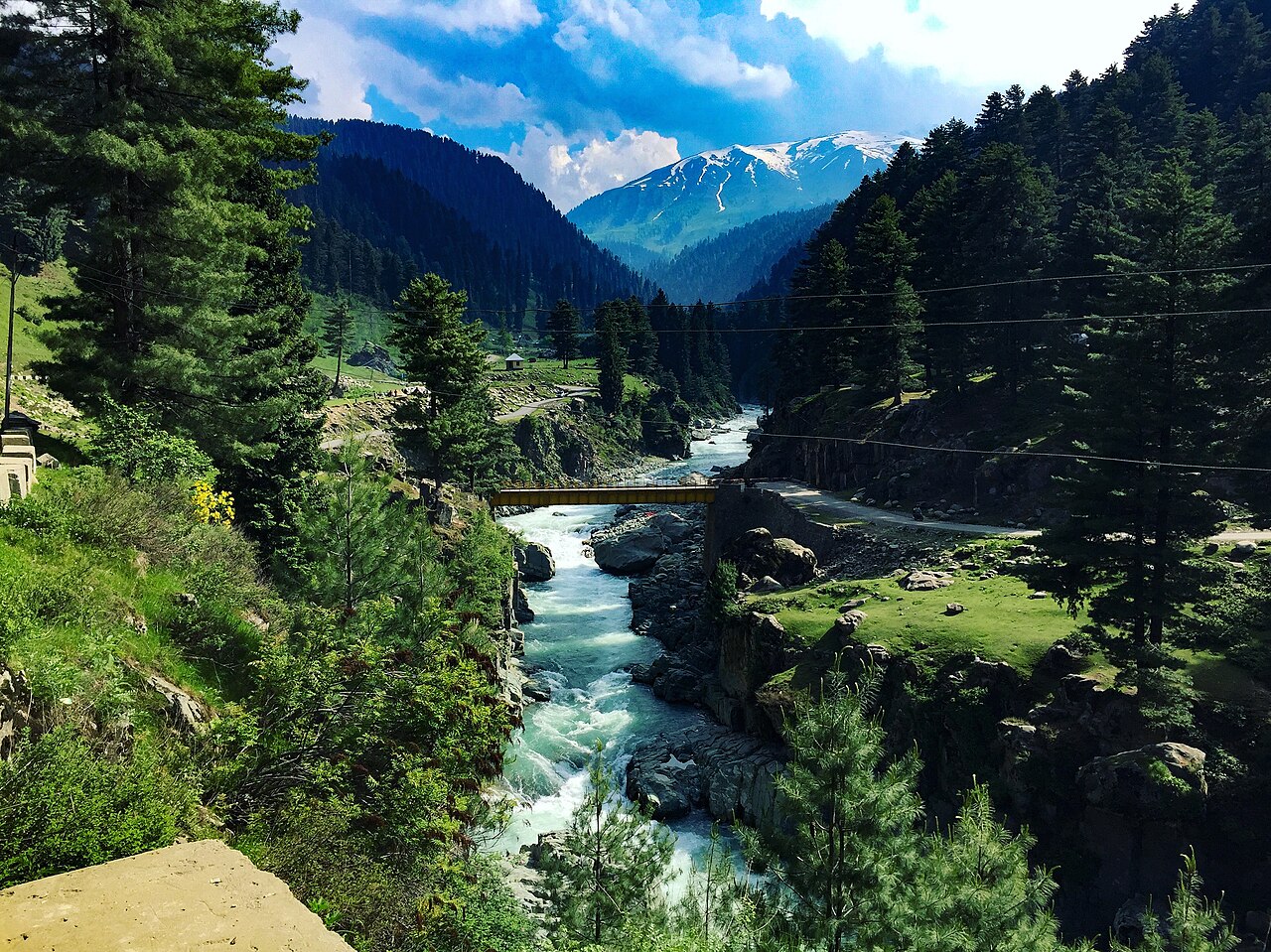
The Veshaw river creates a deafening roar as it plunges into the gorge.Photo: TheAutumnal · CC BY-SA 4.0
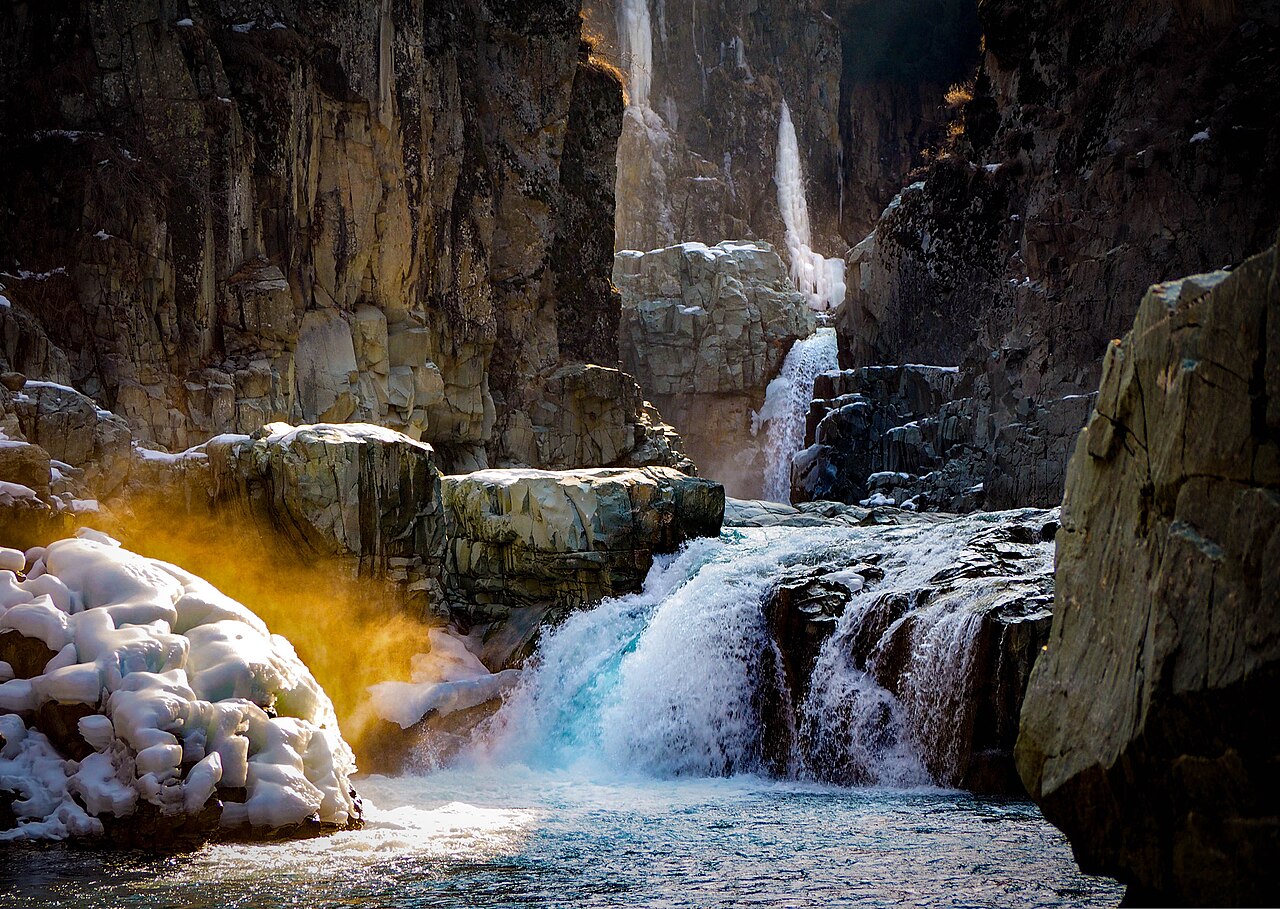
You step out of the taxi into crisp mountain air that smells faintly of burning pine wood and damp earth. Unlike the bustling houseboats of Dal Lake or the manicured lawns of Gulmarg, Aharbal feels unfiltered and raw. The river here does not meander; it accelerates with terrifying intent before plunging over a ledge of dark basalt rock into a boiling basin of foam.
Shaping the ultimate aharbal waterfall experience means looking beyond the main concrete viewing deck. The real magic of this corner of Kulgam district lies in the surrounding topography—the way the Veshaw river carves through limestone and volcanic rock, the hidden trails winding up toward alpine lakes, and the quiet rhythm of rural life in the nearby hamlets.
We spend a lot of time helping travellers step off the beaten tourist highway in Kashmir. If you want to understand why locals call this the Niagara of the valley, you need to walk the forest edges, stand on the lower mist-drenched rocks, and listen to the stories shared by tea sellers whose families have lived under these peaks for generations.
The Geological Drama of the Veshaw River
The Veshaw river originates high up in the glacier-fed lakes of the Pir Panjal range, gathering momentum as it drains the southern slopes. By the time it reaches Aharbal, it is a concentrated force of nature confined by steep, pine-studded canyon walls. The rock strata exposed along the gorge tell a silent story of ancient volcanic activity and relentless water erosion.
Standing on the banks above the drop, you can watch the water transition from a translucent turquoise in summer to a heavy, churning green-grey during snowmelt. The sheer velocity creates a localized microclimate, generating cool breezes and persistent mist that sustains a lush carpet of moss and ferns along the canyon walls.
- The main drop plunges approximately 24 metres into a deep, turbulent pool.
- The surrounding canyon walls consist of dark basalt and ancient sedimentary rock.
- The Veshaw is a major tributary of the Jhelum river system.
Navigating the Viewing Platforms and Safety Zones
Over recent years, the tourism department has built structured viewpoints and reinforced iron railings to help visitors safely approach the gorge. The primary viewing deck sits directly opposite the cascade, offering a wide-angle frame for photography. However, the spray here is heavy, and camera lenses fog up within seconds.
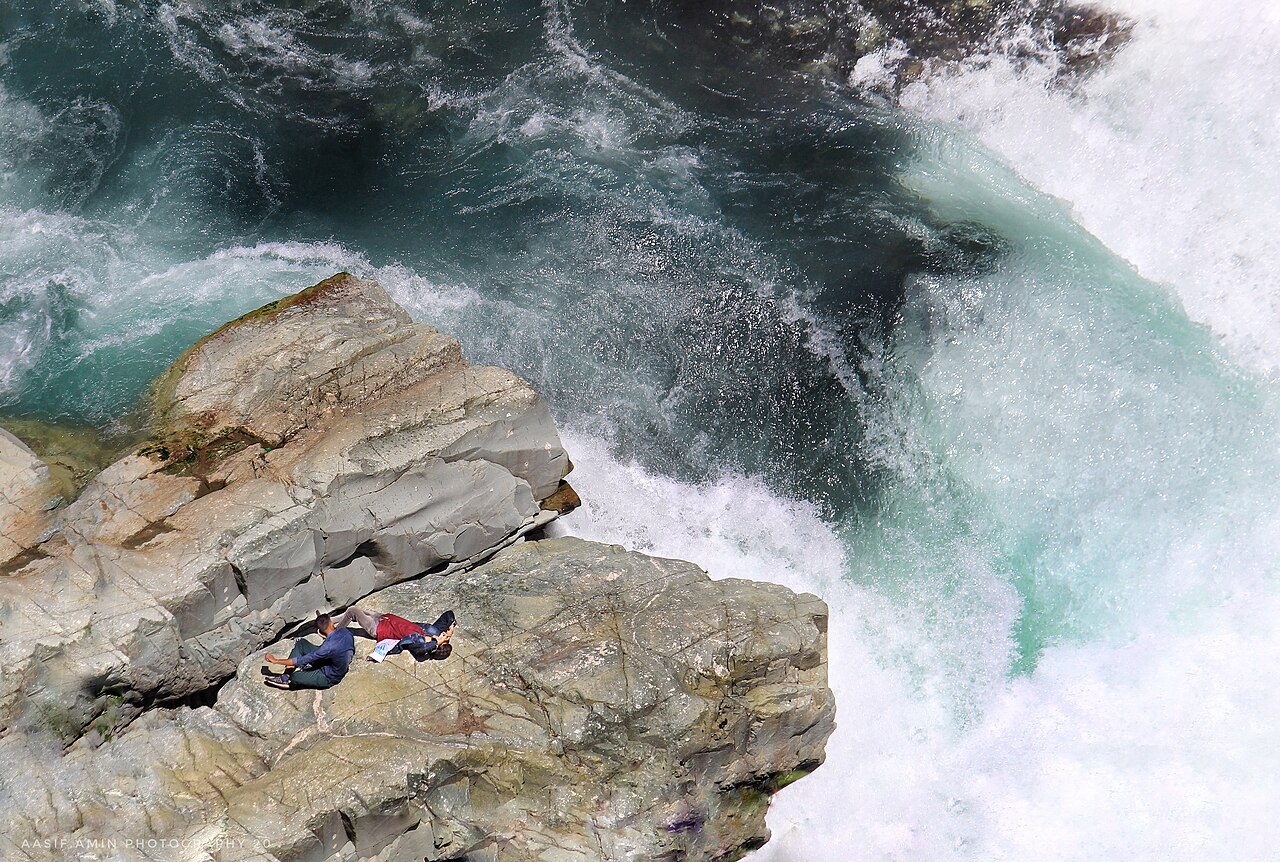
For a more intimate perspective, follow the stone footpath down toward the lower rocks when the water level permits. Local wardens monitor the area and will whistle sharply if anyone ventures past the painted safety lines onto the slippery, water-scoured boulders near the plunge pool.
The Lower Gorge Descent
Descending the hundreds of stone steps takes about ten minutes, but the climb back up tests your lungs due to the altitude. Take your time, rest at the small wooden benches along the route, and watch out for moss-slick patches where the mist settles.
The river here does not meander; it accelerates with terrifying intent before plunging over a ledge of dark basalt rock.
Forest Walks and Upstream Hiking Trails
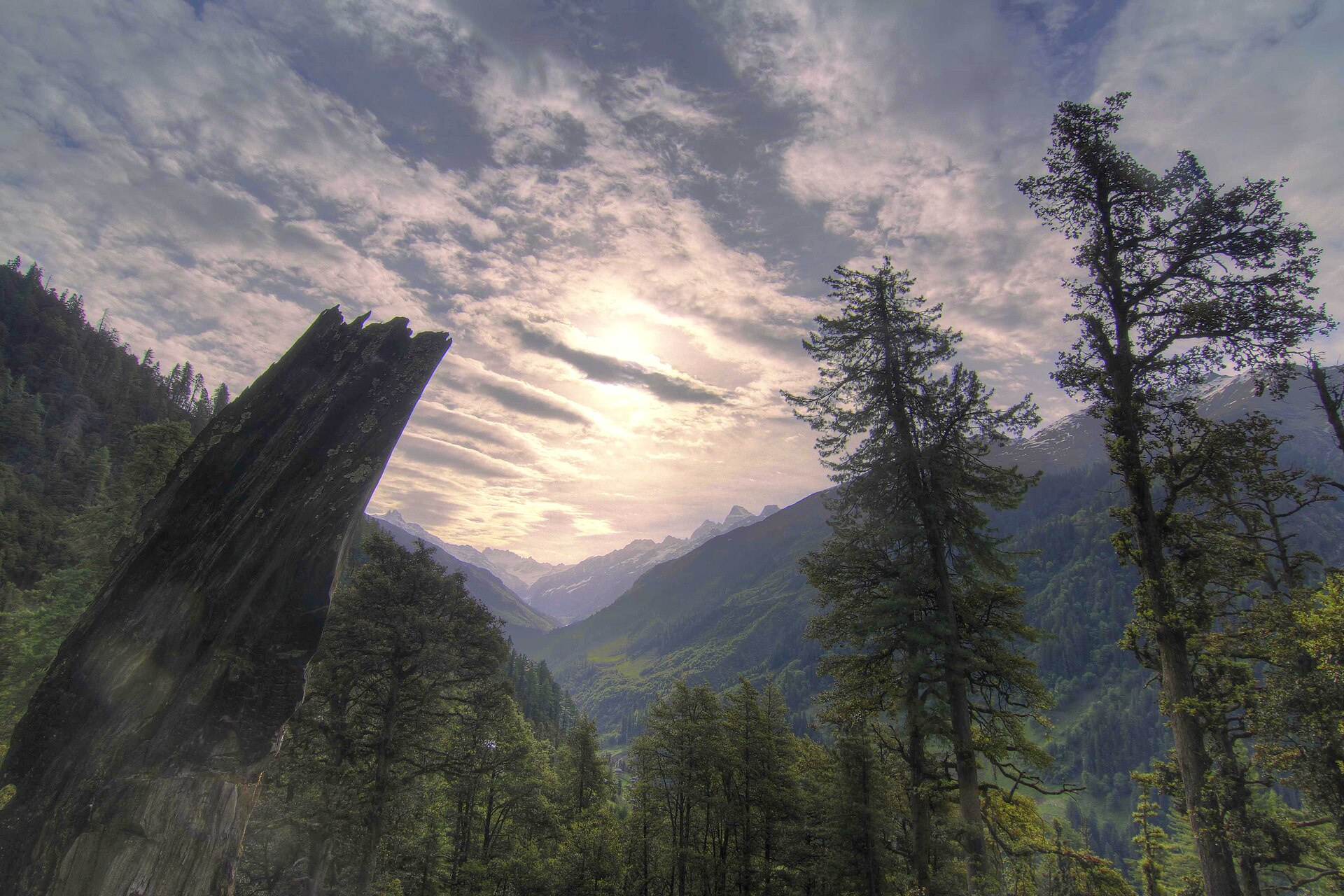
If you only look at the waterfall and leave, you miss half the landscape. A dense canopy of pine, fir, and horse chestnut blankets the hillsides surrounding Aharbal, crossed by old logging tracks and pastoral trails used by local shepherds. Walking these paths reveals hidden clearings where wild strawberries grow in June and bluebells carpet the forest floor.
For energetic hikers, the trail heading upstream toward Kongwatal and Kounsarnag lake offers a serious multi-day expedition. Even a short two-hour morning walk along the riverbank downstream provides a peaceful escape from the tourist parking area, leading you through quiet meadows where horses graze undisturbed.
Cultural Significance and Local Heritage in Kulgam
Aharbal is more than a scenic wonder; it holds a quiet place in the cultural geography of southern Kashmir. Historically, the Kulgam district served as a crucial crossroads for traders and shepherds moving between the Kashmir valley and the higher reaches of Jammu. The local Gujjar and Bakerwal communities drive their flocks through these valleys every spring and autumn.
Conversations with village elders in nearby hamlets reveal old folklore surrounding the Veshaw river and the spirits said to inhabit the deep pools beneath the falls. While modern tourism has brought paved roads and small tea stalls, the underlying rhythm of rural life remains deeply tied to the seasonal cycles of the river.
- Gujjar pastoralists set up seasonal mud-and-log encampments in the upper meadows.
- Local folklore treats the deep plunge pool with great reverence and caution.
- Traditional wooden architecture survives in the older farmhouses near Shopian.
Practical Logistics for an Offbeat Day Trip
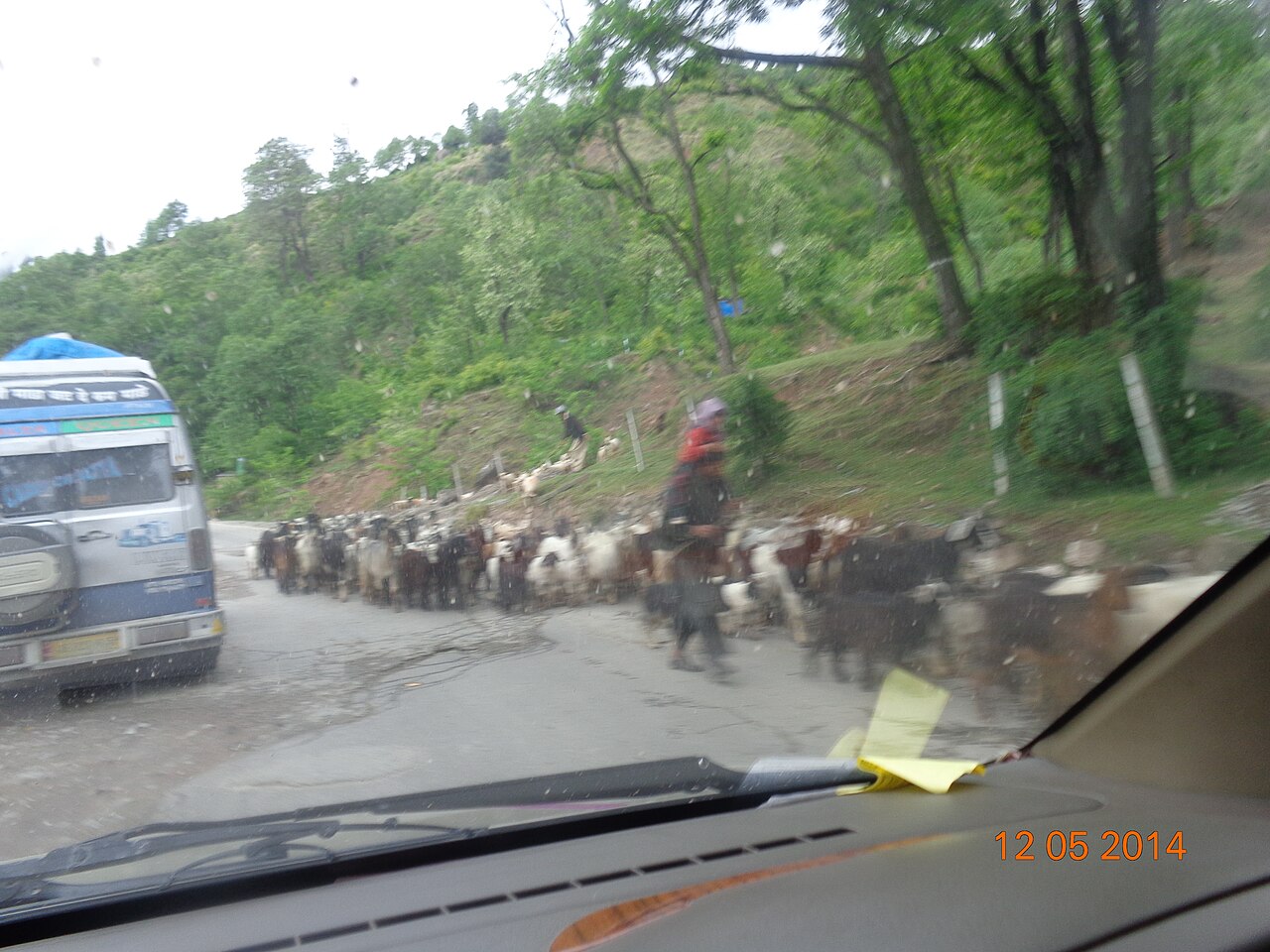
Planning a smooth visit from Srinagar requires an early start. The 75-kilometre journey takes roughly two and a half hours each way via Pulwama and Shopian. Hiring a private cab with an experienced local driver ensures you can navigate speed breakers, livestock crossings, and occasional checkpoint queues without stress.
Facilities at Aharbal are rustic. You will find simple dhaba stalls serving hot kahwa, boiled eggs, and basic rice meals, but high-end dining options do not exist here. Packing your own snacks and a thermos of tea is standard practice for seasoned travellers.
Pairing Aharbal with Other Southern Kashmir Gems
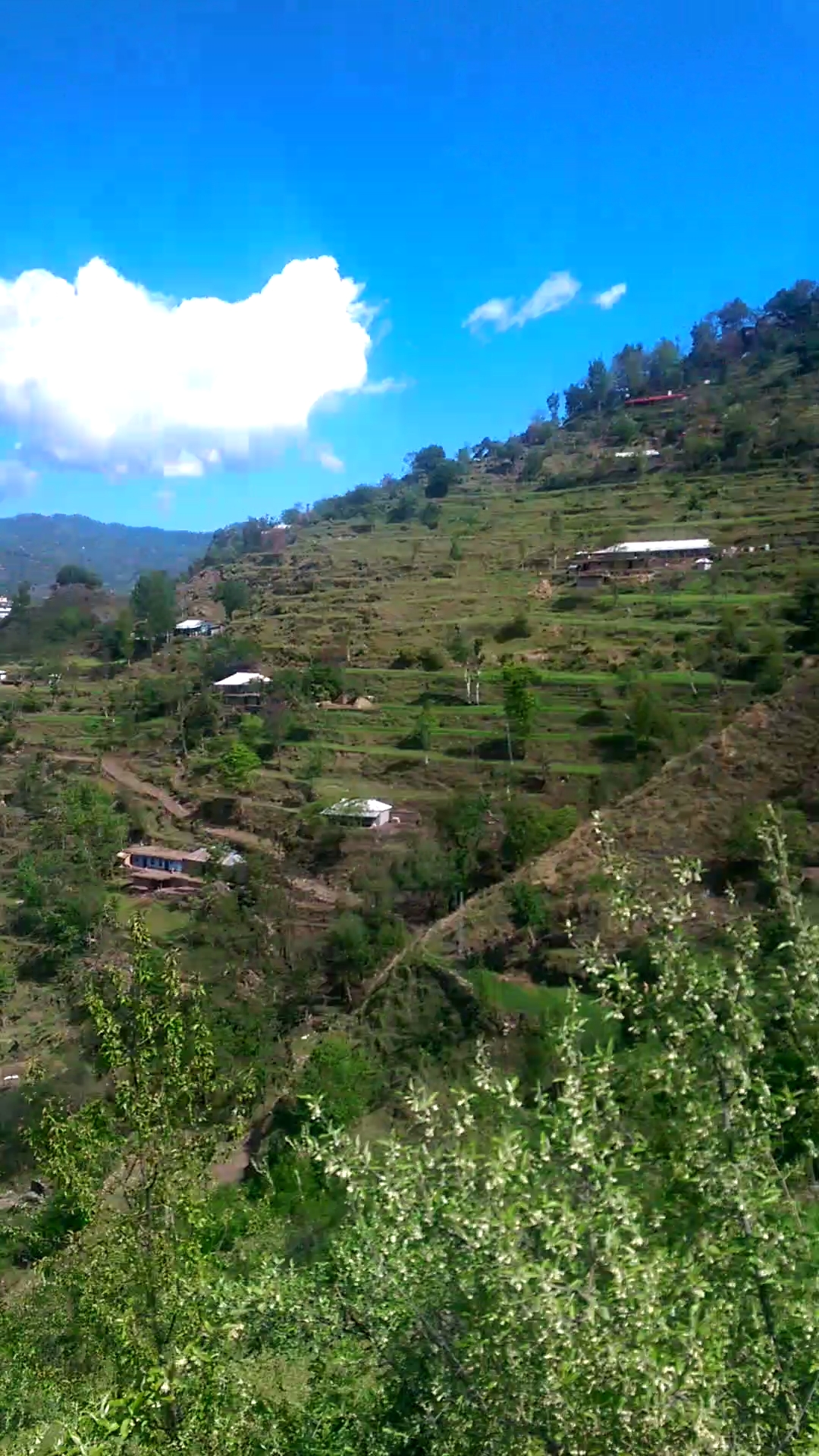
Because Aharbal sits off the main tourist artery, it pairs brilliantly with other less-crowded destinations in the south. A well-crafted itinerary can easily combine the waterfall with a quiet afternoon in Yusmarg or an exploratory drive toward the hidden meadows of Doodhpathri.
Travellers who appreciate botanical heritage can extend their route further southeast to explore the natural springs of Kokernag, creating a diverse loop that highlights the varied hydrology of the Kashmir basin.
Before you book
Experiencing Aharbal is a reminder of why Kashmir captivates travellers who prefer raw wilderness over manicured gardens. The sheer volume of the Veshaw river, combined with the quiet pine forests and welcoming local culture, offers an unforgettable window into the southern hills.
If you are ready to venture beyond the usual tourist stops and want a well-planned route that connects Aharbal with Yusmarg and Doodhpathri, drop our Srinagar office a line. We are always happy to share our personal road notes.
Ready to Explore the Offbeat Side of Kashmir?
Let our local team design a custom itinerary that takes you beyond the standard tourist trail to Aharbal, Yusmarg, and beyond.
Plan Your Custom JourneyCaption for your own post
Standing above the Veshaw gorge where the river plunges twenty-four metres into the mist. Pure raw Kashmir.
Written by
Kashmir, Jammu & Ladakh specialists
We plan and run trips across Kashmir, Jammu and Ladakh every week of the year. Everything here comes from routes we drive, stays we inspect and questions our travellers actually ask.
Written by Aaqib, senior trip planner at Skywale Packages. I spend my summers mapping new walking trails across the southern ranges.
Quick answers
Questions we get asked
What makes Aharbal different from other waterfalls in Kashmir?
Aharbal is Kashmir's largest and most voluminous waterfall, featuring a sheer 24-metre drop through a dramatic volcanic gorge rather than a gentle cascade over rocks.
Are there good trekking routes starting from Aharbal?
Yes, Aharbal is the starting point for famous high-altitude treks toward Kongwatal and Kounsarnag lake, though these require proper equipment and experienced mountain guides.
Can I find luxury hotels near Aharbal Waterfall?
No luxury hotels exist directly at Aharbal. Most visitors stay in Srinagar and visit on a day trip, or book simple tourist rest houses managed by the local development authority.
Is mobile network connectivity available near the falls?
Cellular reception is extremely patchy or nonexistent near the gorge floor, though major networks like J&K Jio and Airtel sometimes work near the main parking area.
What kind of clothing should I wear for the trip?
Wear layered clothing, a windproof jacket, and sturdy hiking shoes with good traction. The mist near the base makes standard footwear dangerously slippery.
Photography credits
- Photo: TheAutumnal · CC BY-SA 4.0
- Photo: Adi10rane · CC BY-SA 4.0
- Photo: Dar.burhan · CC BY-SA 4.0
- Photo: Tawheed Manzoor · CC BY 3.0
- Photo: ThePoeticFrame · CC BY-SA 4.0
- Photo: Dvellakat · CC BY-SA 4.0
- Photo: Hafizusman1997 · CC BY-SA 4.0