The Best Time to See Aharbal Waterfall in Full Flow
A seasonal guide to catching the Veshaw river at its absolute roar.
Plan your trip with our seasonal guide to find the absolute best time to visit aharbal waterfall, from melting snows to quiet autumn leaves.
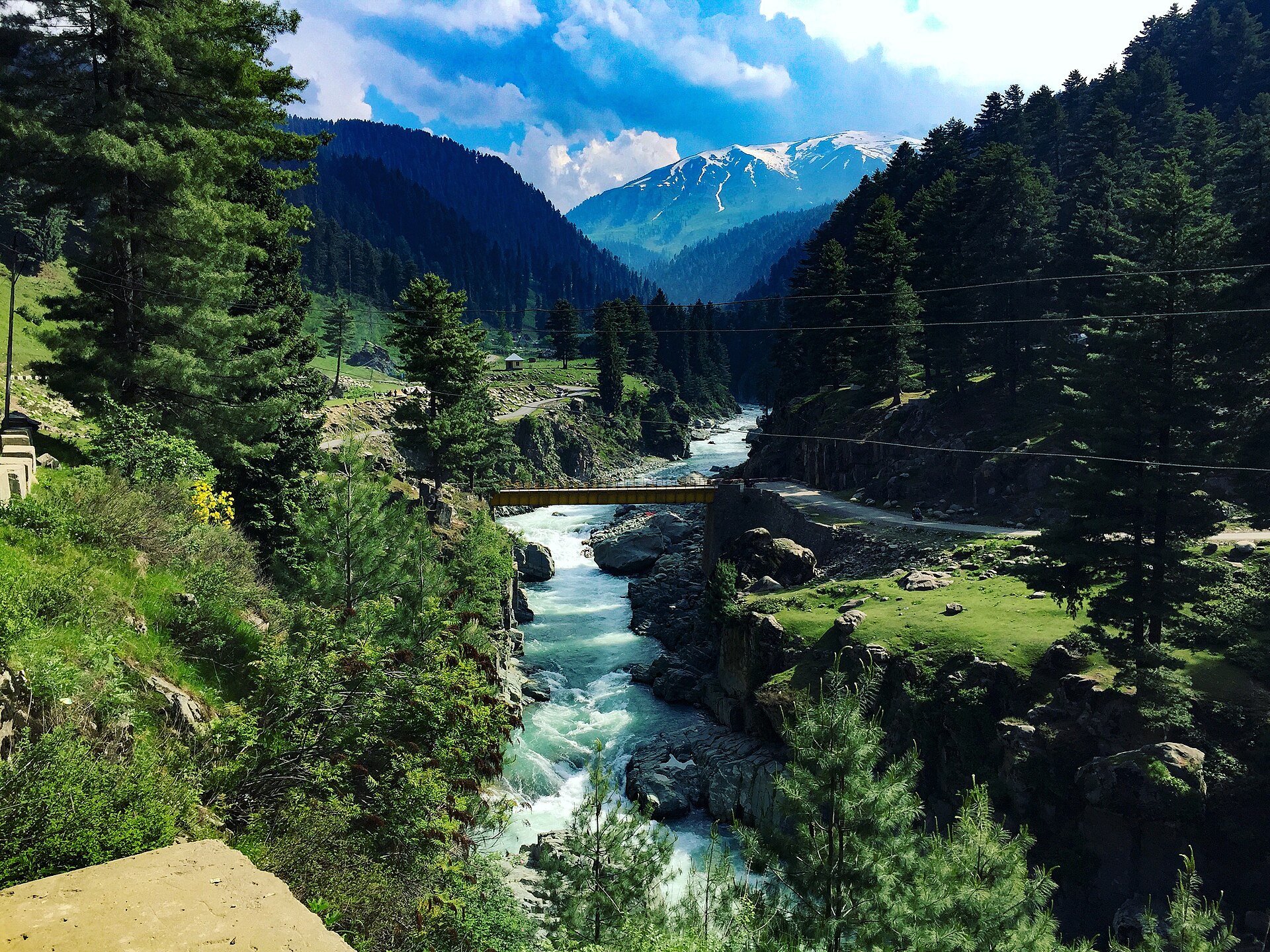
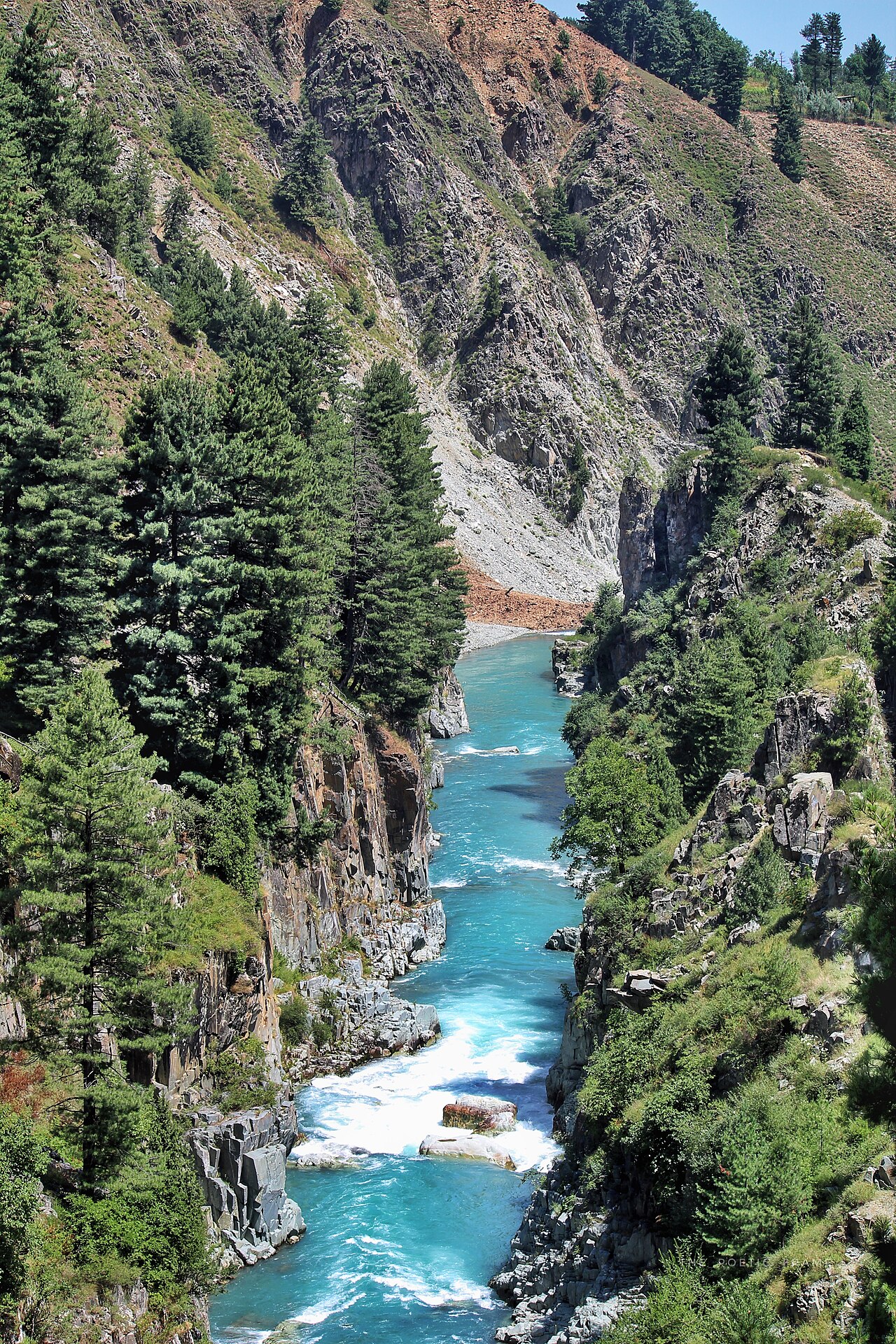
The Veshaw river in full spring flow below the pine-clad gorge.Photo: Dar.burhan · CC BY-SA 4.0
The sound hits you long before the spray does, a low and heavy vibration shaking the pine trunks across the gorge. The first time I walked down the damp stone steps toward the Veshaw river in late April, my boots soaked through from the sheer volume of mist hanging in the air. Most travellers only know the manicured gardens around Srinagar, missing the raw power tucked away in the southern hills of Kulgam.
Figuring out the best time to visit aharbal waterfall requires understanding how the Pir Panjal range breathes through the calendar. One month brings thunderous grey water fed by heavy snowmelt, while another reveals clear turquoise pools framed by turning leaves. We send clients here across three distinct seasons, each offering an entirely different encounter with Kashmir's most dramatic drop.
If you want the roar that earned this place its local reputation, you have to time your taxi ride carefully from Srinagar. The road winds past apple orchards and mustard fields that change character completely between April and October. Here is what you actually need to know about the weather, the paths, and the months worth marking on your calendar.
Witnessing the Spring Melt and Thundering Waters
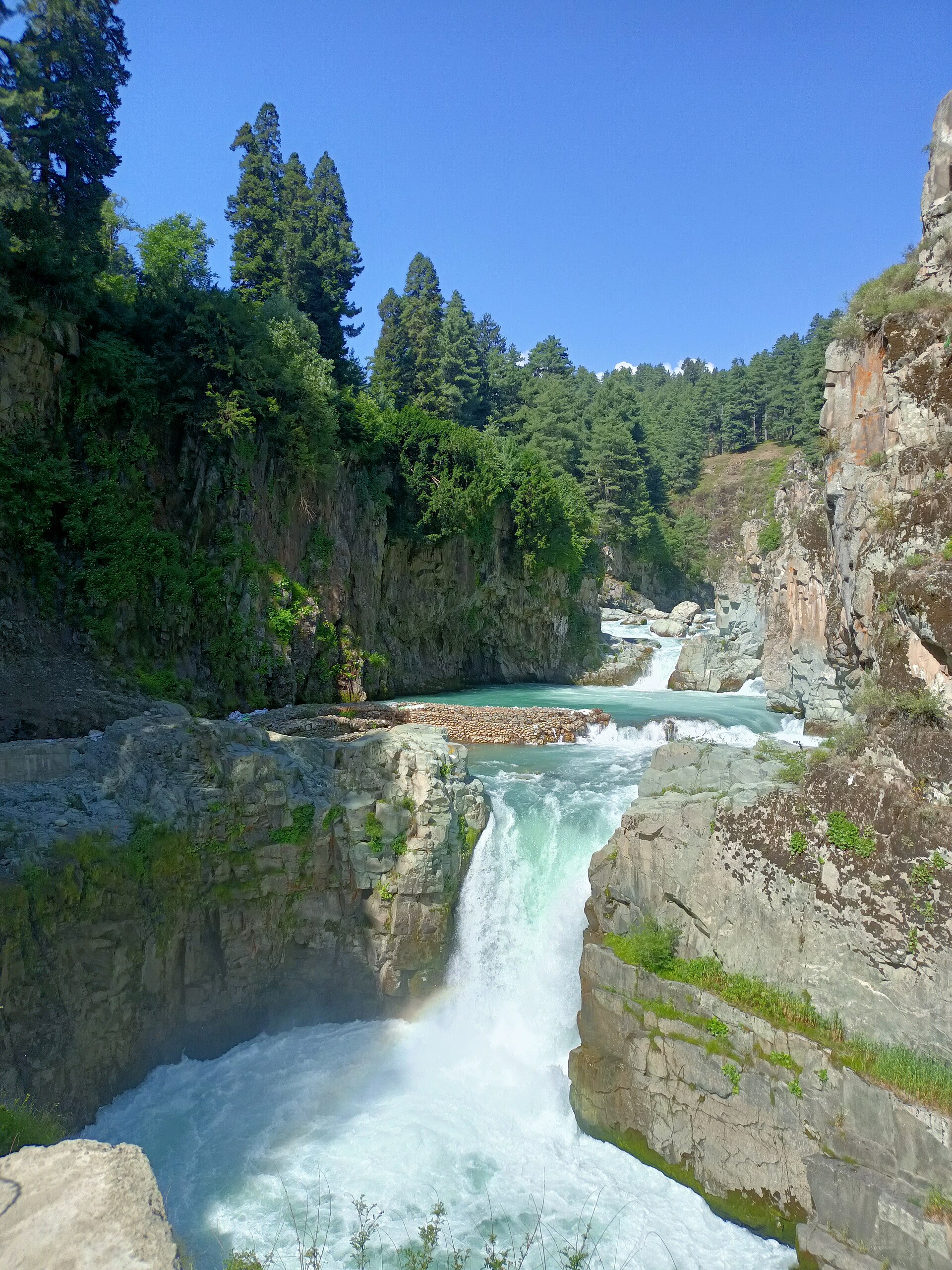
April and May mark the true opening of the season at Aharbal, driven entirely by the melting snow packs higher up the mountains. The Veshaw river swells from a polite alpine stream into a raging, coffee-coloured torrent that hurls itself twenty-four metres over the basalt cliff face. Walking down to the safety rail requires patience because the stone steps stay slick with fine, freezing mist.
Temperatures during these spring months hover around 10 to 18 degrees Celsius during the day, but drop sharply the moment the sun slips behind the ridge. You will want a sturdy windproof jacket and proper grip on your footwear. Many visitors make the mistake of wearing city trainers, only to turn back halfway down the damp, sloping path.
- Peak water volume occurs between late April and mid-June.
- Daytime temperatures range from 10°C to 18°C.
- Expect heavy mist near the main viewing platform that will dampen your clothes in minutes.
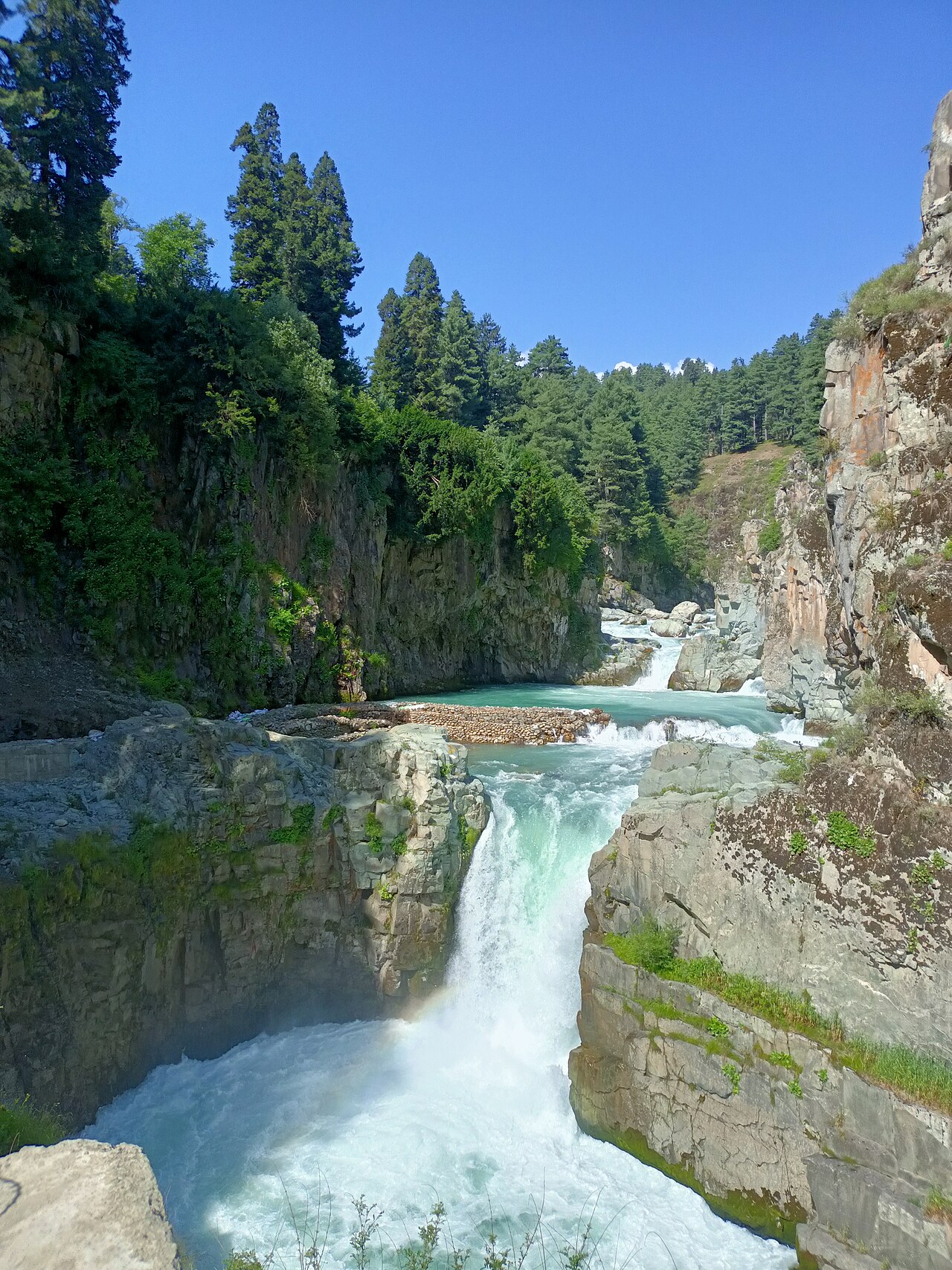
The Summer Months and Stable Alpine Weather
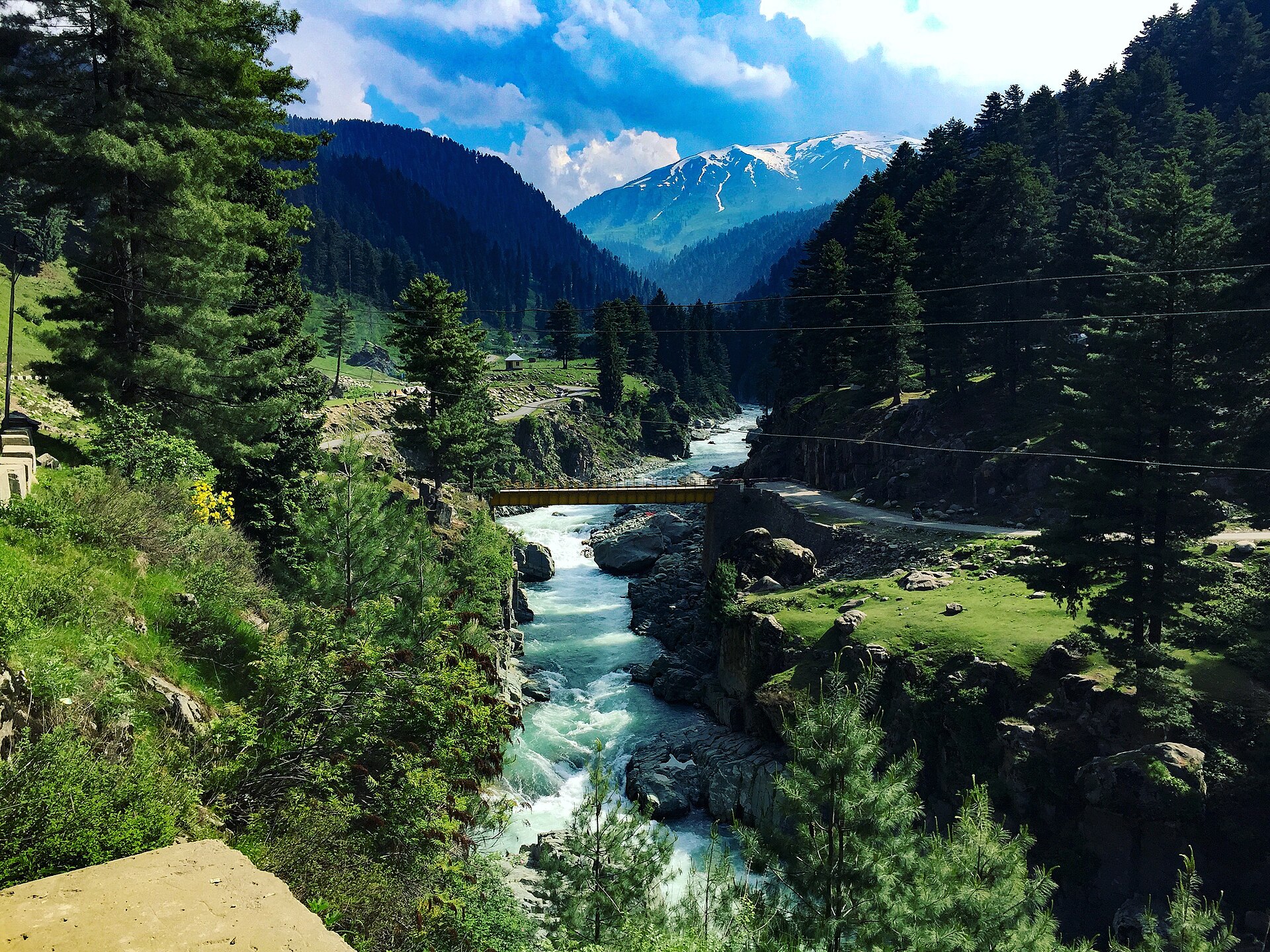
By July and August, the snowmelt slows down and the water clears from a muddy brown to a churning, icy blue-green. This is the period when families from Srinagar pack picnic baskets and drive out for the weekend, turning the meadow above the gorge into a lively gathering spot. The weather is dependable, usually sunny with occasional afternoon cloud cover drifting over from the higher peaks.
Walking trails that lead upstream toward Kongwatal open up completely once the last patches of winter snow finally recede from the path. You can hike for hours through dense pine forests without seeing another soul, provided you start early in the morning before the valley warms up.
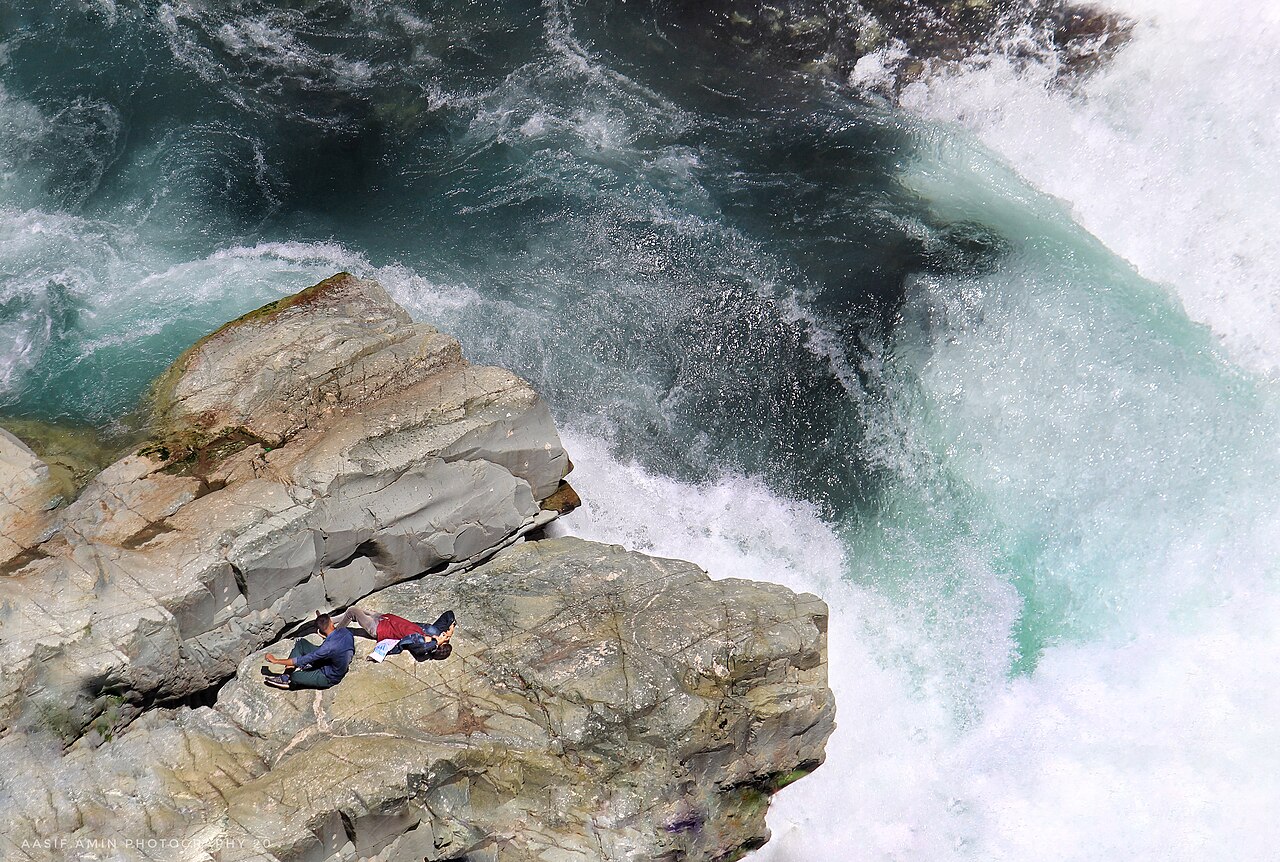
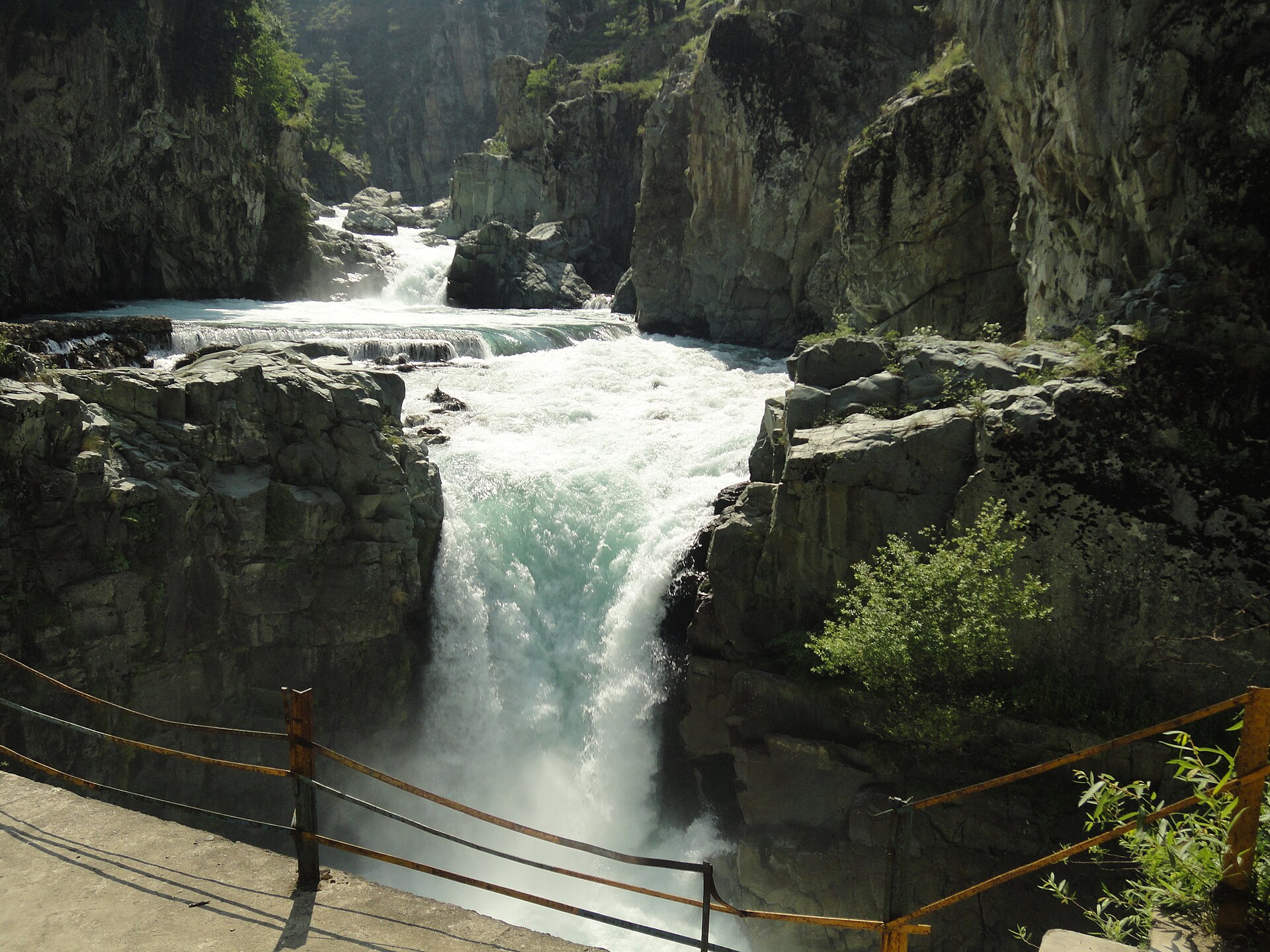
The sound hits you long before the spray does, a low and heavy vibration shaking the pine trunks across the gorge.
Why Autumn Offers Quiet Views and Golden Light
September and October form the hidden sweet spot for photographers and slow travellers. The crowds vanish entirely, leaving only the sound of the river and the rustle of golden walnut leaves falling onto the forest floor. The water level drops significantly, exposing smooth black boulders at the base of the falls where you can sit safely and watch the current swirl.
The air turns crisp and clear, offering uninterrupted views across the valley toward the distant peaks of the Pir Panjal. Mornings can touch freezing point, so a heavy fleece or woollen shawl is non-negotiable if you plan to watch the mist rise off the river at dawn.
Understanding Aharbal Waterfall Weather Patterns
Mountain weather is notoriously fickle, and Aharbal is no exception to the rule. A bright morning can turn into a sharp mountain shower within twenty minutes, especially during the transitional months of spring and autumn. Local tea stall owners keep a close eye on the western horizon for good reason.
When planning your day from Srinagar, always check local road conditions beyond Shopian. Landslides can occasionally block the lower stretches after heavy unseasonal rain, though the main highway from the city is well-maintained by the Border Roads Organisation.
- Always carry a lightweight rain shell regardless of the morning forecast.
- Mobile network coverage drops to zero near the gorge floor, so download offline maps.
- Keep emergency cash handy as digital payments fail frequently in the lower forest zone.
Winter Closures and Extreme Cold Realities
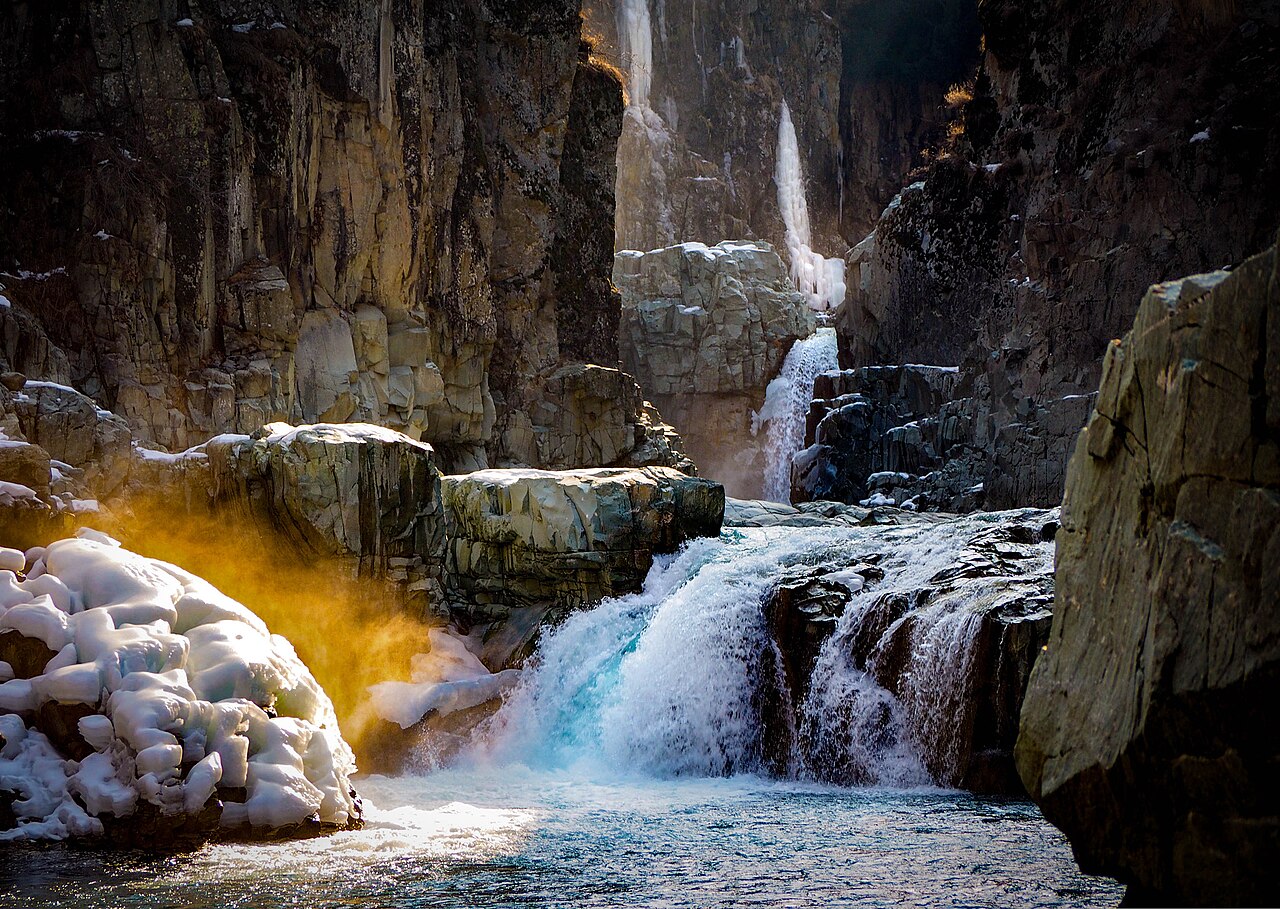
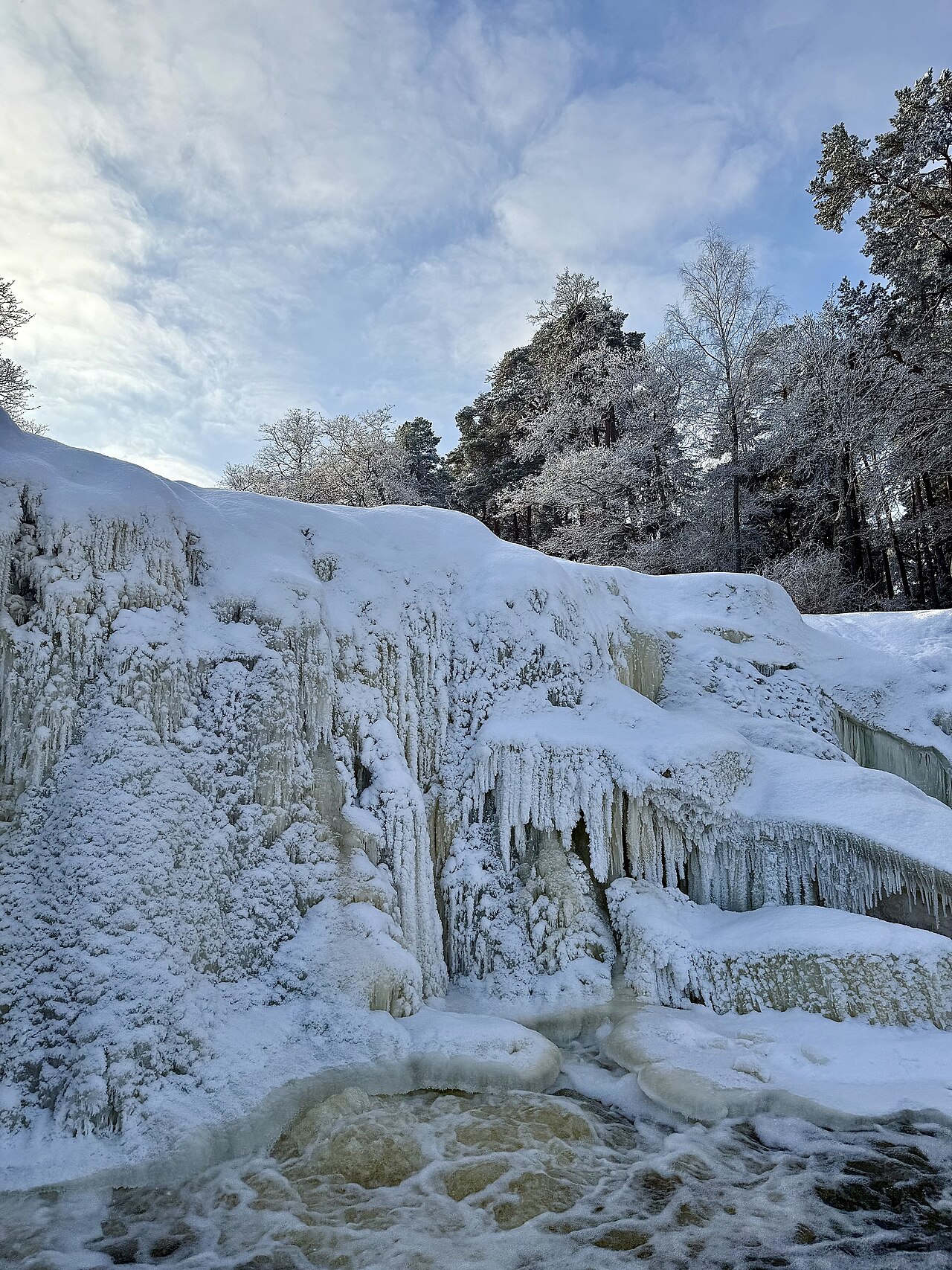
From December through March, heavy snowfall routinely blocks the access roads leading into Kulgam district. The waterfall itself partially freezes into giant blue icicles, creating a silent, forbidding landscape that few outsiders ever witness. Reaching the site during these months requires hiring a 4x4 vehicle with snow chains and coordinating with local guides.
We generally advise against booking standard tours during deep winter unless you are an experienced cold-weather trekker. The facilities near the falls close down for the season, meaning no hot tea shacks or operational restrooms are available.
Connecting Aharbal with Other Southern Valleys
A trip to the falls pairs exceptionally well with other destinations across the southern Kashmir circuit. You can easily loop your itinerary to include the wide green meadows of Yusmarg or the bubbling springs of Doodhpathri without doubling back through Srinagar every single day.
For travellers looking to explore further south, combining Aharbal with a visit to the Mughal gardens at Kokernag makes for a balanced, multi-day adventure that showcases both high-altitude rivers and cultivated heritage.
Before you book
Choosing the right month to stand above the Veshaw gorge transforms your entire experience of Kashmir. Whether you chase the deafening roar of spring snowmelt or the quiet amber stillness of an October morning, Aharbal demands respect and rewards patience in equal measure.
Take your time planning the logistics, watch the mountain skies, and remember that nature operates on its own schedule here. If you want help crafting an itinerary that links Aharbal with quieter southern valleys, our team in Srinagar is always ready to share up-to-date road advice.
Let Us Help You Plan Your Southern Kashmir Journey
Curious about road conditions or looking to combine Aharbal with Yusmarg and Doodhpathri? Reach out to our local team for honest, grounded travel advice.
Talk to Our Srinagar TeamCaption for your own post
The roar of the Veshaw river in spring is unlike anything else in Kashmir. Timing your visit right makes all the difference.
Written by
Kashmir, Jammu & Ladakh specialists
We plan and run trips across Kashmir, Jammu and Ladakh every week of the year. Everything here comes from routes we drive, stays we inspect and questions our travellers actually ask.
Written by Bilal, field editor for Skywale Packages. I have hiked down to the Veshaw gorge in every season over the last ten years.
Quick answers
Questions we get asked
Can I visit Aharbal Waterfall during the winter months?
Yes, but heavy snow often blocks the roads from December to March. You will need a 4x4 vehicle and local guidance, as all tourist facilities near the gorge remain closed for the winter season.
How long should I plan to stay at the waterfall?
Most travellers spend two to three hours exploring the viewing platforms and walking down to the river gorge. If you plan to hike upstream toward Kongwatal, allocate a full day.
Is the path down to the waterfall safe for elderly travellers?
The main path features concrete steps with iron railings, but it can be steep and slippery from mist. Visitors with mobility issues can enjoy great views from the upper viewing platforms near the entrance.
What is the distance from Srinagar to Aharbal?
Aharbal is located roughly 75 kilometres south of Srinagar. The drive takes about two and a half hours via Pulwama and Shopian, depending on local traffic conditions.
Are there restrooms and food stalls near the waterfall?
Basic tea stalls and rustic restrooms operate near the main parking area during spring, summer, and autumn. Facilities are very simple, so carrying hand sanitizer and drinking water is recommended.
Photography credits
- Photo: Dar.burhan · CC BY-SA 4.0
- Photo: Akshey25 · CC BY-SA 3.0
- Photo: TheAutumnal · CC BY-SA 4.0
- Photo: ThePoeticFrame · CC BY-SA 4.0
- Photo: Tawheed Manzoor · CC BY 3.0
- Photo: ThePoeticFrame · CC BY-SA 4.0
- Photo: Wiki Asmah · CC BY-SA 4.0