Tso Moriri vs Pangong: Which High-Altitude Lake Wins Your Trip?
Comparing crowds, colors, accessibility, and wilderness appeal in Ladakh.
Weighing tso moriri vs pangong comes down to tourist crowds versus raw solitude. Here is our direct field comparison.
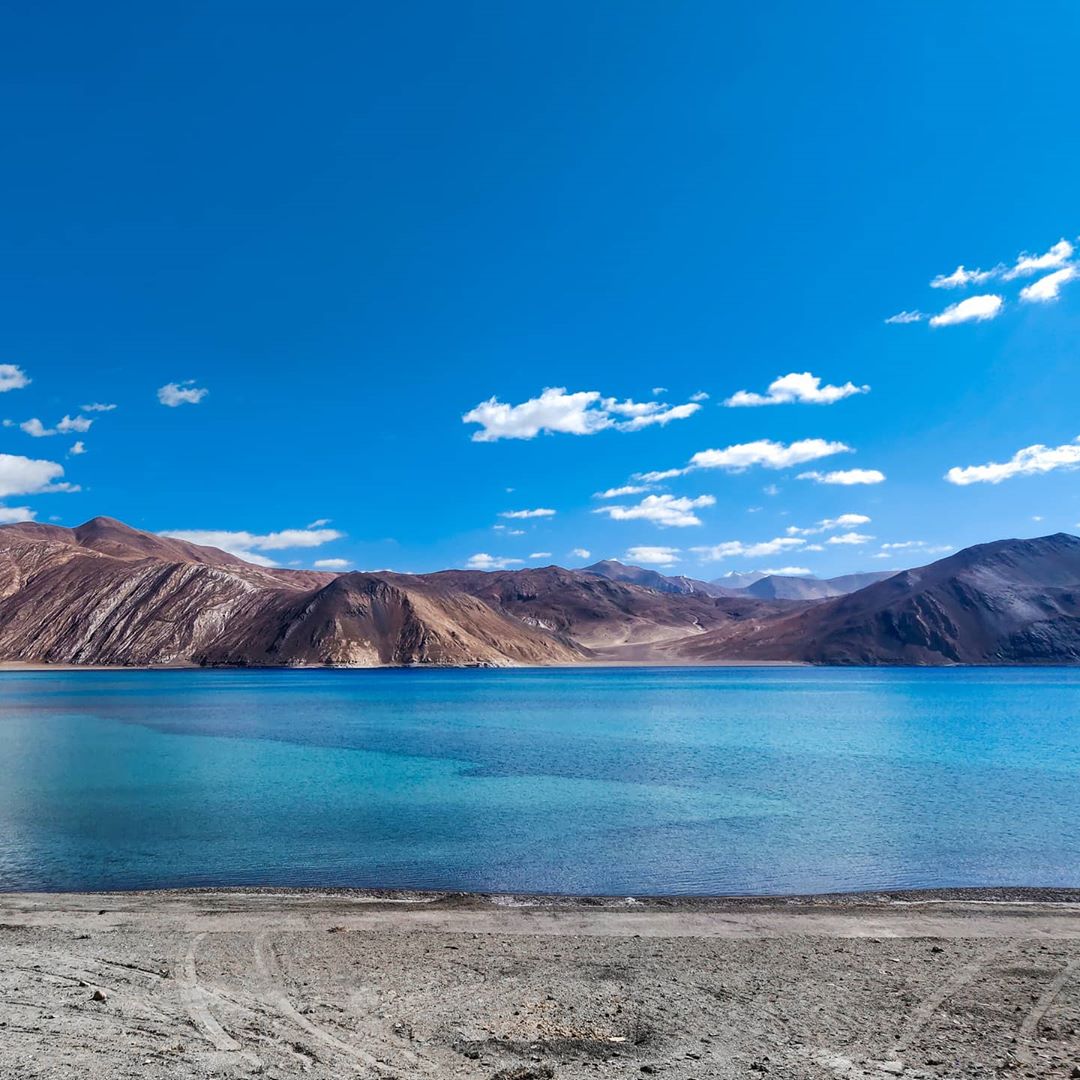
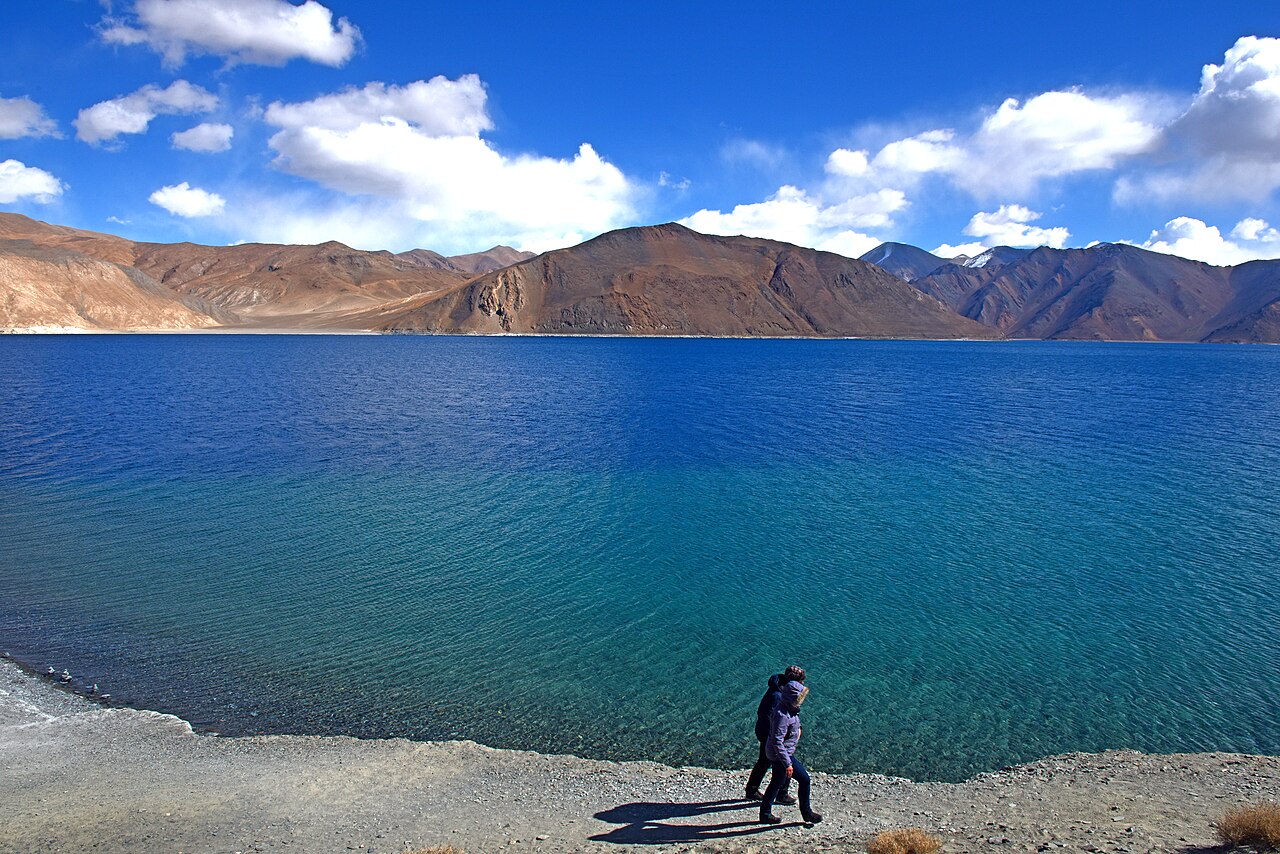
Pangong Tso draws visitors with its dramatic and shifting blue shades.Photo: Hritik412000 · CC BY-SA 4.0
Stand by the water at Pangong and you will hear camera shutters clicking in half a dozen languages while tourist boats buzz across the shallows. Stand by the water at Tso Moriri an hour south, and the only sound is the whistling wind and the low grunt of a wild yak grazing on the shore. Both are massive, high-altitude inland lakes nestled in barren desert mountains, yet they offer completely different emotional experiences.
When travellers ask us to settle the tso moriri vs pangong debate, our answer always depends on what kind of traveller you are. Do you want easy access, dramatic cinematic vistas, and bustling tented markets? Or do you prefer rugged isolation, nomadic culture, and quiet evenings watching the light fade over undisturbed water?
We have guided hundreds of clients to both shores through every season. Here is an honest, unvarnished look at how they stack up against each other.
The Theatrical Character of Pangong Tso
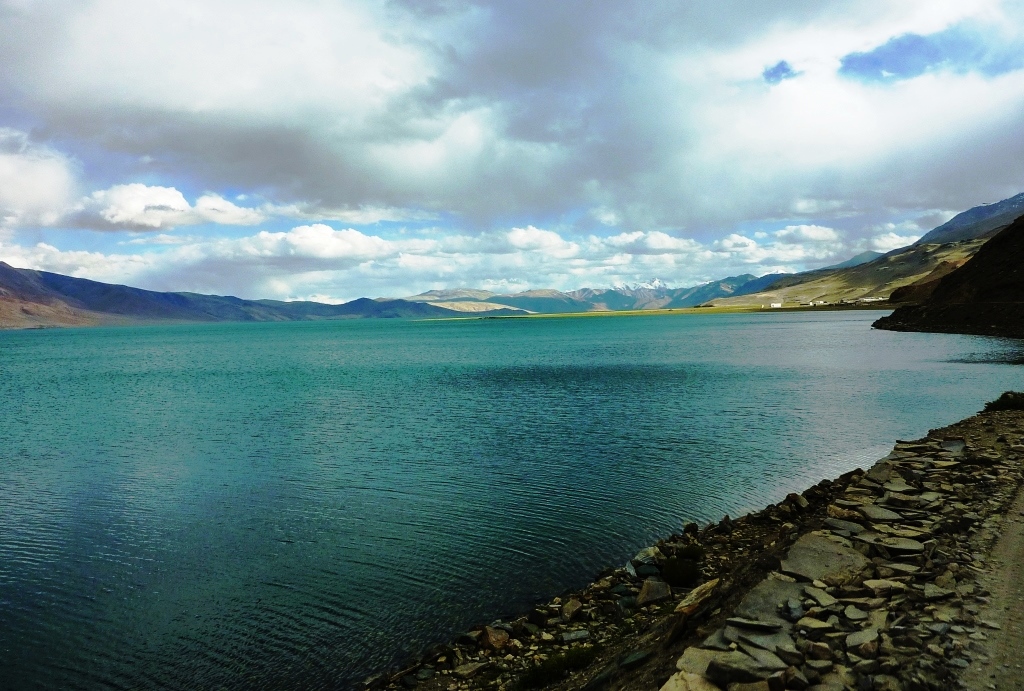
Pangong Tso is undeniably photogenic on a grand scale. Stretching over 130 kilometres from India into Tibet, its waters shift continuously from deep indigo to turquoise and emerald depending on how the sun strikes the mineral-rich surface. That vivid color palette, immortalised by cinema, draws thousands of visitors every single day during the summer months.
The infrastructure around Spangmik and Man villages is built for volume. You will find rows of luxury camps, food stalls selling steaming momos, and pop-up props where visitors pose for photos. It is lively, energetic, and easily accessible from Leh via the Chang La pass in roughly five hours of paved driving, making it the undisputed heavyweight of Ladakh tourism.
- Vibrant water colors that change dramatically with sunlight
- Extensive tourist facilities, cafes, and varied camp options
- Easier driving conditions from Leh via Chang La
- Higher visitor density and busier shoreline activity
The Quiet Solitude of Tso Moriri
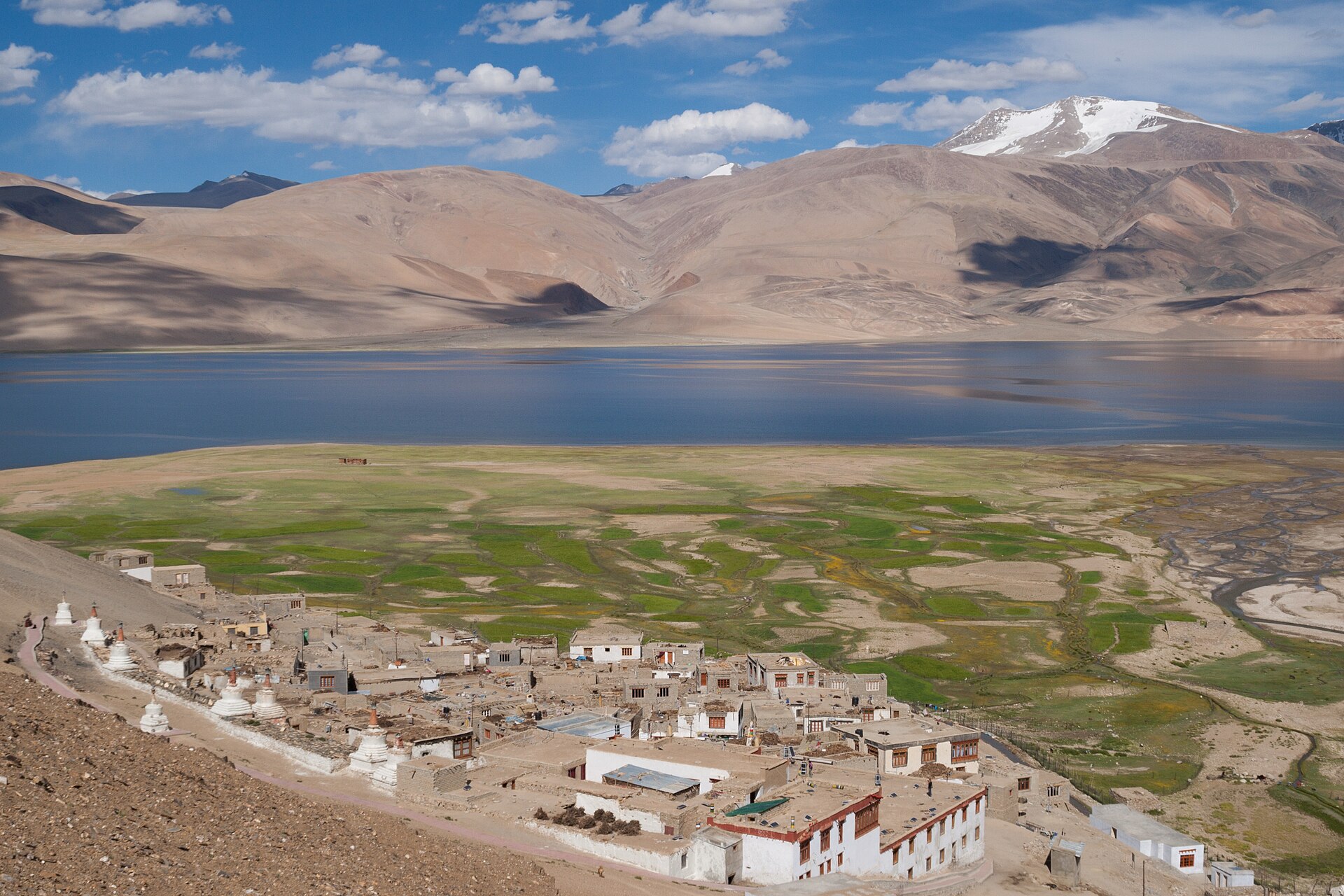
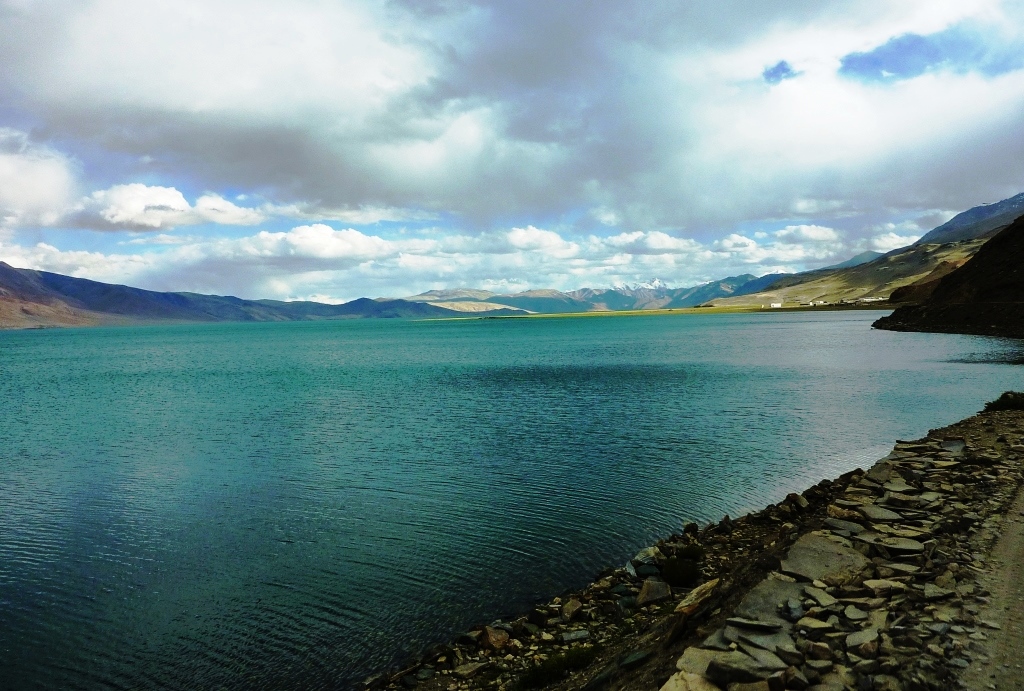
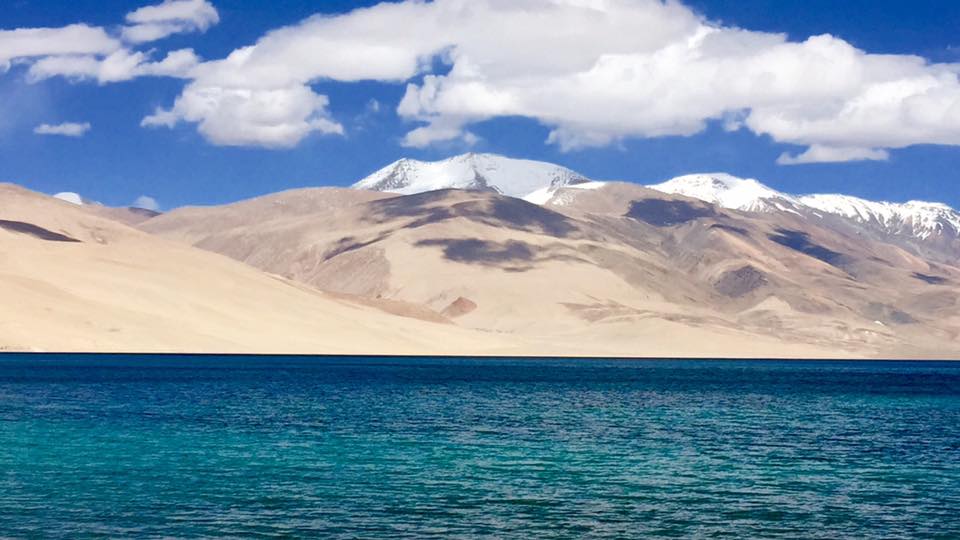
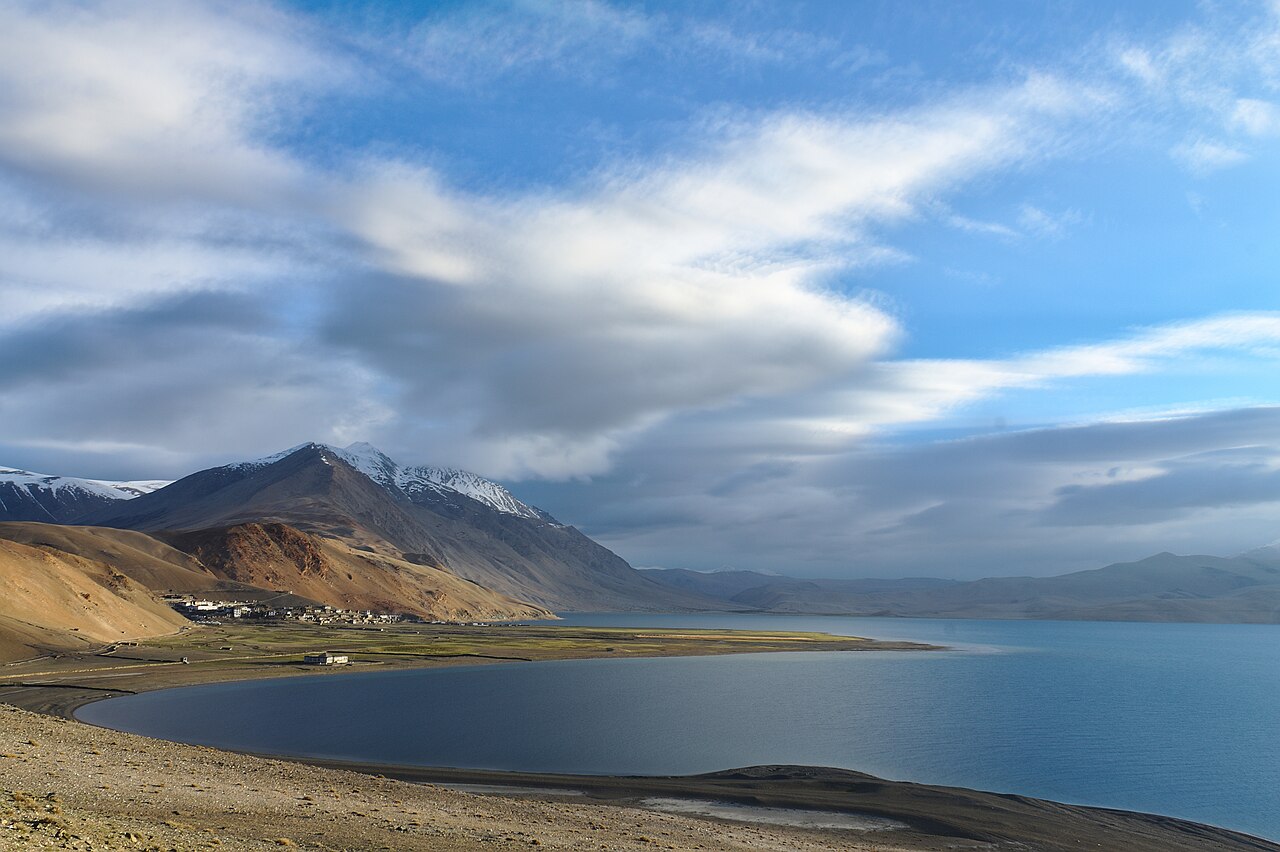
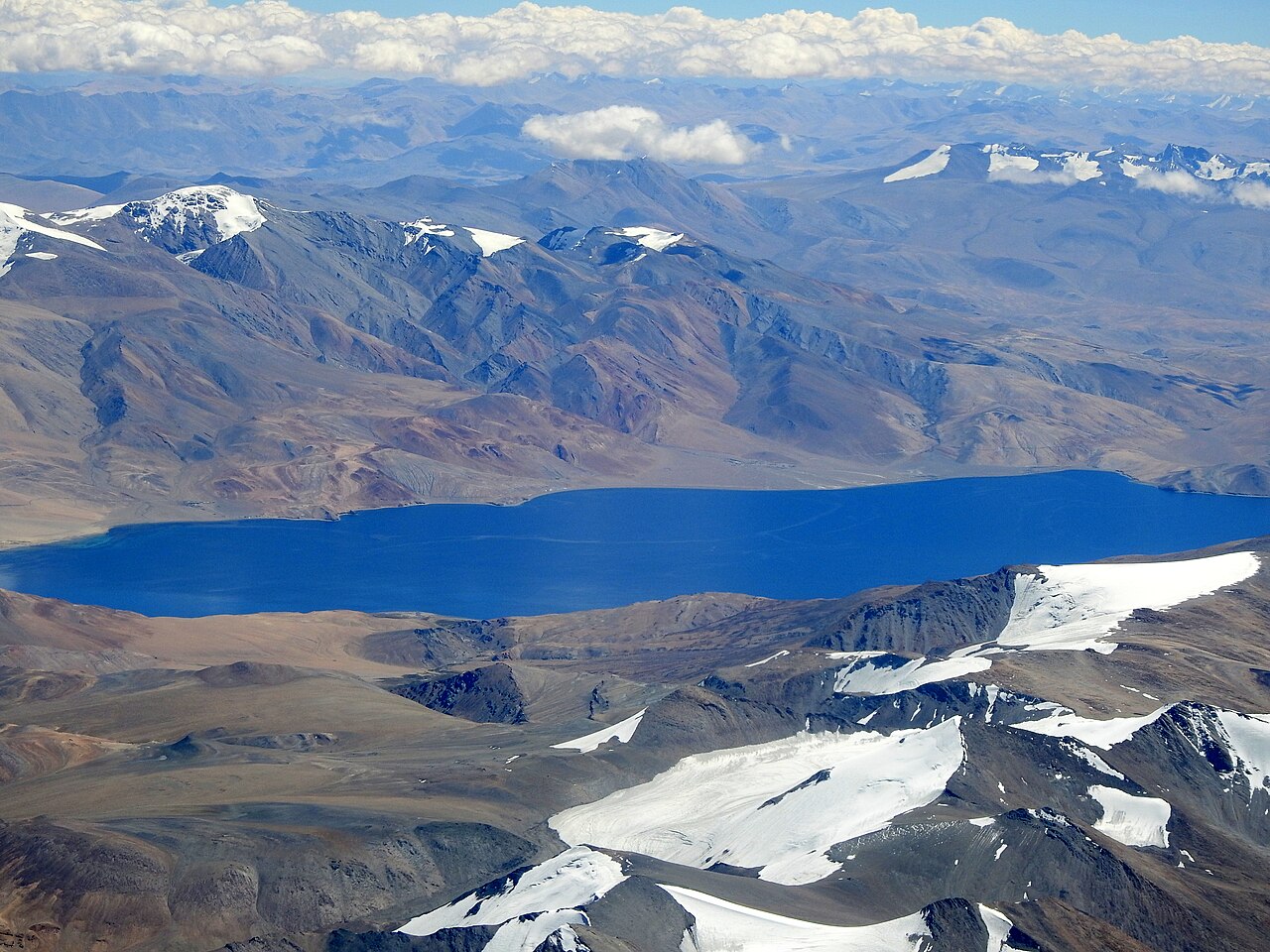
Tso Moriri feels entirely detached from the modern tourist circuit. Located at 4,500 metres in the high Changthang wildlife sanctuary, it is smaller than Pangong—about 19 kilometres long—but carries a profound sense of isolation. The surrounding hills are softer, tinged with ochre and rust, and the shoreline is an officially protected wetland where bar-headed geese and black-necked cranes breed in peace.
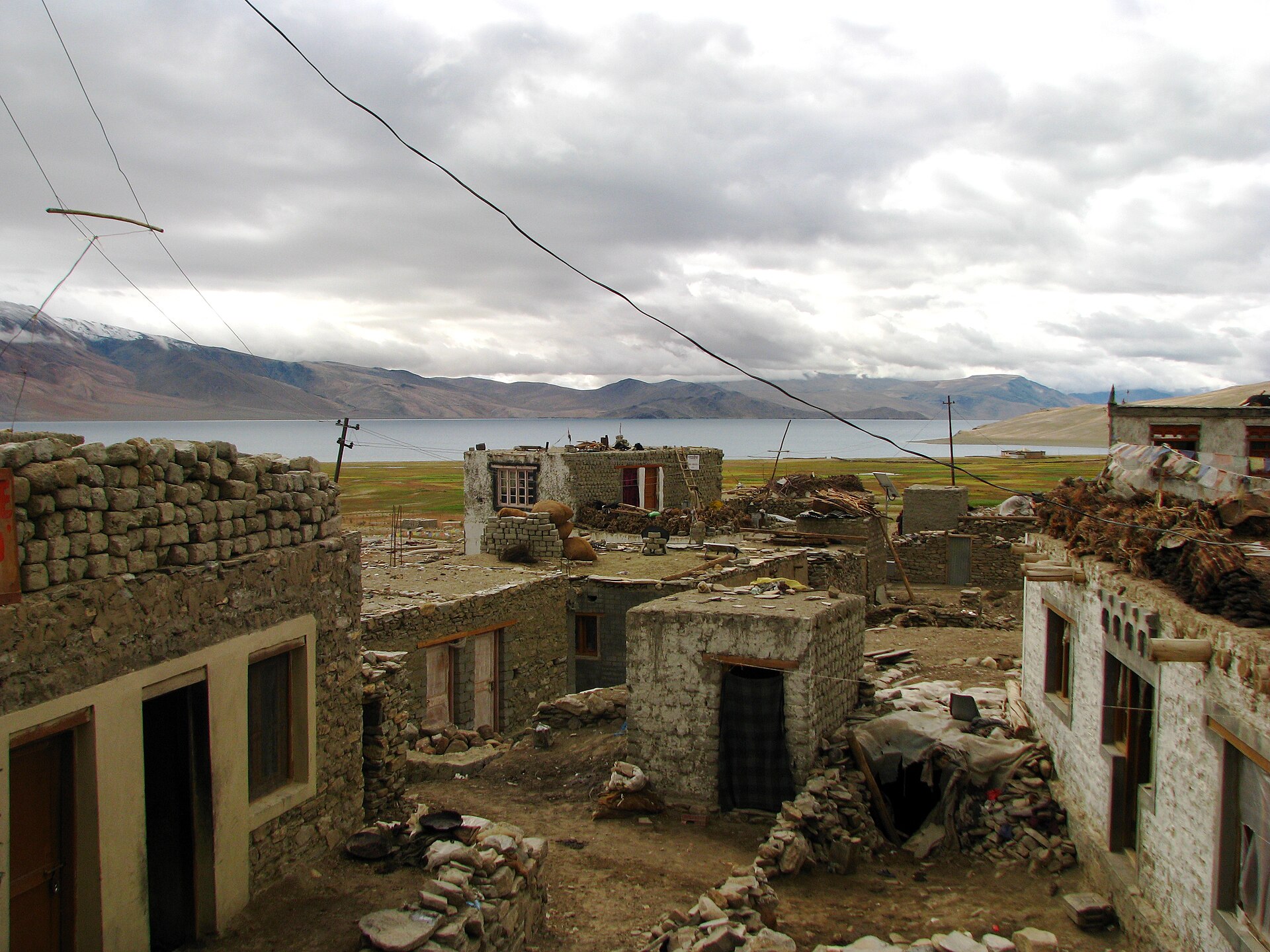
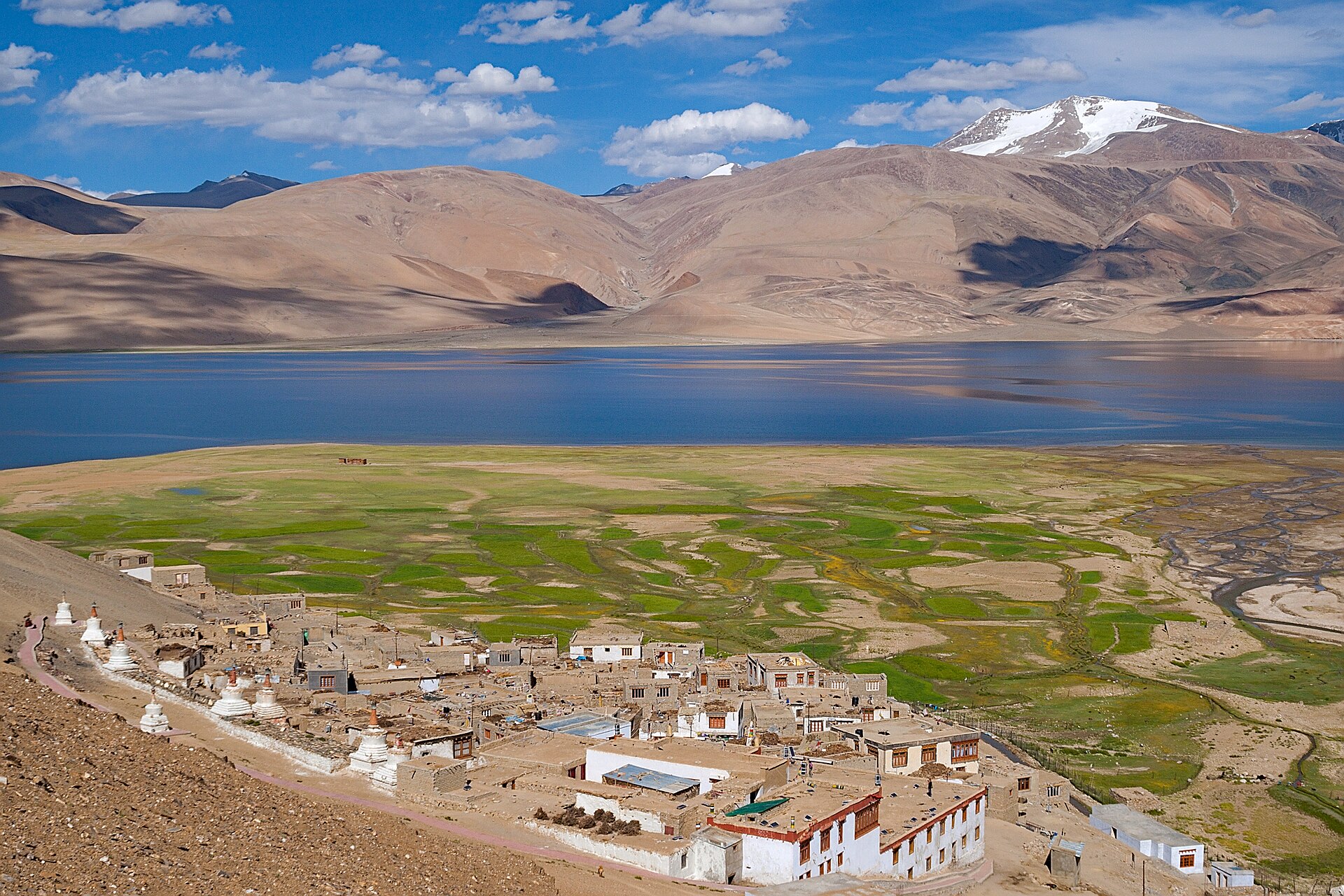
Korzok village, the sole settlement on its bank, retains a genuine pastoral lifestyle. You see nomadic herders leading flocks of Pashmina goats across the flats rather than fleets of tour buses idling by the road. If your idea of a mountain holiday involves silence, vast open horizons, and introspection, Tso Moriri wins hands down.
Wildlife Encounters Around the Basin
Because Tso Moriri is a wetland reserve, animal sightings are far more frequent here than at Pangong. You have a strong chance of spotting Tibetan wild asses locally known as kiangs, marmots darting into boulder fields, and rare migratory waterbirds.
Stand by the water at Pangong and you will hear camera shutters clicking in half a dozen languages while tourist boats buzz across the shallows.
Comparing Visitor Experience and Crowds
The day-to-day atmosphere on these two lakes is night and day. Pangong functions as a major sightseeing hotspot where tour groups arrive by the busload, take their selfies against the lake backdrop, and often pack up by evening. It can feel commercialised, though the sheer beauty of the landscape largely compensates for the commotion.
Tso Moriri demands more effort to reach, which acts as a natural filter against casual tourists. Those who make the journey tend to be seasoned hikers, road-trip enthusiasts, and photographers willing to trade hot showers for starry night skies. You will share breakfast with fellow travellers who genuinely love remote wilderness rather than day-trippers checking off a checklist.
Accessibility, Permits, and Travel Logistics
When it comes to travel logistics, Pangong is much easier to fit into a tight schedule. You can do a standard overnight trip from Leh, returning via the same paved highway over Chang La. The road is well-travelled, heavily supported by roadside mechanics, and requires straightforward Inner Line Permits.
Tso Moriri requires a serious logistical commitment. The drive from Leh takes around seven hours via Chumthang or longer if you take the rugged Tsomo-Riri circuit. Altitude is more punishing here because you stay above 4,500 metres overnight, whereas Pangong sits slightly lower at around 4,350 metres. Check our Leh and Pangong Tso routes for comparison before deciding.
- Pangong: 5 hours from Leh, paved road via Chang La, moderate altitude
- Tso Moriri: 7+ hours from Leh, rough tracks, higher sleeping altitude
- Both require Inner Line Permits processed in advance
- Tso Moriri is best experienced as part of a multi-day Changthang circuit
Deciding Based on Your Travel Style
Choosing between the two ultimately rests on your priorities. Choose Pangong if you are pressed for time, travelling with family members who need reliable tourist infrastructure, or simply want to witness the iconic blue waters made famous on screen. It delivers maximum visual impact with minimum logistical strain.
Choose Tso Moriri if you crave true wilderness, want to experience authentic Changpa nomadic culture, and prefer quiet evenings where the stars dominate the night sky. Better yet, do not choose at all—link them together as discussed on our Tso Moriri destination page and experience both sides of Ladakh's high-altitude lake country.
Before you book
The debate over tso moriri vs pangong highlights the wonderful diversity of the Ladakh landscape. One offers vibrant scale and cinematic energy, while the other rewards patience with pristine silence and rare wildlife.
If you need help designing a balanced itinerary that lets you experience both lakes without rushing, reach out to our team for personalised trip planning.
Experience Both Lakes With Local Experts
Let us help you weigh your options and craft a custom Ladakh itinerary that takes in both Pangong and Tso Moriri safely and comfortably.
Get in TouchCaption for your own post
Pangong or Tso Moriri? We break down the differences in crowds, altitude, and scenery to help you pick your ultimate Ladakh lake.
Written by
Kashmir, Jammu & Ladakh specialists
We plan and run trips across Kashmir, Jammu and Ladakh every week of the year. Everything here comes from routes we drive, stays we inspect and questions our travellers actually ask.
Written after leading countless dual-lake expeditions across the Changthang plateau.
Quick answers
Questions we get asked
Which lake is higher in altitude, Pangong or Tso Moriri?
Tso Moriri is higher, sitting at approximately 4,550 metres (14,930 feet), while Pangong Tso sits at around 4,350 metres (14,270 feet).
Can I visit both lakes in a 3-day trip from Leh?
Yes, but it makes for an extremely rushed and tiring itinerary. A minimum of 4 to 5 days is recommended to cover Leh, Pangong, Tso Moriri, and the connecting Changthang tracks safely.
Which lake has better places to stay?
Pangong has a wider selection of established luxury tented camps and guest houses. Tso Moriri offers more rustic homestays and simpler seasonal camps due to strict environmental regulations.
Is permit requirement different for Tso Moriri and Pangong?
Both lakes require Inner Line Permits for Indian nationals and Protected Area Permits for foreign visitors. However, taking the direct route between them via Chusul requires specific additional zone clearances.
Which lake is better for spotting wildlife?
Tso Moriri is significantly better for wildlife viewing because its surrounding basin is a designated wetland sanctuary hosting breeding waterbirds, kiangs, and marmots.
Photography credits
- Photo: Hritik412000 · CC BY-SA 4.0
- Photo: Original: Rafał Kozubek Derivative work: UnpetitproleX · CC BY-SA 3.0
- Photo: Swapnil Sakhare · CC BY-SA 4.0
- Photo: Karan Dhawan India · CC BY-SA 4.0
- Photo: Tanay Kibe · CC BY-SA 2.0
- Photo: Harvinder Chandigarh · CC BY-SA 4.0
- Photo: John Hill · CC BY-SA 4.0