Trekking in Zanskar: An Experience Like No Other
Planning your journey into the heart of the high Himalayas
A guide to the raw, challenging, and rewarding Zanskar valley trek. Learn about routes, altitude preparation, and cultural etiquette.
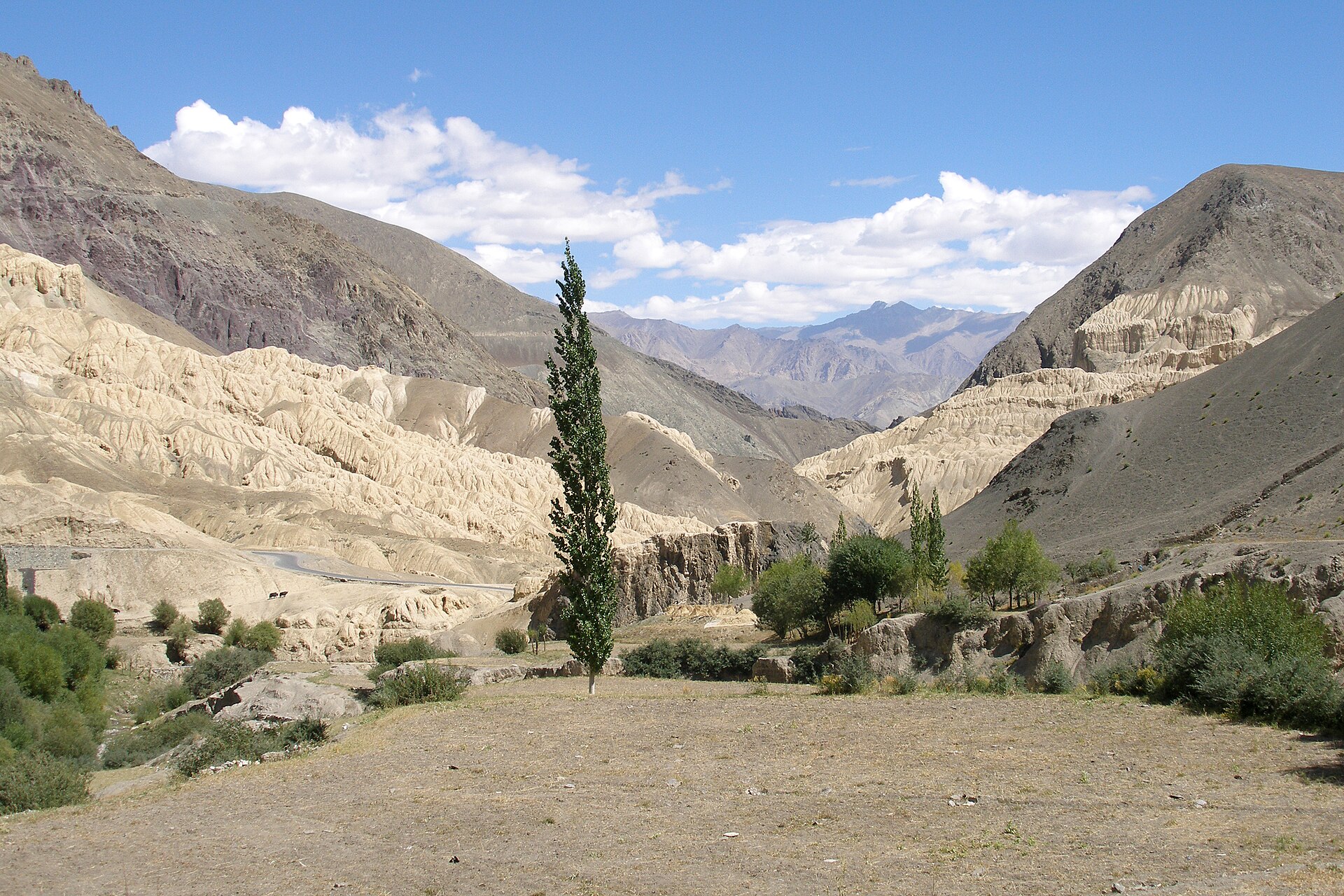
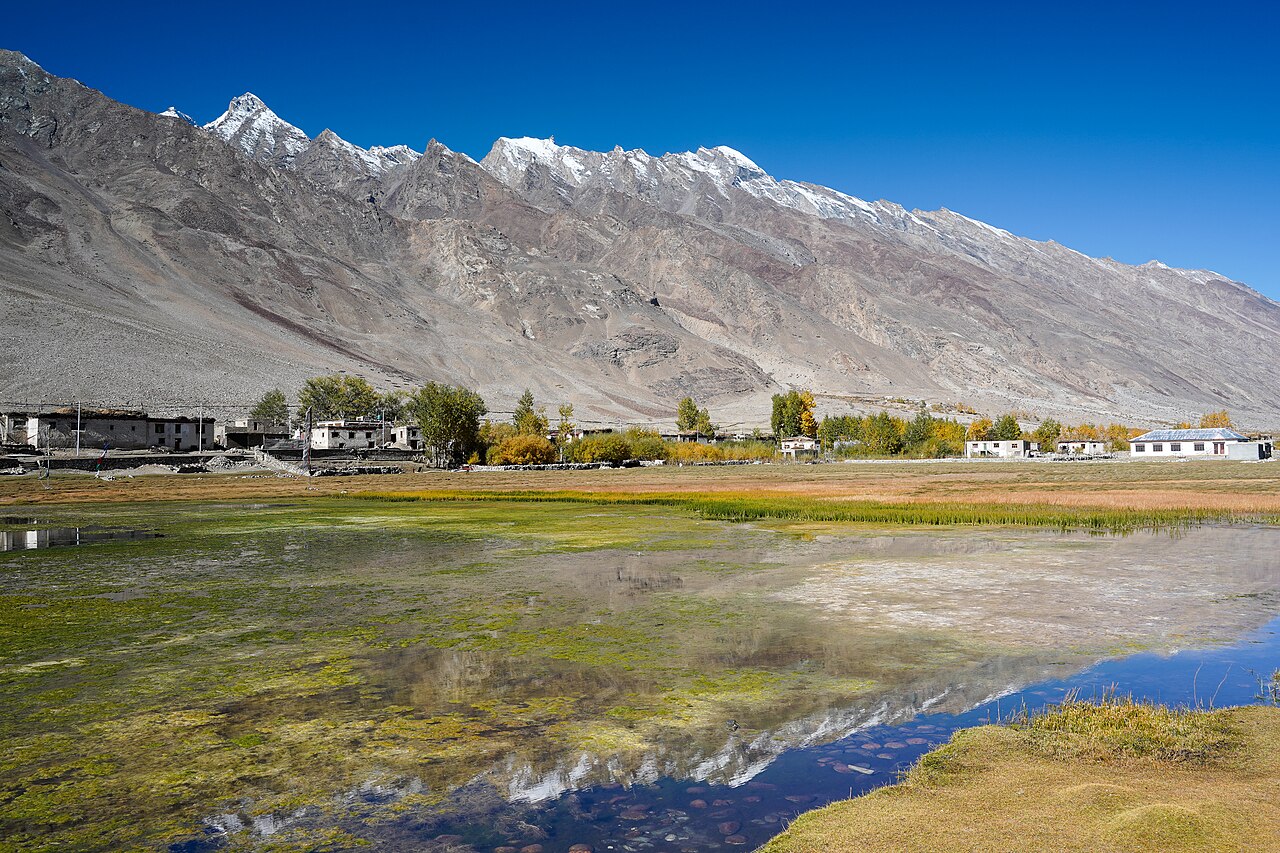
The stark, massive peaks of the Zanskar range define the horizon for every trekker.Photo: Vyacheslav Argenberg · CC BY 4.0
The silence in the Zanskar Valley is not merely an absence of noise; it is a physical presence that sits heavy on your chest. I remember standing on a ridge above the Lungnak River, watching the wind ripple across a scree slope, and realizing that for the first time in years, I was completely unreachable. This is what draws people to a Zanskar valley trek.
It is not a casual walk. It is a commitment to isolation, physical exertion, and a landscape that refuses to be tamed. If you are considering this journey, understand that you are not going to a tourist hub. You are heading into one of the most sparsely populated regions in India, where the weather dictates your schedule and the altitude demands your respect.
Why Zanskar Stands Apart from Other Himalayan Regions
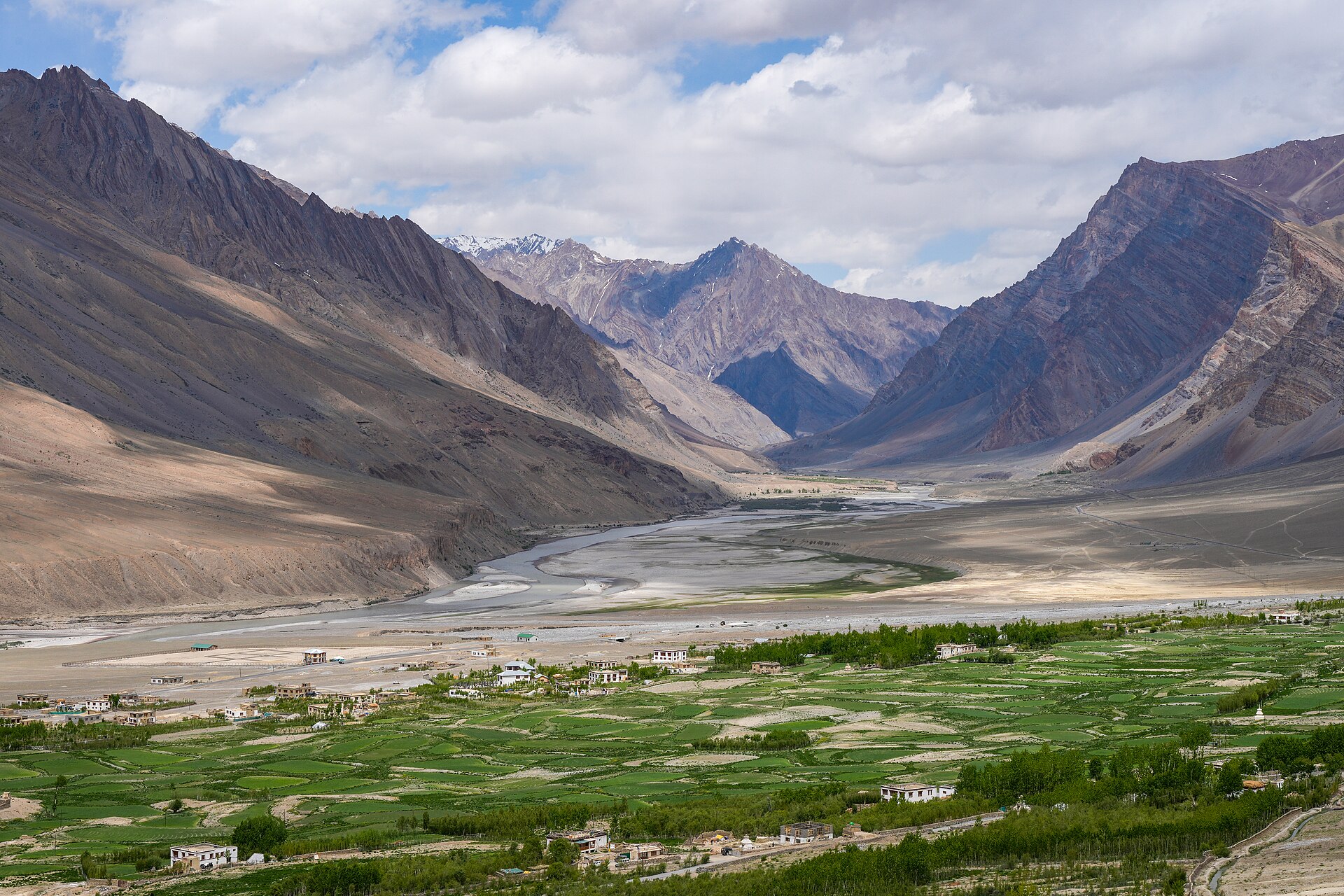
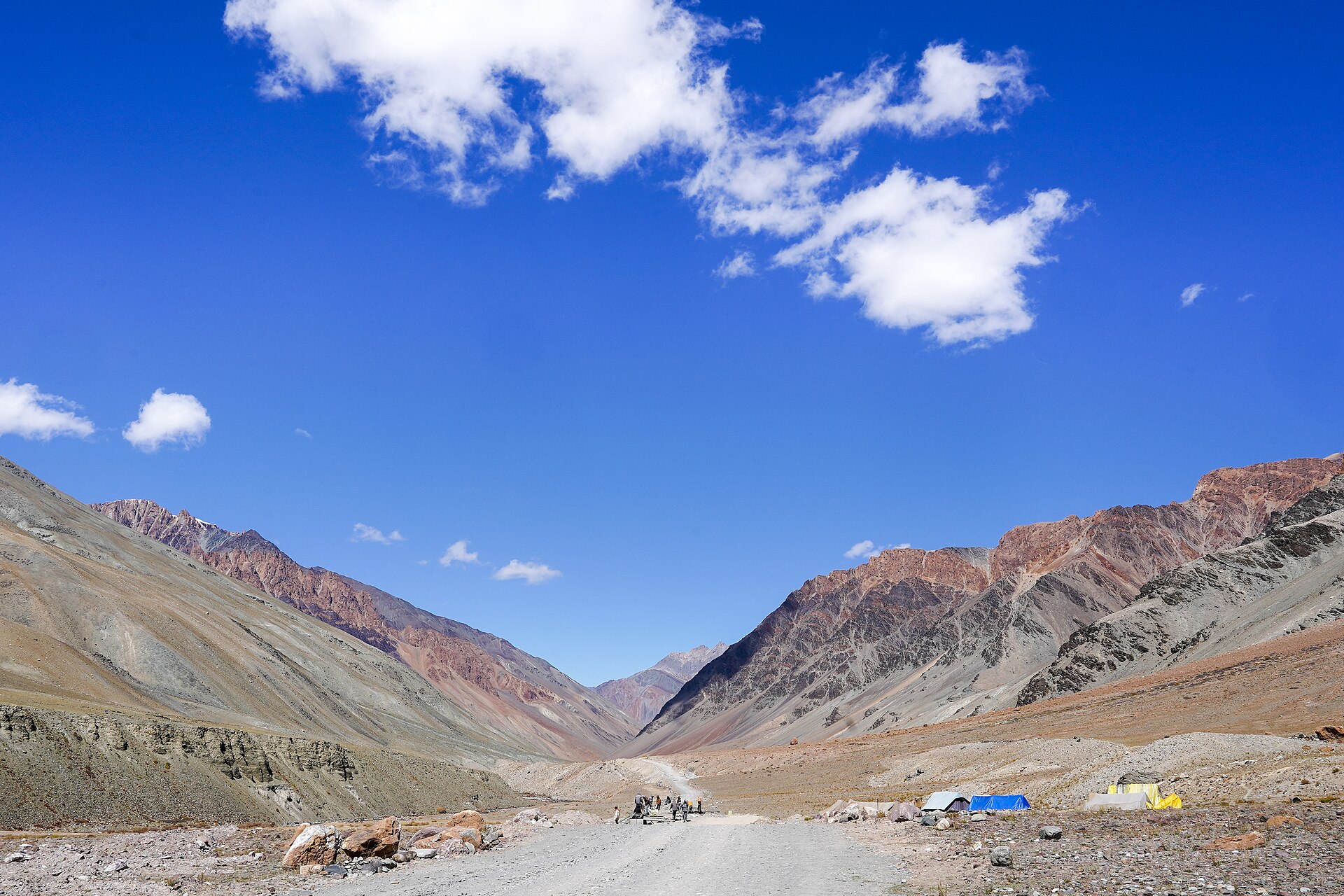
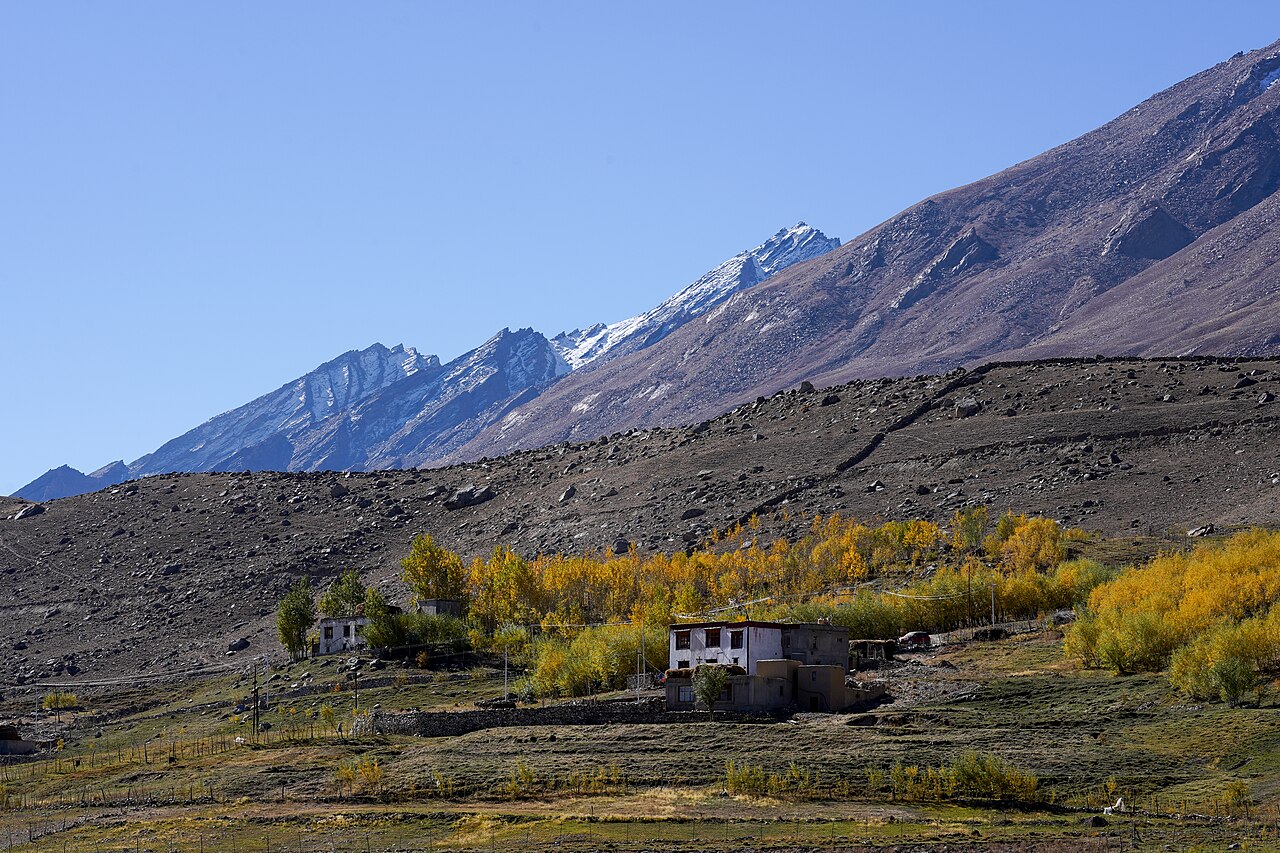
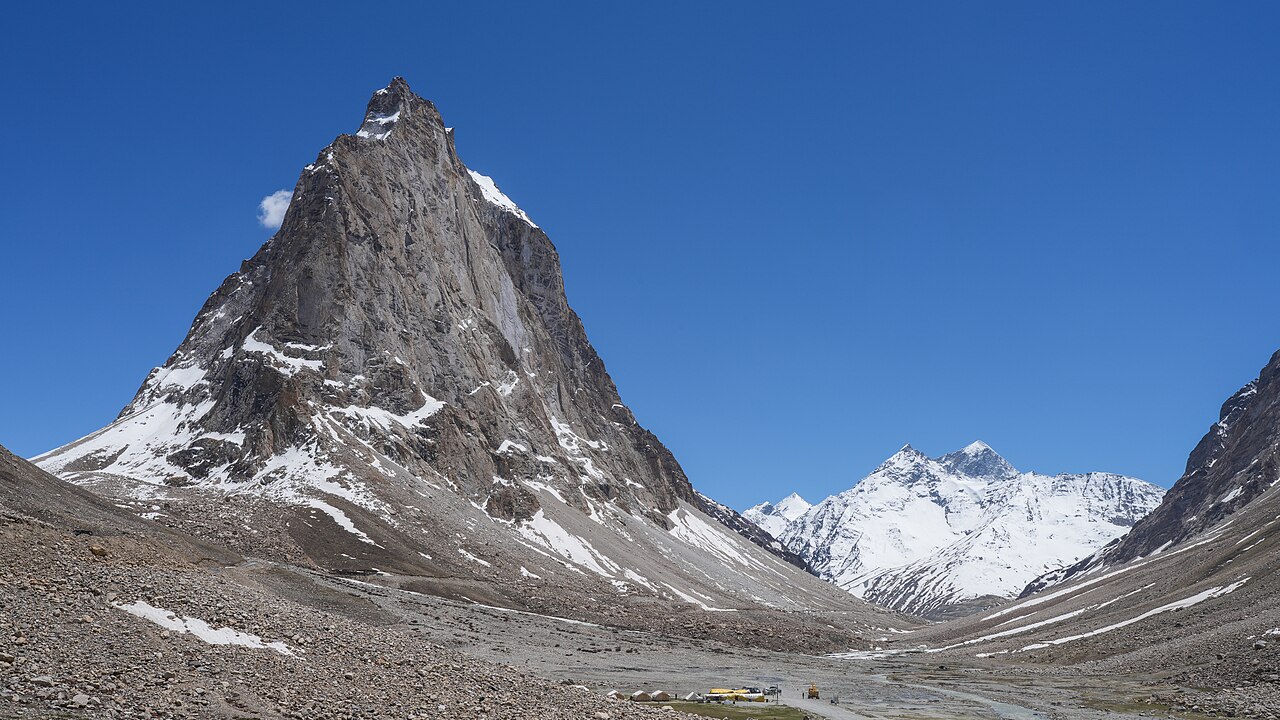
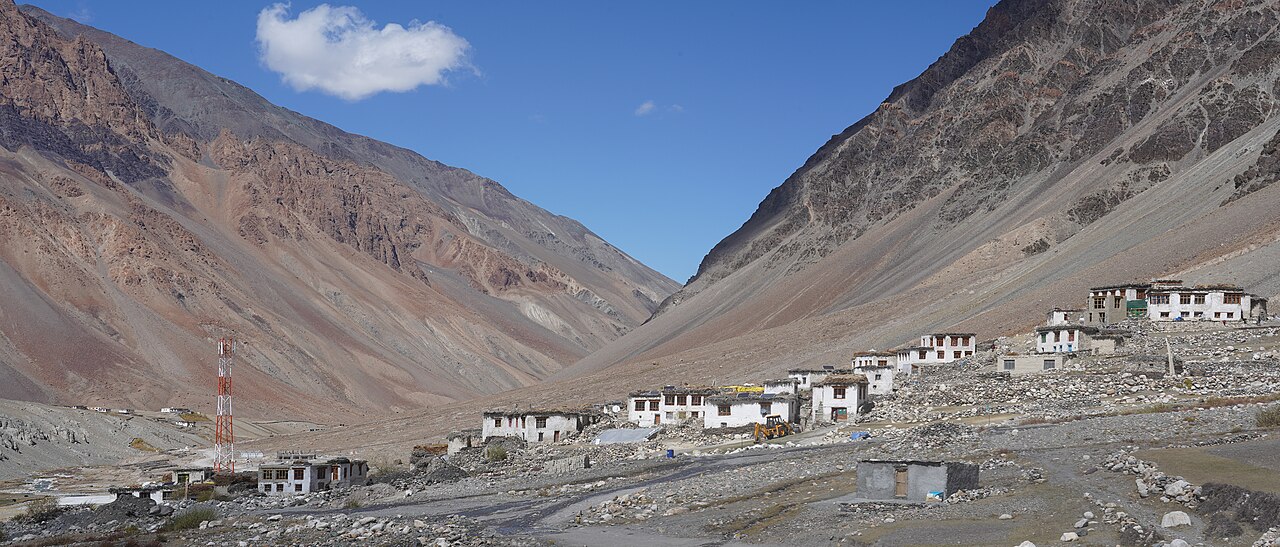
Most Himalayan treks involve shared trails and clusters of teahouses. A Zanskar valley trek is different. Here, the landscape feels older, steeper, and more indifferent to human presence. The mountains are shades of ochre and burnt sienna, lacking the lush greenery of the lower valleys but possessing a stark, sculptural beauty that stays with you long after you leave.
We often tell clients that they shouldn't choose Zanskar for the scenery alone, though it is unparalleled. Choose it for the rhythm of the walk. You move from village to village, crossing passes that sit well above 4,500 metres. Each day offers a shift in geology, from broad, flat riverbeds to razor-thin ridges that force you to focus entirely on your next step.
Preparation and High-Altitude Reality
Do not underestimate the altitude. Even if you are fit, the lack of oxygen changes everything. I have seen experienced runners struggle on the second day because they didn't factor in the cumulative effect of thin air.
We suggest spending at least three days in Leh for acclimatization before you even think about starting your trek. Hydration is non-negotiable. Drink more water than you think you need, even if you are not thirsty. Your body is working hard, and it will give up sooner than you expect if you neglect the basics.
Iconic Routes Including the Phugtal Monastery Trek
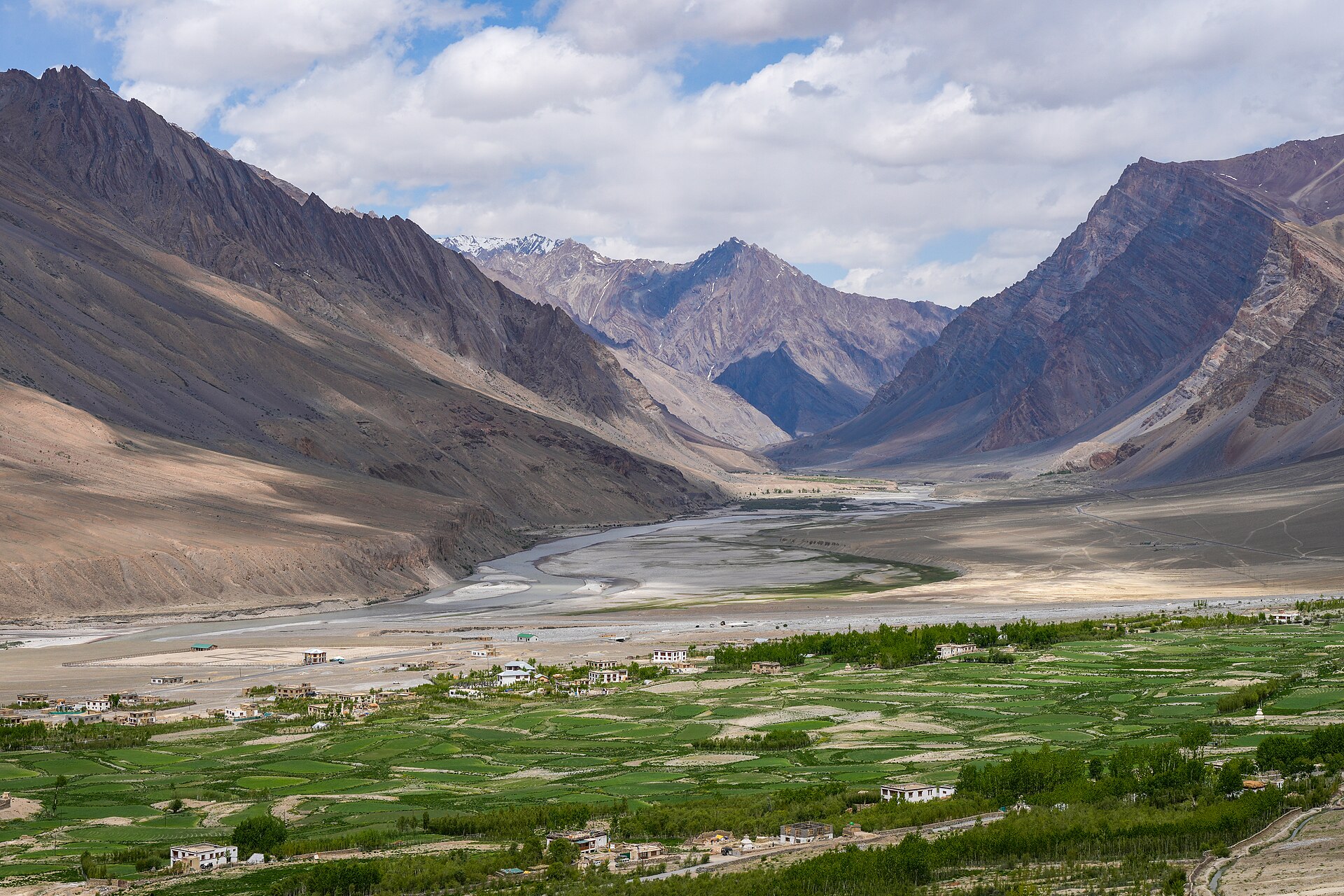
The path to Phugtal remains one of the most evocative experiences in the region. The monastery is carved directly into the cliff face, appearing to grow out of the rock itself. Reaching it requires days of walking along the river, often on paths that look like they might crumble into the water at any moment.
Another classic route involves traversing from Padum toward the remote villages of the Zanskar range. These are not marked trails like you might find in Europe. You need a guide who knows how the terrain changes after a heavy monsoon or a late-season snowmelt. Paths often disappear, and having someone who can read the mountain is a life-saving asset.
Cultural Immersion in Remote Villages
The people living in these high-altitude villages have developed a way of life that is entirely self-sufficient. When you stay in a local homestay, you are not a guest in a hotel; you are being invited into a space that has to survive brutal winters with little outside support.
Respect their routine. Offer help if you see them working. Always ask before taking photographs, especially inside the monasteries. The hospitality you receive will be generous, usually involving endless cups of salt butter tea, which is an acquired taste but vital for staying warm at high elevations.
Safety, Permits, and Practical Logistics
Zanskar is restricted, and you will need an Inner Line Permit for most routes. We process these well in advance for our guests, but if you are travelling solo, ensure you have your paperwork sorted in Leh before you leave.
Always carry a satellite communication device or ensure your guide has a reliable way to radio for help. Weather changes in minutes here. A clear, sunny morning can turn into a freezing hailstorm by midday. Pack layers that you can put on and take off without stopping for ten minutes every time.
Before you book
A Zanskar valley trek is not a vacation. It is a pilgrimage to the edge of the map. If you are willing to deal with the thin air and the long, dusty roads, you will find a clarity of mind that is hard to achieve anywhere else.
If you need help mapping out a route or finding a guide who knows these mountains as well as their own backyard, feel free to reach out to us at our [contact](/contact) page. We have been walking these paths for years and can help you plan a trek that is both ambitious and safe.
Ready to plan your Zanskar trek?
We specialize in tailored itineraries for the Zanskar region. Send us a message and we'll help you navigate the permits and logistics.
Get in touchWritten by
Kashmir, Jammu & Ladakh specialists
We plan and run trips across Kashmir, Jammu and Ladakh every week of the year. Everything here comes from routes we drive, stays we inspect and questions our travellers actually ask.
Quick answers
Questions we get asked
Is a Zanskar valley trek suitable for beginners?
No. It requires a high level of physical fitness and prior experience with high-altitude environments. You should be comfortable walking 6-8 hours a day over uneven, steep terrain.
How long does the Phugtal monastery trek take?
Typically, the trek to Phugtal takes between 3 to 5 days depending on your starting point, such as Padum or Purne. We recommend adding buffer days for unpredictable trail conditions.
Photography credits
- Photo: Vyacheslav Argenberg · CC BY 4.0
- Photo: This Photo was taken by Timothy A. Gonsalves . Feel free to use my photos, but please mention me as the author. I would much appreciate if you send me an email tagooty@yahoo.com or write on my talk page , for my information. Please contact me before commercial use. Please do not upload an edited image here without consulting me. I would like to make corrections only at my own source to ensure that the changes improve the image and are preserved. Otherwise you may upload an edited image with a new name. Please use one of the templates derivative or extract . · CC BY-SA 4.0
- Photo: This Photo was taken by Timothy A. Gonsalves . Feel free to use my photos, but please mention me as the author. I would much appreciate if you send me an email tagooty@yahoo.com or write on my talk page , for my information. Please contact me before commercial use. Please do not upload an edited image here without consulting me. I would like to make corrections only at my own source to ensure that the changes improve the image and are preserved. Otherwise you may upload an edited image with a new name. Please use one of the templates derivative or extract . · CC BY-SA 4.0
- Photo: This Photo was taken by Timothy A. Gonsalves . Feel free to use my photos, but please mention me as the author. I would much appreciate if you send me an email tagooty@yahoo.com or write on my talk page , for my information. Please contact me before commercial use. Please do not upload an edited image here without consulting me. I would like to make corrections only at my own source to ensure that the changes improve the image and are preserved. Otherwise you may upload an edited image with a new name. Please use one of the templates derivative or extract . · CC BY-SA 4.0
- Photo: This Photo was taken by Timothy A. Gonsalves . Feel free to use my photos, but please mention me as the author. I would much appreciate if you send me an email tagooty@yahoo.com or write on my talk page , for my information. Please contact me before commercial use. Please do not upload an edited image here without consulting me. I would like to make corrections only at my own source to ensure that the changes improve the image and are preserved. Otherwise you may upload an edited image with a new name. Please use one of the templates derivative or extract . · CC BY-SA 4.0
- Photo: This Photo was taken by Timothy A. Gonsalves . Feel free to use my photos, but please mention me as the author. I would much appreciate if you send me an email tagooty@yahoo.com or write on my talk page , for my information. Please contact me before commercial use. Please do not upload an edited image here without consulting me. I would like to make corrections only at my own source to ensure that the changes improve the image and are preserved. Otherwise you may upload an edited image with a new name. Please use one of the templates derivative or extract . · CC BY-SA 4.0
- Photo: This Photo was taken by Timothy A. Gonsalves . Feel free to use my photos, but please mention me as the author. I would much appreciate if you send me an email tagooty@yahoo.com or write on my talk page , for my information. Please contact me before commercial use. Please do not upload an edited image here without consulting me. I would like to make corrections only at my own source to ensure that the changes improve the image and are preserved. Otherwise you may upload an edited image with a new name. Please use one of the templates derivative or extract . · CC BY-SA 4.0