Exploring Zanskar Valley: Essential Activities and Adventures
Discover cliff-side monasteries, wild rivers, and remote villages in Ladakh's wildest corner.
Looking for zanskar valley things to do? Read our comprehensive guide covering cliff monasteries, river rafting, village homestays, and Padum exploration.
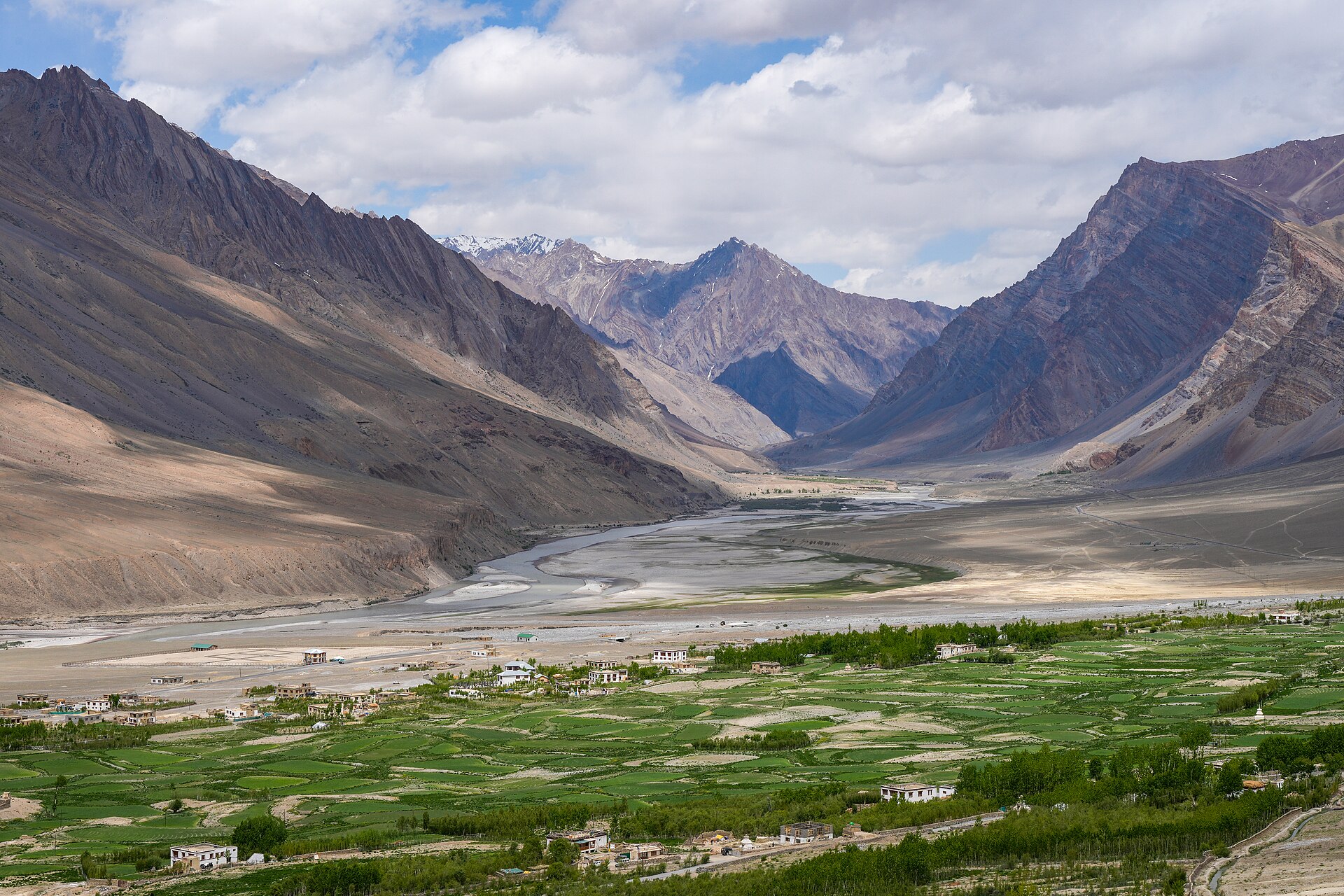
The dramatic and isolated landscapes of the Zanskar Valley.Photo: This Photo was taken by Timothy A. Gonsalves . Feel free to use my photos, but please mention me as the author. I would much appreciate if you send me an email tagooty@yahoo.com or write on my talk page , for my information. Please contact me before commercial use. Please do not upload an edited image here without consulting me. I would like to make corrections only at my own source to ensure that the changes improve the image and are preserved. Otherwise you may upload an edited image with a new name. Please use one of the templates derivative or extract . · CC BY-SA 4.0
The first time our vehicle dropped over Pensi La pass and the vast, ochre expanse of Zanskar opened up below, silence fell over the entire car. You realise immediately that you have entered a place where modern time operates at a different speed. For travellers compiling a list of zanskar valley things to do, the emphasis must shift from sightseeing to pure immersion.
This is one of the most isolated inhabited regions in the Himalayas. Until recent years, access was restricted to grueling multi-day treks or a single rugged dirt road that opened for just a few summer months. While new tunnels and roads are slowly changing connectivity, the soul of Zanskar remains delightfully wild and untamed.
Whether you want to test your endurance on churning glacial rivers or seek out monks chanting in caves carved directly into vertical cliffs, Zanskar demands respect, patience, and a sense of wonder. Here is how to make the absolute most of your time in this remote highland sanctuary.
Visiting Cliff-Built Monasteries
Monasteries in Zanskar do not merely sit on hillsides; they cling desperately to sheer rock faces as if defying gravity itself. Phugtal Monastery is the crowning jewel of these architectural wonders. Built like a honeycomb around a natural cave entrance in a remote side canyon, it requires a strenuous two-hour walk across a footbridge and up a dusty trail just to reach the front door.
Inside, the darkness smells of old butter lamps, yak butter, and ancient cedar wood. Young monks in crimson robes share space with elderly scholars who have spent decades in meditation. Another remarkable stop is Karsha Monastery, cascading down a mountain slope overlooking the central plain with sweeping views of the entire valley floor.
- Hike to Phugtal Monastery, built entirely within a massive cliff cave
- Explore the sprawling monastic complex at Karsha
- Witness morning prayer ceremonies by local monks
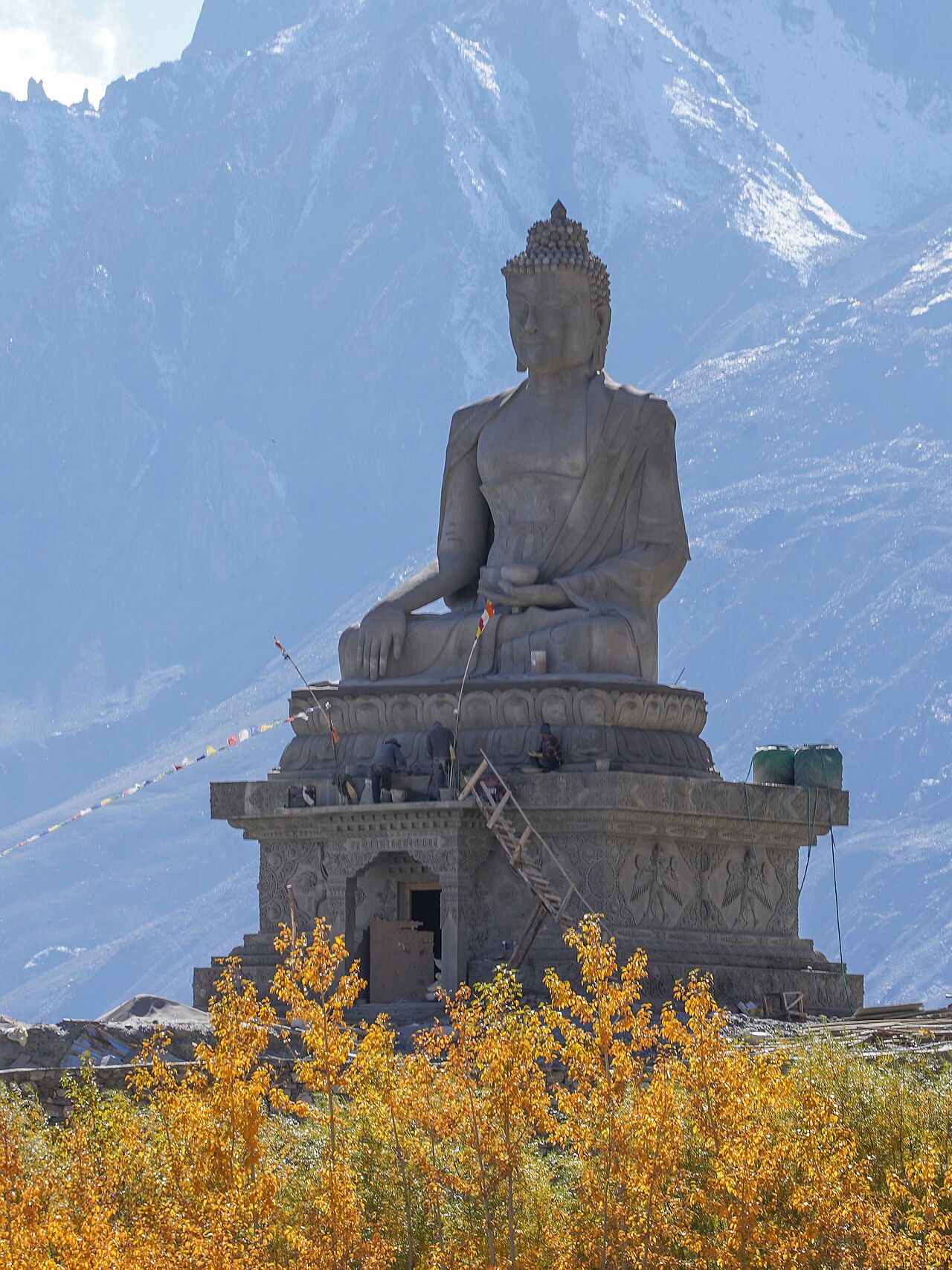
River Rafting in the Deep Zanskar Gorge
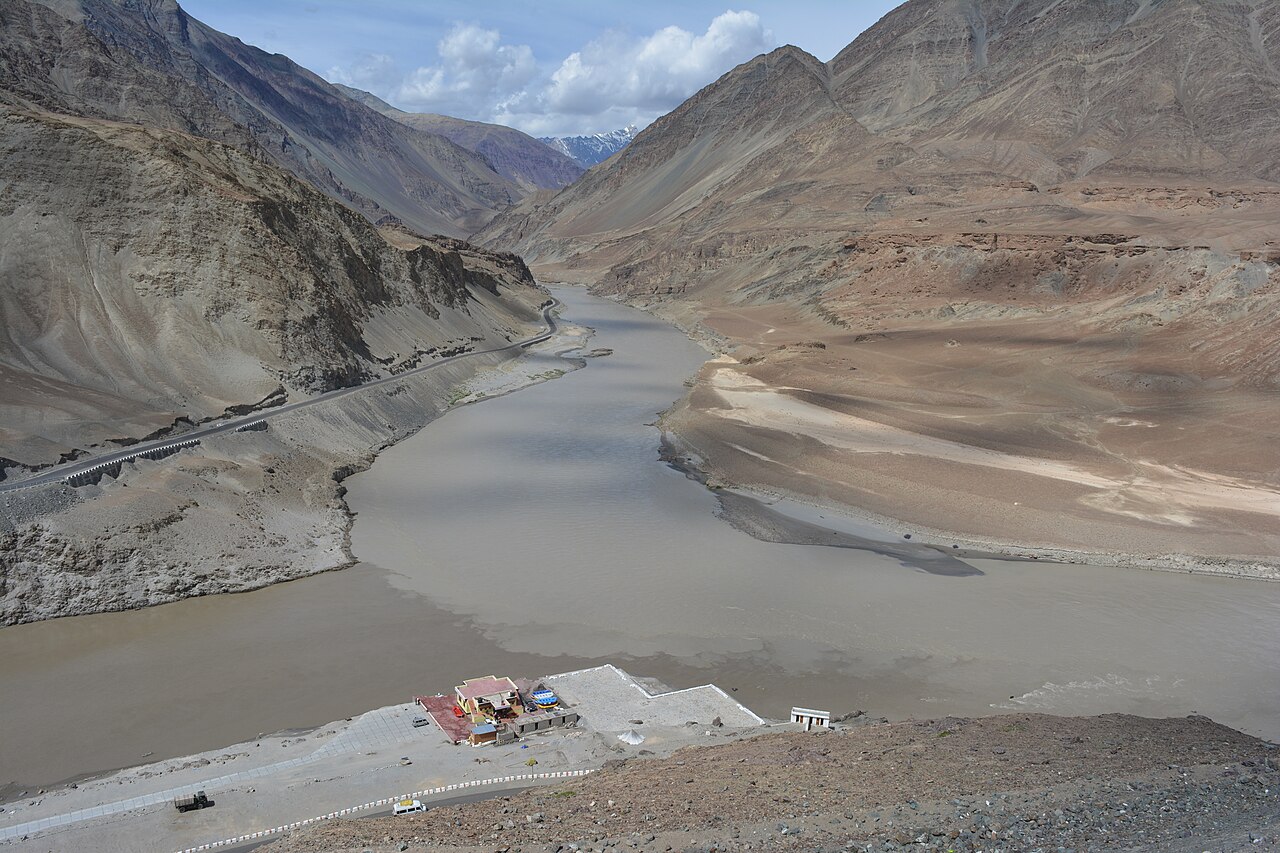
For white-water enthusiasts, the Zanskar River offers one of the most dramatic rafting expeditions on earth. The river has spent millions of years carving a Grand Canyon of the Himalayas, creating sheer rock walls that rise thousands of feet straight up from the water.
Floating through this remote gorge means you are entirely cut off from the outside world. There are no roads down at river level, no mobile towers, and no sign of human habitation for hours at a time. Rapids range from manageable Class III stretches to roaring drops that will soak you to the bone with freezing glacial meltwater.
Planning Your Rafting Expedition
Multi-day rafting trips starting from Nimo and ending deep in the Zanskar gorge require professional expedition support. We arrange experienced safety kayakers, camping gear, and local cooks who set up kitchen tents on sandy riverbanks under a blanket of stars.
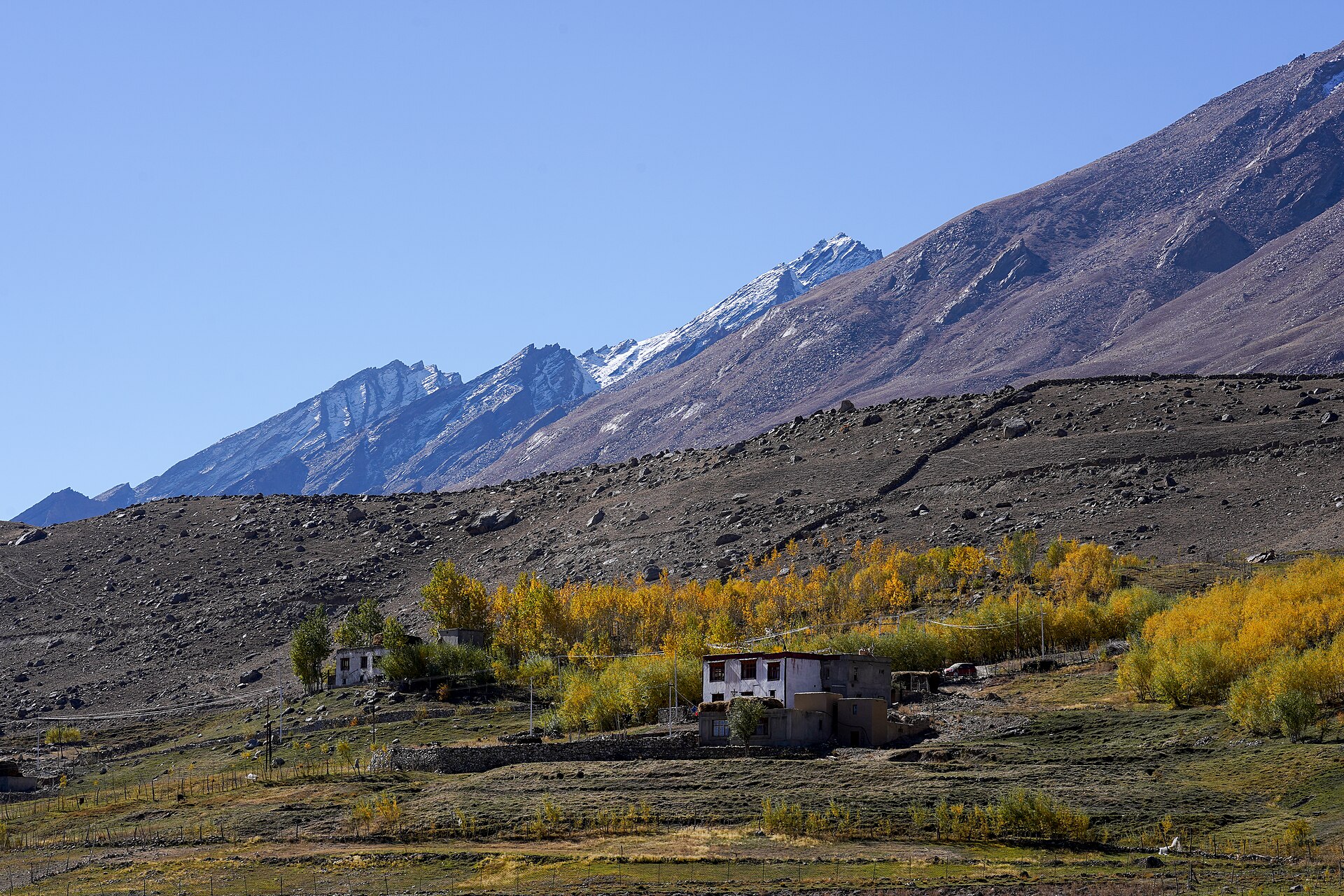
Monasteries in Zanskar do not merely sit on hillsides; they cling desperately to sheer rock faces as if defying gravity itself.
Staying in Traditional Village Homestays
Hotels in Zanskar are basic, which is precisely why you should skip them in favor of village homestays. Communities in villages like Sani, Padum, and Hanamil open their traditional mud-brick homes to travellers. You sleep on thick woollen mattresses laid out on carved wooden platforms, warmed by a central iron stove burning dried brush.
Evenings are spent chatting with your hosts over steaming bowls of noodle soup called thukpa and cups of salted butter tea. You learn about the harsh realities of winter survival in a place where families are snowed in for six months of the year. It provides a human connection that no luxury resort can ever replicate.
- Experience authentic rural Zanskar daily life
- Enjoy home-cooked organic meals made from local barley and root vegetables
- Support local families directly through community homestay networks
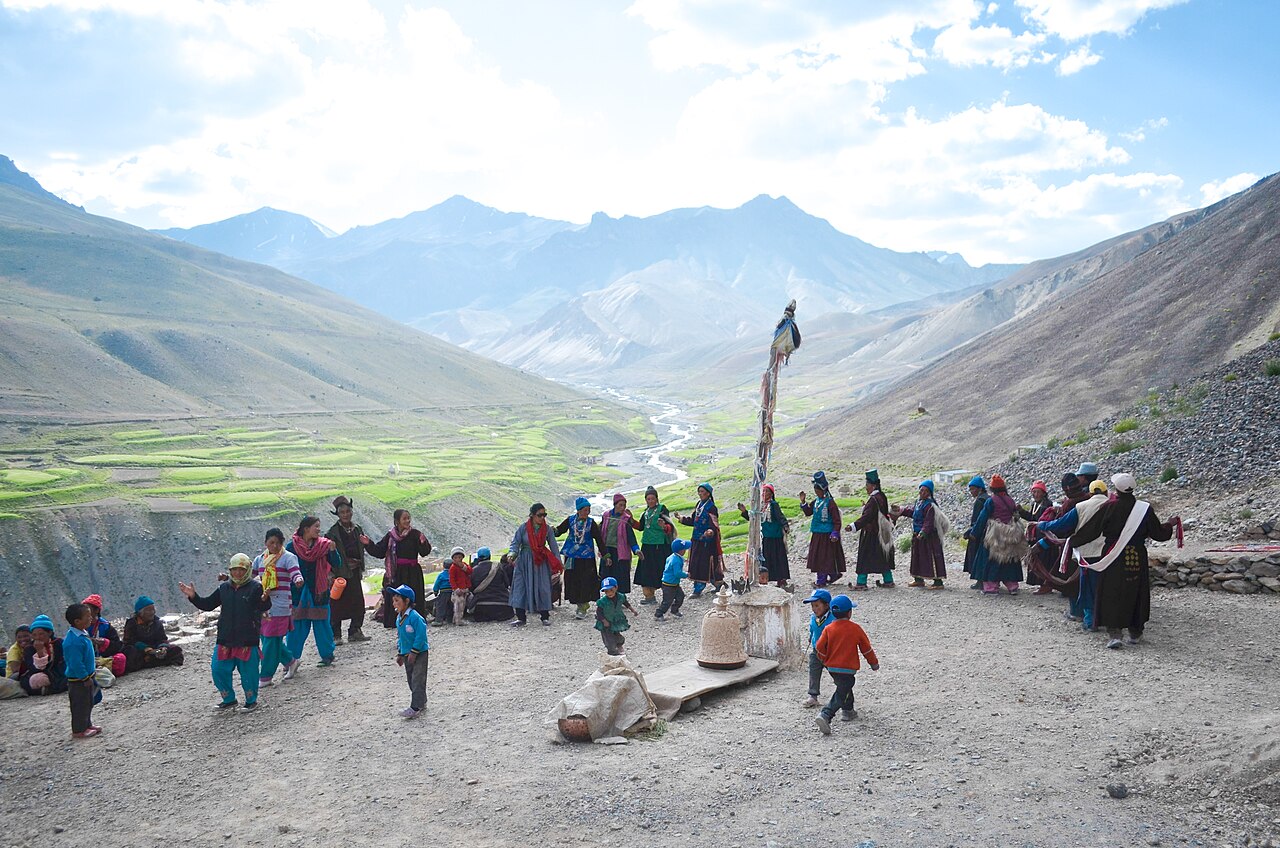
Exploring the Remote Padum Region
Padum serves as the administrative headquarters and largest settlement in the Zanskar valley. While it is referred to as a town, it feels more like an oversized mountain village surrounded by wide agricultural fields where farmers harvest peas and barley by hand.
Use Padum as your base for stocking up on supplies, sorting out permits, and organizing day trips to nearby sights like the ancient rock carvings at Stonday or the serene Sani Lake, which holds immense religious significance for Tibetan Buddhists. The local market street comes alive in the morning when villagers gather to trade goods and gossip.
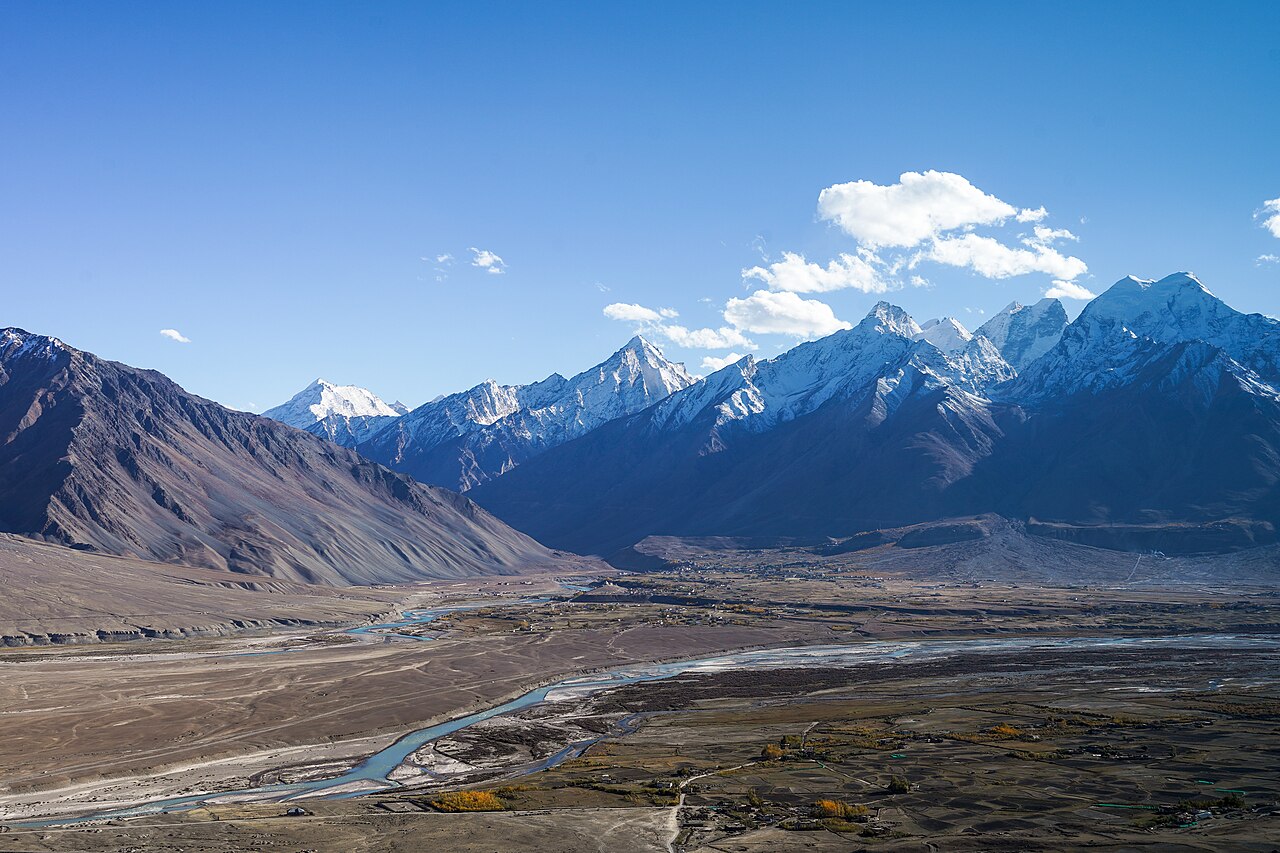
Trekking Across Ancient High-Altitude Trails
Zanskar is a legendary destination for serious trekkers. The classic traverse from Padum over the Shingo La pass down into Darcha, or the historic Chadar Trek on the frozen river surface in winter, attracts mountaineers from across the globe.
Summer trekking offers milder weather, vibrant alpine flora blooming in high meadows, and clear trail conditions. Even shorter day walks, such as the trek between Bardan Monastery and neighboring villages, offer breathtaking panoramas of deep river valleys and snow-capped peaks.
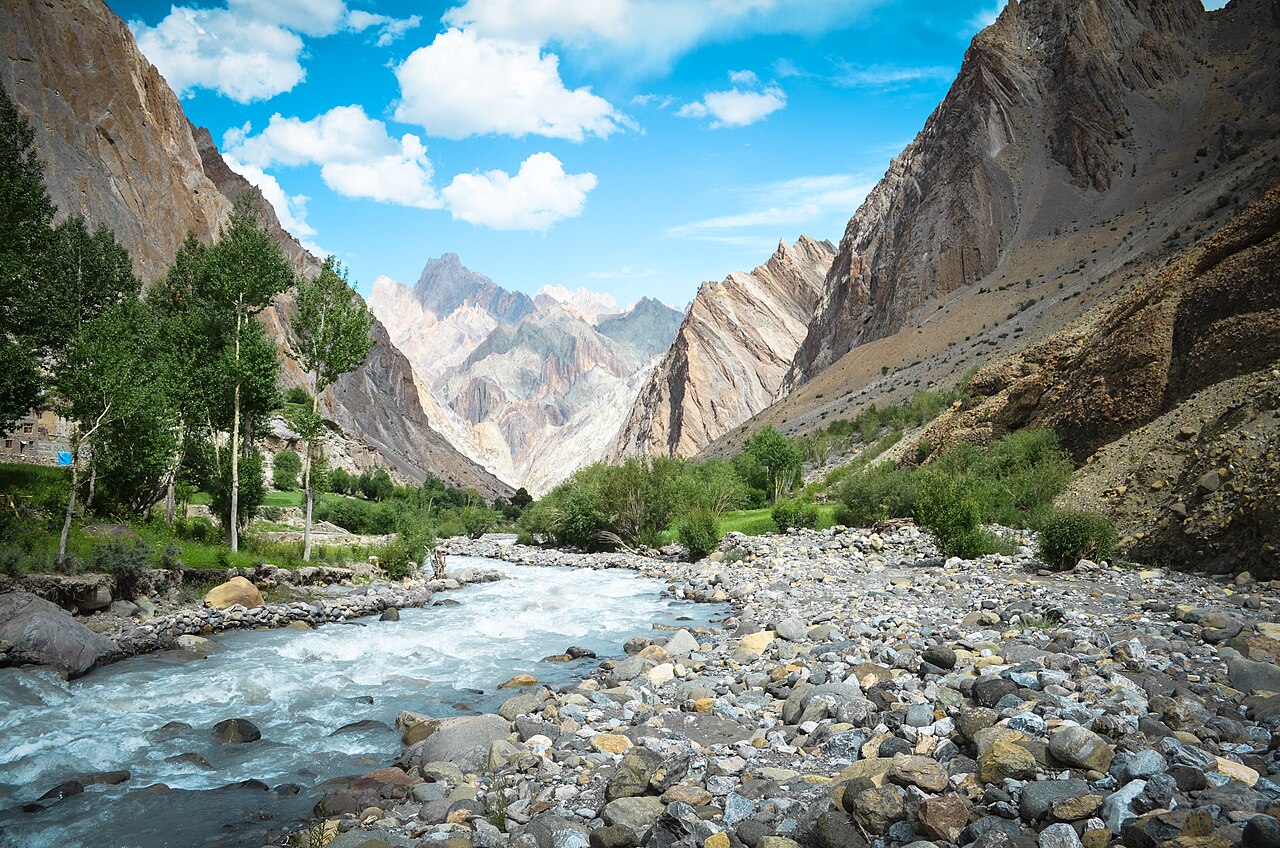
Tips for Responsible Exploration in Zanskar
Tourism in Zanskar is growing rapidly, but the local ecosystem and infrastructure remain fragile. Water resources are scarce, and waste management in remote villages is a serious challenge. Responsible travel here is not just a nice idea; it is a necessity.
Carry a reusable water bottle and purification tablets to avoid generating single-use plastic waste. Respect local customs regarding dress and photography, and always support local guides and porters who know the mountain trails intimately.
- Pack out all non-biodegradable waste
- Dress modestly, keeping shoulders and knees covered in villages
- Hire local Zanskar guides rather than bringing outside teams
Before you book
Zanskar Valley is not a destination for travellers looking for luxury resorts and paved boardwalks. It is a raw, humbling landscape that tests your stamina and rewards your curiosity with memories that last a lifetime.
By taking your time, respecting local traditions, and engaging with the community, you will experience a side of the Himalayas that most modern tourists never get to see.
Ready to Explore Zanskar?
Let our experienced guides craft a custom overland itinerary into the heart of the Zanskar Valley.
Start PlanningCaption for your own post
Looking down into the vast, untouched expanse of the Zanskar Valley from Pensi La pass.
Written by
Kashmir, Jammu & Ladakh specialists
We plan and run trips across Kashmir, Jammu and Ladakh every week of the year. Everything here comes from routes we drive, stays we inspect and questions our travellers actually ask.
Written by Stanzin, who grew up exploring the high mountain trails of Ladakh and Zanskar.
Quick answers
Questions we get asked
What are the top things to do in Zanskar Valley?
Key activities include visiting cliffside monasteries like Phugtal, rafting through the Zanskar gorge, staying in village homestays, and exploring Padum.
When is the best time to visit Zanskar Valley?
The summer season from June to September offers open roads and accessible mountain trails.
Is Zanskar Valley safe for independent travellers?
Yes, it is very safe, though infrastructure is basic and medical facilities are extremely limited.
How do I reach Zanskar Valley?
You can drive from Kargil via the Suru Valley road or take the newly improved highway routes connecting from Leh.
Photography credits
- Photo: This Photo was taken by Timothy A. Gonsalves . Feel free to use my photos, but please mention me as the author. I would much appreciate if you send me an email tagooty@yahoo.com or write on my talk page , for my information. Please contact me before commercial use. Please do not upload an edited image here without consulting me. I would like to make corrections only at my own source to ensure that the changes improve the image and are preserved. Otherwise you may upload an edited image with a new name. Please use one of the templates derivative or extract . · CC BY-SA 4.0
- Photo: This Photo was taken by Timothy A. Gonsalves . Feel free to use my photos, but please mention me as the author. I would much appreciate if you send me an email tagooty@yahoo.com or write on my talk page , for my information. Please contact me before commercial use. Please do not upload an edited image here without consulting me. I would like to make corrections only at my own source to ensure that the changes improve the image and are preserved. Otherwise you may upload an edited image with a new name. Please use one of the templates derivative or extract . · CC BY-SA 4.0
- Photo: This Photo was taken by Timothy A. Gonsalves . Feel free to use my photos, but please mention me as the author. I would much appreciate if you send me an email tagooty@yahoo.com or write on my talk page , for my information. Please contact me before commercial use. Please do not upload an edited image here without consulting me. I would like to make corrections only at my own source to ensure that the changes improve the image and are preserved. Otherwise you may upload an edited image with a new name. Please use one of the templates derivative or extract . · CC BY-SA 4.0
- Photo: Drdeepakkochar77 · CC BY-SA 4.0
- Photo: emjyon · CC BY-SA 2.0
- Photo: This Photo was taken by Timothy A. Gonsalves . Feel free to use my photos, but please mention me as the author. I would much appreciate if you send me an email tagooty@yahoo.com or write on my talk page , for my information. Please contact me before commercial use. Please do not upload an edited image here without consulting me. I would like to make corrections only at my own source to ensure that the changes improve the image and are preserved. Otherwise you may upload an edited image with a new name. Please use one of the templates derivative or extract . · CC BY-SA 4.0
- Photo: emjyon (Emil Wittern) · CC BY-SA 2.0