Top Things to Do at Manasbal Lake: Beyond the Lotus Beds
Discover the deepest lake in Kashmir, where ruins, birdlife, and quiet waters wait away from the crowds.
Explore the best things to do at Manasbal Lake in Kashmir. From rowing through endless lotus beds to visiting Mughal gardens and ancient ruins.
Acres of pink lotus flowers blanket the southern basin of Manasbal Lake every summer.Photo: Pronobeshng · CC BY-SA 4.0
Most visitors to the valley spend their afternoons jostling for space on Dal Lake, completely missing the dark, mirror-flat surface of Manasbal just thirty kilometres north. Known locally as the supreme gem of Kashmir lakes, Manasbal is famous for being the deepest body of water in the region, plunging down thirteen metres in places.
The atmosphere here is entirely different from Srinagar's busier waters. There are no engine-driven motorboats allowed to shatter the peace, and the northern shore backs right up against limestone cliffs where griffon vultures occasionally circle. If you are compiling your itinerary and wondering about the best things to do in manasbal lake, you will find an unhurried mix of history, botany, and silent water.
Let us walk through five distinct experiences that make this quiet lake worth a dedicated half-day or full-day excursion from the city.
Rowing Through the Famous Lotus Beds
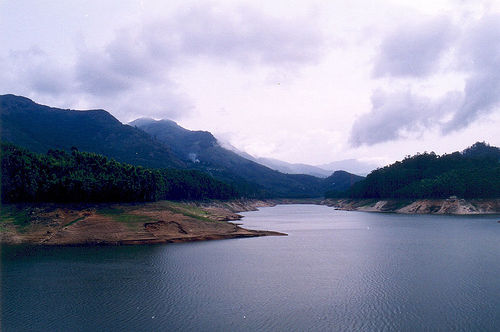
The southern basin of Manasbal is blanketed by enormous lotus leaves that cover acres of water from July through August. Taking a traditional wooden shikara ride here feels entirely intimate because the boatmen pole through narrow channels carved right through the middle of the floating vegetation.
When the pink lotus flowers open in the morning sun, the reflections on the dark water are stunning. Unlike the commercialised shikara rides on Dal, here you will only hear the gentle dip of the paddle and the calls of coots nesting among the stems.
- Best time for lotus blooms: July and August mornings
- Boat type: Hand-prowed wooden shikaras
- Atmosphere: Utter silence and crystal-clear water reflections
Exploring the Jarokha Bagh Mughal Garden
On the western shore of the lake sit the crumbling remnants of Jarokha Bagh, a pleasure garden laid out by Emperor Nur Jahan. While it lacks the grand terraced fountains of Shalimar, its historical weight is palpable as you walk beneath ancient chinar trees that have stood for four centuries.
Local villagers often graze their goats near the stone platforms where Mughal royalty once sat to watch boat processions. It is a quiet spot to sit with a flask of tea and look out across the widest section of the water toward the northern cliffs.
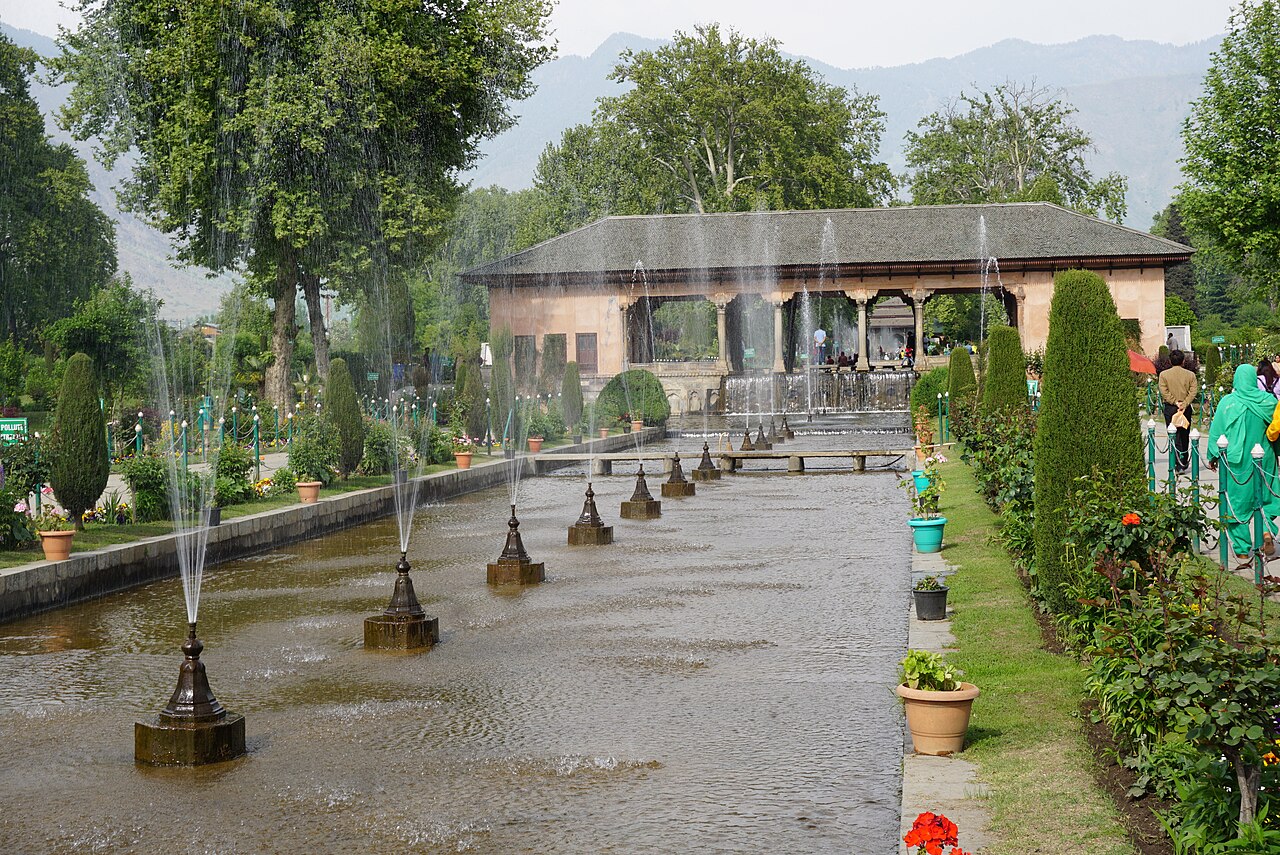

There are no engine-driven motorboats allowed to shatter the peace, and the northern shore backs right up against limestone cliffs.
Birdwatching on the Northern Shore
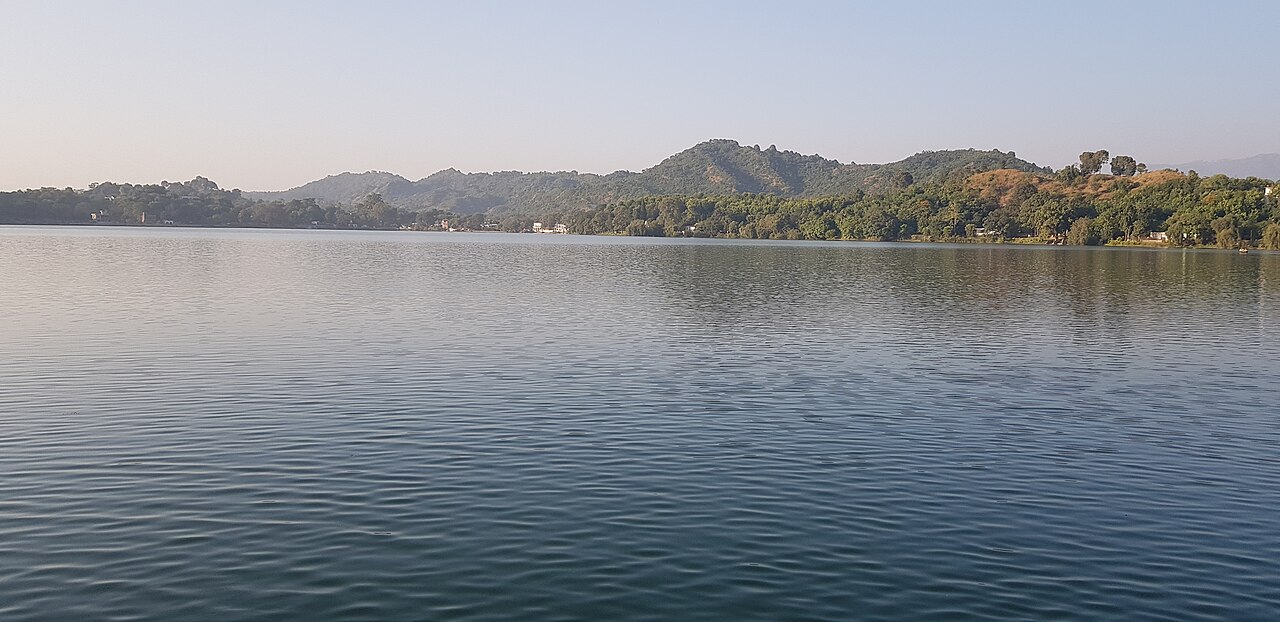
Manasbal is recognised as one of the premier natural staging posts for waterbirds in the valley. During autumn and winter, the reed beds on the northern and eastern shores swarm with migratory ducks, grebes, and pochards arriving from Central Asia.
Even in summer, resident species like little grebes, kingfishers, and moorhens make it a paradise for anyone with a pair of binoculars and patience. The shallow reed fringes provide safe nesting cover, allowing you to observe wildlife undisturbed by heavy tourist traffic.
Walking to the Darogabagh Ruins
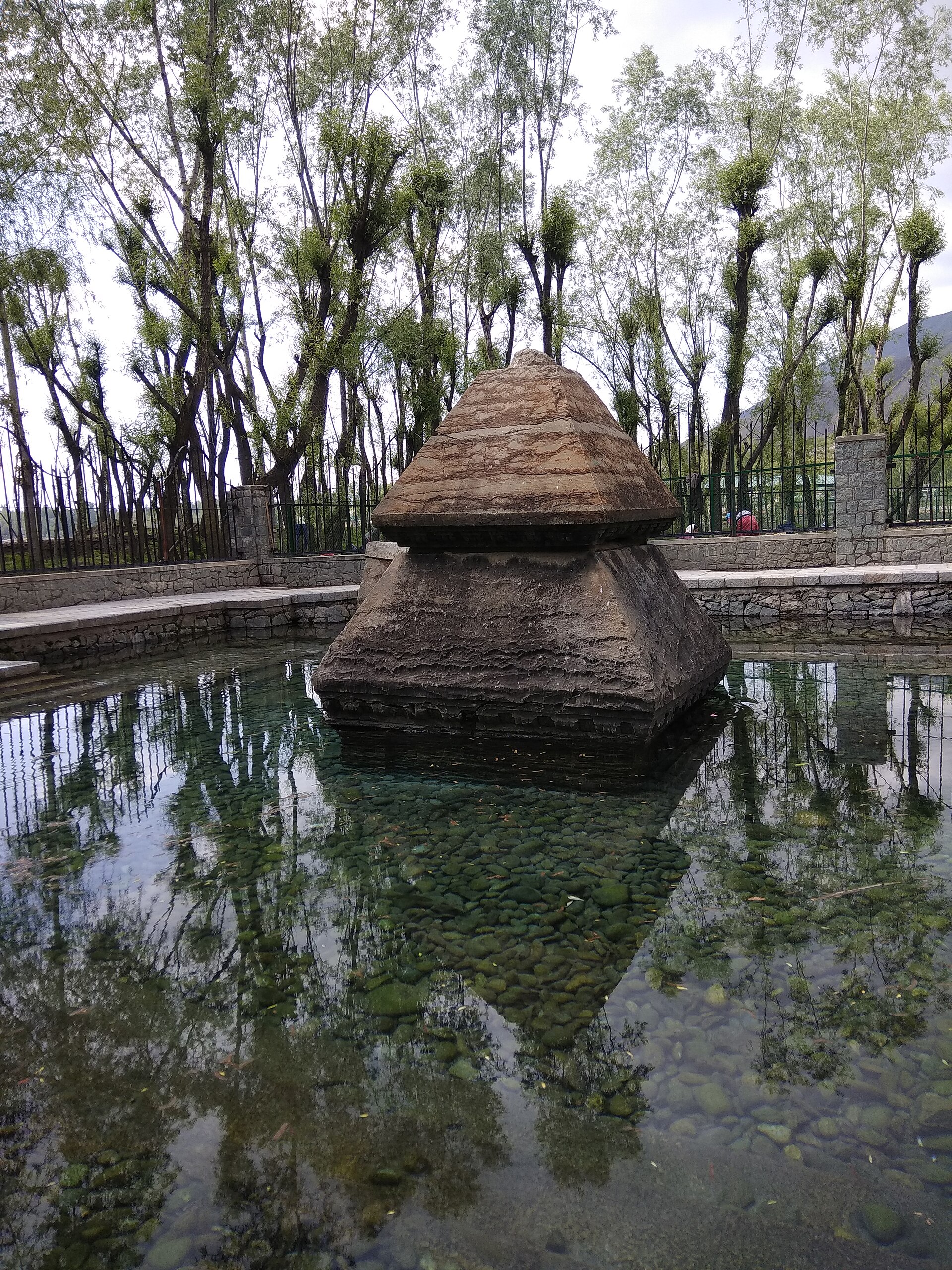
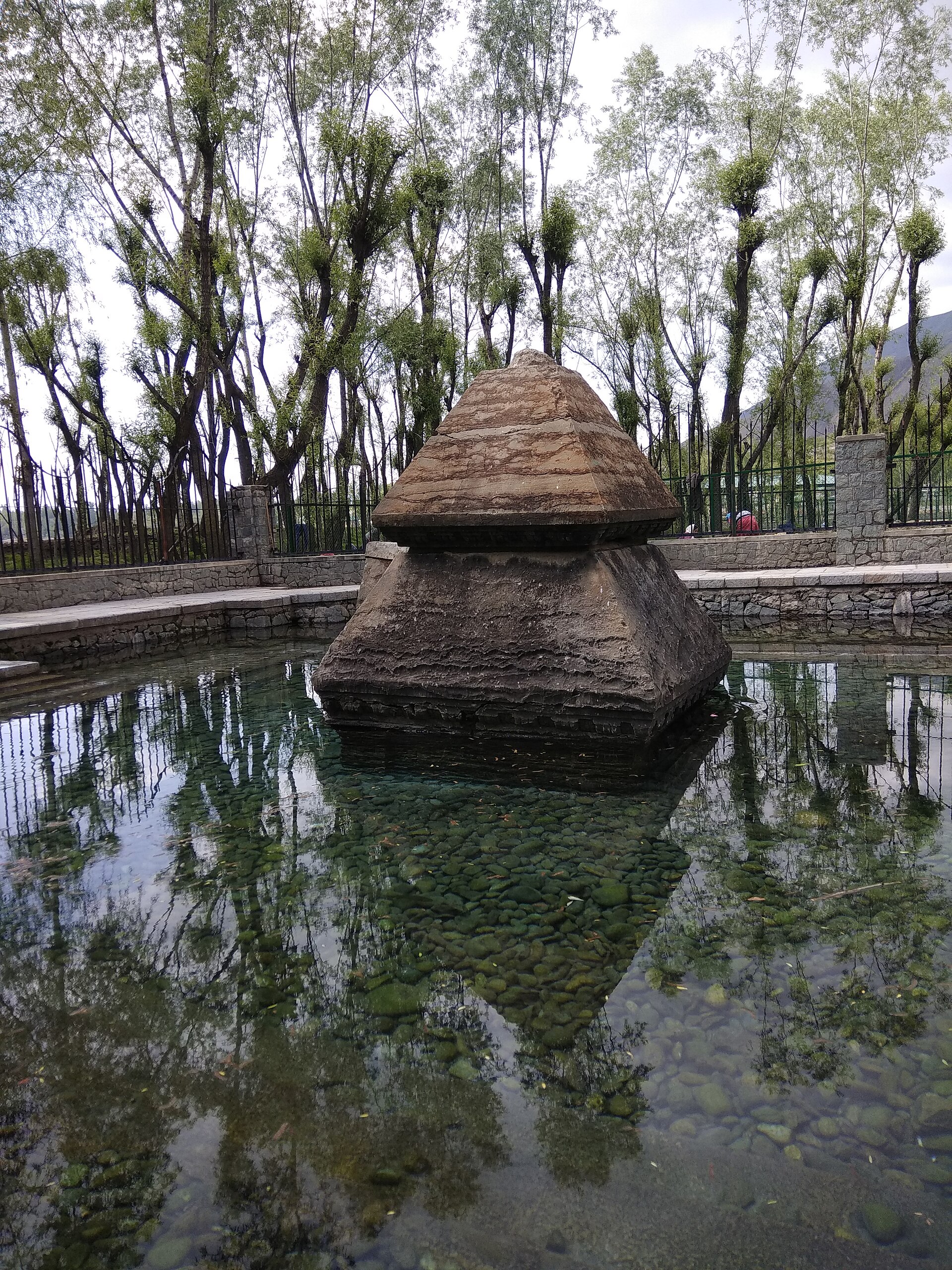
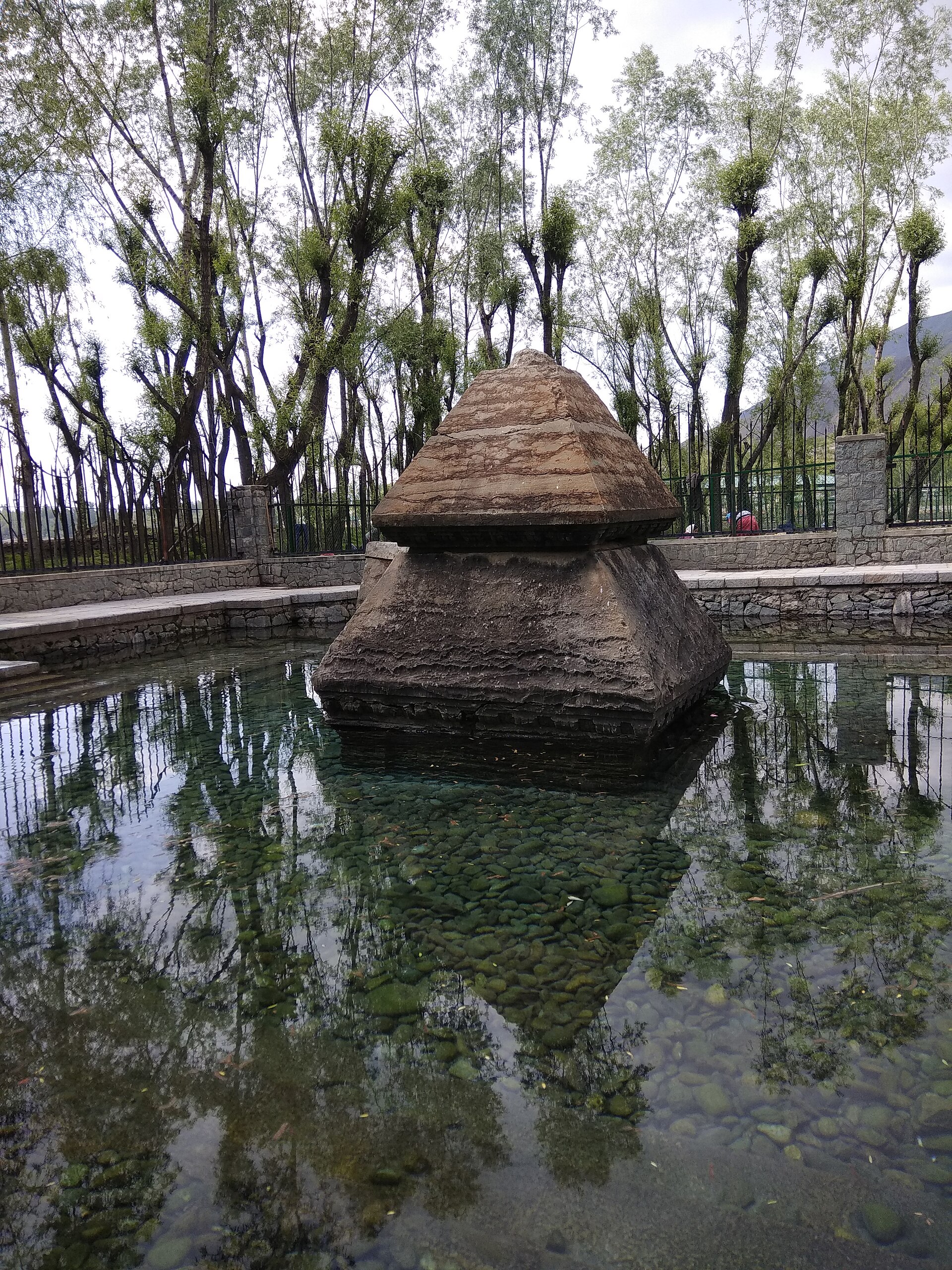
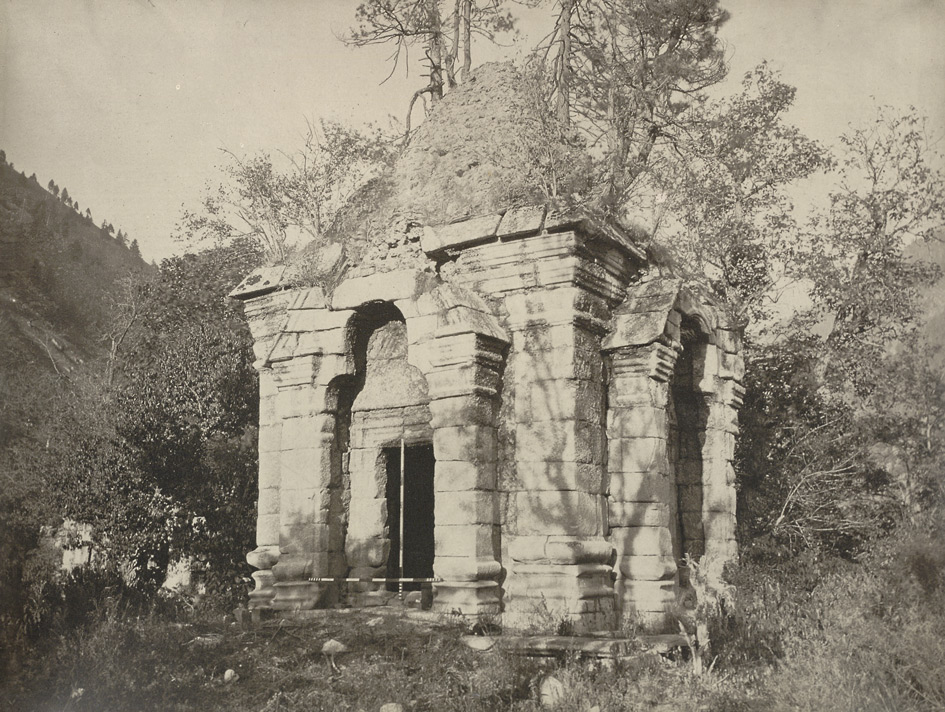
A short stroll along the western water-edge brings you to the old Darogabagh site, featuring stone carvings and bathhouse remnants dating back to the Sultanate period prior to Mughal rule. These silent stones offer a tangible link to the medieval history of Kashmir.
The walk takes you past small kitchen gardens and willow groves where local artisans sometimes gather reeds for basket weaving. It is an easy, flat walk that takes less than an hour round trip.
Tracing Ancient Stone Work
Look closely at the carved limestone blocks near the water line; many feature geometric patterns characteristic of fourteenth-century masonry in the Kashmir valley.
A Scenic Detour to Nearby Wular Lake
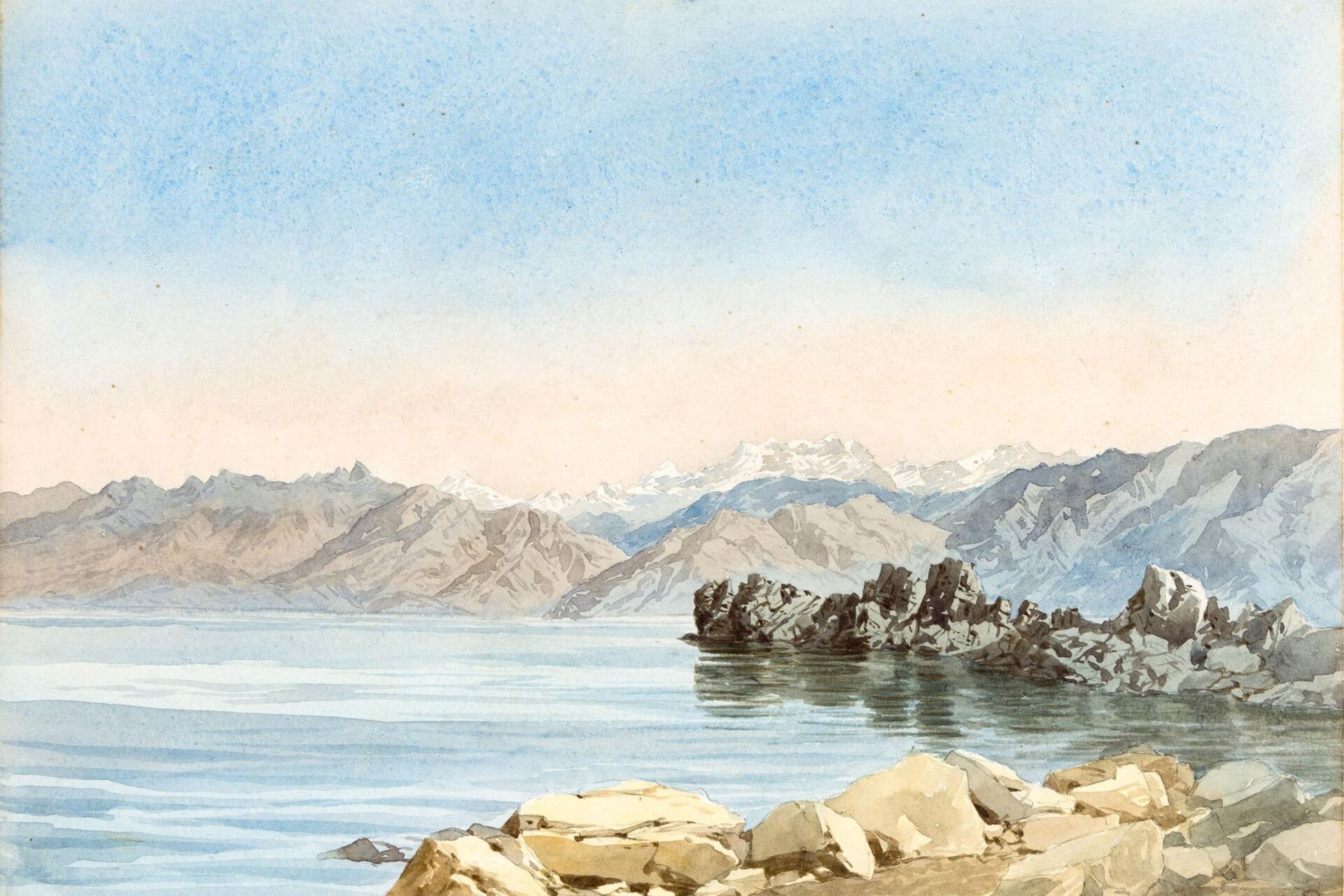
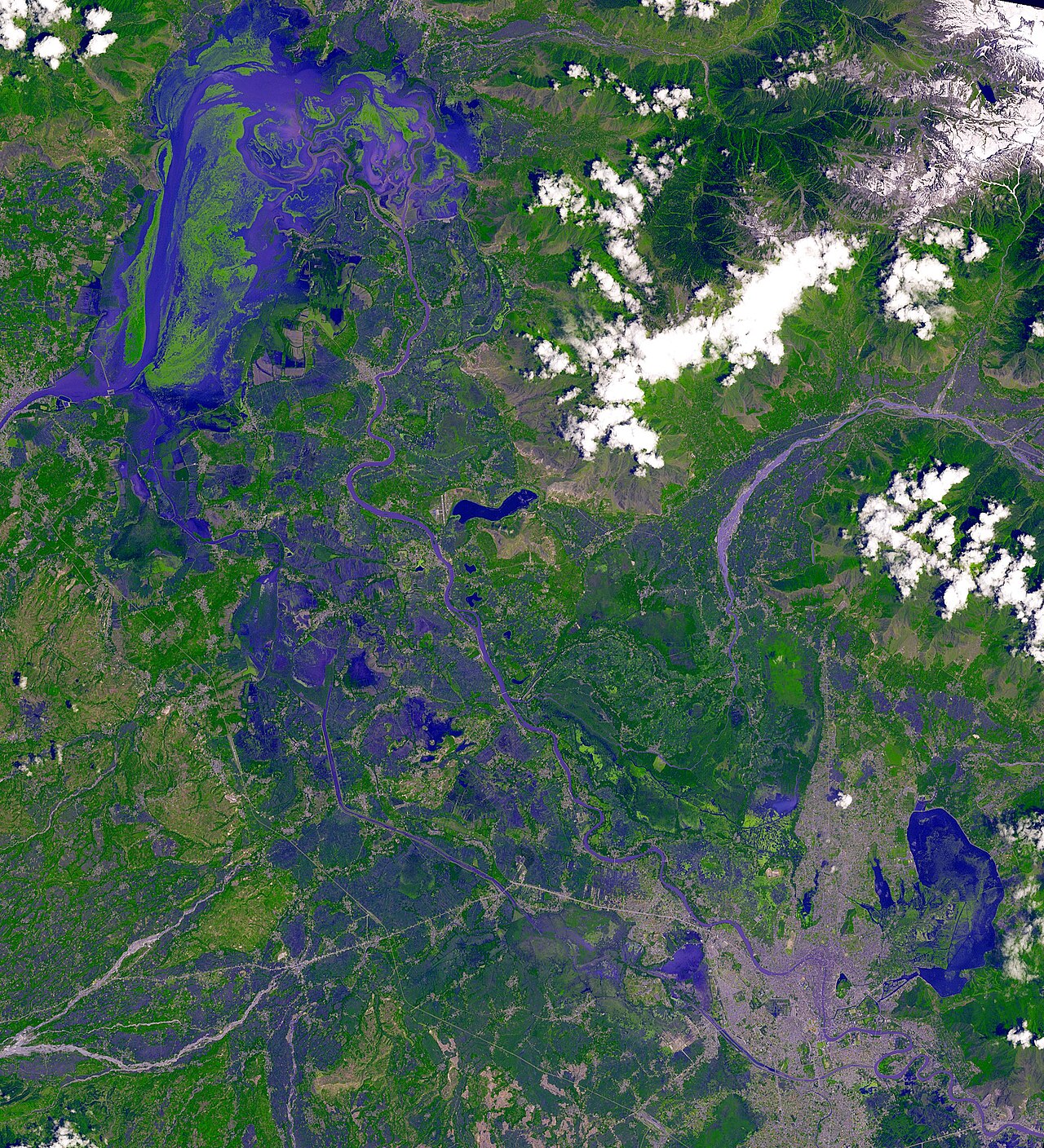
Because Manasbal sits conveniently on the lower northern route, many travellers combine it with a short drive further northwest to Wular Lake, one of Asia's largest freshwater lakes.
While Wular is vast, stormy, and wild compared to the sheltered stillness of Manasbal, seeing both in a single day provides a fascinating contrast between two of Kashmir's most significant aquatic ecosystems.
Relaxing at the Lakeside Willow Groves
Sometimes the best activity at Manasbal is doing nothing at all. The grassy banks beneath the massive willow trees on the eastern side offer shaded spots to sit for hours.
Local vendors occasionally wander past selling roasted water chestnut kernels, known locally as singhara, harvested directly from the lakebed. It is a wonderful way to wind down after a morning of walking.
Before you book
Manasbal Lake remains one of Kashmir's best-kept secrets precisely because it demands a quieter pace of travel. By skipping the motorboat noise and taking the time to pole through the lotus beds or inspect the Mughal ruins, you experience the valley the way it used to be.
Explore our detailed /destinations/kashmir/manasbal-lake guides or coordinate a custom day tour that connects Manasbal with /destinations/kashmir/srinagar and /destinations/kashmir/wular-lake through our /contact page.
Want to Add Manasbal to Your Kashmir Itinerary?
Let our local team arrange private transport and experienced guides for your peaceful day trip away from the city crowds.
Plan Your Day TripCaption for your own post
Gliding through the lotus beds at Manasbal Lake. Deeper, quieter, and entirely untouched by motorboat chaos. #ManasbalLake #KashmirOffbeat
Written by
Kashmir, Jammu & Ladakh specialists
We plan and run trips across Kashmir, Jammu and Ladakh every week of the year. Everything here comes from routes we drive, stays we inspect and questions our travellers actually ask.
Written after spending a quiet July morning on the water with local boatmen.
Quick answers
Questions we get asked
What makes Manasbal Lake different from Dal Lake in Srinagar?
Manasbal is much deeper, significantly quieter, and prohibits motorboats. It features extensive natural lotus beds and a peaceful rural shoreline devoid of commercial hustle.
When is the best time to see the lotus flowers at Manasbal?
July and August are the peak months when the pink lotus flowers bloom across the southern basin of the lake.
Can I hire a shikara directly at the lake?
Yes, local boatmen operate traditional wooden shikaras from the main ghats near Jarokha Bagh and Kondabal.
Is Manasbal Lake safe for family day trips?
Extremely safe. The lake area is peaceful, family-friendly, and easy to access via a smooth drive from Srinagar.
How long should I plan to stay at Manasbal Lake?
A half-day trip lasting three to four hours is ideal for boating, garden visits, and a leisurely lakeside lunch.
Photography credits
- Photo: Pronobeshng · CC BY-SA 4.0
- Photo: Billjones94 · CC BY-SA 4.0
- Photo: User:Deepak · CC BY-SA 3.0
- Photo: Deepank Ranka · CC BY-SA 4.0
- Photo: Drharleen · CC BY-SA 4.0
- Photo: John Burke · Public domain
- Photo: NASA/METI/AIST/Japan Space Systems, and U.S./Japan ASTER Science Team · Public domain