Where is Manasbal Lake Located?
A deep dive into the quietest corner of the Kashmir Valley.
Often overlooked for its famous neighbours, Manasbal Lake hides in plain sight within Ganderbal. Here is what you need to know about its location and history.
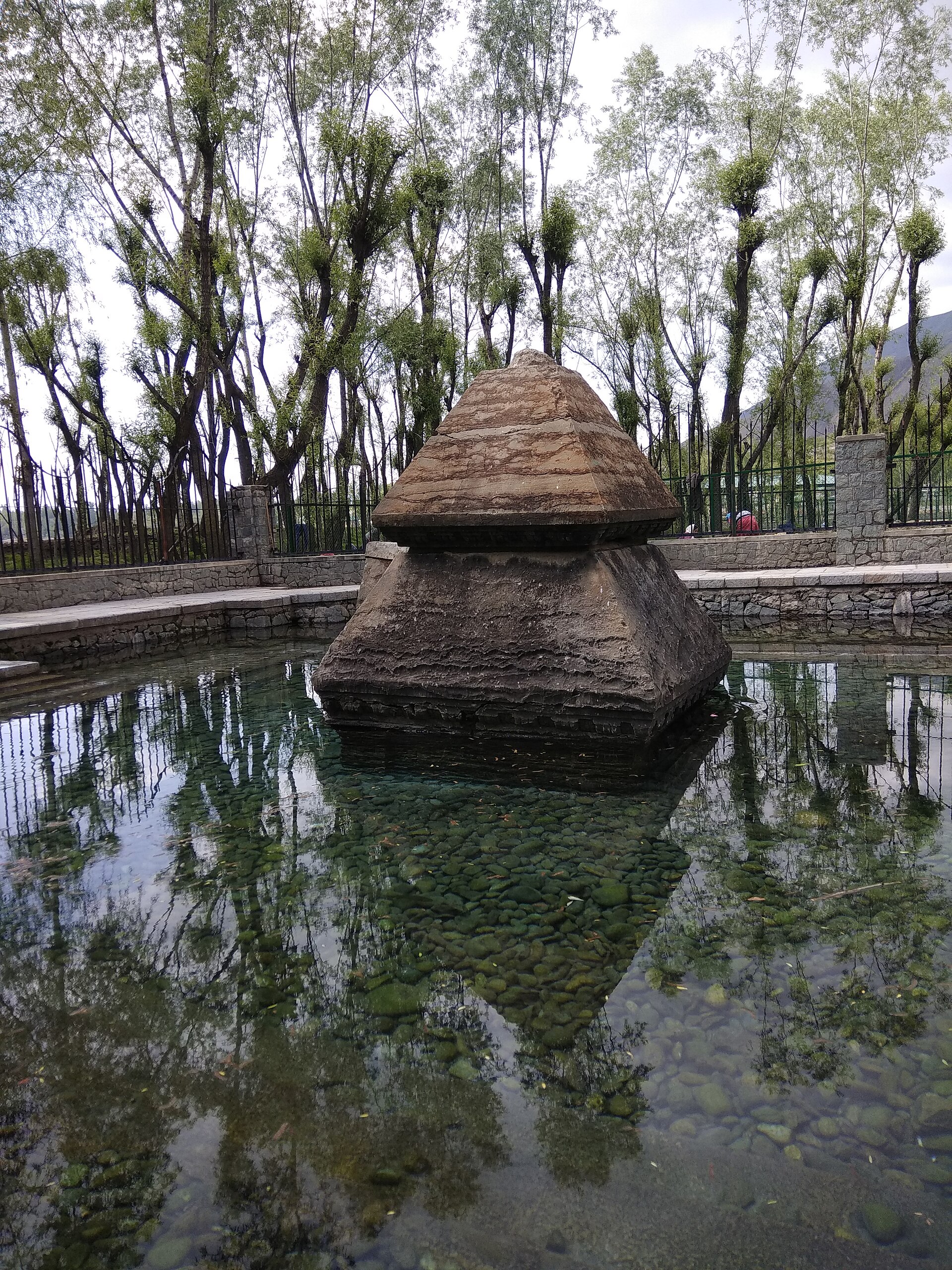
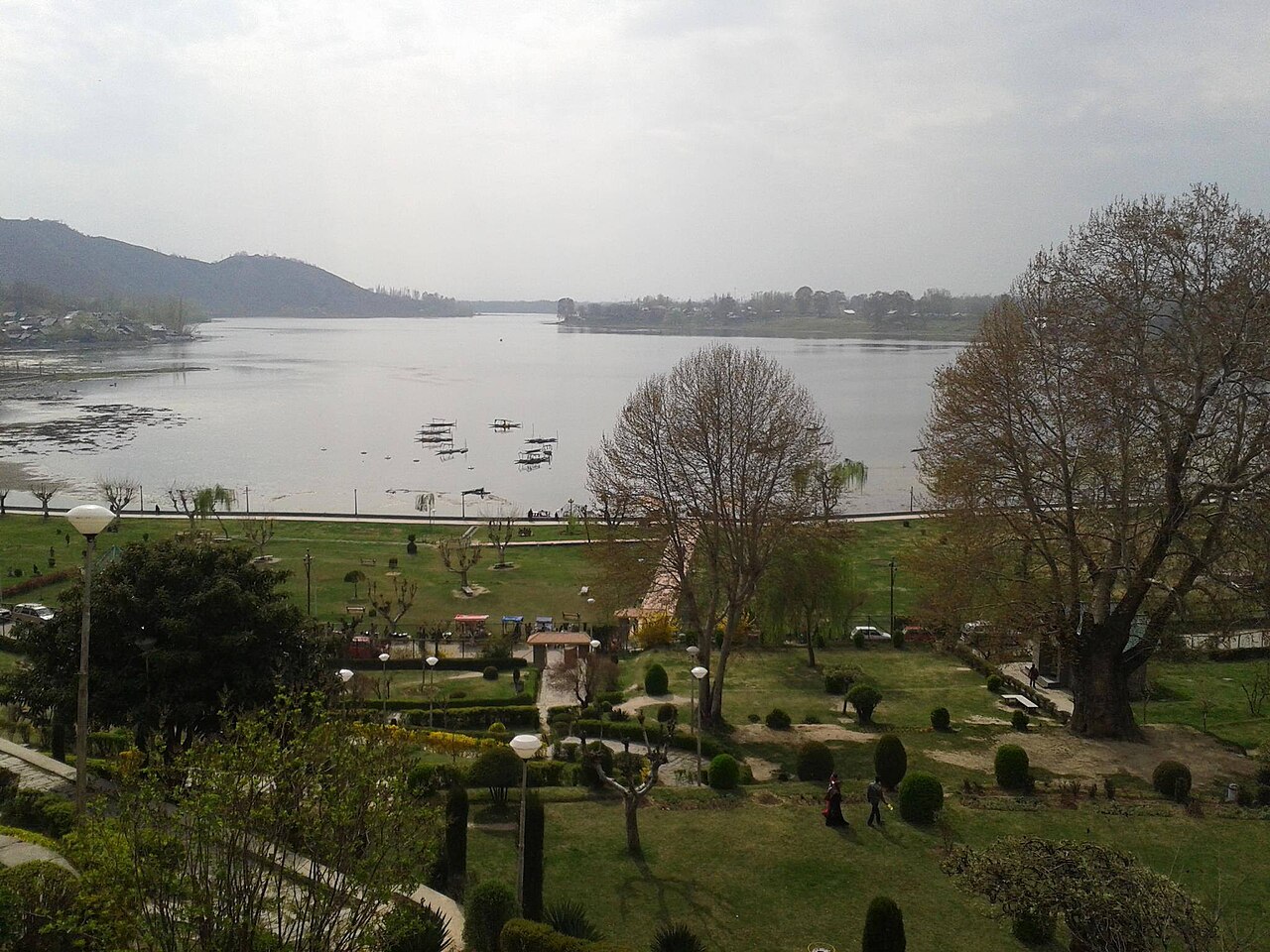
The serene waters of Manasbal Lake during the summer lotus season.Photo: Pronobeshng · CC BY-SA 4.0
When you leave Srinagar and head north toward the mountains, the traffic thins out surprisingly fast once you cross the Ganderbal boundary. Most travelers are fixated on the high-altitude passes or the meadows of Sonamarg, yet they drive right past a quiet turnoff that leads to one of the most serene water bodies in the valley.
If you have ever found yourself staring at a map of Kashmir wondering where is Manasbal Lake, you are not alone. It sits nestled in the lowlands, a world away from the commercial noise of Dal Lake. It is a place that rewards those who prefer stillness over spectacle.
Locating Manasbal in the Ganderbal District
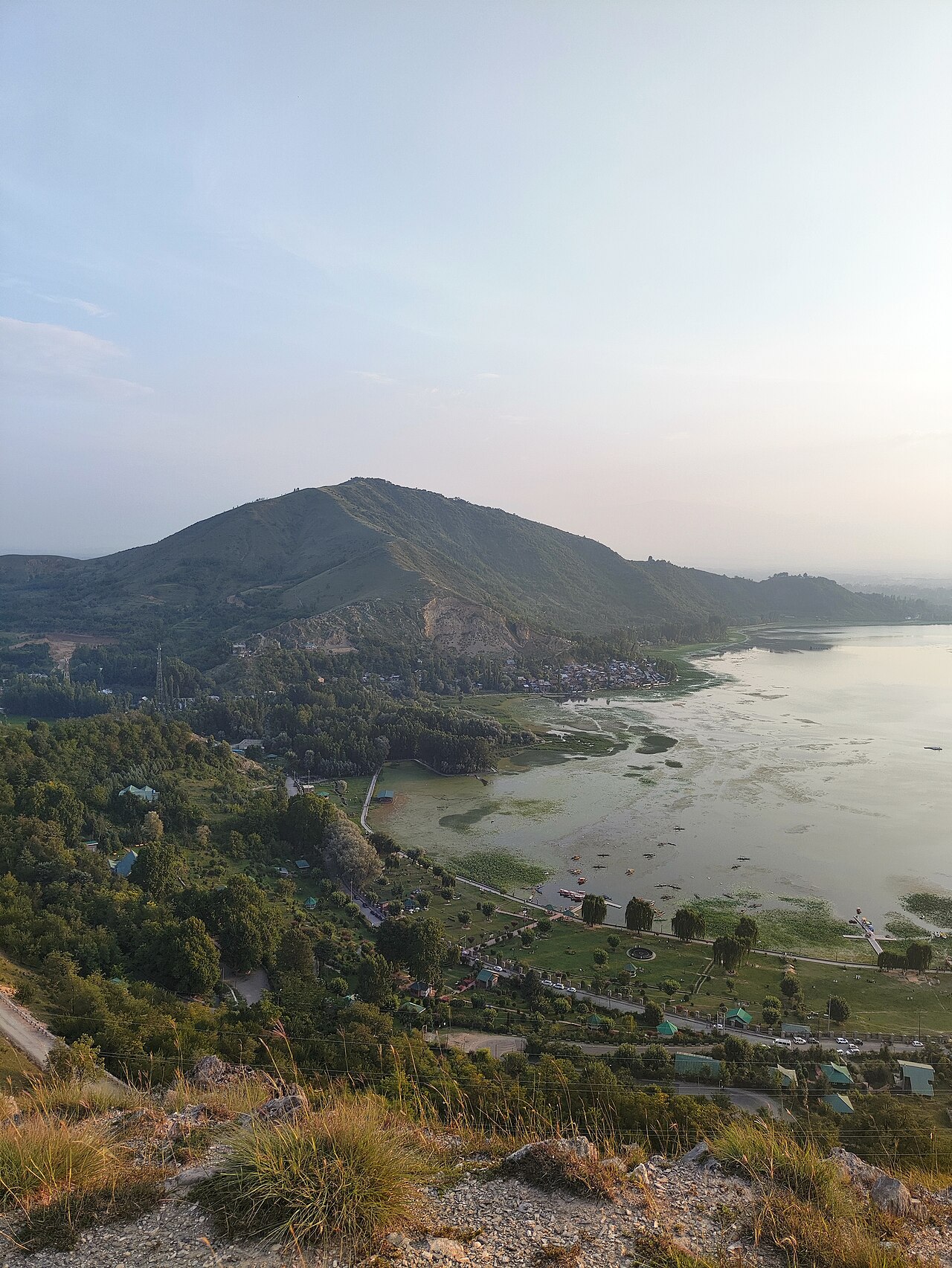
Manasbal Lake is situated in the Ganderbal district, roughly 30 kilometres from the centre of Srinagar. If you are staying in the city, the drive usually takes about an hour depending on local traffic, which can be unpredictable near the bridge crossings. It is a small, relatively compact water body that feels much more intimate than the expansive lakes found further north.
To find it, you follow the road toward the Safapora village. Unlike other tourist hubs that are signposted every few metres, the approach to Manasbal remains modest. You will know you are close when the road begins to run alongside the water, framed by poplars and willow trees. It is a lowland lake, sitting at an elevation that makes it accessible year-round, unlike high-altitude glacial pools that freeze over entirely for months.
The Deepest Waters in the Valley
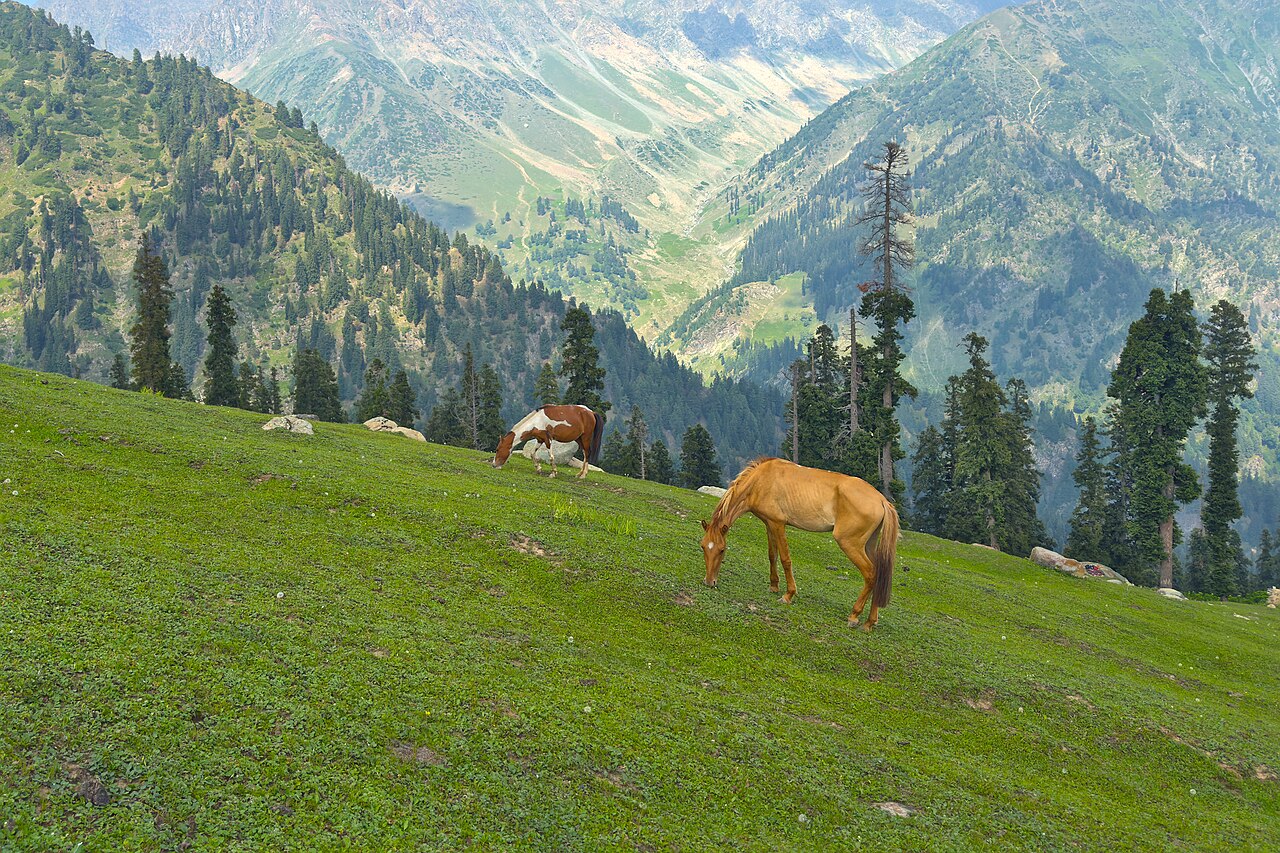
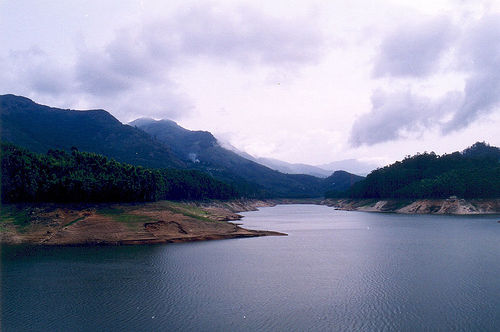
One of the facts that surprises most visitors is the Manasbal Lake depth. At its deepest point, it is reported to reach around 12 to 13 metres. This depth gives the water a dark, still quality that feels quite different from the bright, shallow transparency of other nearby lakes. Because it is so deep, it remains remarkably calm even when the afternoon breeze picks up in the surrounding plains.
When we take clients here, I often mention that the water clarity fluctuates with the season. In the height of summer, the lotus blooms cover large swathes of the surface, hiding the true depth of the basin. During the winter, the water settles into a glass-like state, reflecting the snow-dusted mountains of the surrounding Ganderbal district with perfect precision.
Historical Significance of the Lake Area
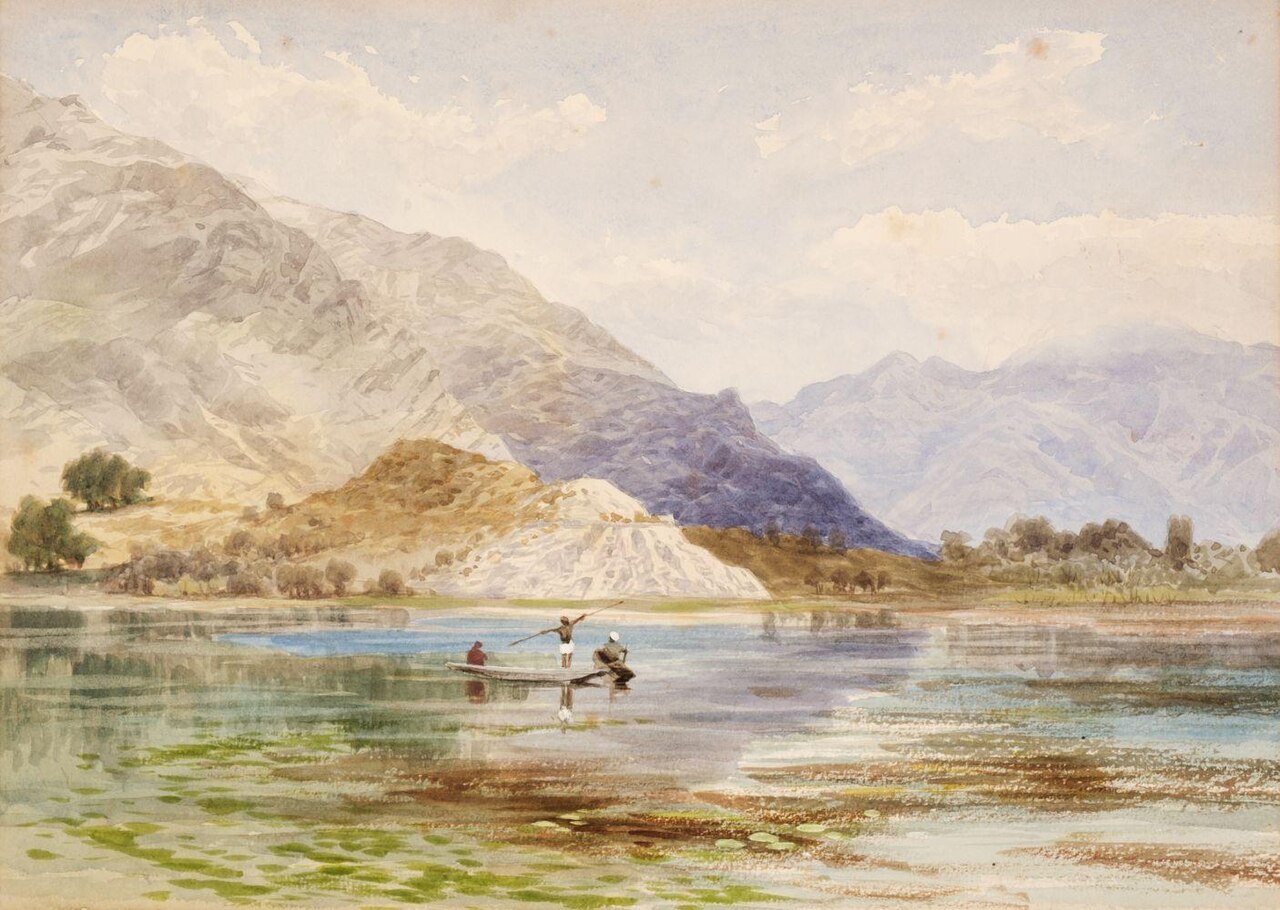
The history of Manasbal goes back much further than its current status as a quiet retreat. On the eastern shore, you can walk through the ruins of Jarokha Bagh, a Mughal garden built by Nur Jahan. While it lacks the manicured polish of Shalimar or Nishat, the skeletal remains of the stone pavilions provide a sense of scale that is fascinating to explore.
Walking through these ruins, you can see how the Mughals valued the strategic quiet of this spot. They used it as a transit point when travelling between the Kashmir Valley and the plains, favouring the lake for its privacy. Today, those ruins remain largely untouched by heavy renovation, allowing you to get a raw sense of the 17th-century architecture.
Understanding the Lake's Ecosystem
Manasbal is a vital ecological site, acting as a refuge for migratory birds and native aquatic plants. The lake is fed primarily by underground springs, which keeps the water circulation consistent throughout the seasons. This natural spring source is likely what allows the dense carpets of lotus flowers to thrive during the summer months.
We always remind visitors that the ecosystem here is sensitive. Because there is no major river inflow causing frequent siltation, the water remains cleaner than many other urban-adjacent lakes. Maintaining this balance is a primary concern for local conservationists, which is why we encourage visitors to stick to the designated boating zones.
Before you book
Manasbal Lake offers a glimpse of the Kashmir Valley that feels untainted by the rapid pace of modern tourism. Its geography makes it a fascinating deep-water basin, while its history tells the story of an era when emperors sought out this very silence.
If you are planning your trip and want to incorporate this quiet escape, get in touch with us at Skywale Packages. We can help you arrange a local driver who knows the best vantage points around the lake, away from the usual tourist stops.
Ready to visit the quieter side of Kashmir?
We know the best routes and local guides to make your visit to Manasbal Lake memorable and stress-free.
Contact our teamWritten by
Kashmir, Jammu & Ladakh specialists
We plan and run trips across Kashmir, Jammu and Ladakh every week of the year. Everything here comes from routes we drive, stays we inspect and questions our travellers actually ask.
Quick answers
Questions we get asked
Is Manasbal Lake safe to visit?
Yes, it is perfectly safe. It is a quiet, local spot that rarely sees the heavy crowds of other tourist areas, making it a peaceful destination for a half-day trip.
How do I reach Manasbal Lake from Srinagar?
You can hire a private taxi from Srinagar. The drive takes about one hour via the Ganderbal route. It is a straightforward journey through local village roads.
What is the best time to see the lotus flowers?
The lotus flowers are at their peak during July and August. You will find them covering the southern and eastern edges of the lake in dense, pink carpets.
Is there an entrance fee for the lake area?
There is a nominal entry fee for the main park area near the lake bank, which goes toward the maintenance and cleanliness of the waterfront facilities.
Can I stay overnight at Manasbal?
While there are limited guesthouses, most visitors treat Manasbal as a day trip from Srinagar. If you prefer quiet, there are basic options available near the bank.
Photography credits
- Photo: Pronobeshng · CC BY-SA 4.0
- Photo: User:Deepak · CC BY-SA 3.0
- Photo: UnpetitproleX · CC BY 4.0
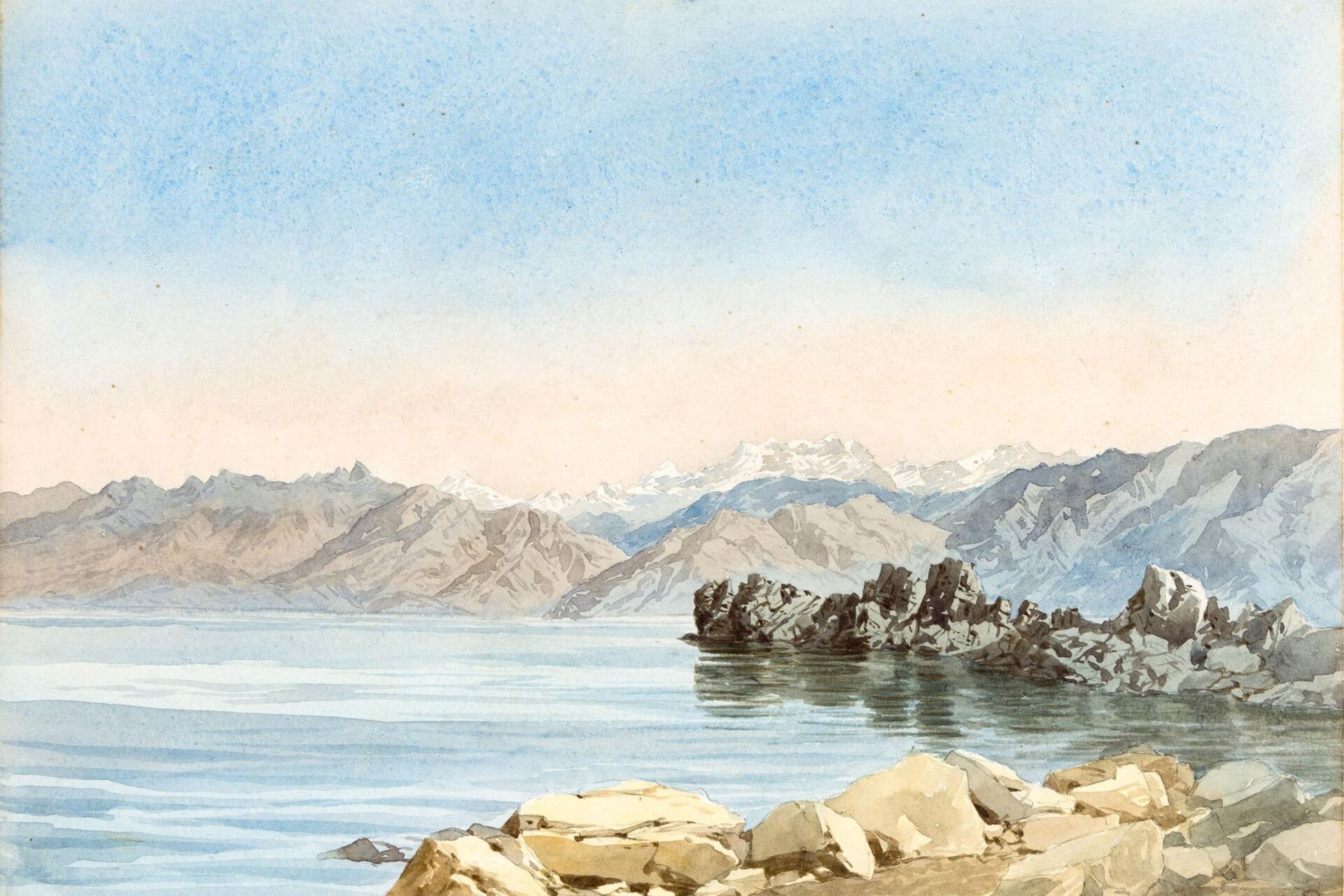
- Photo: Colonel George Strahan (1839 – 7 January 1911) · Public domain
- Photo: BiyingTram · CC BY 4.0
- Photo: Asif.mirr201 · CC BY-SA 3.0
- Photo: MODIS Land Rapid Response Team, NASA GSFC · Public domain