Manasbal vs Wular Lake: Which Should You Visit?
Choosing between Kashmir's most contrasting water bodies.
It is a common question: are Manasbal and Wular the same? Far from it. We compare these two distinct lakes to help you decide which fits your Kashmir itinerary.
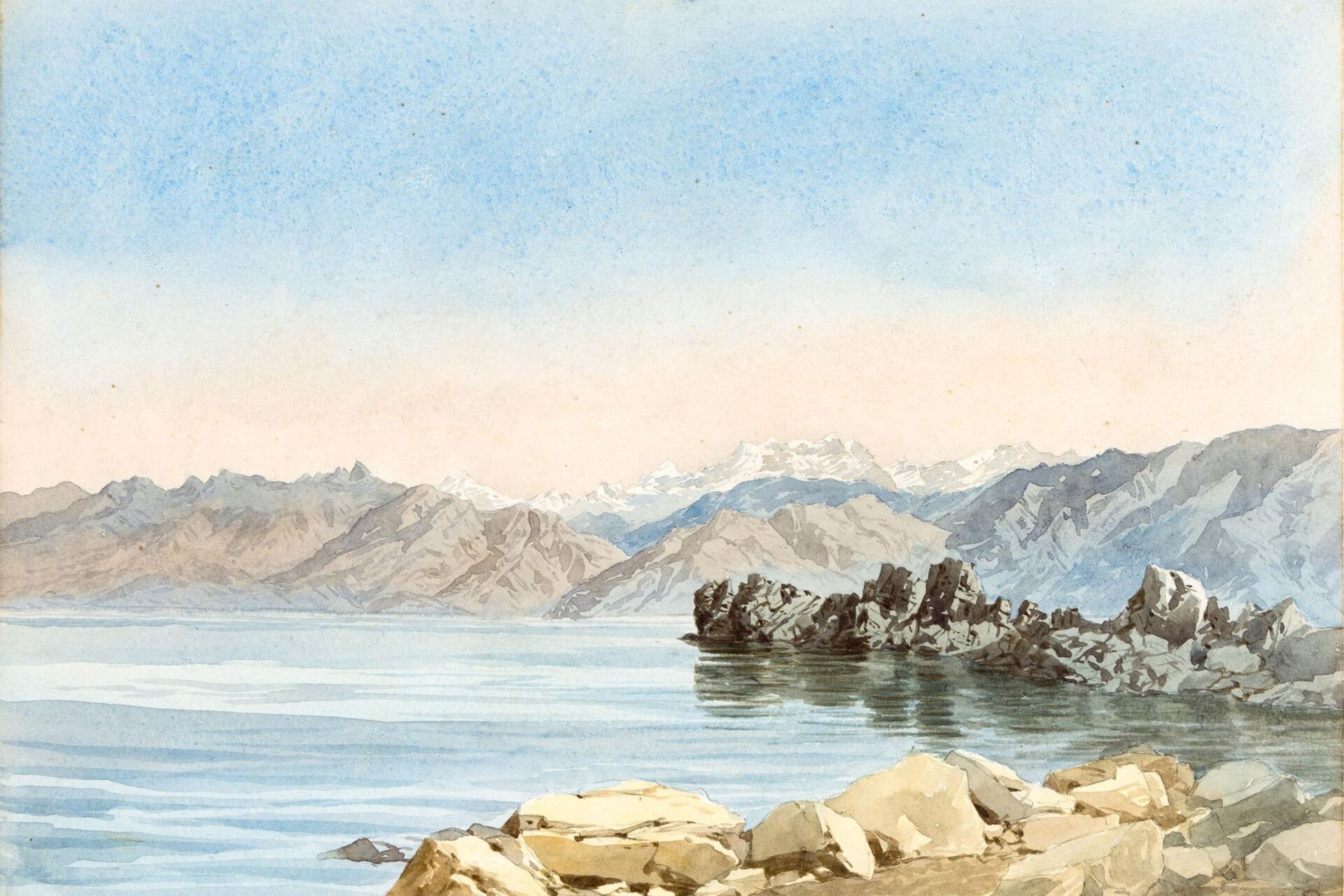
The massive expanse of Wular Lake, one of the largest in Asia.Photo: Colonel George Strahan (1839 – 7 January 1911) · Public domain
When I talk to travellers about their plans, the conversation often hits a snag when they see two major lakes on the map. People frequently ask if Manasbal and Wular Lake are essentially the same thing, or if they are just two names for one giant water body. The answer is simple: they are worlds apart, both in geography and in the kind of experience they offer.
If you are looking at a map of Kashmir and weighing a visit, the comparison between Manasbal vs Wular lake comes down to whether you want to navigate a massive, inland sea or drift across a small, meditative pond. Both are beautiful, but they serve very different moods.
The Size and Scale of Wular Lake
Wular Lake is, without question, the giant of the bunch. It is one of the largest freshwater lakes in Asia, and standing on its shore can feel like looking out at a coastline rather than a lake. The scale of Wular is humbling; it is an expansive, wide-open space that changes moods with the wind. Because of its sheer size, the waters here are often rougher, with waves that can rival small coastal bays during the afternoon.
Wular is also central to the life of the local communities. Thousands of families rely on it for fishing and water chestnut harvesting. It is not a place you come to for a quiet, private boat ride. Instead, it is a place of industry, scale, and raw power. When we visit, it is usually to observe the vast horizon and the sheer volume of water that sustains so much of the valley's irrigation.
The Quiet Beauty of Manasbal Lake
If Wular is the ocean, Manasbal is the intimate garden. It is tiny in comparison, almost entirely enclosed by gentle slopes and village orchards. The water here is deep and unnervingly clear, particularly in the early morning before the boats begin to stir the silt. It is a place for slow movement—rowing a small shikara through the lily pads and watching the reflection of the clouds in the glassy surface.
The experience of Manasbal is personal. You aren't watching a sprawling vista; you are looking at the details: the way the lotus blooms, the birds nesting in the reeds, and the old Mughal ruins peeking out from the trees. It is arguably the best place in the region to sit for a few hours with a book or a thermos of tea without being interrupted by the hum of tourist motors.
Ecological Importance of Both Sites
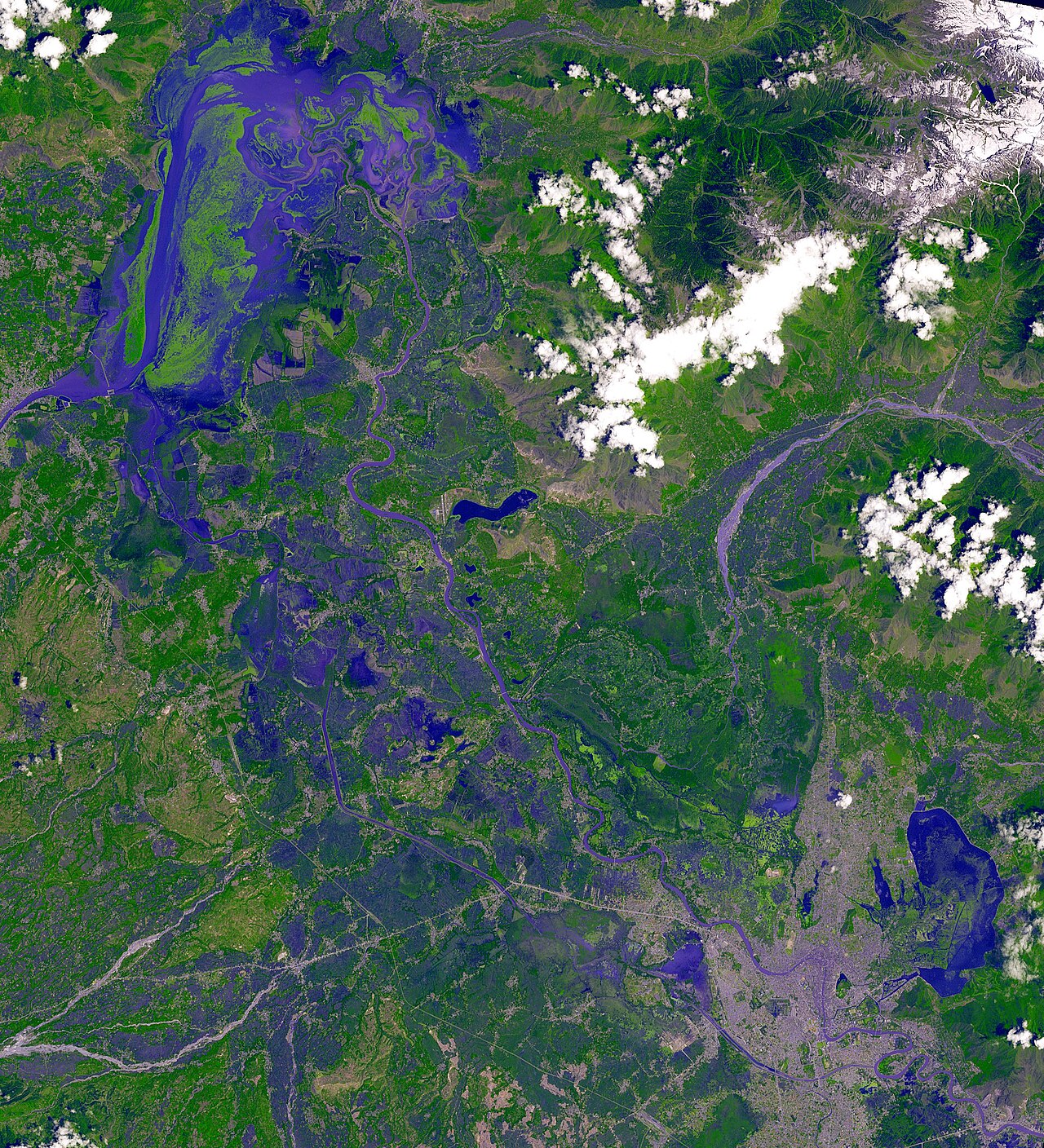
Both lakes are vital, but their ecological roles differ. Wular Lake acts as a massive flood absorption basin for the Jhelum River. It is a natural shock absorber for the valley, regulating water levels and protecting the downstream areas. Its health is tied to the survival of the valley's agriculture, making it a critical, albeit often under-managed, asset.
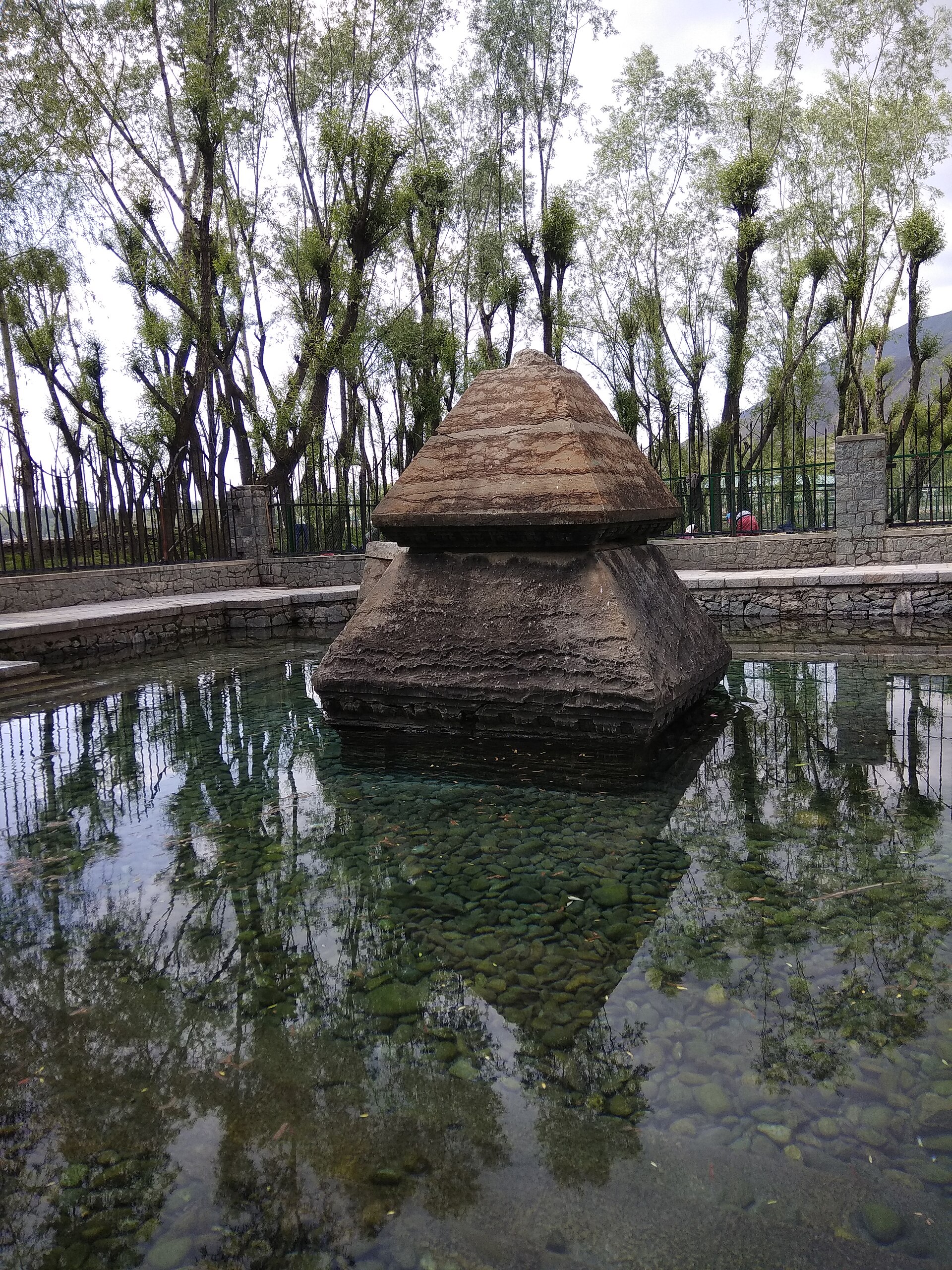
Manasbal, by contrast, is a self-contained ecosystem fed by deep-seated springs. It is a refuge for biodiversity, particularly for waterbirds that favour its calm, undisturbed shallows. While Wular is a broad, open expanse, Manasbal is a protected bowl that maintains its own internal chemistry. Both are essential, but one is a workhorse while the other is a sanctuary.
Which One Should You Include in Your Trip?
Deciding between the two depends on what you want from your day. If you want to witness the sheer grand scale of Kashmir's geography and are interested in the life of the fishing communities, head to the edges of Wular. It is a long journey, often requiring a full day, and you should be prepared for the wind.
If you want a quiet, half-day excursion that fits easily into a trip from Srinagar, pick Manasbal. It is easier to navigate, closer to the city, and far more peaceful. For those with limited time, Manasbal is almost always the better choice. It is a lower-stress environment that doesn't demand a full logistical plan to enjoy.
Before you book
There is no need to pit these two against each other, as they serve different purposes in the landscape of Kashmir. Whether you are drawn to the expansive, rugged nature of Wular or the intimate, serene depths of Manasbal, both are worth experiencing.
If you are having trouble choosing the right logistics for your trip, reach out to us at Skywale Packages. We can help you tailor your schedule so you see the side of Kashmir that actually appeals to you, rather than just the tourist hotspots.
Still deciding which lake fits your itinerary?
We specialise in custom Kashmir itineraries and can help you weigh the pros and cons of visiting these unique sites.
Get custom travel adviceWritten by
Kashmir, Jammu & Ladakh specialists
We plan and run trips across Kashmir, Jammu and Ladakh every week of the year. Everything here comes from routes we drive, stays we inspect and questions our travellers actually ask.
Quick answers
Questions we get asked
Is Wular Lake better for boating than Manasbal?
Manasbal is much better for a leisurely boat trip. Wular can have strong winds and rough waters, making it less predictable for casual visitors.
How long does it take to visit Wular Lake?
Visiting Wular is a full-day commitment. You should allocate at least 6-8 hours for travel and exploration, whereas Manasbal can be done in 3-4 hours.
Are both lakes in the same district?
Wular spans across Bandipora and Baramulla, while Manasbal is located in the Ganderbal district. They are in different geographical zones.
Which lake is cleaner?
Manasbal is generally perceived as clearer and more pristine due to its smaller size and lack of heavy commercial fishing traffic compared to Wular.
Can I see lotus flowers at both lakes?
Lotus flowers are iconic to Manasbal. While you might find patches of vegetation at Wular, the concentrated, scenic lotus fields are a hallmark of Manasbal.
Photography credits
- Photo: Colonel George Strahan (1839 – 7 January 1911) · Public domain
- Photo: Pronobeshng · CC BY-SA 4.0
- Photo: Ethanhunt47 · CC BY-SA 4.0
- Photo: NASA/METI/AIST/Japan Space Systems, and U.S./Japan ASTER Science Team · Public domain
- Photo: Dvellakat · CC BY-SA 4.0
- Photo: AdilAru · CC BY-SA 3.0
- Photo: User:Deepak · CC BY-SA 3.0