Things to Do in Kokernag: Exploring the Seven Springs
A practical guide to South Kashmir's water garden town, from trout farms to quiet forest roads.
Discover the best things to do in Kokernag, featuring the seven-outlet springs, vast botanical gardens, Asia's largest trout farm, and nearby mountain tracks.
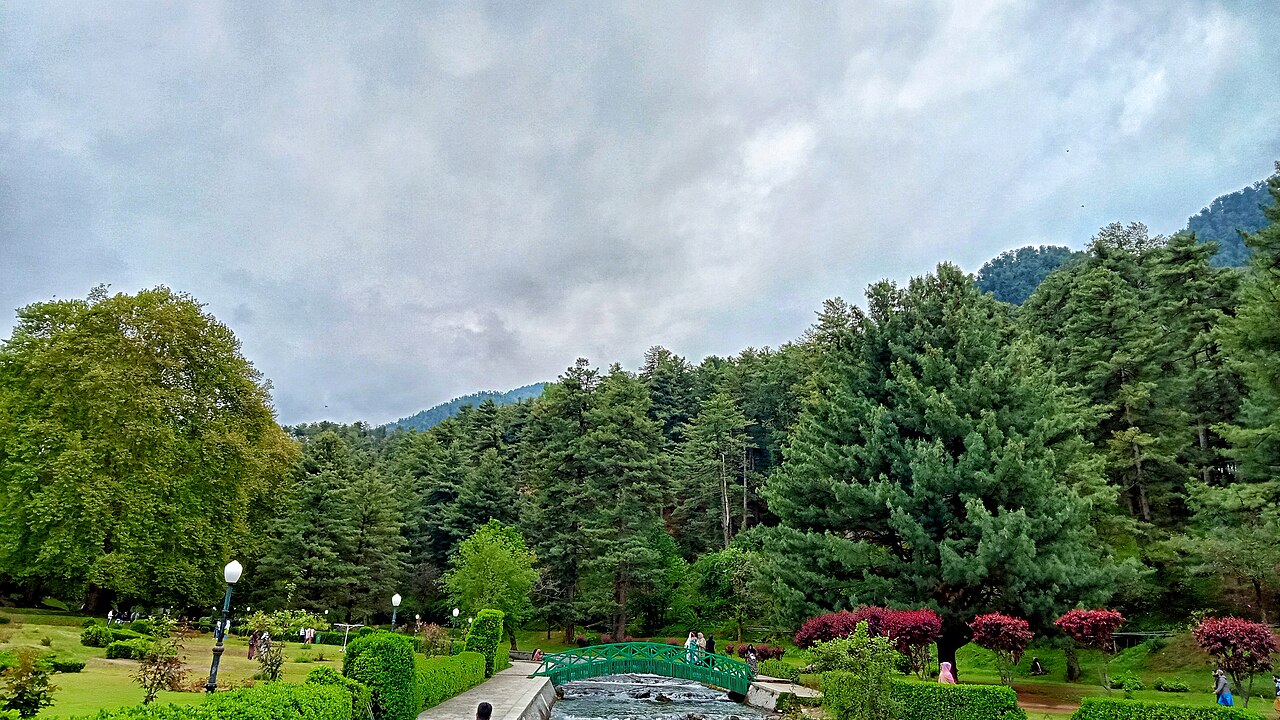
The lush valley surrounding the famous springs of Kokernag.Photo: KahkashaaN · CC BY-SA 4.0
The water here does not rush; it wells up from limestone rock with a steady, heavy murmur that you can hear before you reach the gates. Most travellers rush straight from Srinagar to Pahalgam or Gulmarg, passing right through the Anantnag district without dropping gear. That oversight leaves towns like Kokernag delightfully quiet.
When you start looking into kokernag things to do, you find a place defined by cold springs, old willow trees, and the smell of damp earth mixed with woodsmoke. I first came here on a Tuesday in July when the plains were baking at forty degrees. Stepping out of the taxi into the shadow of the Pir Panjal foothills felt like opening a cellar door.
This guide covers how to spend a few unhurried days here, walking the botanical gardens, inspecting the state trout farm, and using the town as a base for higher valley roads.
Walking the Kokernag Botanical Gardens
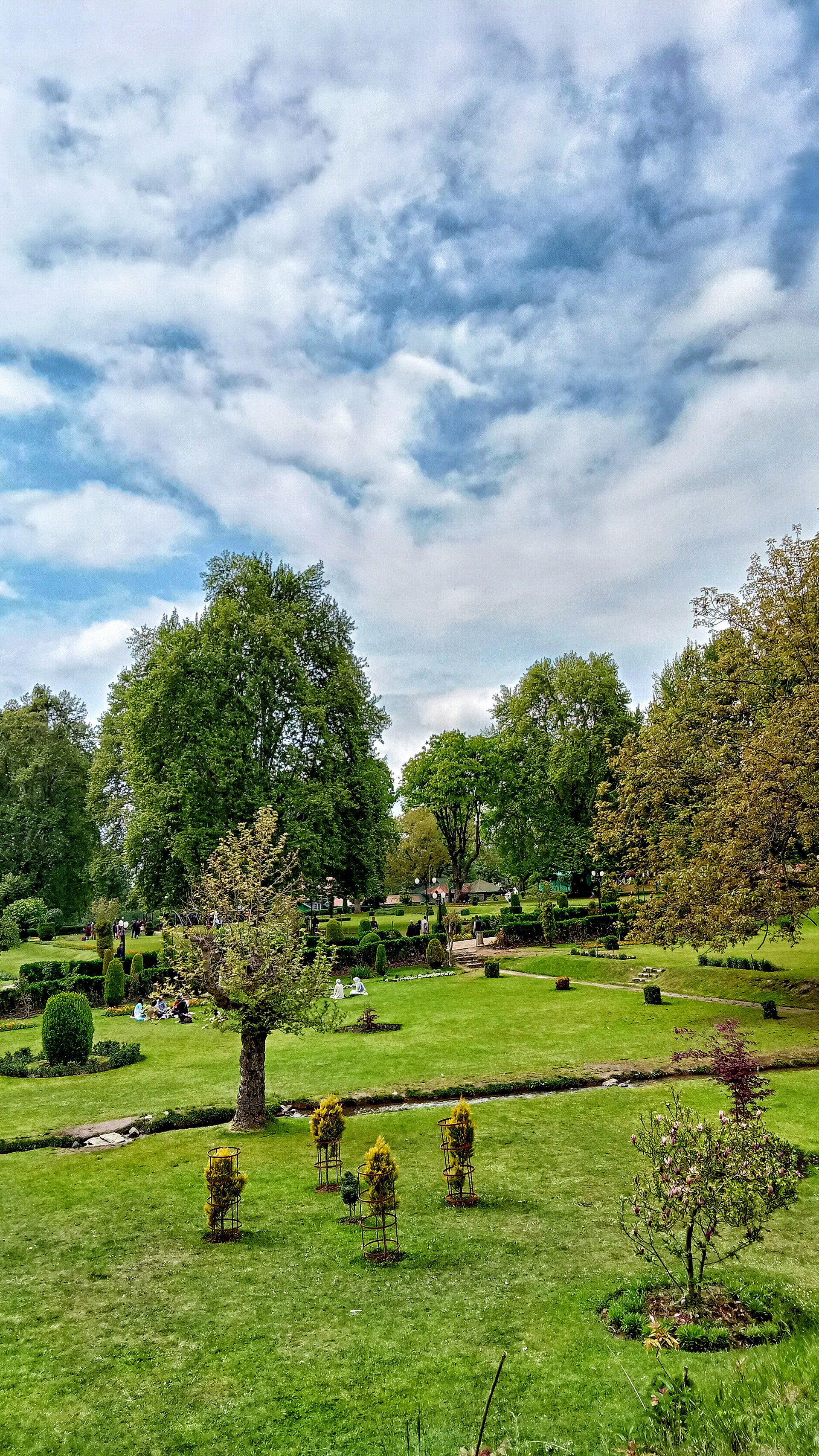
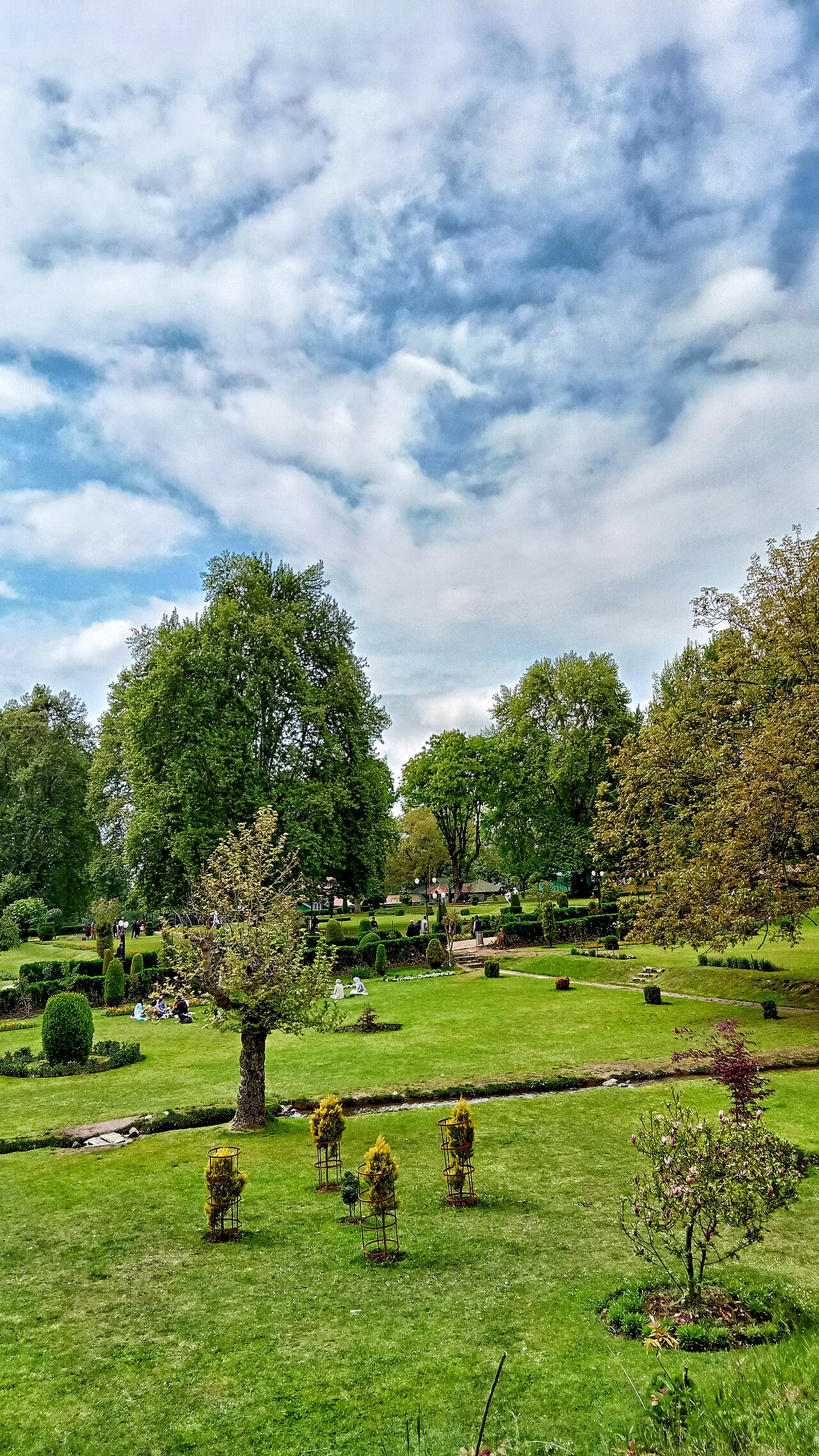
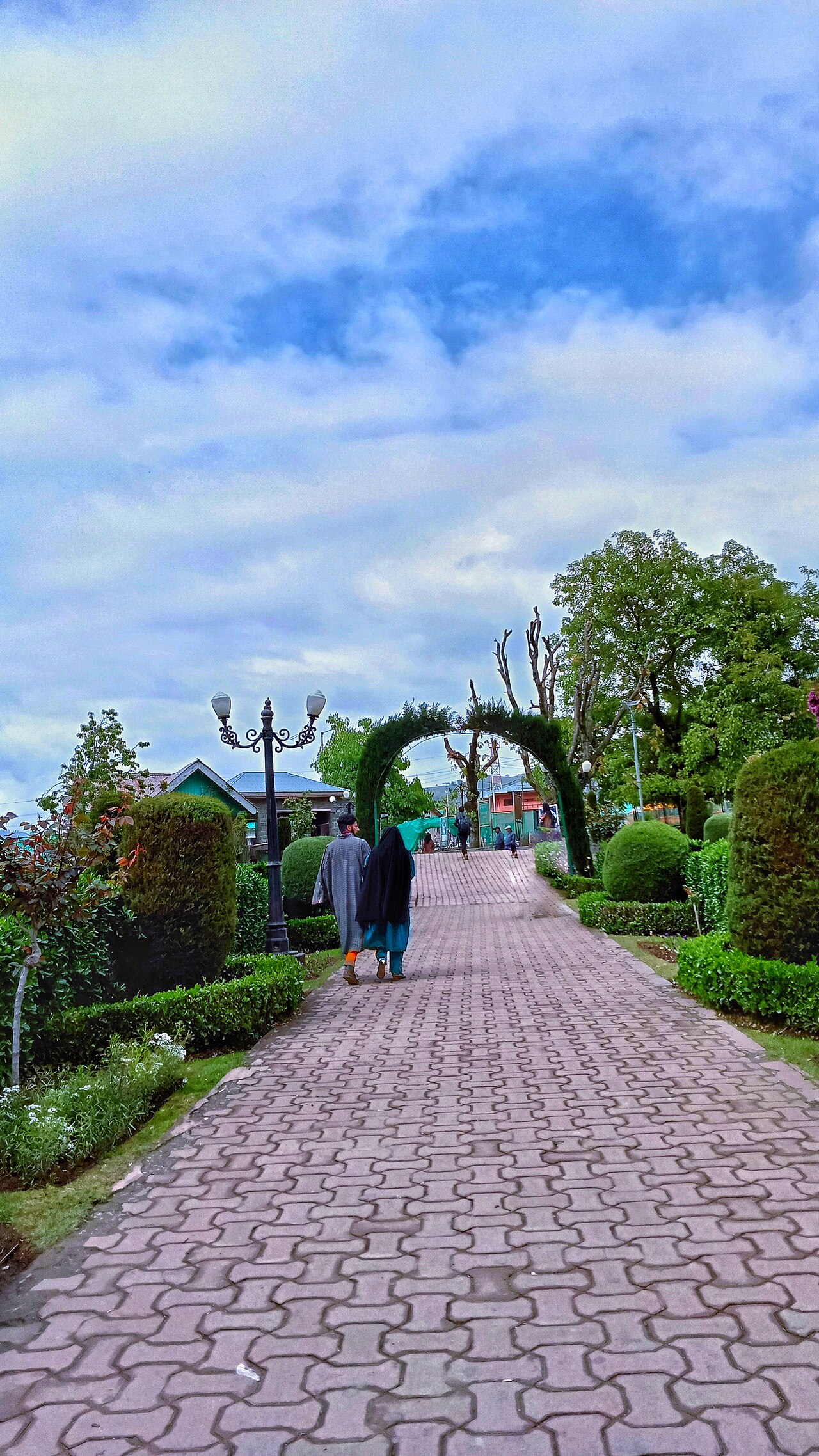
The main garden spreads across hundreds of acres right at the foot of the ridge. It is not manicured in the strict European fashion, nor is it purely wild. Instead, you get broad lawns shaded by towering chinar trees, rose beds that peak in June and July, and long gravel paths that stay cool even at midday.
Walking here requires no map. You simply follow the brick-lined channels where spring water flows away from the source. Local families often spread blankets under the chinar branches, bringing flasks of noon chai and homemade roath bread.
If you visit in the morning around eight, the light cuts through the mist rising off the irrigation channels. You will likely share the paths only with gardeners tending the flowerbeds and a few stray dogs sleeping near the ticket booth.
The Seven-Outlet Spring Experience
The defining feature of the town is the spring itself, known locally as Kokernag, which translates roughly to the shape of a chicken's neck. The water emerges from the base of the forested hill through seven distinct outlets, though most visitors gather around the main retaining wall to watch the sheer volume of water gush out.
This is mineral-rich water, cold enough to make your teeth ache if you cup your hands and drink straight from the outflow. Local belief holds that the water has medicinal properties, particularly for digestion. Whether or not that draws you in, the sheer clarity of the pool is hypnotic.
You can spend an hour just watching trout dart against the current near the grates. Photographers will want to catch the midday sun when it hits the sandy bottom of the pools, creating turquoise highlights through the ripples.
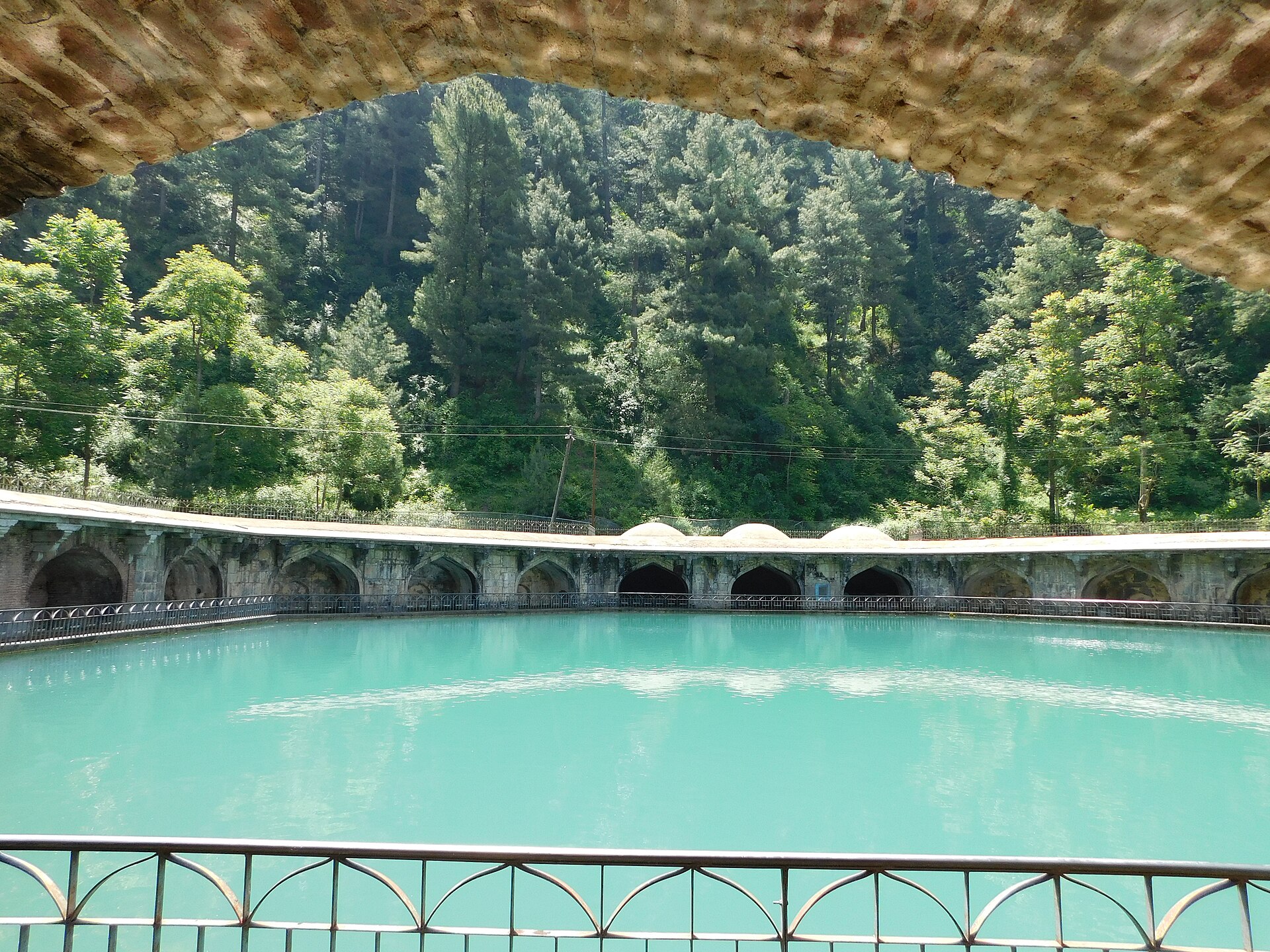
The water emerges from the base of the forested hill through seven distinct outlets, crystal clear and freezing cold.
Visiting the State Trout Farm
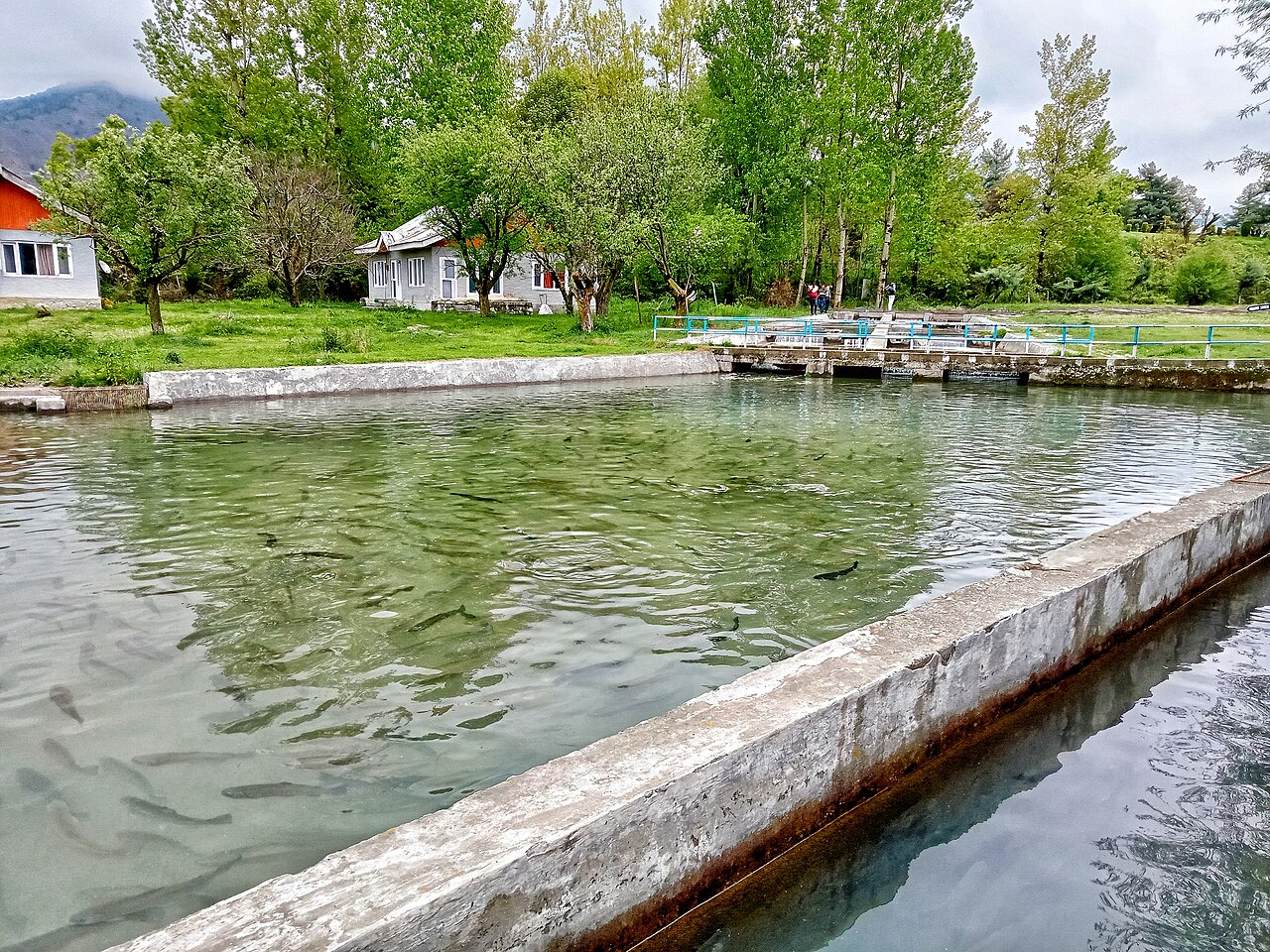
Just a short walk from the botanical garden entrance lies Asia's largest trout farm. Fed directly by the icy runoff from the Kokernag springs, the terraced concrete ponds hold hundreds of thousands of brown and rainbow trout at various stages of growth.
Walking down the concrete partitions, you can watch schools of fish churn the water into white foam whenever the keepers toss in feed pellets. It is an industrial operation disguised as a serene riverside walk, and it offers a fascinating look at regional aquaculture.
Most visitors do not realise you can buy fresh trout here if you have a kitchen handy, though most people prefer to walk over to one of the nearby dhabas where cooks will fry a freshly caught fish over wood coals with local spices.
Where to Eat Fresh Trout
Right outside the farm gates, three or four small open-air stalls grill fish to order. You pick your trout from the tank, they weigh it, slash the skin to rub in salt, red chilli, and carom seeds, and drop it onto an iron tawa.
Expect to pay roughly four to six hundred rupees depending on the weight. Eat it hot with thin parathas while sitting on a wooden bench overlooking the stream.
A Quiet Afternoon at the Mughal Resthouse
History lingers quietly in Kokernag, far from the crowds that swarm the Shalimar and Nishat gardens in Srinagar. The old Mughal-era resthouse sits on slightly higher ground, offering a broad view across the valley floor and the surrounding orchards.
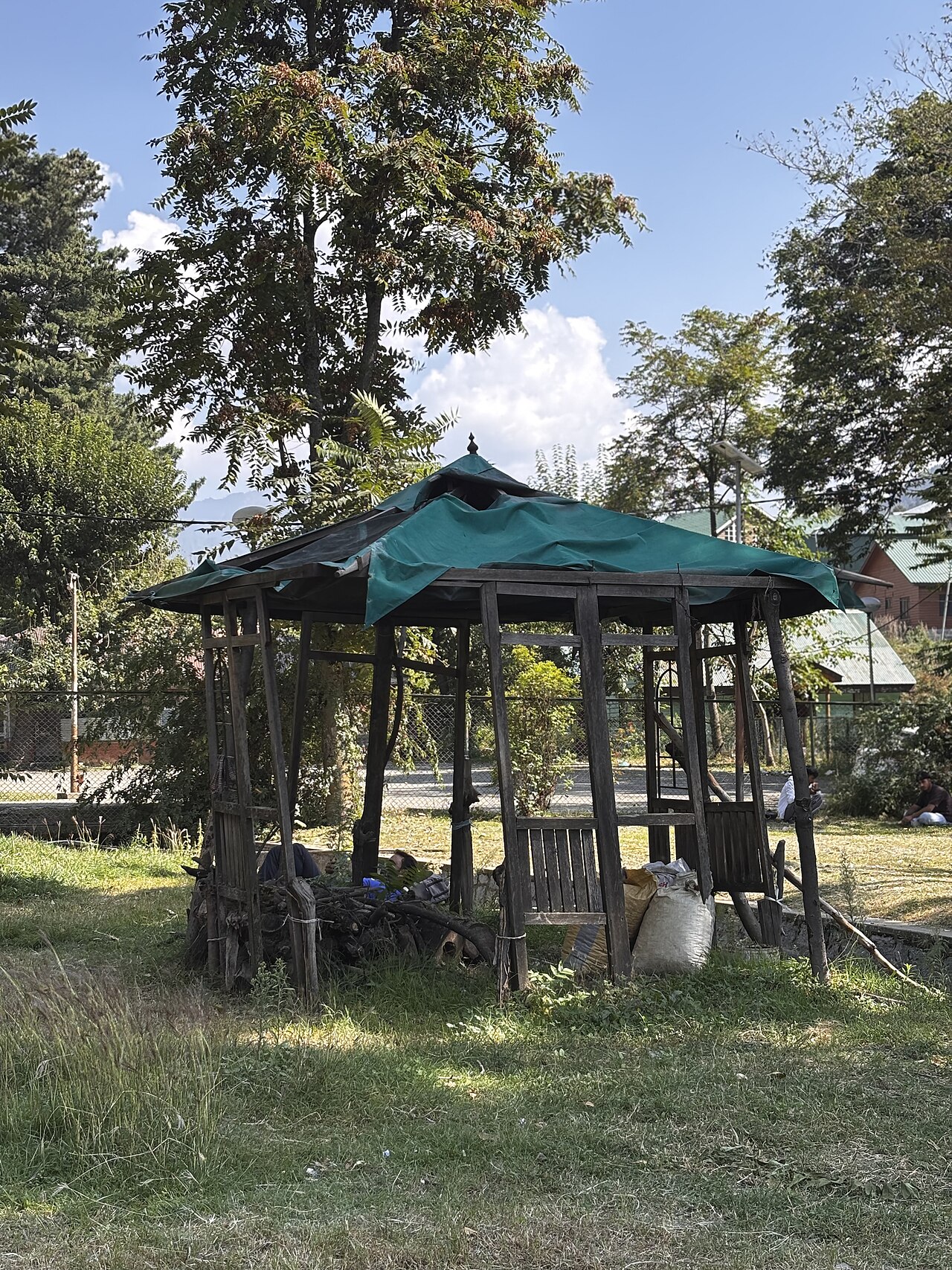
While you cannot always go inside the heritage rooms without prior permission from the forest department, the lawns outside are accessible. Sitting under the old fruit trees here gives you a sense of how the imperial court viewed these mountain retreats.
Bring a book and a jacket, as the mountain breeze picks up sharply by three in the afternoon, even in the middle of July.
Day Trips from Kokernag: Achabal, Verinag, and Daksum
Kokernag makes an ideal base for exploring the wider wonders of South Kashmir without changing hotels every night. Heading west brings you to Achabal in twenty minutes, where another historic garden sits below a massive limestone cliff.
Further south lies Verinag, the official source of the Jhelum River, enclosed by an octagonal brick arcade built by Emperor Jahangir. The water here is deep emerald green and impossibly clear.
If you prefer mountain passes to royal gardens, drive east toward Daksum and the Sinthan Top road. The landscape shifts rapidly from terraced apple orchards to dense pine forests and rocky alpine meadows.
- Achabal: 20 minutes west by shared cab, famous for terraced fountains.
- Verinag: 45 minutes south, the octagonal stone basin marking the Jhelum source.
- Daksum: 30 minutes east, a narrow gorge leading up toward high pine forests.
Planning Your Visit: Practical Logistics
Reaching Kokernag is straightforward if you hire a private cab from Srinagar, which takes roughly two hours via the National Highway and the Anantnag-Achabal bypass. Shared cabs are also available from Anantnag railway station or general bus stands.
Accommodation ranges from government tourist bungalows managed by JK TDC to private guesthouses and a few luxury cottage resorts popping up near the trout farm. Booking ahead is wise if you arrive during the peak summer holiday months of June and July.
Mobile connectivity can be patchy depending on your carrier; postpaid J&K connections work best, while prepaid tourist SIM cards often face activation delays.
Before you book
Kokernag demands a slower kind of travel. It is not a place to tick off fifty sights in an afternoon, but rather a spot to sit by a rushing stream, eat fresh trout under a chinar tree, and watch the shadows lengthen across the Pir Panjal range.
If you are planning a journey through South Kashmir and want help piecing together a route that includes these quieter corners, feel free to reach out to our team based right here in Srinagar.
Ready to Explore South Kashmir?
Let our local team design a custom itinerary that takes you beyond the usual tourist stops and straight into the heart of Kokernag.
Get in TouchCaption for your own post
Morning light filtering through the chinar trees at the Kokernag botanical gardens. No rush, just cold spring water and mountain air.
Written by
Kashmir, Jammu & Ladakh specialists
We plan and run trips across Kashmir, Jammu and Ladakh every week of the year. Everything here comes from routes we drive, stays we inspect and questions our travellers actually ask.
Written after spending three quiet July days based out of the Daksum and Kokernag forest resthouses.
Quick answers
Questions we get asked
How much is the entry fee for the Kokernag botanical garden?
Entry fees are nominal, typically around twenty to thirty rupees per person, with a small additional charge if you bring a camera or vehicle inside the gates.
Can I swim in the Kokernag springs?
No, swimming is strictly prohibited in the main spring outlets to protect the water source and the aquaculture downstream at the trout farm.
How long should I stay in Kokernag?
Two days is ideal. It gives you one full day to explore the town, springs, and trout farm, and a second day to take a trip out to Daksum or Verinag.
Is Kokernag suitable for family trips with children?
Yes, the wide flat lawns, shaded walking paths, and open spaces make it exceptionally family-friendly and safe for kids to run around.
Photography credits
- Photo: KahkashaaN · CC BY-SA 4.0
- Photo: SHYAMAL CHANDRA GHOSH · CC BY-SA 4.0
- Photo: KahkashaaN · CC BY-SA 4.0
- Photo: Suhayl091 · CC BY-SA 4.0
- Photo: Suhayl091 · CC BY-SA 4.0
- Photo: Suhayl091 · CC BY-SA 4.0
- Photo: Suhayl091 · CC BY-SA 4.0