The Best Time to Visit Kokernag
A seasonal breakdown of when the roses bloom, the springs run high, and the mountain air turns crisp.
Find the best time to visit Kokernag for garden lovers, from the spring rose blooms in May to the cool mountain escapes of peak summer.
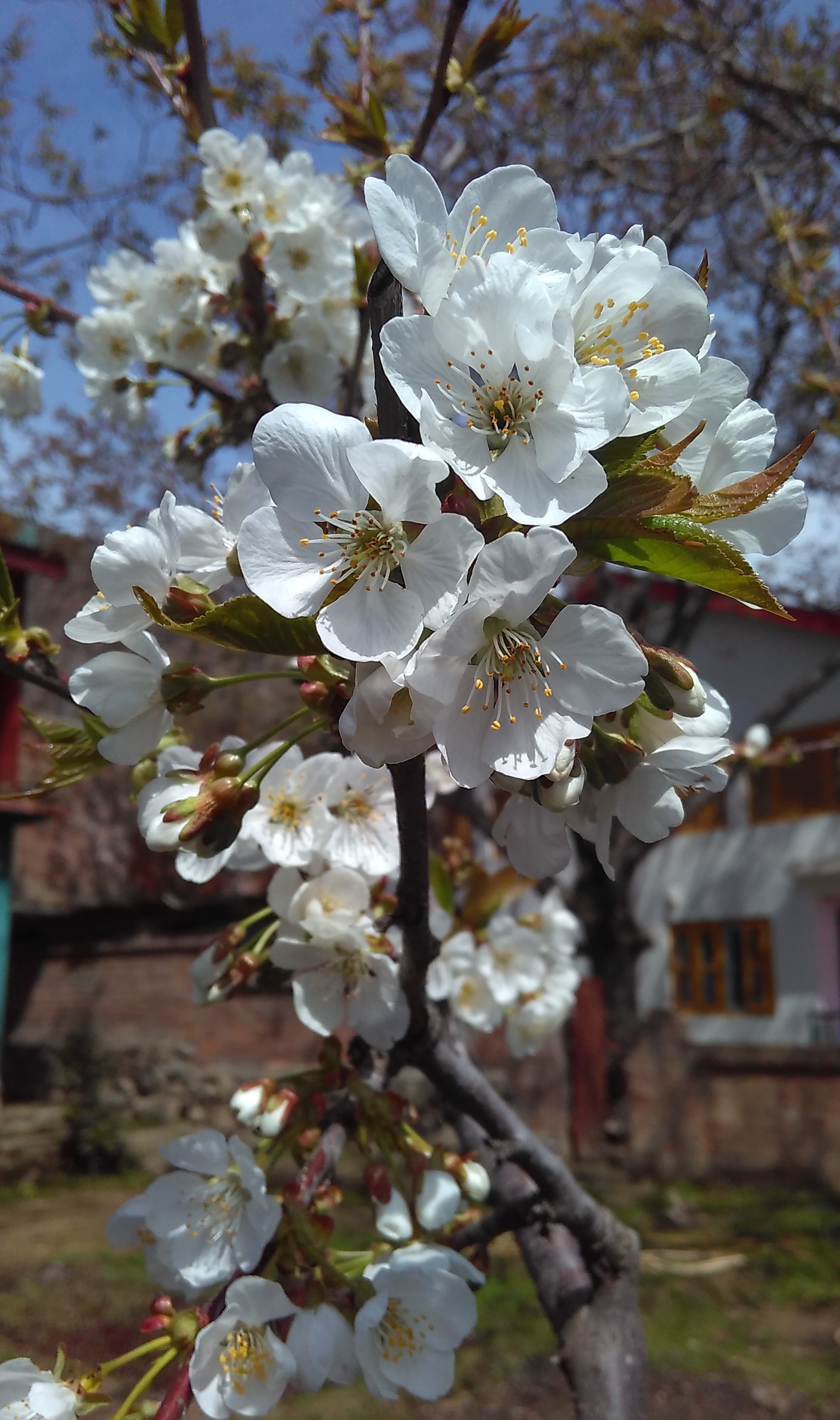
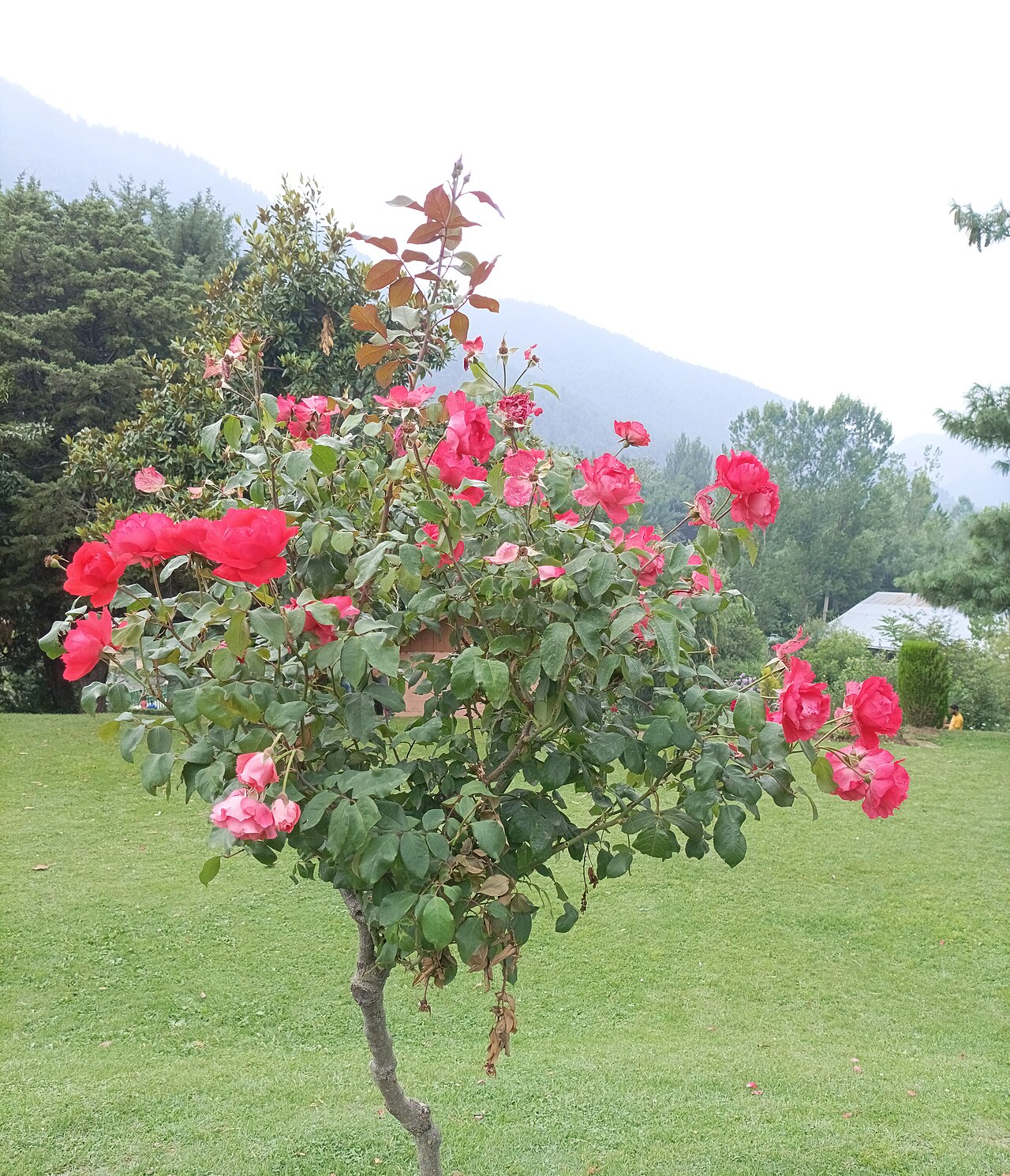
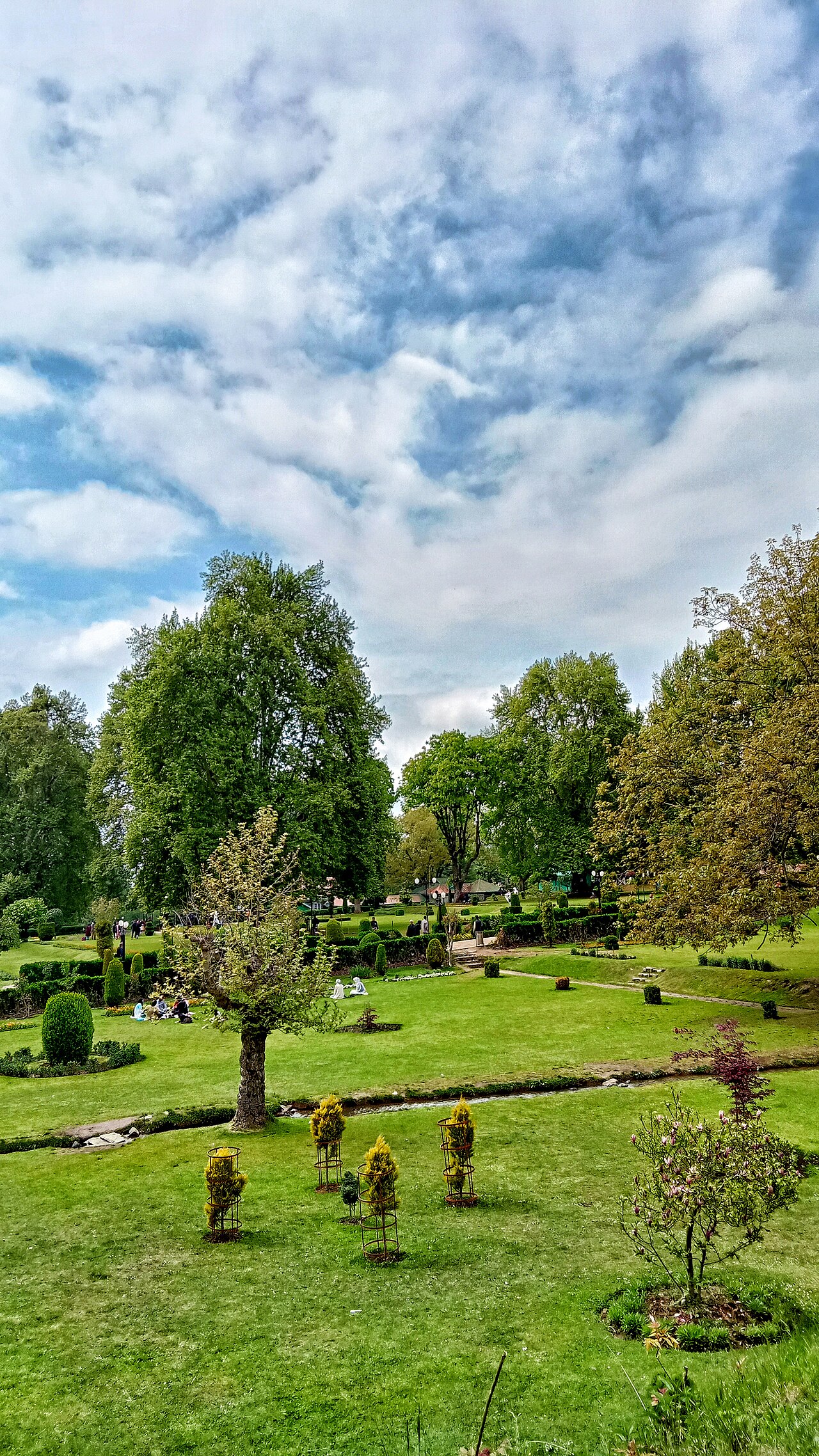
Spring blooms taking over the valley floor.Photo: Tamir Nazir · CC BY 4.0
Seasons in South Kashmir do not arrive with gentle whispers; they shift overnight when a sudden mountain storm strips the last snow from the ridges. If your primary reason for travelling is to see gardens in full colour, timing your arrival to match the local micro-climate is everything.
When people ask about the best time to visit kokernag, they usually picture bright summer green. But the reality is more nuanced. April brings wild tulips and budding willows, May and June ignite the rose gardens, and September coats the valley in gold.
We break down each season below so you can match your travel dates to what you actually want to experience on the ground.
Spring Awakening: April and May
Spring hits Kokernag late compared to the Indian plains. While Delhi starts heating up in March, the mountain air here remains brisk until mid-April. This is when the cherry blossoms and wild mustard flowers start colouring the edges of the fields.
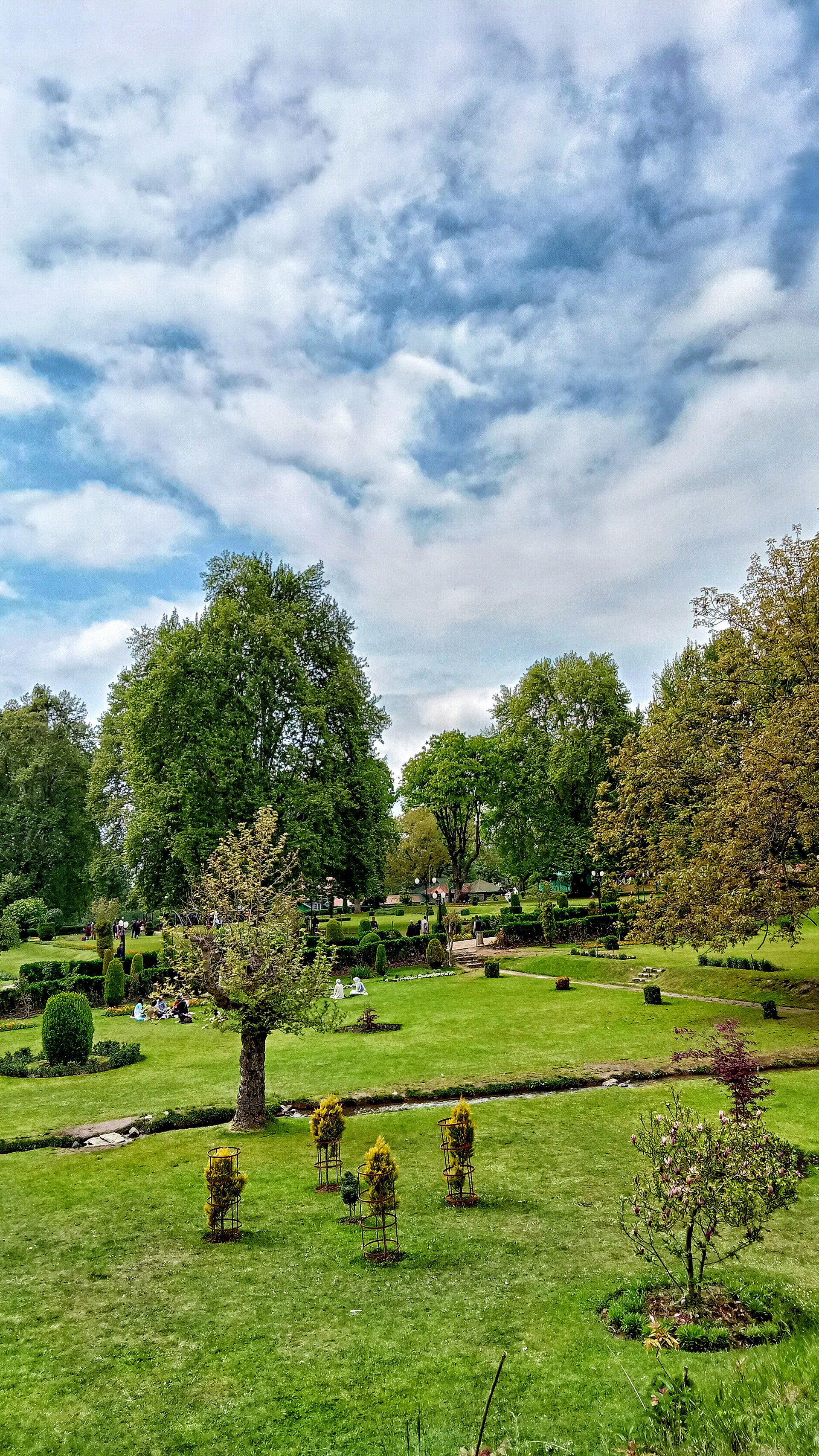
By May, the botanical gardens wake up fully. The municipal gardeners prune the rose bushes over the winter, and by the middle of May, the first major flush of blooms opens up across the terraces.
Temperatures during these months hover between fifteen and twenty-two degrees Celsius during the day, dropping sharply at night. You will need a proper fleece or light jacket for evening walks.
Summer: The Peak of the Rose Garden and Cool Escapes
June and July mark the absolute peak for garden lovers. The rose sections are at their most fragrant, the lawns are a deep, uniform green, and the shade of the grand chinars provides welcome relief from the sun.
Daytime temperatures stay pleasant, rarely crossing twenty-eight degrees. This is why families from Jammu and Srinagar drive down for weekend picnics, setting up mats near the cascading spring channels.
While this is technically peak season, Kokernag never feels crushed in the way Pahalgam or Gulmarg can during school holidays. You can always find a quiet bench away from the main gate.
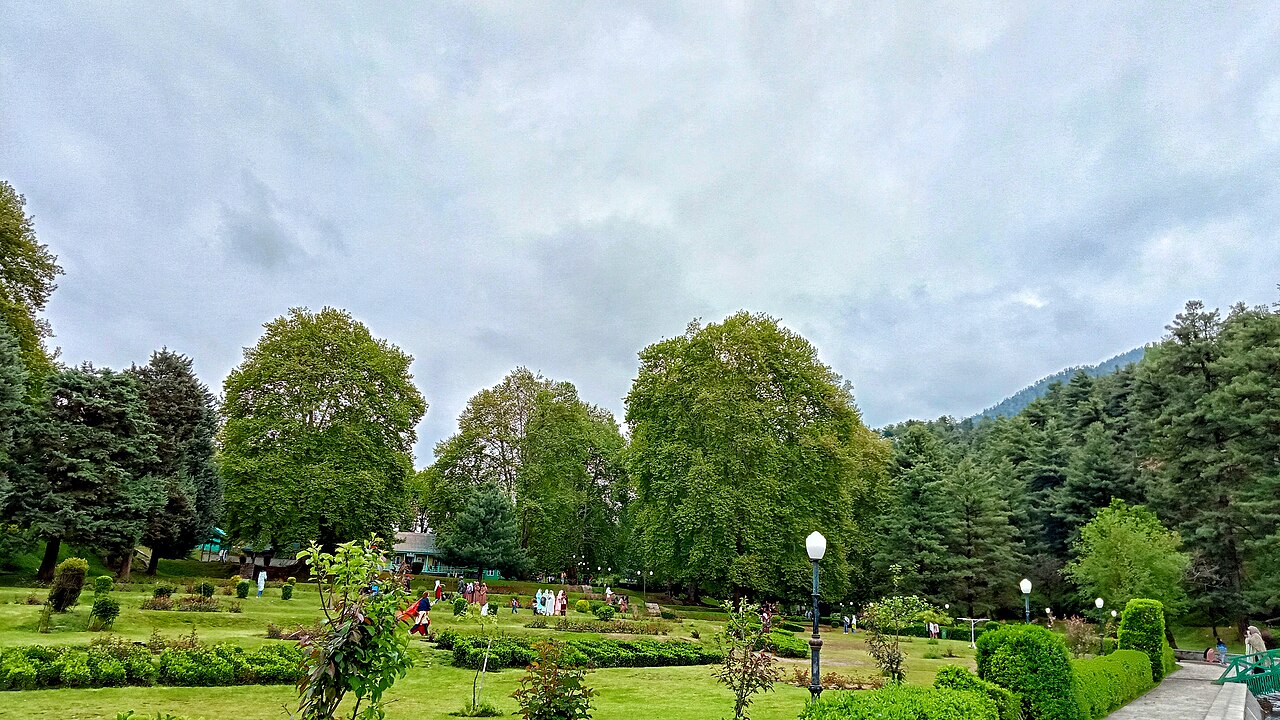
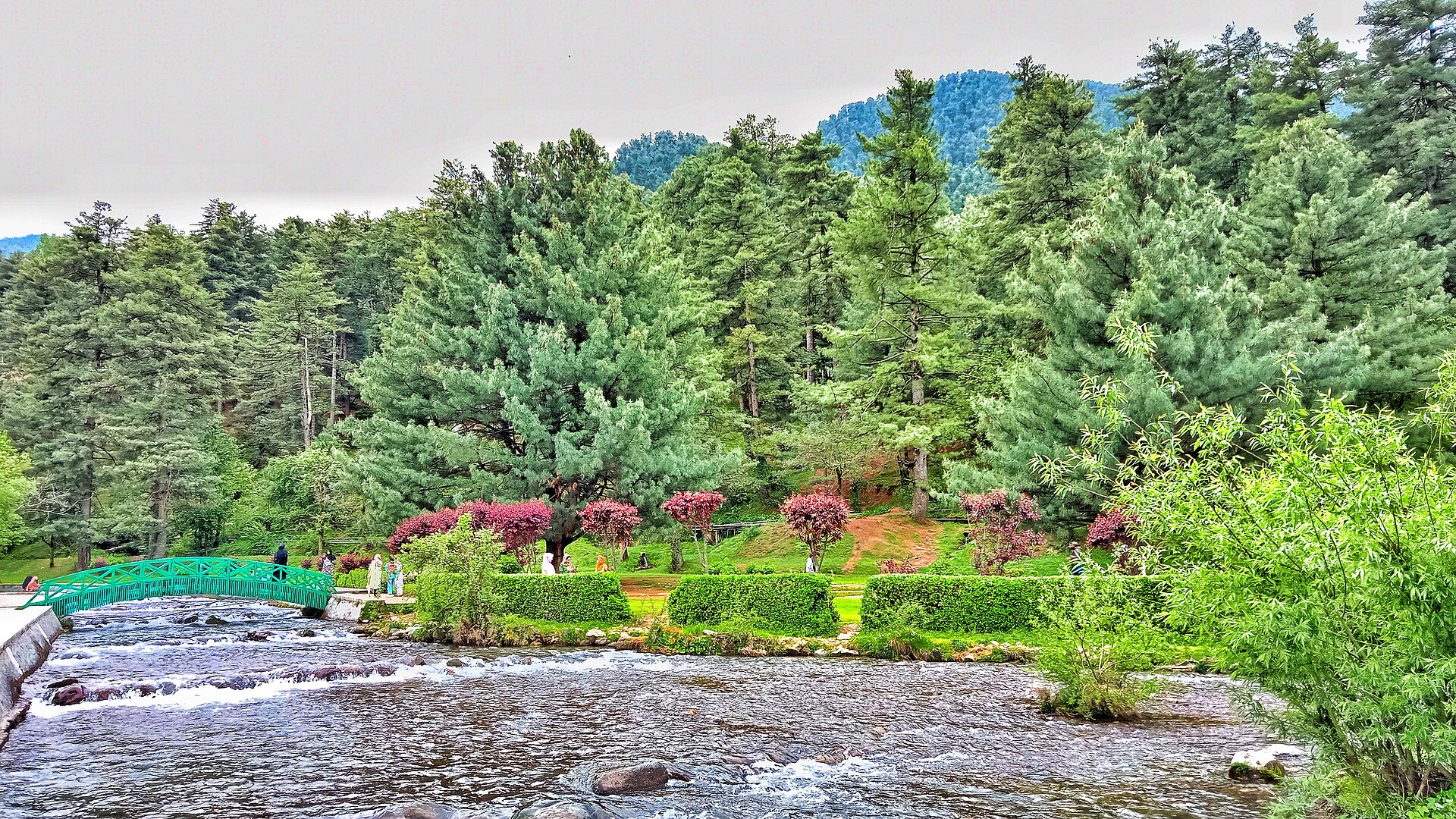
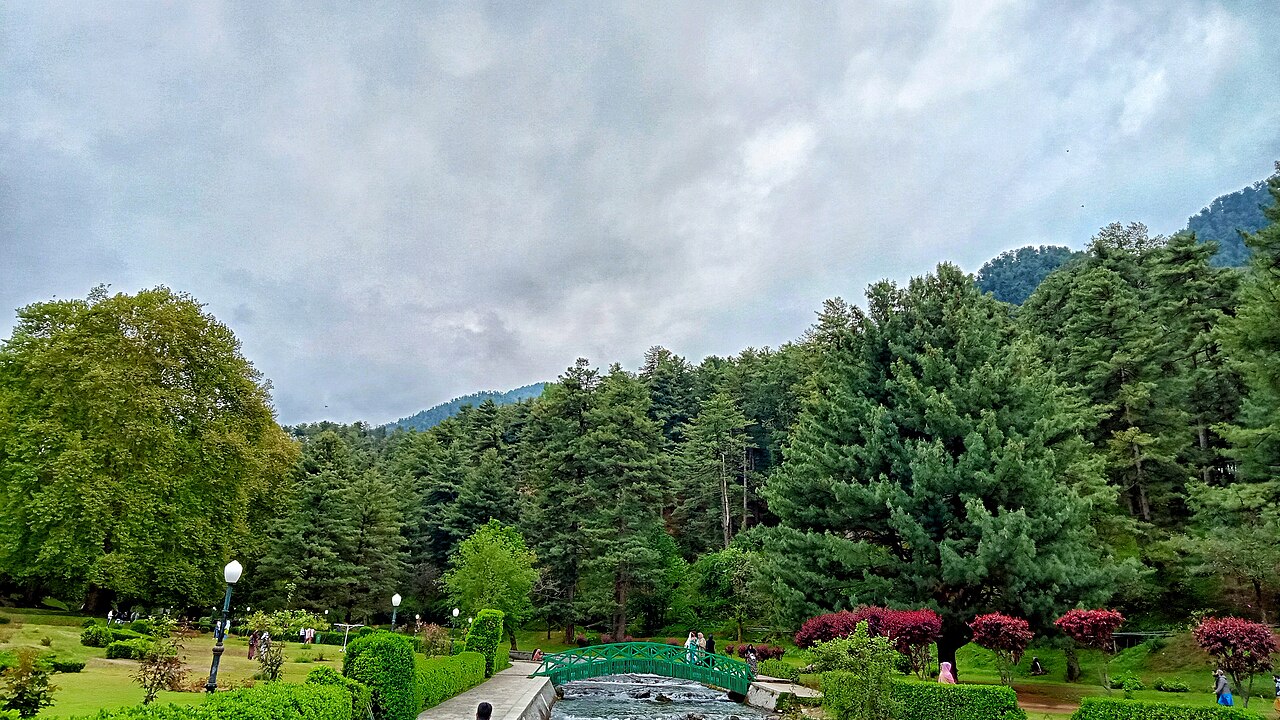
By May, the botanical gardens wake up fully and the first major flush of rose blooms opens across the terraces.
Monsoon and Late Summer: Avoiding the Crowds
July and August bring the monsoon season to much of India. While Kashmir lies partly in a rain shadow behind the Pir Panjal range, it still receives wet spells during these months.
Rain turns the dust to mud and swells the streams into muddy torrents, but it also washes the air clean of pollen and dust. If you do not mind carrying rain gear, this is the quietest time to visit the springs.
Tourist footfall drops significantly between mid-August and early September, making it an ideal window for travellers who prefer solitude over social bustle.
Autumn Gold: September and October
Ask any local photographer about their favourite time of year, and they will point you toward autumn. By late September, the leaves on the massive chinar trees begin their transition from green to burnt orange and deep bronze.
The apple orchards surrounding the town are heavy with red fruit ready for harvesting. Walking along the country lanes during this period exposes you to the sweet smell of crushed apples and woodsmoke.
Temperatures start dropping rapidly in October, with night lows dipping near single digits. Day travel remains gorgeous, provided you wear layers.
What Each Season Brings to the Springs
The seven-outlet spring maintains a steady flow year-round, but its character shifts with the weather. In spring, the water is fed by snowmelt, making it freezing cold and remarkably clear.
During the summer peak, the discharge is robust enough to feed the massive trout farm without interruption. In winter, ice sometimes forms around the edges of the shallow retaining pools.
Visiting across different seasons shows you how dependent the local ecosystem is on the mountain snowpacks above Daksum.
- Spring: Cold water, budding trees, early flowers.
- Summer: Peak rose bloom, lush green lawns, ideal picnic weather.
- Autumn: Golden chinar leaves, apple harvests, crisp air.
Tips for Seasonal Travel Planning
If you want flowers at their absolute best, aim for the window between late May and early July. If you prefer quiet photography and golden foliage, target late September or the first week of October.
Always check local road conditions if you travel late in autumn, as early snowfalls can temporarily block higher passes toward Sinthan Top.
Pack in layers regardless of the month you choose. Mountain weather turns on a dime.
Before you book
Choosing when to go depends entirely on whether you want blooming rose beds under a bright summer sun or golden chinars rustling in the crisp autumn air. Each season strips away a different layer of the town's quiet personality.
If you need advice on matching your ideal weather window with a wider South Kashmir itinerary, reach out to our team in Srinagar and we will help you map it out.
Plan Your Seasonal Journey
Tell us what kind of weather and scenery you love, and we will schedule your Kashmir trip for the absolute best week of the year.
Contact Our PlannersCaption for your own post
Golden chinar leaves falling across the paths in Kokernag. Autumn here is a quiet masterpiece.
Written by
Kashmir, Jammu & Ladakh specialists
We plan and run trips across Kashmir, Jammu and Ladakh every week of the year. Everything here comes from routes we drive, stays we inspect and questions our travellers actually ask.
Compiled from years of seasonal travels across South Kashmir districts.
Quick answers
Questions we get asked
When do the roses bloom in Kokernag gardens?
The primary rose bloom peaks between late May and mid-July, though early buds appear as early as mid-May depending on winter snowfall.
Is Kokernag worth visiting during the monsoon?
Yes, if you enjoy quiet travel. While rain occurs, tourist crowds disappear, and the surrounding forests look exceptionally green and fresh.
What clothes should I pack for a summer trip to Kokernag?
Pack light cottons for daytime walks, but always bring a fleece, jacket, and light shawl because evenings cool down rapidly.
Can I visit Kokernag in winter?
Yes, though the gardens are dormant and snow covers the ground. It offers a stark, quiet beauty, but facilities are limited.
Photography credits
- Photo: Tamir Nazir · CC BY 4.0
- Photo: Suhayl091 · CC BY-SA 4.0
- Photo: Aafi · CC BY-SA 4.0
- Photo: Suhayl091 · CC BY-SA 4.0
- Photo: Suhayl091 · CC BY-SA 4.0
- Photo: Suhayl091 · CC BY-SA 4.0
- Photo: Suhayl091 · CC BY-SA 4.0