An Overview of Kokernag: Kashmir’s Garden Springs
A detailed look at the seven springs of Kokernag, the history of its Mughal gardens, and why this serene location belongs on your itinerary.
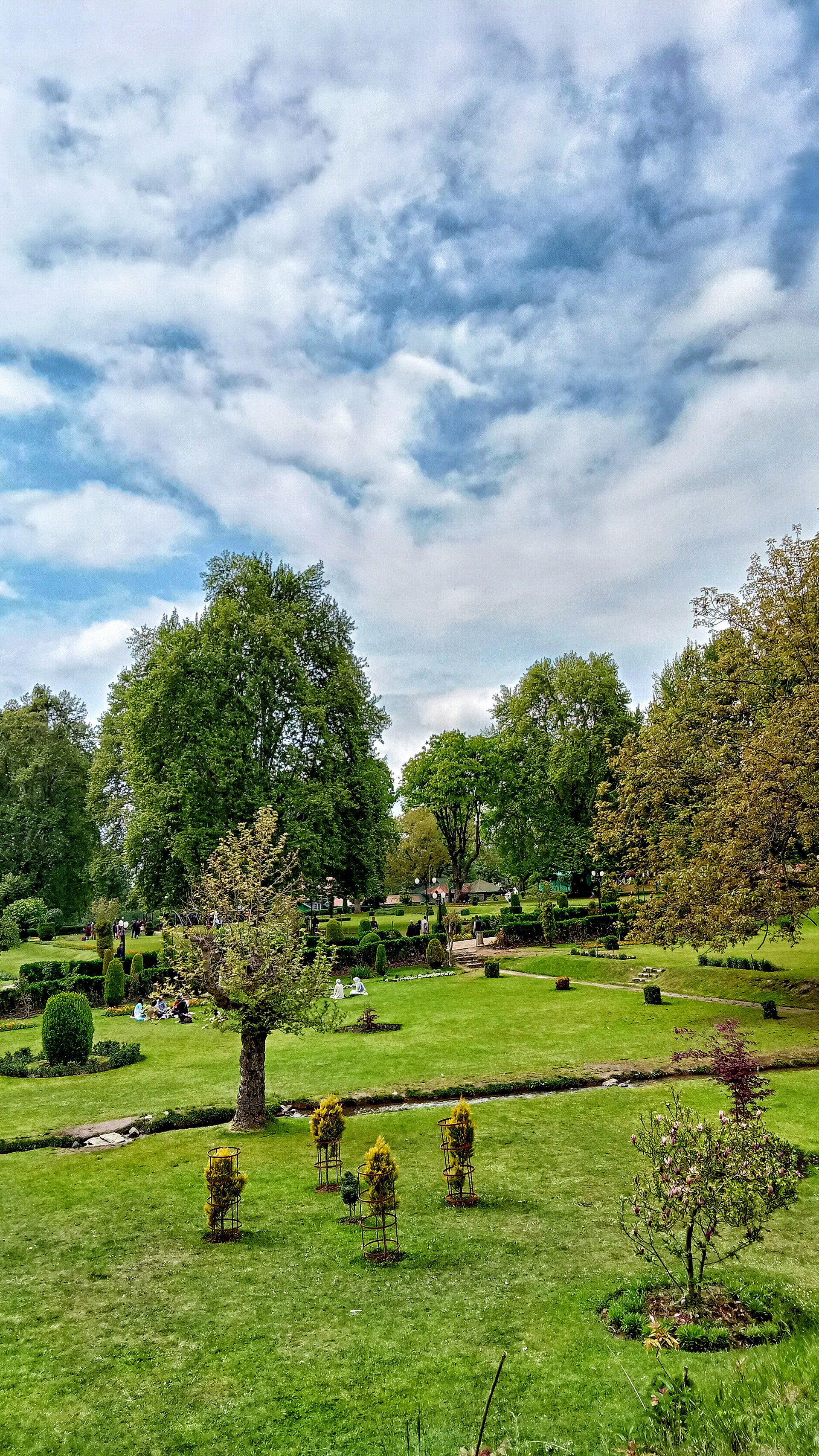
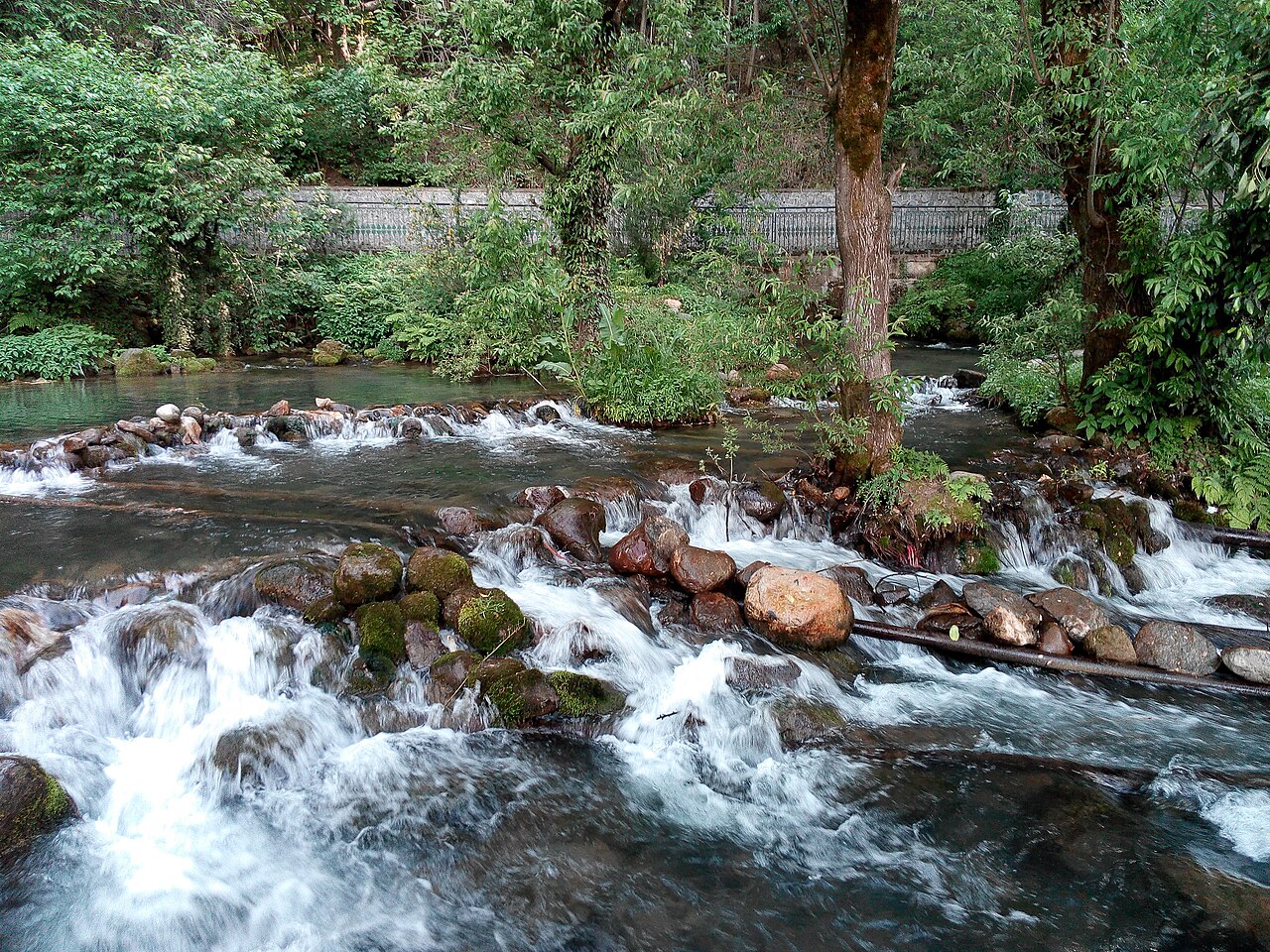
The gentle flow of the seven springs sets the tone for the entire garden.Photo: Suhayl091 · CC BY-SA 4.0
The first time I arrived in Kokernag, it wasn't the silence that struck me, but the sound of water rushing out of the hillside. Most people rush through this part of the Anantnag district on their way to higher ground, but stopping here for an afternoon is essential to understanding the hydrology that sustains the Kashmir valley.
This provides a comprehensive overview of Kokernag, a place where Mughal aesthetics meet the raw power of mountain springs. Whether you are coming for the gardens or the quiet, the site rewards those who walk slowly past the rose beds and listen to the constant flow.
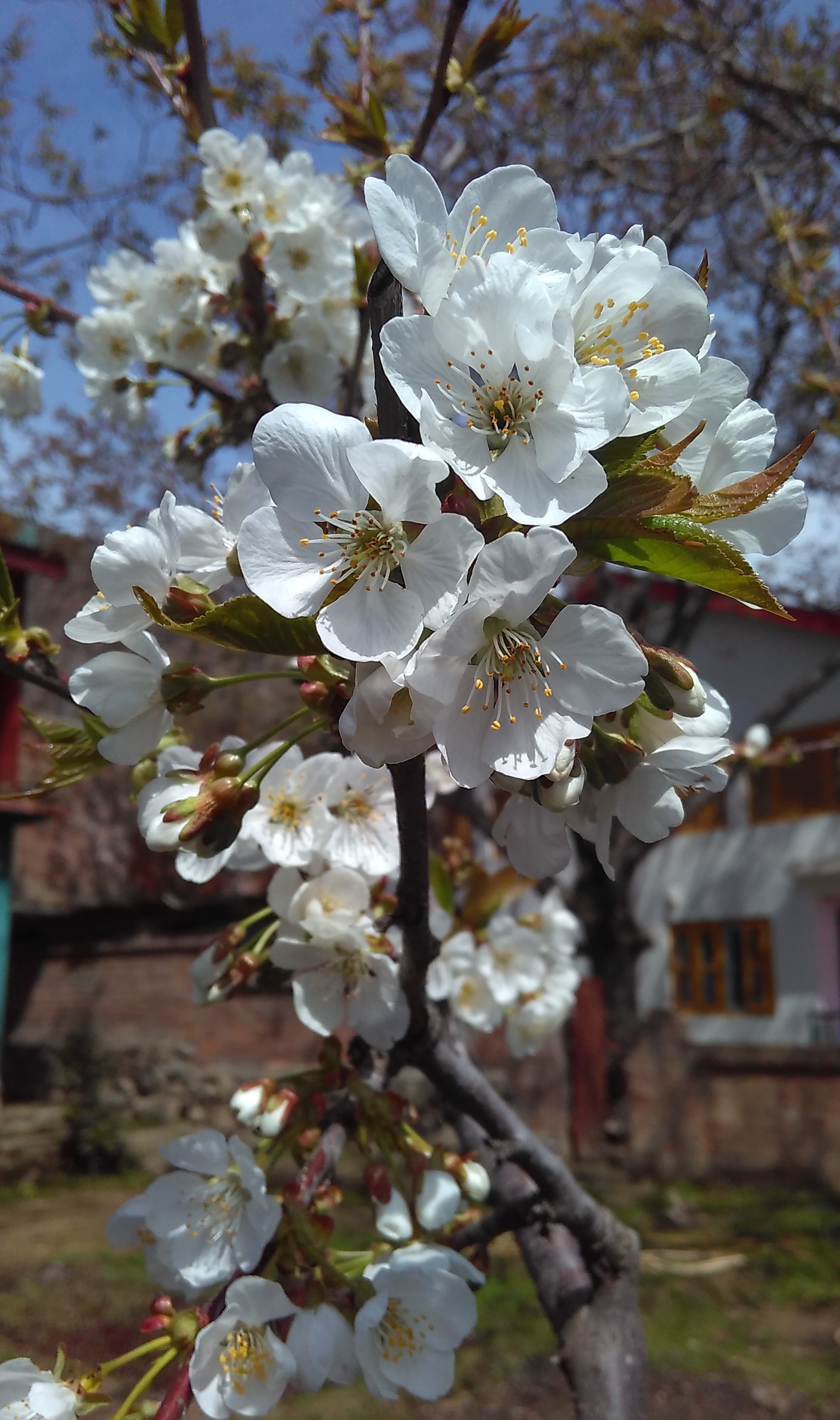
Springtime, specifically late April to mid-May, is when the air smells of blooming blossoms and the water temperature remains crisp. It feels like a living map of how water shapes the life of these valleys.
The Significance of the Seven Springs
The heart of Kokernag is its source. The word 'Kokernag' refers to the layout of the springs, which are said to resemble the claw of a hen. The water emerges from the base of a forested hill in seven distinct channels before converging into one main stream.
The water is famously cold and mineral-rich. Locals have long held that it possesses medicinal properties, specifically for digestive health. When you visit, look for the spots where the stone channels are worn smooth by centuries of water flow.
You can walk right up to the source. It is not behind glass or a fence, but integrated into the garden architecture. Seeing the sheer volume of water pushing through the limestone earth is a stark reminder of the glacial power behind the valley's fertility.
The Garden Layout and Design
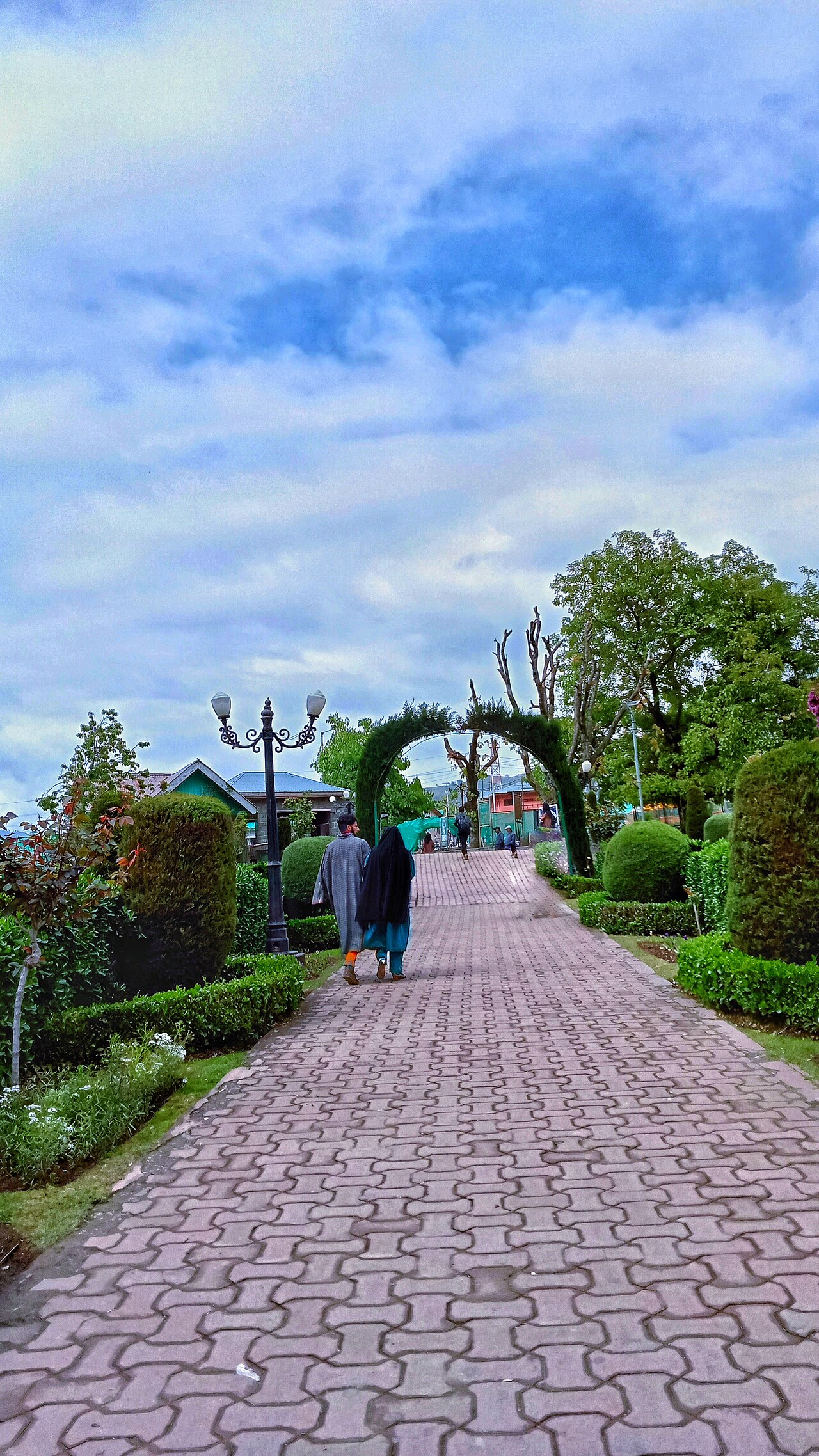
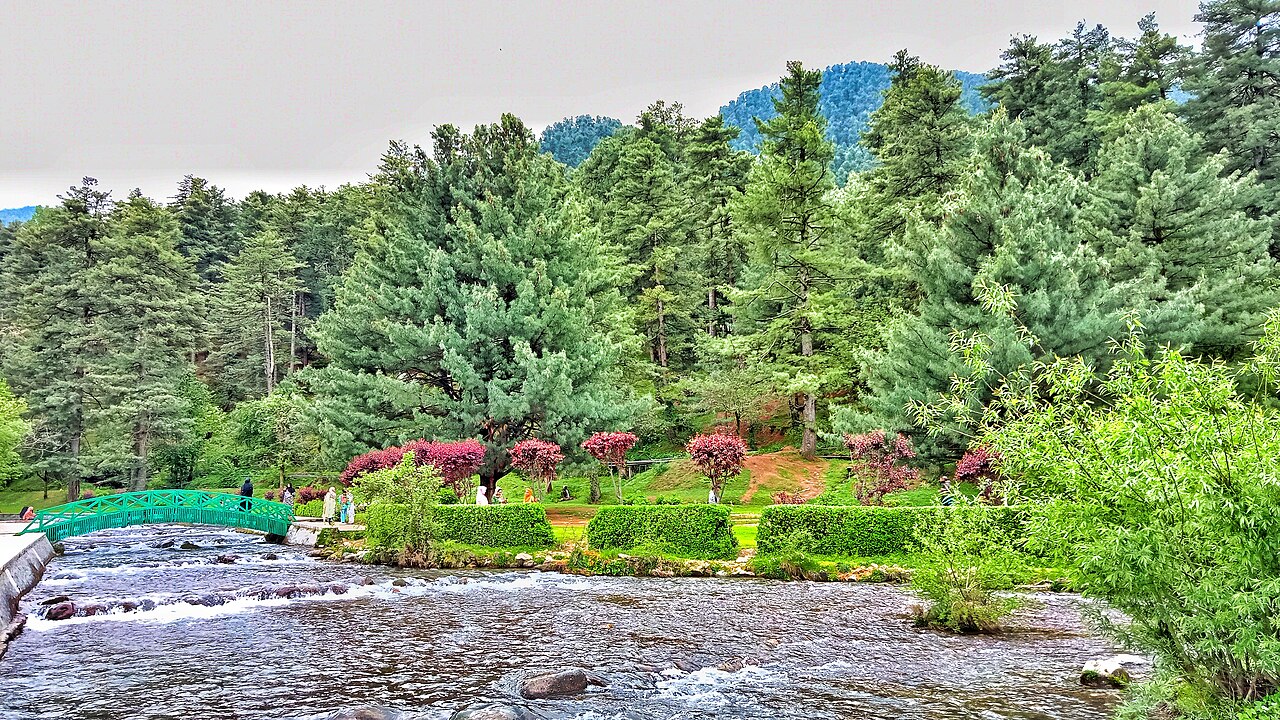
The gardens here are smaller and more intimate than the grand Mughal gardens of Srinagar like Nishat or Shalimar. They follow a classic 'charbagh' layout, yet the focus is inverted; instead of a central fountain, the spring itself dictates the flow of the land.
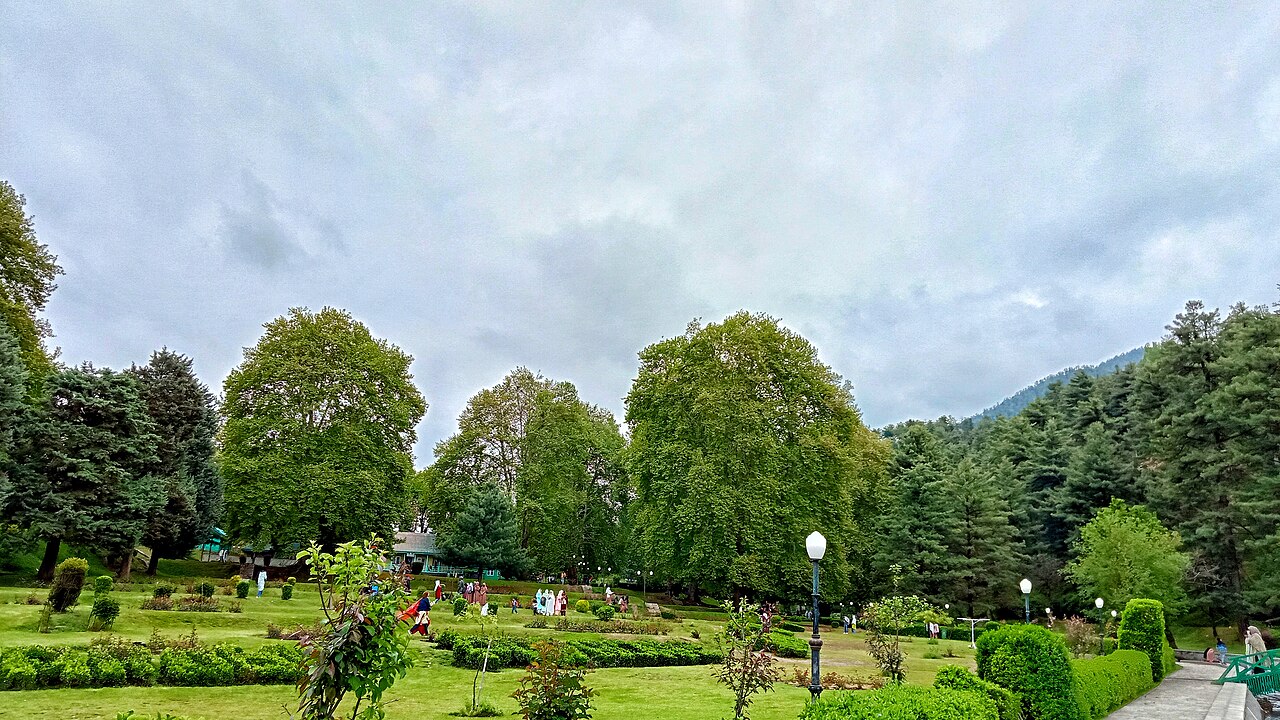
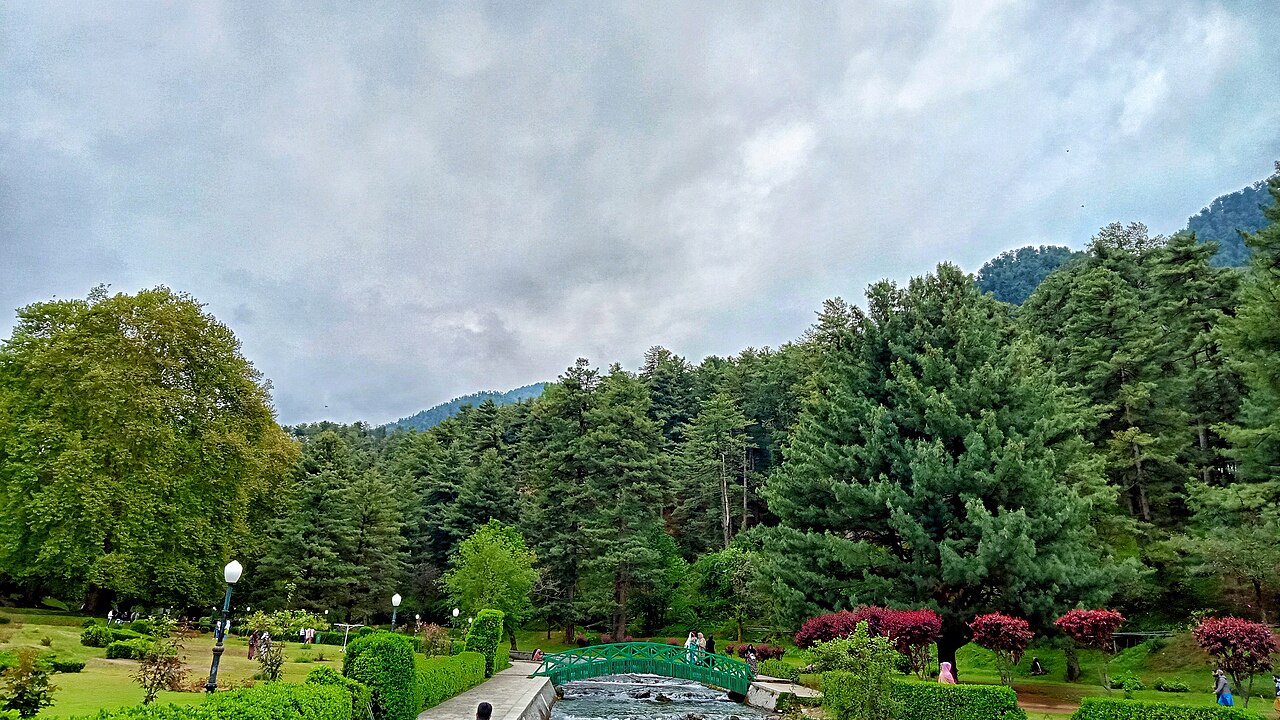
Walking paths follow the stream as it cascades down towards the lower levels. There are terraces built to manage the slope, each offering a different vantage point of the water. The trees here are mature, providing deep shade even when the midday sun hits the valley.
I recommend walking the lower paths first. The sound of the water intensifies as you move deeper into the garden, masking the sounds of the road outside. It is a masterclass in how to build a garden that feels like part of the mountain rather than an imposition on it.
History of the Mughal Rest House
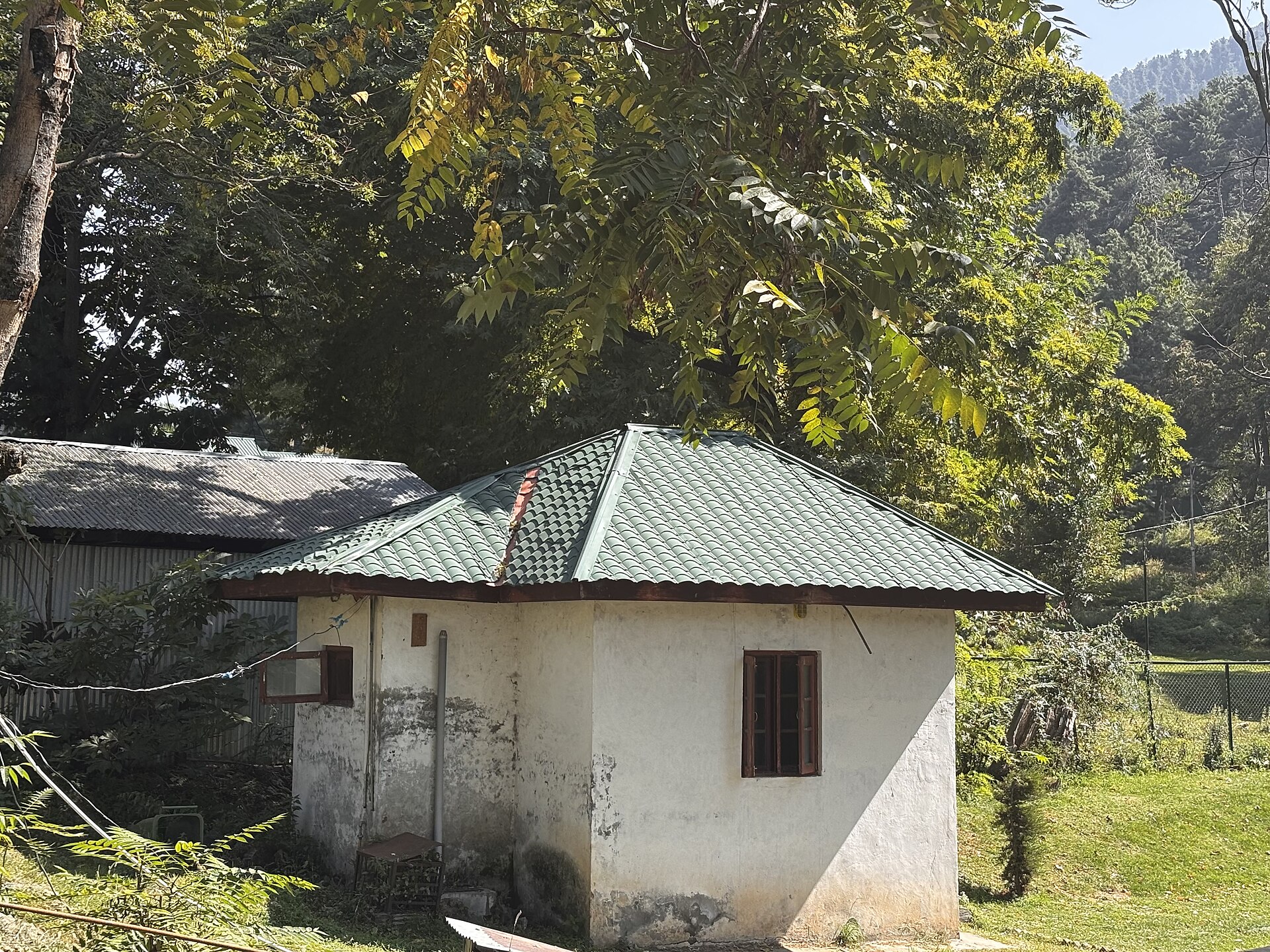
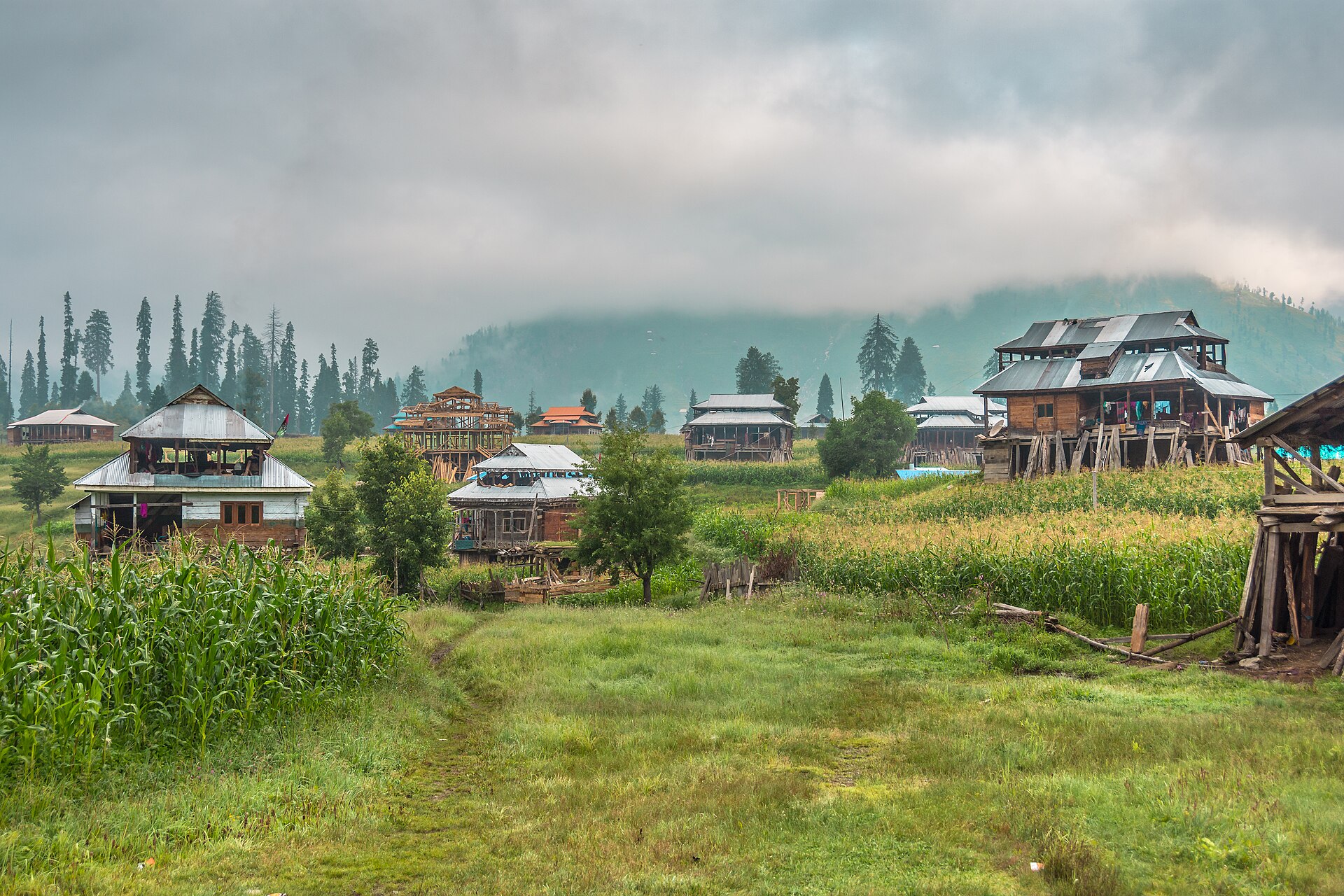
There is a quiet dignity to the old rest house located within the grounds. While it has seen renovations, it retains the footprint of earlier periods. Mughal rulers used these sites not just for recreation, but as transit points during their seasonal migrations from the plains to the valley.
The stone walls and wooden balconies are characteristic of local carpentry. Sitting on the porch of the structure, you get an idea of why they chose this specific elevation. It remains cool in the summer and shielded from the harsher winds by the surrounding pine forests.
It serves as a functional reminder that the gardens were intended as living, breathing spaces. The structures are minimal, meant to direct your eyes toward the greenery and the water, not to dominate the landscape.
Planning Your Stop
If you are traveling from Srinagar, it is roughly a 2.5-hour drive via Anantnag. I suggest leaving early, around 8:00 AM, to ensure you beat the midday warmth. Pair this with a visit to Achabal or Verinag if you have the energy.
Entry fees are minimal, usually around 20-50 rupees, and it is best to carry cash as digital payment connectivity can be patchy depending on your carrier. Wear sturdy footwear, as the paths can be slippery near the water's edge.
If you are looking for more structured guidance or transport to the site, we can assist with day-trip logistics or help you integrate this into a wider circuit. You can reach out to our team at any time for current road reports.
Before you book
Kokernag remains one of the few places in the valley that rewards the visitor who prioritizes silence over spectacle. It is a quiet, reliable corner of Kashmir where the geology dictates the pace of the day.
If you need help working this stop into your travel plans or want to know the road status before you depart, we are here to help. Reach out to our team to discuss your travel dates and needs.
Ready to visit?
We can help you organize a custom day trip or a full tour through the Kashmir valley. Get in touch with our team for advice on timing and transport.
Contact UsWritten by
Kashmir, Jammu & Ladakh specialists
We plan and run trips across Kashmir, Jammu and Ladakh every week of the year. Everything here comes from routes we drive, stays we inspect and questions our travellers actually ask.
Quick answers
Questions we get asked
What is the best time of year to visit Kokernag?
April and May are the best months. The gardens are in full bloom, and the weather is mild enough for long walks. Summer remains pleasant, though the spring runoff is most impressive in the early season.
Is there an entry fee for the gardens?
Yes, there is a nominal entrance fee for visitors, typically ranging between 20 and 50 rupees. It is advisable to keep small denominations of cash ready for the ticket counter.
How far is Kokernag from Srinagar?
Kokernag is approximately 85-90 kilometers from Srinagar. Depending on traffic through Anantnag, the journey usually takes between two and a half to three hours by car.
Can I drink the water from the springs?
Yes, the water at the source is widely considered safe and is locally prized for its purity. Many visitors fill their bottles directly from the overflow channels.
Are there hotels inside the gardens?
No, there are no commercial hotels within the garden complex itself. Most visitors stay in nearby towns or arrange for a day trip from Srinagar or Pahalgam.
Photography credits
- Photo: Suhayl091 · CC BY-SA 4.0
- Photo: Faisalrafiqkhan · CC BY-SA 4.0
- Photo: Burhan7 · CC BY-SA 4.0
- Photo: Suhayl091 · CC BY-SA 4.0
- Photo: Suhayl091 · CC BY-SA 4.0
- Photo: Suhayl091 · CC BY-SA 4.0
- Photo: Suhayl091 · CC BY-SA 4.0