Things to Do in Aru Valley: The Gateway to Adventure
Discovering the high meadows near Pahalgam
Looking for the best things to do in aru valley? From mountain walks to trekking base camps, discover why this village is the ultimate alpine escape.
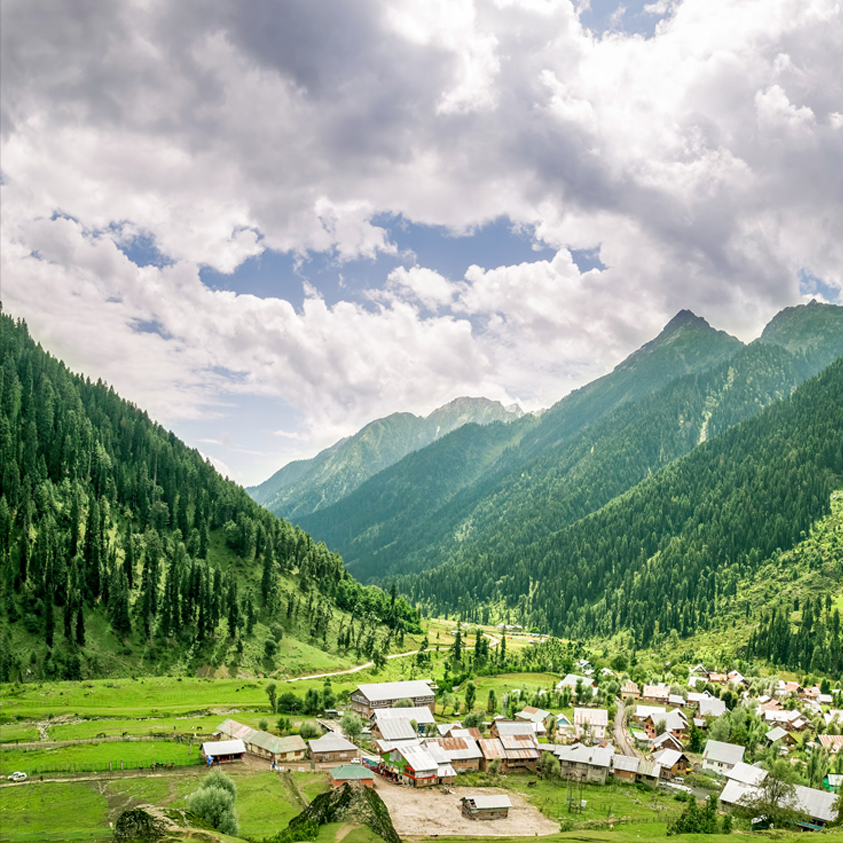
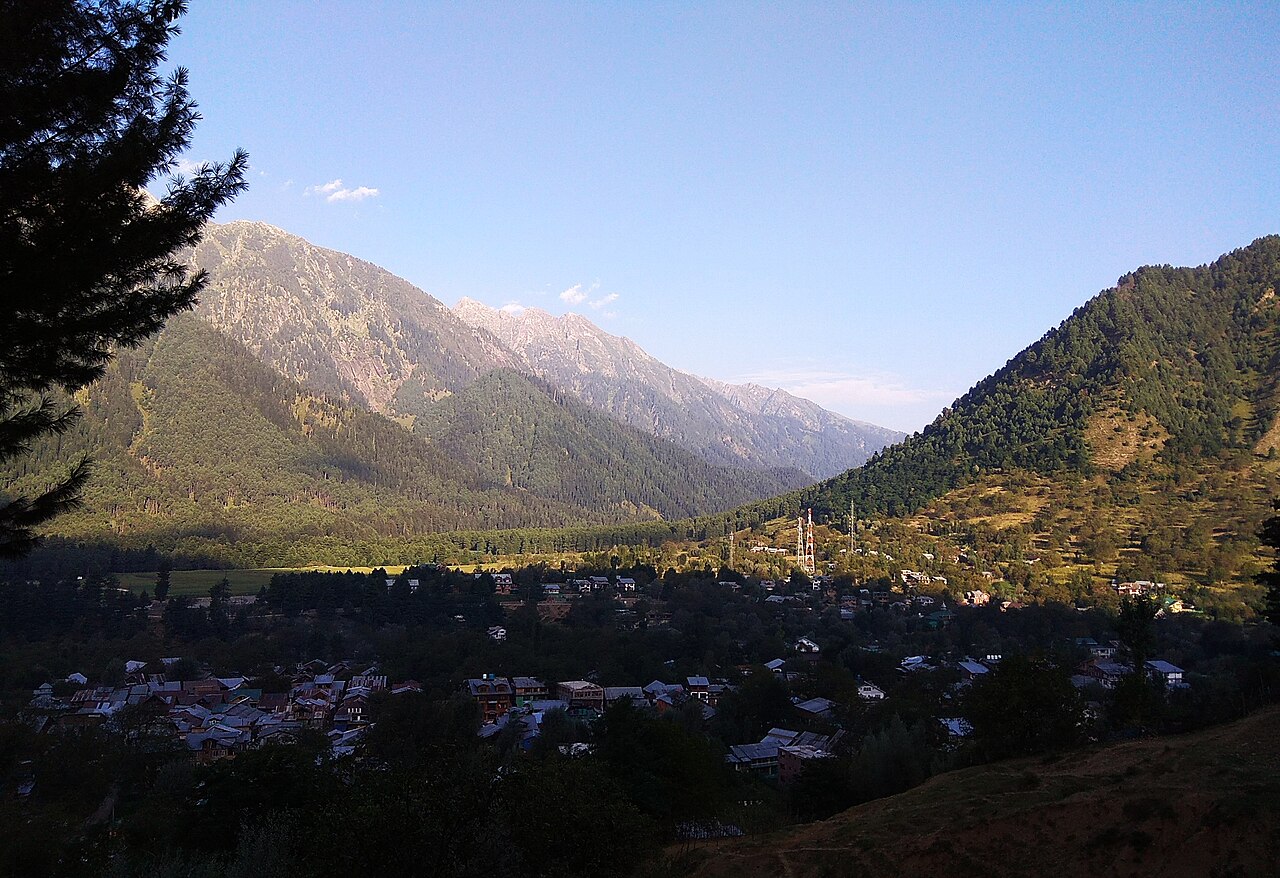
The rolling meadows of Aru offer a peaceful escape from the city.Photo: Kreativeart · CC BY-SA 4.0
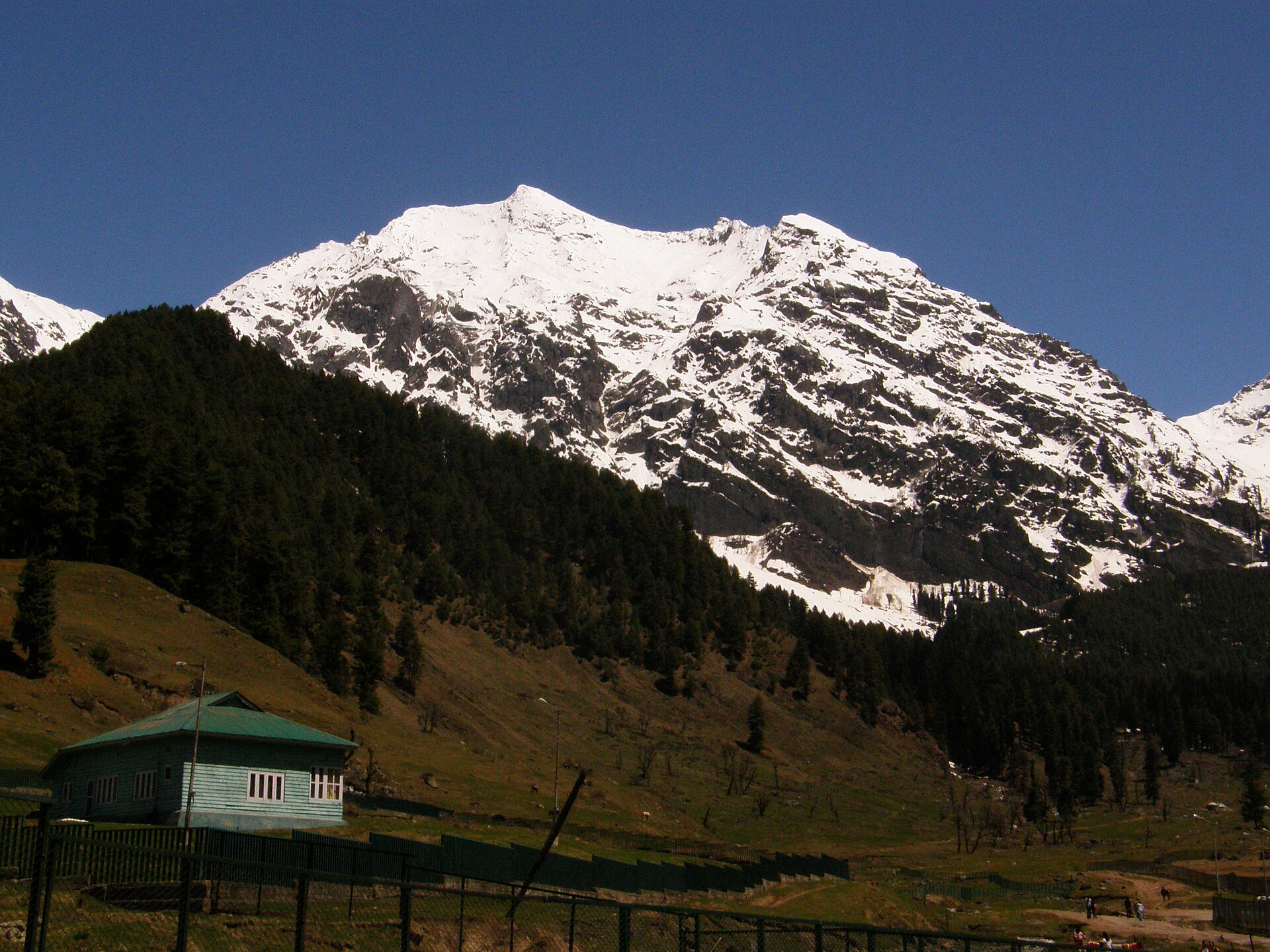
The silence in Aru Valley is the first thing that hits you when you step out of the car. Located about 12 kilometres from the busier streets of Pahalgam, this is where the road effectively ends and the wild begins. You aren't just visiting a valley; you are standing at the threshold of the high mountains.
When people ask about the best things to do in aru valley, they usually want to know how to get away from the crowds. The answer is simple: put on a good pair of boots and start walking in any direction. The valley is less of a destination for sightseeing and more of a space for immersion.
Walking to the upper meadows
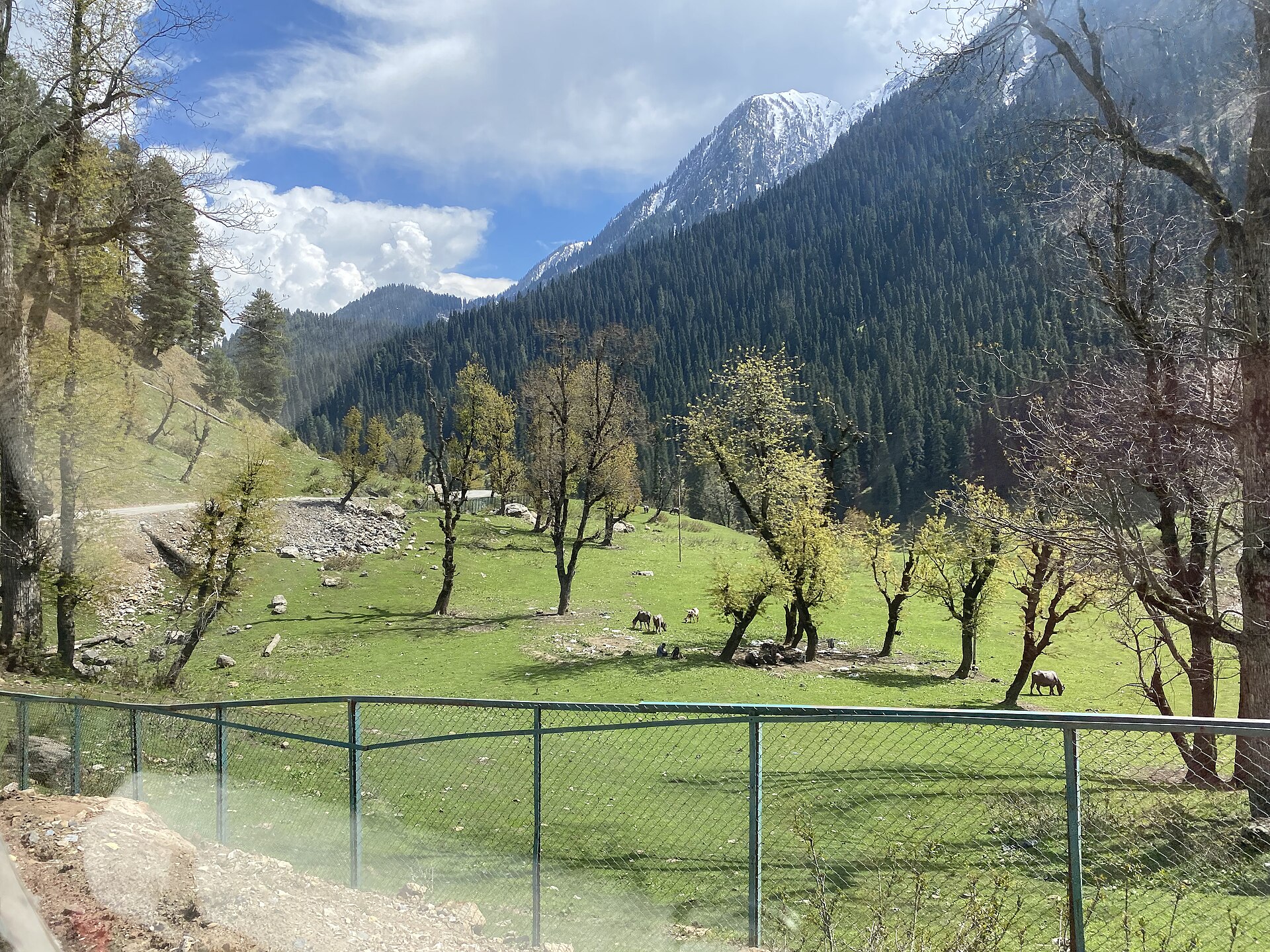
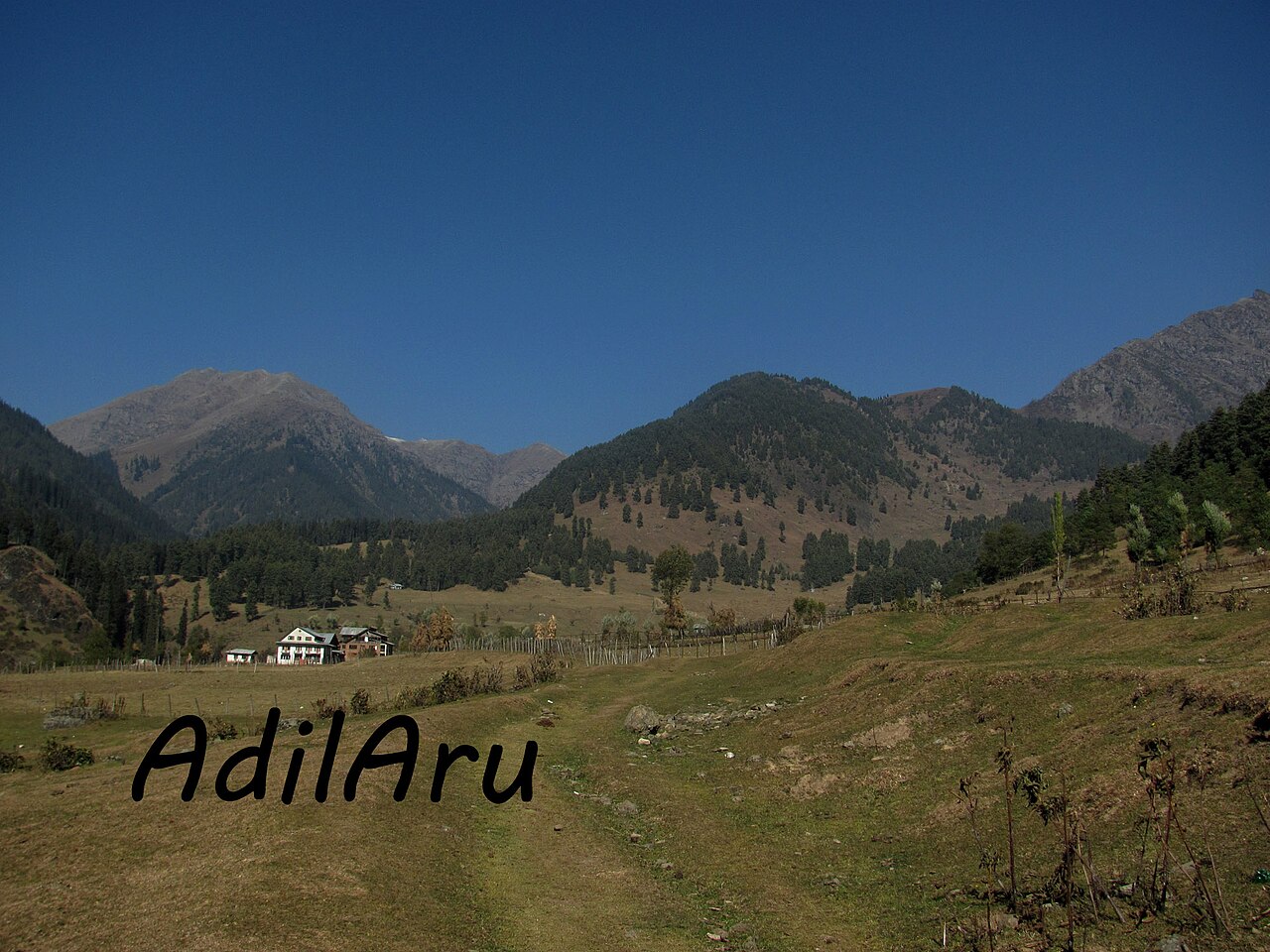
The most accessible activity is simply walking towards the green slopes that cradle the village. You don't need a map. Just follow the trails carved by the local shepherds as they head toward the high pastures. In July, the grass is thick and dotted with small, wild flora.
Spend an afternoon sitting near a small stream. The water is cold enough to keep your drinks chilled. It is a simple joy, but in an age of constant connectivity, sitting in a field while the clouds pass over the Lidder valley is about as productive as an afternoon gets.
The starting point for Kolahoi glacier
For serious trekkers, Aru is the name on their lips. It is the base camp for the trek to the Kolahoi glacier. This is not a casual walk in the park. It is a multi-day commitment that takes you through some of the most dramatic terrain in Kashmir.
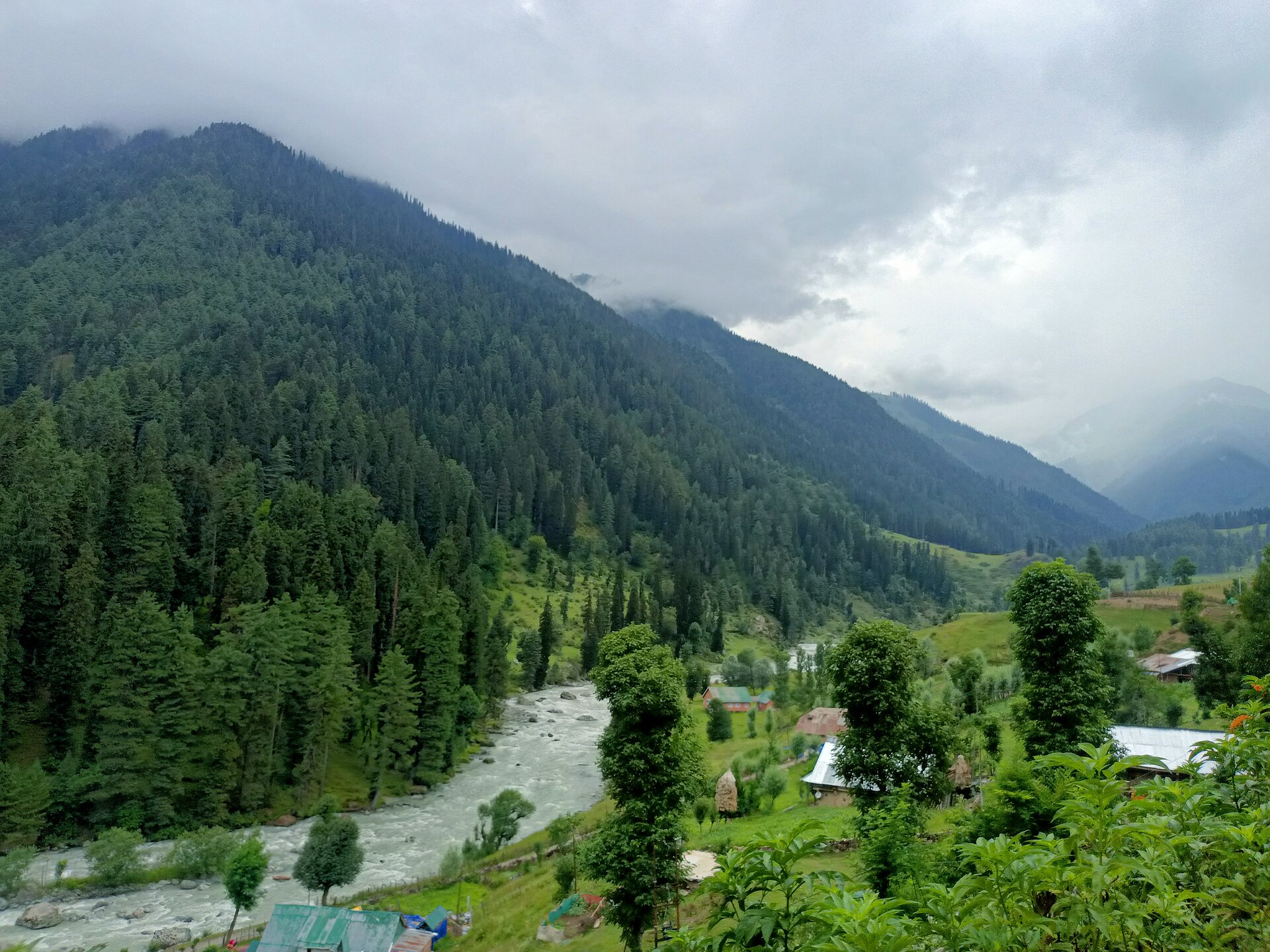
Even if you don't do the full glacier trek, walking the first few kilometres of that path gives you a sense of the scale of the mountains. You see the valley floor narrow and the river turn into a wild, rushing force. If you decide to go, hire a local guide. The weather changes here in minutes.
Trekking to the Tarsar-Marsar lakes
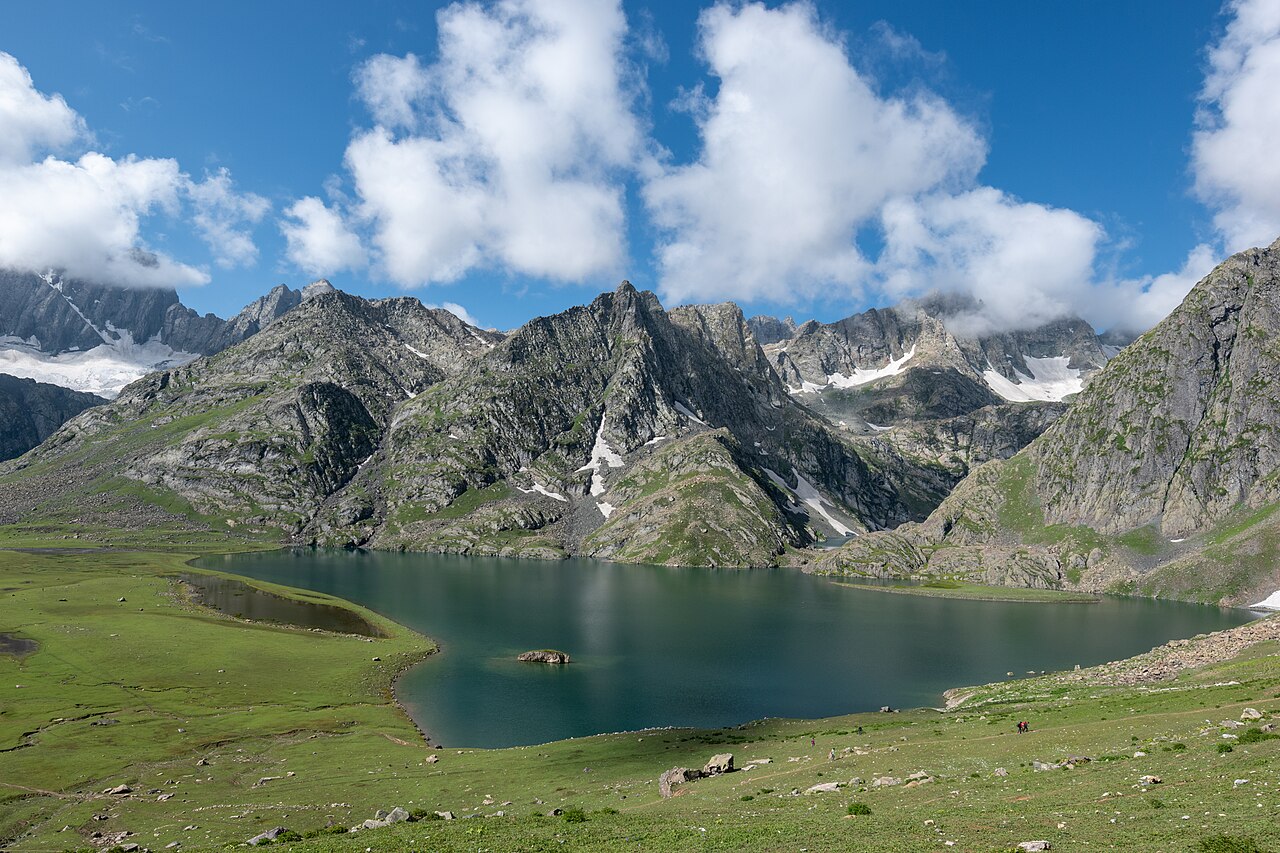
If you have four or five days, the circuit to the Tarsar-Marsar alpine lakes is the classic Aru adventure. The trail begins here, winding up past the treeline into a landscape of rock and sky. These lakes are famous for their changing colours and the absolute isolation you find once you cross the mountain pass.
It is a challenging walk that requires decent physical fitness. But the view of a turquoise lake sitting under a craggy peak is something that stays with you. We often help clients organize the gear and the local trekking staff required for these longer expeditions.
Horse riding in the Lidder valley
Horse riding is standard fare in Pahalgam, but the experience is different in Aru. Here, the trails are less crowded and the horses are used to steeper, rougher terrain. A quick hour-long ride takes you to viewpoints that would take much longer to reach on foot.
It is a great way to see the surrounding ridges without the physical strain of a trek. Always confirm the price before you start and make sure you are comfortable with the animal assigned to you. The handlers are generally very experienced locals.
Photography and nature exploration
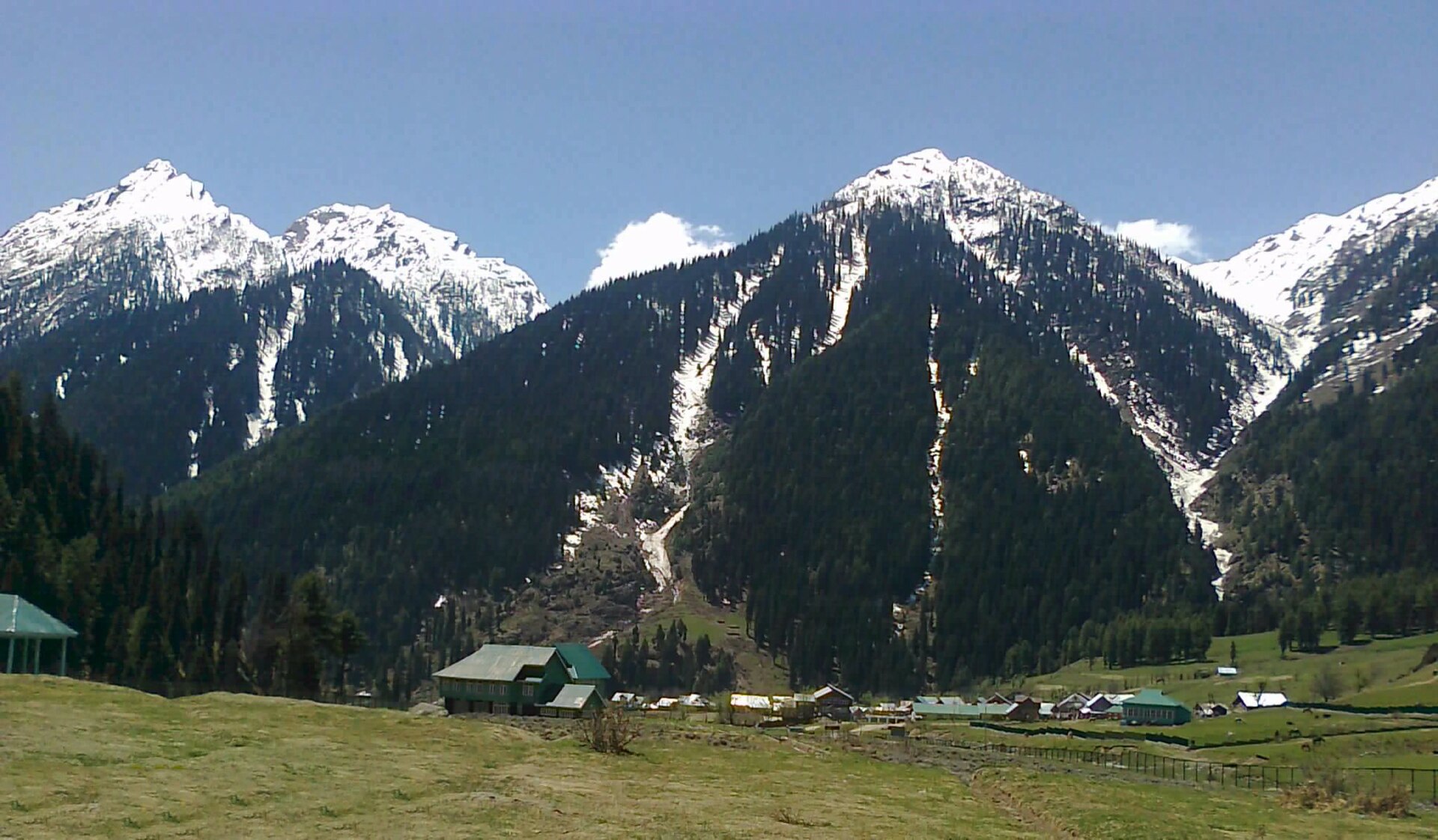
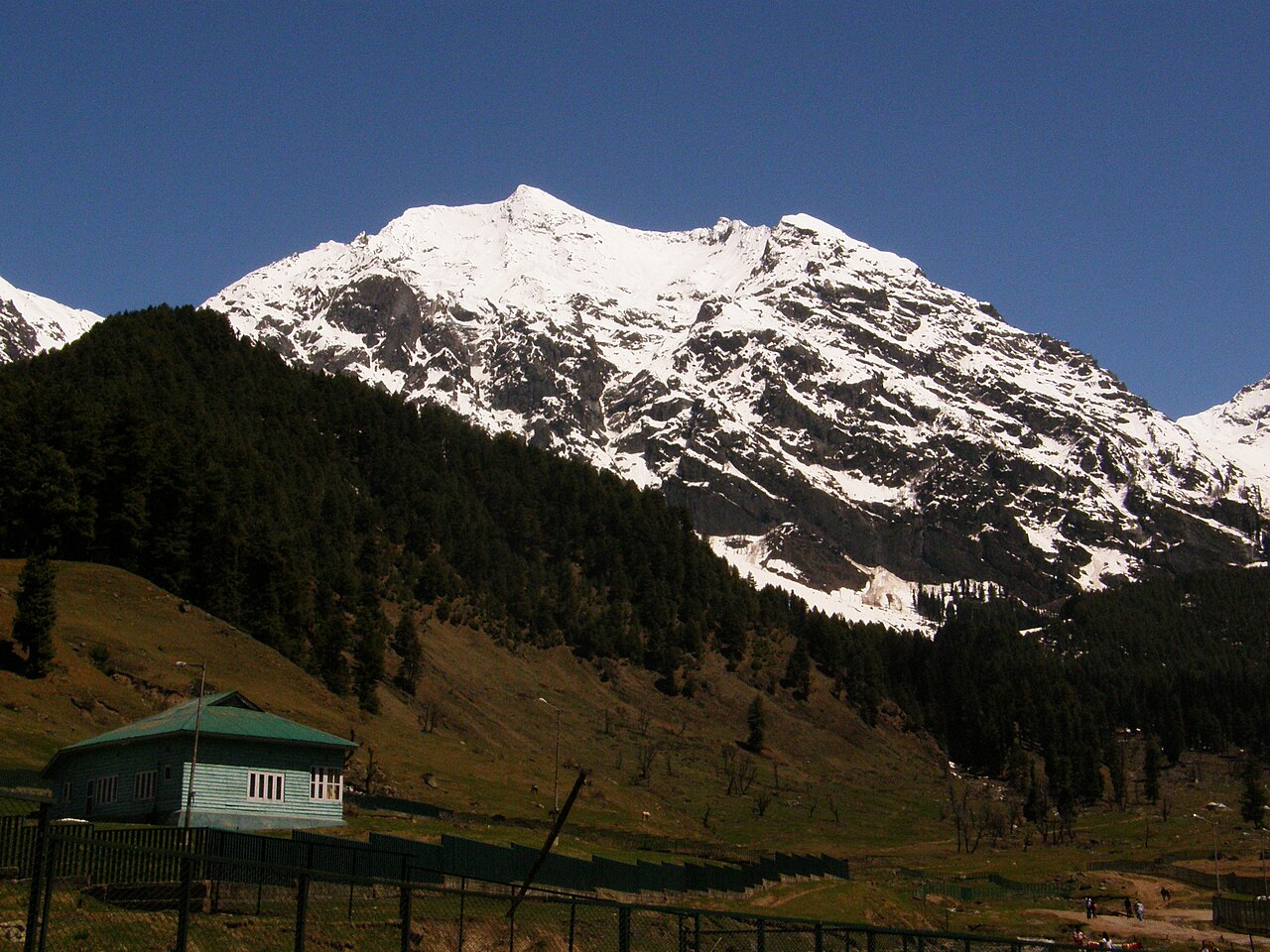
If you are a photographer, the light in Aru is best just after dawn or in the hour before sunset. The way the shadows fall across the valley creates a depth you won't find on the valley floor in Srinagar. Take your time to capture the textures of the village and the contrast between the green pastures and the snow-dusted peaks.
Look for the smaller details—the way the locals build their wooden huts, the varieties of mountain flowers, and the birds that dart through the pine forests. The village itself has a rustic charm that is becoming harder to find in larger tourist hubs.
Enjoying the village atmosphere
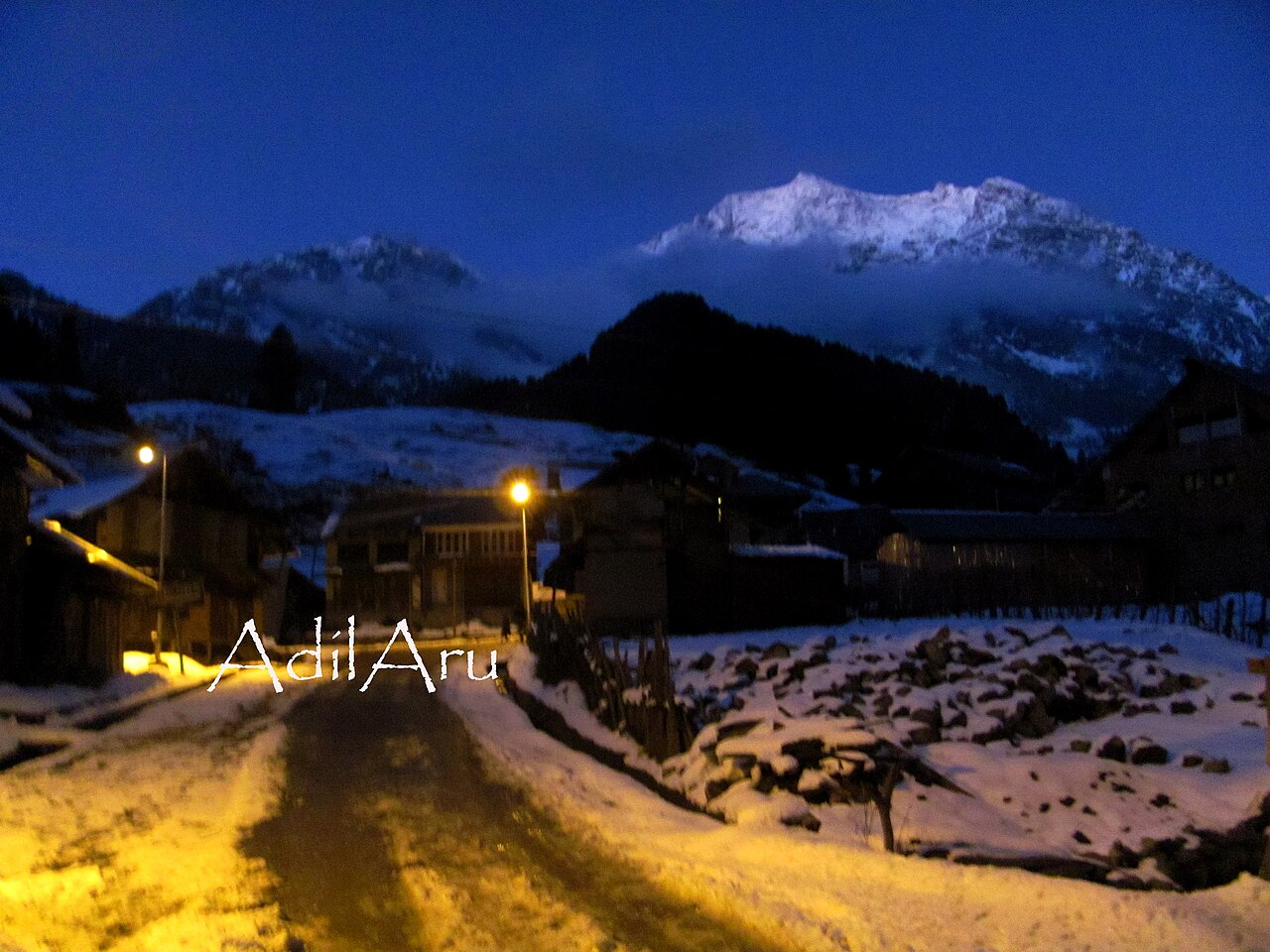
When you are tired, the village is the best place to be. Sit on a bench near one of the local houses and watch the day wind down. The locals in Aru are used to seeing visitors, but they still value their quiet life. Be a respectful guest.
There is no nightlife here, and that is intentional. You eat, you sleep, and you wake up to the sound of the river. It is the perfect antidote to city stress. If you stay for a few days, you’ll find yourself settling into the same pace as the village.
Before you book
Aru Valley is the kind of place that reminds you why you started traveling. It isn't about luxury; it’s about the mountains, the cold air, and the feeling of being somewhere wild and alive. Whether you stay for a day or a week, you will leave with a bit of that mountain calm.
If you need help planning your trip to Aru, including organizing trekking guides or accommodation, don't hesitate to reach out. We’re always around to help you find your way.
Planning your Aru Valley adventure?
Let us help you connect with local guides and plan the perfect mountain getaway.
Contact UsWritten by
Kashmir, Jammu & Ladakh specialists
We plan and run trips across Kashmir, Jammu and Ladakh every week of the year. Everything here comes from routes we drive, stays we inspect and questions our travellers actually ask.
Quick answers
Questions we get asked
Do I need a guide for hiking in Aru?
For simple meadow walks near the village, you do not. However, if you plan to head into the higher trails or toward the glacier, hiring a local guide is mandatory for safety and navigation.
Is Aru Valley better than Pahalgam?
They offer different experiences. Pahalgam is a town with markets and hotels; Aru is a village with a focus on nature and adventure. Most travelers prefer a mix of both.
How do I get to Aru from Pahalgam?
You can hire a local taxi in Pahalgam for the 30-minute drive. The road is scenic and well-maintained, though it can get busy during peak summer weekends.
Can I visit Aru in a day?
You can, but you will miss the best of it. Spending at least one night allows you to see the valley in the early morning and late evening, when the day-trippers have left.
What should I pack for Aru?
Bring a warm jacket even in summer, comfortable waterproof walking boots, sunscreen, and a good camera. The weather in the mountains can change very quickly.
Photography credits
- Photo: Kreativeart · CC BY-SA 4.0
- Photo: TheAutumnal · CC BY-SA 4.0
- Photo: Nawr'n k · CC BY-SA 4.0
- Photo: AdilAru · CC BY-SA 3.0
- Photo: Rohit Sharma · CC BY-SA 4.0
- Photo: Harshruti · CC BY-SA 4.0
- Photo: AdilAru · CC BY-SA 3.0