The Best Time to Visit Aru Valley for Meadow Treks and Alpine Trails
A seasonal breakdown of when to pack your boots for the Lidder valley meadows.
Plan your alpine trek with our seasonal guide to Aru Valley, detailing weather, wildflowers, and trail conditions from spring through autumn.
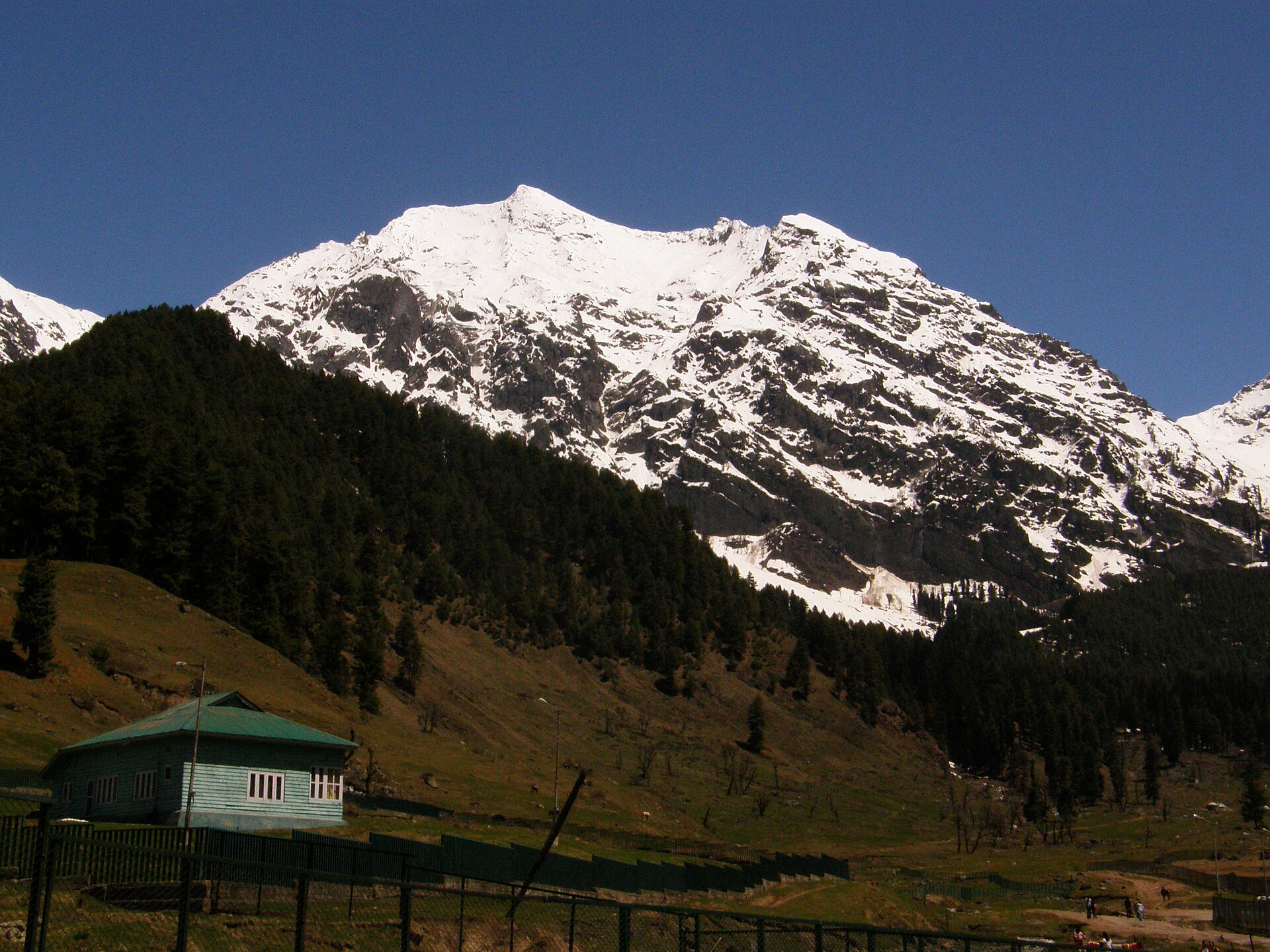
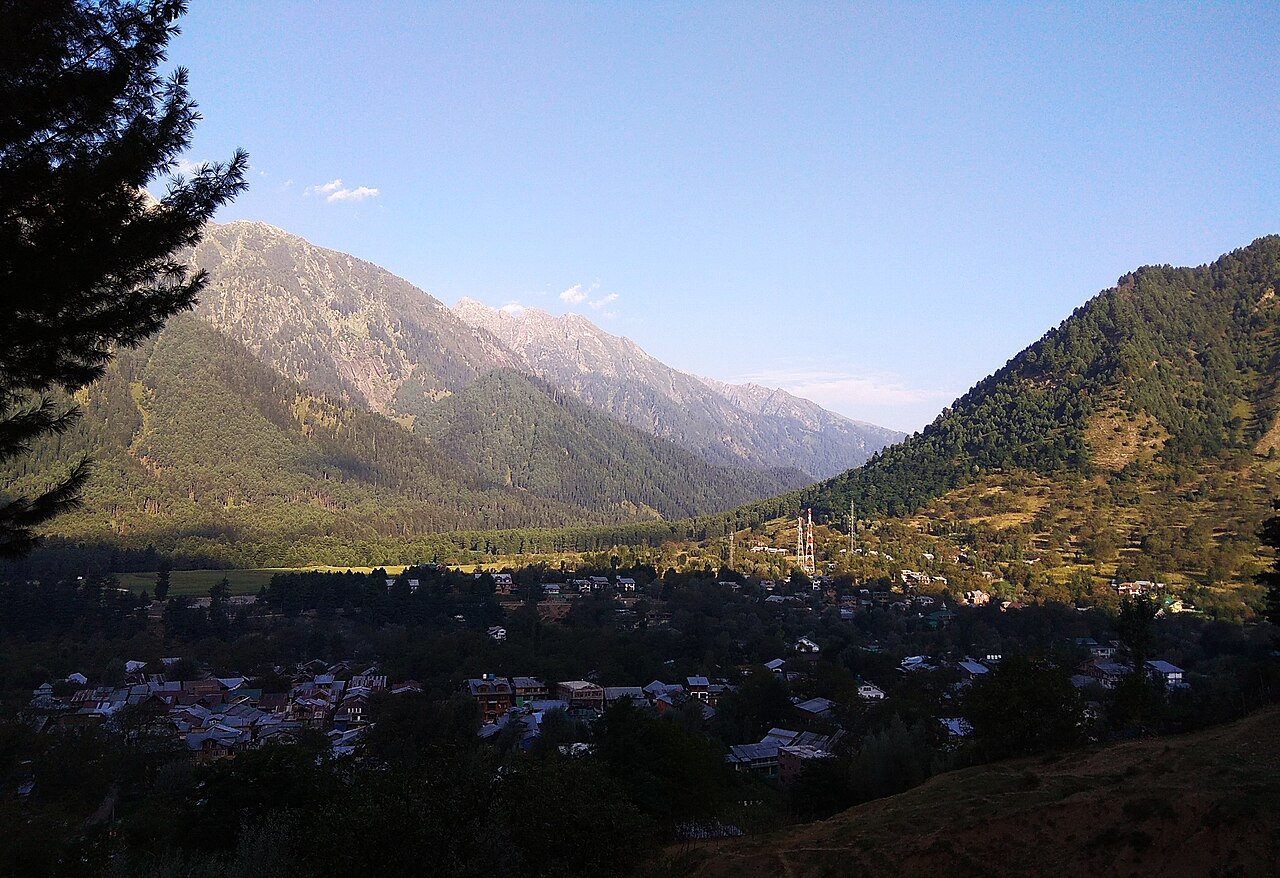
The rolling green pastures of Aru Valley during peak summer trekking season.Photo: Harshruti · CC BY-SA 4.0
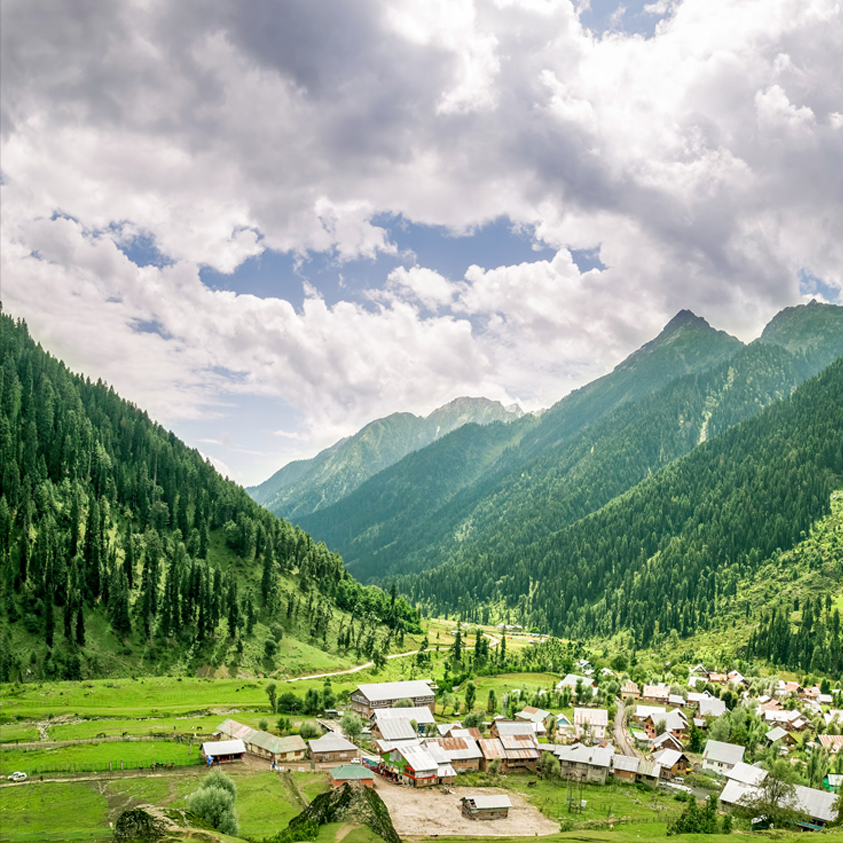
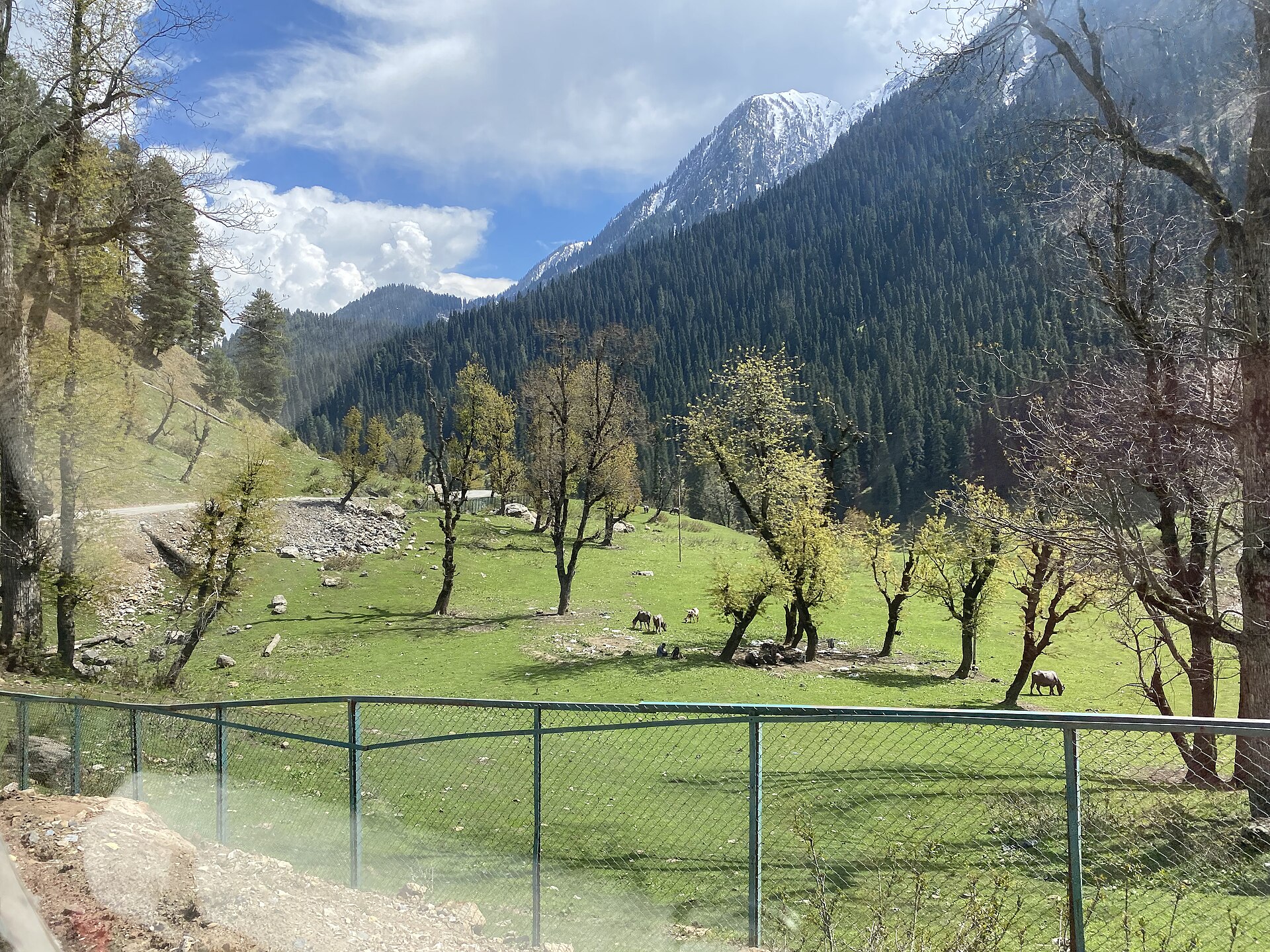
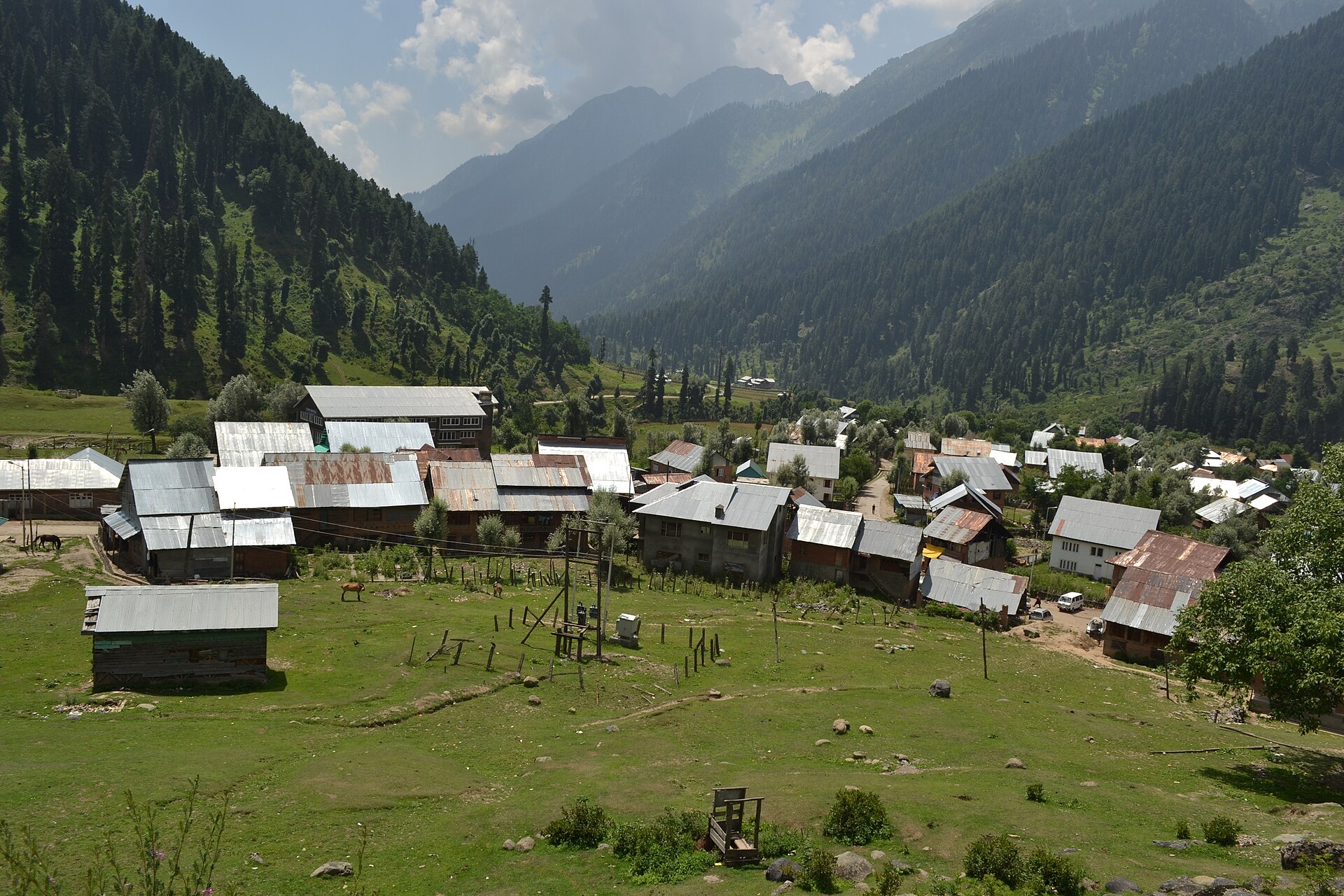
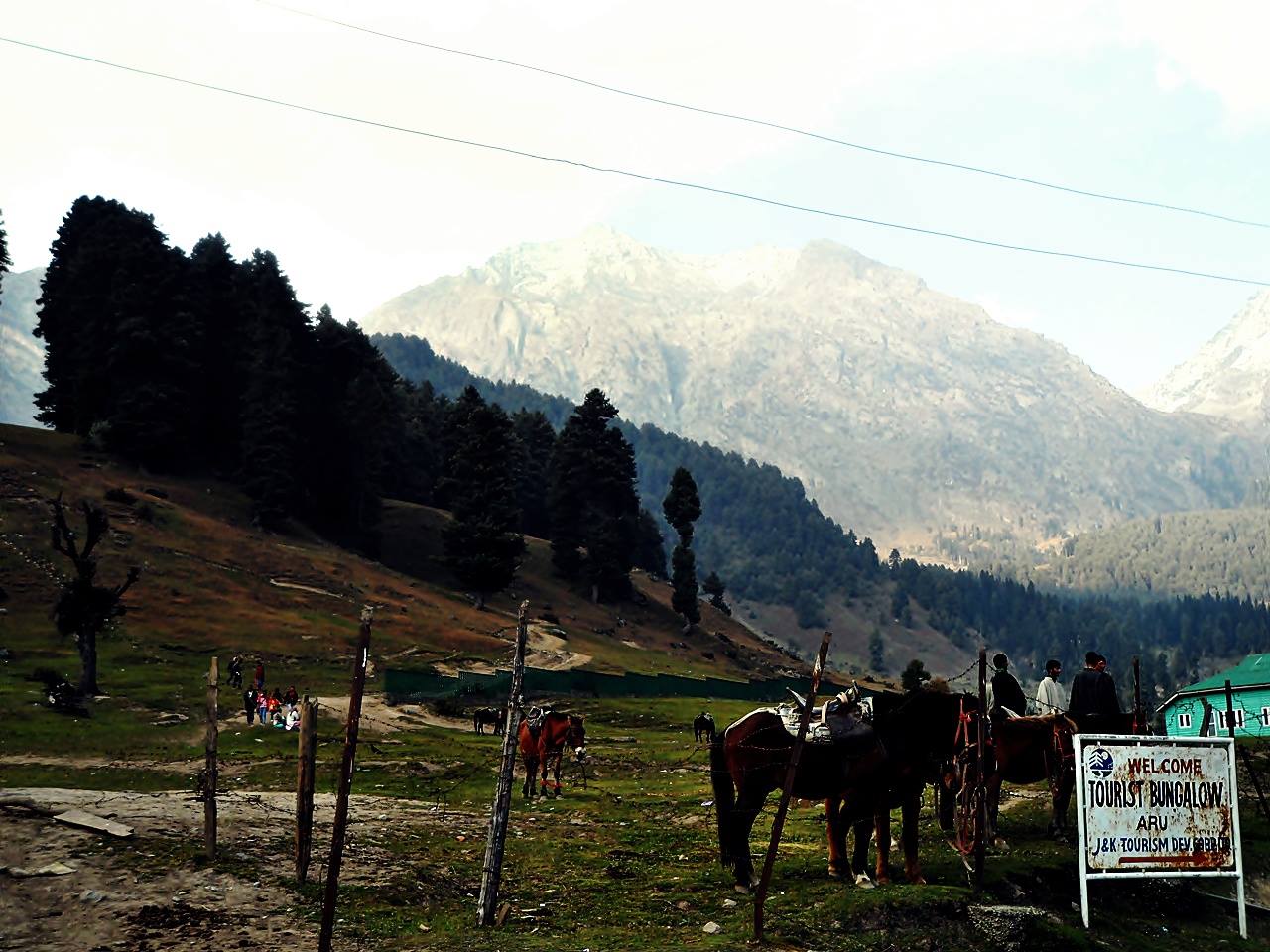
The first time I walked up the ridge behind Aru village, the morning mist was still clinging to the pine tops. Down by the Lidder river, horses were grazing quietly while local shepherds boiled tea over wood fires. It is easy to see why travellers fixate on this corner of South Kashmir.
Pinpointing the best time to visit Aru Valley depends entirely on what you want out of the landscape. Come in May for rushing snowmelt and early green shoots, or wait until July when the high-altitude pastures burst into colour. Each month shifts the character of the trails significantly.
We spend our summers here guiding clients through these exact valleys, watching how the weather turns from crisp spring mornings to heavy monsoon showers and finally to golden autumn frost. Here is how we break down the calendar year for travellers looking to plan a serious trek.
Spring Awakening: May and June in the Lower Meadows
Spring arrives late in the upper reaches of Kashmir. While the plains down in Jammu are sweltering through May, Aru stays refreshingly cool with daytime temperatures hovering around fifteen degrees Celsius. Nighttime drops sharply, often touching single digits, so pack your fleece.
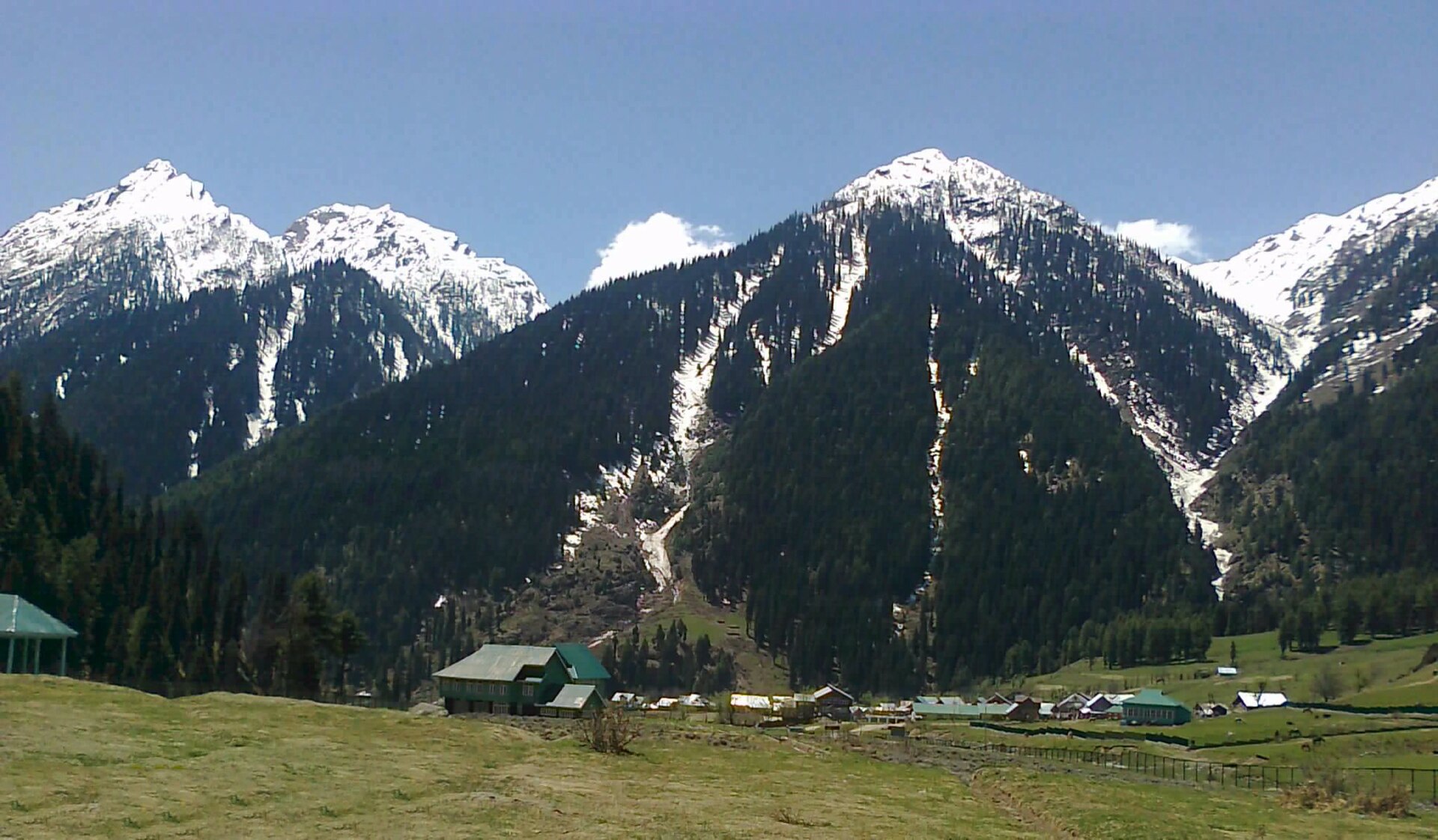
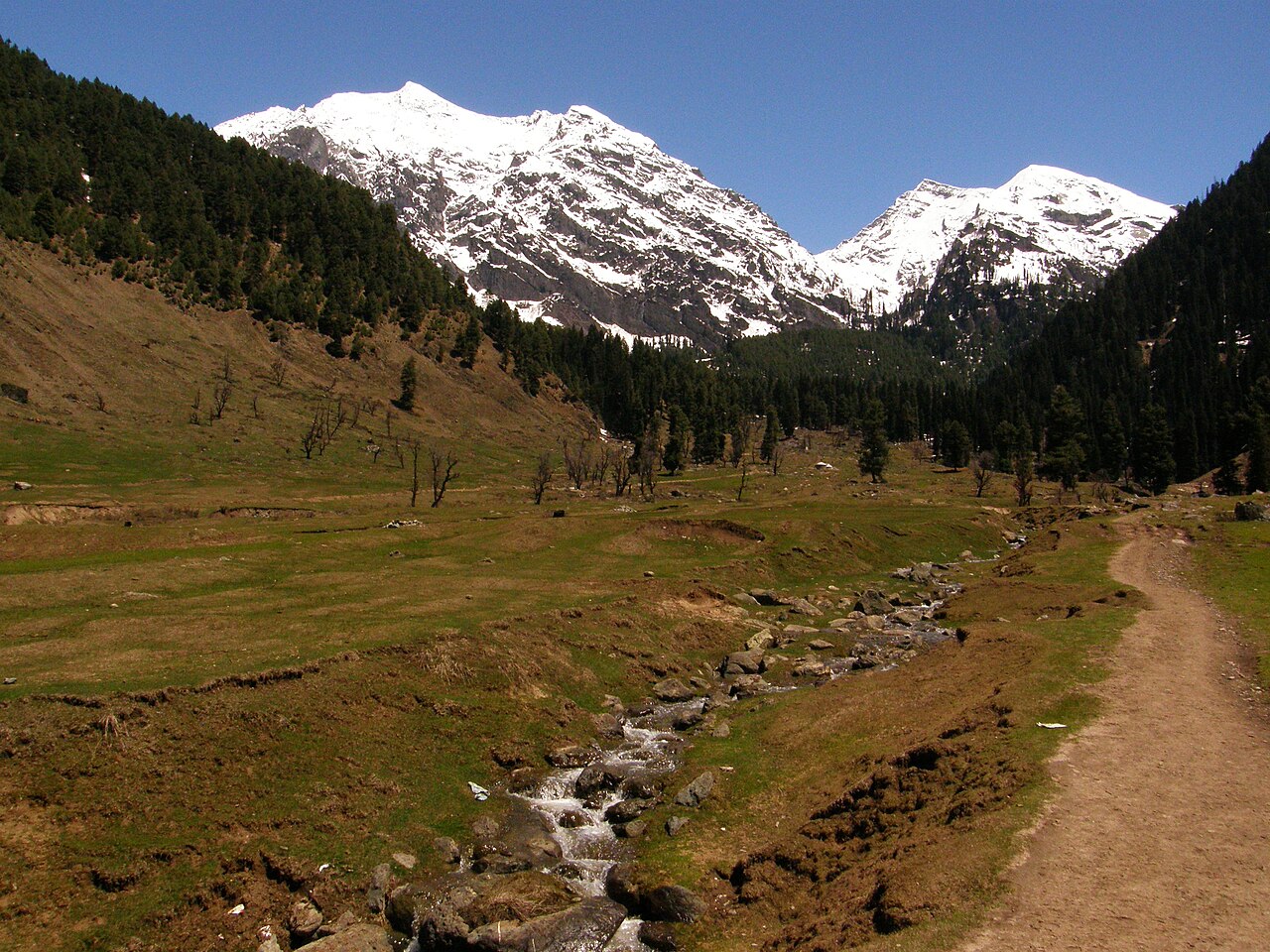
The snow melts from the lower pastures by mid-May, exposing vibrant green grass dotted with wild buttercups and early irises. Trails like the path towards Lidderwat are usually clear of heavy snow by the end of the month, though you will still cross a few stubborn patches in the shaded ravines.
This is a quiet time to visit before the summer holiday rush begins in July. You can walk for hours along the river without seeing another group of hikers.
- Daytime temperatures: 12°C to 18°C
- Nighttime temperatures: 2°C to 7°C
- Trail status: Lower tracks clear, higher passes still snowy
Peak Summer Trekking: July and August Conditions
By July, the main trekking season is fully underway. This is the best time to visit Aru Valley if you want to push past the treeline towards Kolahoi Glacier or the high-altitude lakes of Tarsar and Marsar. The weather is generally stable, though brief afternoon showers are common.
Temperatures reach their annual peak during these months, hitting roughly twenty-two degrees during the warmest hours. The sun is surprisingly fierce at this altitude, so sunscreen and a wide-brimmed hat are mandatory items for your day pack.
Because this aligns with the Amarnath Yatra and the school holidays across India, Pahalgam and the approach roads get busy. We always advise clients to book their village stays and pony handlers well in advance during these two months.
Managing Afternoon Showers
Kashmir does not experience a true monsoon in the tropical sense, but July and August bring frequent mountain storms. They usually roll in around three in the afternoon, lasting an hour or two before clearing up for a brilliant sunset. Plan your long walks to start at dawn so you are tucked away in a tent or tea house by mid-afternoon.
The air turns crisp, clean, and carries that unmistakable scent of approaching winter.
Autumn Colours: September and October Magic
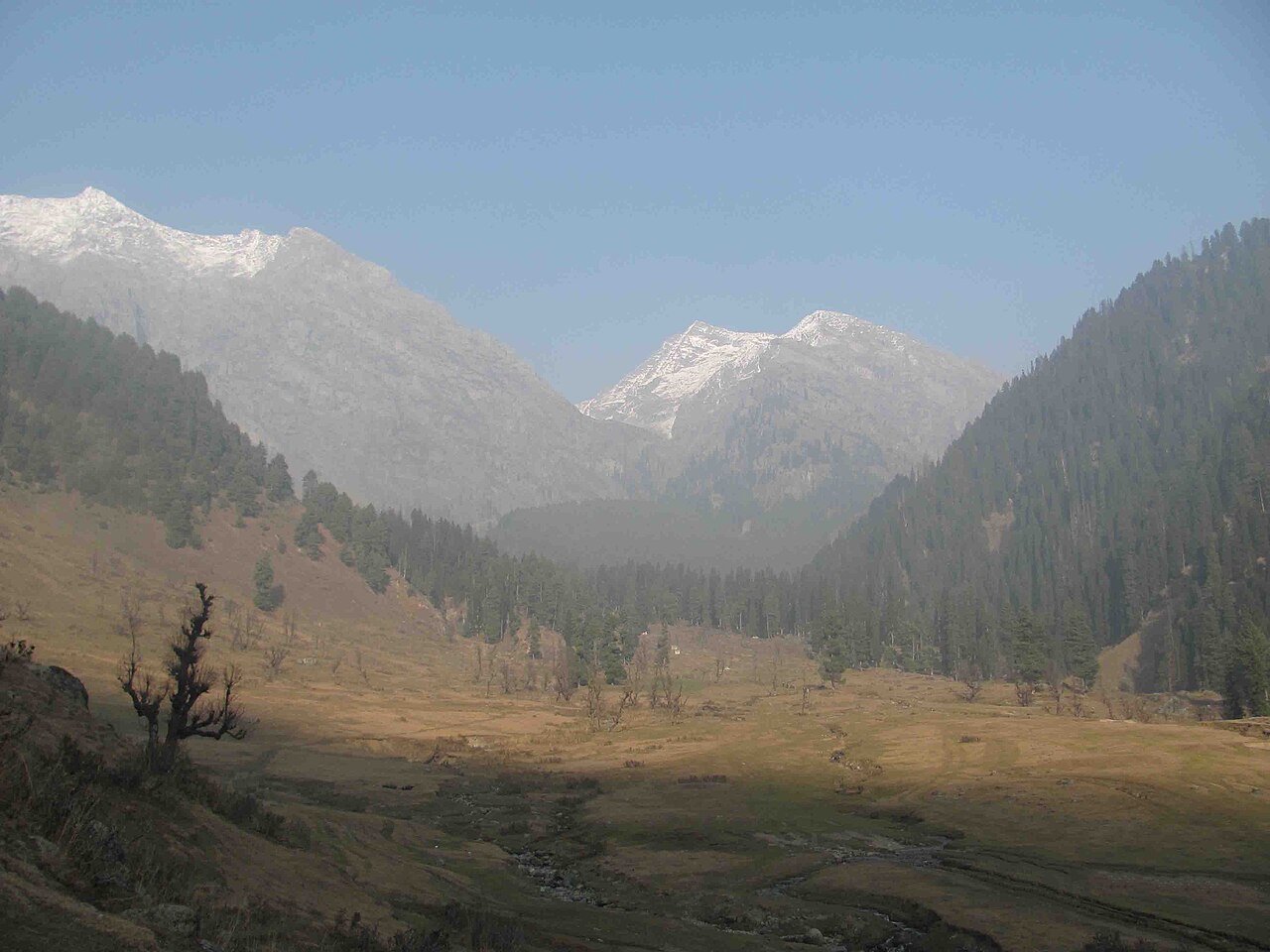
September is our personal favourite month in the mountains. The summer crowds vanish almost overnight after the first week of September, leaving the trails wonderfully empty. The air turns crisp, clean, and carries that unmistakable scent of approaching winter.
By late September, the walnut trees and poplars around the village turn a striking shade of amber and gold. The grass on the higher meadows cures to a rich bronze colour that looks extraordinary in morning photographs. Daytime temperatures stay comfortable around fifteen degrees, but nights drop below freezing by mid-October.
Trekking is still entirely feasible through September, but by the second week of October, high-altitude camps face the threat of early snowfall. We generally wrap up our guided multi-day treks out of Aru by mid-October to avoid getting caught in sudden blizzards.
Winter Closure: November to April Snows
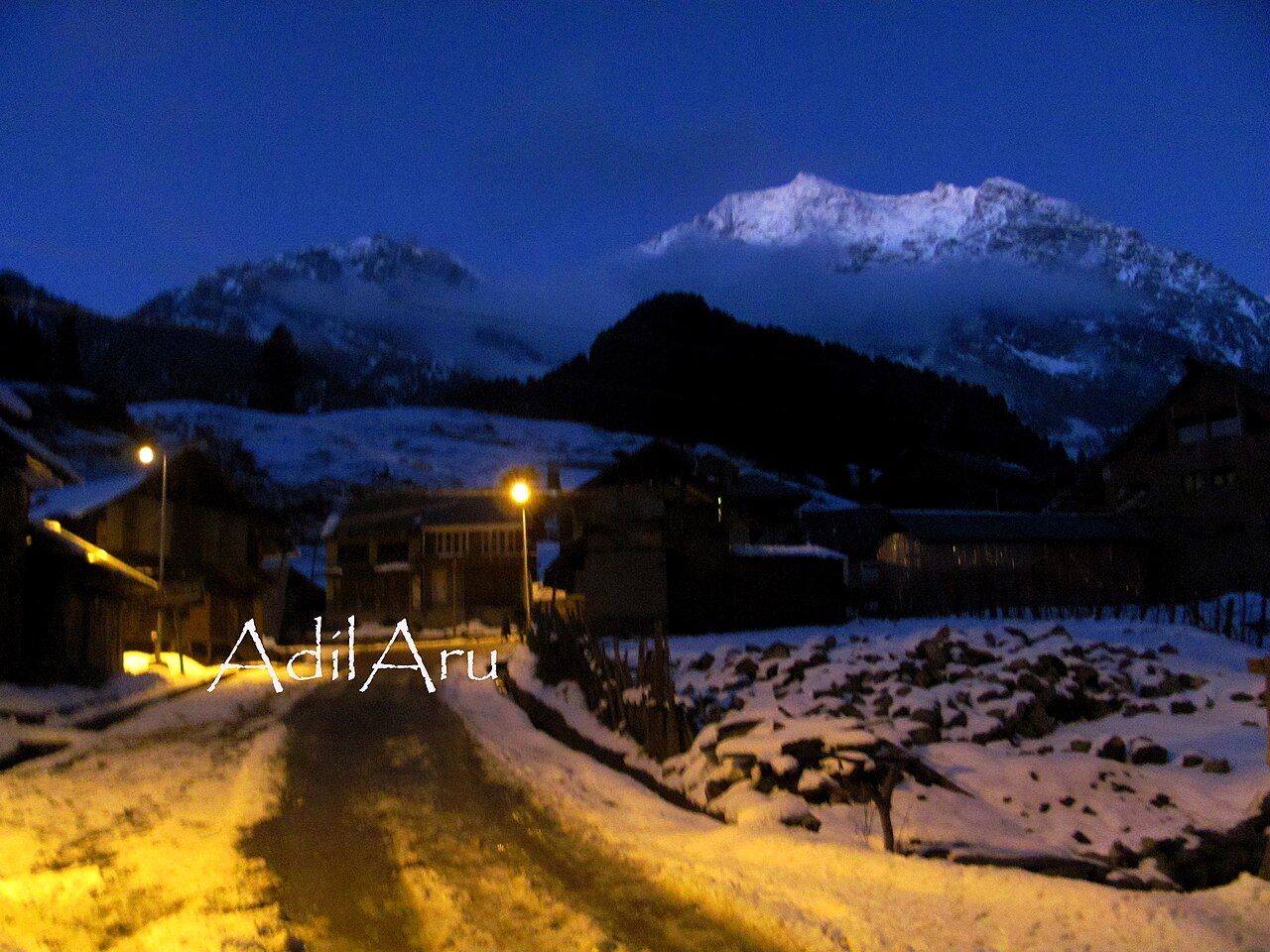
Winter transforms Aru into a deep freeze. Heavy snowfalls block the road from Pahalgam entirely for weeks at a time, turning the village into an isolated pocket of traditional wooden homes buried under deep white drifts.
While skiing and winter sports thrive in neighbouring Gulmarg, Aru remains largely dormant during these months. Only hardy locals and a few adventurous snow-shoers make the trek up from Pahalgam when the snow clearance permits.
We do not recommend planning a standard holiday here between December and March unless you are joining a specialized expedition. Accommodation options in the village close down for the season, and basic utilities like electricity can be unreliable.
Selecting Your Ideal Month Based on Fitness and Goals
Every traveller has a different threshold for crowds, weather, and physical exertion. If you are a casual walker who wants wildflowers without grueling climbs, plan your trip for late June. The trails are manageable and the valley is bursting with green life.
If your goal is serious alpine trekking towards the glacial valleys, lock in your dates for late July or August. Just be prepared to share the initial trailhead with other groups before you branch off into the wilderness towards our recommended /destinations/kashmir/aru-valley routes.
Whatever you decide, remember that mountain weather refuses to be rushed. Build a buffer day into your itinerary so you never have to panic if a morning flight or mountain road is delayed.
Before you book
Choosing when to pack your bags for the Lidder valley comes down to balancing your appetite for solitude against your desire for clear high-altitude passes. Whether you watch the spring snowmelt from a village porch or push through autumn gold towards Kolahoi, the landscape leaves a lasting mark.
If you are currently mapping out your next mountain escape and want grounded advice on trail conditions or local transport, feel free to reach out to our team at /contact. We are always happy to help you figure out the logistics.
Ready to Plan Your Aru Valley Trek?
Let our local experts help you craft a custom itinerary that matches your hiking pace and seasonal preferences.
Talk to Our TeamCaption for your own post
Golden autumn light over the meadows of Aru Valley. Timing your mountain trek right makes all the difference. #AruValley #KashmirTrekking
Written by
Kashmir, Jammu & Ladakh specialists
We plan and run trips across Kashmir, Jammu and Ladakh every week of the year. Everything here comes from routes we drive, stays we inspect and questions our travellers actually ask.
Written by a Skywale guide who has spent over a decade leading treks across the Lidder valley.
Quick answers
Questions we get asked
What is the absolute best month for trekking in Aru Valley?
September is widely considered the best month. The summer crowds have gone, the weather is stable and clear, and the autumn colours start transforming the valley landscape into shades of gold and amber.
Can I visit Aru Valley during the winter months?
Visiting in winter is difficult because heavy snow regularly blocks the access road from Pahalgam. Most guesthouses close down, and basic tourist infrastructure is unavailable from December through March.
How cold does it get in Aru Valley during summer nights?
Even in July and August, nighttime temperatures can drop to around eight or ten degrees Celsius. You will need a good jacket and warm sleeping bag if you plan on camping in the meadows.
Are permits required for trekking out of Aru Valley?
Standard day walks around the village do not require permits. However, longer multi-day treks towards remote alpine lakes require registration with local authorities and forest department checkpoints.
Photography credits
- Photo: Harshruti · CC BY-SA 4.0
- Photo: Nandanupadhyay · CC BY-SA 3.0
- Photo: Nawr'n k · CC BY-SA 4.0
- Photo: Harshruti · CC BY-SA 4.0
- Photo: Irfanaru · CC BY-SA 3.0
- Photo: AdilAru · CC BY-SA 3.0
- Photo: TechnoAyan · CC BY-SA 4.0