What Is Aru Valley? An Overview of Pahalgam's Alpine Retreat
Discover the geography, village life, and trekking significance of Kashmir's premier mountain escape.
An in-depth overview of Aru Valley, exploring its geography, Lidder river frontage, traditional village culture, and role as a major trek base.
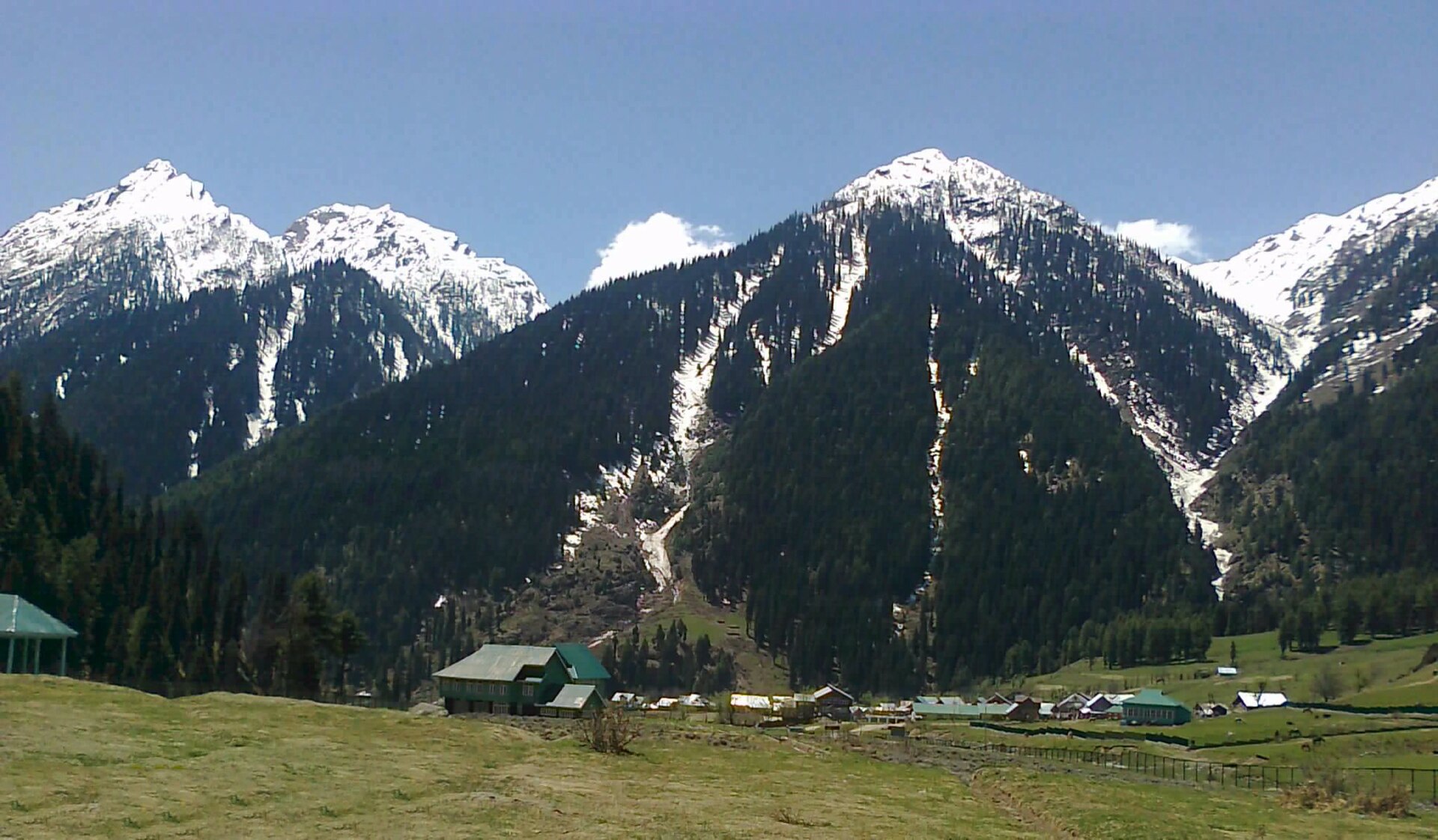
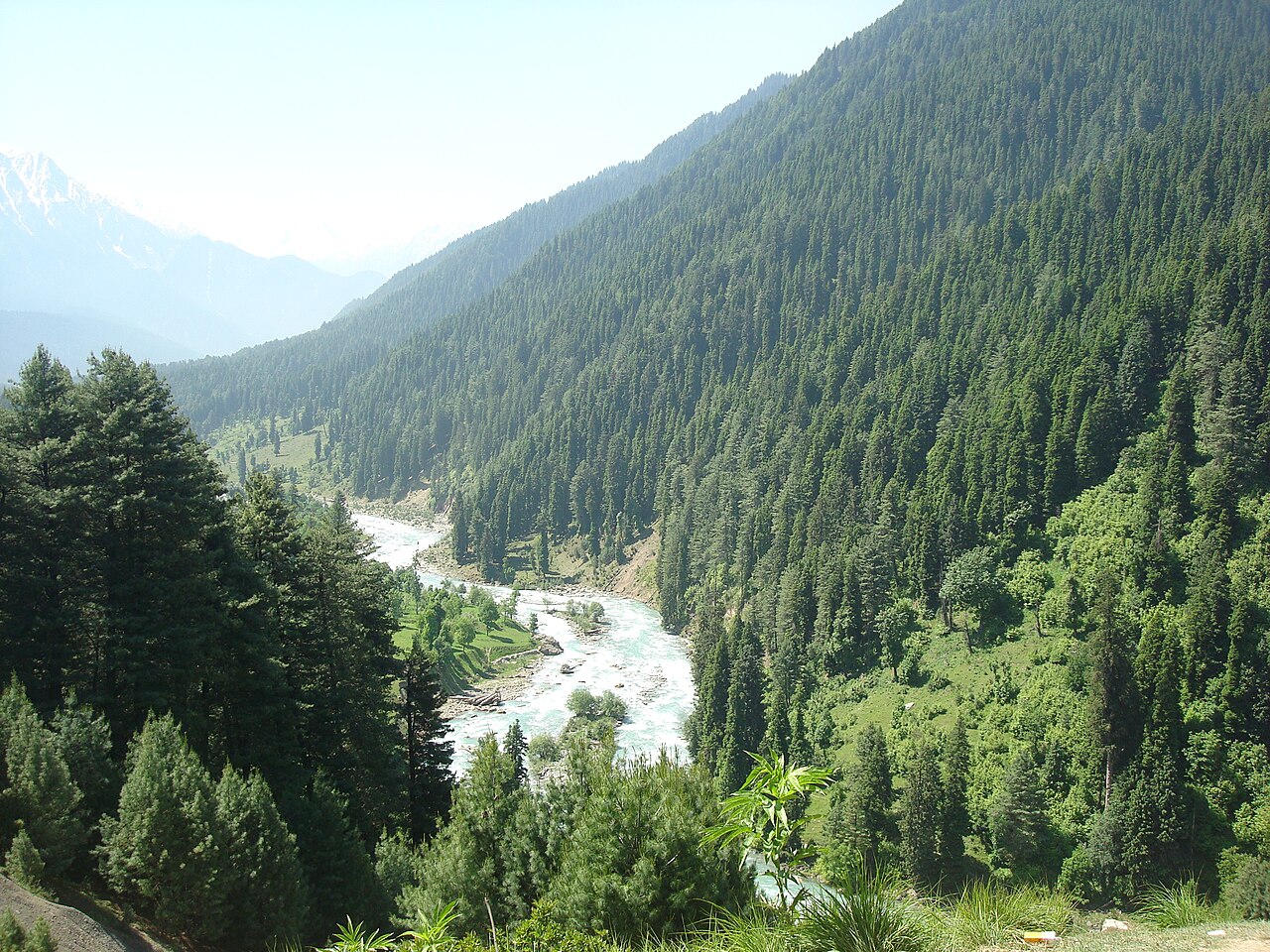
The wide glacial bowl and rolling meadows of Aru Valley.Photo: Irfanaru · CC BY-SA 3.0
To understand Aru Valley, you first need to leave the crowded tourist markets of Pahalgam behind and follow the Lidder river upstream. The road narrows, the pine trees crowd closer to the tarmac, and the noise of city life fades into the sound of rushing glacial water.
So, what is Aru Valley? At its core, it is a high-altitude meadow settlement sitting at roughly 2,400 metres above sea level. It serves as the final roadhead before the high Himalayan wilderness takes over, acting as a sanctuary for travellers looking to escape the bustle of the main tourist towns.
We have guided countless visitors up this valley over the years, watching them transition from hurried tourists to unhurried mountain wanderers. Here is a comprehensive look at the geography, daily life, and trekking importance of this remarkable Kashmiri retreat.
Geography of the Aru Meadow
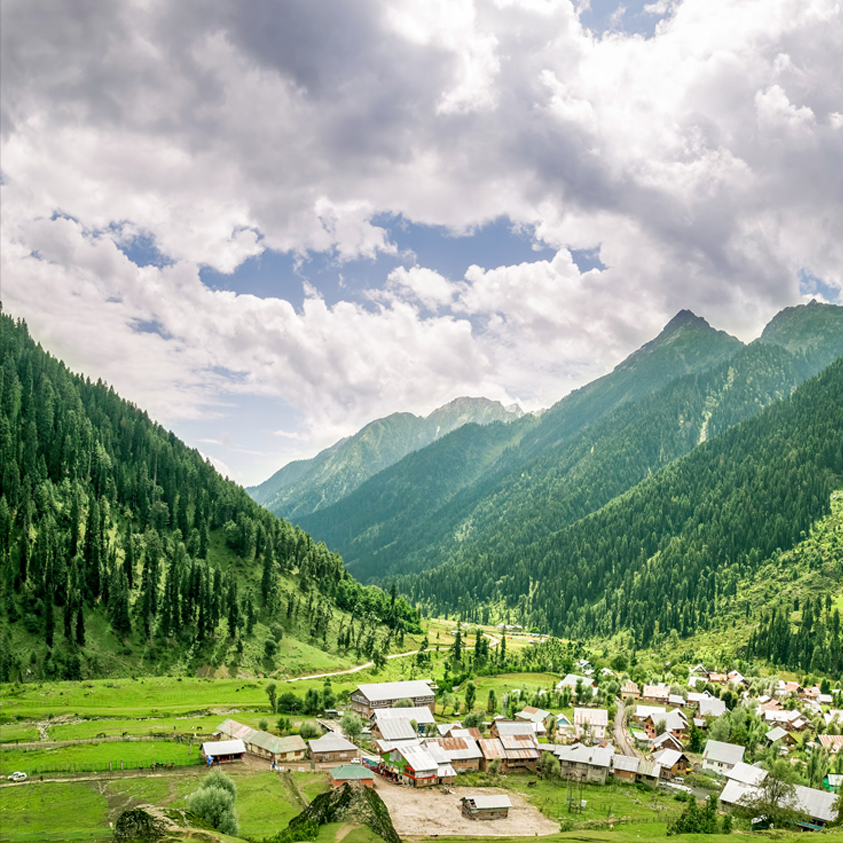
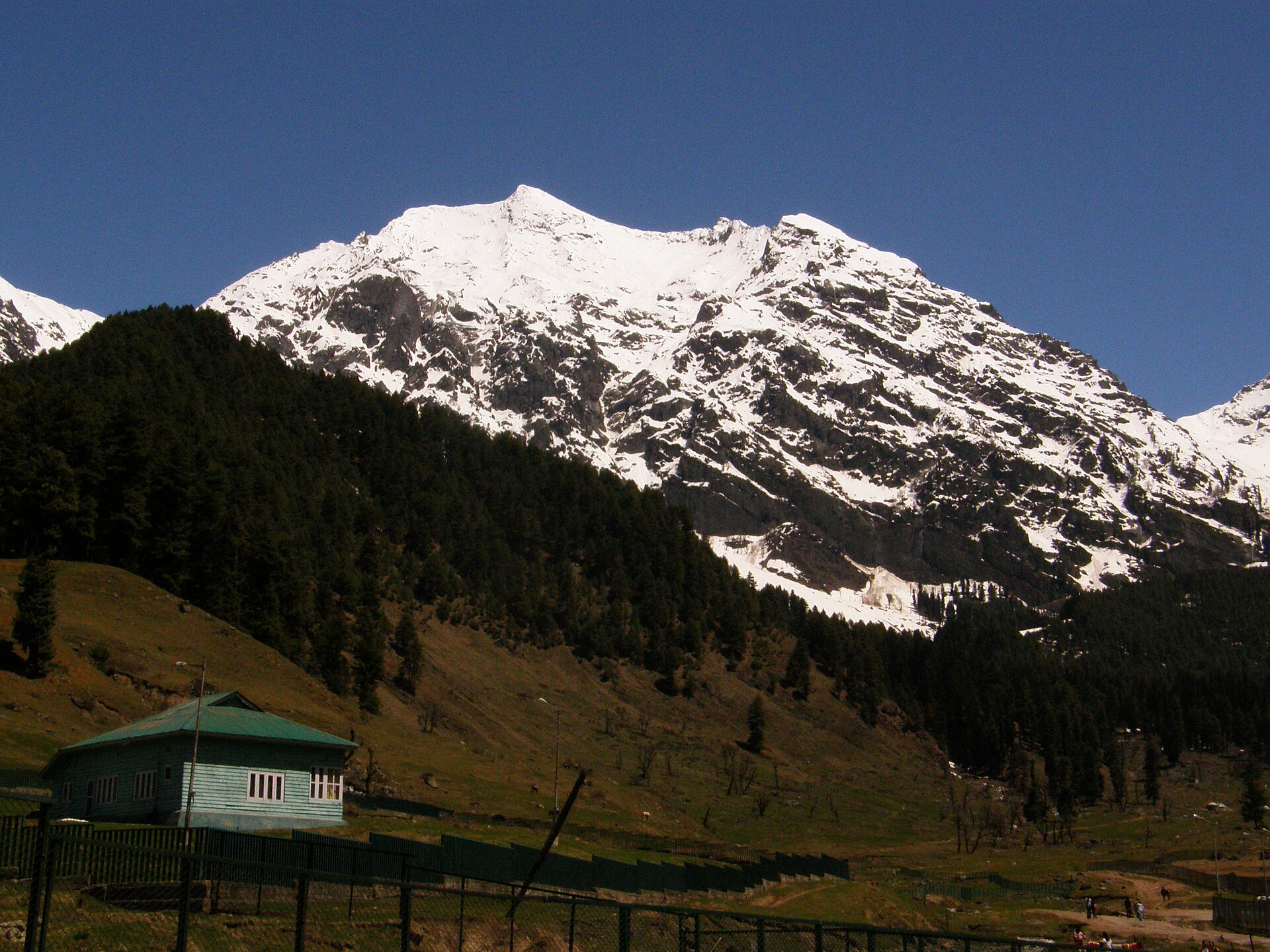
Aru sits in a wide glacial bowl carved out by ancient ice flows. Towering limestone peaks and dense coniferous forests ring the flat grassy floor, creating a natural amphitheatre that traps the crisp mountain air.
The geography dictates everything here. Because the valley floor is relatively flat while the surrounding slopes rise steeply towards snowfields, it creates a stark contrast between pastoral serenity and rugged alpine terrain.
Unlike urbanized tourist hubs, the settlement has maintained its open character. Local zoning and traditional land ownership have prevented high-rise concrete construction from ruining the natural horizon.
Life in a Traditional Kashmiri Village
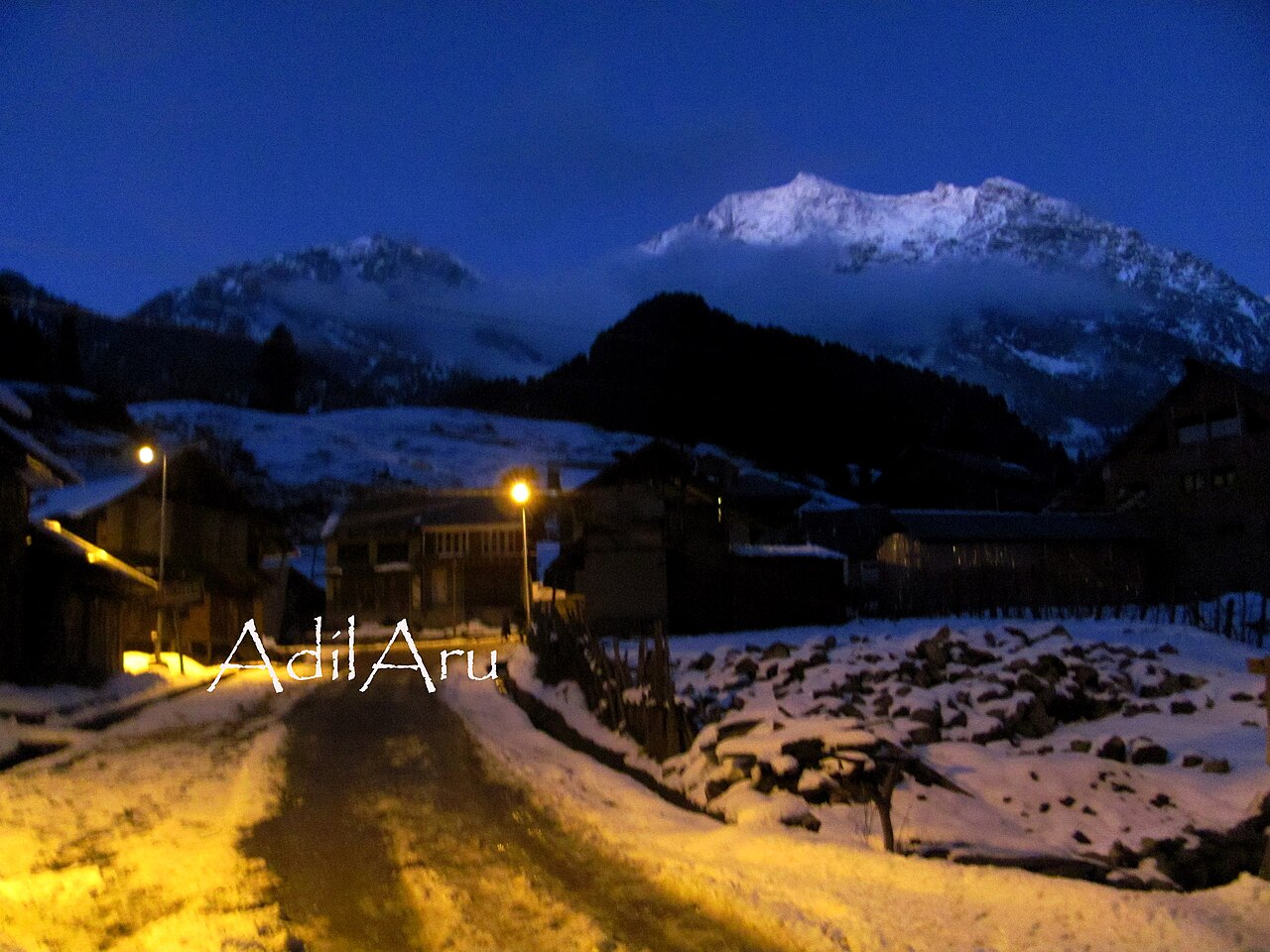
The permanent population of Aru is small, numbering only a few hundred residents who mostly make a living through potato farming, sheep rearing, and seasonal tourism services. Their homes are built from heavy pine logs and weathered stone, designed to withstand heavy winter snow loads.
Walking through the village lanes, you will see women tending kitchen gardens while elders gather around communal tea spots to discuss weather patterns and grazing rights. Life here follows the seasons rather than the clock.
Electricity arrived decades ago, but the village retains an old-world rustic charm that modern amenities have not managed to erase. Staying in a local guesthouse gives you a front-row seat to this unhurried way of living.
Architecture and Construction
The traditional wooden architecture of Aru is a masterclass in regional adaptation. Interlocking logs provide insulation against sub-zero winter temperatures, while sloping tin or wooden roofs shed snow effortlessly during January storms. Many structures have stood for generations.
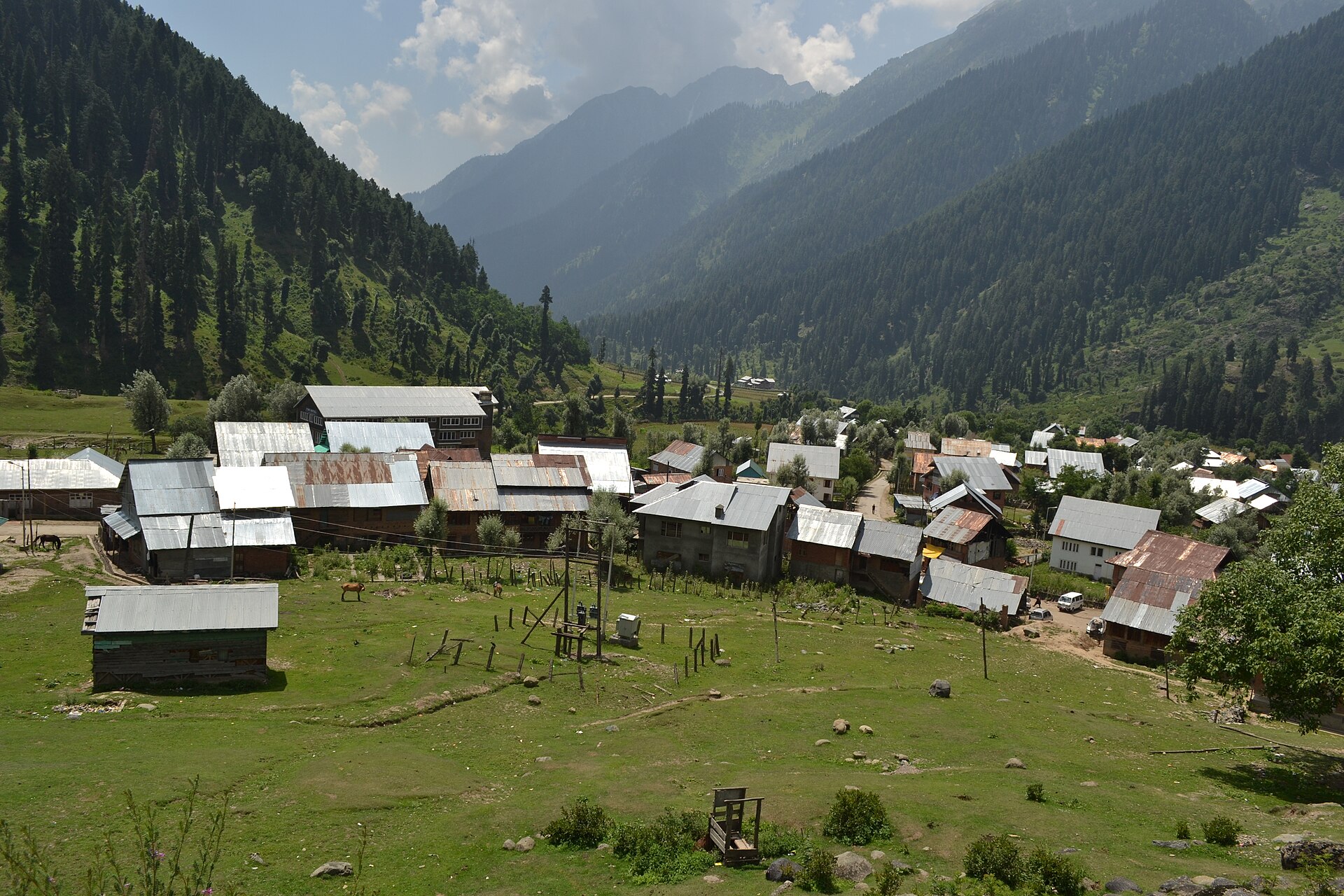
The village retains an old-world rustic charm that modern amenities have not managed to erase.
The Significance of the Lidder River
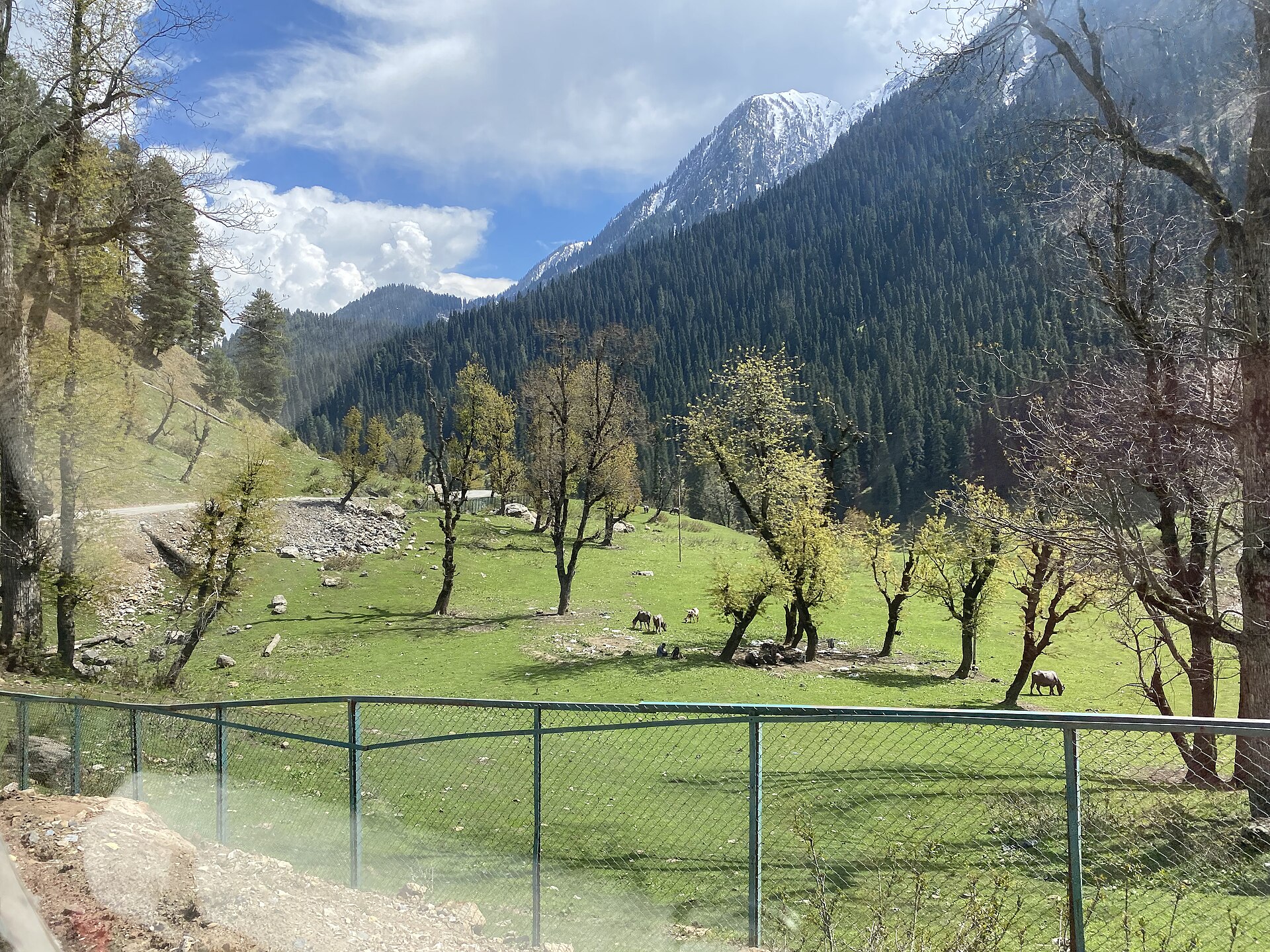
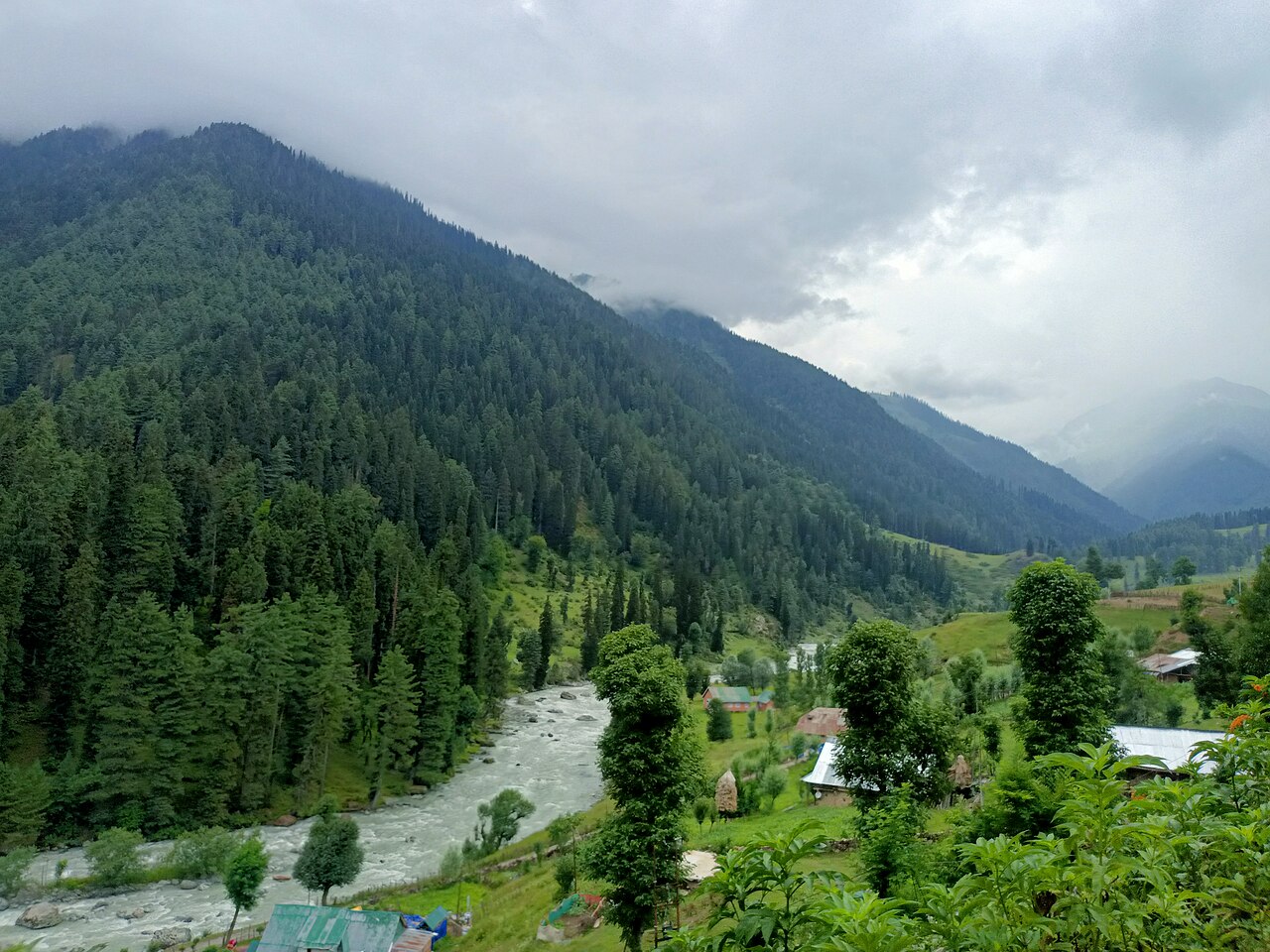
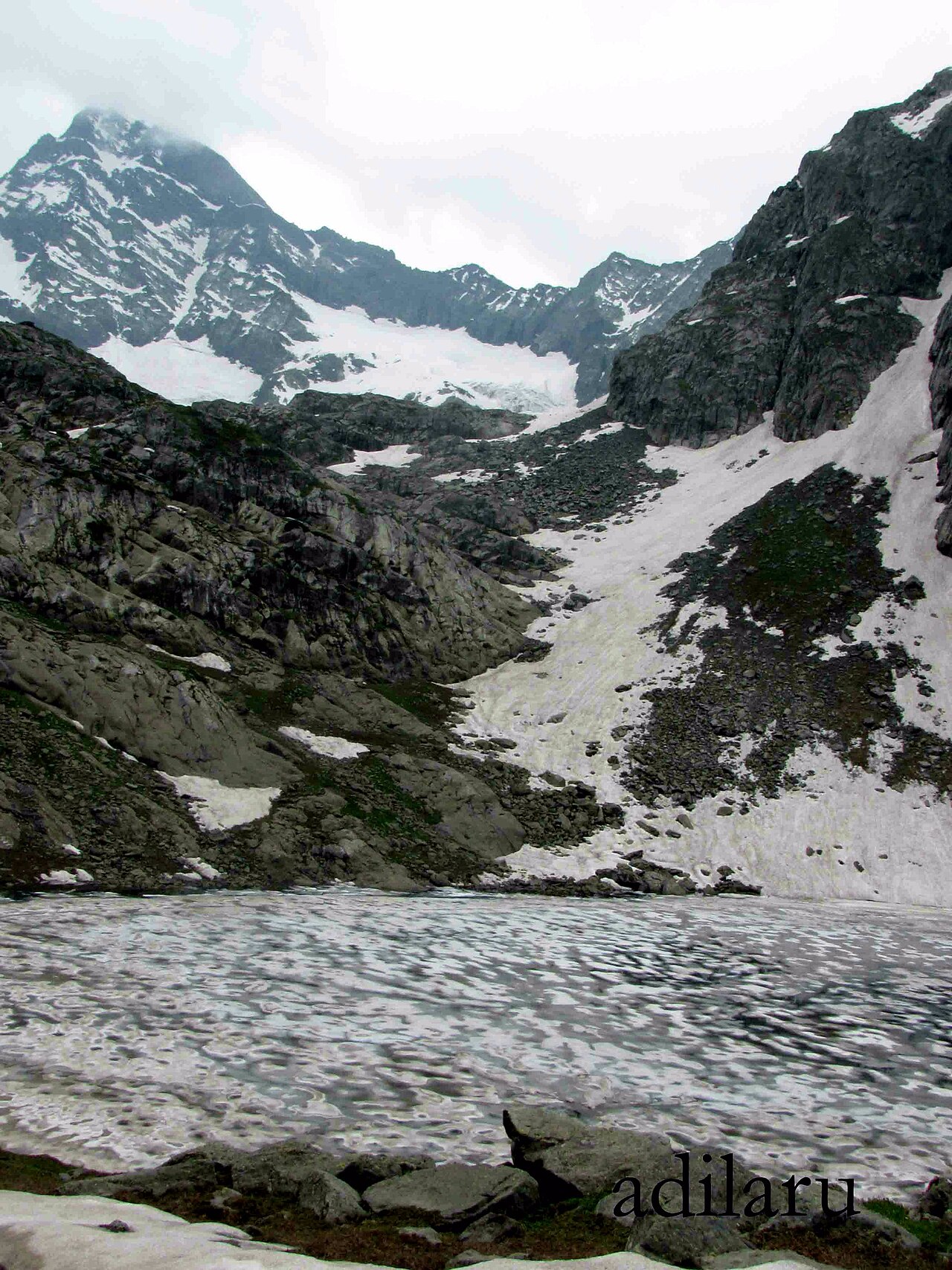
Water defines the geography and mood of the valley. The East Lidder river roars past the edge of the village, fed directly by the melting snows of the Kolahoi glacier higher up in the mountains.
The sound of the river is a constant companion wherever you walk in Aru. Its icy waters support local trout populations and provide essential irrigation for the terraced fields hugging the valley walls.
Crossing the wooden footbridges that span the rushing current is a daily ritual for anyone exploring the area. The water runs crystal clear, reflecting the brilliant blue of the Kashmir sky before winding its way down toward /destinations/kashmir/pahalgam.
Aru as a Base Camp for Major Treks
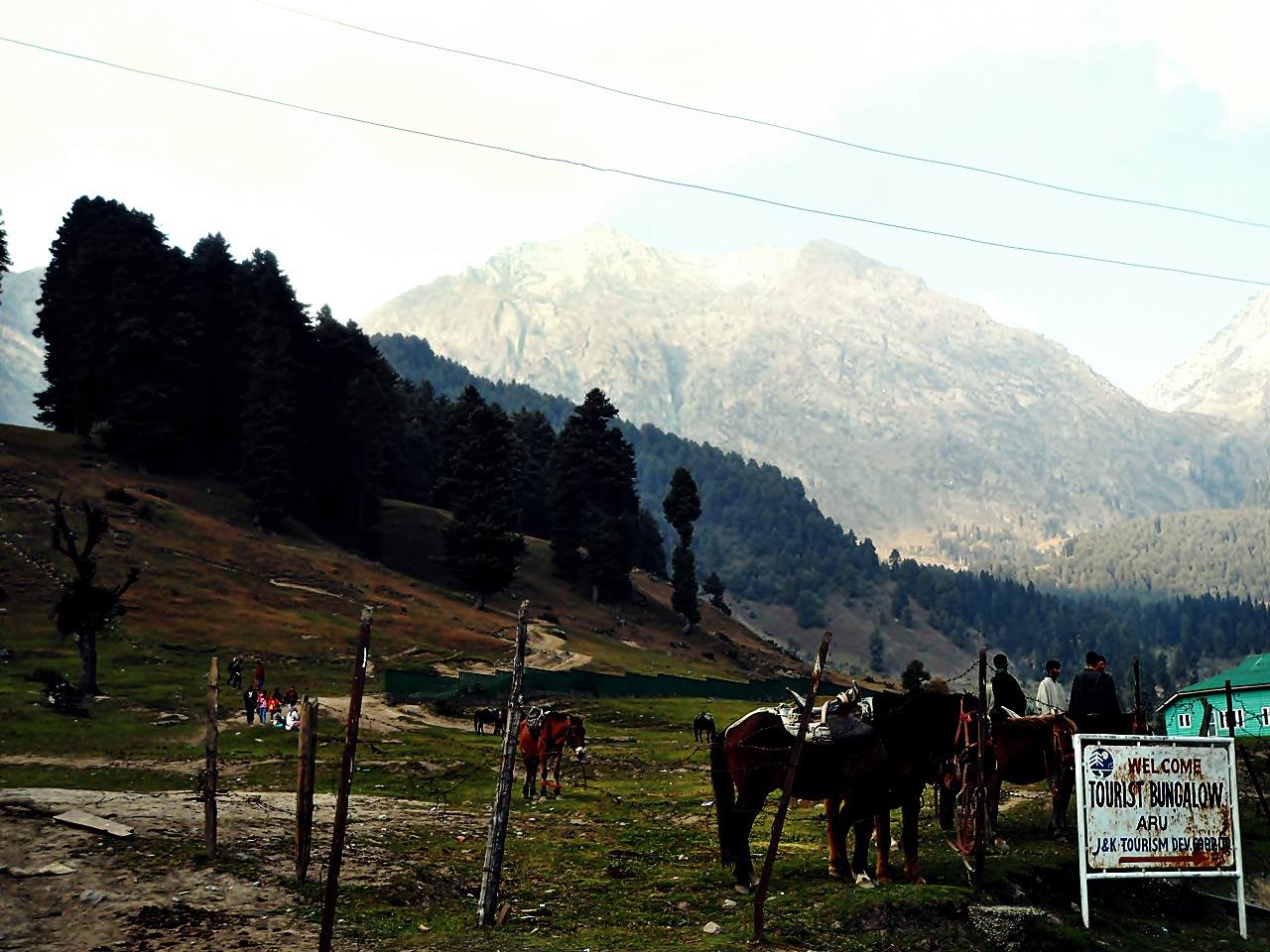
Beyond its appeal as a day-trip destination, Aru functions as the primary gateway for serious trekking in South Kashmir. When mountaineers talk about heading into the high backcountry, this is almost always where they tie their bootlaces.
Trails branch out from the edge of the village toward legendary alpine destinations. You can hike up the gentle valley towards Lidderwat, push further to the Kolahoi glacier snout, or take the high-altitude routes leading to Tarsar and Marsar lakes.
We regularly set up multi-day expeditions from this exact spot because the transition from village life to complete wilderness happens within thirty minutes of walking.
- Gateway trek to Lidderwat and Kolahoi Glacier
- Starting point for Tarsar and Marsar alpine lake circuits
- Ideal acclimatisation hub before tackling high mountain passes
Why Travellers Choose Aru Over the Main Town
Many first-time visitors book hotels in Pahalgam town without realizing how busy and commercialized it can feel during peak season. Aru offers an entirely different proposition for those who prefer nature over market streets.
While Pahalgam provides hotels, restaurants, and market bustle, Aru provides silence, open meadows, and uninterrupted mountain views. It is the difference between staying inside a tourist hub and staying right on the edge of the wilderness.
If you want to experience the tranquil side of Kashmir without sacrificing comfort, spending your nights here rather than in the main town makes all the difference. Explore our dedicated /destinations/kashmir/aru-valley itineraries to see how we structure these stays.
Before you book
Aru Valley stands as a reminder of what mountain travel used to feel like before commercial tourism took over every scenic valley. Its combination of open meadows, rushing glacial rivers, and traditional village life creates an atmosphere that stays with you long after you return home.
If you want help incorporating Aru into your upcoming Kashmir journey or need advice on combining it with stops like /destinations/kashmir/chandanwari, drop us a line at /contact. We love talking about these mountains.
Experience the Real Aru Valley
Let our local team design a custom itinerary that lets you experience the quiet alpine beauty of Kashmir.
Get in TouchCaption for your own post
Glacial rivers and alpine meadows in Aru Valley. Pahalgam's quietest mountain retreat. #AruValley #KashmirTravel
Written by
Kashmir, Jammu & Ladakh specialists
We plan and run trips across Kashmir, Jammu and Ladakh every week of the year. Everything here comes from routes we drive, stays we inspect and questions our travellers actually ask.
Written by editors at Skywale Packages who have spent decades guiding travellers through the Lidder valley.
Quick answers
Questions we get asked
How far is Aru Valley from Pahalgam town?
Aru Valley is located approximately twelve kilometres upstream from Pahalgam town, taking about thirty to forty minutes to reach by car along a winding mountain road.
What is the elevation of Aru Valley?
Aru Valley sits at an altitude of roughly 2,400 metres (7,870 feet) above sea level, making it noticeably cooler than the plains below.
Can I visit Aru Valley as a day trip from Pahalgam?
Yes, many visitors take a day trip from Pahalgam to explore the meadows and riverbanks, though staying overnight offers a much quieter and more immersive experience.
Is mobile connectivity available in Aru Valley?
Mobile connectivity is limited. Postpaid connections from select major telecom operators work sporadically in the village, but data speeds are generally slow.
Photography credits
- Photo: Irfanaru · CC BY-SA 3.0
- Photo: Nandanupadhyay · CC BY-SA 3.0
- Photo: AdilAru · CC BY-SA 3.0
- Photo: TheAutumnal · CC BY-SA 4.0
- Photo: TechnoAyan · CC BY-SA 4.0
- Photo: Debashritaiitmandi · CC BY-SA 4.0
- Photo: AdilAru · CC BY-SA 3.0