The Reality of Staying in a Ladakh Monastery
What it is actually like to swap a hotel room for a monk's cell in Hemis.
Curious about staying in ladakh monastery properties? Here is the unvarnished truth about monastery stays, room conditions, rules, and how to plan it right.
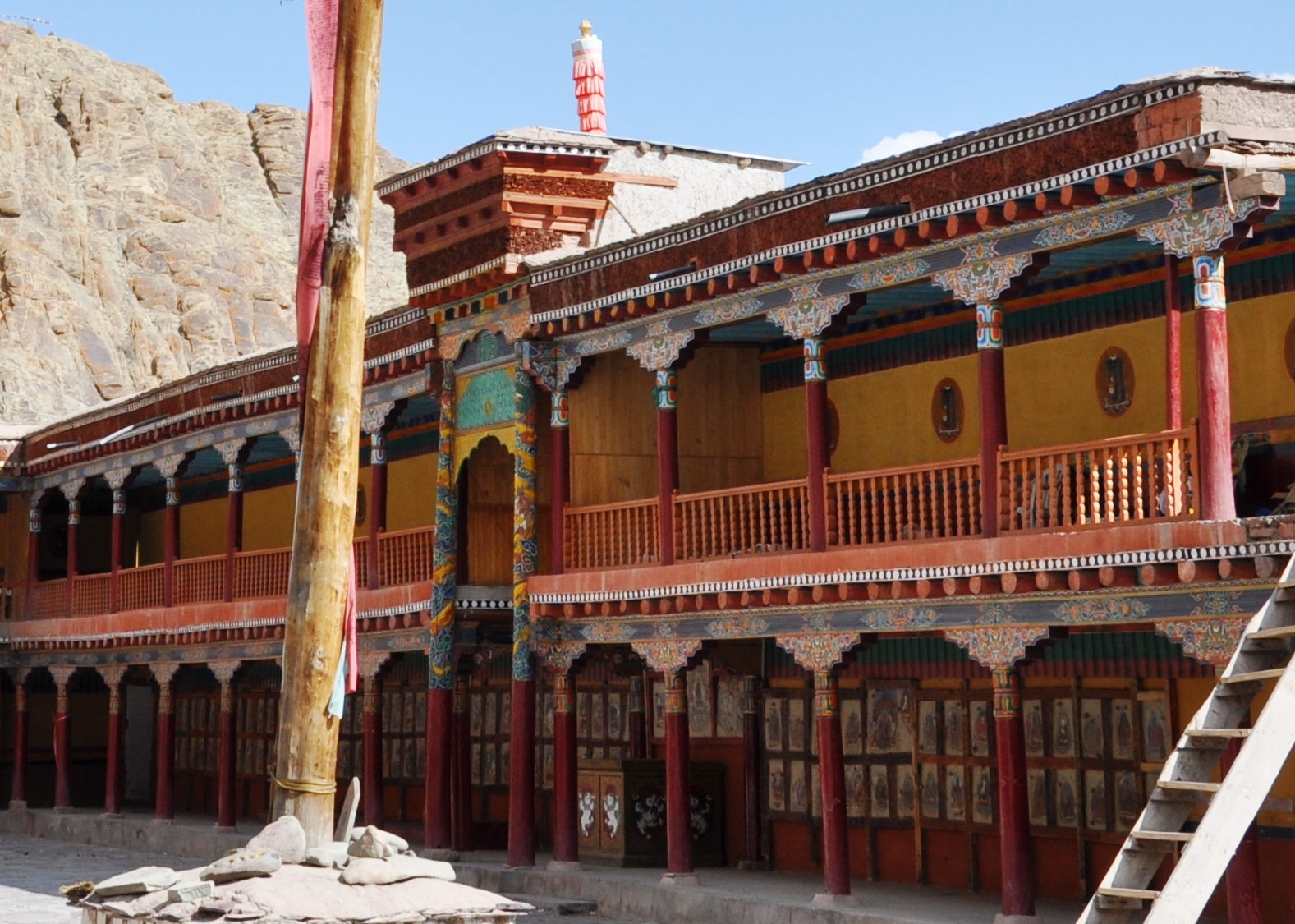
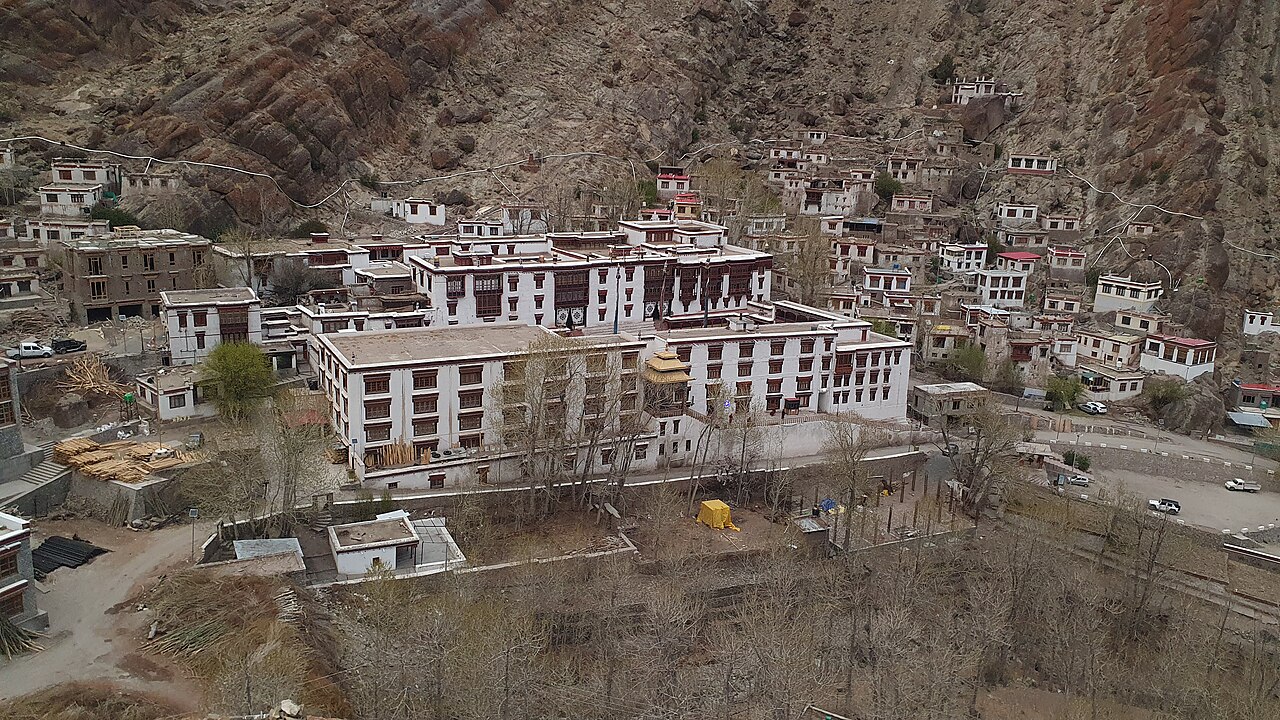
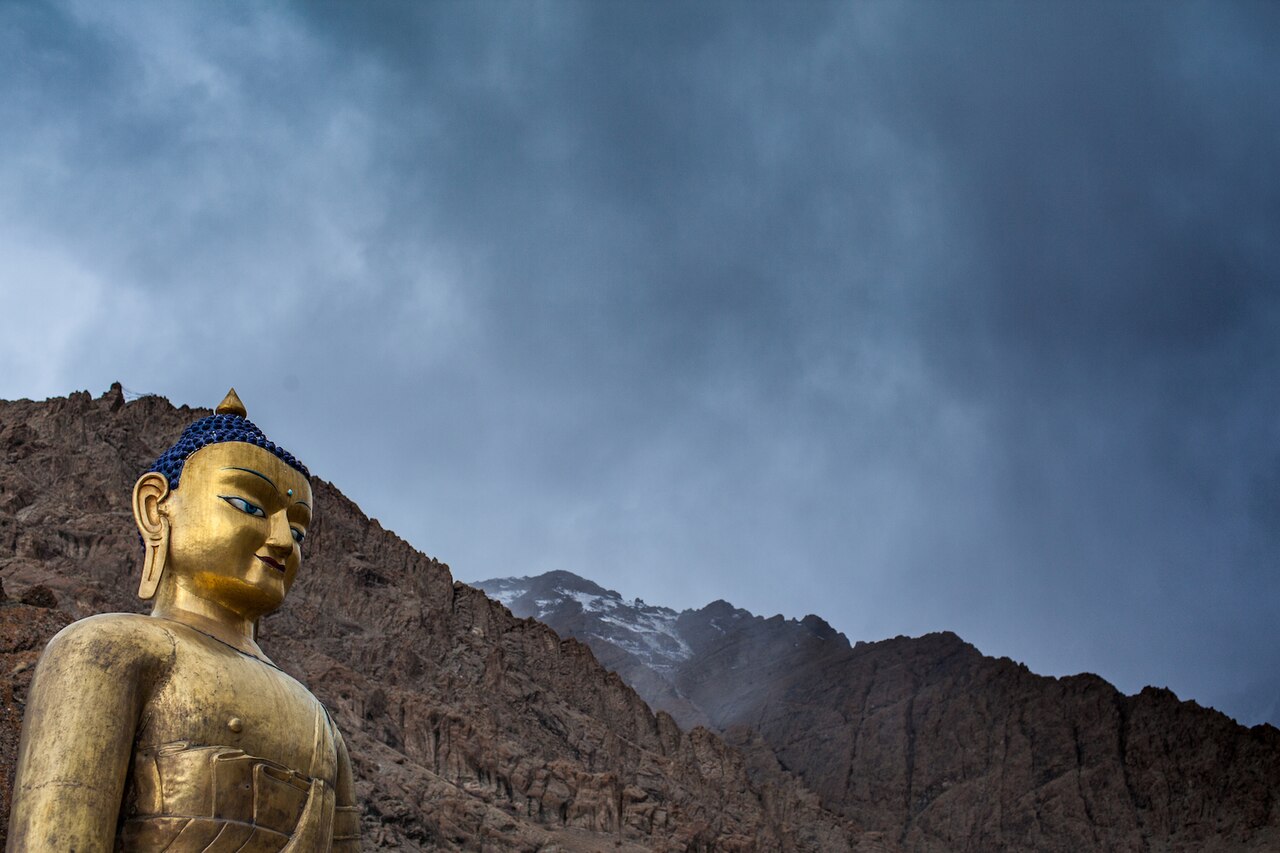
The sprawling stone and timber facade of Hemis Monastery under morning light.Photo: Mufaddal Abdul Hussain · CC BY-SA 3.0
The key rattles in the heavy padlock at five in the morning, and the thin wool of your blanket suddenly feels entirely inadequate against the mountain chill. You are not checking into a boutique lodge with underfloor heating. You are staying in ladakh monastery quarters, where the walls are thick stone, the floorboards creak under heavy felt boots, and the morning air smells faintly of butter lamps and old pine.
Travellers often ask us if they can sleep inside Hemis or Thiksey. They picture quiet meditation and deep conversations with robed monks. The reality is simpler, colder, and far more grounding. We arrange these stays for travellers who want more than a standard holiday, but you need to know what you are walking into before you sign up.
Over the years, we have spent many nights in various monastic complexes across the Indus valley. This guide strips away the romantic varnish and gives you the exact practical details you need to decide if a monastic night suits your travel style.
Is Monastery Accommodation Available in Hemis?
Let us clear up a common misunderstanding right away. You do not sleep inside the active residential quarters of the monks. Those are private zones reserved strictly for monastic life. Instead, larger foundations like Hemis maintain separate pilgrim rest houses or basic guest wings for visitors.
These rooms are utilitarian. Expect a single iron bed frame, a foam mattress that tends on the firm side, a heavy woollen blanket, and perhaps a small wooden table by the window. There are no televisions, room service, or Wi-Fi routers humming in the corner. Electricity can be erratic because generators are fired up only for a few hours in the evening.
Water supply is another factor to keep in mind. Running hot water is rare in the old guest wings. You will likely wash your face with cold mountain water from a courtyard tap or pour warm water from a bucket provided by the caretaker. If luxury and constant connectivity are priorities, you are better off booking a standard hotel down in Leh and visiting the gompa as a day trip.
- Basic pilgrim rooms with single beds and firm mattresses
- Shared toilet facilities located outside the sleeping quarters
- Strict quiet hours enforced after evening prayers
- Limited electricity dependent on local solar and generator cycles
What to Expect from Rural Monastic Stays
Life inside a high-altitude religious complex follows a rhythm that has remained largely unchanged for centuries. The day begins long before sunrise with the low, resonant drone of horns echoing off the cliff walls. If you are a light sleeper, those dawn rituals will wake you up whether you set an alarm or not.
Meals are simple, wholesome, and prepared in the monastery kitchen or by the resident caretaker family. Do not expect extensive menus. You will eat dal, rice, seasonal vegetables, and freshly made chapati, often washed down with butter tea or sweet milk tea. Everything is vegetarian, cooked with local ingredients, and served hot to combat the biting cold.
Interactions with the monks are respectful and polite, but they are busy with their studies, prayers, and maintenance duties. They are not tour guides waiting to entertain guests. If you show genuine interest and respect their schedule, you might share a quiet cup of tea in the courtyard, but do not expect long philosophical discussions on demand.
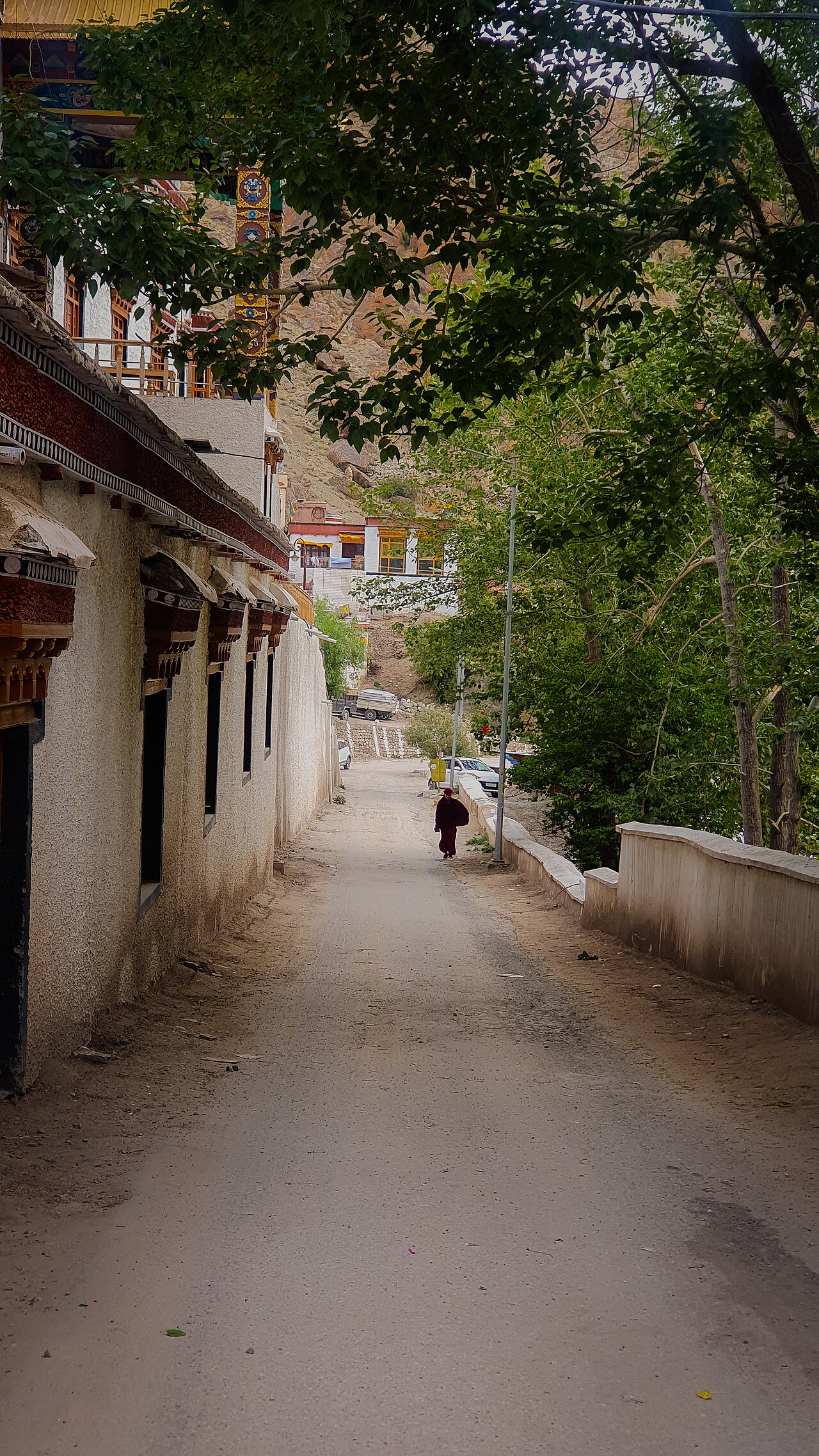
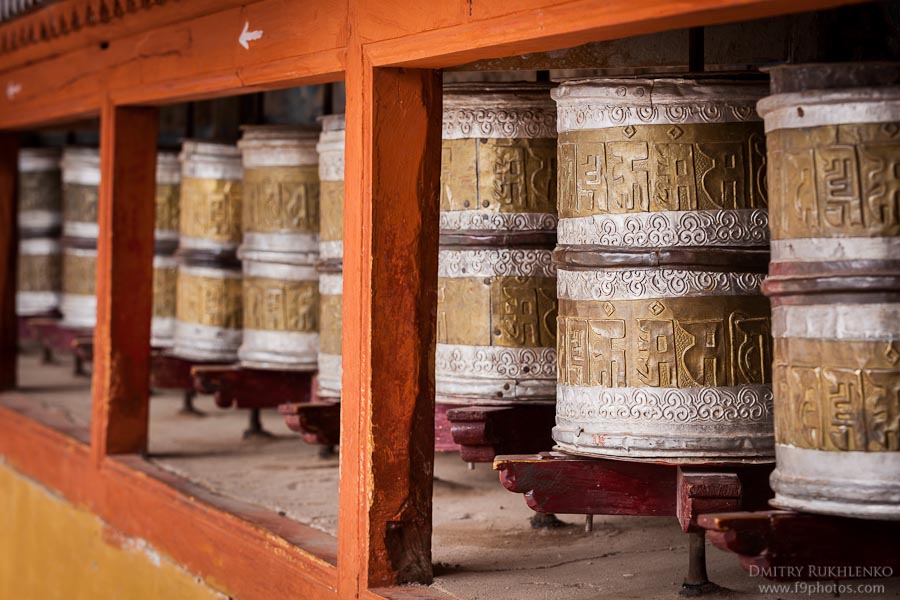
The rooms are utilitarian. Expect a single iron bed frame, a foam mattress, a heavy woollen blanket, and the morning air smelling faintly of butter lamps.
Alternative Comfortable Options Nearby
If the thought of pit toilets, sub-zero nights without heating, and simple shared facilities makes you hesitate, you do not have to abandon the idea of experiencing Ladakh's spiritual heartlands. We frequently recommend a compromise approach that gives you the best of both worlds.
You can stay in well-appointed heritage guesthouses or eco-resorts located just a short walk or drive from the main gates. This allows you to spend your evenings attending the evening prayer ceremonies at Hemis or Thiksey, soaking in the chanting and the heavy scent of juniper smoke, without sacrificing a hot shower and a heated mattress pad.
Properties in nearby villages offer authentic Ladakhi hospitality with family-run warmth, yet they provide modern insulation, attached western bathrooms, and reliable Wi-Fi. It is a sensible choice for families or travellers who need to recharge comfortably after a long day of high-altitude exploration.
How to Integrate This Into Your Package
Fitting a monastic overnight stay into a broader itinerary requires careful pacing. You cannot simply arrive in Leh on Monday and sleep at a high-altitude monastery on Tuesday. Acclimatisation is non-negotiable. We insist that every traveller spends at least two full days resting in Leh before heading out to remote valleys.
When we craft custom itineraries, we position the monastery night toward the middle of the trip. By then, your lungs have adjusted to the thinner air, and you can comfortably handle the stairs and steep pathways common to these cliffside structures. We also arrange your private transport so your main luggage stays in the vehicle while you carry only a lightweight overnight bag up to the guest rooms.
From Hemis, your route can easily extend further east toward Pangong Tso or south along the Indus. Having a dedicated vehicle waiting at the base of the hill ensures a smooth transition back to more standard comforts when your night of quiet reflection comes to an end.
Booking Advice for the Best Experience
Securing a room inside a monastic guest wing is entirely different from booking a hotel online. There are no booking engines or instant confirmation systems. Arrangements are handled directly through our local contacts, temple administrators, or the resident trustees who oversee visitor lodging.
Because inventory is extremely limited—often just four to six guest rooms per complex—you must plan months ahead, especially if you want to travel during the peak summer months or coincide your visit with annual Tsechu celebrations. Last-minute requests are almost always met with closed doors.
We handle all the necessary permissions, coordinate with the caretakers, and ensure your arrival respects local customs. Let us help you design a balanced journey that respects your comfort while immersing you fully in the ancient traditions of the region.
Before you book
Choosing to spend a night close to the chanting halls of the Indus valley gives you a perspective on mountain life that standard hotels simply cannot match. It is quiet, stark, and deeply humbling.
If you want to experience this unique side of Ladakh without the logistical guesswork, reach out to our team in Srinagar and Leh. We will weave it safely into your custom travel plan.
Ready to Plan Your Ladakh Journey?
Let our local team handle the permits, transport, and authentic lodging arrangements for your next mountain expedition.
Talk to Our Local ExpertsCaption for your own post
Swap the hotel key for a heavy padlock. Our latest guide explores the realities of staying overnight near Hemis Monastery.
Written by
Kashmir, Jammu & Ladakh specialists
We plan and run trips across Kashmir, Jammu and Ladakh every week of the year. Everything here comes from routes we drive, stays we inspect and questions our travellers actually ask.
Written after countless nights spent across the Indus valley gompas, braving sub-zero drafts and sharing butter tea with caretakers.
Quick answers
Questions we get asked
Can tourists stay overnight at Hemis Monastery?
Yes, Hemis maintains a small pilgrim rest house for visitors, but rooms are very basic with shared facilities and must be booked well in advance through local tour operators.
Are there private bathrooms in monastery guest rooms?
No, most traditional monastic accommodations feature shared toilet and washing facilities located outside the immediate sleeping rooms, often a short walk across the courtyard.
Is food provided during a stay at the monastery?
Simple vegetarian meals like rice, dal, and chapati are typically provided by the resident caretakers or cooked in the community kitchen as part of the lodging arrangement.
Do I need special permission to stay in a Ladakh monastery?
While formal government permits are not required just to sleep there, you must secure advance clearance through monastery authorities or a licensed agency because space is strictly limited.
What should I pack for an overnight stay in a gompa?
Pack a warm sleeping bag liner, heavy layers, a reliable headlamp, wet wipes, toilet paper, a power bank, and modest clothing that covers your shoulders and knees.
Photography credits
- Photo: Mufaddal Abdul Hussain · CC BY-SA 3.0
- Photo: Astat · CC BY-SA 3.0
- Photo: Stanzin1945 · CC BY-SA 4.0
- Photo: Stanzin1945 · CC BY-SA 3.0
- Photo: Christopher Michel · CC BY 2.0
- Photo: Voice of America · Public domain
- Photo: H. Grobe · CC BY 3.0