The Flavours of Kashmir: A Guide to Ingredients
Discover the unique spices, aromatic herbs, and distinct ingredients that define traditional Kashmiri cooking.
Explore kashmiri cuisine ingredients, from pungent guchhi mushrooms and saffron to wild garlic and dried cockscomb flowers.
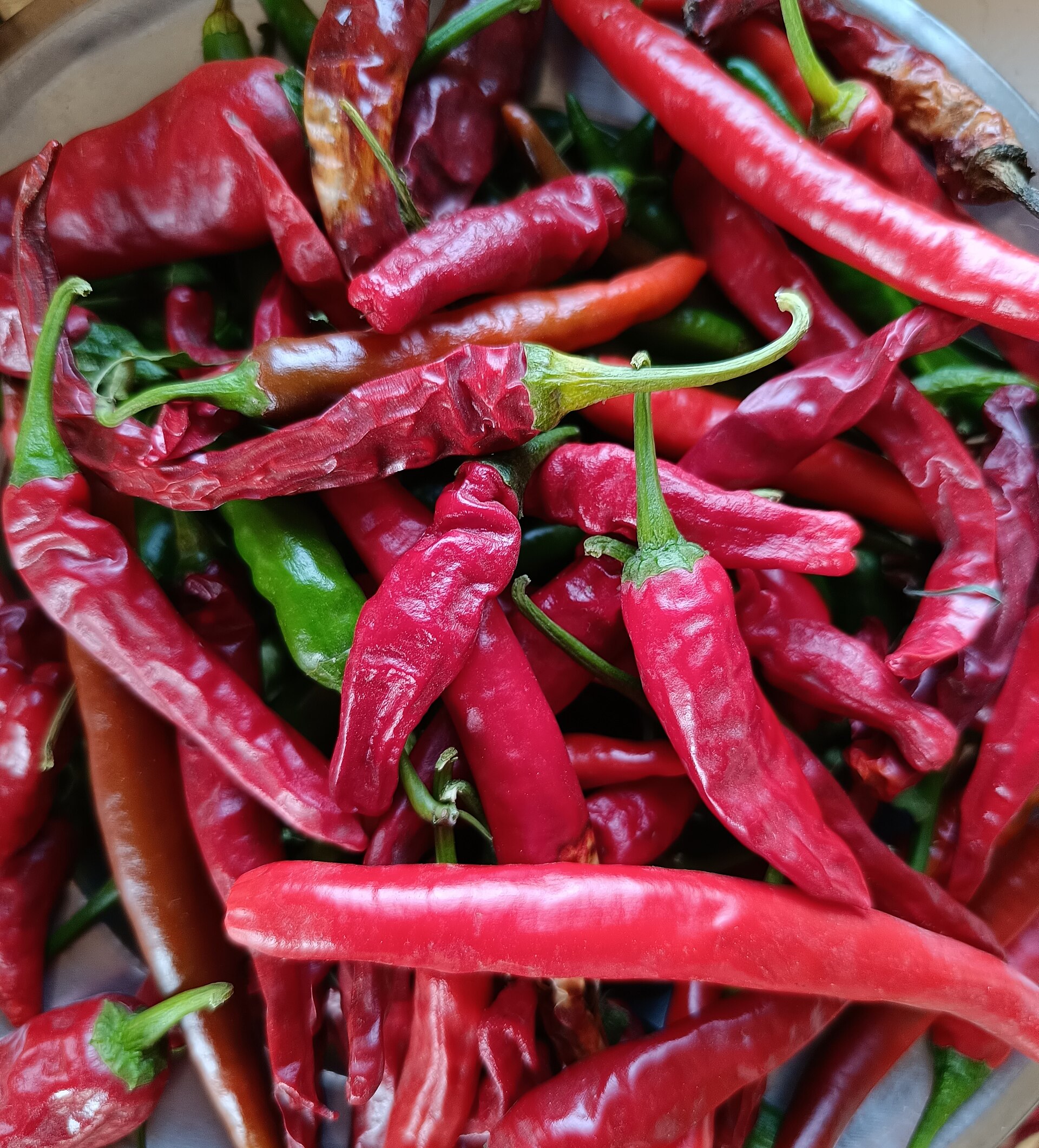
Traditional spice merchants display whole fennel, chillies, and dried herbs in Srinagar.Photo: Inu06 · CC BY-SA 4.0
Walk down the narrow market lanes of old Srinagar near the third bridge, and your senses are instantly struck by the heavy scent of simmering mustard oil, crushed fennel, and toasted asafoetida. Kashmiri cooking does not rely on heavy tomato-and-onion pastes or blinding chilli heat. Instead, it builds flavor through slow reduction, whole dried spices, and unique mountain aromatics found nowhere else on the subcontinent.
Understanding kashmiri cuisine ingredients opens up a world of slow-cooked meats, delicate lotus stems, and warming winter stews. Whether you are tasting a traditional multi-course Wazwan at a wedding feast or buying dried herbs from an apothecary in Zaina Kadal, every element tells a story of survival, trade, and geography.
Let us look past the standard tourist menus and explore the actual pantry items that give Kashmiri food its unmistakable depth, starting with the famous single-clove garlic that puzzles many first-time culinary visitors.
What is Kashmiri Garlic and How Do You Use It?
Known locally as Lehsun or solo garlic, what is Kashmiri garlic? Unlike the multi-clove bulbs found in standard supermarkets, this wild variety consists of a single round bulb protected by a tough, parchment-like skin. It grows wild in the high-altitude Himalayan foothills, absorbing concentrated minerals and sulfur compounds from rocky soil.
The flavor is intensely pungent, sweet when roasted, and carries a medicinal kick that sets it apart immediately. Traditional healers and home cooks alike swear by its potency. In local kitchens, it is crushed into mutton marinades, slow-roasted in mustard oil, or infused into honey for winter throat remedies.
- Features a single round bulb instead of separate cloves.
- Grows wild at high altitudes without intensive farming.
- Possesses a sharper, sweeter taste profile than standard garlic.
The Master Spices of the Valley
Kashmiri cuisine ingredients rely heavily on a specific quartet of dried spices: dry ginger powder (shount), fennel seed powder (badyaan), asafoetida (heing), and Kashmiri red chilli powder. The chilli is famous for imparting a brilliant crimson hue without scorching the palate.
Unlike standard Indian garam masala, Kashmiri spice blends avoid overpowering warm spices like cinnamon and cloves in everyday vegetable dishes. Fennel and dry ginger dominate, creating a cooling yet digestive profile that balances heavy lamb and mustard oil preparations.
The Role of Cockscomb Flower (Mavali)
Dried cockscomb flowers are crushed into a fine crimson powder used primarily for natural food coloring. When added to boiling water or broth, it releases a deep red dye that gives traditional dishes like rogan josh their iconic visual identity without artificial dyes.
Real Saffron from Pampore
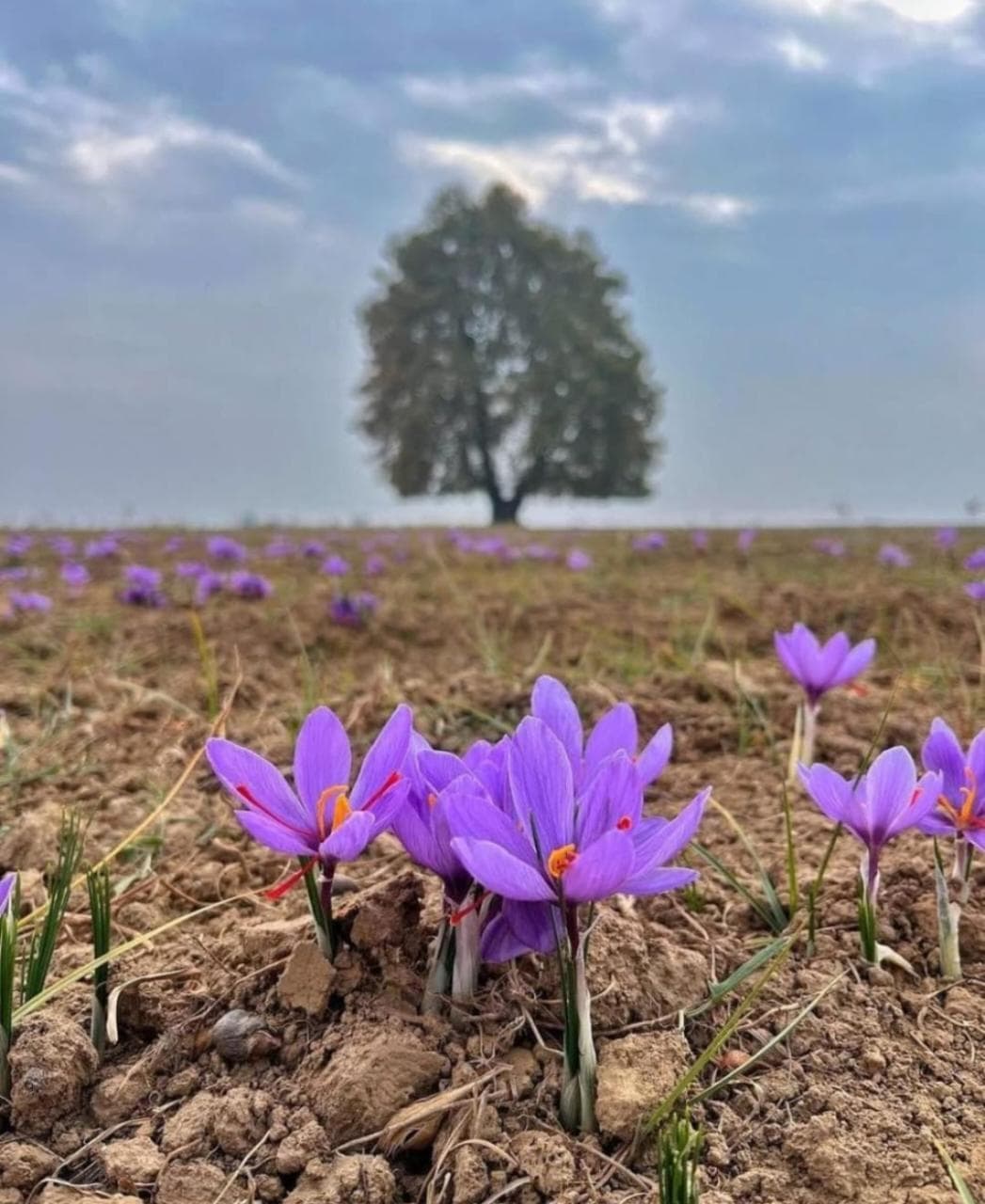
Harvested in the karewa soils of Pampore just south of Srinagar, true Kashmiri saffron is among the most expensive spices on earth. Its deep crimson threads release a rich golden-yellow tint and a musky, honey-like aroma essential for traditional kahwa tea and phirni desserts.
Kashmiri cooking does not rely on heavy tomato pastes or blinding chilli heat. Instead, it builds flavor through slow reduction and unique mountain aromatics.
Pantry Staples: Nadru, Haakh, and Morel Mushrooms
Beyond dried spices, the valley produces unique vegetables that dictate seasonal eating habits. Nadru, or lotus stem, is harvested from the muddy shallots of Dal and Wular lakes. It is sliced, battered in rice flour, and fried into crispy gaad-nadru or braised in yogurt curries.
Haakh is a local collard green or leafy cabbage eaten almost daily in every Kashmiri household. Accompanied by simple boiled rice, it represents comfort food at its purest. In spring, foragers scour pine forests for guchhi, wild morel mushrooms prized by gourmet chefs worldwide for their earthy, meaty flavor.
- Nadru (lotus stem) is crunchy and absorbs gravy flavors brilliantly.
- Haakh greens are flash-cooked in mustard oil with green chillies and salt.
- Guchhi mushrooms command high prices due to their elusive wild growth.
Traditional Dishes Built on These Ingredients
Put these ingredients together, and you get the masterpieces of traditional Kashmiri food. Rogan josh is a tender lamb curry flavored with asafoetida, ginger, and cockscomb dye. Yakhni is a lighter, yogurt-based mutton broth scented with fennel and dried mint leaves.
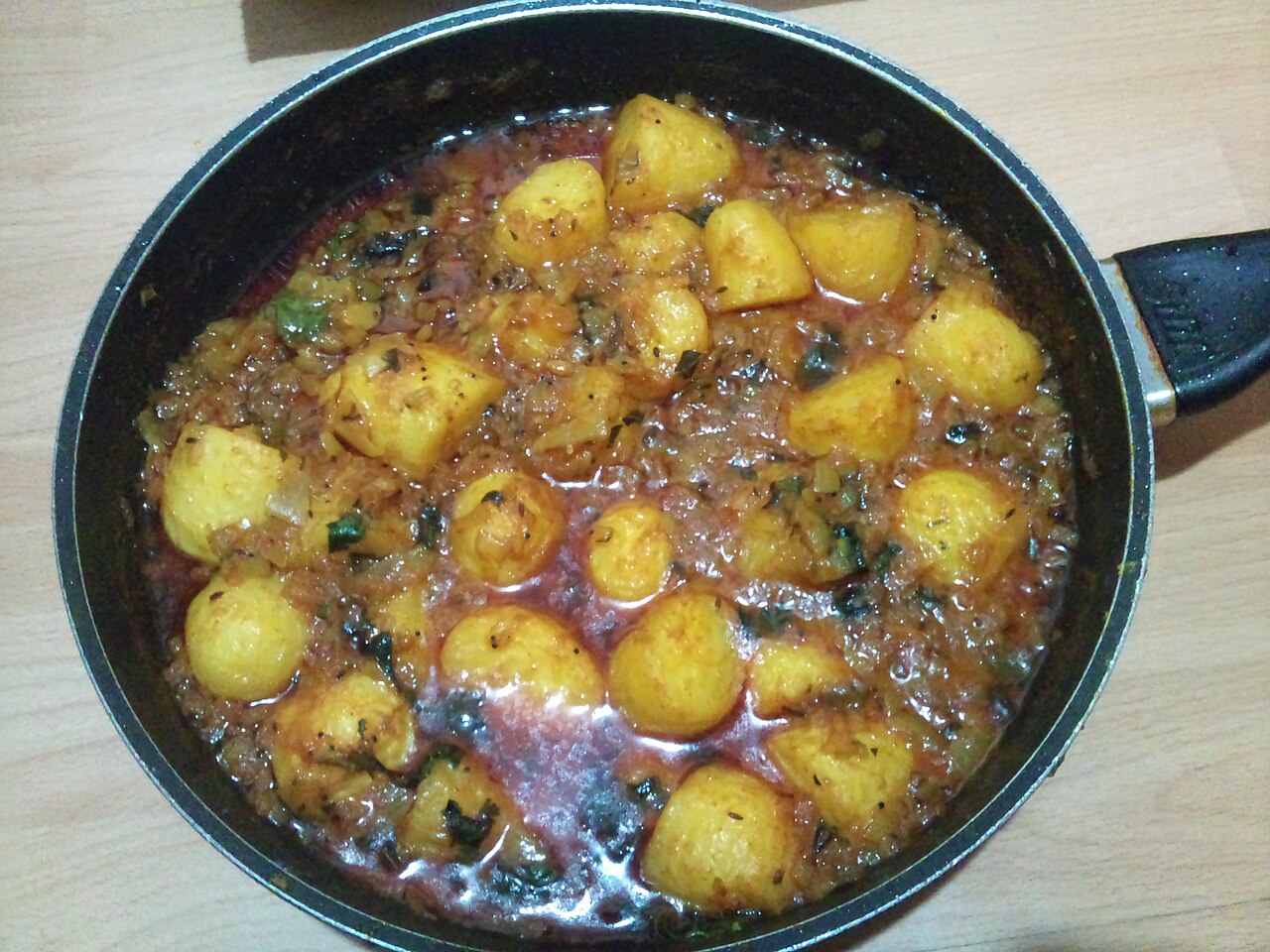
For vegetarian eaters, dum aloo features baby potatoes fried and slow-simmered in a thick, curd-based gravy spiced with dry ginger and fennel. Every dish is designed to be eaten with short-grain white rice, which acts as a neutral canvas for the rich sauces.
Where to Experience Authentic Flavours
Sampling these dishes requires knowing where to go. While upscale resort restaurants serve modified versions, true traditional food is found in small family-run eateries in downtown Srinagar or during a formal Wazwan wedding banquet prepared by a master chef known as a Wastaaza.
If you want to cook these ingredients yourself, visit the spice merchants at Maharaj Ganj market. You can purchase raw saffron threads, whole dried fennel, and solo garlic straight from local farmers who have traded in these alleys for generations.
Before you book
The culinary traditions of the valley reflect the rhythm of the seasons, the harsh mountain winters, and the rich agricultural bounty of the lakes and valleys. Exploring these unique ingredients connects you to the daily heartbeat of local life in a way no standard sightseeing tour ever could.
Let us help you build a culinary-focused itinerary that includes traditional dining experiences, spice market walks, and authentic home-cooked meals during your stay.
Taste the Valley for Yourself
Join our guided food walks through Srinagar's historic markets and experience authentic Kashmiri hospitality firsthand.
Explore Culinary ToursCaption for your own post
From solo garlic to slow-cooked rogan josh, the flavours of the valley are unforgettable. Link in bio for our full culinary guide.
Written by
Kashmir, Jammu & Ladakh specialists
We plan and run trips across Kashmir, Jammu and Ladakh every week of the year. Everything here comes from routes we drive, stays we inspect and questions our travellers actually ask.
Written by Mehmooda Akhtar, culinary researcher and tour host with Skywale Packages in Srinagar.
Quick answers
Questions we get asked
What is Kashmiri garlic and how is it different from normal garlic?
Kashmiri garlic, or solo garlic, grows as a single round bulb instead of separate cloves. It is harvested wild in high-altitude mountain regions, giving it a sharper, sweeter flavor and higher concentration of therapeutic oils than regular cultivated garlic.
Is Kashmiri food very spicy and hot?
No, traditional Kashmiri food is not burning hot with chillies. It uses dry ginger powder, fennel, and whole spices for warmth and aroma. The famous red chilli powder is chosen primarily for its deep color rather than scorching heat.
What is a traditional Wazwan meal?
Wazwan is a multi-course ceremonial feast consisting mostly of elaborate lamb dishes prepared by master chefs called Wastaazas. Guests typically share food from a large copper platter called a trami.
Where can I buy authentic Kashmiri saffron?
Authentic saffron is best purchased directly from certified growers in Pampore or reputable spice merchants in Srinagar markets like Maharaj Ganj who provide government-tested grading stamps.
Are there vegetarian options in traditional Kashmiri cuisine?
Yes, vegetarian dishes are prominent in daily home cooking. Popular options include dum aloo (spiced potatoes), nadru yakhni (lotus stem in yogurt gravy), and various preparations of local greens like haakh.
Photography credits
- Photo: Inu06 · CC BY-SA 4.0
- Photo: Vyacheslav Argenberg · CC BY 4.0
- Photo: Markusmarschall · CC BY 3.0
- Photo: FADIND SOUL · CC BY-SA 4.0
- Photo: Biswarup Bhattacharjee · CC BY-SA 4.0
- Photo: Mrudit161187 · CC BY-SA 4.0
- Photo: Baldiri · Public domain