Top Jammu Tourist Attractions: The Perfect 3-Day Itinerary
How to structure your trip to include the historic forts, temples, and lakes of the region
Build a balanced Jammu itinerary featuring Bahu Fort, Raghunath Temple, and the serene lakes with our local guide.
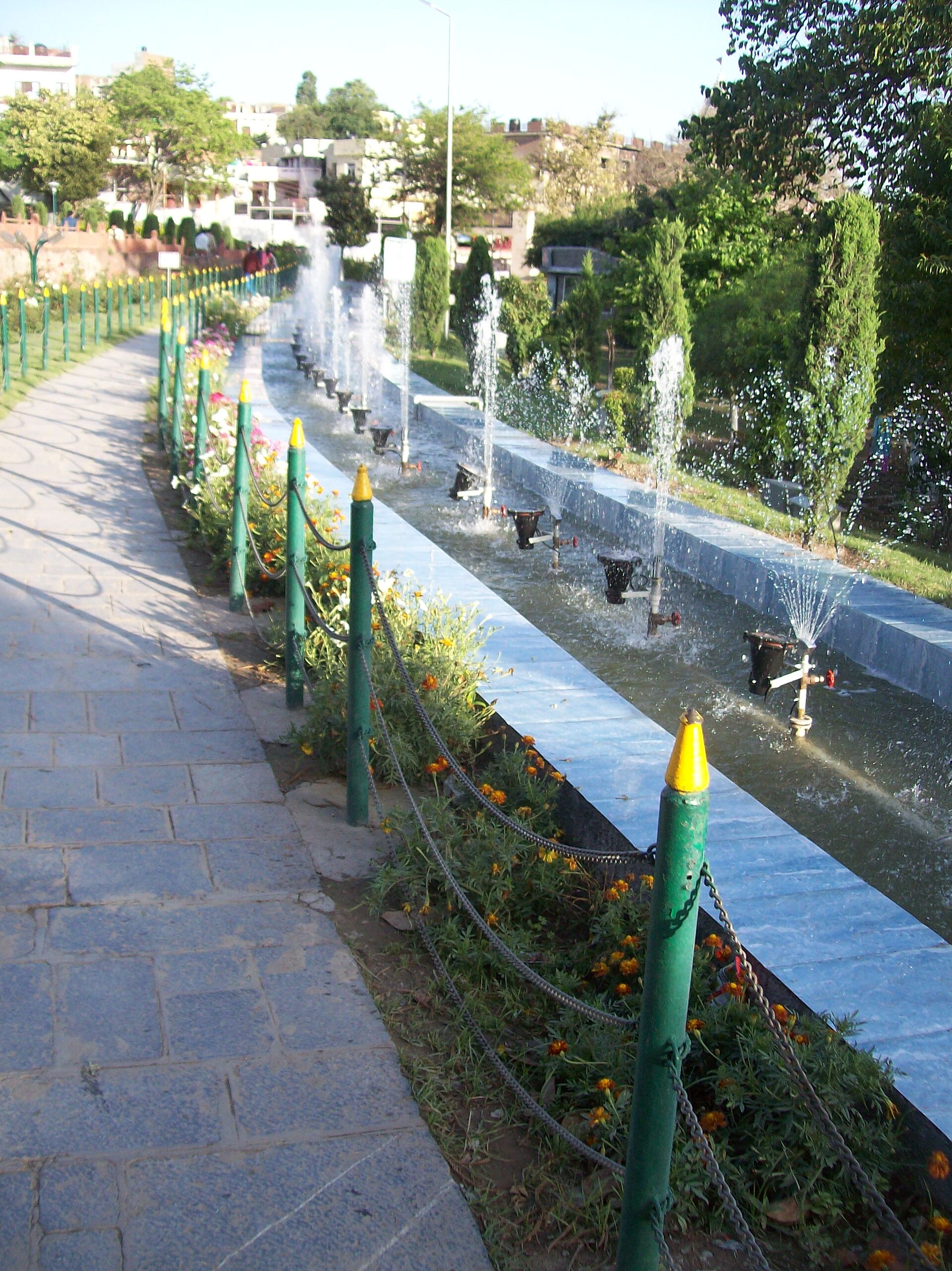
Jammu is a city of layers, blending history with the daily rhythm of life.Photo: Tejan gupta · CC BY-SA 4.0
I have spent years navigating the winding roads of Jammu, and the secret to a good visit isn't doing more—it is doing better. Many travelers rush through the city, ticking off boxes, only to miss the quiet moments that make this place special: the sound of bells at an ancient temple, or the way the light hits the Tawi River at midday.
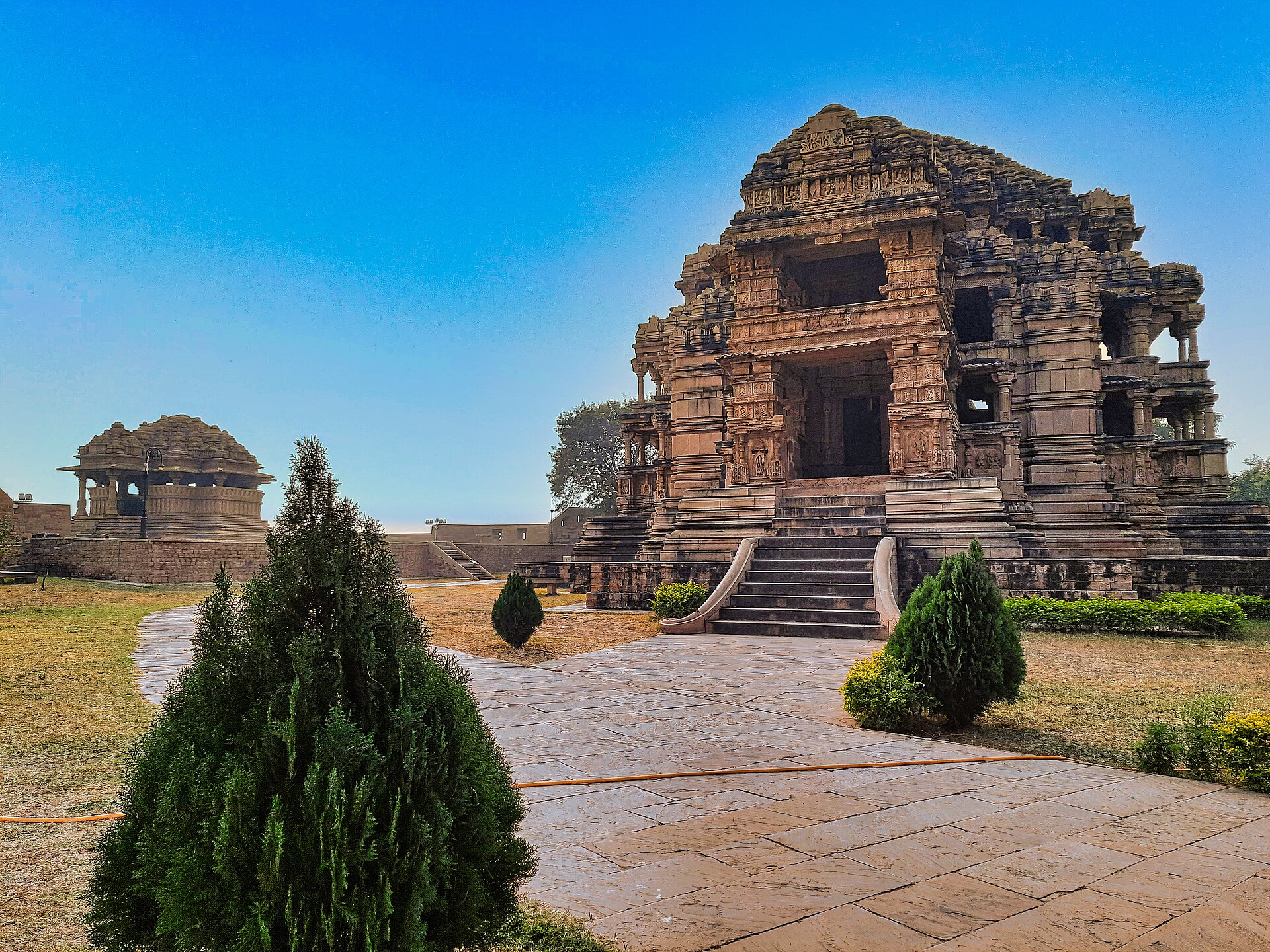
A well-planned journey through the region should weave together the historical weight of the Dogra era with the natural serenity of the surrounding landscape. To see the essential jammu tourist attractions, you need to be deliberate about how you connect these points, ensuring you have enough time to actually appreciate the history rather than just walking through it.
Jammu: Beyond the Gateway
Most people see Jammu as a transit hub on the way to Kashmir. But if you give it three days, you will find a distinct culture shaped by a rugged landscape and a long history of independent rule. It is a city of stone, temples, and stories.
The first step in your itinerary is letting go of the rush. Start your day early, break for a heavy, traditional lunch, and dedicate your afternoons to the quieter outdoor sites. This rhythm keeps you ahead of the heat and the crowds.
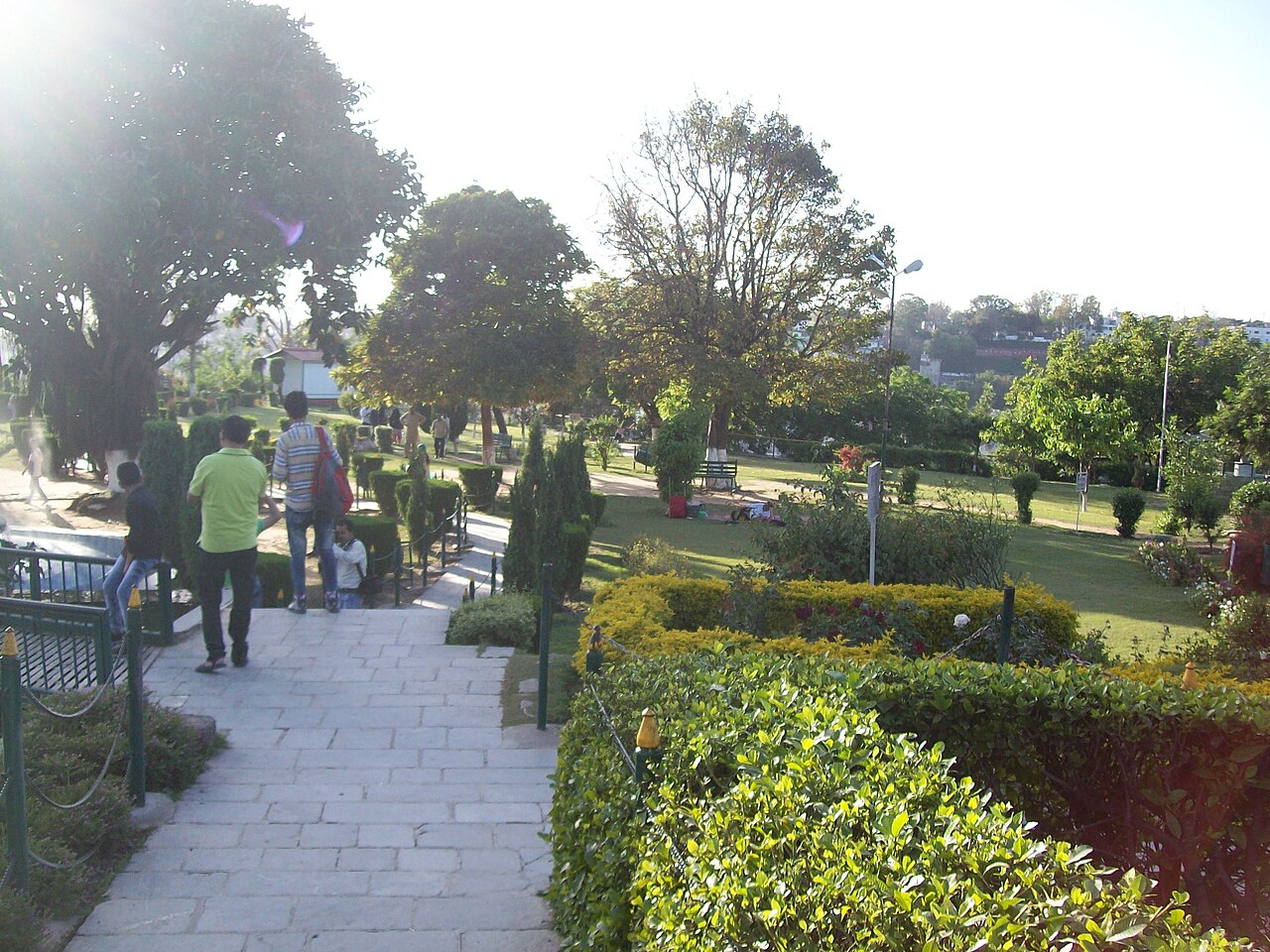
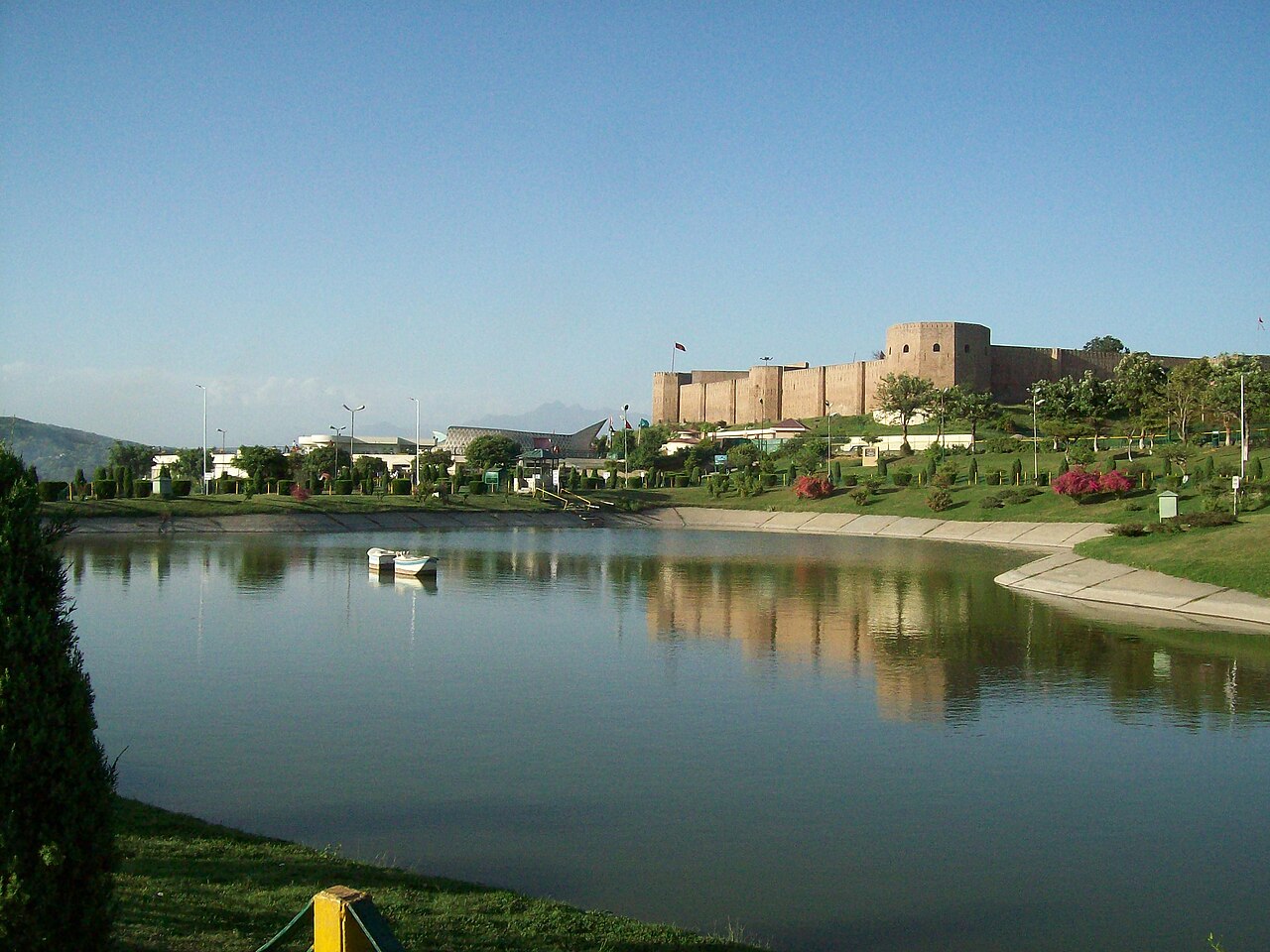
The Significance of Bahu Fort in Local History
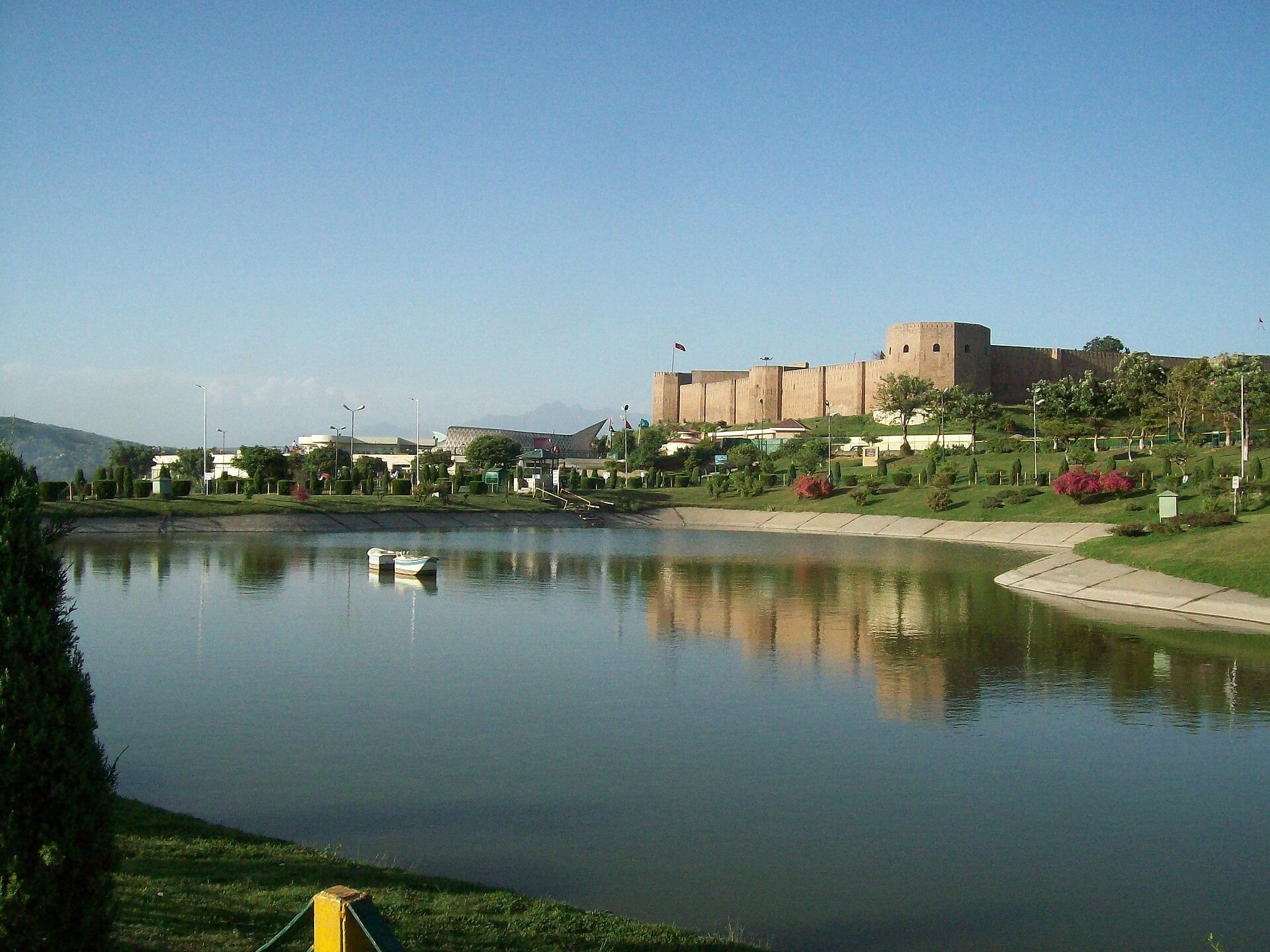
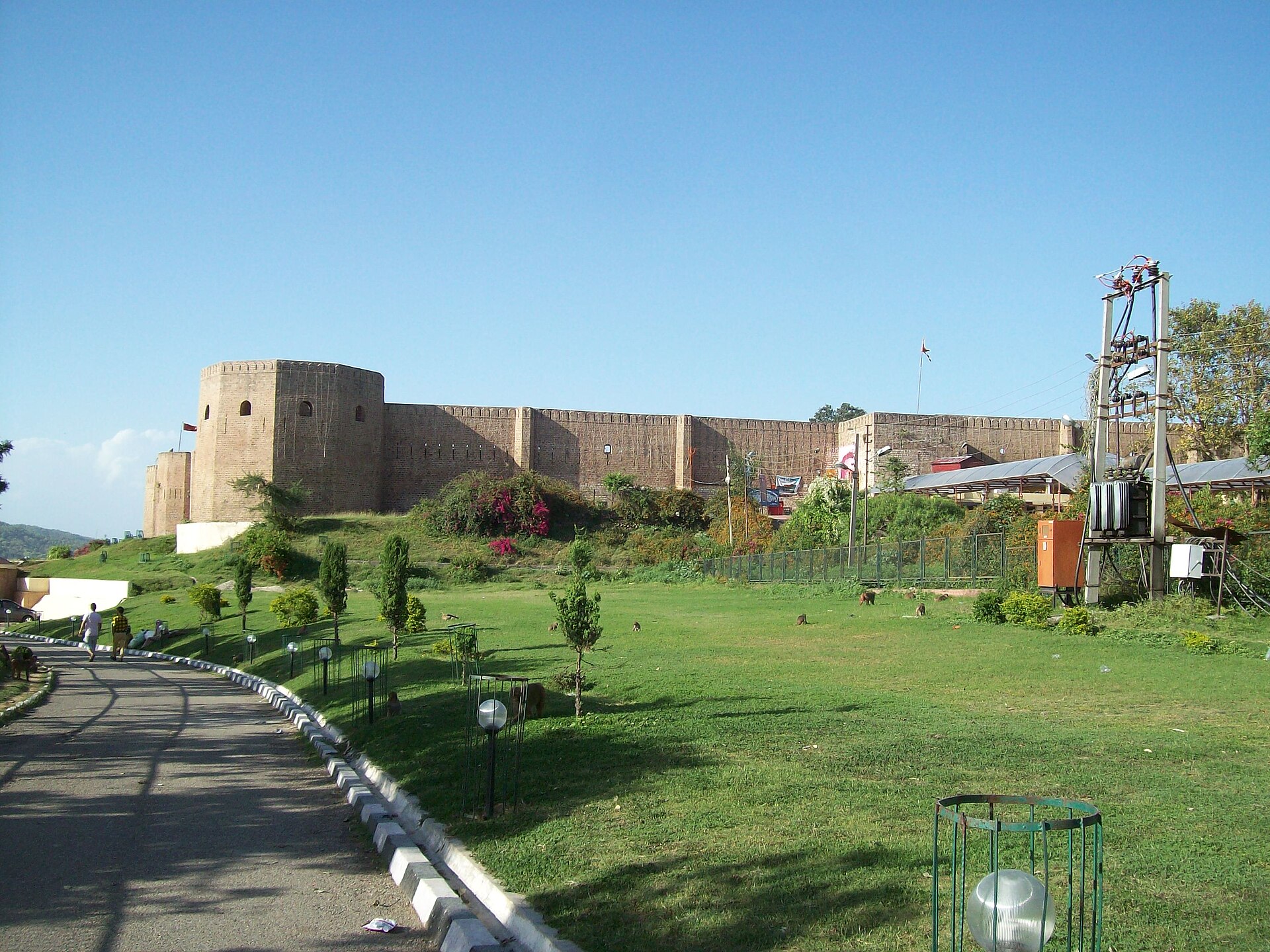
Bahu Fort is the anchor of any serious Jammu itinerary. It isn't just a fortification; it represents the long-standing power of the local rulers who dominated the river valley. When you look at the thick, rough-hewn stone, you are looking at centuries of defensive strategy.
Visiting [Bahu Fort](/destinations/jammu/bahu-fort) early allows you to explore the ramparts and the Bawe Wali Mata temple before the site becomes a hive of activity. It sets the context for everything else you will see in the city.
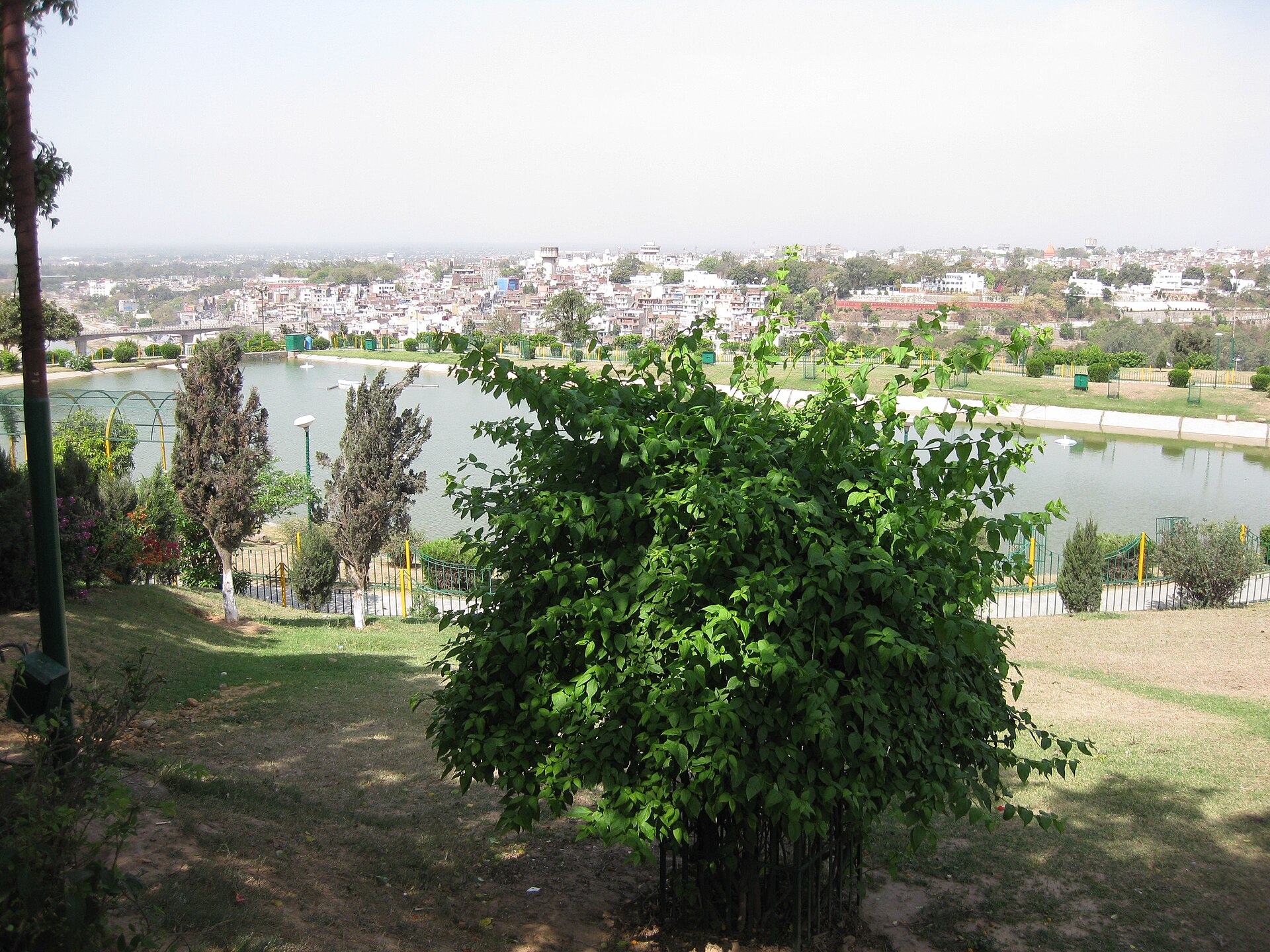
Top 5 Attractions to Pair with the Fort
Once you have absorbed the history of the fort, pair it with these essential spots to get a full view of the region:
Raghunath Temple: The spiritual center of the city. Spend an hour in the inner complex.
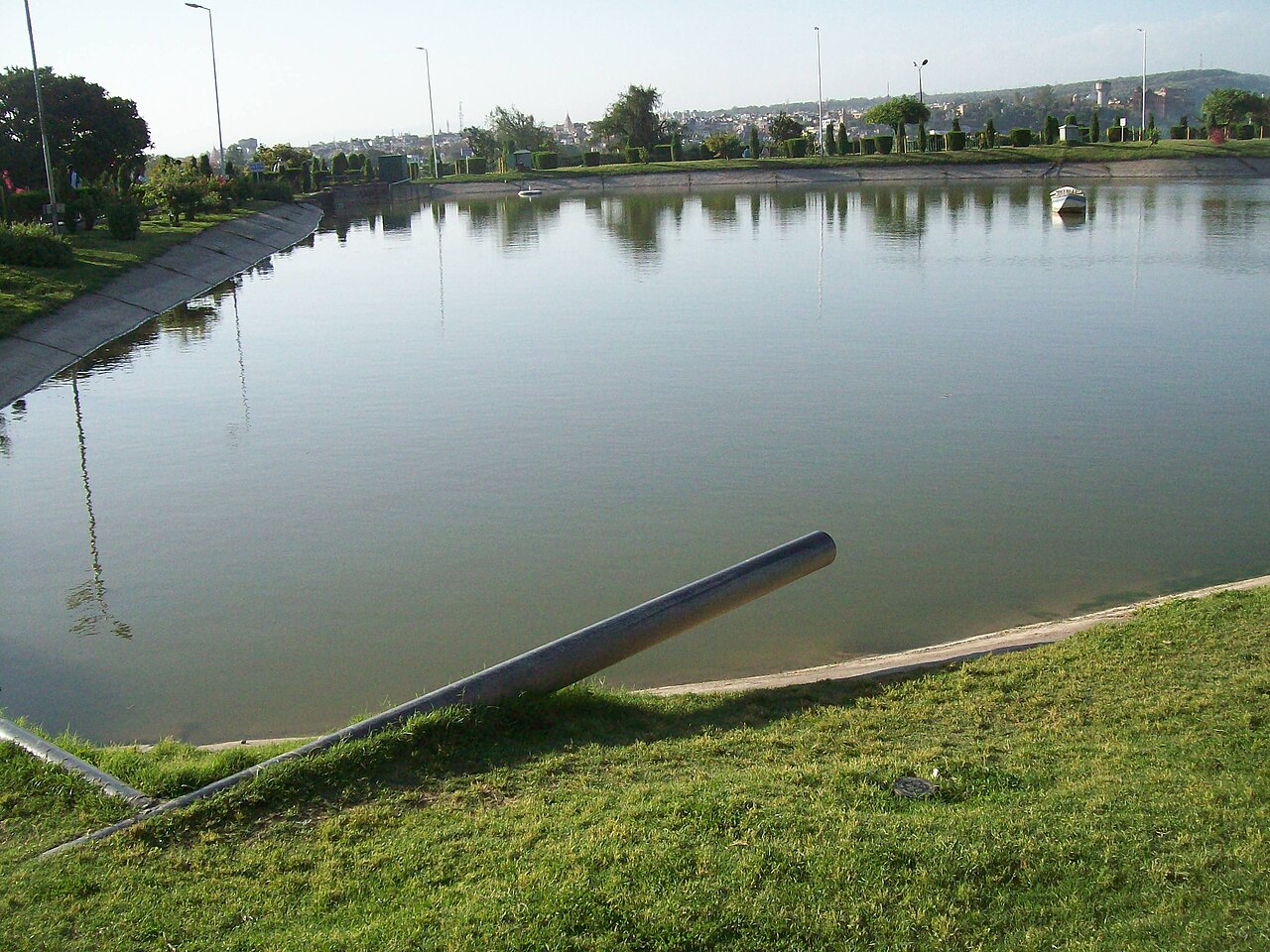
Mansar Lake: Perfect for a half-day trip. It is about 60 kilometers from the city and offers a serene break.
Surinsar Lake: Often combined with [Mansar Lake](/destinations/jammu/mansar-lake), this is a beautiful spot to watch the local birdlife.
Amar Mahal Museum: Housed in a striking red sandstone palace, it gives you a deeper look into the lives of the royalty.
Peer Kho Cave: A natural rock formation that feels a world away from the city streets.
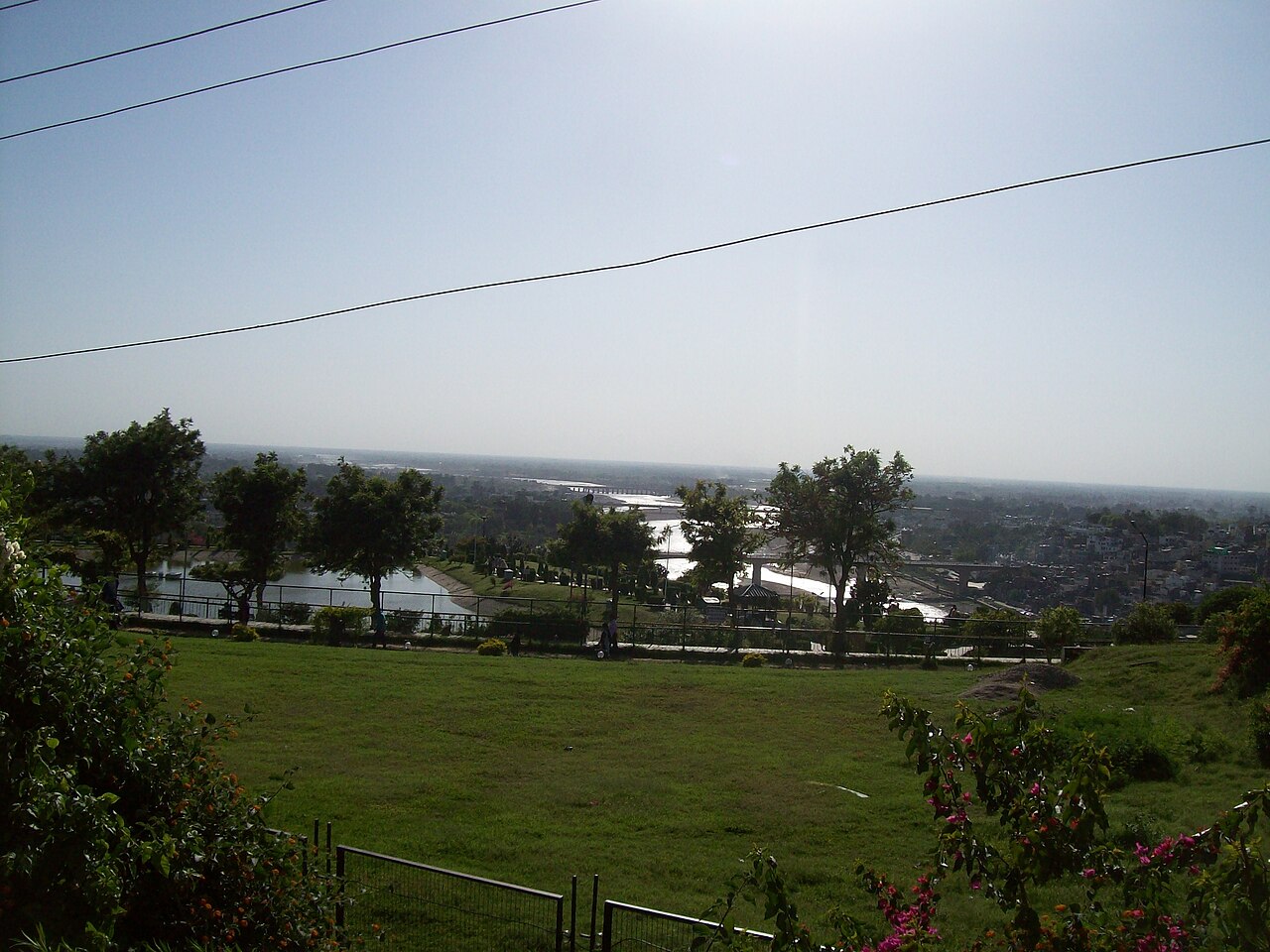
Cultural Experiences in Old Jammu
You haven't really seen Jammu until you have walked the lanes of the old city. These are narrow, bustling paths where the history of the region lives in the architecture and the smell of fresh street food.
Look for shops selling Dogra crafts. It is a great way to support local artisans and bring home something that has a real connection to the place. If you are ever stuck on where to go, a walk around the [Raghunath Temple](/destinations/jammu/raghunath-temple) perimeter is a great start.
Optimal Seasonal Travel for Jammu
We usually suggest visiting between October and March. The summers in Jammu are intense, making long walking tours around the fort and lakes uncomfortable. In the winter months, the air is crisp, and the sky is usually clear, which makes for perfect visibility at the fort viewpoints.
If you travel in December or January, pack a heavy jacket. Even though the days are sunny, the temperature drops sharply once the sun sets behind the hills.
Practical Logistics for Your Sightseeing Day
Logistics in Jammu can be tricky if you try to wing it. Taxis are available, but having a set plan with a reliable driver is far more efficient. We recommend mapping out your day by geographic zone to avoid crisscrossing the city unnecessarily.
Keep a small bag with water, snacks, and a hat. Most of the historic sites involve a fair amount of walking, and shops are not always immediately available right next to the monuments. If you are struggling with the route, you can always reach out and [contact](/contact) us for a custom day plan.
Before you book
Jammu deserves more than just a quick stopover. By taking the time to explore its fortresses, quiet lakes, and temple corridors, you gain a real sense of a region that has stood at the crossroads of history for centuries.
Whether you are planning your first trip or returning to see the spots you missed, we are here to help you get the details right. If you want a tailored itinerary that fits your specific pace, feel free to [contact](/contact) us.
Need help crafting your Jammu circuit?
We build custom itineraries that help you skip the tourist traps and see the real city. Let's talk.
Start PlanningWritten by
Kashmir, Jammu & Ladakh specialists
We plan and run trips across Kashmir, Jammu and Ladakh every week of the year. Everything here comes from routes we drive, stays we inspect and questions our travellers actually ask.
Quick answers
Questions we get asked
Is one day enough for Jammu?
You can see the main city highlights in a day, but it will be a rush. Two to three days allow you to visit the outlying lakes like Mansar and Surinsar without feeling like you are constantly on the move.
What is the best way to travel between these attractions?
Hiring a private car for the day is the most efficient way to see multiple sites. It allows for flexibility, shade, and a reliable return trip to your hotel, which is worth the cost compared to navigating public transport.
Photography credits
- Photo: Tejan gupta · CC BY-SA 4.0
- Photo: Nvvchar · CC BY-SA 3.0
- Photo: Tejan gupta · CC BY-SA 4.0
- Photo: Tejan gupta · CC BY-SA 4.0
- Photo: Tejan gupta · CC BY-SA 4.0
- Photo: Tejan gupta · CC BY-SA 4.0
- Photo: Tejan gupta · CC BY-SA 4.0