The Best Time to Visit Kokernag for Your Holiday
Planning a trip to the freshwater springs of Anantnag without the guesswork.
Discover the best time to visit Kokernag depending on what you want to see, from the spring garden blooms to the quiet autumn walks.
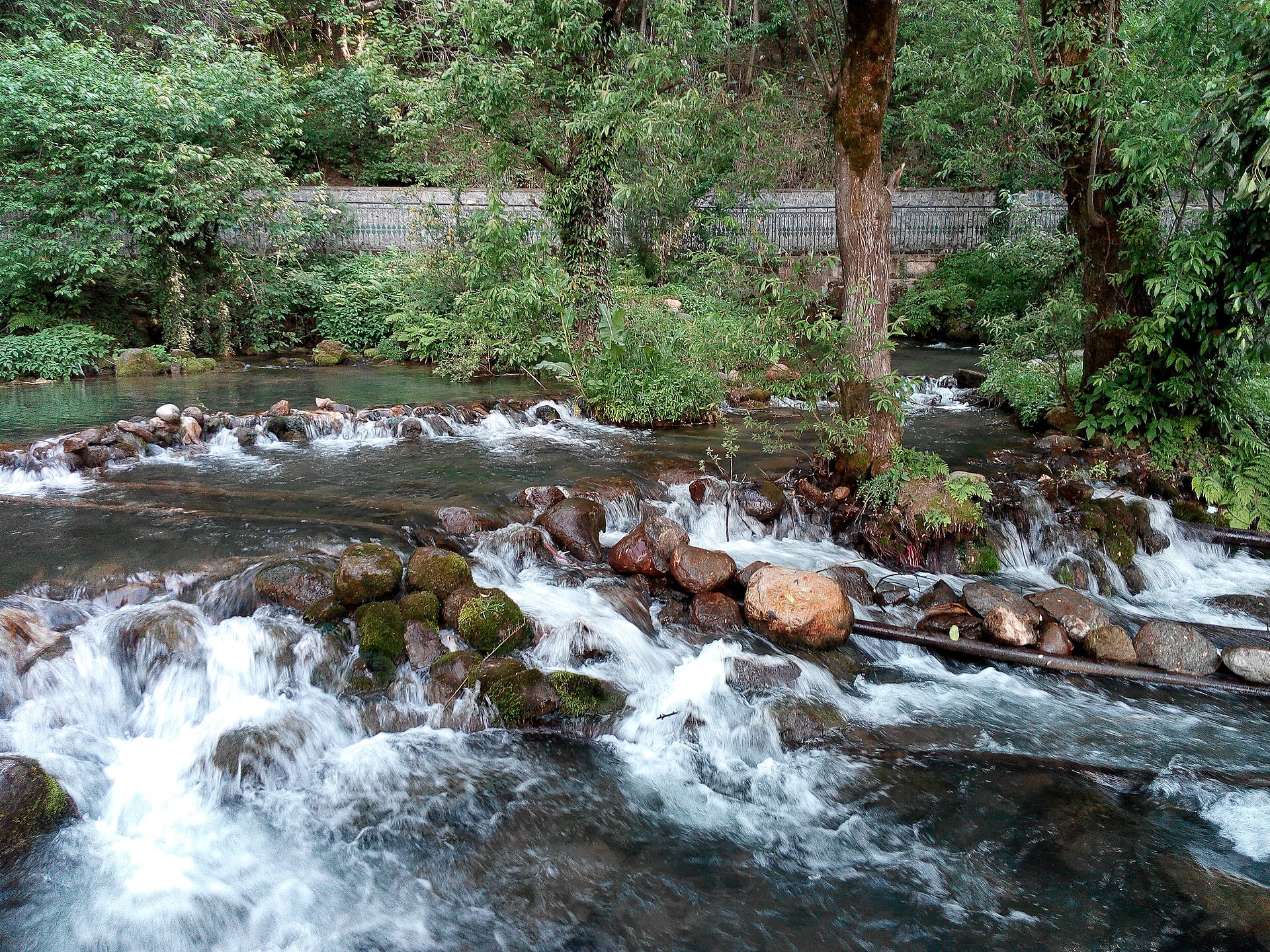
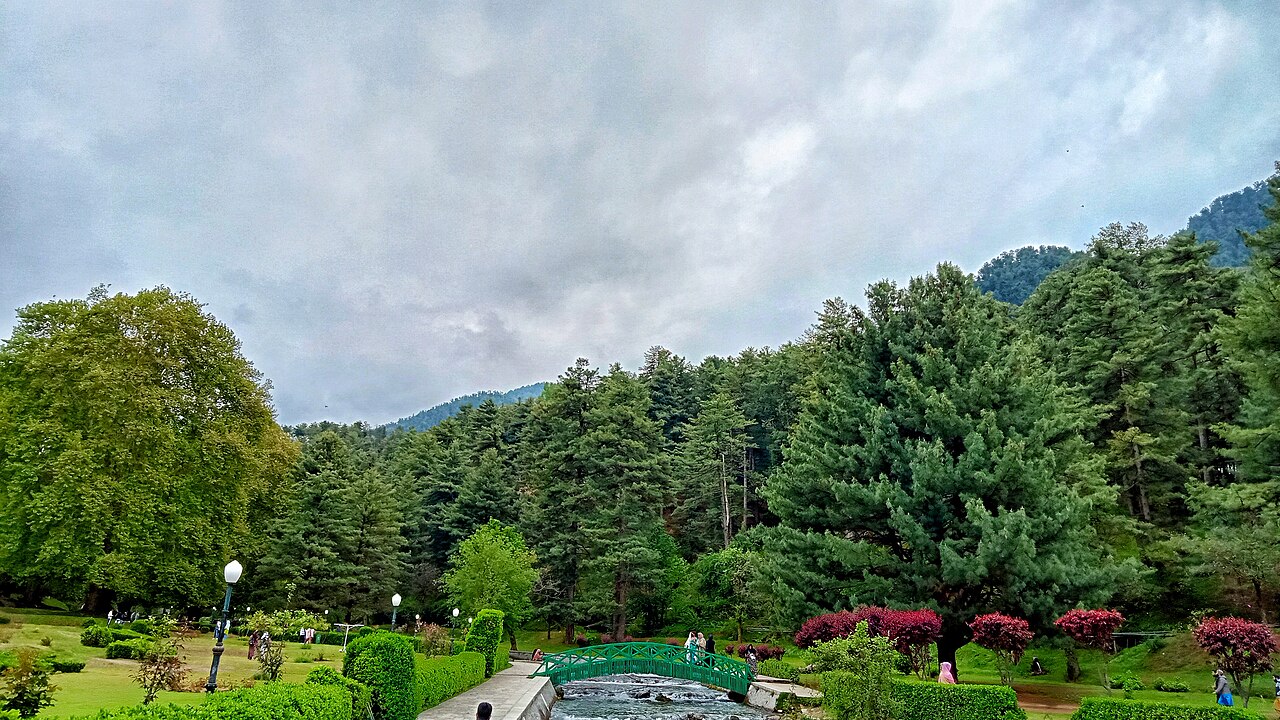
The pristine freshwater springs of Kokernag flow through manicured lawns.Photo: Burhan7 · CC BY-SA 4.0
The water here does not come from a glacier melt trickling off high shale. It bubbles up straight from the base of the forested ridge at Verinag and Kokernag, cold enough to numb your fingers in ten seconds, filtered through miles of underground limestone.
When travellers ask me about the best time to visit Kokernag, they usually expect a single answer involving tulips or snow. But South Kashmir operates on a quieter schedule than the main valley, and timing your trip depends entirely on whether you want the flowers at their peak or the trout farm to yourself.
We often combine a day in Kokernag with nearby stops like Achabal and Verinag when we plan routes for clients who want to see the slower side of the Anantnag district. Here is how the months break down on the ground.
Ideal Months for the Great Garden Bloom
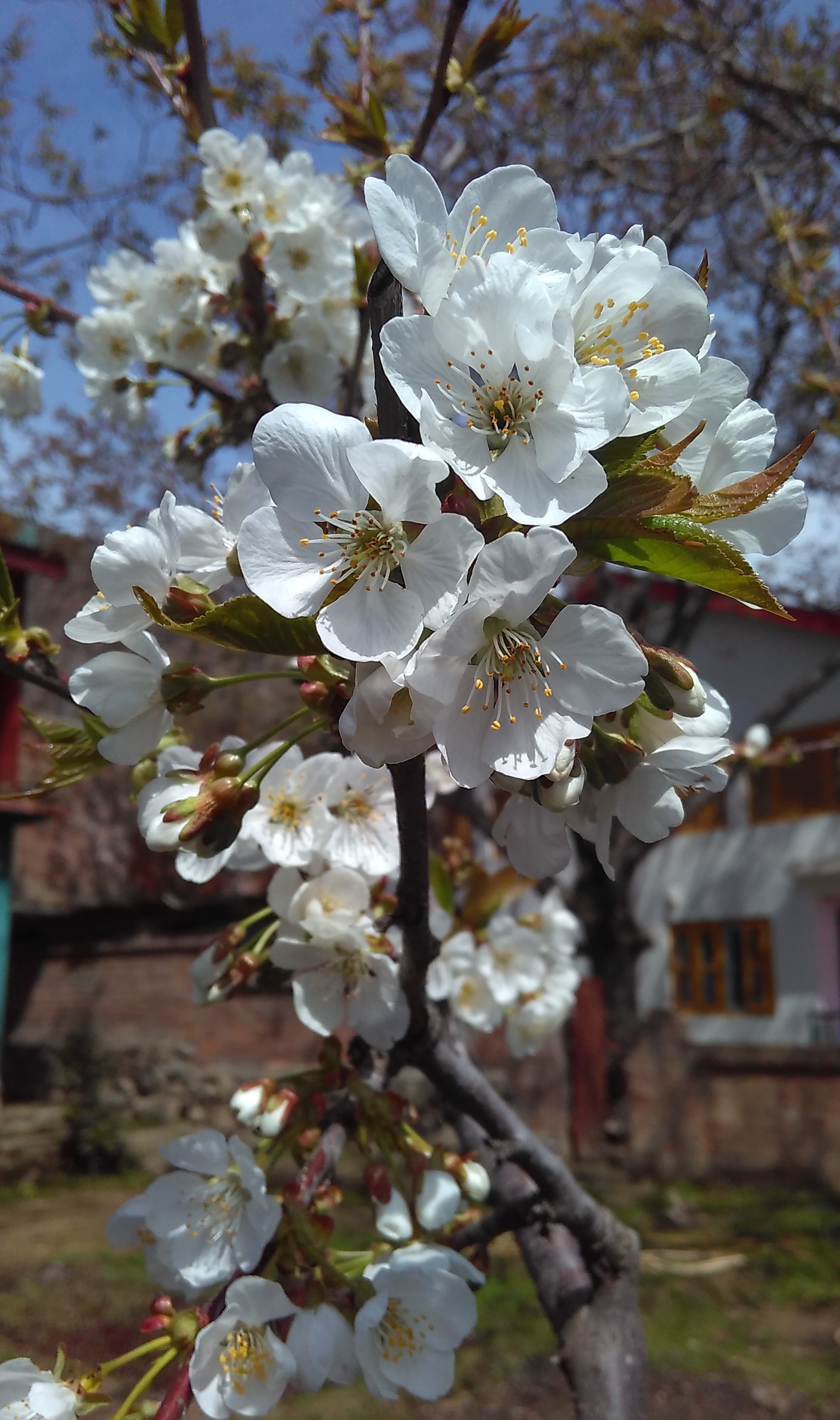
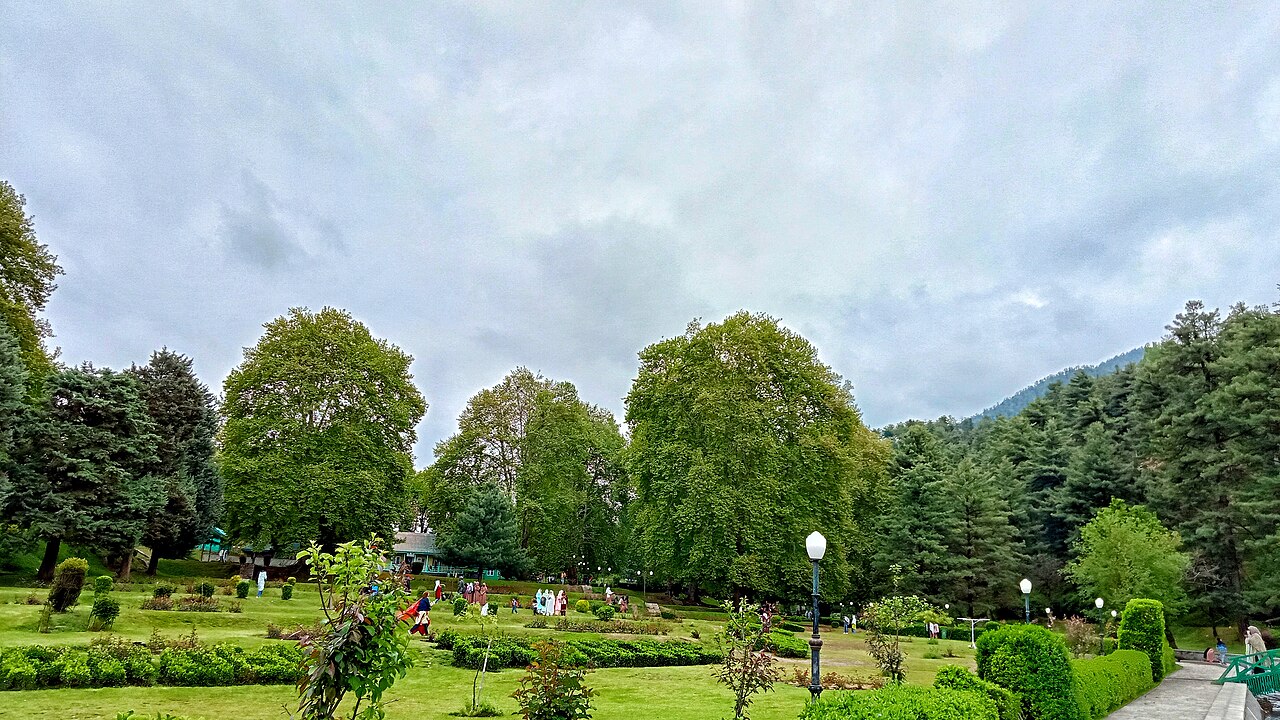
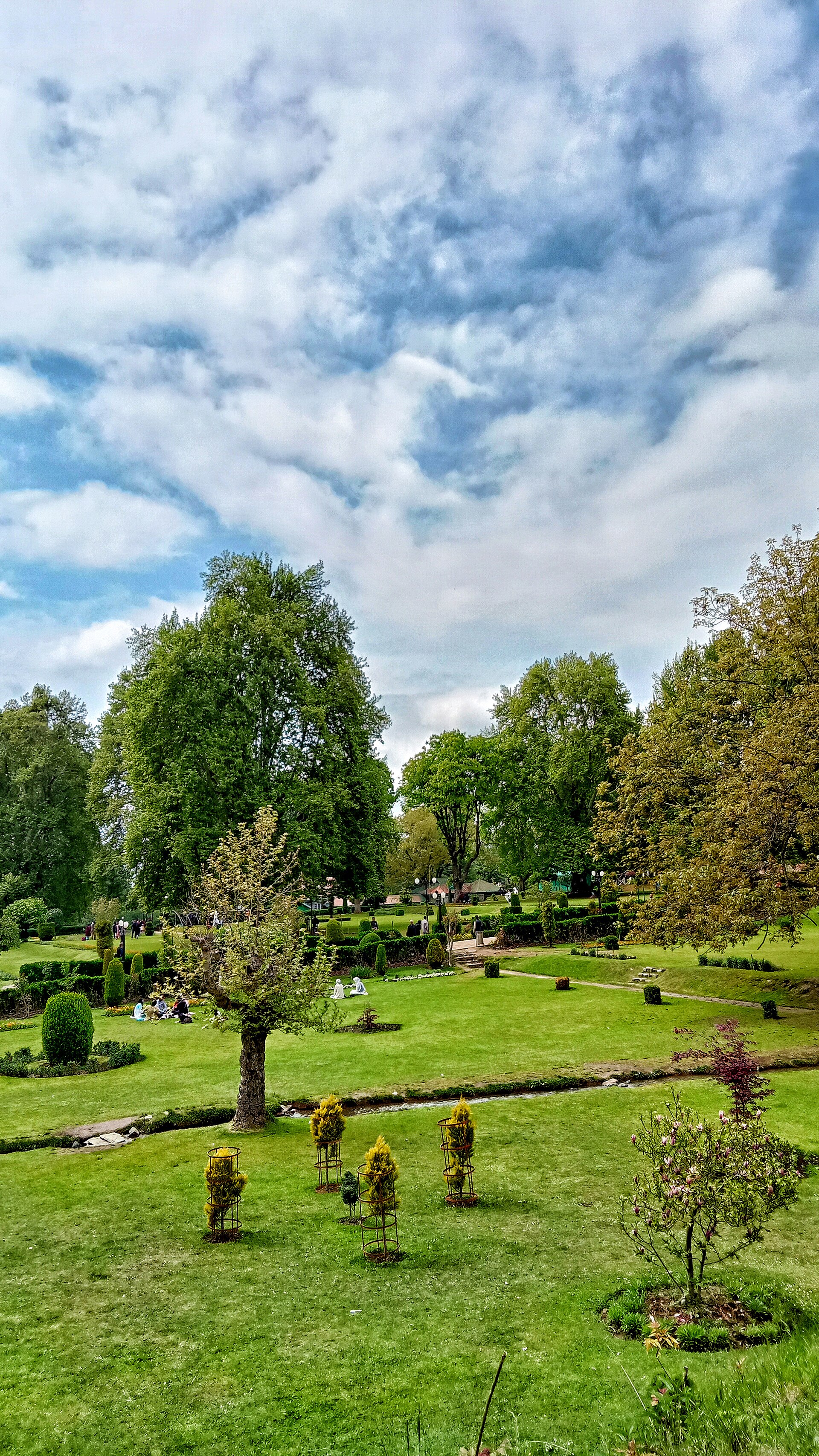
If your heart is set on manicured lawns, towering chinar trees in fresh leaf, and flower beds that take your breath away, aim for late April through June. The main botanical garden here is one of the largest in Kashmir, and unlike the crowded terraces of Srinagar, you can actually hear the water channels gurgling.
Temperatures during these months sit comfortably between 18 and 25 degrees Celsius during the day. Mornings require a light woollen jumper, but by noon you will be walking in your shirtsleeves beneath the shade of ancient trees.
Local gardeners begin planting the annuals in April, so the visual payoff builds week by week. By May, the rose gardens are fully awake.
Summer Weather in the Foothills
July and August bring full summer to the valley. Kokernag temperature rarely crosses 30 degrees Celsius, making it a reliable escape from the scorching plains of north India.
The air smells of damp earth and pine needles because afternoon showers are common during the peak monsoon months on the other side of the mountains. While Kashmir does not get heavy monsoon downpours, you should pack a sturdy umbrella and waterproof walking shoes.
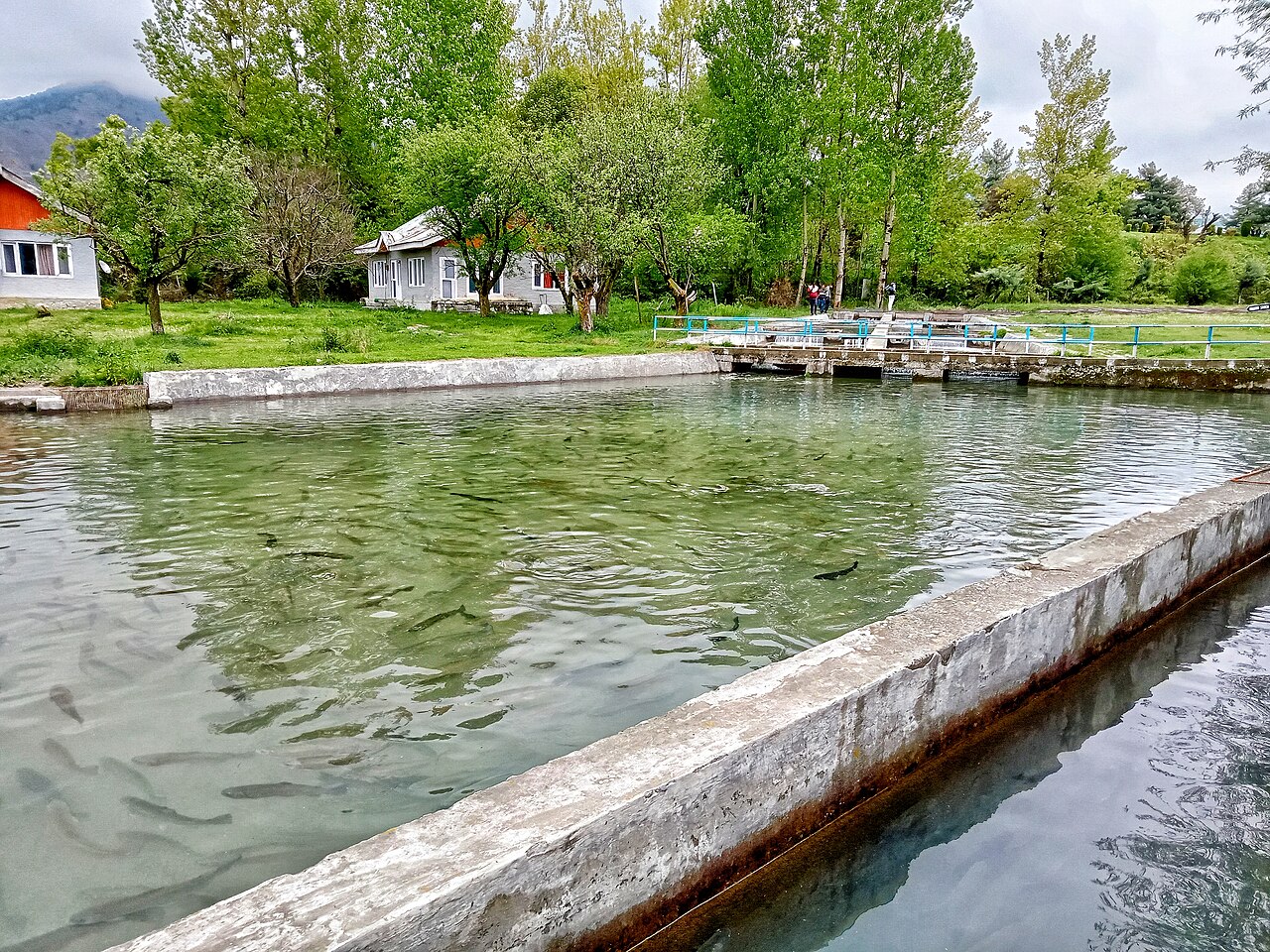
This is also the prime season for the trout stream. The state hatchery here is fully operational, and you can walk along the raceways where thousands of brown and rainbow trout dart through the rushing spring water.
Avoiding Peak Tourist Traffic
Most visitors rushing through the Anantnag tourist circuit stop only briefly at Pahalgam or the main Mughal gardens. Kokernag stays relatively insulated from the tourist buses that clog the national highway in June and July.
If you want total quiet, however, target the shoulder weeks in early May or the second half of September. You will share the pathways only with local farmers leading their cattle down from the higher pastures.
Hotel availability is never a severe issue here compared to Gulmarg, but booking a few weeks ahead ensures you secure the better rooms facing the main garden perimeter.
Why Autumn Offers a Different View
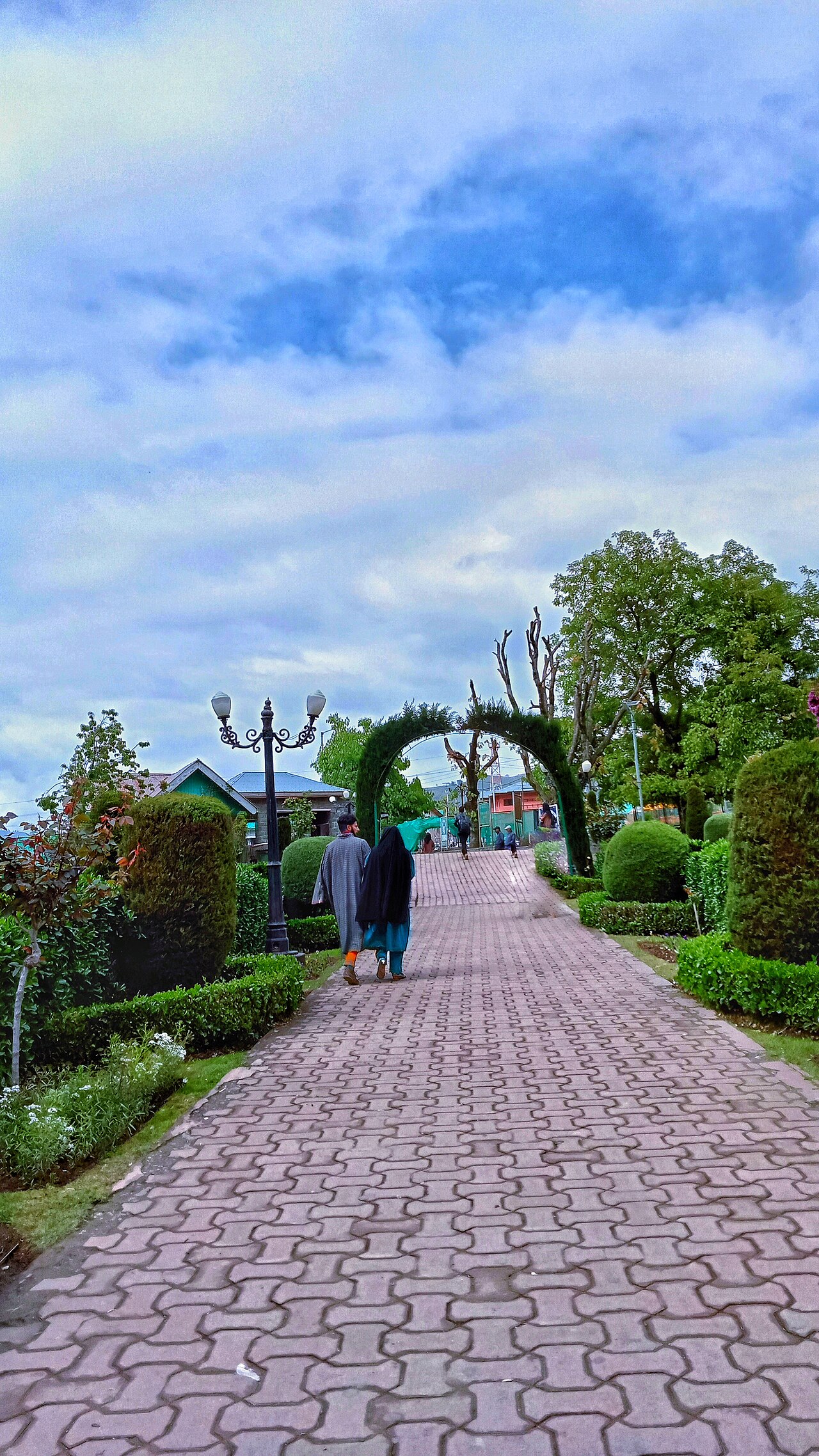
October brings the harvest season and a dramatic shift in colour. The vast chinar trees turn from brilliant green to deep copper, rust, and gold.
Daytime temperatures drop to a crisp 12 to 18 degrees Celsius, and the evenings turn genuinely cold. You will need a proper winter jacket once the sun dips behind the ridge at around 5:30 PM.
Walking down the country lanes near Kokernag in October means stepping over dry leaves while villagers stack walnuts on tin sheets outside their wooden homes. It is our favourite time of year for long walks.
Planning Your Visit Timeline
A standard day trip from Srinagar takes about two hours each way via the Khanabal-Pahalgam road. However, we always recommend spending at least one night in the area to experience the evening silence.
Pair your Kokernag stay with a morning trip to the terraced pavilions of Achabal and the subterranean spring source at Verinag to complete your understanding of how the Mughals engineered their pleasure gardens around these natural water sources.
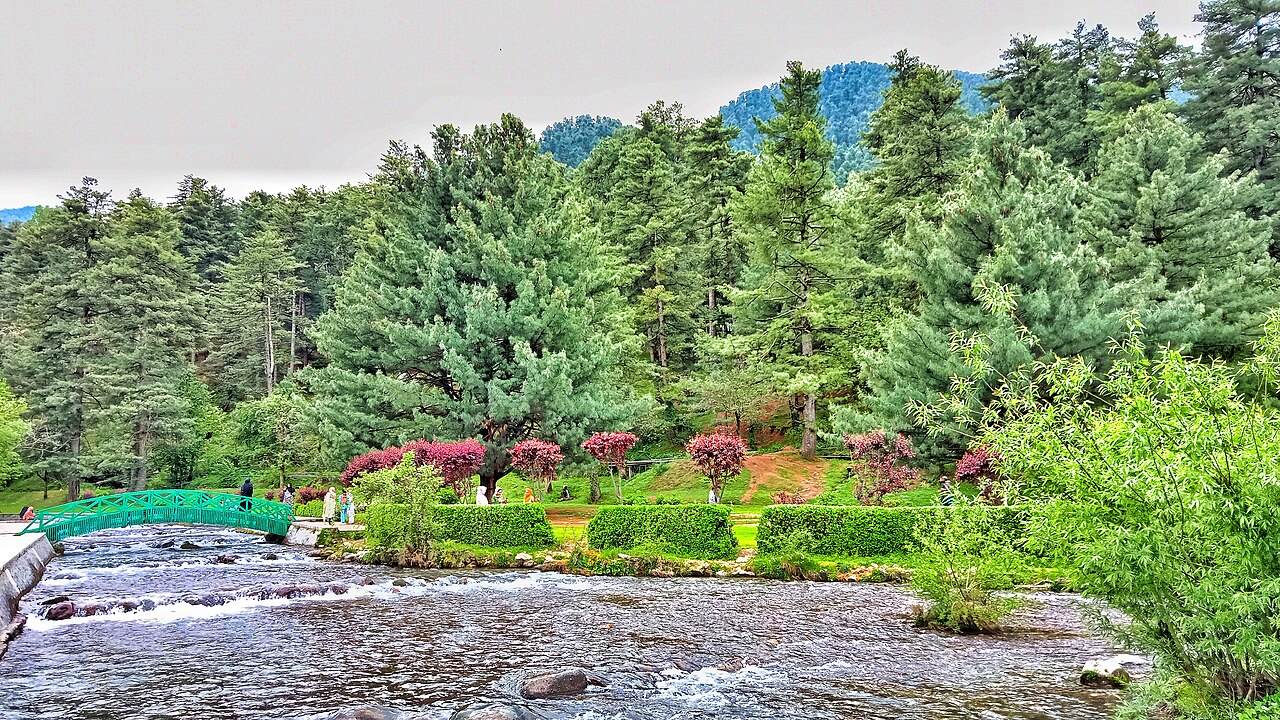
Whether you come for the summer green or the autumn gold, the constant soundtrack of rushing water remains the same.
Before you book
Kokernag does not demand a rigid itinerary or a rushed schedule. It rewards travellers who are willing to sit on a stone bench by a rushing stream and watch the afternoon light shift across the chinar leaves.
Let us help you design a South Kashmir route that fits your pace. Reach out to our team in Srinagar to build a custom journey.
Ready to Explore South Kashmir?
Talk to our local travel experts to plan a customized trip to Kokernag, Achabal, and beyond.
Plan Your TripWritten by
Kashmir, Jammu & Ladakh specialists
We plan and run trips across Kashmir, Jammu and Ladakh every week of the year. Everything here comes from routes we drive, stays we inspect and questions our travellers actually ask.
Quick answers
Questions we get asked
What is the typical temperature in Kokernag during summer?
Summer temperatures usually range between 18 and 28 degrees Celsius during the day, dropping significantly at night to require light woollens.
How many days should I spend in Kokernag?
One full day is enough to see the main garden and trout farm, but staying overnight allows you to explore nearby Daksum and Achabal at a relaxed pace.
Is Kokernag open for visitors in winter?
Yes, the gardens and springs remain open year-round, though winter brings heavy snow and sub-zero temperatures that limit outdoor walking.
Can I buy fresh trout at Kokernag?
The government trout hatchery sells fresh fish directly, and several local eateries nearby will happily grill or fry your purchase on the spot.
How do I reach Kokernag from Srinagar?
You can hire a private cab from Srinagar via Anantnag, a scenic drive of roughly 85 kilometres that takes about two hours.
Photography credits
- Photo: Burhan7 · CC BY-SA 4.0
- Photo: Suhayl091 · CC BY-SA 4.0
- Photo: Suhayl091 · CC BY-SA 4.0
- Photo: Suhayl091 · CC BY-SA 4.0
- Photo: Suhayl091 · CC BY-SA 4.0
- Photo: Suhayl091 · CC BY-SA 4.0
- Photo: Suhayl091 · CC BY-SA 4.0