The Best Time to Visit Jammu and Kashmir: A Complete Seasonal Breakdown
A month-by-month guide to planning your trip across the valleys, mountains, and plains.
Wondering about the best time to visit jammu and kashmir? Read our honest month-by-month seasonal guide covering weather, crowds, and travel tips.
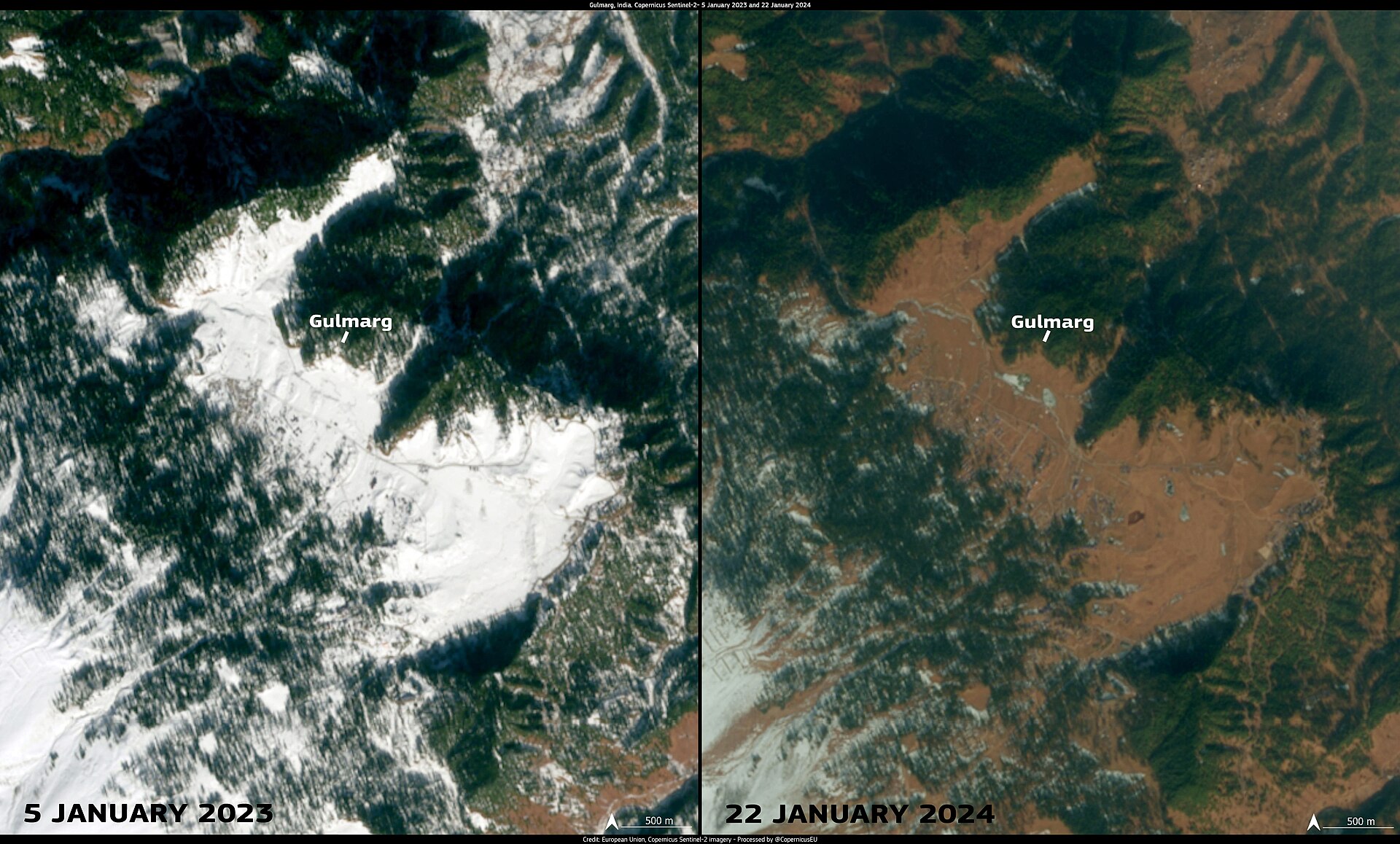
Gulmarg transforms into a snowy wonderland during the peak winter months.Photo: European Union, Copernicus Sentinel-2 imagery · Attribution
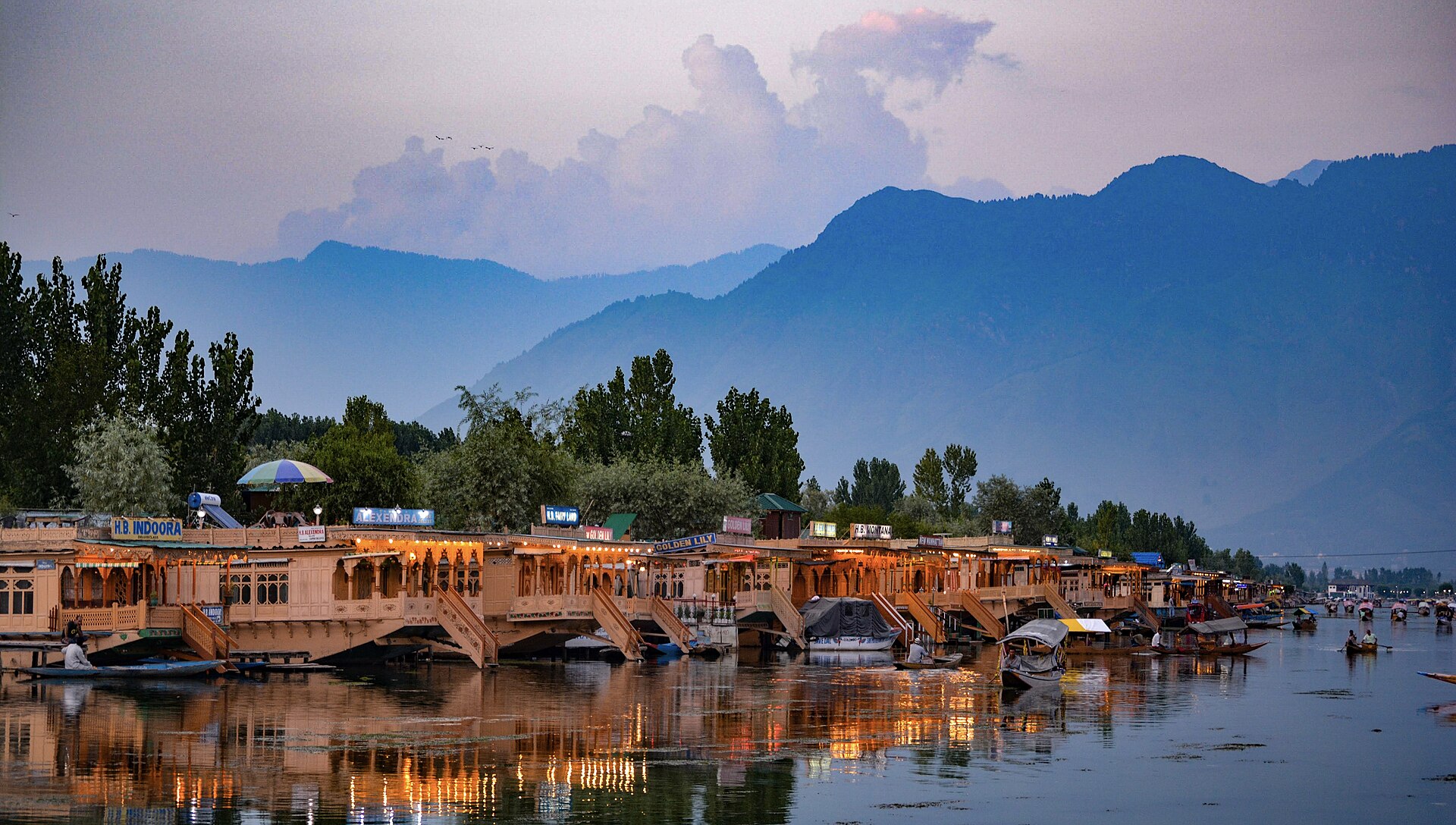
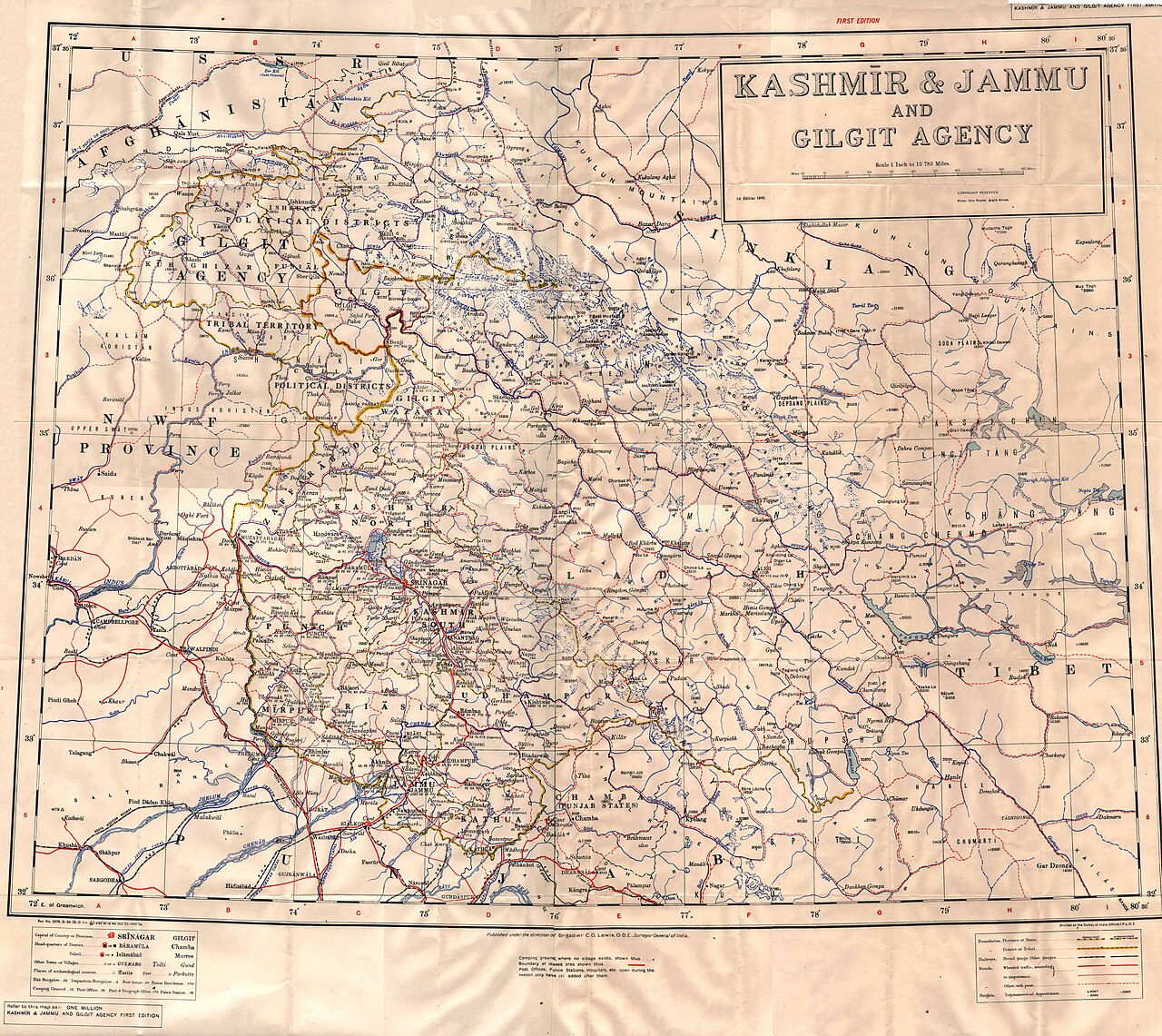
The tea in the brass samovar is already cooling by the time the morning mist lifts off the Dal Lake, revealing snow-capped peaks that seem to shift colour by the hour. People ask us every single week about the best time to visit jammu and kashmir, as if there is a single correct answer printed on a calendar. The truth is that Jammu, Kashmir, and Ladakh operate on entirely different weather systems, and the right month depends entirely on what you want to see.
If you arrive in April, you will walk through rows of blooming tulips in Srinagar while locals still wear thick woollen pherans to keep out the mountain chill. Come in July, and you will find green meadows in Pahalgam choked with wild daisies, while the high mountain passes to Ladakh finally open after months of winter snow blockages. This guide breaks down each season with brutal honesty so you can time your journey correctly.
Springtime in the Valleys: April to May
Spring arrives abruptly in Kashmir around late March, but April is when the landscape truly wakes up. The Tulip Garden on the foothills of the Zabarwan range opens for roughly three weeks, displaying over a million blooms. Temperatures hover around 15°C to 20°C during the day, dropping to a brisk 5°C at night.
This is the best season to visit Srinagar if you want long walks along the Boulevard Road without battling the heavy summer crowds. Orchard trees burst into pink and white blossoms across the valley floor, creating a stark contrast against the grey mountain backdrop. April can bring sudden afternoon downpours, so you must pack a reliable waterproof shell.
- Daytime temperatures: 15°C to 20°C
- Main highlights: Tulip festival, almond blossoms, empty gardens
- Crowd levels: Moderate and manageable
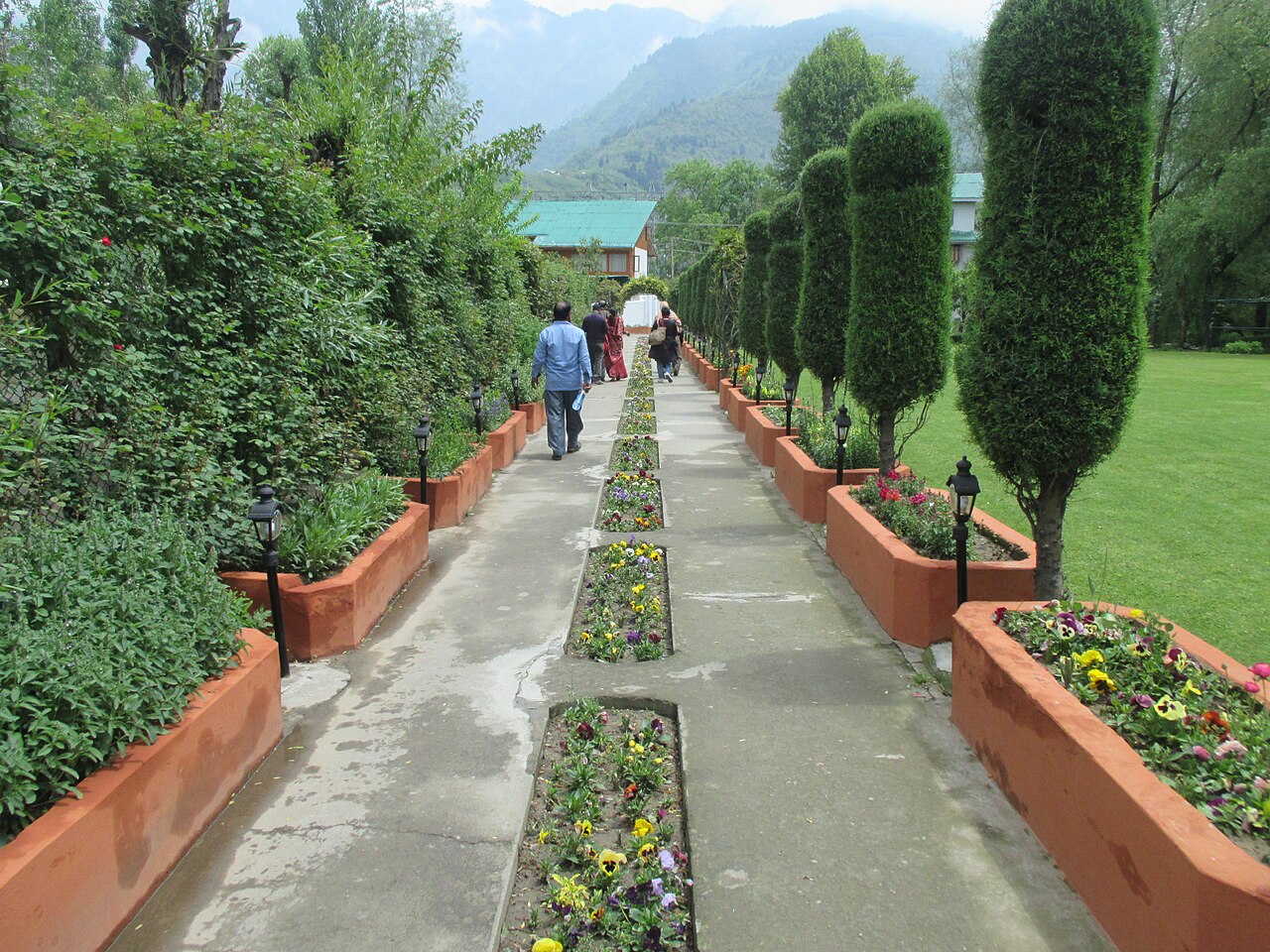
Summer and High Altitude Exploration: June to August
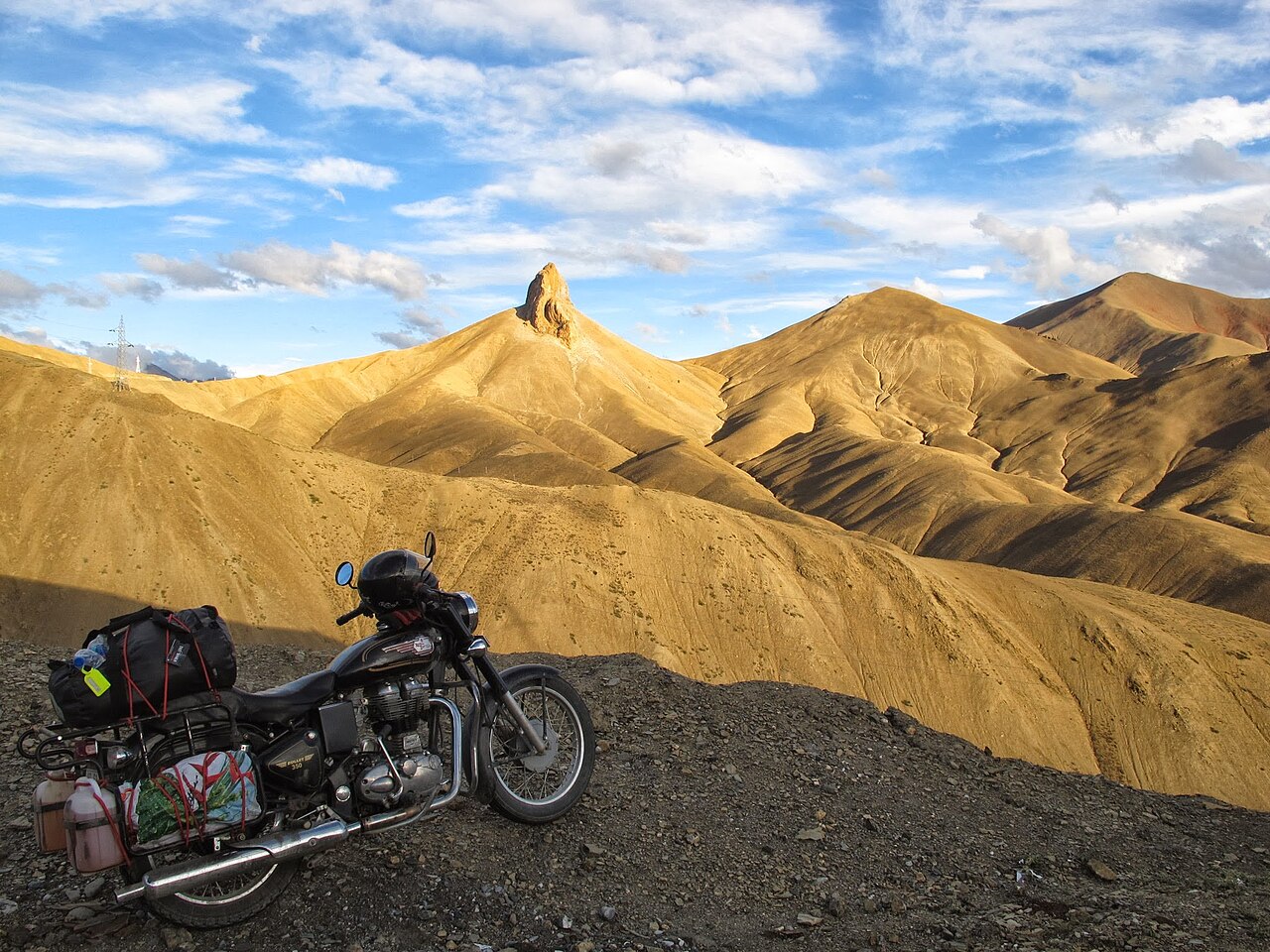
When the plains of India bake in 45°C heat, families and trekkers head north. June through August is peak tourist season across Jammu, Kashmir, and Ladakh. The snow has melted off the high altitude trails, making this the prime window for multi-day treks like the Kolahoi Glacier or the Great Lakes trail.
Srinagar daytime temperatures reach a comfortable 25°C to 30°C, though the sun feels intense at altitude. Pahalgam and Sonamarg buzz with activity, and pony tracks are busy from early morning. This is also the period when the Amarnath Yatra takes place in the mountains of south Kashmir, bringing hundreds of thousands of pilgrims to the region.
The truth is that Jammu, Kashmir, and Ladakh operate on entirely different weather systems, and the right month depends entirely on what you want to see.
Autumn: Chinar Leaves and Golden Landscapes: September to October
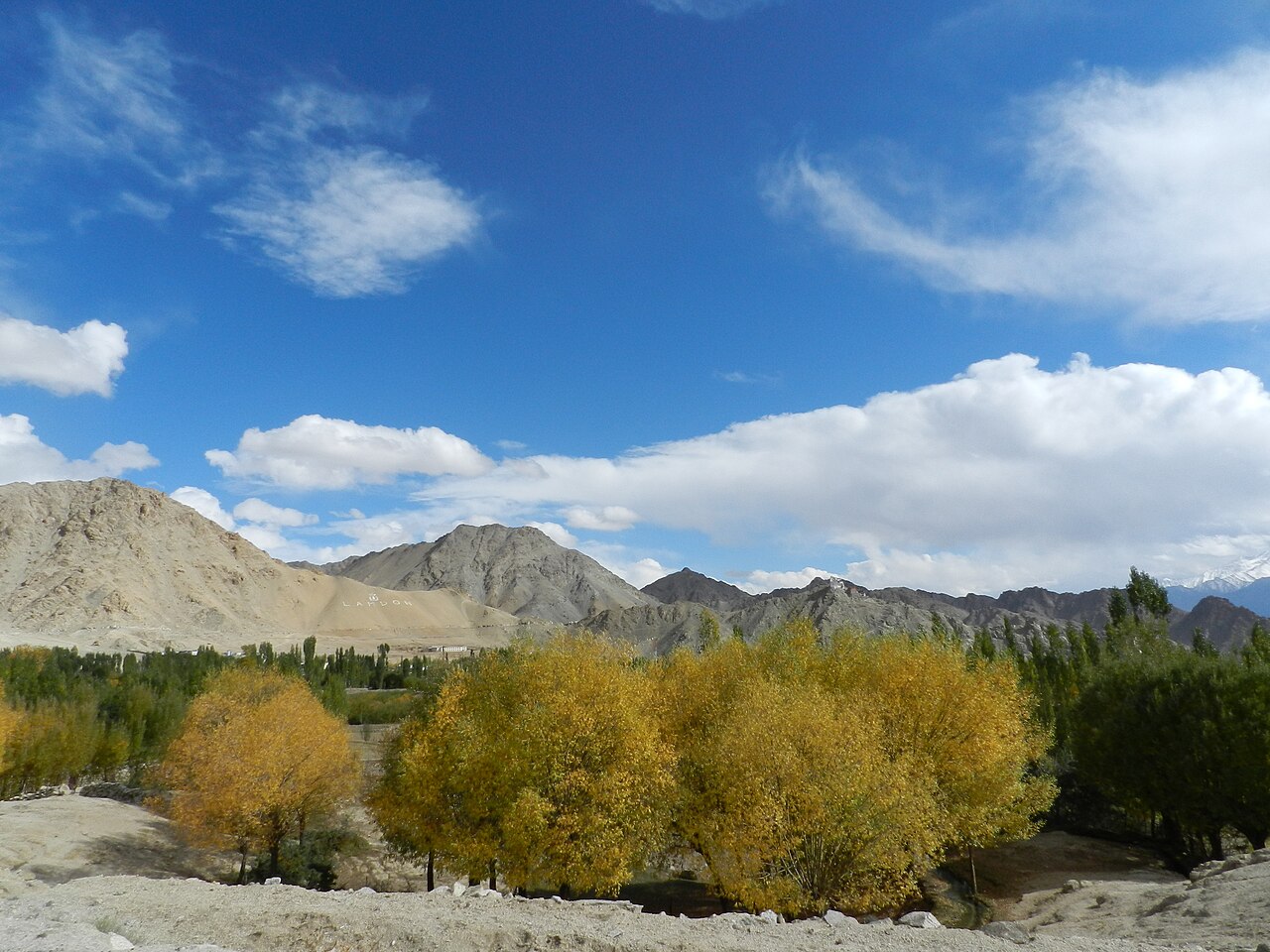
Ask any local photographer about their favourite time of year, and they will point straight to autumn. By late September, the green leaves of the majestic Chinar trees begin to turn amber, copper, and deep rust. By October, places like the Mughal Gardens are carpeted in crunchy red leaves.
Temperatures drop steadily, resting comfortably around 18°C in October days and dipping to 4°C at night. The air smells of woodsmoke from walnut harvesting fires, and apple orchards are heavy with red fruit ready for picking. It is arguably the most photogenic season in the entire region.
- Daytime temperatures: 12°C to 20°C
- Main highlights: Harvesting season, golden Chinar foliage, apple picking
- Crowd levels: Low to moderate
Winter and Snow Adventures: November to February
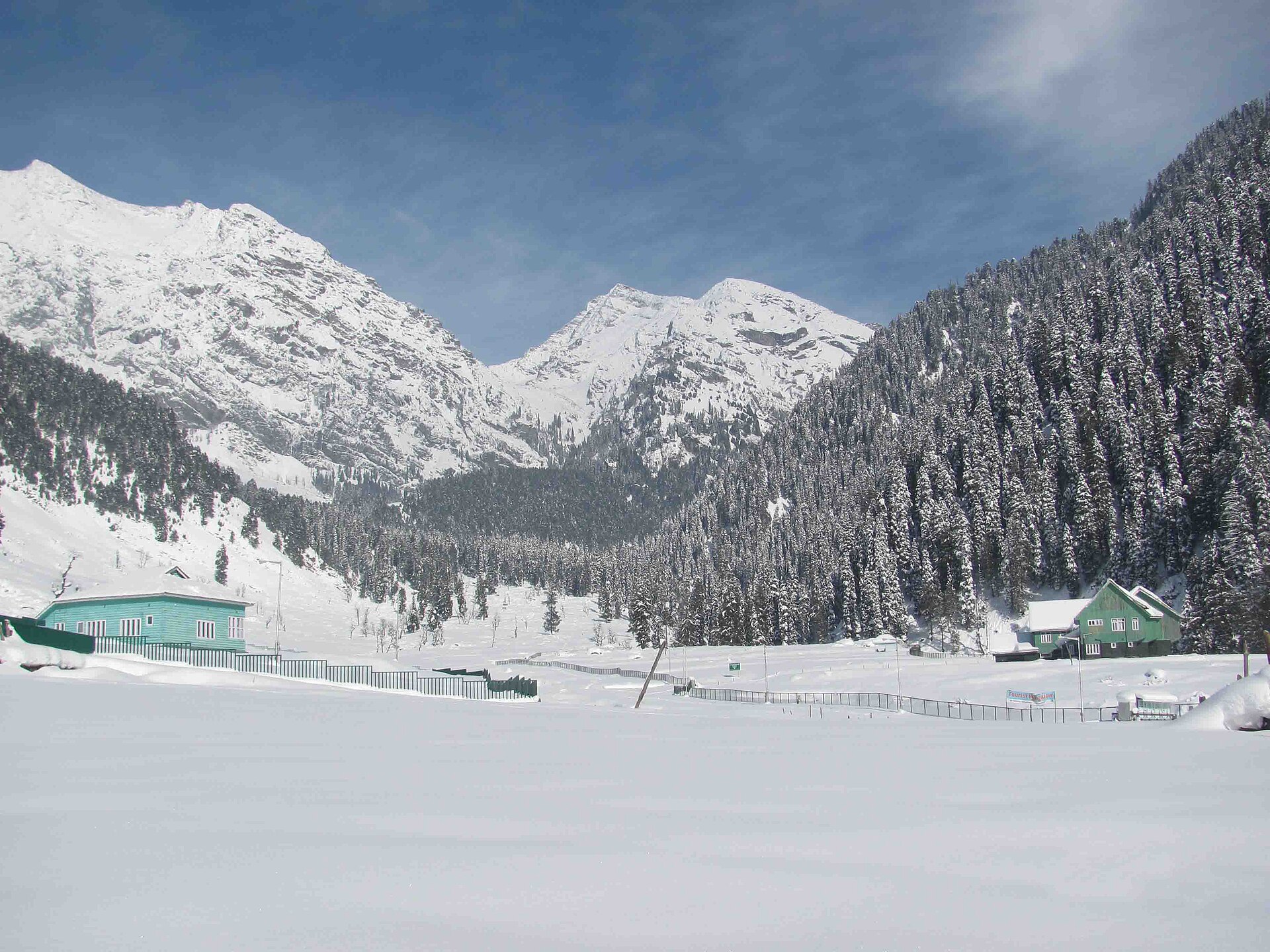
Winter in Kashmir is not for the faint-hearted, but it rewards those who brave the cold. Gulmarg transforms into the premier ski destination in South Asia, drawing international freeriders to its high-altitude bowl. Srinagar experiences freezing fog, and locals gather around copper kangris—clay pots filled with burning charcoal tucked under traditional robes—to stay warm.
Temperatures frequently drop below freezing, sometimes plunging to -10°C in Gulmarg and surrounding peaks. Road closures on the Jammu-Srinagar National Highway are common after heavy snowfalls, so you must build buffer days into your travel itinerary. Check out our /destinations page to see winter tour packages.
Choosing the Right Season for Your Goals
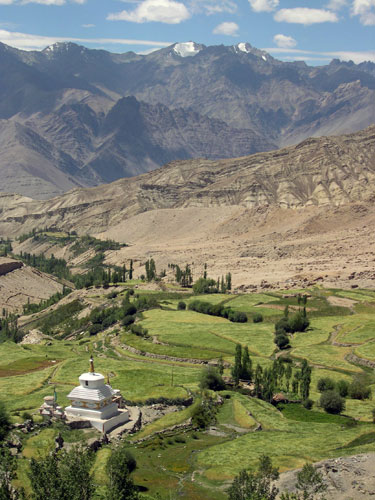
Selecting your travel dates ultimately comes down to your personal priorities. If you want flowers and mild weather, pick April or May. If you want to trek over high mountain passes or travel with children during school holidays, June through August is your window.
For quiet photography, romantic getaways, and visual drama, autumn in October cannot be beaten. For skiing, snowboarding, and frozen landscapes, January in Gulmarg delivers every time. Explore our /experiences section to match your interests with the right month.
Before you book
Planning a trip to the mountains requires letting go of rigid expectations. A sudden snowfall can close a pass in November, or an unexpected April shower can alter your afternoon plans. Embracing these shifts is part of the magic of travelling through Jammu and Kashmir.
Whether you decide to chase the spring tulips or carve fresh powder down the slopes of Apharwat peak, preparation makes all the difference. Reach out to us via our /contact page if you need help mapping out a seasonal itinerary that matches your pace.
Ready to Plan Your Seasonal Escape?
Tell us when you want to travel, and we will build a custom itinerary tailored to the weather, crowds, and experiences you prefer.
Get in TouchCaption for your own post
From spring tulips to autumn gold and winter snow, every season tells a different story in Kashmir. When will you visit?
Written by
Kashmir, Jammu & Ladakh specialists
We plan and run trips across Kashmir, Jammu and Ladakh every week of the year. Everything here comes from routes we drive, stays we inspect and questions our travellers actually ask.
Written by a local editor who has navigated every mountain pass, snowdrift, and spring blossom across Kashmir for over a decade.
Quick answers
Questions we get asked
When does it snow in Kashmir?
Snowfall typically begins in late December and continues through February. Higher elevations like Gulmarg and Sonamarg receive snow earlier, often starting in late November, while Srinagar sees heavy snowfalls mostly in January.
Is July a good month to visit Kashmir?
Yes, July is excellent for sightseeing, family trips, and trekking because all mountain passes are clear and valleys are lush green. However, it is peak tourist season, meaning popular attractions will be crowded and prices will be higher.
Can I visit Ladakh during winter?
Visiting Ladakh in winter is possible for adventurous travellers, but road access via Srinagar and Manali is closed due to snow. You must fly into Leh, and temperatures routinely drop below -20°C, requiring specialised gear and careful acclimatisation.
What clothes should I pack for autumn in Kashmir?
Autumn days require light woollens, cardigans, or fleece jackets, while evenings demand heavy jackets, scarves, and warm socks as temperatures drop sharply after sunset.
Which month is best for budget travel?
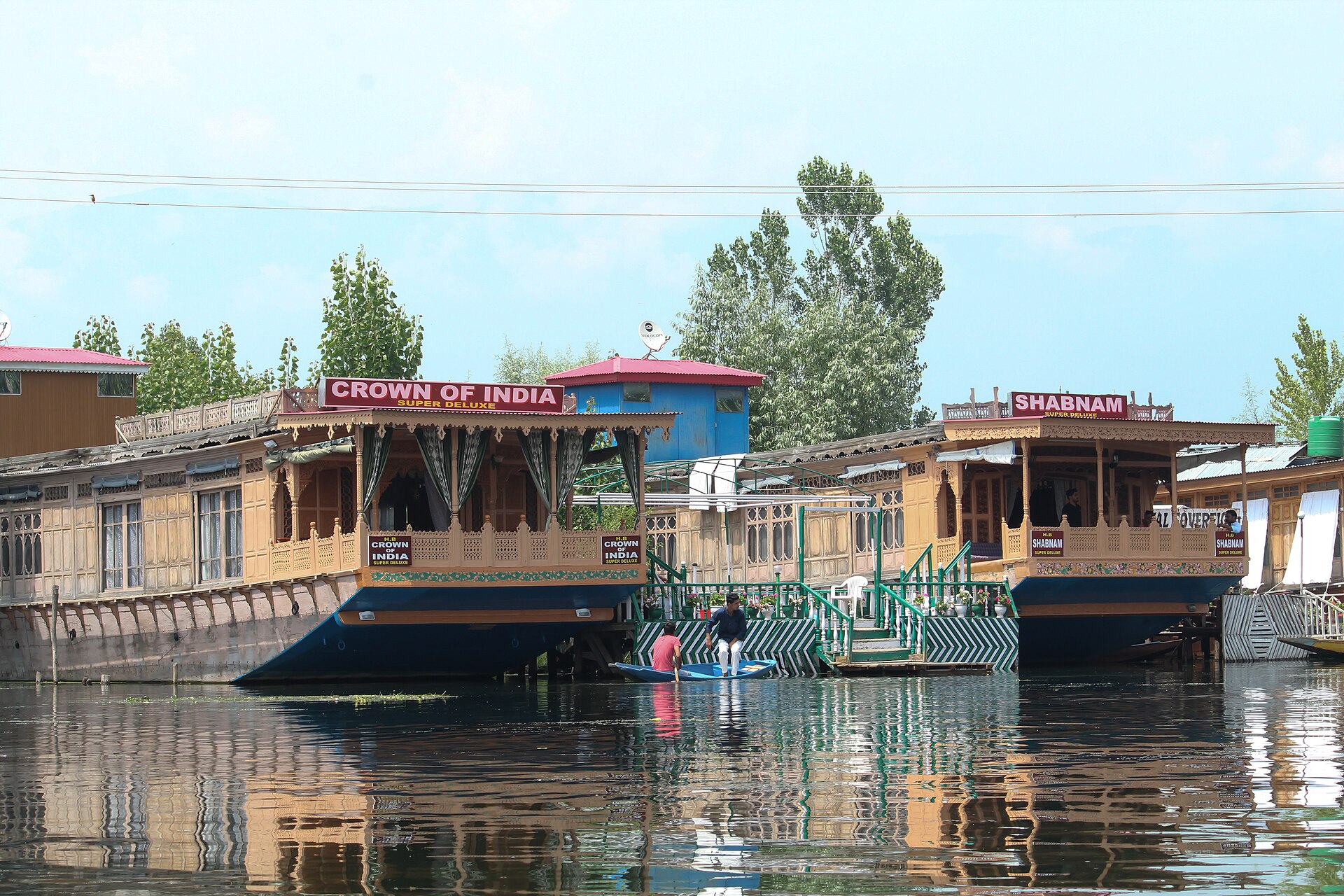
The shoulder months of March and November offer the lowest rates on houseboats, hotels, and transport. Crowds are minimal, though you must prepare for cooler weather and potential weather disruptions.
Photography credits
- Photo: European Union, Copernicus Sentinel-2 imagery · Attribution
- Photo: Dashrathgoyal85 · CC BY-SA 4.0
- Photo: Billjones94 · CC BY-SA 4.0
- Photo: Markusmarschall · CC BY 3.0
- Photo: YUVRAJ ANAND · CC BY-SA 4.0
- Photo: Baldiri · Public domain
- Photo: Survey of India · Public domain