The Best Month to Visit Srinagar: A Month-by-Month Guide
Everything you need to know about weather, tulips, chidars and snow across the twelve months of the year.
Find the best month to visit srinagar with our definitive seasonal guide covering weather, crowds, and local food.
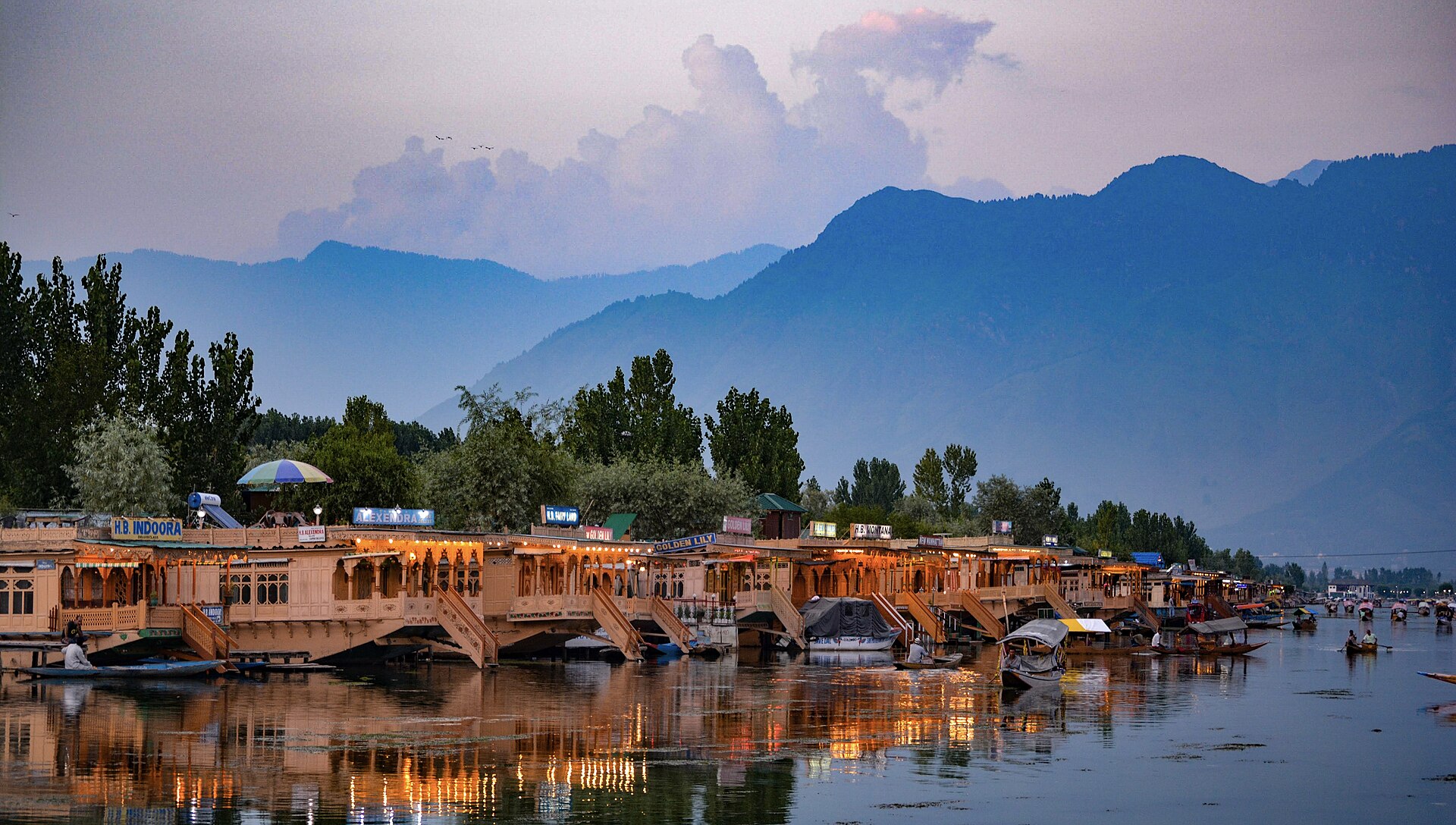
Morning mist rising off the calm waters of Dal Lake.Photo: Dashrathgoyal85 · CC BY-SA 4.0
The tea in your clay cup cools while you watch the morning mist lift off Dal Lake. A shikara drifts past loaded down with pale pink radishes and mustard greens, the oarsman dipping his wooden paddle in a quiet, steady rhythm. People ask me every week when they should book their flights, expecting a single magic date on the calendar.
The truth is that finding the best month to visit srinagar depends entirely on what you want to see. Do you want fields of tulips stretching beneath snow-capped hills, or do you want to wrap yourself in a woolen pheran while woodsmoke drifts through freezing alleyways? Every season here demands a different wardrobe and offers an entirely different rhythm.
We run tours through all twelve months, and each period brings distinct challenges and rewards. Let us walk through the year month by month so you can pick the exact week that suits your travel style.
Spring Awakening: March to May
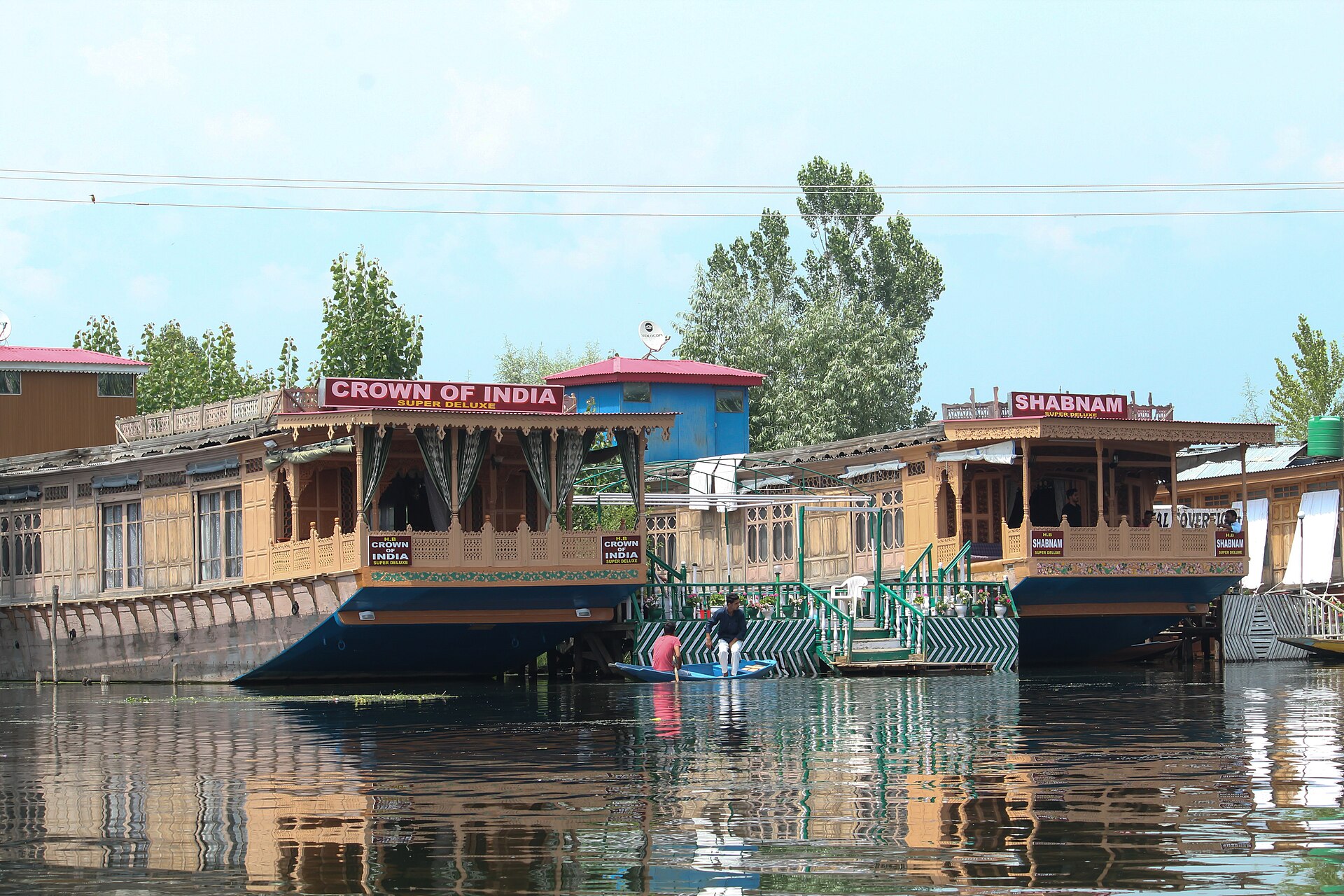
Spring starts cold, but by April the valley turns into a painter's palette. March can still feel like winter, with daytime temperatures hovering around 12 degrees Celsius and biting winds coming off the higher peaks. If you visit in March, pack your thermal layers because the old wooden houseboats on the lake do not always have central heating.
April brings the famous tulip garden on the slopes of Zabarwan mountain into full bloom. Millions of flowers open up over a few weeks, drawing huge crowds from across India. May is arguably the most pleasant month of all for walking around the old city, with daytime temperatures sitting comfortably in the low twenties.
Rain showers are common during these spring months, so keep a sturdy umbrella in your daypack. The willows sprout fresh green shoots, and the local markets overflow with fresh strawberries picked from the foothills.
- March: Cold nights, early almond blossoms, fewer tourists
- April: Tulip festival peak, pleasant afternoon walks, variable rain
- May: Warm sunshine, lush green gardens, ideal for sightseeing
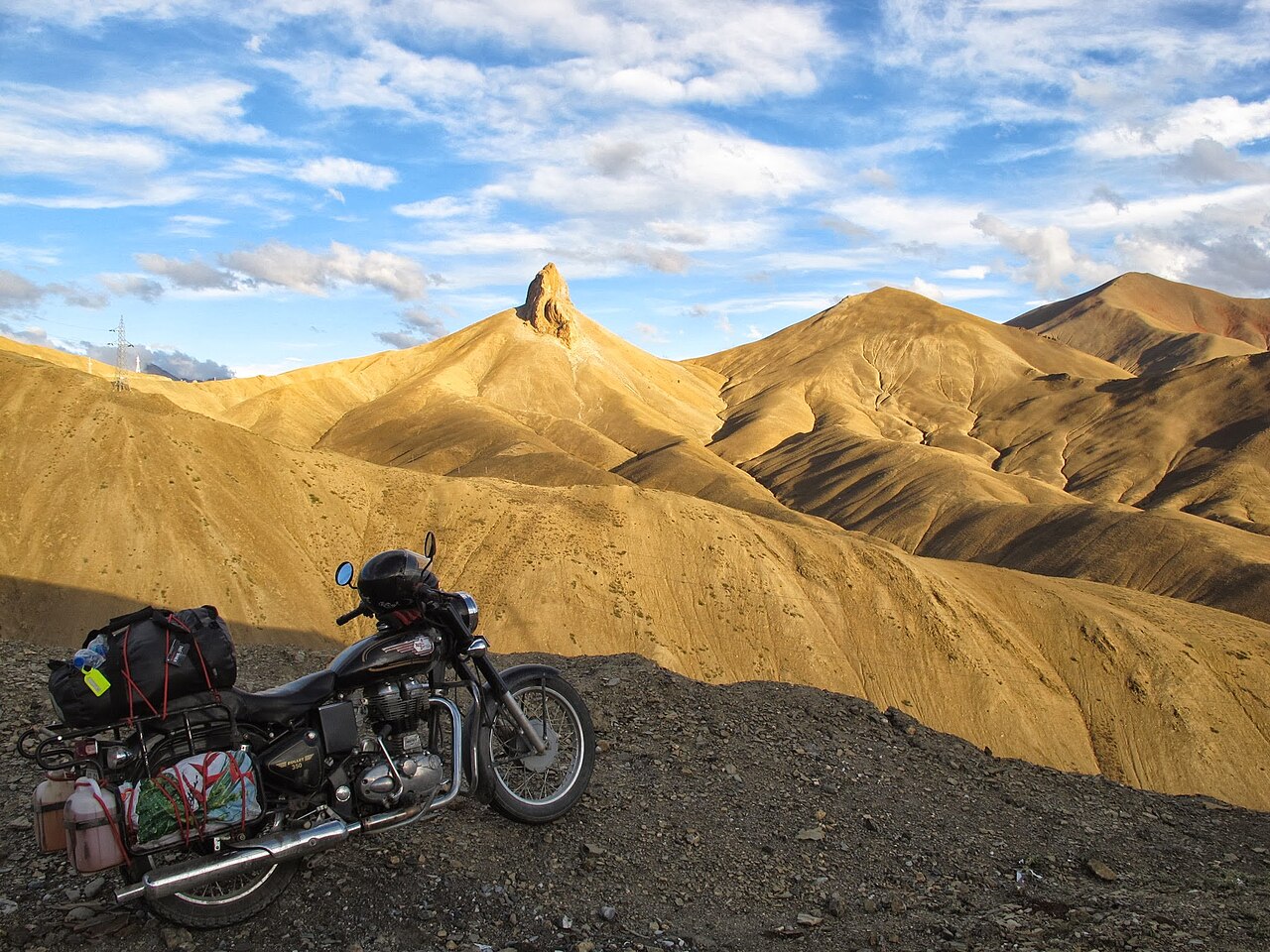
Summer Heat and Shade: June to August
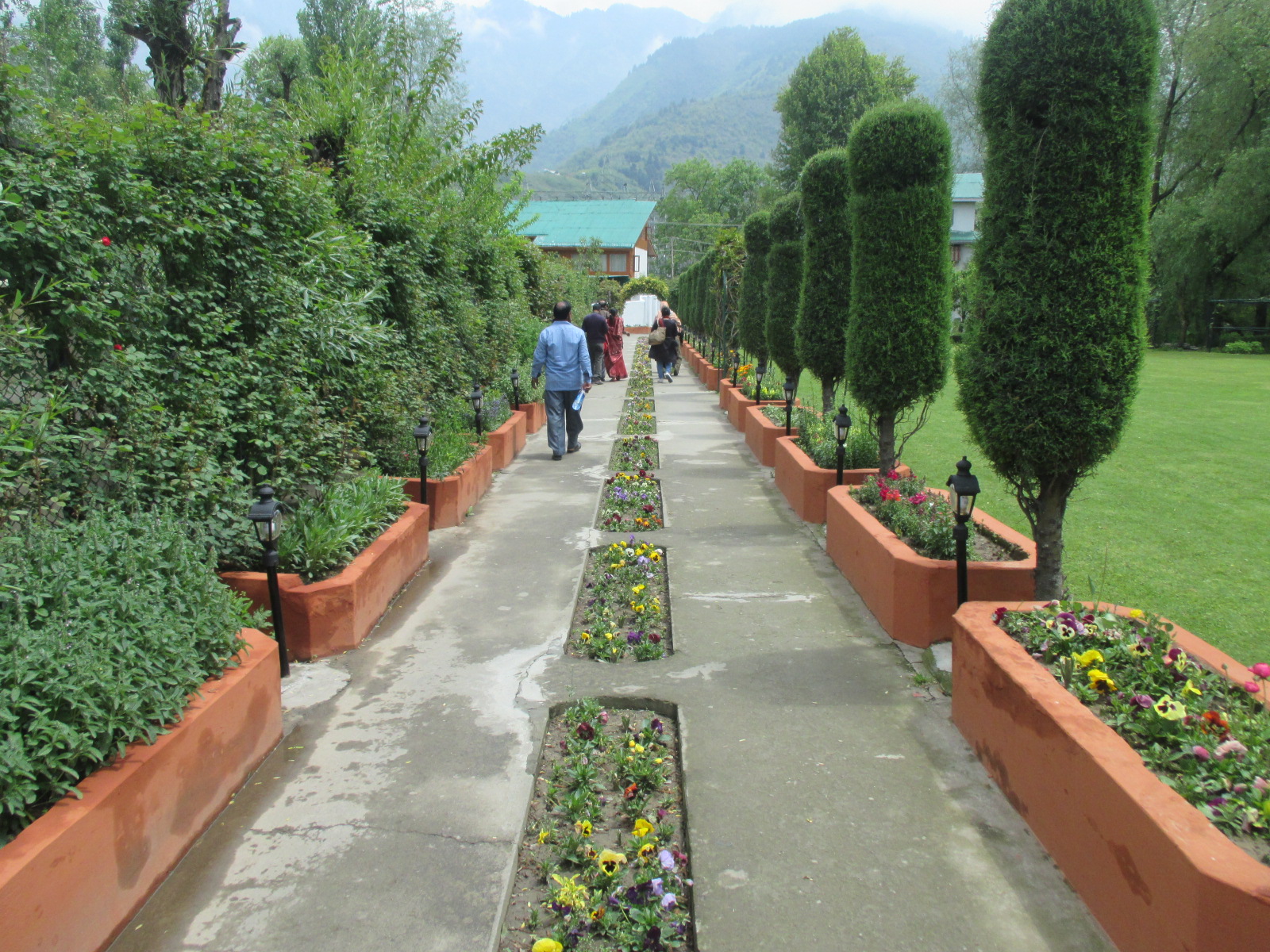
Summer in the valley is warm during the day, often reaching 30 degrees Celsius in July, but the air stays dry compared to the plains. This makes Srinagar a popular escape for families fleeing the punishing heat of Delhi and Mumbai. The lakes are busy with tourists renting shikaras for sunset cruises, and the Mughal gardens are lush and deeply green.
June is generally pleasant, though July and August can bring sudden afternoon thunderstorms. If you plan to trek into the higher alpine meadows like Sonamarg or Yusmarg, summer is the absolute safest time because the mountain passes are fully clear of winter snow.
The downside is the crowd factor. Main tourist spots like Shalimar Bagh and Boulevard Road get very congested, and hotel prices reach their annual peak. If you prefer quiet corners, you will need to head into the older neighborhoods away from the main tourist hubs.
What to Pack for Summer
Leave the heavy woolens at home, but bring a light jacket for breezy evenings on the lake. Comfortable walking shoes are essential for exploring the uneven stone pathways of the old town.
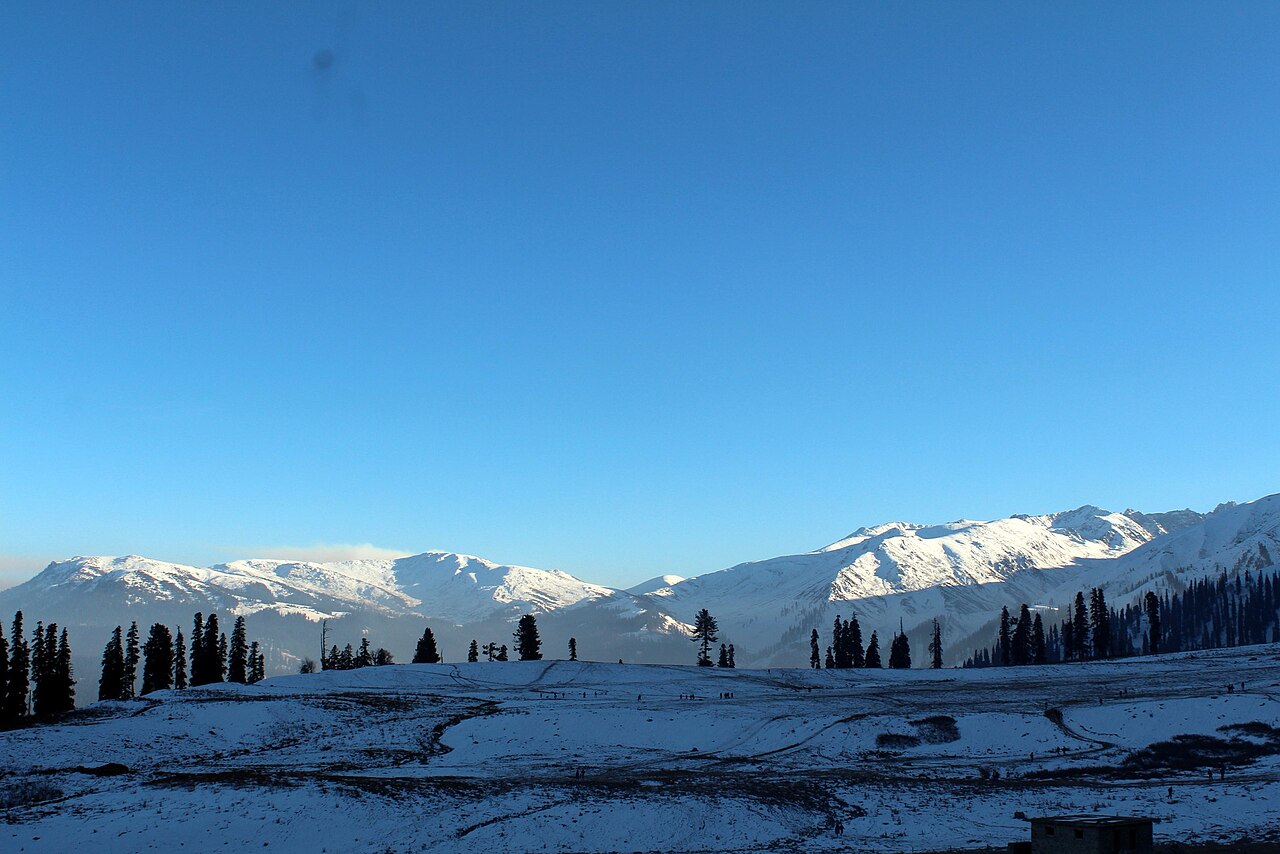
Every season here demands a different wardrobe and offers an entirely different rhythm.
Golden Autumn: September to November
Ask any local photographer about their favorite time of year, and they will point straight to autumn. September starts with warm days and cool, crisp nights that signal the changing of the season. By October, the iconic chinar trees turn deep amber, copper, and rust red, transforming university campuses and garden paths into glowing tunnels of color.
November brings a sudden drop in temperature, and the morning fog can linger until noon. The harvest season is in full swing, with massive piles of bright red apples stacked outside village homes along the highways. It is a quiet, contemplative time to visit before the winter shutdown begins.
Tourist numbers drop sharply after October, meaning you can enjoy the sights without elbowing your way through crowds. Prices for houseboats and hotels also become much more negotiable during these shoulder months.
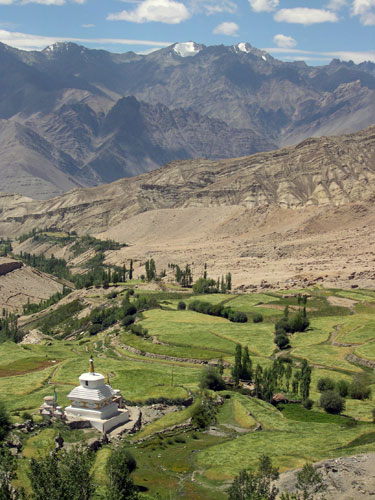
Winter Chill and Snow: December to February
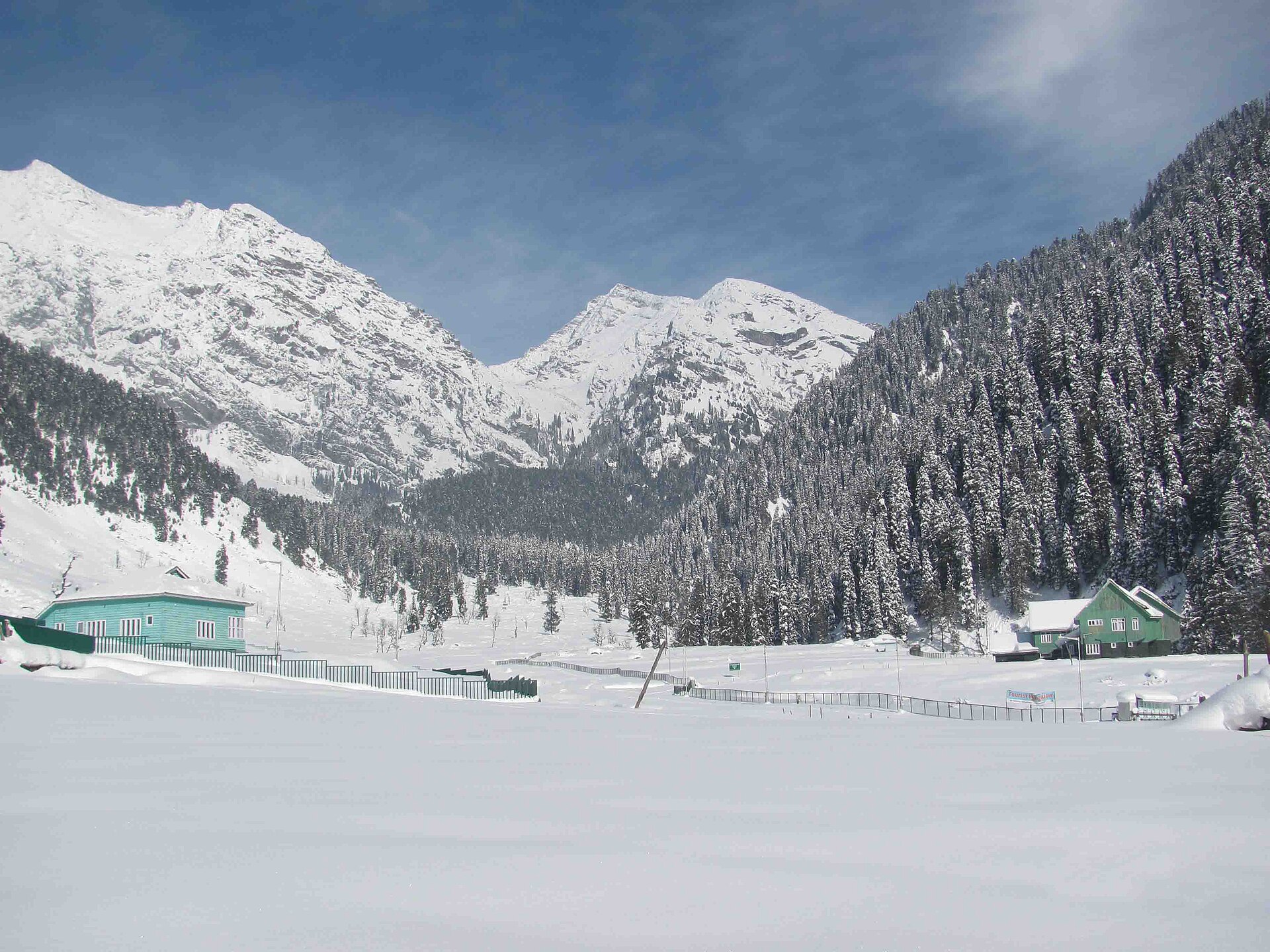
Winter is not for everyone, but for those who love the cold, it offers a stark and haunting beauty. January is the peak of the winter freeze, locally known as Chillai Kalan. Temperatures frequently drop below freezing, and the lake sometimes develops a thin skim of ice near the banks.
Snowfall in Srinagar city itself can be unpredictable, ranging from light dustings to heavy blankets that paralyse traffic for a day or two. When the snow does fall, the white rooftops against the dark mountains look like an old postcard come to life. Most visitors use Srinagar as a transit point to head up to the ski slopes in Gulmarg.
Living on a houseboat in winter requires patience. You will rely on traditional harissa for breakfast, hot water bags under heavy quilts, and traditional wood-burning bukhari stoves to keep warm.
How to Choose Your Month
Weighing your options comes down to tolerating crowds versus tolerating cold weather. If you want warm weather and blooming flowers, aim for May. If you want dramatic photography and quiet streets, October is unbeatable.
Budget also plays a role. Summer and April are the most expensive times to travel, while late autumn and deep winter offer the best value for money. Talk to our team if you need help matching your dates to specific festival schedules or trekking windows.
Before you book
Every month in the valley carries its own distinct character, from the fragile blossoms of spring to the stark white silence of winter snow. Rushing through the city in three days will only show you a fraction of what makes this place remarkable.
Take your time, pick the season that matches your tolerance for weather, and let us help you plan a journey that suits your pace. You can explore our curated /experiences or reach out through our /contact page to start planning.
Ready to Plan Your Srinagar Trip?
Tell us your preferred travel month and we will design a custom itinerary for your dates.
Get in TouchCaption for your own post
Tulips in April or gold leaves in October? Here is how to pick the best month for your Srinagar trip.
Written by
Kashmir, Jammu & Ladakh specialists
We plan and run trips across Kashmir, Jammu and Ladakh every week of the year. Everything here comes from routes we drive, stays we inspect and questions our travellers actually ask.
Written after years of guiding travelers through every seasonal shift in the valley.
Quick answers
Questions we get asked
What is the absolute best month to visit Srinagar?
April is widely considered the best month due to the tulip festival and pleasant spring weather, though October is preferred by photographers for the autumn colors.
Does it snow in Srinagar during winter?
Yes, snowfall usually occurs between December and February, peaking in January during the forty-day harsh winter period known locally as Chillai Kalan.
Is Srinagar crowded during summer?
Yes, June through August is peak domestic tourist season, leading to crowded gardens and higher rates for houseboats and hotels.
What clothes should I pack for an autumn trip?
Bring light woolens, jackets, and scarves for the chilly mornings and evenings, alongside comfortable layers for warm afternoon walks.
Are houseboats comfortable in winter?
Houseboats are equipped with wood-burning stoves and heavy quilts, but they can still be very chilly compared to modern brick hotels.
Photography credits
- Photo: Dashrathgoyal85 · CC BY-SA 4.0
- Photo: Billjones94 · CC BY-SA 4.0
- Photo: Markusmarschall · CC BY 3.0
- Photo: Gayatri Priyadarshini · CC BY-SA 4.0
- Photo: Baldiri · Public domain
- Photo: Vyacheslav Argenberg · CC BY 4.0
- Photo: Steve Evans from Citizen of the World · CC BY 2.0