Skiing in Gulmarg: A Guide to Runs and Lifts
Navigating the legendary bowls, gondola phases, and safety realities of skiing in Gulmarg.
A comprehensive guide to skiing in Gulmarg, covering terrain, lift systems, off-piste boundaries, guide hire, and equipment rental.
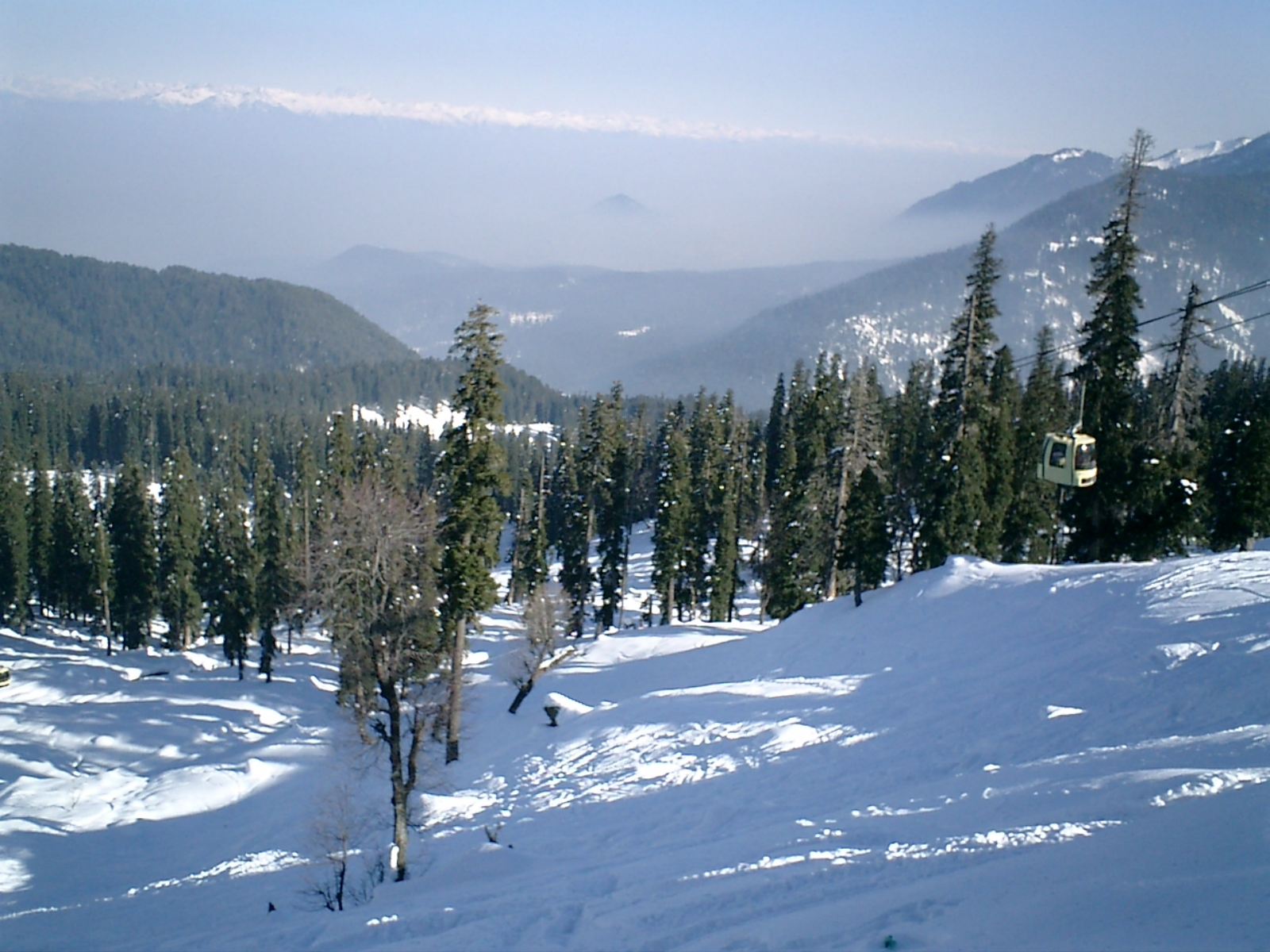
Dropping into the wide alpine bowls of Apharwat Peak.Photo: Codik · CC BY-SA 3.0
Standing on the ridge of Apharwat Peak with your skis clicking into place, the vastness of the Pir Panjal range hits you right in the chest. There are no manicured groomers waiting for you here in the high alpine bowls; just thousands of vertical metres of untracked powder stretching down toward the pine forests. Skiing in Gulmarg is unlike any resort experience in the Alps or North America, offering raw, high-altitude terrain that demands respect and rewards preparation.
Whether you are planning your first trip up the gondola or looking to understand the layout of the upper bowls, this guide breaks down the runs, the lift logistics, and the practicalities of navigating the mountain safely. Let us look at what makes this resort unique and how to make the most of your time on the snow.
Overview of Gulmarg Ski Terrain and Bowls
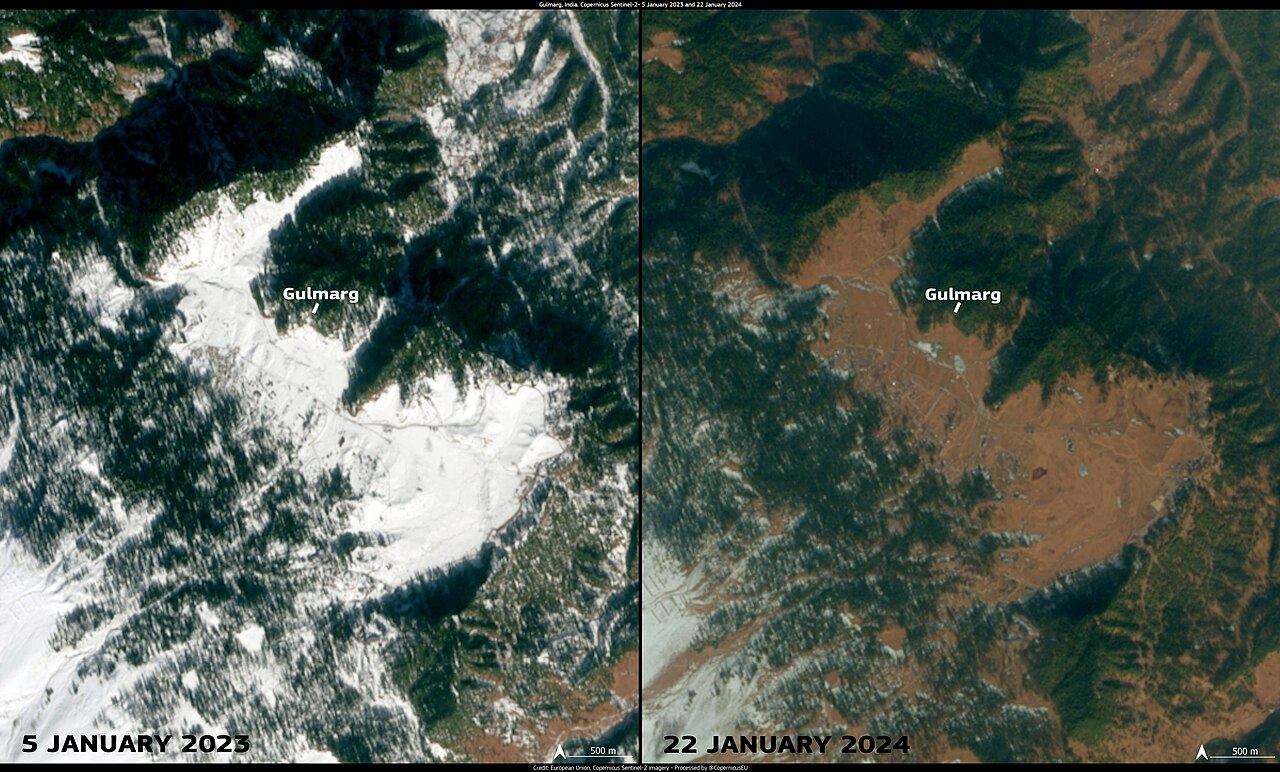
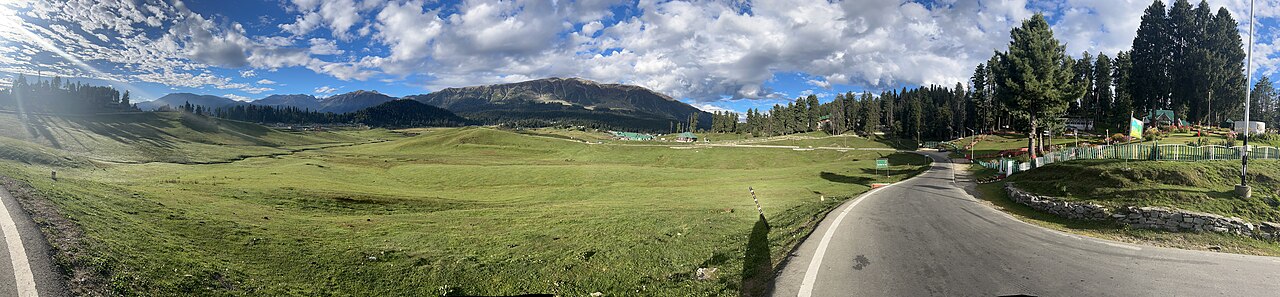
The terrain here is divided into two primary zones that cater to very different styles of riding. The lower slopes near the village and Phase 1 are gentle, tree-lined, and ideal for intermediates finding their rhythm or beginners taking their first lessons. The gradients are forgiving, and the snow stays sheltered from the scouring winds of the upper ridges.
Once you push past Phase 2 onto Apharwat Peak, the character changes completely. You are stepping out into vast, unpatrolled alpine bowls, steep chutes, and wide-open powder fields that drop more than 1,300 vertical metres back down to Kongdoori. It is serious terrain that requires strong freeride skills and an awareness of natural mountain hazards.
- Village Beginner Slopes: Gentle gradients, perfect for warm-ups and lessons.
- Phase 1 (Kongdoori): Mixed tree runs and rolling intermediate bowls.
- Phase 2 (Apharwat): High-alpine bowls, steep ridges, and extensive backcountry.
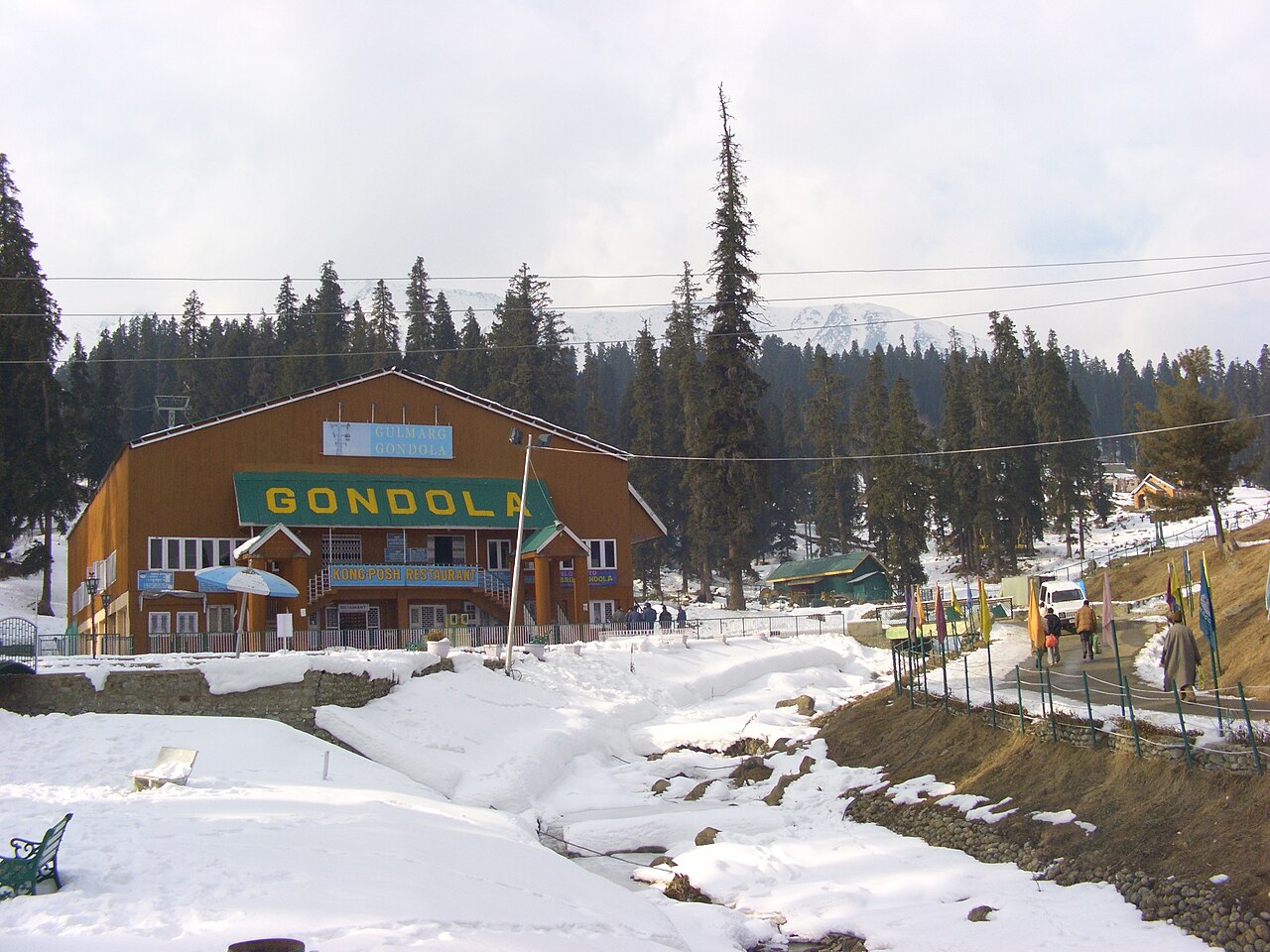
Riding Phase 1 and Phase 2 Lifts
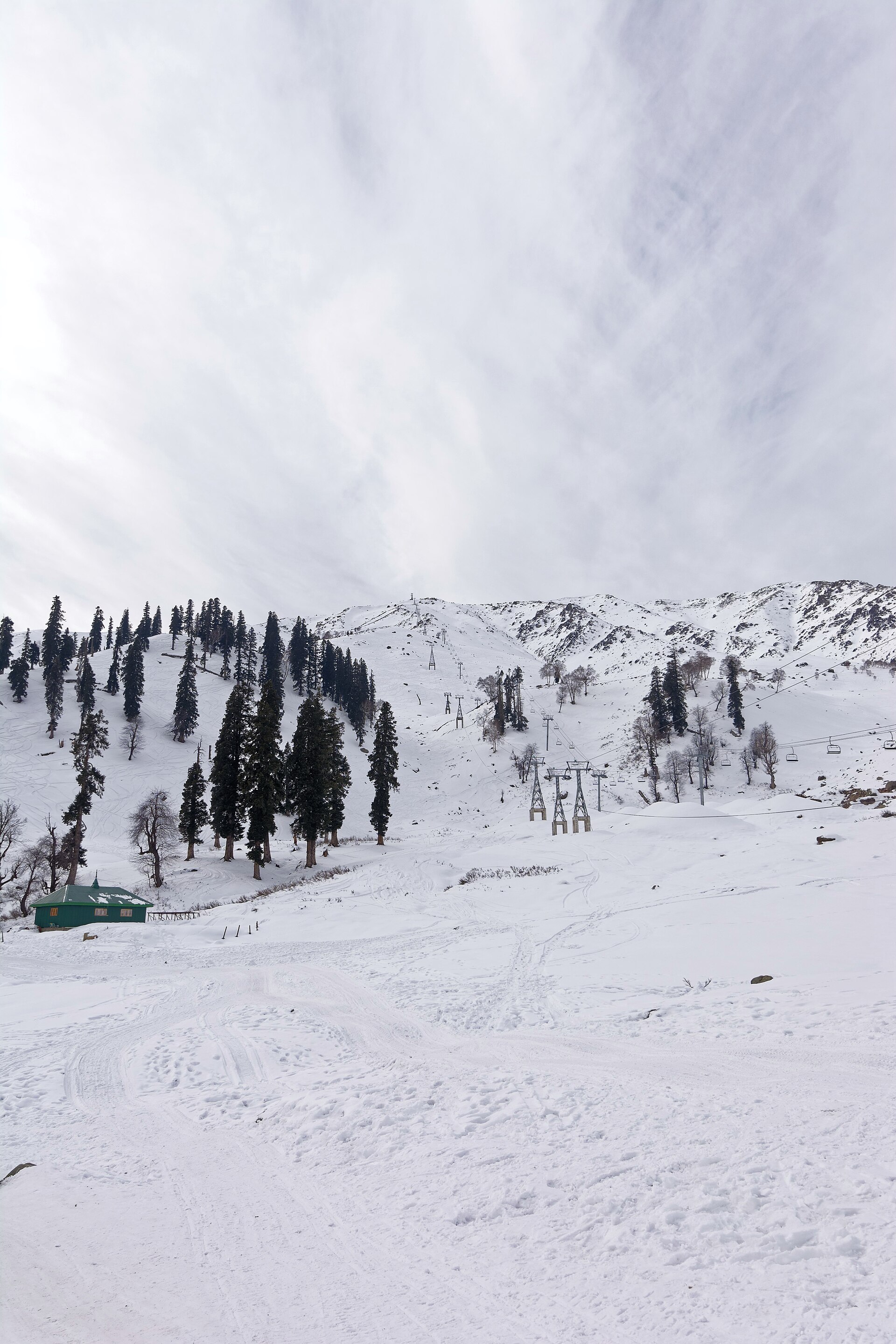
The gondola system is the backbone of the resort, engineered by French manufacturer Doppelmayr. Phase 1 takes you from the meadow at 2,650 metres to Kongdoori at 3,080 metres in about ten minutes. It handles high volumes of sightseers and skiers alike, though queues can build up quickly between 9:00 AM and 11:00 AM on clear powder days.
Phase 2 is where logistics get more demanding. Rising from Kongdoori to Apharwat Peak at 3,979 metres, this section is heavily weather-dependent. High winds or heavy snowfall will shut it down instantly. Booking your gondola passes online in advance through official channels is essential to avoid lengthy morning ticket lines.
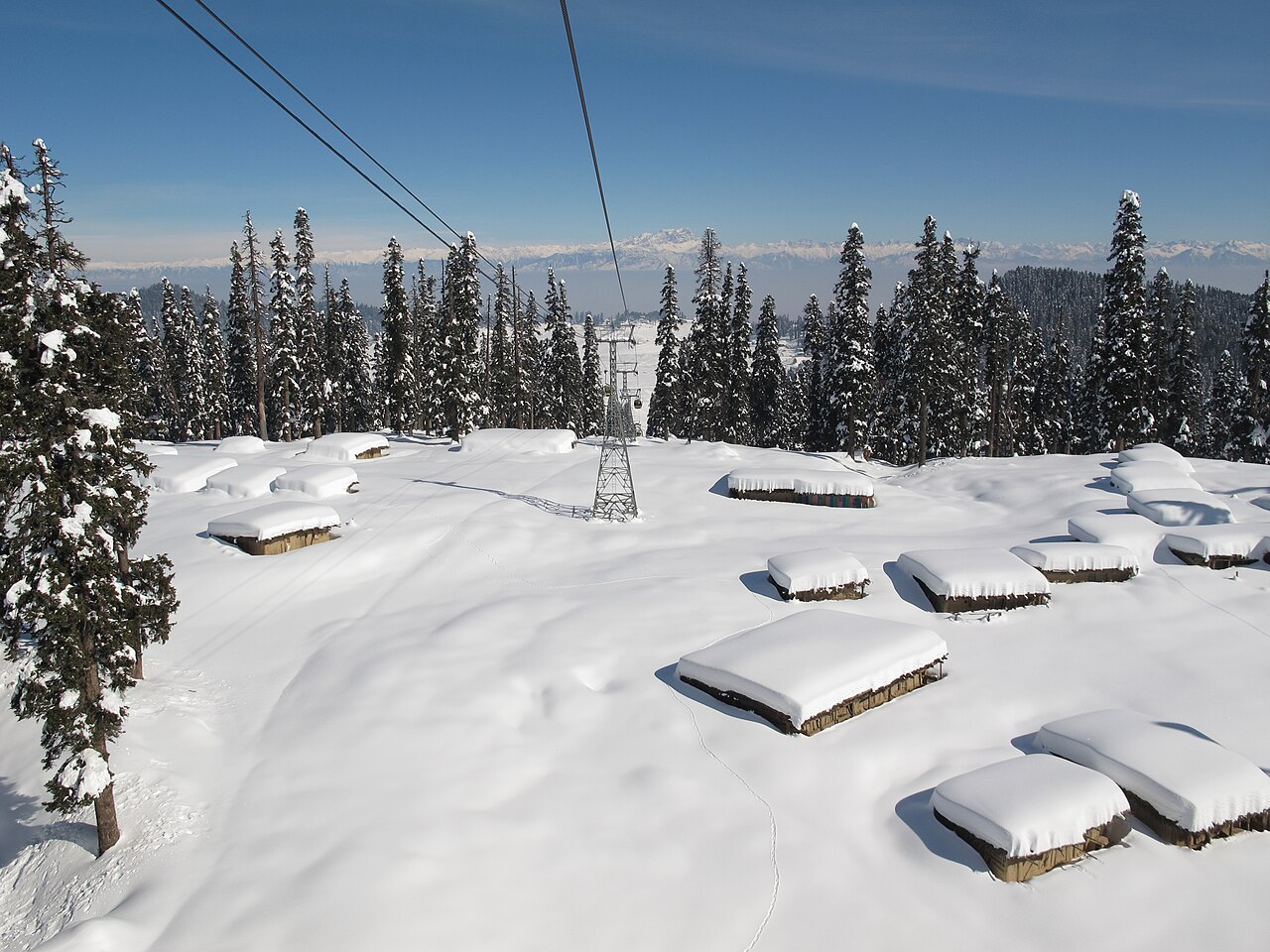
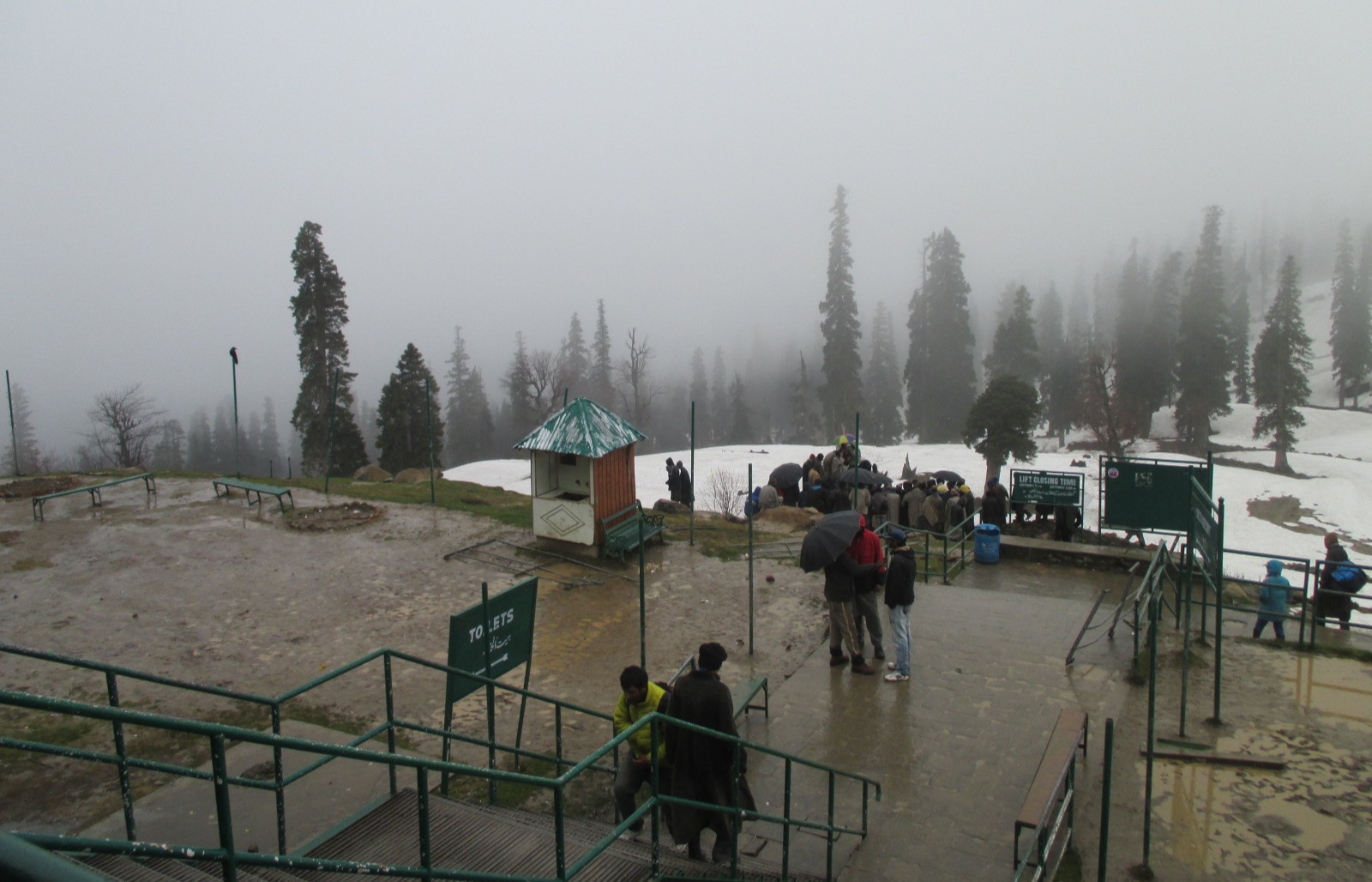
There are no manicured groomers waiting for you here in the high alpine bowls; just thousands of vertical metres of untracked powder stretching down toward the pine trees.
Backcountry Off-Piste Boundaries and Safety
One of the biggest draws of skiing in Gulmarg is the sheer scale of the off-piste terrain. However, the resort does not have an active ski patrol team conducting controlled avalanche mitigation across the entire outer backcountry. Every line you drop into outside the immediate resort boundary is technically your own responsibility.
Avalanches are a real hazard on Apharwat Peak, particularly after a heavy storm or rapid spring warming. You must carry proper rescue gear, know how to use it, and stick to established descent routes unless you are an experienced mountaineer with deep local knowledge of the snowpack stability.
The Bowl Descents
The main bowl directly beneath the Phase 2 station is wide and inviting, but it funnels down into narrow gullies where sluffs can accumulate. Always check the snow stability before dropping in.
Hiring Local Ski Guides and Instructors
Navigating the mountain without a local guide is a mistake, even for advanced skiers. The J&K Tourism department licenses a dedicated cadre of local ski guides and instructors who know every ridge, drop-off, and safe return route to the valley floor.
A good guide does more than keep you safe; they find pockets of untracked snow hours after a storm has tracked out the main lines. When hiring a guide, always verify their official union ID card and agree on the daily rate before stepping onto the lift.
Renting Equipment in the Village
Bringing your own powder skis or snowboard is ideal, but carrying heavy gear through domestic flights and mountain transfers can be tiresome. Fortunately, the village has several established rental shops offering a wide range of gear, from carving skis to wider powder boards and touring setups.
Inspect boots and bindings carefully before heading up the mountain. While shops have improved their inventory significantly over recent years, finding specialized backcountry touring gear with alpine touring bindings can sometimes require checking multiple stores along the main strip.
Essential Avalanche Safety and Gear Rules
Never step onto Phase 2 without an avalanche beacon, a sturdy shovel, and a probe. Wearing the beacon on your body and checking that your group's devices are transmitting before every run should be non-negotiable habits.
Local rescue teams are capable, but response times in deep backcountry terrain can take hours depending on weather and visibility. Self-rescue is your primary line of defense, making avalanche awareness training essential for anyone exploring beyond the marked resort perimeter.
Before you book
Skiing in Gulmarg is an extraordinary adventure that tests your skills while rewarding you with some of the most dramatic mountain scenery on earth. Respecting the scale of the terrain and preparing properly for high-altitude weather ensures your trip remains memorable for all the right reasons.
If you need help organizing lift passes, trusted local guides, or complete ski packages from Srinagar, get in touch with our team. We handle the logistics so you can focus entirely on the snow.
Plan Your Ski Adventure
Let us take care of your gondola bookings, lodging, and certified mountain guides.
Contact Our TeamCaption for your own post
Deep powder and endless alpine bowls. Here is everything you need to know about riding the slopes of Gulmarg.
Written by
Kashmir, Jammu & Ladakh specialists
We plan and run trips across Kashmir, Jammu and Ladakh every week of the year. Everything here comes from routes we drive, stays we inspect and questions our travellers actually ask.
Written by a Skywale guide who has spent countless winters navigating the ridges of Apharwat Peak.
Quick answers
Questions we get asked
Is Gulmarg suitable for intermediate skiers?
Yes. While famous for expert terrain, Phase 1 and the lower slopes offer plenty of rolling intermediate runs and wide tree-lined descents.
How high does the Gulmarg gondola go?
Phase 1 reaches 3,080 metres at Kongdoori, and Phase 2 climbs to Apharwat Peak at 3,979 metres.
Do I need to hire a guide for skiing in Gulmarg?
While not legally mandatory for all runs, hiring a local registered guide is strongly advised due to unmarked hazards and backcountry avalanche risks.
Can I rent powder skis in the village?
Yes, several shops along the main strip rent out skis, snowboards, boots, and poles, though high-end powder boards can be in high demand during peak season.
What safety equipment do I need on Apharwat Peak?
You must carry an avalanche transceiver, a metal snow shovel, and a probe, and know how to use them efficiently.
Photography credits
- Photo: Codik · CC BY-SA 3.0
- Photo: Billjones94 · CC BY-SA 4.0
- Photo: Vikas Yadav ( Thevikasin ) · Public domain
- Photo: Skywayman9 · CC BY-SA 3.0
- Photo: Harvinder Chandigarh · CC BY 4.0
- Photo: European Union, Copernicus Sentinel-2 imagery · Attribution
- Photo: Harvinder Chandigarh · CC BY 4.0