Gulmarg Snow Season: Month-by-Month Weather Guide
Planning a winter trip to Kashmir's premier ski town? Here is what you need to know about snow patterns from late autumn through spring.
A month-by-month guide to the gulmarg snow season, covering snowfall months, temperatures, and elevation differences for travellers.
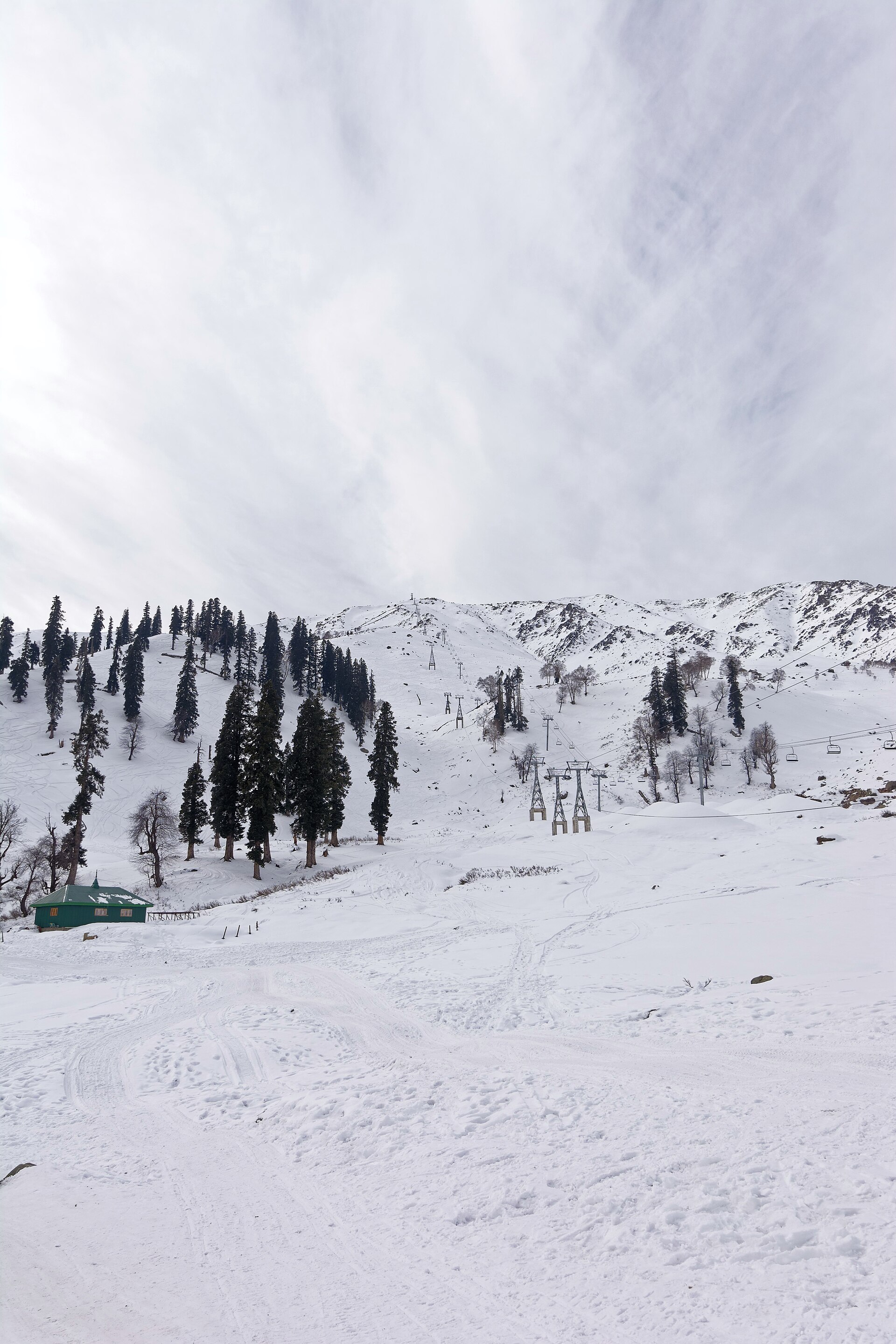
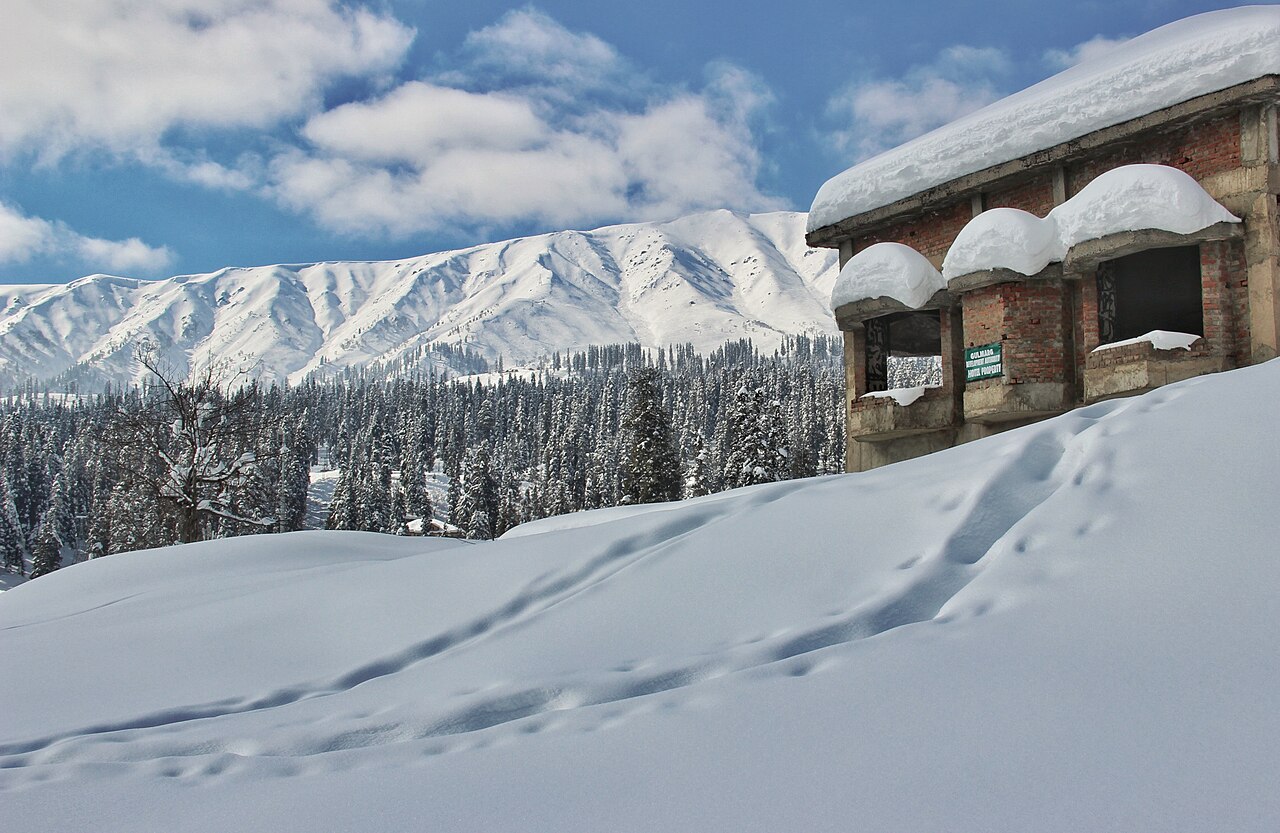
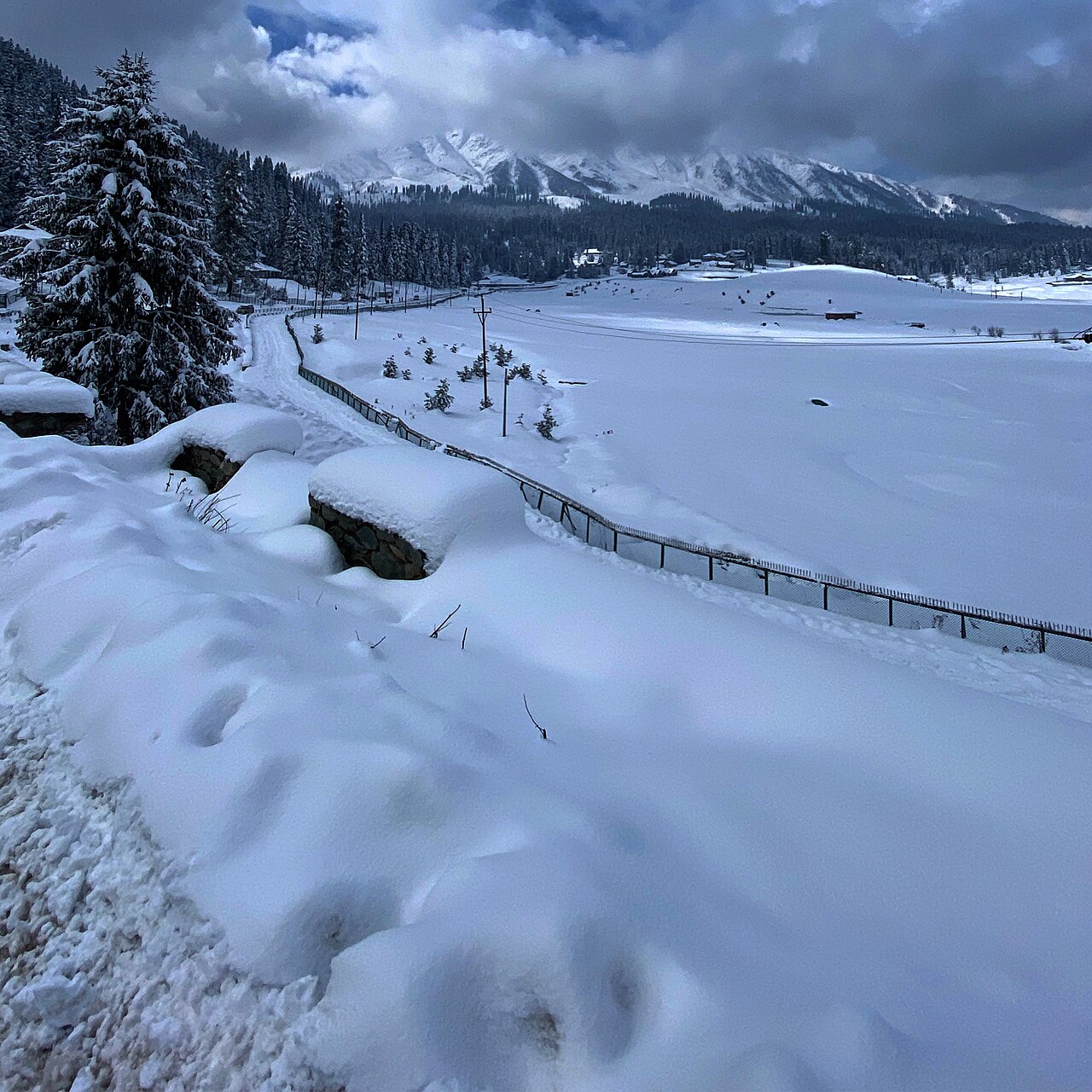
The upper slopes of Gulmarg covered in deep winter snow during peak season.Photo: Slyronit · CC BY-SA 4.0
The first time I stood outside the Hotel Highlands Park in December, my boots sank twenty centimetres into fresh powder before I even reached the gate. People often ask us when the gulmarg snow season truly begins, expecting a neat calendar date. The mountains do not work to a schedule. Sometimes the first proper dump arrives in late November, coating the pine trees and turning the meadows into a white sheet. Other years, we wait until mid-December for the valley floor to lock into a steady freeze.
Understanding how the weather behaves across these months saves clients from disappointment and helps them pack the right gear. If you are tracking terms like is gulmarg snowing now or trying to time your flights from Srinagar, you need local patterns rather than generic forecasts. Let us walk through what the winter actually looks like, month by month, from the lower bowl up to the high alpine ridges.
Understanding the Annual Snow Cycle in the Bowl
Gulmarg sits in a high-altitude bowl at roughly 2,650 metres, which means it catches weather systems rolling in from the west. The precipitation cycle typically starts in late October with crisp autumn rains that transition quickly to sleet on the upper slopes. By November, the night temperatures drop below freezing consistently, setting the foundation for whatever falls next.
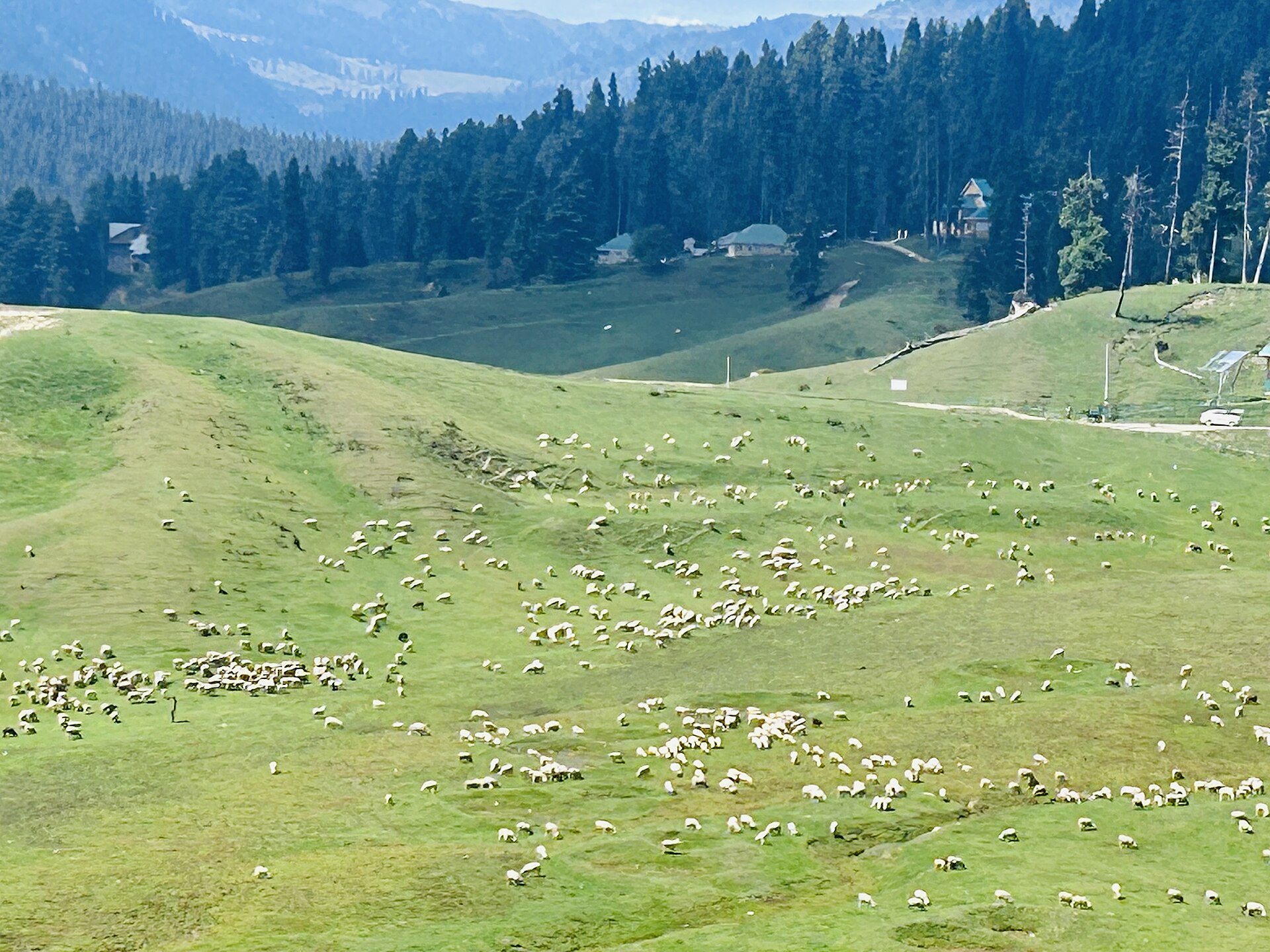
When clients ask if it is snowing right now in autumn, the answer is usually patchy. The peaks get dusted while the lower meadows remain brown and frosted. This is the shoulder season where the air smells of woodsmoke and damp pine needles, and the crowds have vanished entirely before the holiday rush begins.
- Late October: First alpine dustings above 3,500 metres.
- November: Daytime temperatures hover around 5°C, nights drop to -3°C.
- Early December: The transition month when permanent snow cover forms.
Peak Powder Months: January and February
If your primary goal is deep powder skiing or knee-deep snow walks, January and February are the core months of the gulmarg snow season. This is when western disturbances hit the Pir Panjal range back-to-back, dropping dry, fluffy snow that lasts for days without turning to slush. Temperatures in January routinely stay below zero even at midday, often dipping to -10°C or lower overnight.
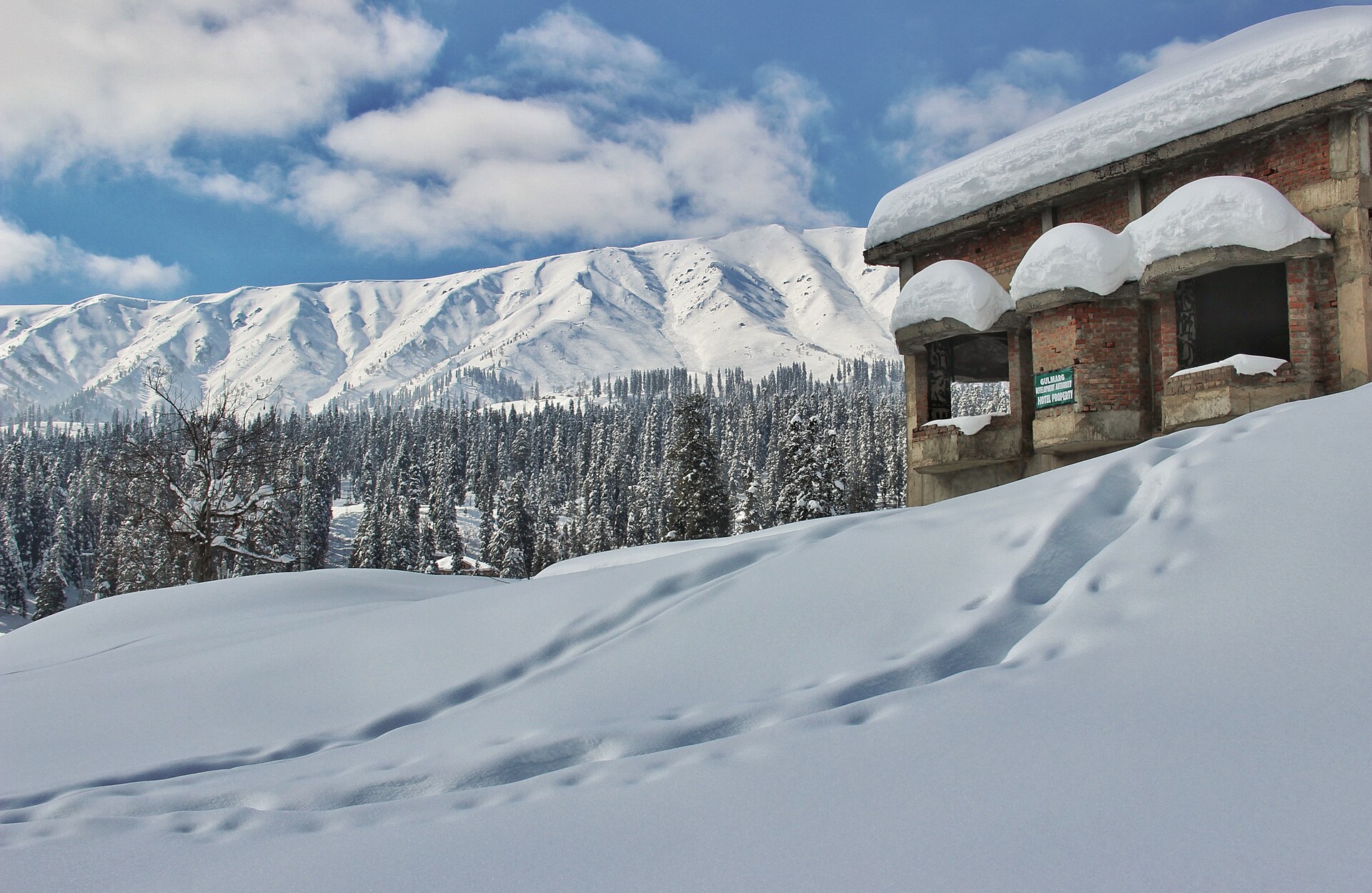
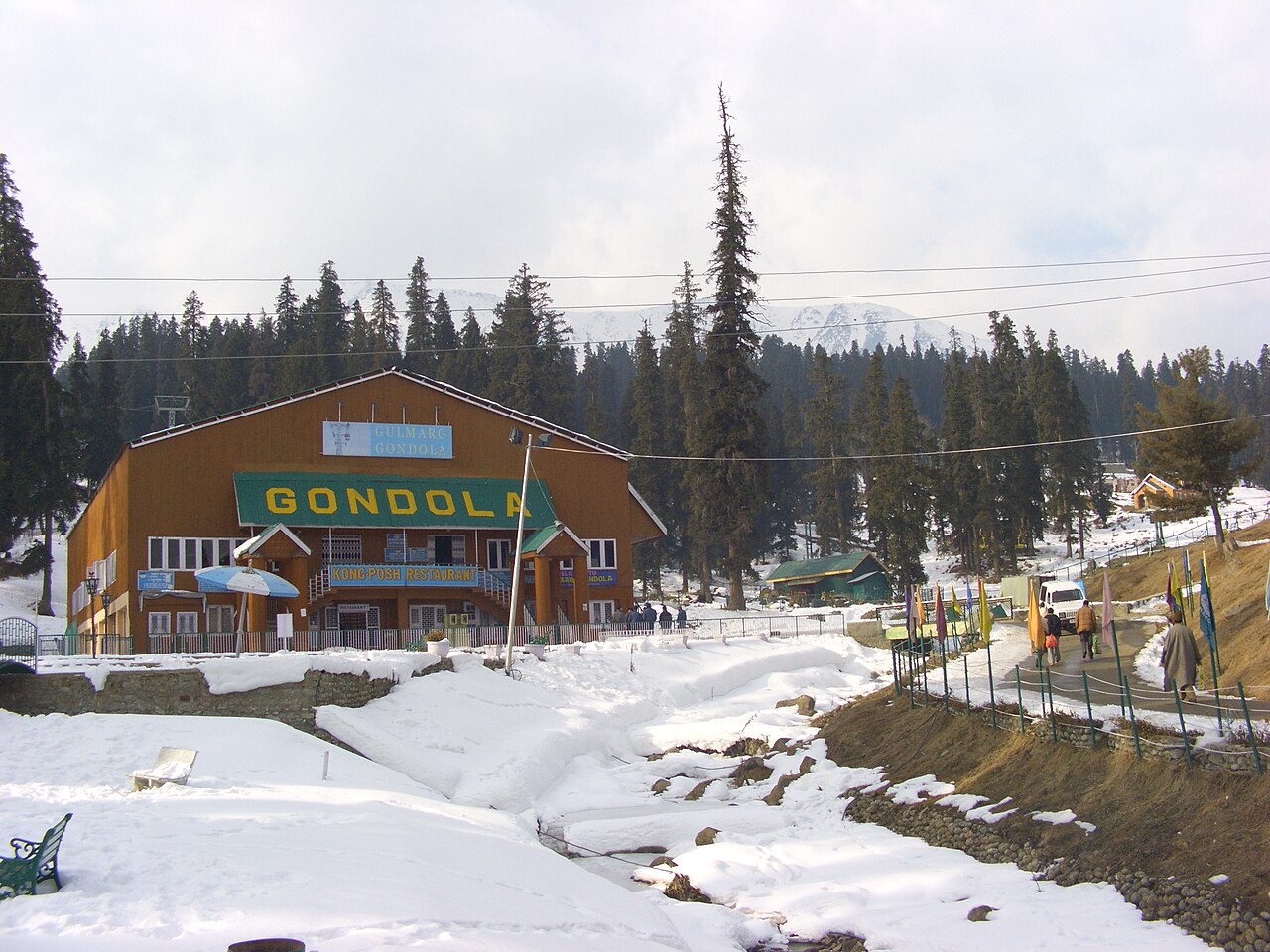
The village streets narrow as snow banks pile two metres high against the wooden cottages. Walking from your lodge to the gondola station requires proper snow boots with good tread. This is also when the resort is at its busiest with international freeriders and families looking for a classic alpine winter holiday.
January Conditions
Expect freezing winds, shorter daylight hours, and frequent heavy snowstorms that can temporarily halt road traffic from Tangmarg. The skiing is phenomenal when the skies clear.
February Patterns
February often brings the season's heaviest single storms. The snowpack is deep, stable in most controlled areas, and the sunshine lasts slightly longer into the afternoon.
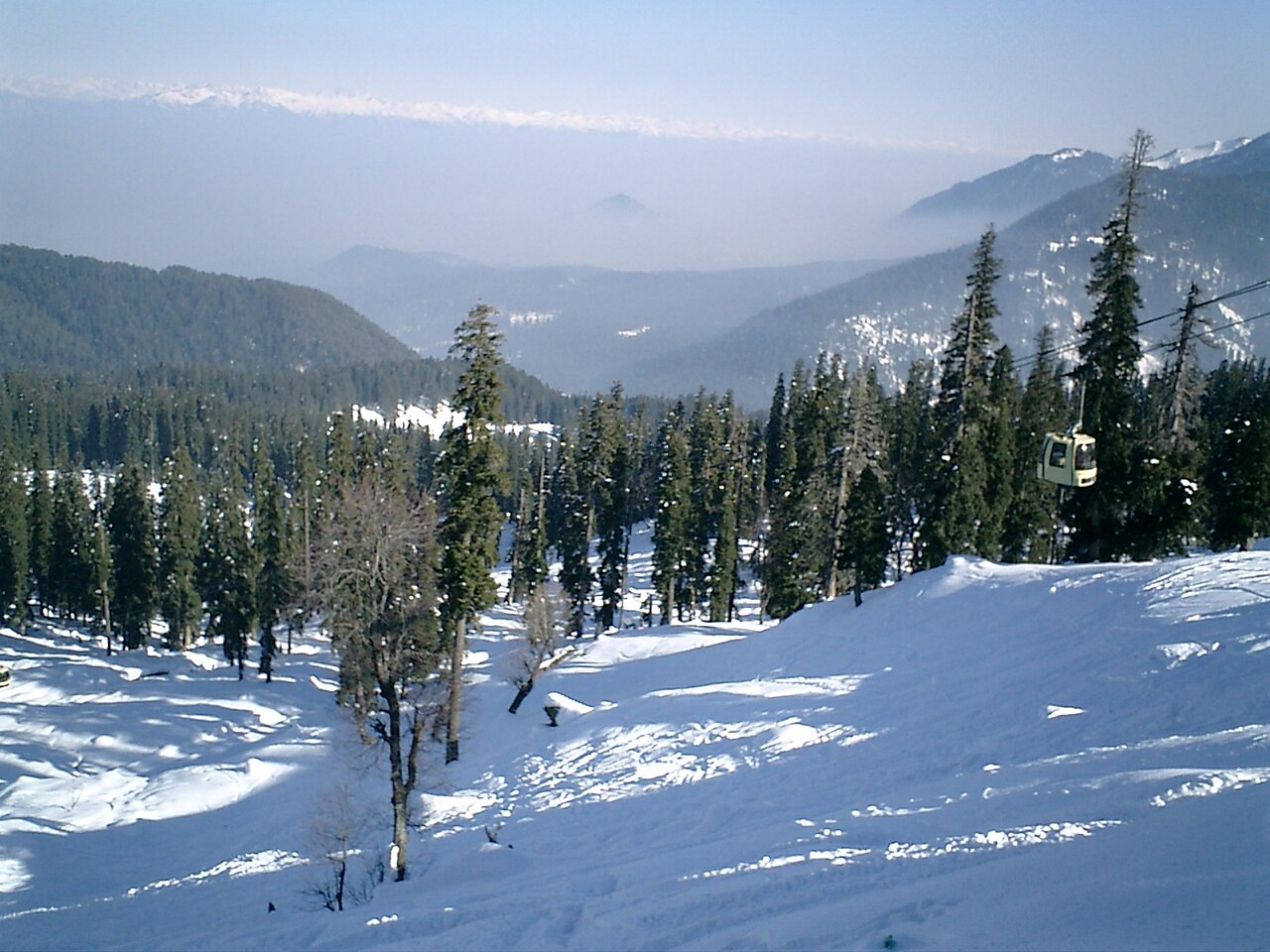
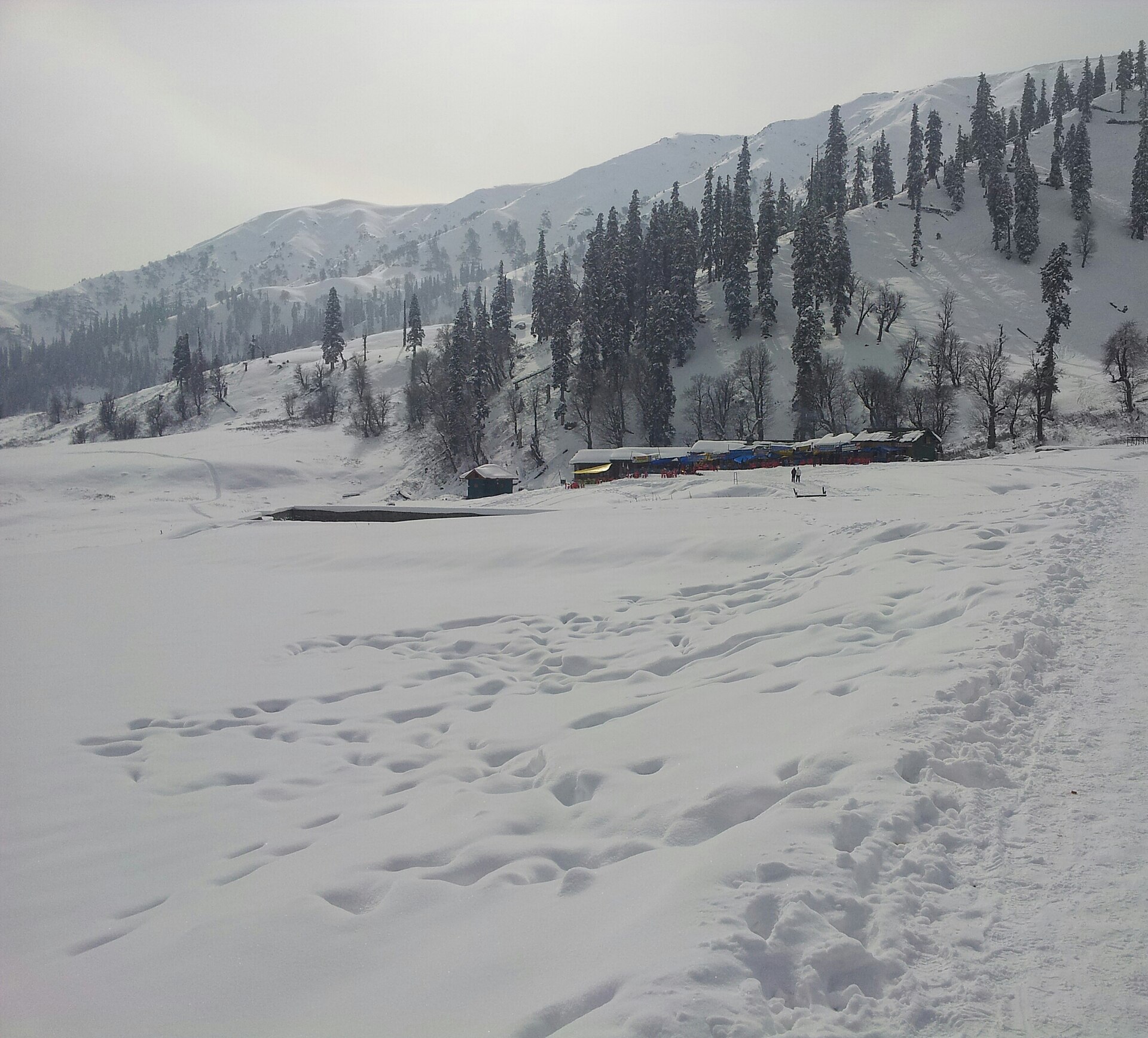
The mountains do not work to a schedule. Sometimes the first proper dump arrives in late November, coating the pine trees and turning the meadows into a white sheet.
March Transitions and Late Season Snow
March marks a distinct shift in the mountain rhythm. While the gulmarg snowfall months are technically behind us, March often delivers some of the best powder days combined with strong spring sunshine. You can ski in a light fleece jacket by noon without freezing your fingers off, though the lower runs can get slushy by mid-afternoon.
The snow starts melting in the lower village around mid-March, exposing patches of grass near the golf course. However, Phase 2 of the gondola remains fully operational with deep winter conditions well into April. It is our favourite time to visit for travellers who want great snow without the bitter cold of January.
Phase 1 versus Phase 2 Elevation Differences
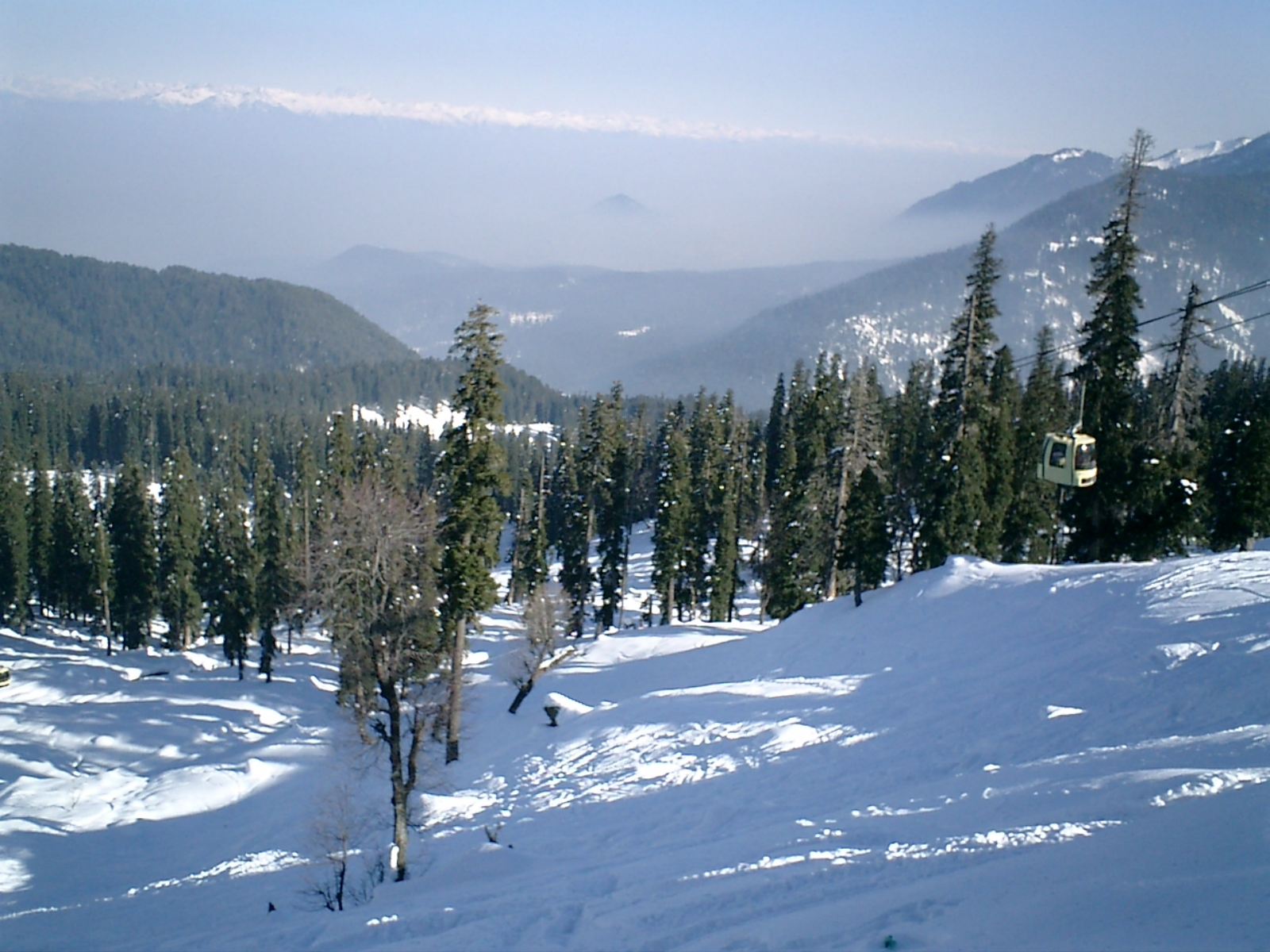
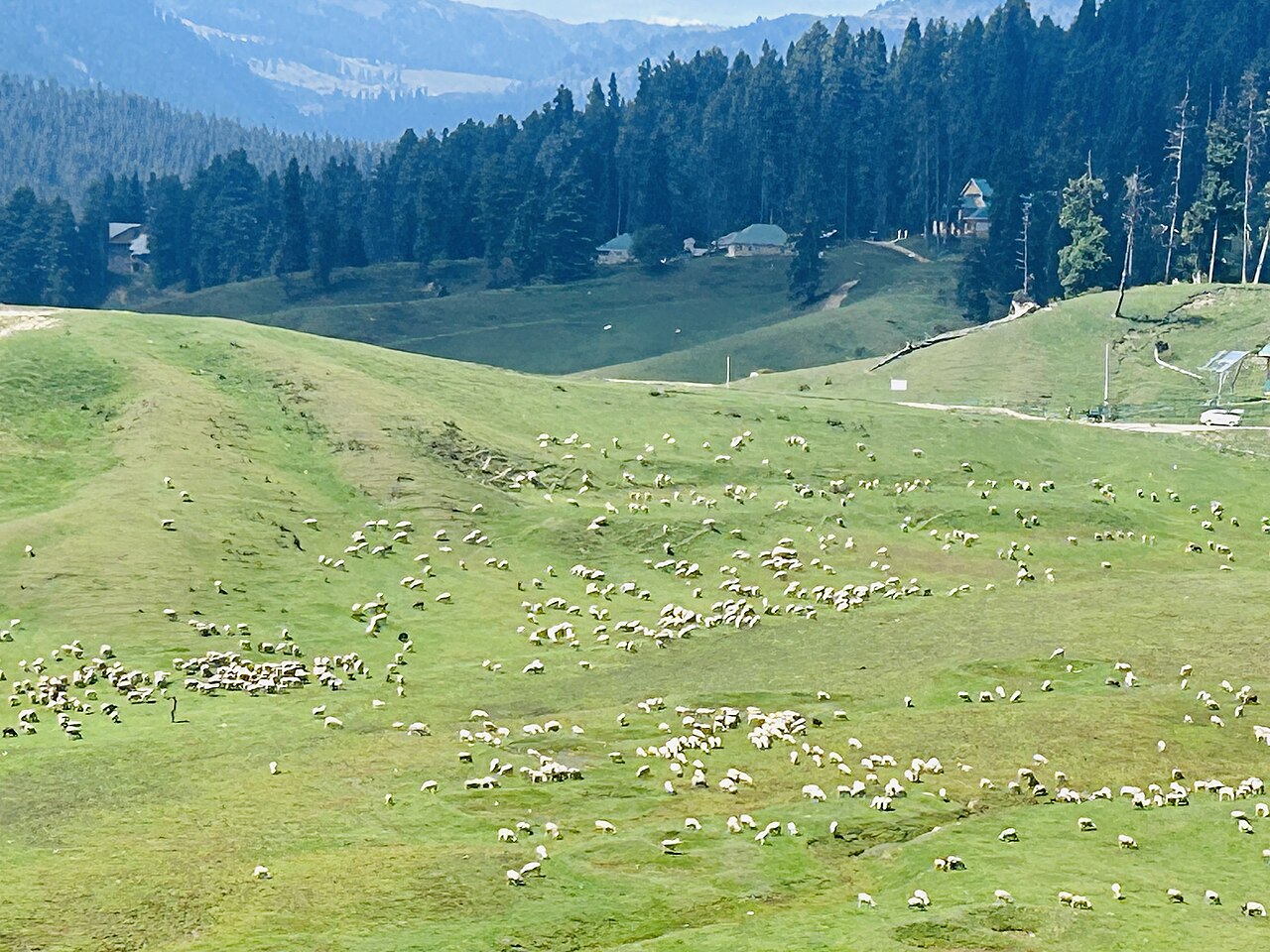
A common mistake visitors make is assuming the weather is identical across all elevations. Gulmarg is split into two distinct zones. Phase 1 (Kongdoori) sits at 3,080 metres, while Phase 2 (Apharwat Peak) climbs to a staggering 3,979 metres. The temperature difference between the village and Apharwat can easily be ten degrees Celsius.
When it is overcast and drizzly in the lower bowl, Phase 2 is frequently socked in by thick clouds or howling ground blizzards that shut down the upper lifts. Conversely, clear blue skies on the peak can look deceptively calm until you step out of the gondola station and face the sub-zero ridge winds.
How to Check Live Conditions Before You Travel
Checking the weather today requires more than a standard smartphone widget. Because of local topography, generic weather apps often pull data from lowland stations miles away, showing temperatures ten degrees warmer than what you will actually feel on the slopes.
We always advise clients to check the official Gulmarg Gondola operational status daily, as high winds or heavy snowfall regularly pause the lifts. Speaking directly with your hotel manager in the morning or checking local ski patrol updates will give you an accurate picture before you head out.
Before you book
Timing your journey through the gulmarg snow season comes down to what you want out of the mountains. Whether you are chasing deep powder in January or seeking softer spring skiing under blue skies in March, the Pir Panjal range delivers an authentic alpine experience that few places in Asia can match.
If you are currently planning your winter escape and want help sorting out logistics, transport from Srinagar, or accommodation near the lifts, reach out to our team. We live here through every storm and can help you build an itinerary that fits the mountain's actual moods.
Ready to Plan Your Winter Trip?
Let our local team in Srinagar help you design a seamless winter itinerary tailored to current snow conditions.
Get in TouchCaption for your own post
Fresh powder piling up in Gulmarg. Read our latest guide on when to visit for the best snow conditions.
Written by
Kashmir, Jammu & Ladakh specialists
We plan and run trips across Kashmir, Jammu and Ladakh every week of the year. Everything here comes from routes we drive, stays we inspect and questions our travellers actually ask.
Written by a Skywale editor who has spent over a decade tracking winter weather patterns across the Kashmir valley.
Quick answers
Questions we get asked
When does it start snowing in Gulmarg?
Light snow typically begins dusting the upper peaks in late October or November, but a reliable snow cover in the village usually establishes itself by mid-December.
Is January too cold to visit Gulmarg?
January is the coldest month, with daytime temperatures often staying below freezing and night lows reaching -10°C. Proper thermal layers and insulated boots make it entirely manageable.
Can I see snow in Gulmarg in April?
Yes, especially at higher elevations like Phase 2 of the gondola on Apharwat Peak. The lower village will be melting, but skiing and snow activities usually continue into early April.
How do I check if Gulmarg is snowing right now?
Look for live webcams hosted by local hotels or check daily updates from the Gulmarg Gondola corporation rather than relying on generic weather websites.
Does the road from Srinagar to Gulmarg close in winter?
The road through Tangmarg can temporarily close during heavy blizzards for snow-clearing operations, but authorities reopen it quickly using dedicated mechanical snow ploughs.
Photography credits
- Photo: Slyronit · CC BY-SA 4.0
- Photo: SSINGH4731 · CC BY-SA 4.0
- Photo: Mohamad Talib Bhat · CC BY-SA 3.0
- Photo: Codik · CC BY-SA 3.0
- Photo: Harvinder Chandigarh · CC BY 4.0
- Photo: Vikas Yadav ( Thevikasin ) · Public domain
- Photo: Mutahir Showkat · CC BY-SA 4.0