The Best Aru Valley Travel Season for Your Trip
Planning your trip to Kashmir? Understand the Aru Valley travel season to decide when to go for the best weather, hiking, and scenery.
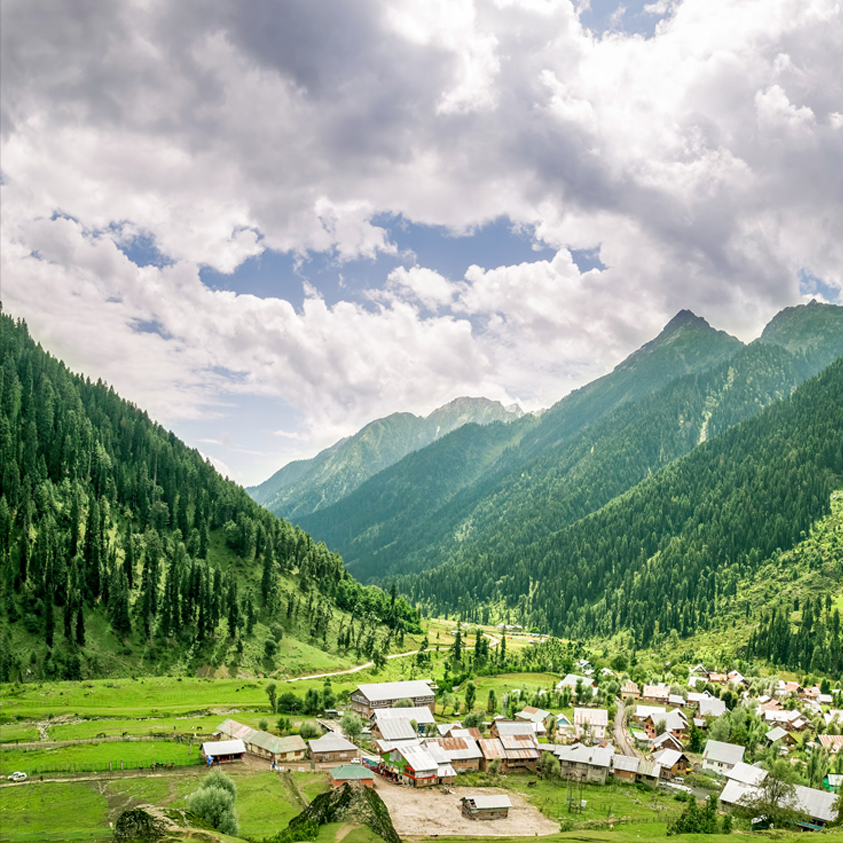
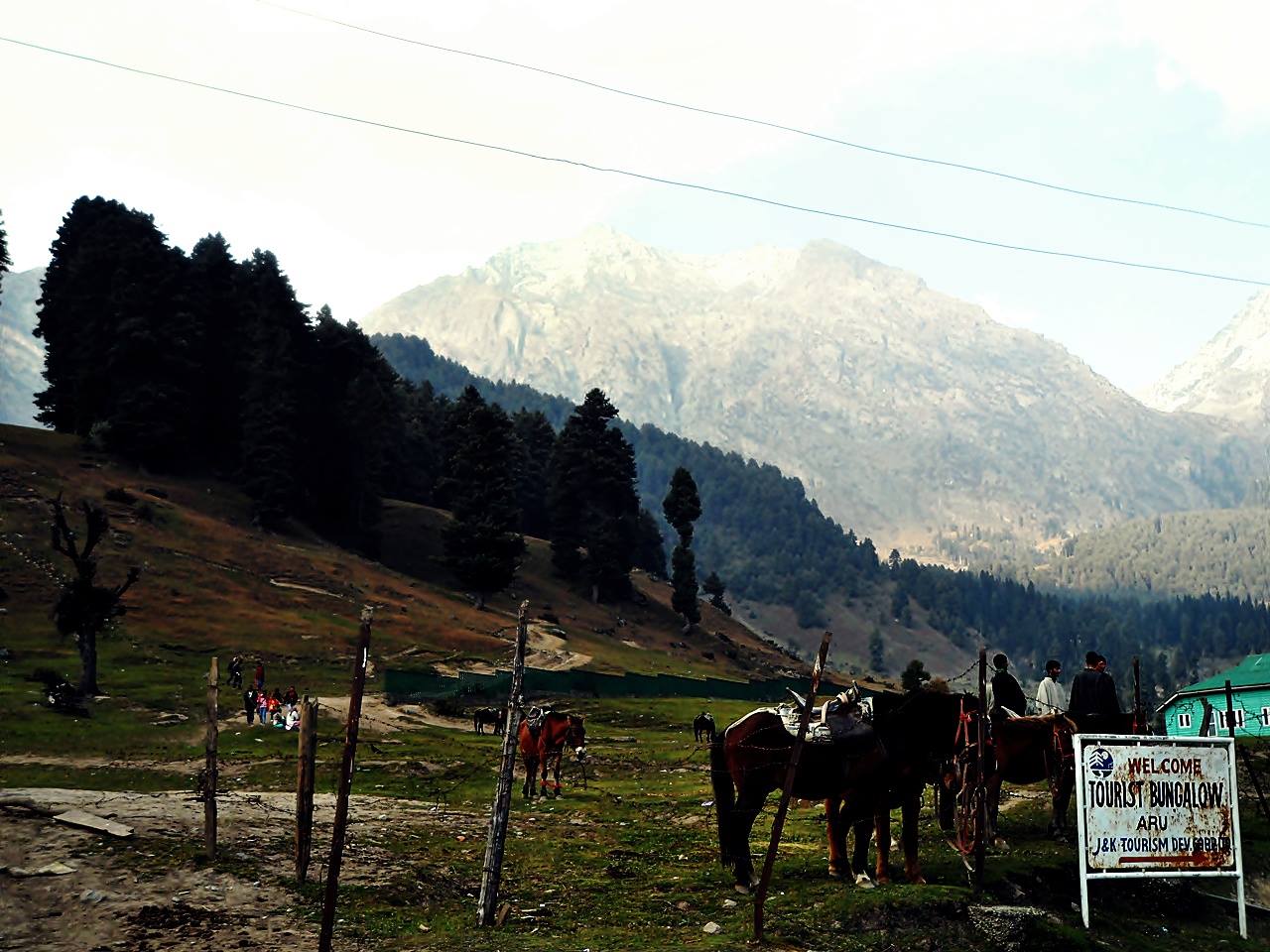
Summer brings lush green fields and perfect hiking conditions to Aru.Photo: Nandanupadhyay · CC BY-SA 3.0
I have watched the meadows of Aru transform from fields of yellow wildflowers in June to white, heavy blankets of snow in February, and honestly, each version is a different place. The right aru valley travel season for you depends entirely on what you want to see.
Many travellers expect the same lush green landscape year-round, but that's not how the mountains work here. Understanding how the weather dictates your options will make your trip much smoother. Here is the reality of planning for the seasons in Kashmir.
Peak Season for Aru Valley
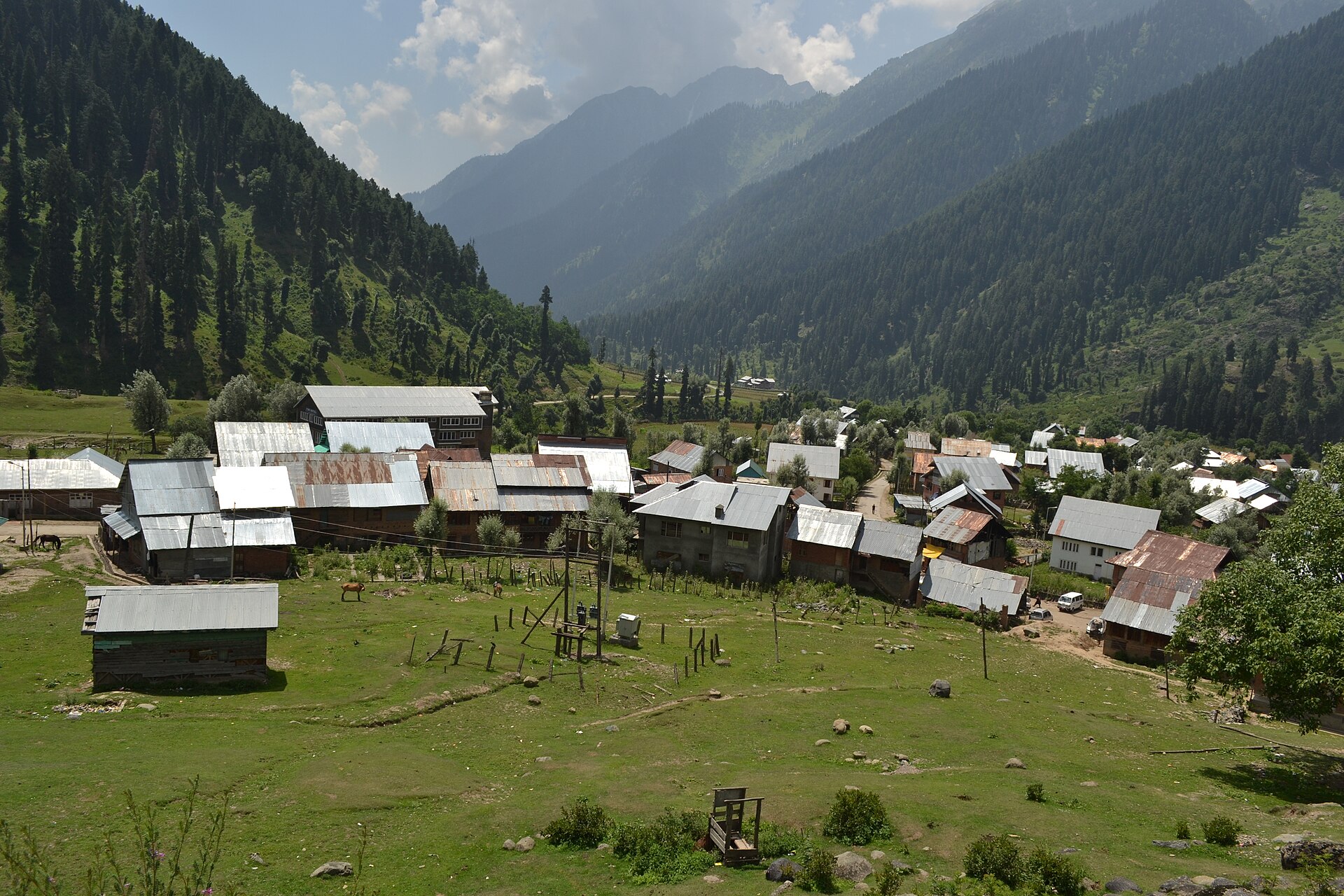
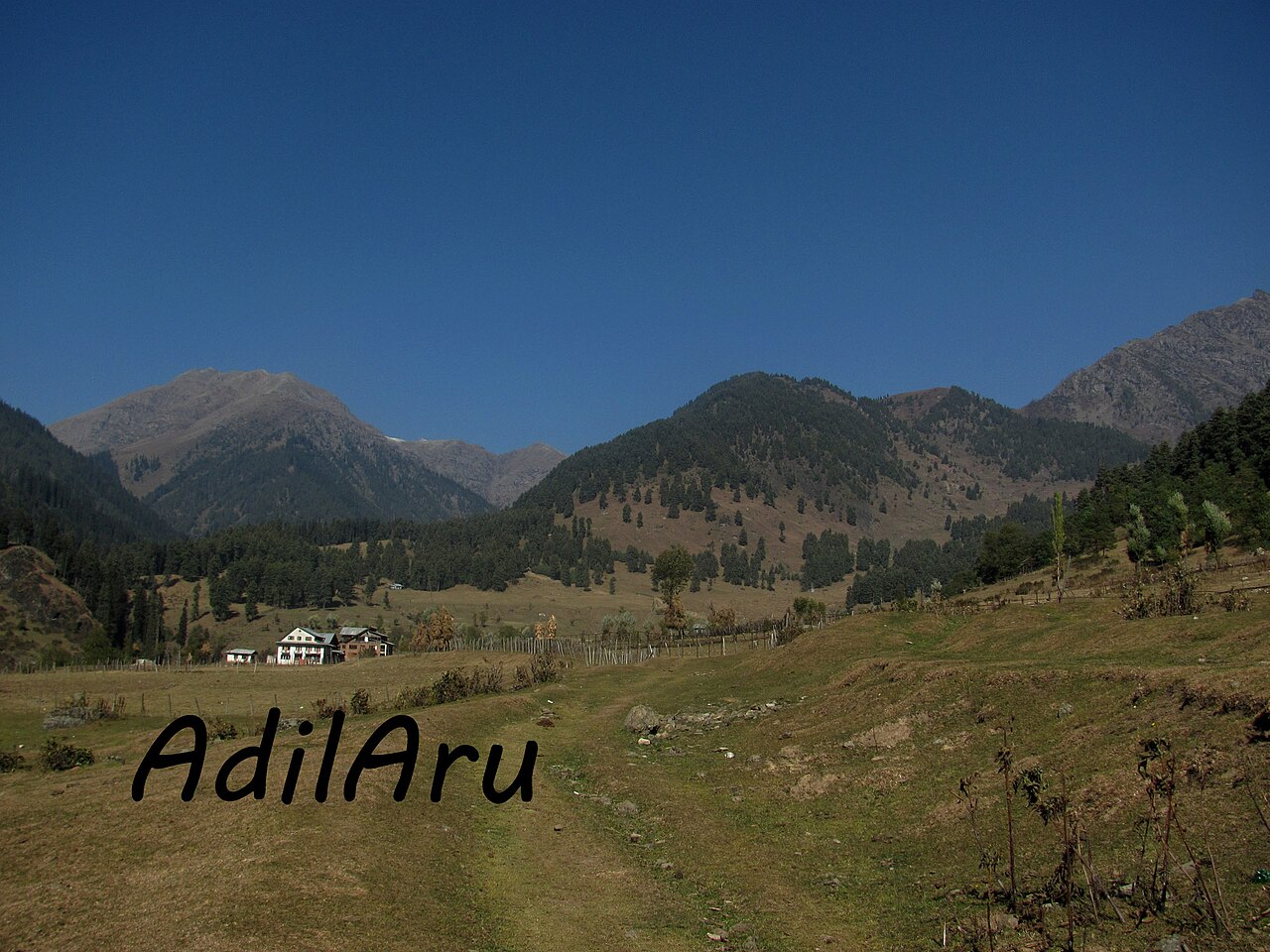
The peak season for Aru is undoubtedly from May to August. During these months, the valley is as green as it gets, the weather is mild during the day, and the high-altitude trails are clear of snow. This is the prime time for anyone wanting to do some moderate hiking or just soak in the alpine atmosphere.
However, this is also when you will see the most crowds. If you want to visit during this window, you must book your transport and accommodation well in advance. Prices are generally at their highest because demand for quality rooms in Pahalgam is high.
Off-Season Considerations for Travellers
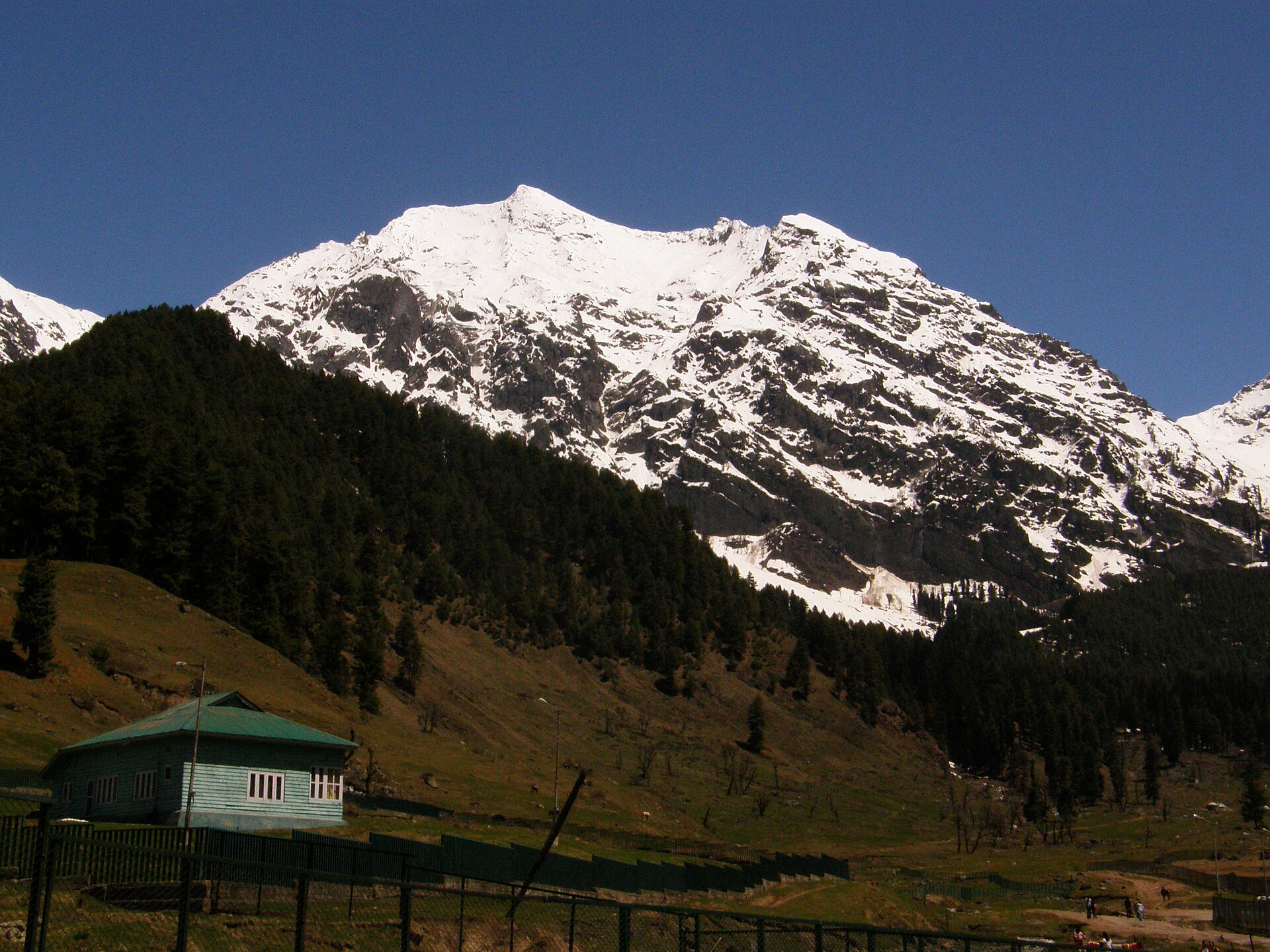
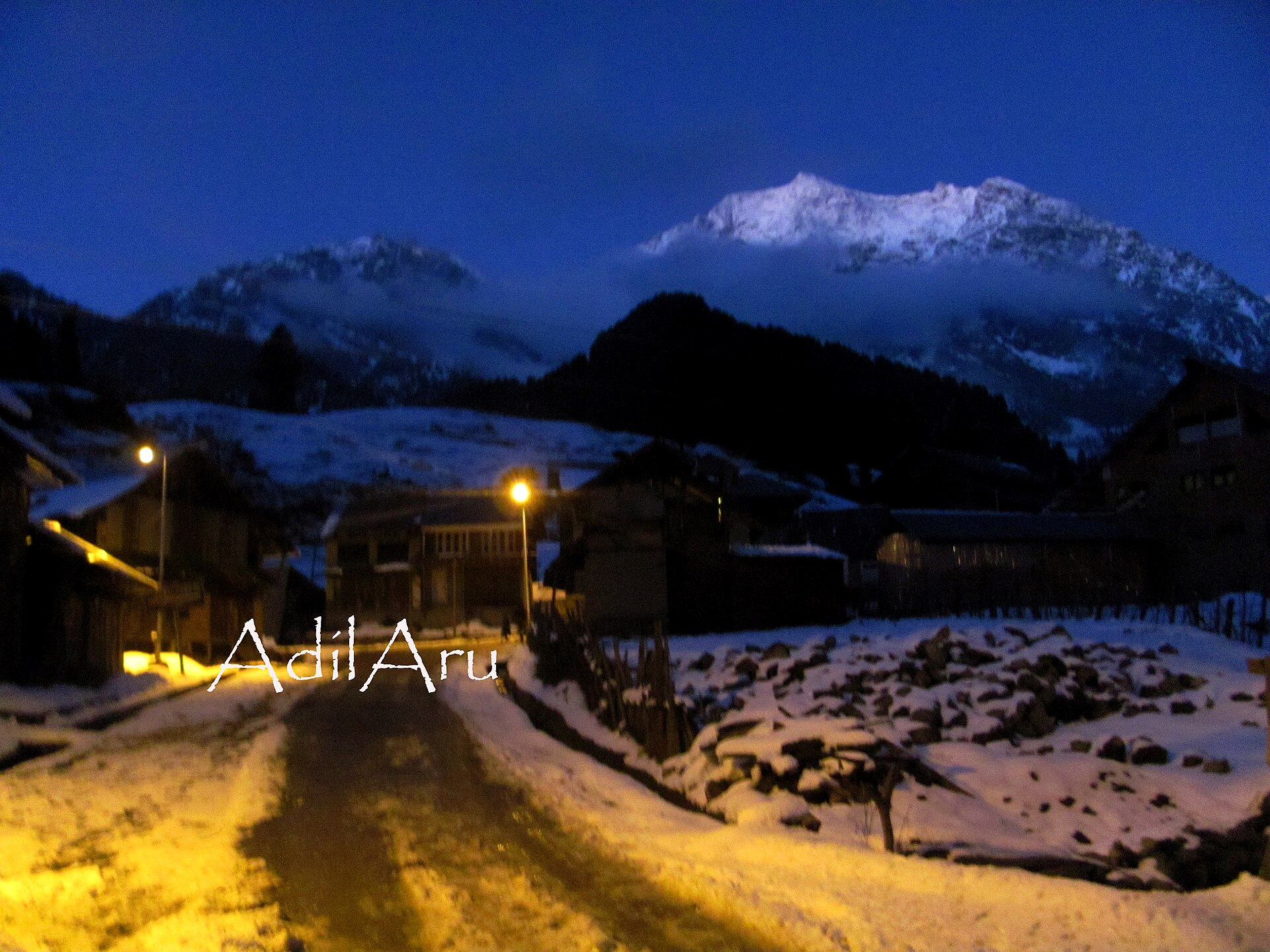
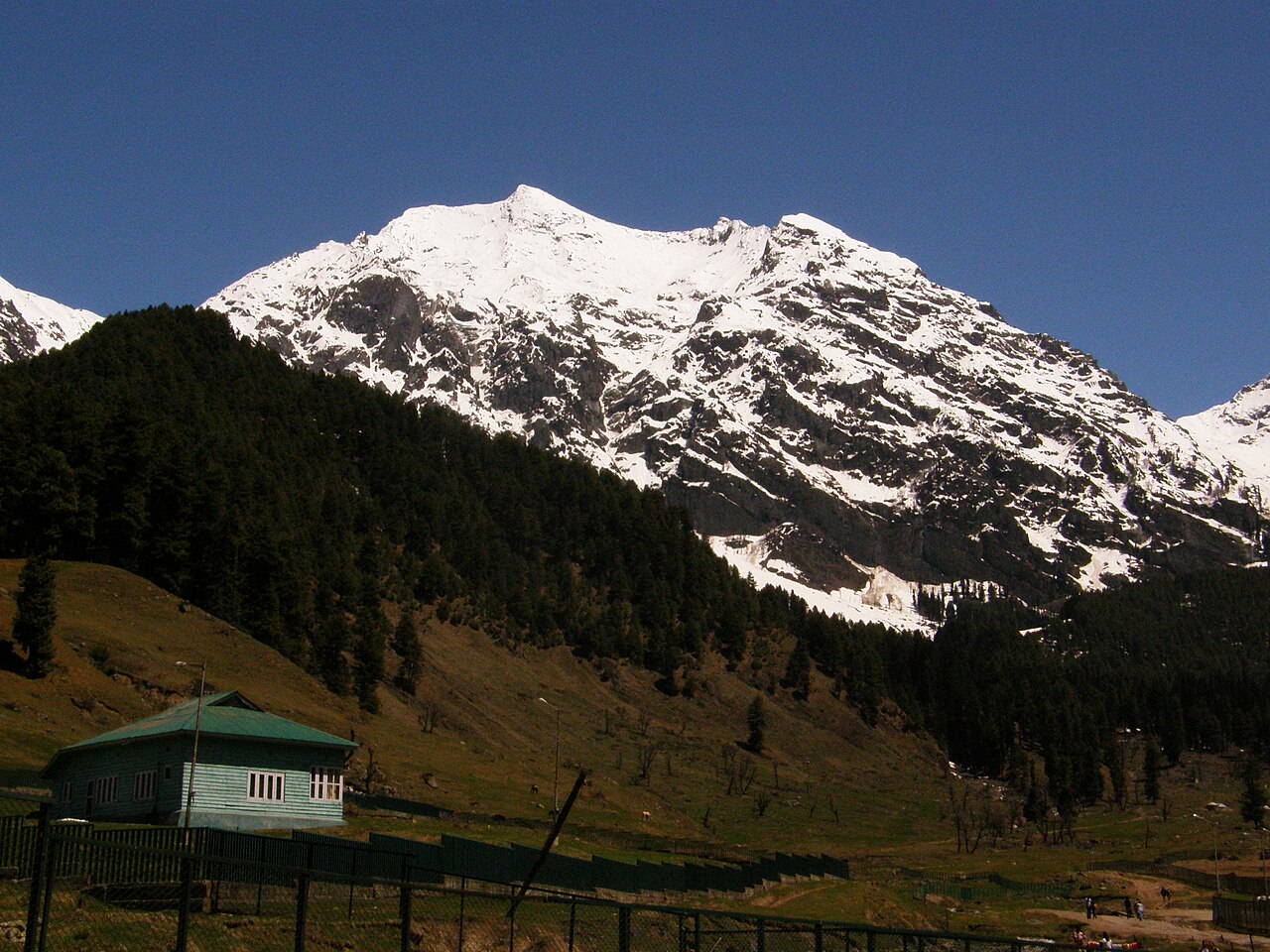
Many people ask me if they should visit during the off-season. The answer is yes, if you don't mind the cold. From November to March, Aru is quiet, often completely covered in snow. You won't be doing any hiking, and the road can be a challenge after fresh dumps, but you get the valley to yourself.
Prices for tours are often significantly lower during these winter months. If you are looking for a peaceful retreat away from the crowds and don't mind wearing layers, this is a beautiful time to see the mountains in their most dramatic, stark state.
How Season Impacts Your Package Cost
Your travel costs fluctuate with the season. In the summer peak, you pay for the convenience of high availability and perfect trekking conditions. If you travel in the shoulder seasons—late September to October or April—you might find a sweet spot.
During these shoulder months, the weather is decent, the crowds are much thinner, and hotels are often willing to offer better rates. It is the best way to get a premium experience without paying the peak season premium.
What to Expect in Different Months
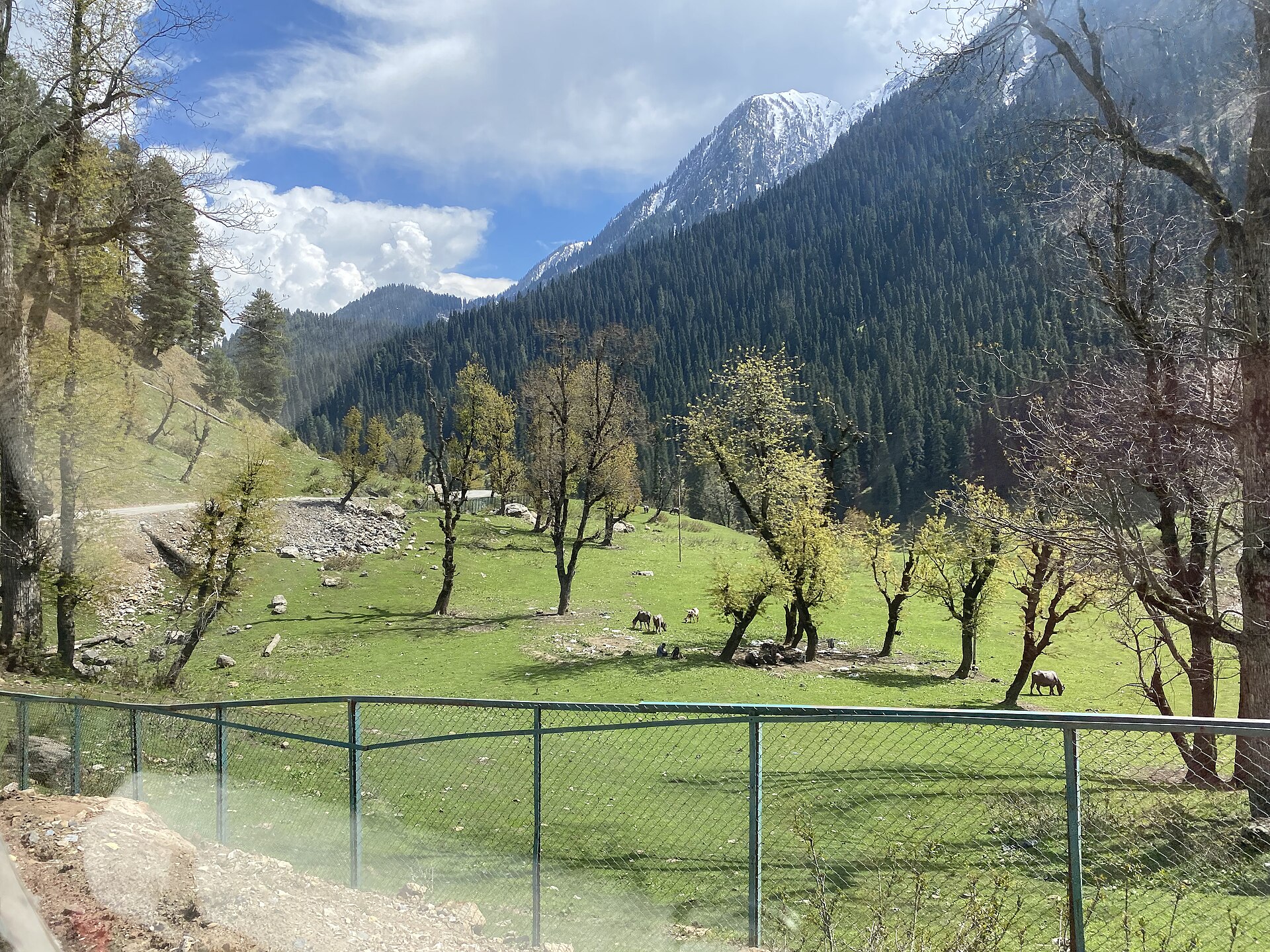
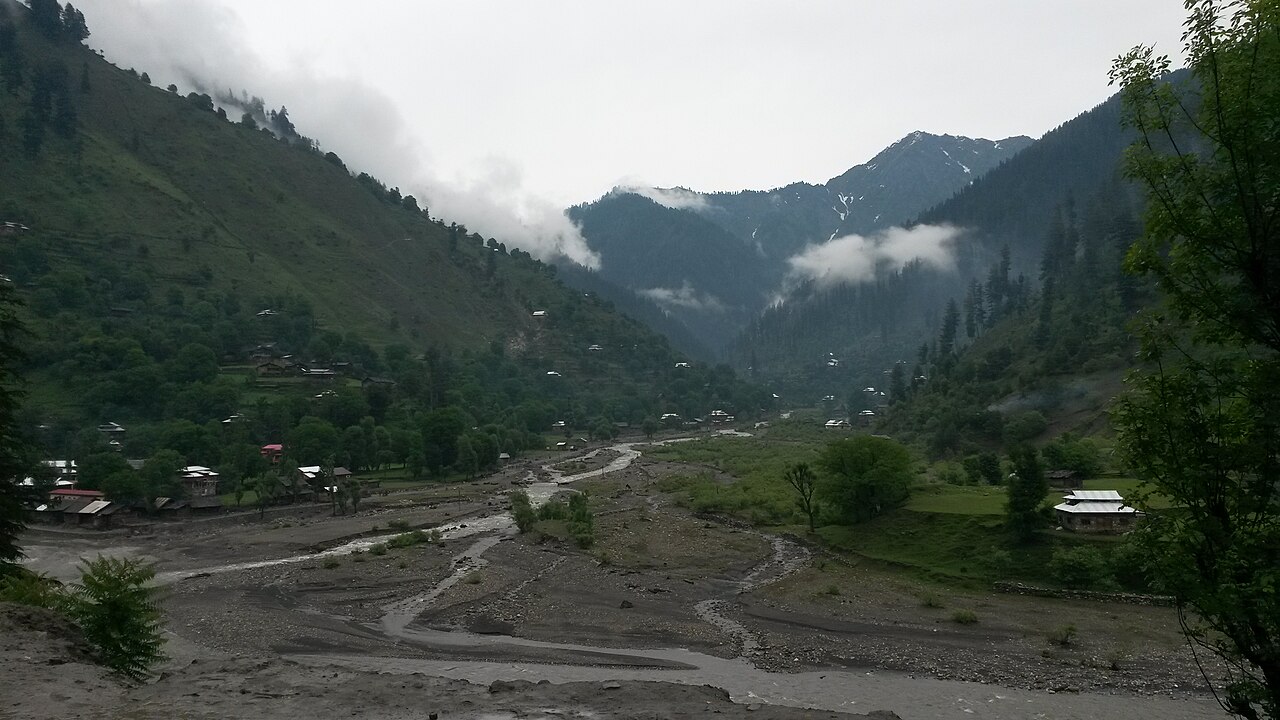
April is a transitional month. The snow is melting, and the river is at its most powerful, but it can still be chilly. June and July are the quintessential 'green' months, ideal for photography and meadows.
September and October bring the autumn colors. The birch trees turn a brilliant gold, and the air is crisp. By late November, the first significant snowfalls usually hit, and by January, the valley is firmly in the grip of winter. Plan your gear accordingly; a lightweight jacket won't cut it in the winter months.
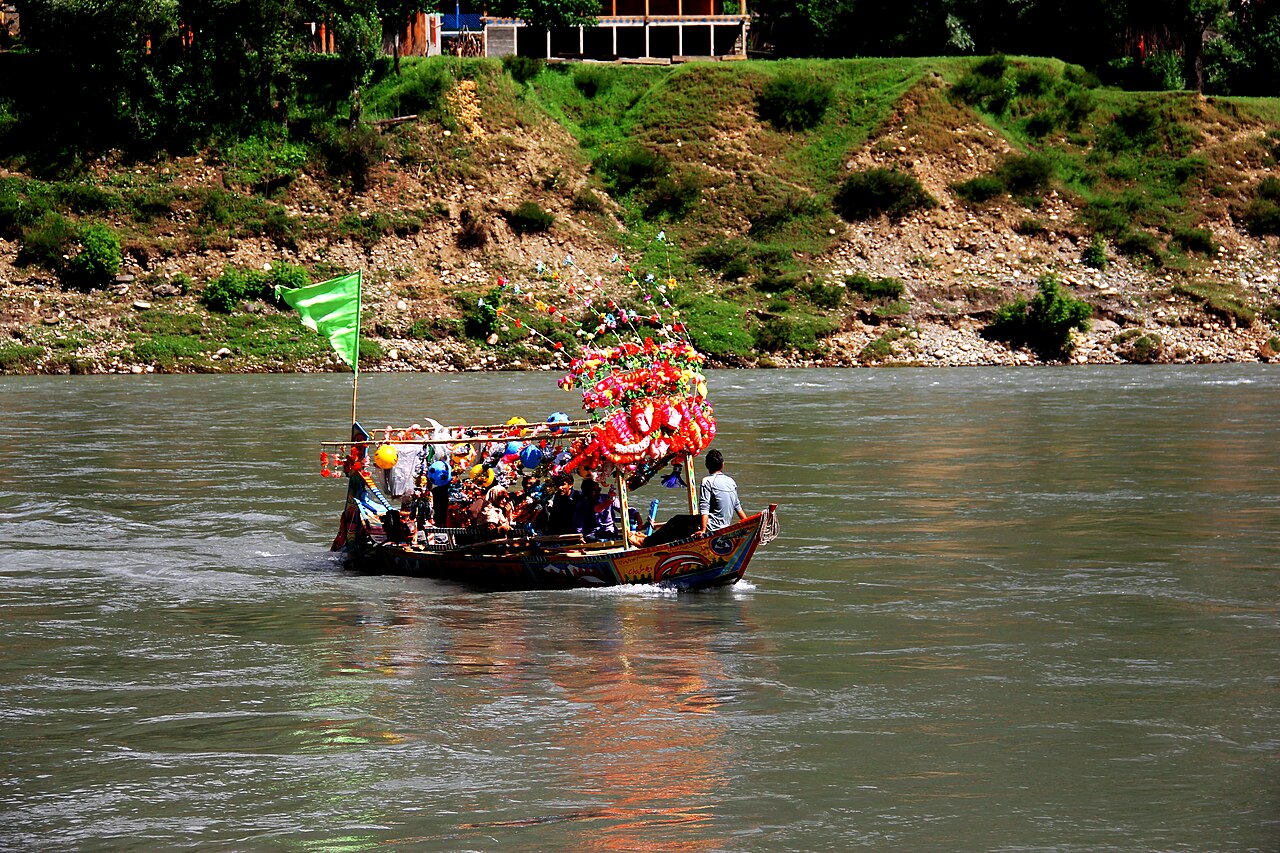
Preparing for Your Trip Based on Season
No matter when you go, bring layers. Even in July, the temperature can drop quickly once the sun goes behind the mountains. If you are visiting in winter, ensure your itinerary is flexible; road closures due to heavy snow are a reality of mountain life.
We always advise our clients to talk to us about their expectations. If you tell us you want to hike, we plan for June or September. If you want a quiet, snow-covered escape, we build your trip around the winter months. It is about matching your goals to the calendar.
Before you book
Whether you choose the lush greens of summer or the silent snow of winter, Aru Valley offers a completely different rhythm based on when you arrive. Aligning your timing with your personal preferences is the biggest step toward a trip you will really enjoy.
At Skywale Packages, we keep a close eye on the seasonal shifts to ensure your itinerary stays safe and enjoyable. Reach out to us when you start planning, and we will help you pick the right month for your specific goals.
Ready to pick your dates?
Tell us what you want to experience in Aru, and we will help you find the perfect time to visit.
Start planningWritten by
Kashmir, Jammu & Ladakh specialists
We plan and run trips across Kashmir, Jammu and Ladakh every week of the year. Everything here comes from routes we drive, stays we inspect and questions our travellers actually ask.
Quick answers
Questions we get asked
Is Aru Valley open all year?
Yes, Aru is generally accessible throughout the year, though heavy snowfall in winter can occasionally close the road for a day or two.
Does it rain a lot in summer?
The monsoon season in Kashmir is not like the rest of India, but you can expect occasional showers in July and August.
When is the best time for photography?
June for the vibrant greens and wildflowers, or October for the golden autumn foliage and clear, crisp mountain views.
Can I do trekking in winter?
Most high-altitude trekking trails are closed due to deep snow in winter. Winter is better suited for shorter walks and taking in the snowy landscapes.
How cold does it get in winter?
Temperatures can drop well below freezing, especially at night. You will need high-quality winter gear to stay comfortable.
Photography credits
- Photo: Nandanupadhyay · CC BY-SA 3.0
- Photo: AdilAru · CC BY-SA 3.0
- Photo: TechnoAyan · CC BY-SA 4.0
- Photo: AdilAru · CC BY-SA 3.0
- Photo: Munif Ur Rehman · CC BY-SA 4.0
- Photo: Ndwarraich · CC BY-SA 3.0
- Photo: Harshruti · CC BY-SA 4.0