Planning Your Visit to Raghunath Temple: A Practical Raghunath Temple Location Guide
Everything you need to know about navigating Jammu's most famous spiritual landmark.
Discover how to reach Raghunath Temple, what to expect inside the complex, and how to combine it with Jammu travel planning.
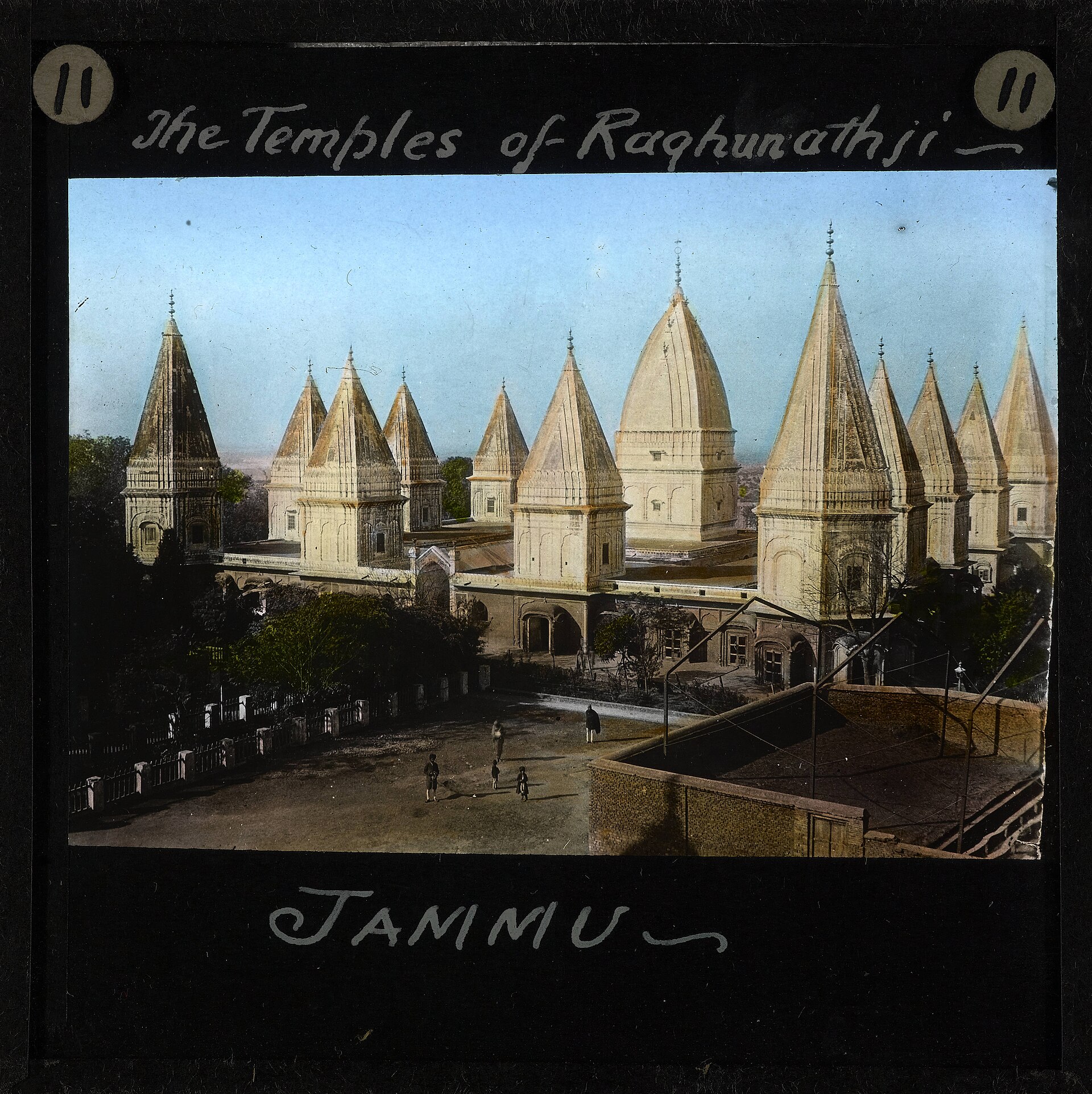
The distinctive gold-plated spires of Raghunath Temple.Photo: Ms Sarah Welch · CC BY-SA 4.0
The first time I tried to navigate the lanes leading into the old city of Jammu, my auto-rickshaw driver had to kill the engine and weave through crowds carrying brass lamps, marigolds, and bags of puffed rice. Finding the exact raghunath temple location guide details you need before setting off can save you from getting stuck in the narrow bazaar streets where vehicles are barred during peak hours. Situated right in the historic heart of the city, this sprawling temple complex demands a bit of local know-how to visit smoothly.
Built in the nineteenth century by Maharaja Gulab Singh, the temple stands as a massive complex of shrines dominated by gold-plated spires that catch the morning sun. Whether you are adding this stop to a broader itinerary or focusing purely on city heritage, knowing how the logistics work makes all the difference. Let us walk through the exact layout, transport realities, and ways to tie your visit together with other regional highlights.
Locating the Temple in the Heart of Jammu
The temple sits right in the middle of the city centre, surrounded by the bustling commercial lanes of the old town. If you arrive by train, Jammu Tawi railway station is roughly five kilometres away, translating to a fifteen or twenty-minute drive depending on traffic. Taxis and auto-rickshaws are readily available outside the station gates.
Once you reach the perimeter, cars must park a short distance away because the immediate vicinity is pedestrian-only. You will walk down a flagged stone alleyway lined with shops selling prayer items, dry fruits, and traditional Dogra handicrafts. Keep your valuables close, as these pedestrian corridors get tightly packed around festival times.
- Distance from Jammu Tawi Railway Station: ~5 km
- Distance from Jammu Airport: ~7 km
- Vehicle access: Pedestrian zone in immediate bazaar
Best Times for a Guided Visit
Timing your arrival dictates whether you shuffle through shoulder-to-shoulder crowds or walk calmly between the pillared halls. Early morning, right around the opening bell at six, brings a quiet atmosphere where only local devotees and resident priests are moving about.
Evening aarti is the polar opposite experience, charged with energy, heavy incense, and the sound of bells echoing off the marble floors. We usually advise clients to arrive an hour before dusk. This lets you observe the changing light on the gold spires before joining the crowd for the evening prayers.
Morning Hours vs Evening Aarti
Morning visits offer cool flagstones underfoot and shorter queues at the inner sanctum. Evening visits require patience with shoes, crowds, and security lines, but the sensory reward is immense.
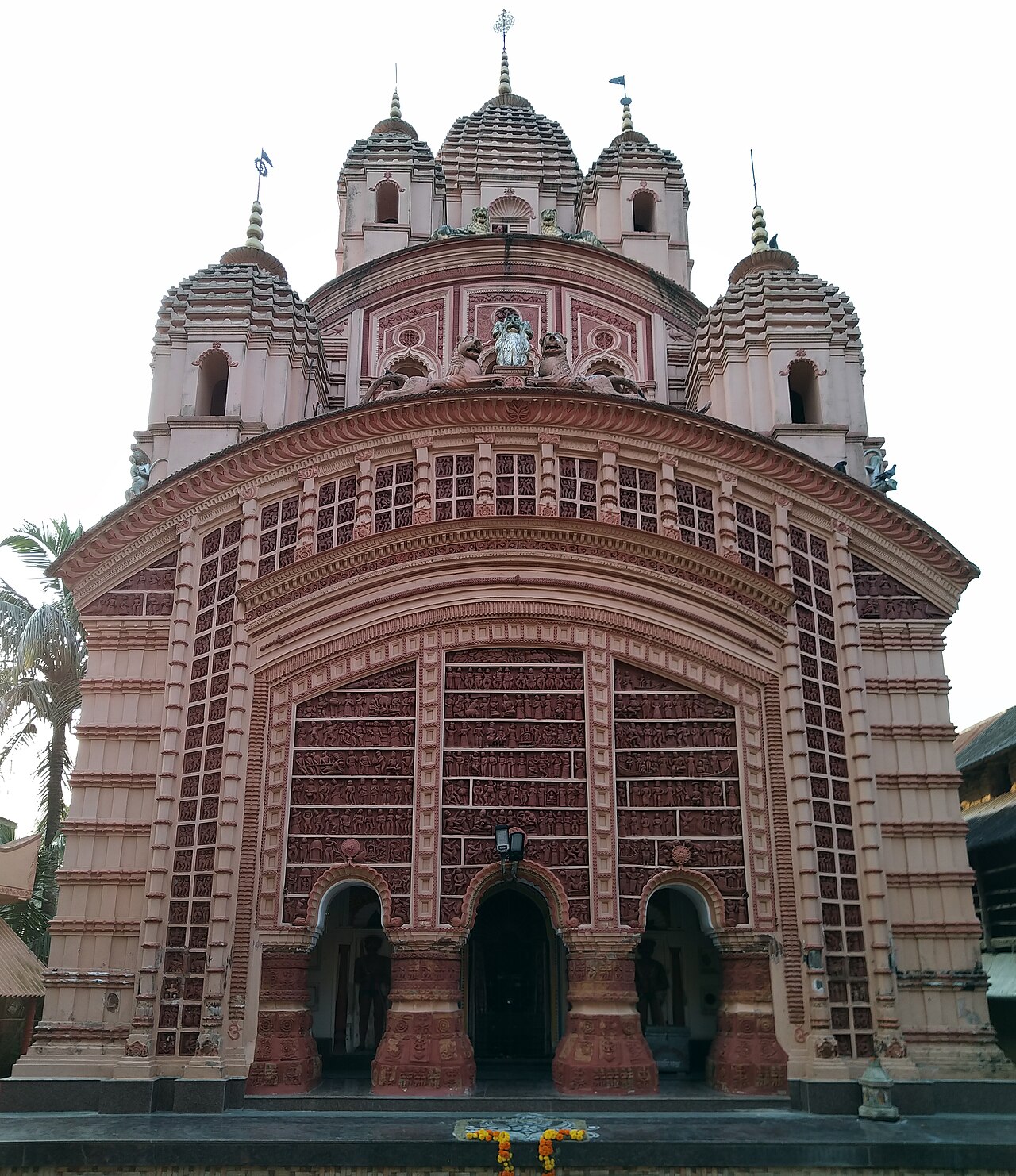
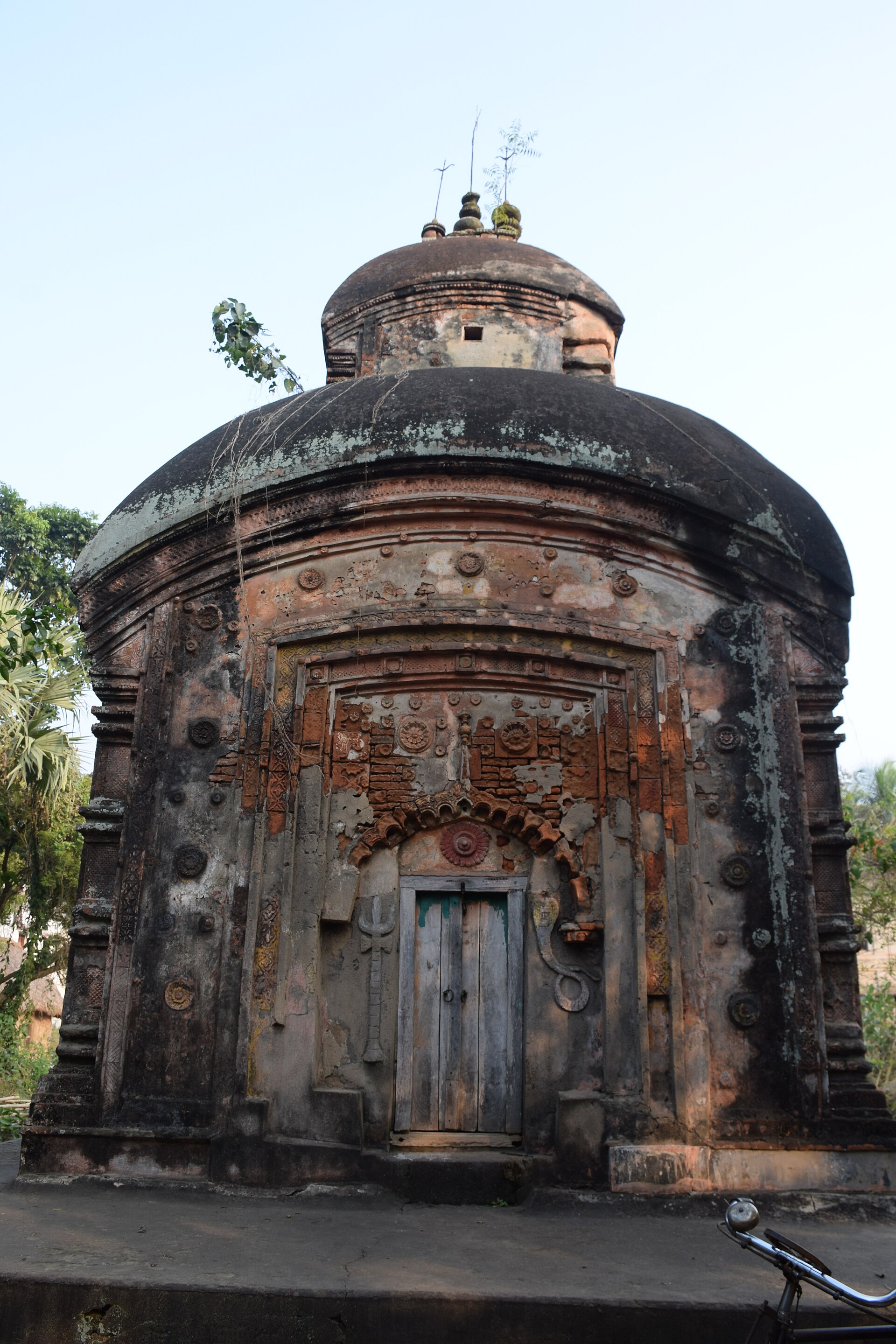
Finding the exact location details before setting off saves you from getting stuck in narrow bazaar streets.
Nearby Amenities and Raghunath Bazaar Shopping
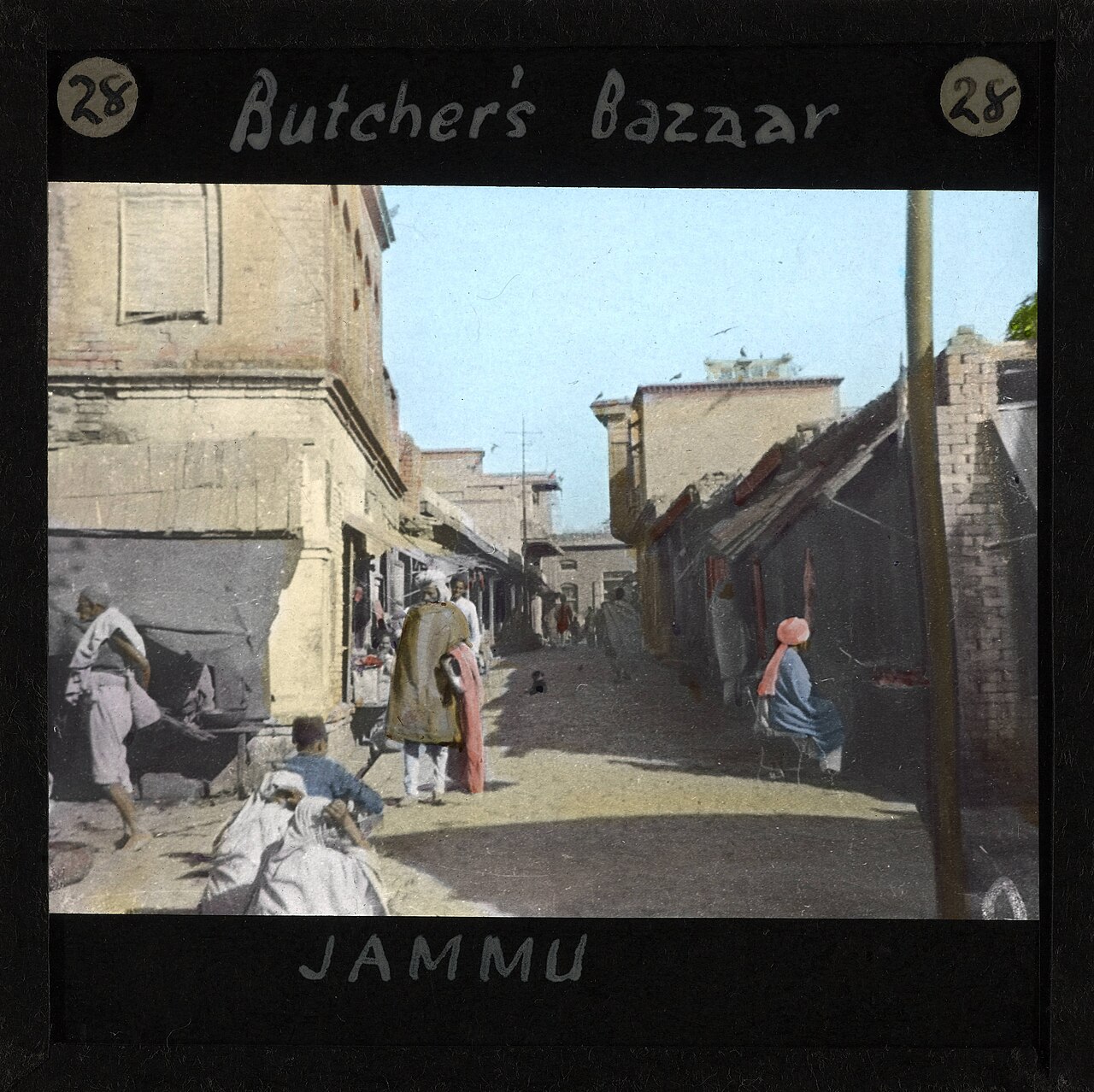
Stepping out of the complex lands you directly inside Raghunath Bazaar, one of the oldest trading hubs in the city. This market is famous for Kashmiri carpets, pashmina shawls, wooden artifacts, and dry walnuts.
Prices here are negotiable, but keep a polite tone with shopkeepers who have been running these family storefronts for generations. You will also find small tea stalls tucked into corners serving strong, spiced local tea that hits the spot after an hour of walking on cold stone floors.
How Our Packages Simplify Your Visit
When you travel independently, sorting out parking, shoes, lockers, and local guides can drain your energy before you even cross the threshold. Our Jammu itineraries factor in these small friction points by arranging private transfers that drop you as close to the pedestrian zone as municipal rules allow.
We also partner with local guides who grew up playing in these very lanes. They take you past the standard tourist stalls straight to authentic craftsmen and explain the distinct architectural fusion of Sikh and Mughal styles visible across the temple's various shrines.
Ready to Book Your Jammu Trip
Planning a trip that covers both urban heritage sites and quieter nature escapes does not have to be an exercise in logistics management. Beyond the city center, you can easily pair your temple morning with a peaceful afternoon by visiting spots like Bahu Fort, or driving further out to Mansar Lake and Surinsar Lake.
Reach out to our team based right here in Srinagar and Jammu. We will build a customized route that balances cultural landmarks with quiet roadside dhabas and comfortable hotels.
Before you book
Navigating an ancient temple in the middle of a bustling commercial district can feel intimidating if you go in blind. With the right timing and transport arrangements, however, your morning here becomes one of the most memorable cultural anchors of a Jammu holiday.
Let us take care of the ground transport, local guides, and seamless hotel connections so you can simply focus on the architecture and the atmosphere.
Let Us Plan Your Jammu Journey
Speak with our local specialists in Srinagar and Jammu to design a custom trip tailored to your pace.
Get in TouchCaption for your own post
Golden spires and bustling market lanes: navigating the heart of Jammu at Raghunath Temple.
Written by
Kashmir, Jammu & Ladakh specialists
We plan and run trips across Kashmir, Jammu and Ladakh every week of the year. Everything here comes from routes we drive, stays we inspect and questions our travellers actually ask.
Written after multiple visits guiding travelers through the old city streets of Jammu.
Quick answers
Questions we get asked
Where is Raghunath Temple located?
It is located in the center of Jammu city, easily accessible from both the railway station and airport via local auto-rickshaws and taxis.
Are cameras allowed inside the complex?
Photography is strictly prohibited inside the main temple courtyard and near the shrines for security reasons, though you can take pictures of the outer streetscape.
What are the entry timings?
The complex typically opens from early morning around 6:00 AM until late evening, closing briefly in the afternoon.
Is there a fee to enter?
No, entry to the temple complex is free for all visitors, though shoe-keeping services and optional offerings carry small nominal charges.
How long does a typical visit take?
Plan for about one to two hours, which includes security checks, walking through the bazaar, and spending time inside the courtyard.
Photography credits
- Photo: Ms Sarah Welch · CC BY-SA 4.0
- Photo: Amitabha Gupta · CC BY 4.0
- Photo: Unknown author Unknown author · Public domain
- Photo: Amitabha Gupta · CC BY 4.0
- Photo: Amitabha Gupta · CC BY 4.0
- Photo: MSR2016 · CC BY-SA 4.0
- Photo: Amitabha Gupta · CC BY 4.0